
Travelers are not necessarily giving up vacations, but many are reconsidering the extras that once felt like a routine part of the trip. The U.S. Travel Association expects travelers to favor shorter, lower-cost trips as expenses remain a concern. From upgraded hotel rooms to checked luggage and premium attraction passes, these vacation splurges are increasingly being replaced by practical choices that leave more money for the experiences travelers value most.
The Oceanfront Room Upgrade
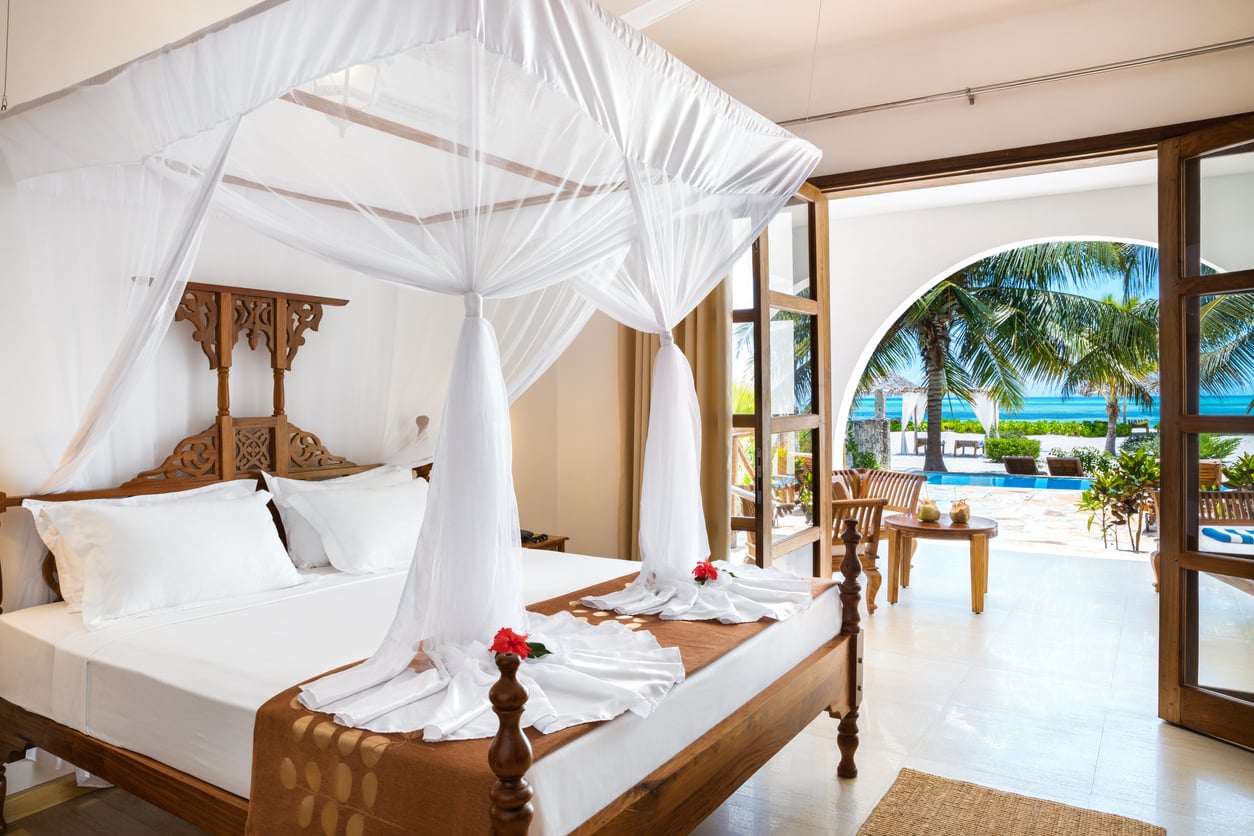
An ocean view can be wonderful, but the premium becomes harder to justify when travelers expect to spend most of the day outside. Many now reserve standard, garden-view, or partial-view rooms and put the savings toward meals and activities. Others stay a block or two inland rather than directly on the beach. Recent traveler discussions show people increasingly judging upscale accommodations by how much time they will actually spend at the property.
Breakfast at the Hotel Every Morning

A leisurely hotel breakfast once felt like part of the vacation, but eating three restaurant meals every day quickly becomes expensive. Travelers increasingly alternate between cafes, bakeries, grocery-store food, complimentary breakfasts, and occasional sit-down meals. A room with a refrigerator or kitchenette can make this easier, particularly for families and longer stays. The downside is that grocery shopping and preparing food take time, and complimentary breakfasts vary greatly in quality.
Extra-Legroom and Premium-Economy Seats
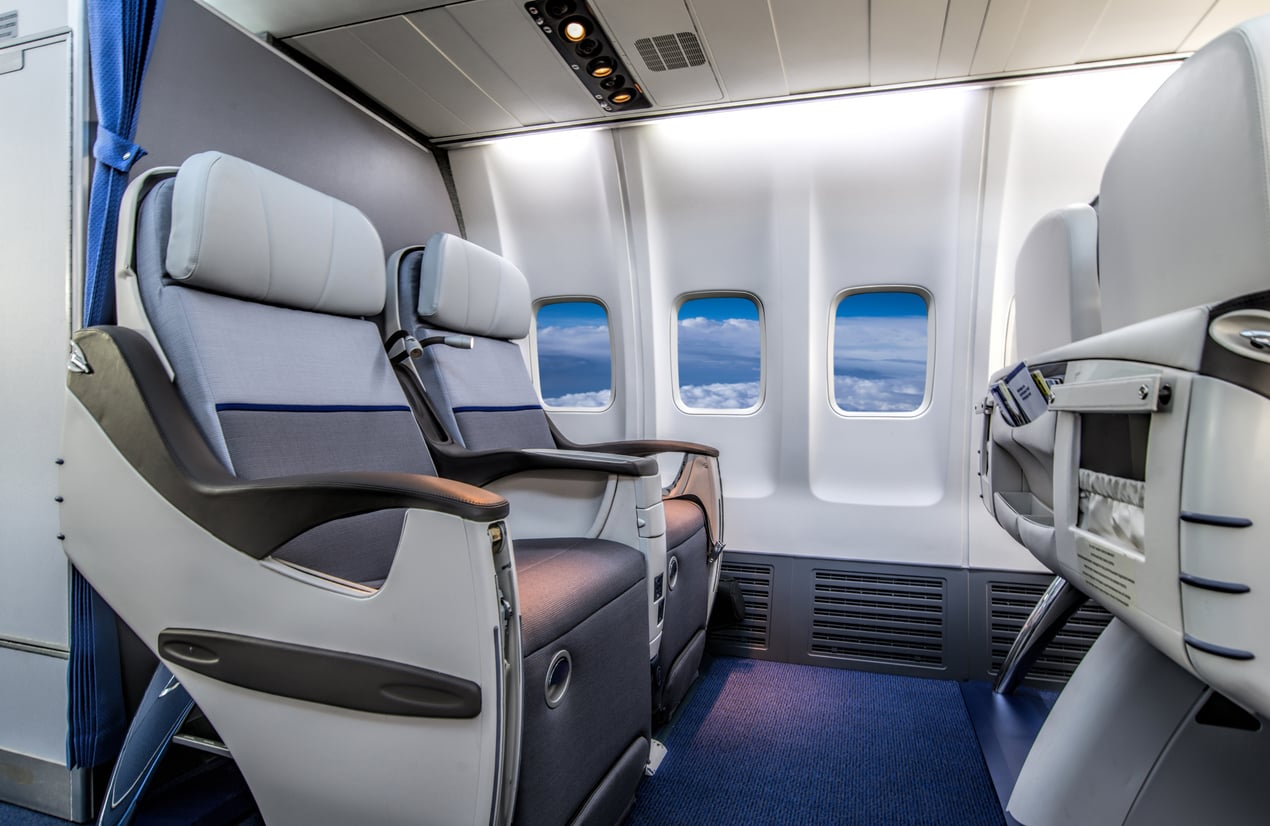
Premium seating can make a long flight more comfortable. Nevertheless, seat-selection charges and cabin upgrades can considerably raise the total price for a couple or family. Some travelers now tolerate standard economy and use the difference for lodging or experiences after arrival. In points-and-miles communities, even frequent premium-cabin travelers debate whether an upgrade is worth several times the economy price. The calculation changes for very long flights or overnight journeys.
Keeping a Rental Car All Week

Renting a car remains useful in rural areas and destinations with weak public transportation. In walkable cities, however, the daily rate is only part of the cost. Parking, fuel, toll programs, and insurance choices can make a seemingly reasonable rental much more expensive. Recent reporting placed the average daily rental rate across 100 U.S. airports at more than $60 before many add-ons. Some travelers now rent only for a countryside day trip and use trains, buses, or walking for the rest of the vacation.
Checking a Bag for Every Flight
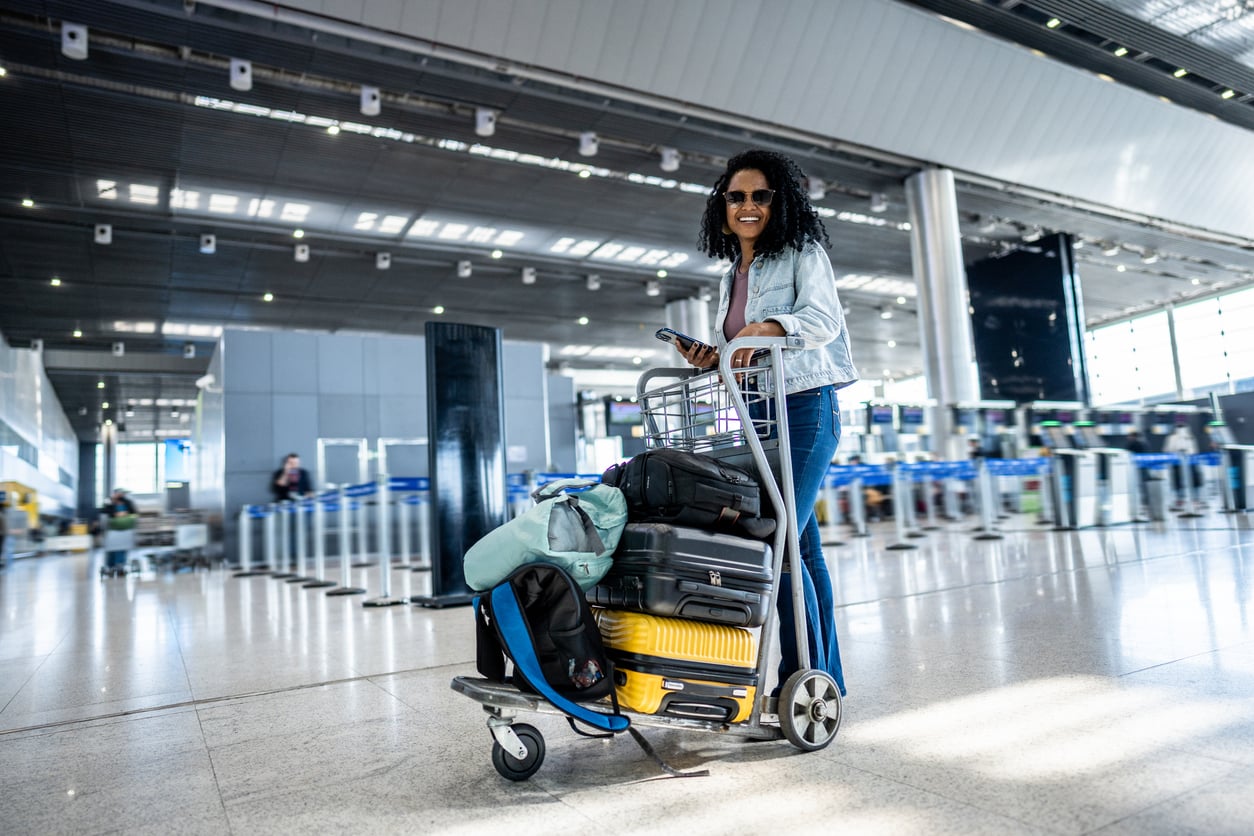
Packing light has become more financially meaningful as baggage fees rise. On a round trip, several bags can add hundreds of dollars to a family’s airfare. Travelers are responding with smaller wardrobes, packing cubes, shared toiletries, and laundry during longer stays. Carry-on-only travel is not ideal for every passenger, however. Medical supplies, mobility equipment, winter gear, and longer itineraries can make a checked suitcase worthwhile.
Trending on Cheapism


Parking at the Airport

Leaving a car at the terminal is convenient, but the total can rival a round-trip ride to the airport. A 2025 analysis of 62 U.S. airports found an average economy-parking rate of $16.44 per day, while premium garages at major airports can cost considerably more. Travelers increasingly compare advance-booked parking, off-site lots, public transit, shuttles, and ride-share fares before automatically driving. The best option still depends on distance, luggage, mobility, and departure time.
Ordering Several Rounds at the Hotel Bar

Hotel bars offer convenience and atmosphere, but guests often pay a premium for the setting. Instead of making the lobby bar a nightly routine, budget-conscious travelers may order one special drink, look for an included reception, or spend their evening elsewhere. This is not always an easy saving for guests staying at isolated resorts where alternatives require transportation. Travelers should also examine mandatory resort or destination fees, since some properties bundle beverage credits or other amenities into the rate.
Buying the Official Vacation Photo Package
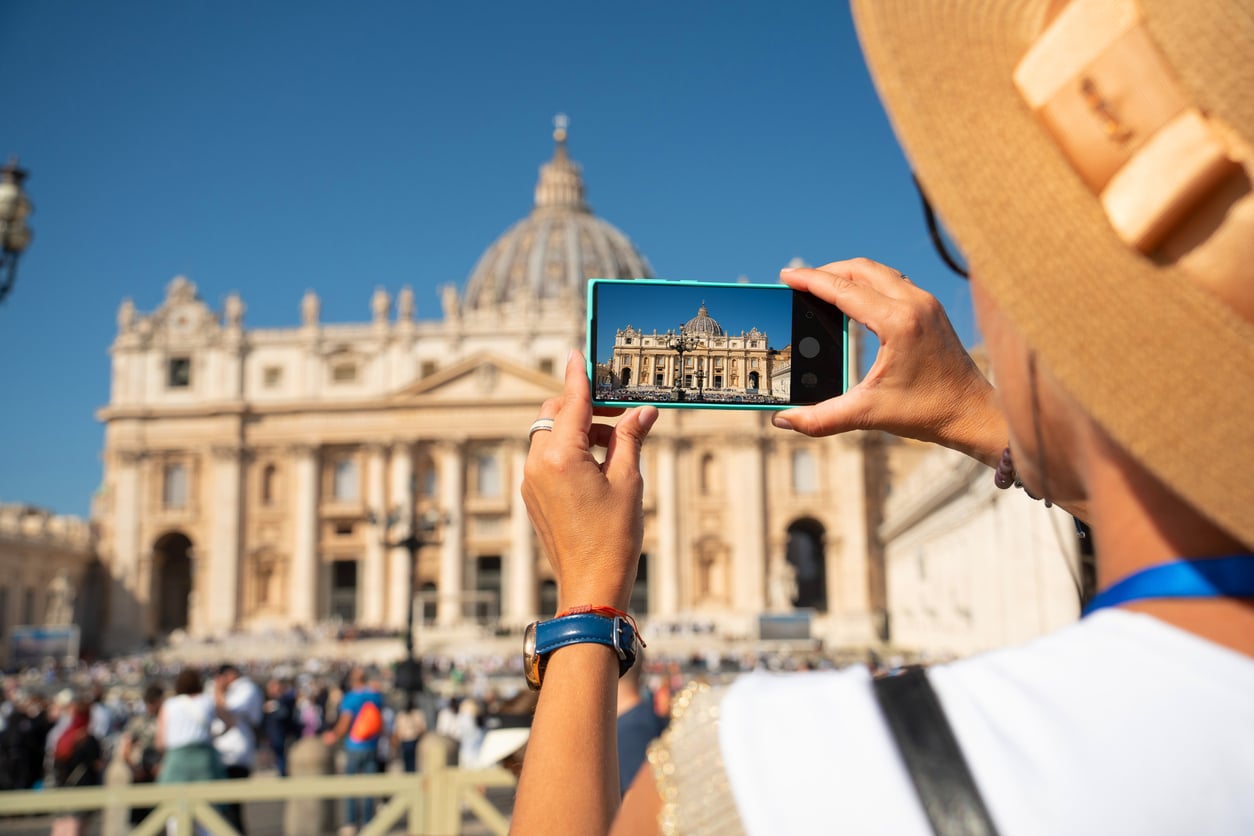
Theme parks, cruises, resorts, and observation decks make it easy to accumulate professional photographs throughout a trip. The final package, however, can become another sizable checkout expense. Smartphone cameras, compact tripods, Bluetooth remotes, and help from another visitor have made these packages less essential for many travelers. Professional photos may still be worthwhile for milestone anniversaries, multigenerational reunions, or groups that rarely appear together in pictures.
Sign up for our newsletter
Scheduling a Guided Tour Every Day
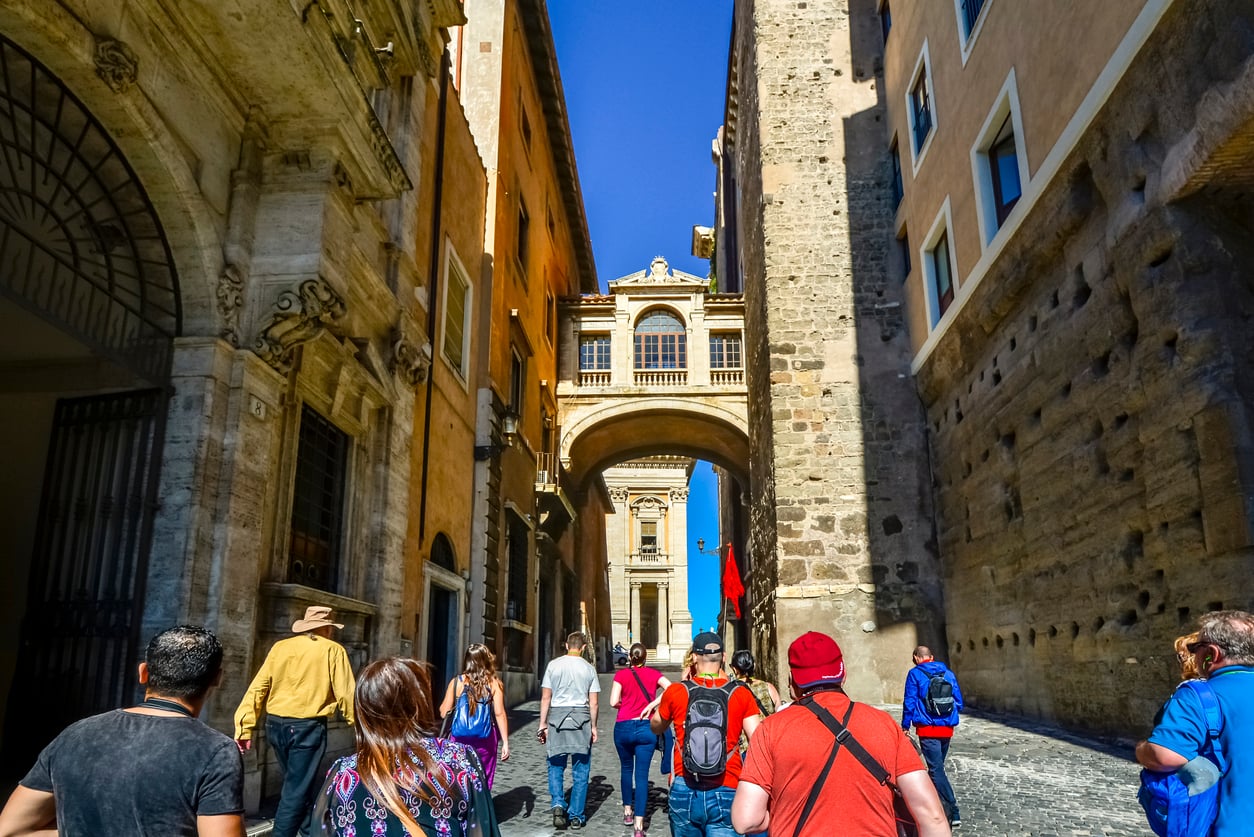
A good guide can explain history, navigate confusing transportation, and provide access that independent visitors might miss. Booking tours every day, however, can leave a vacation both expensive and overly scheduled. Many travelers now pay for one experience that genuinely benefits from expertise and explore the rest independently. Self-guided audio tours, public transportation, museum apps, and tip-based walking tours can fill the gaps. The trade-off is additional planning.
Paying for Premium Line-Skipping Passes

Theme-park admission is increasingly only the first expense. Disney says its Lightning Lane prices vary by date, park, and attraction, while some headline rides require separate purchases. Travelers who once bought upgrades for every park day may now reserve them for the busiest day, arrive before opening, or accept fewer rides. Skipping the upgrade can mean long waits, so this saving works best for visitors with flexible expectations rather than a must-do list of every major attraction.
Bringing Home a Souvenir From Every Stop

Small purchases feel harmless until travelers examine the collection of mugs, magnets, shirts, and gifts at the end of a trip. Many now choose one useful or meaningful item rather than buying something at every attraction. Food products, postcards, ornaments, locally made crafts, and printed photographs can be easier to store and more personal than generic merchandise. There is also less luggage to carry home.
Booking a Treatment at the Resort Spa
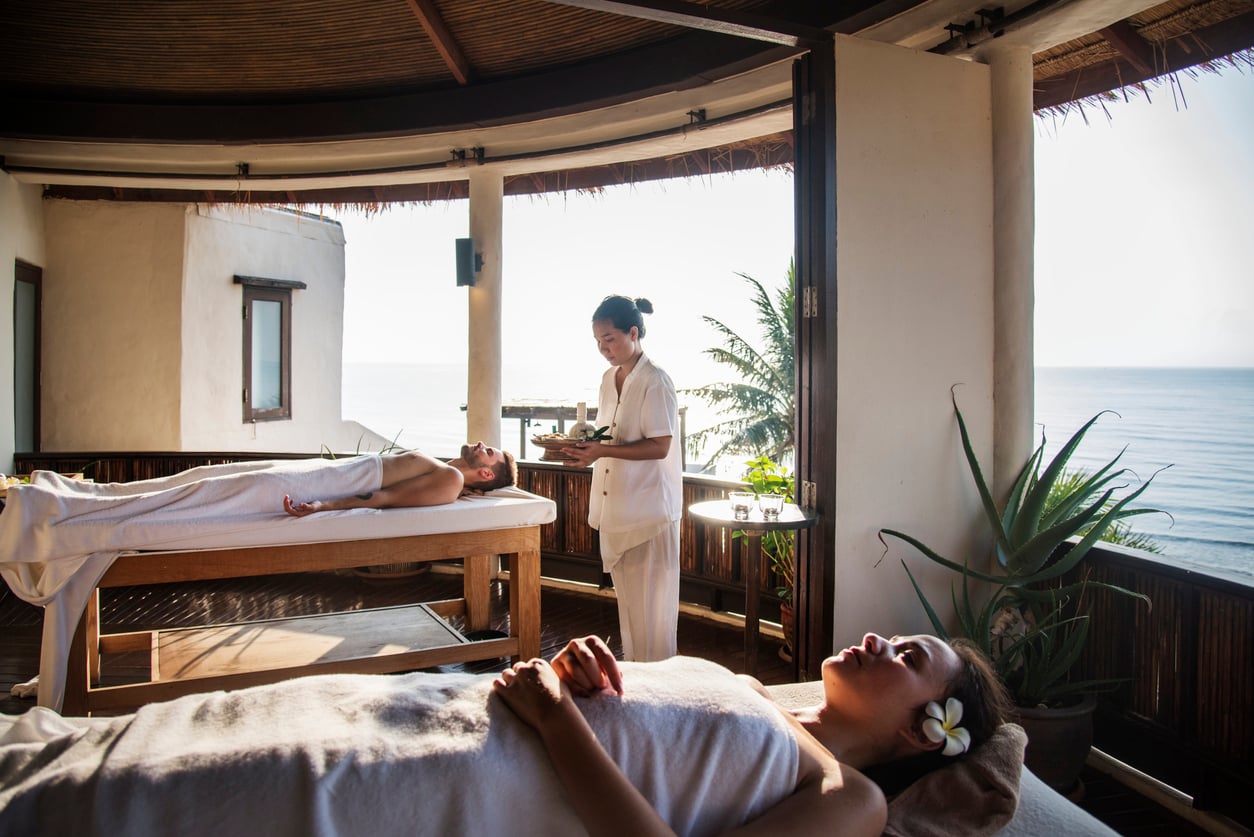
A resort massage can be relaxing, but the convenience usually comes with resort-level pricing, service charges, and gratuities. Travelers looking to reduce costs increasingly treat the pool, sauna, hot tub, or quiet afternoon as their relaxation instead. Others compare independent day spas away from the hotel or postpone the treatment until they return home. This is not always an equal substitute: resort spas may offer distinctive facilities or provide valuable relief after a physically demanding trip.
Purchasing a Cruise Excursion at Every Port
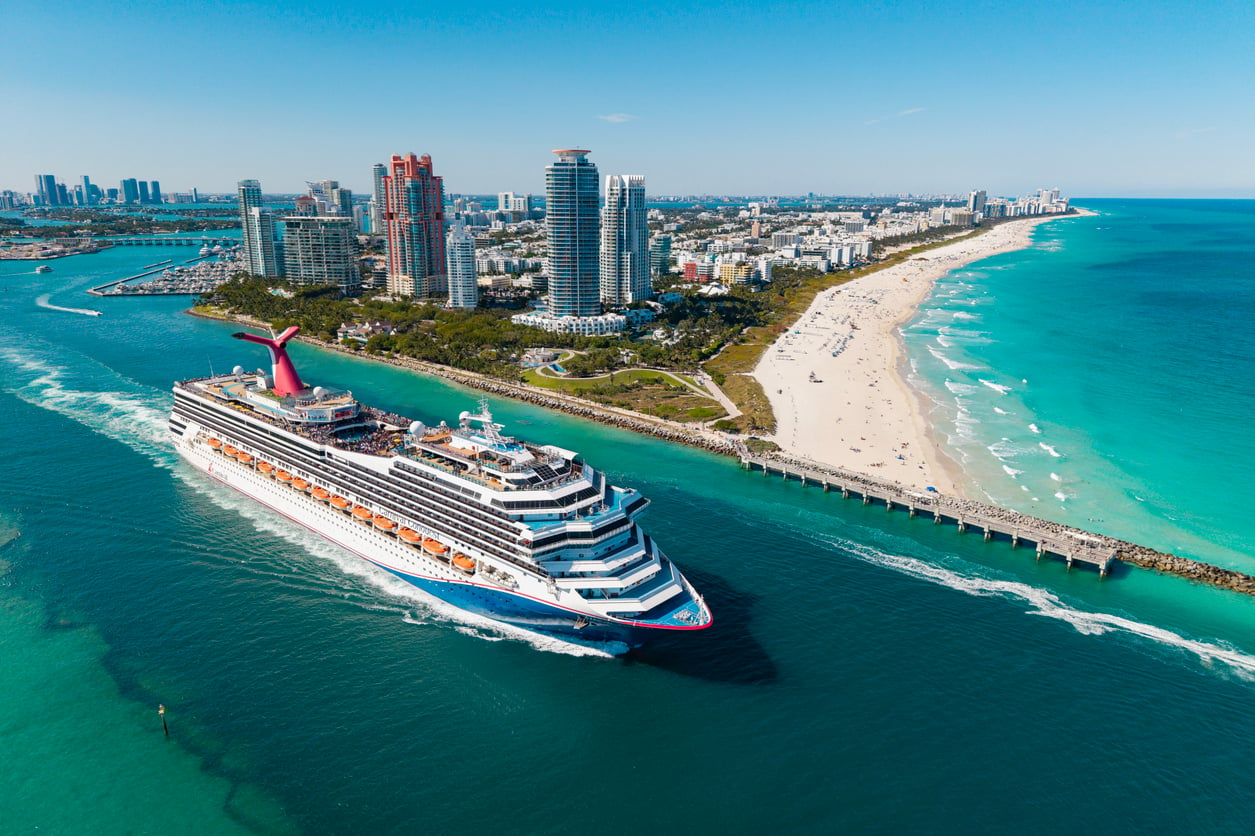
Cruise passengers can easily spend as much on shore excursions as they did on the fare. Experienced cruisers often mix one or two organized tours with walkable ports, public beaches, local transportation, or carefully vetted independent operators. The savings can be substantial, but ship-sponsored excursions offer protections that independent plans may not. They are generally coordinated around port changes and delayed returns, while a ship is not obligated to wait for passengers delayed on a private outing.
Buying Every Snack Inside the Attraction

A few drinks and snacks purchased at a museum, zoo, national park, or theme park can quietly cost as much as a full meal. Travelers increasingly bring refillable bottles, eat before entering, or carry permitted snacks for long days. The National Park Service specifically recommends bringing refillable water bottles, although food-storage rules differ by park and wildlife conditions. Theme parks and museums also maintain their own outside-food policies, so checking the rules beforehand is important.
Traveling During the Most Popular Holiday Weeks

Holiday weekends, school vacations, and midsummer dates may be convenient, but that convenience is increasingly treated as a splurge. Travelers with flexible schedules are shifting trips to weekdays or shoulder periods and letting the airfare determine the dates. Google’s 2025 flight analysis found that Monday-through-Wednesday departures were about 13% cheaper than weekend flights on average. Off-peak travel can also bring lighter crowds and better lodging availability.
Renting a Large Luxury Vacation Home

A large vacation house can make sense for an extended family, especially when it replaces several hotel rooms and provides a kitchen. Smaller groups are increasingly scrutinizing the total rather than the attractive nightly rate. Cleaning charges, service fees, taxes, and extra bedrooms can make a rental less competitive than expected. Downsizing to a condo, smaller rental, or midscale hotel can preserve the trip without paying for unused space.