Rising travel costs are changing how families plan their vacations. The U.S. Travel Association expects travelers to favor shorter and lower-cost trips as expenses remain a concern. That often means choosing one major experience instead of paying for every famous stop. From theme parks and observation decks to aquariums and ski resorts, these tourist attractions are becoming easier to skip once admission, parking, food, and costly extras are added together.
Disney World
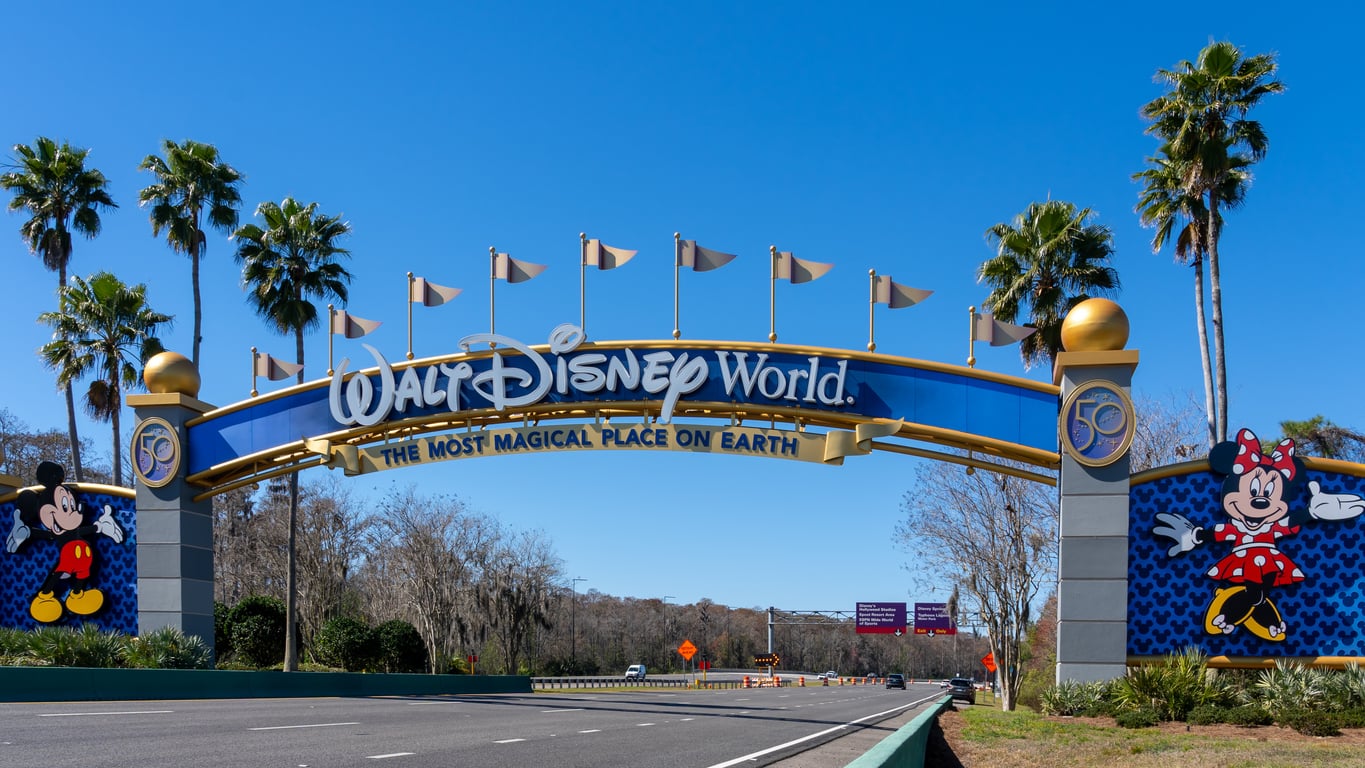
Disney World has shifted from a regular family vacation to a major financial commitment. Tickets, hotels, meals, parking, souvenirs, and Lightning Lane passes can quickly push the total into the thousands. Families still value the experience, but many are shortening their stays, eating outside the parks, skipping paid line access, or treating Disney as a rare milestone trip instead of returning every few years.
Universal Orlando

Universal Orlando remains popular, especially with families interested in Harry Potter and the newer Epic Universe attractions. However, multi-park tickets, Express Passes, food, parking, and on-site hotels can make a short visit expensive. Express access can sometimes cost nearly as much as admission. Some families now visit only one park, stay fewer days, or wait for discounted vacation packages before booking.
Disneyland

Disneyland is becoming harder to treat as a casual addition to a California vacation. Families must budget for tickets, reservations, parking, meals, souvenirs, and optional Lightning Lane access. Even a two-day visit can cost hundreds of dollars before lodging is included. To control costs, many guests stay at hotels outside the resort, bring permitted snacks, skip park hopping, or limit the visit to a single day.
Water Parks

A day at a major water park can cost nearly as much as visiting a theme park. Admission is only part of the expense, with families often paying extra for parking, lockers, meals, towels, reserved seating, or cabanas. Weather is another risk because storms can close outdoor rides. Families who only want a few hours in the water may choose a hotel pool, public beach, or local aquatic center instead.
Major Aquariums
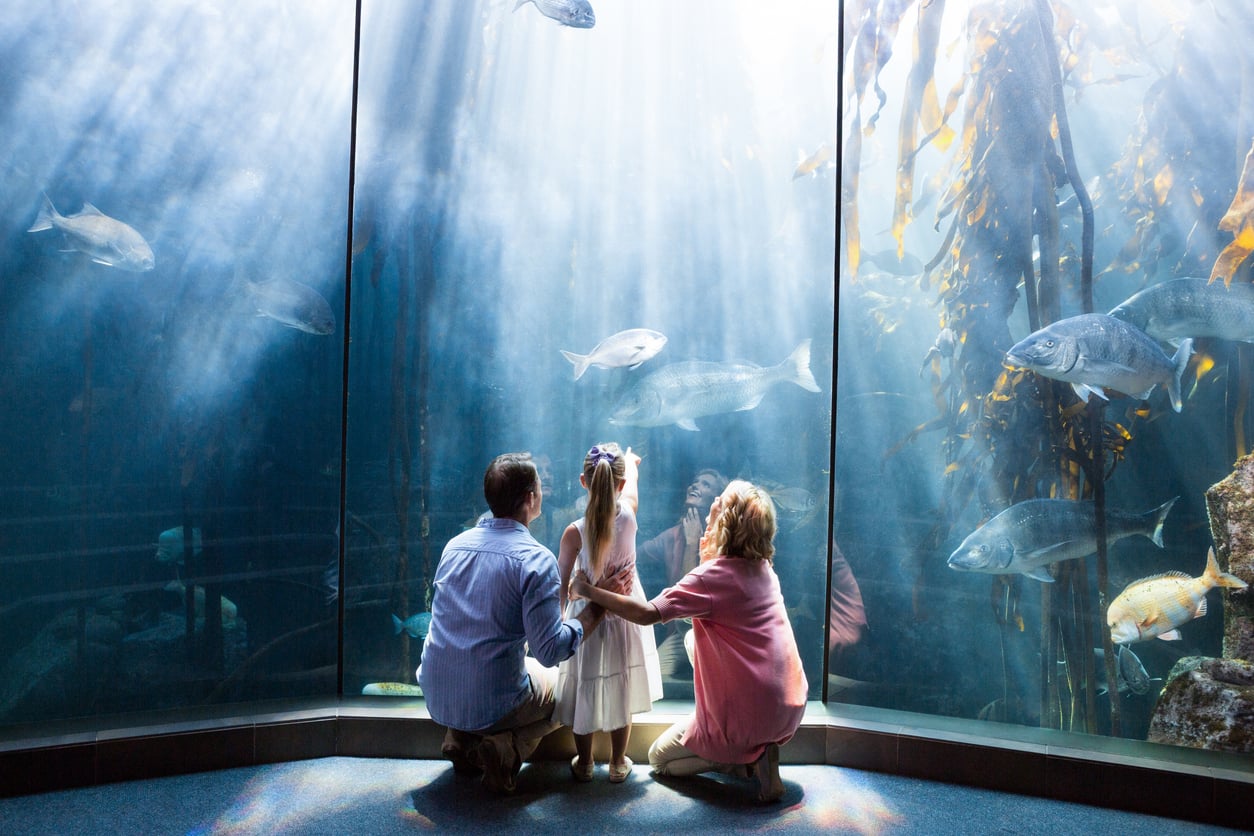
Large aquariums provide a useful indoor activity on hot or rainy days, but family admission can easily exceed $150 or even $200. Parking, meals, special exhibits, and gift shop purchases raise the total further. Parents may also worry that younger children will move through the exhibits too quickly. Smaller marine centers, free museum days, library passes, and reciprocal memberships can offer better value.
Trending on Cheapism


Destination Zoos

Families may question paying premium prices for a destination zoo when they already have one near home. Admission, parking, food, animal encounters, and souvenirs can turn a zoo visit into an expensive day. Famous zoos still offer unique exhibits and conservation programs, but travelers increasingly compare them with free beaches, nature centers, wildlife refuges, and public parks that provide more flexible schedules.
Observation Decks
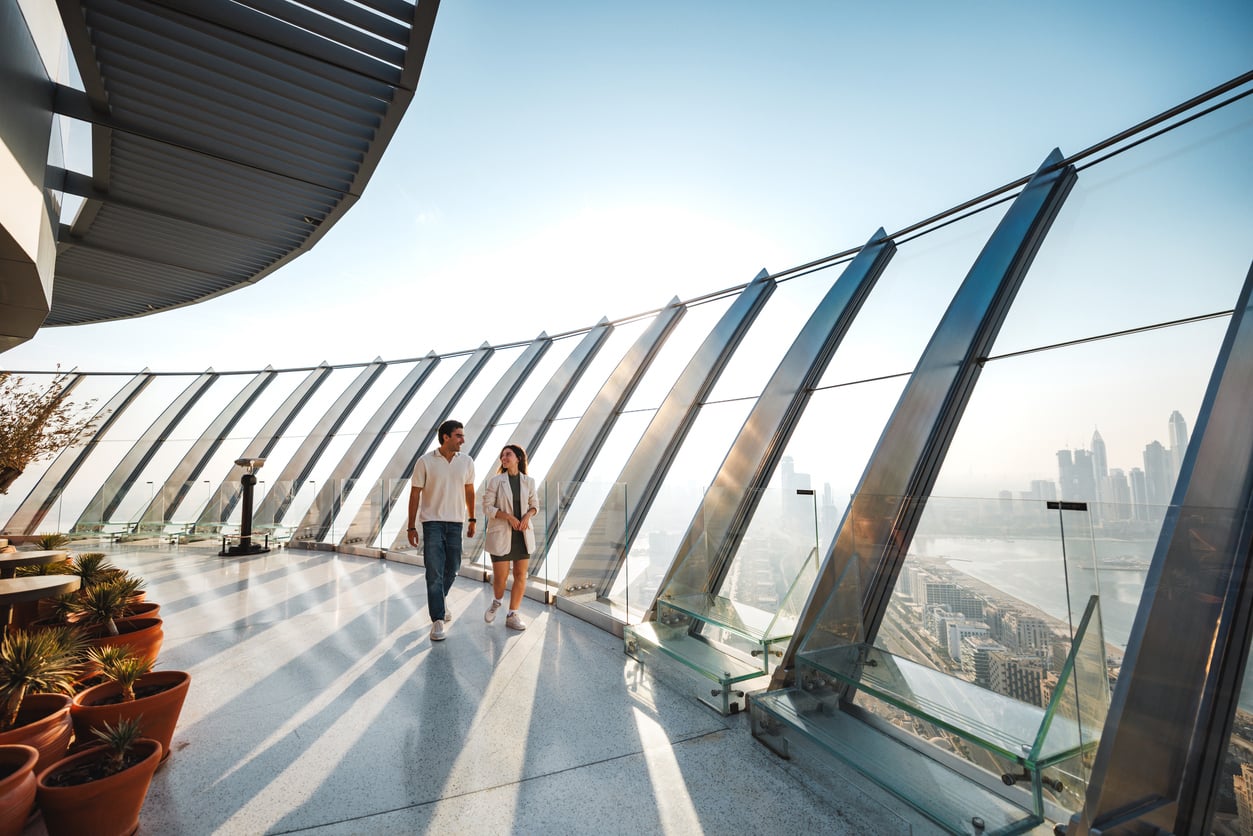
Observation decks offer impressive city views, but the visit may last only an hour. Tickets at attractions such as One World Observatory, Edge, Top of the Rock, and the Willis Tower Skydeck can add up quickly for a family. Cloudy weather or haze may also reduce the experience without lowering the price. Many travelers now choose one deck or look for free views from bridges, parks, ferries, and public buildings.
Sightseeing Buses
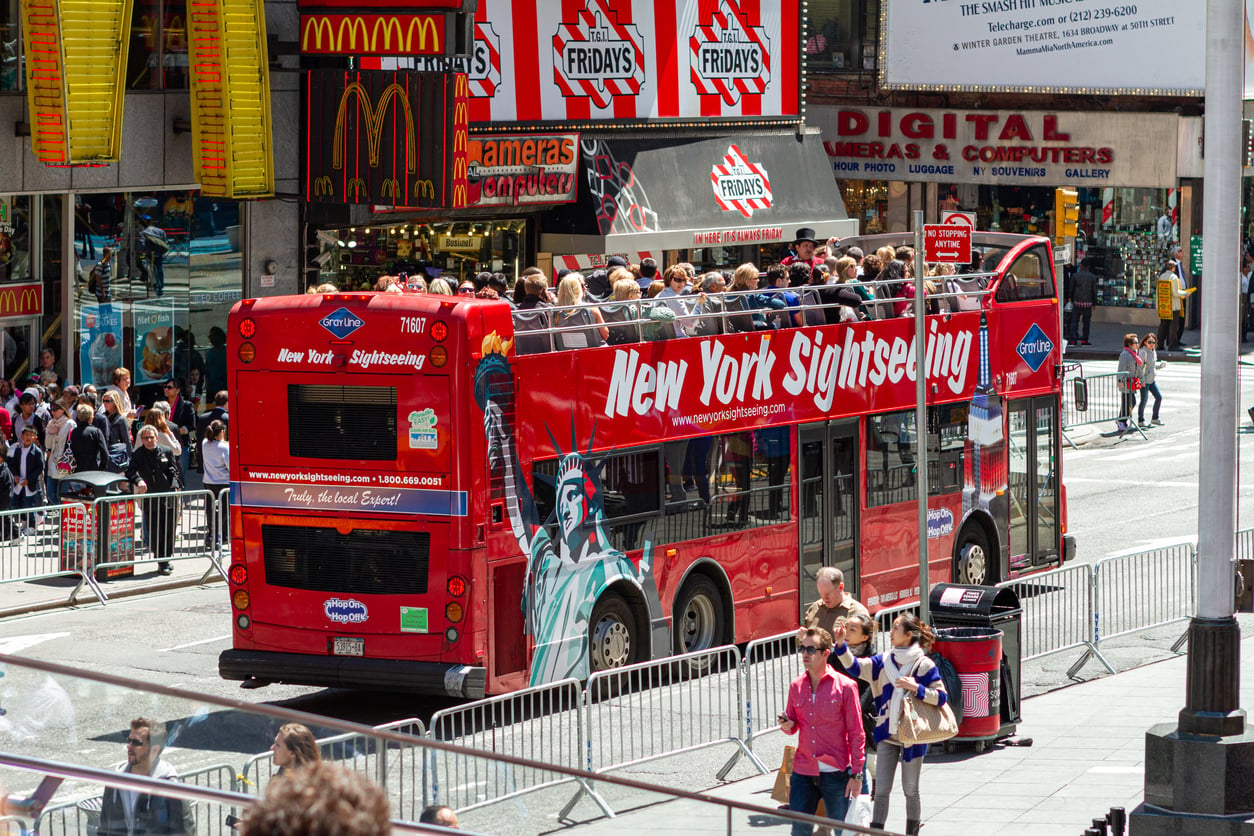
Hop-on hop-off buses can help visitors understand a city and reduce walking, but buying tickets for an entire family is often expensive. Traffic may also leave passengers spending much of the tour sitting between stops. Public transit passes, ferries, walking tour apps, and ordinary city buses can cover many of the same neighborhoods for less. The buses remain useful for short trips or travelers with limited mobility.
Sign up for our newsletter
Dinner Shows
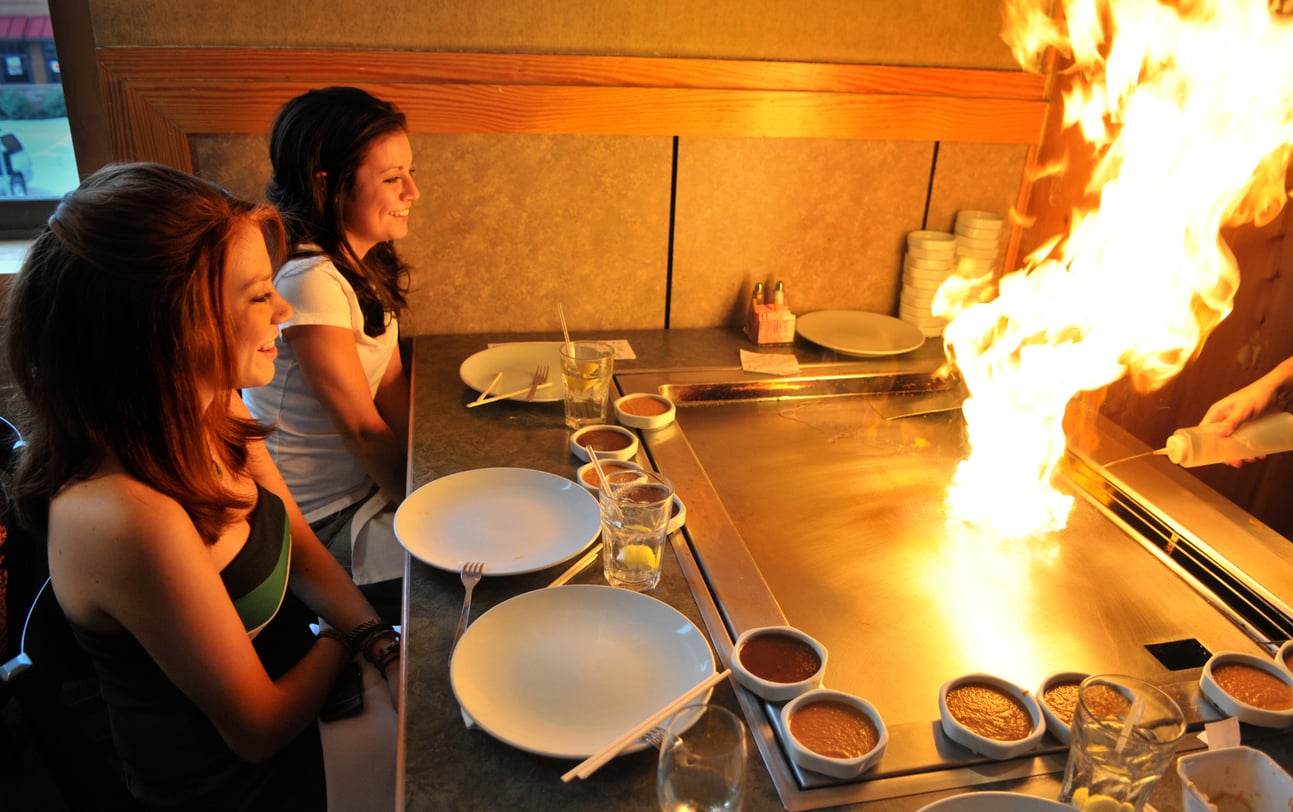
Dinner shows combine food and entertainment, but the total can reach several hundred dollars for a family. Drinks, photos, premium seating, taxes, and gratuities may cost extra. Guests often praise the costumes, horses, staging, and family-friendly performances, yet the meal choices can be limited. Some families prefer a regular restaurant followed by a free concert, festival, or evening walk that provides more control over spending.
Ski Resorts

Ski vacations require families to pay for much more than lift tickets. Equipment rentals, lessons, winter clothing, lodging, transportation, food, and parking can make even a weekend trip costly. Major resorts usually offer better prices to guests who book far in advance, but this requires committing before weather conditions are known. Occasional skiers may choose smaller independent hills, sledding areas, or other winter activities instead.
Whale Watching
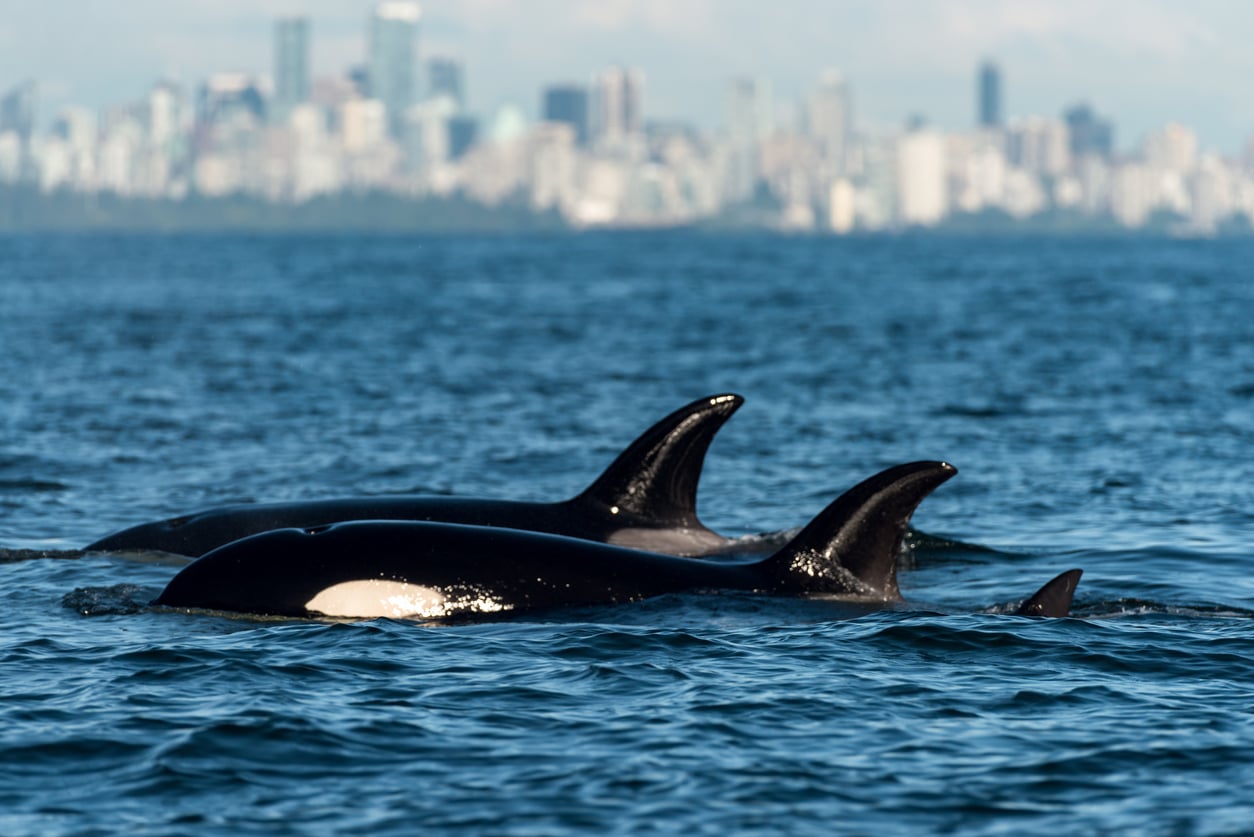
Whale watching can be unforgettable, but families must buy several boat tickets without knowing how close the wildlife will appear. Some trips produce excellent sightings, while others involve distant views or long periods at sea. Seasickness, weather changes, and extra charges for food or photos can also affect the experience. Coastal overlooks, marine parks, beaches, and migration festivals provide less expensive alternatives.
Glass-Bottom Boats
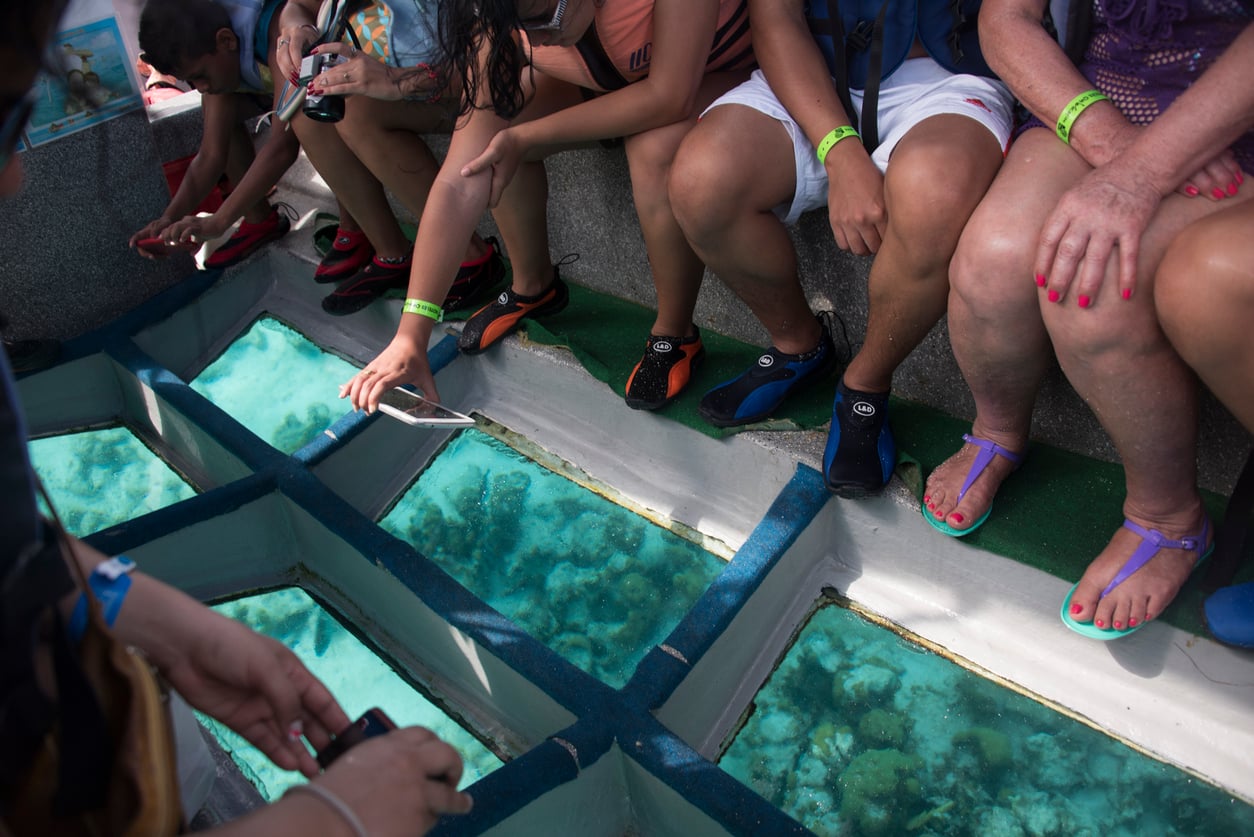
Glass-bottom boat tours allow families to see marine life without swimming, which can help young children, older adults, and travelers who cannot snorkel. However, the quality depends on water clarity, weather, seating, and the number of animals nearby. In beach destinations filled with paid excursions, families may save their money for a longer boat trip, rent snorkeling equipment, or spend the day at a public beach.
Mountain Gondolas
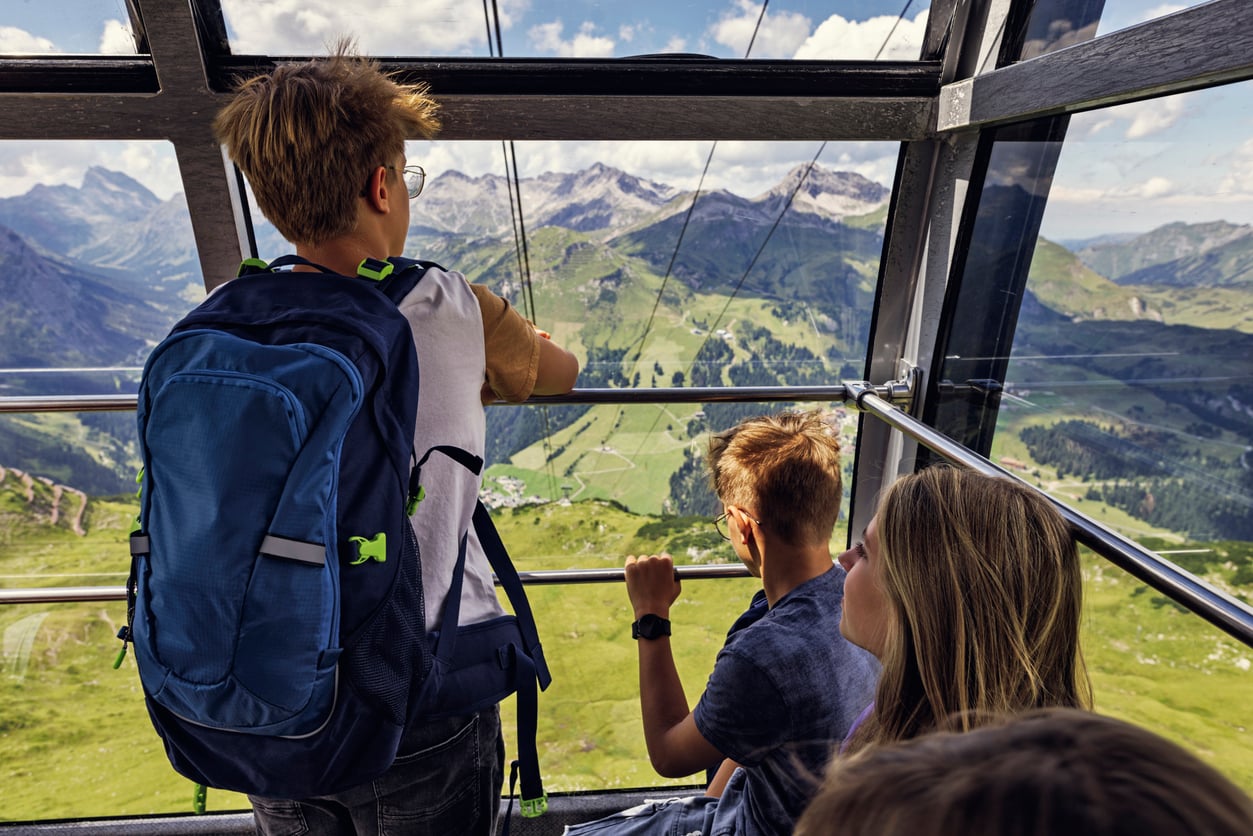
Scenic gondolas and tramways make mountain views accessible to visitors who cannot complete a difficult hike. However, families may pay premium admission for a ride that lasts only a few minutes each way. Clouds can also block the scenery at the summit. Scenic drives, overlooks, shorter trails, and free resort events can provide a longer experience. Gondolas may still be worthwhile when accessibility is the main concern.
Children’s Museums
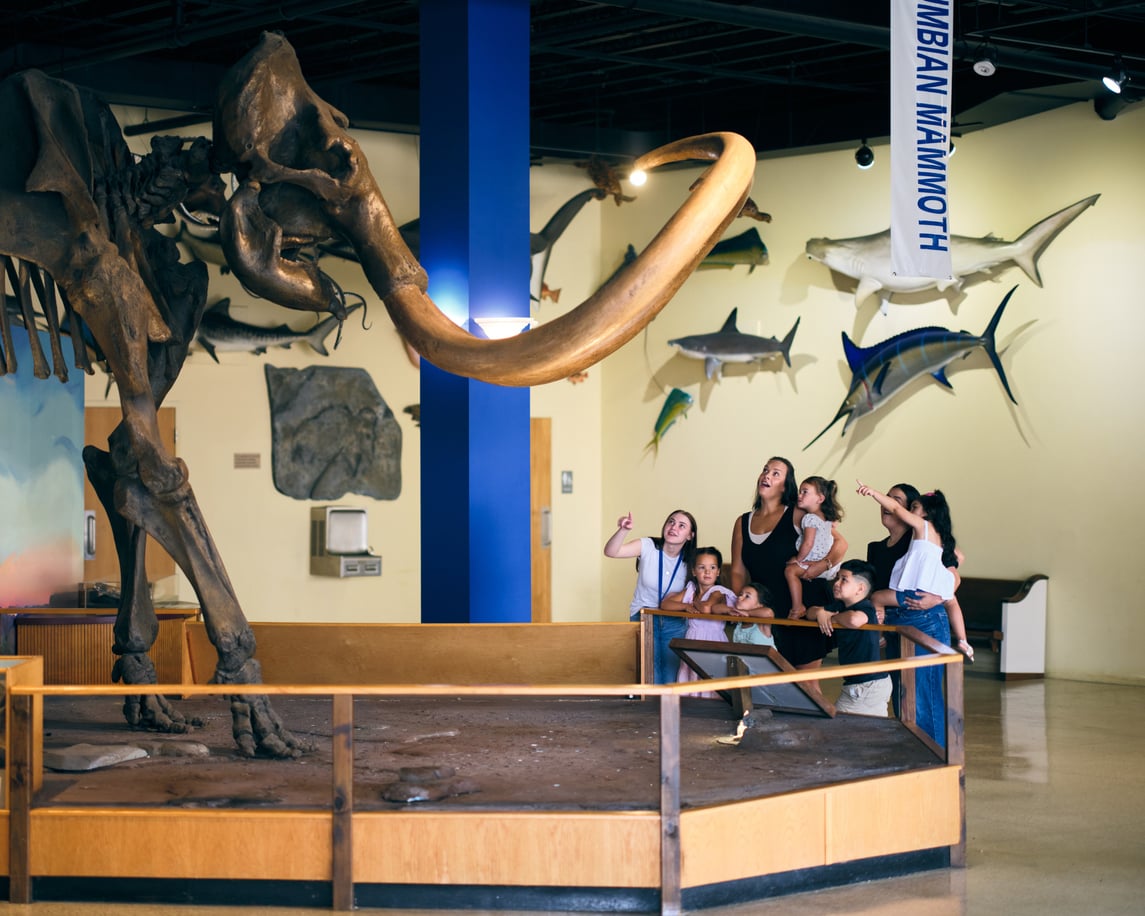
Children’s museums and science centers can be excellent rainy-day activities, but admission, parking, special exhibits, meals, and gift shops raise the cost. Value also depends on the children’s ages and attention spans. An exhibit that entertains a young child may not interest an older sibling. Families can reduce costs through library passes, free evenings, local memberships, and reciprocal admission programs offered by museum networks.
Historic Estates

Historic estates preserve impressive homes, gardens, artwork, and architecture, but admission can now resemble the price of a major entertainment attraction. Some properties include large grounds or additional exhibits, while others focus mainly on a guided house tour. Families with limited interest in history may find the cost difficult to justify. Free historic districts, public gardens, state capitols, and national historic sites offer alternatives.
Animal Encounters
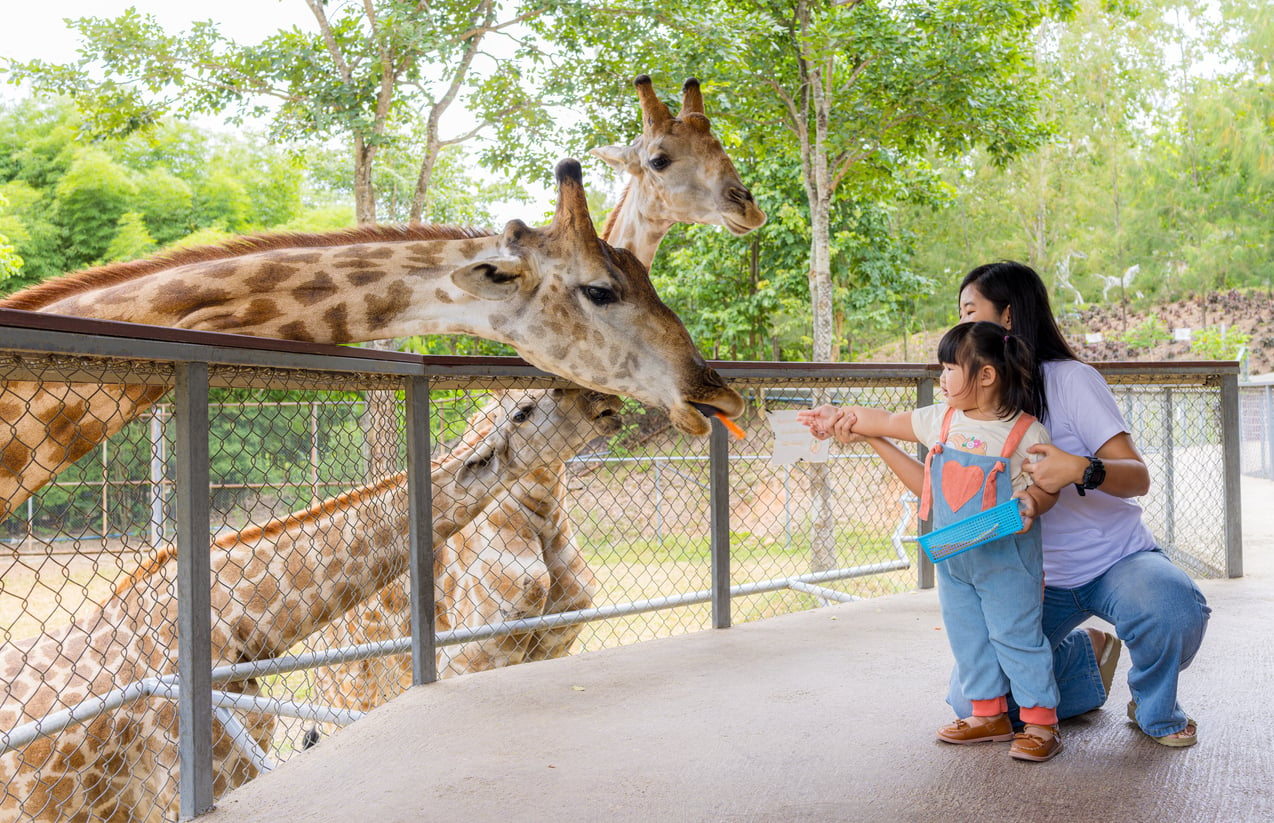
Giraffe feedings, dolphin swims, penguin visits, and behind-the-scenes zoo programs are increasingly sold as premium add-ons. Each participant may need both general admission and a separate encounter ticket. Professional photos and reservation fees can increase the price. Families are also paying closer attention to animal welfare. Keeper talks, public feedings, wildlife centers, and regular habitat visits can offer meaningful experiences for less.