Eating in another country can bring surprises that have nothing to do with what’s on the menu. Some local food customs might seem strange at first, from finding tissues on empty tables to receiving dishes you never ordered or paying for appetizers you thought were free. But these habits often reflect longstanding traditions rather than unusual restaurant policies. As the Japan National Tourism Organization explains, even slurping noodles is perfectly acceptable in Japanese dining culture. Here are 12 customs worth knowing before your next trip.
Reserving Tables With Tissue Packets in Singapore
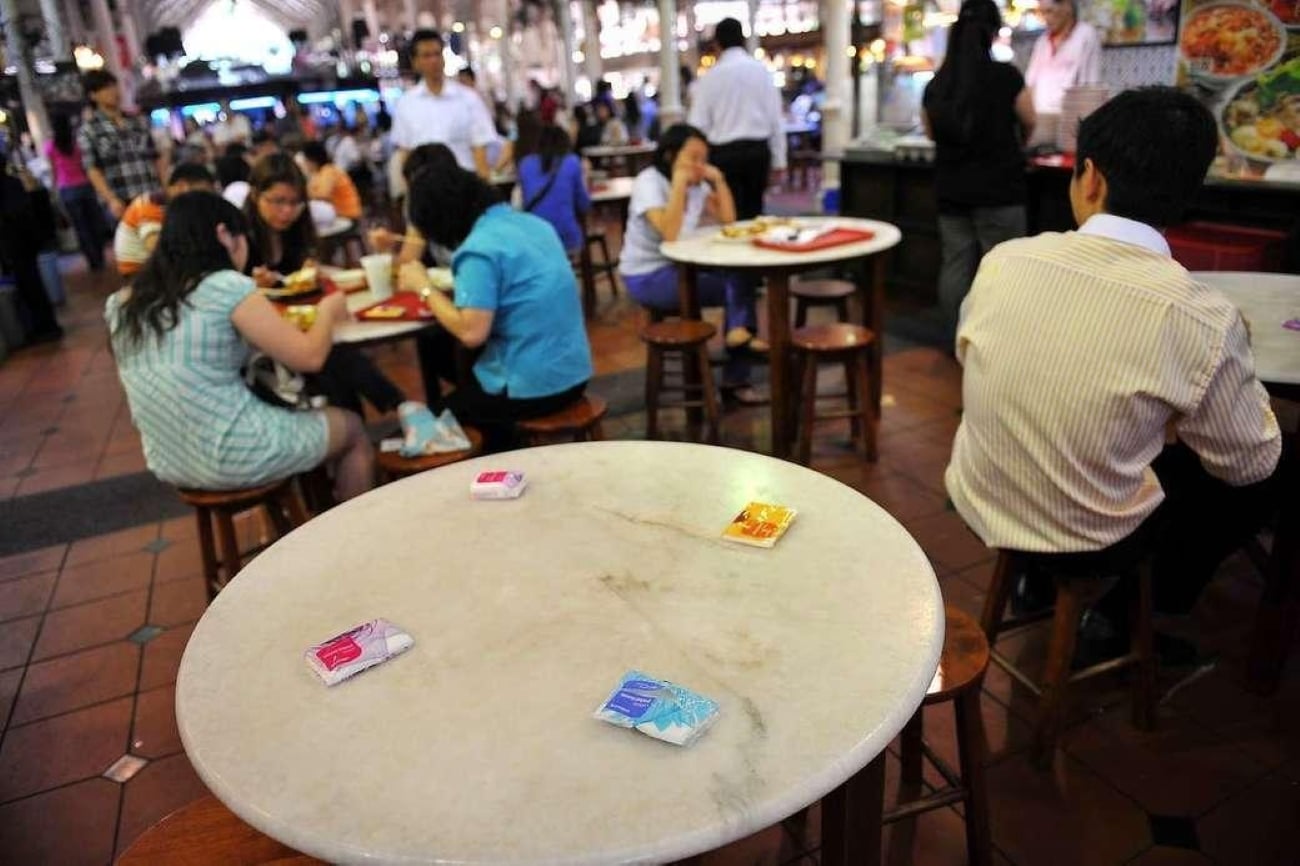
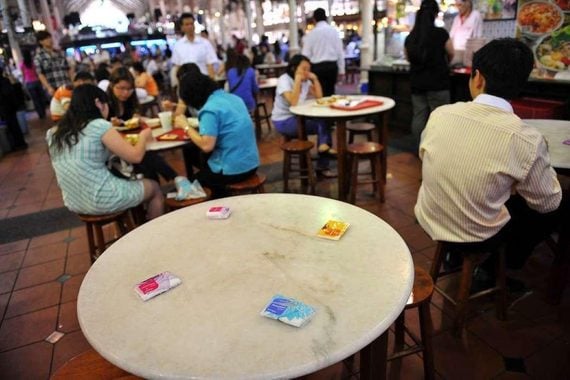
Walk into a busy Singapore hawker center and you might spot a packet of tissues sitting on an otherwise empty table. Don’t throw it away or take the seat. Locals often use tissues, umbrellas, or other small belongings to reserve a spot while they queue for food. The practice is called chope, and it’s a familiar part of Singapore’s hawker culture. If a table appears unoccupied but has personal items on it, assume someone has claimed it. Sharing tables is also common during busy periods.
Loudly Slurping Noodles in Japan
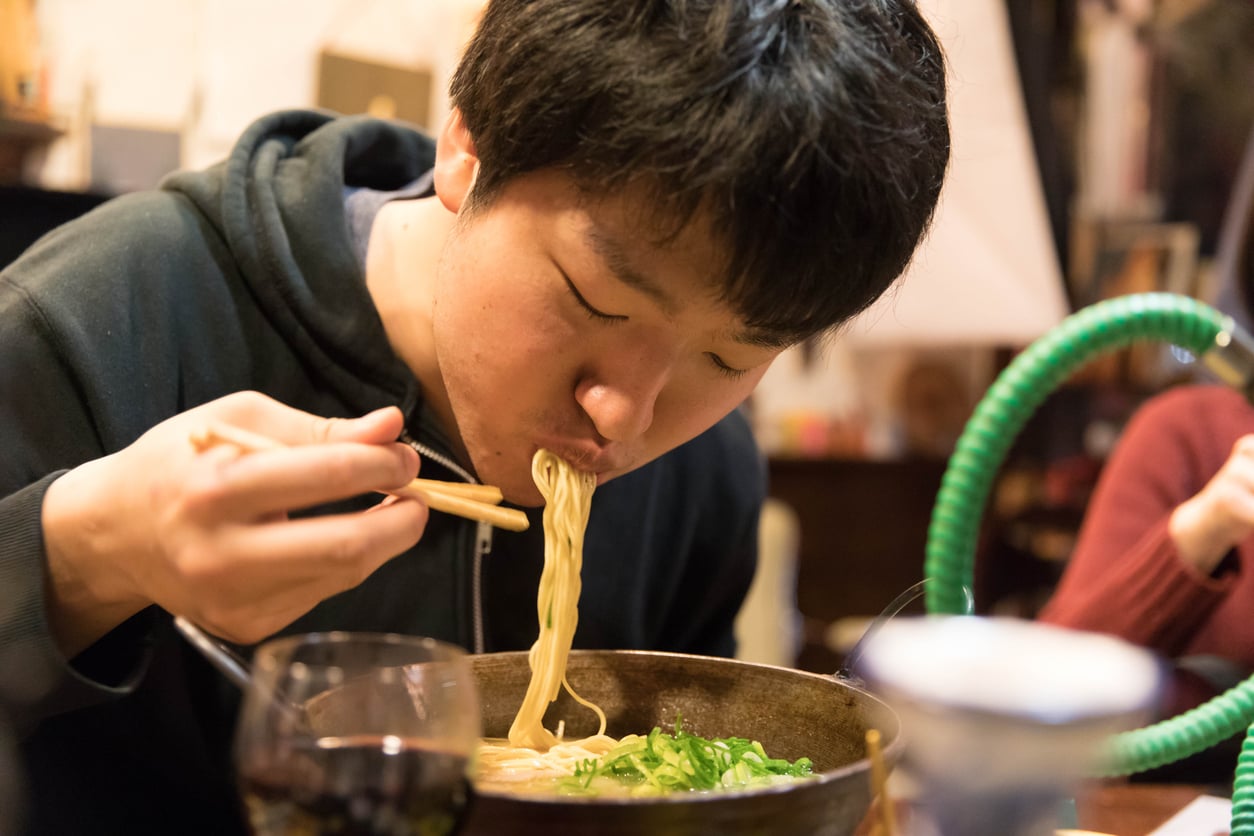
Slurping noodles might earn you disapproving looks at an American dinner table, but it’s perfectly acceptable at many Japanese ramen, soba, and udon shops. Diners often lift noodles with chopsticks and slurp them rather than trying to eat silently. The sound isn’t necessarily a performance or a deliberate compliment to the chef; it’s simply a familiar way of eating noodles. Visitors don’t need to imitate the habit if they’re uncomfortable. Just enjoy your meal without worrying that the person beside you has forgotten their manners.
Getting a Tapa With Every Drink in Granada, Spain
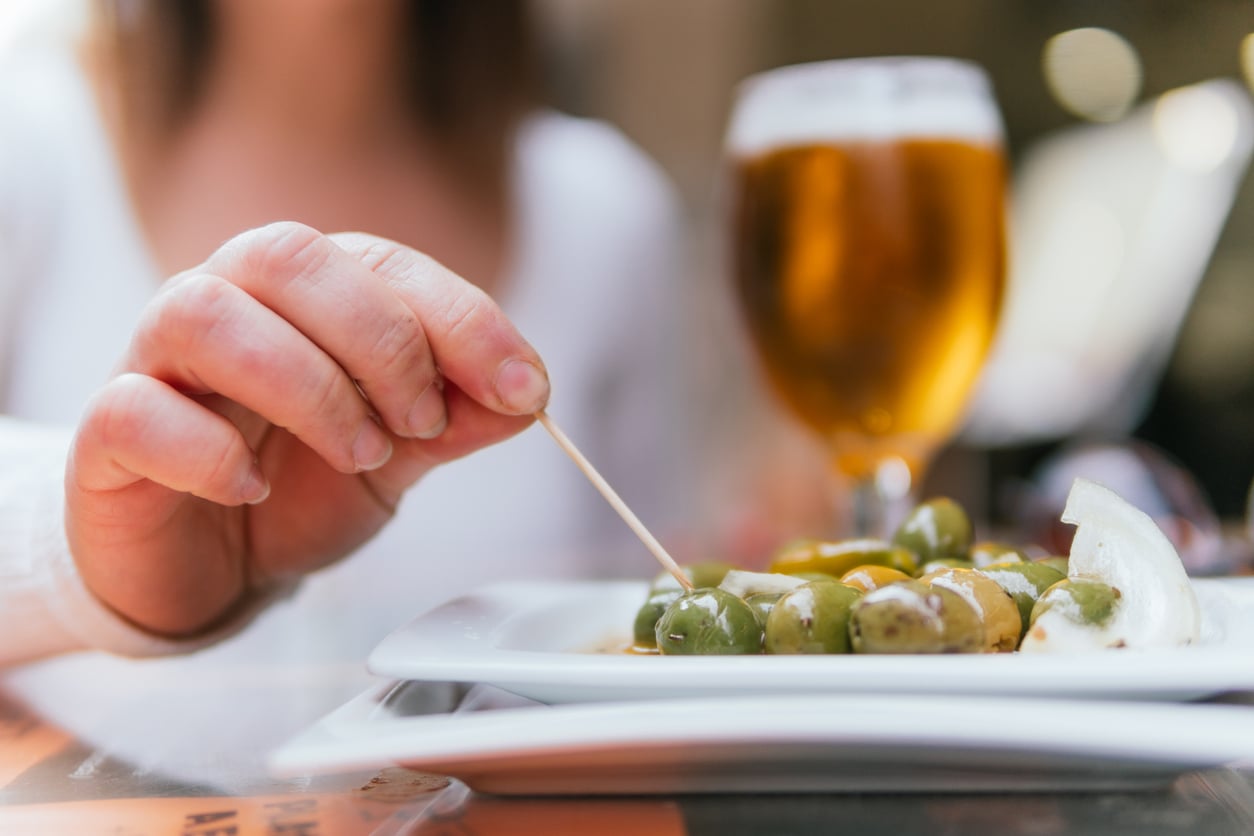
Order a drink at a bar in Granada, and a small plate of food may arrive without you asking for it. This isn’t necessarily a special favor from the bartender. Serving tapas with purchased drinks is a longstanding local tradition, and many bars still follow it. Depending on the establishment, you might receive olives, potatoes, a small sandwich, or another snack. Some bars choose the tapa for you, while others offer options. It’s a pleasant way to sample local food, although portions vary and drinks aren’t free.
Paying for Bread and Olives You Didn’t Order in Portugal
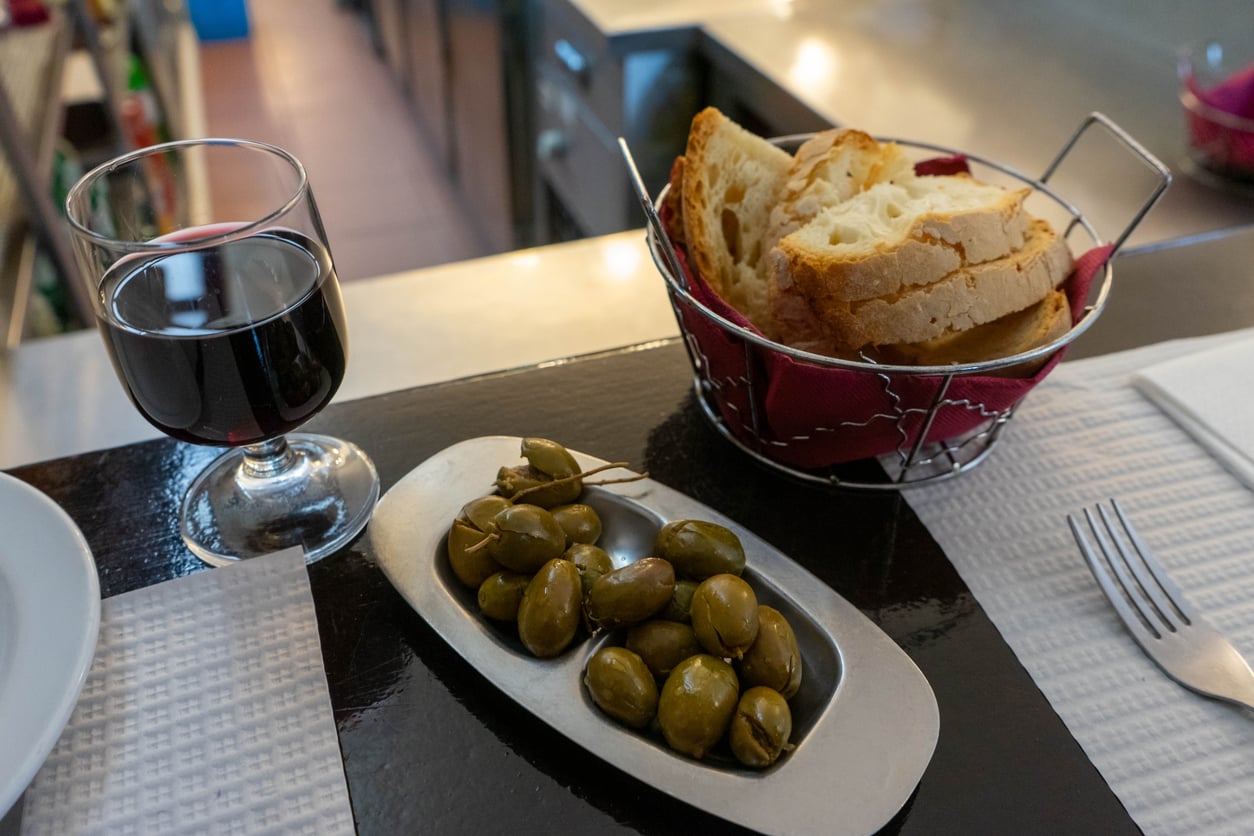
Bread, olives, cheese, or pâté may appear on your table before you’ve even looked at the menu in Portugal. These appetizers are commonly called couvert, and unlike complimentary bread at some American restaurants, they may come with a charge. Portuguese consumer rules protect diners from paying for unsolicited items they haven’t consumed or used. If you don’t want them, politely decline and leave them untouched. Check the menu for prices before digging in, especially when several little plates arrive together. Those seemingly harmless bites can add to the bill.
Receiving Several Side Dishes in South Korea
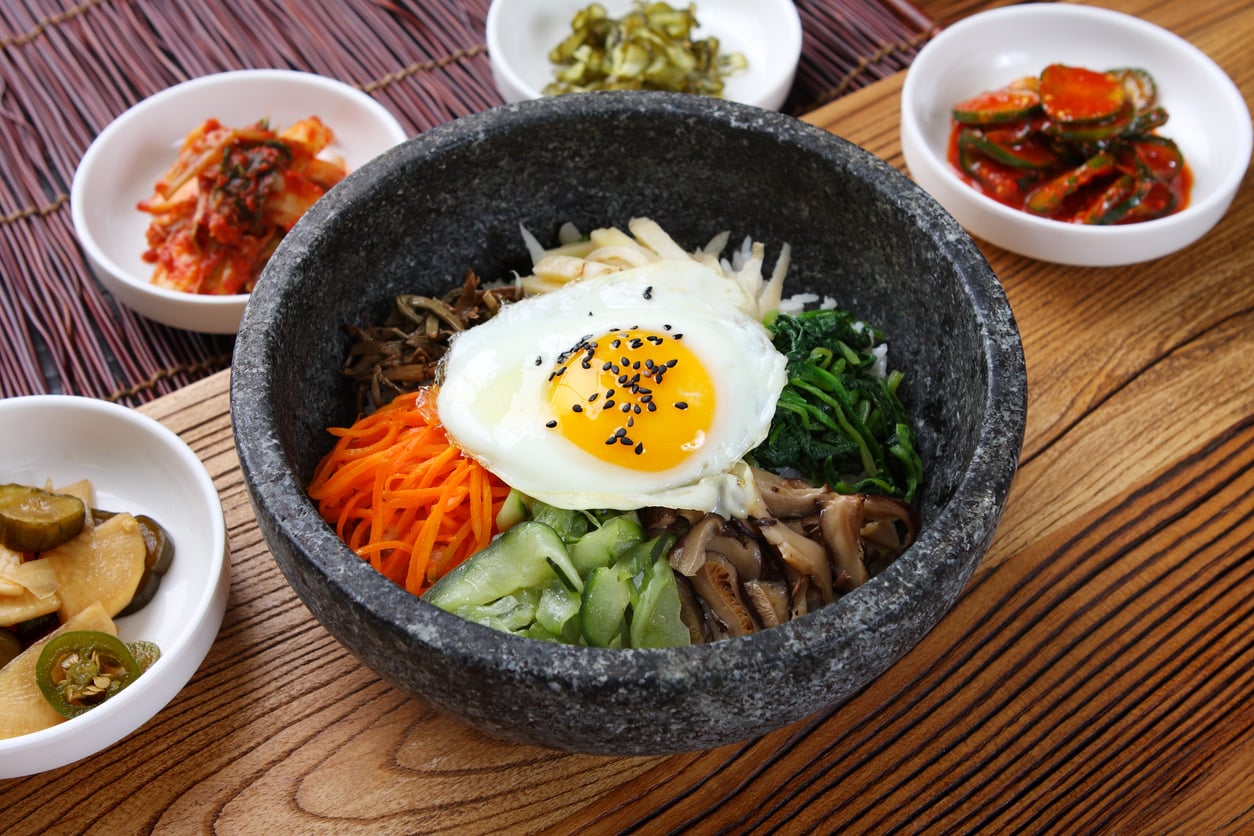
Order a meal in South Korea, and your table might quickly fill with small dishes of kimchi, seasoned vegetables, pickles, and other accompaniments. Known as banchan, these aren’t mistaken orders or appetizers that automatically carry an extra charge. They’re a traditional part of many Korean meals, intended to be enjoyed alongside rice and the main dish. Some restaurants offer complimentary refills, although policies differ and certain specialty sides may cost extra. Try what’s already on the table before ordering more food. You might discover that your meal is more substantial than expected.
Trending on Cheapism


Bringing Your Own Food to a Munich Beer Garden
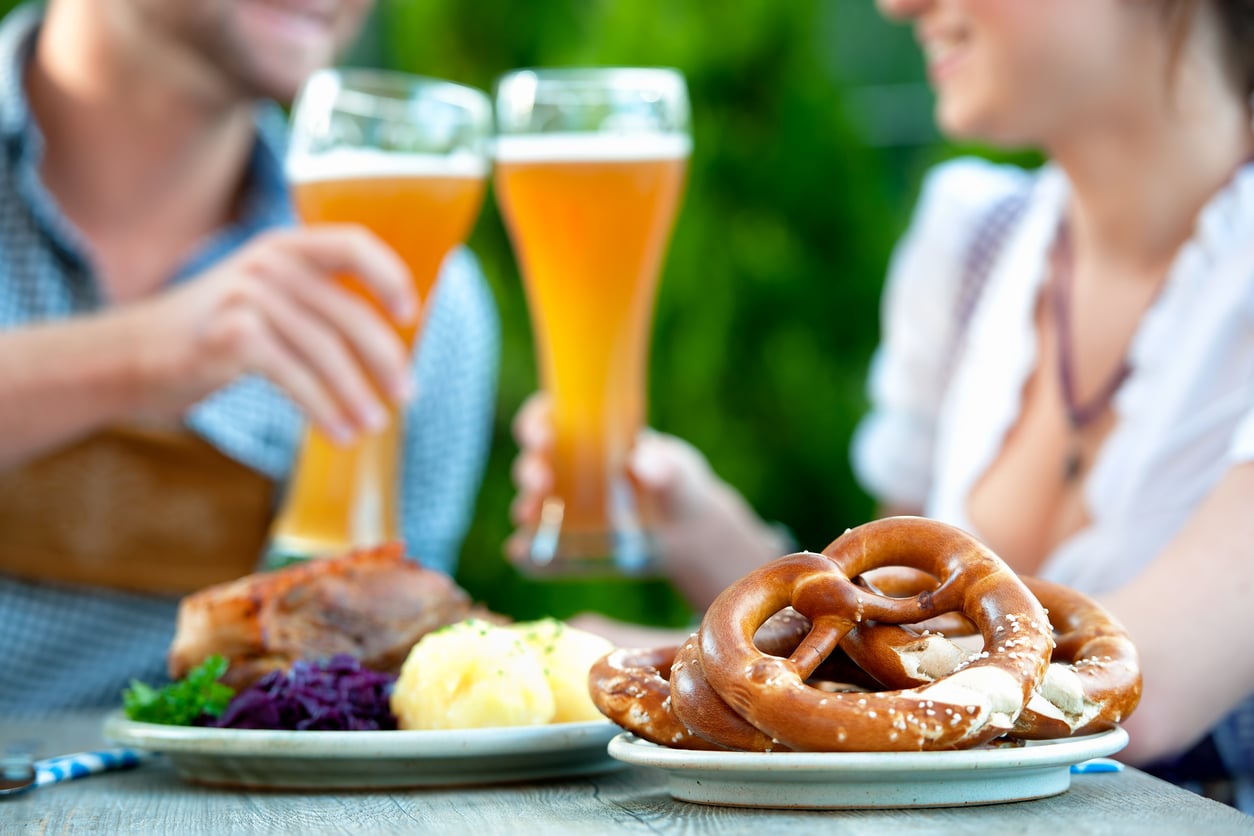
Showing up at a restaurant with your own picnic would usually raise eyebrows, but traditional Munich beer gardens operate differently. In designated self-service areas, guests can bring bread, cheese, cold cuts, and other snacks while purchasing drinks on the premises. The custom dates back to the early days of Bavarian beer gardens and remains part of their appeal. It’s also a handy way to save on lunch. Just don’t assume every outdoor restaurant permits it. Full-service sections and ordinary restaurant terraces can have different rules.
Ordering Ramen From a Ticket Machine in Japan
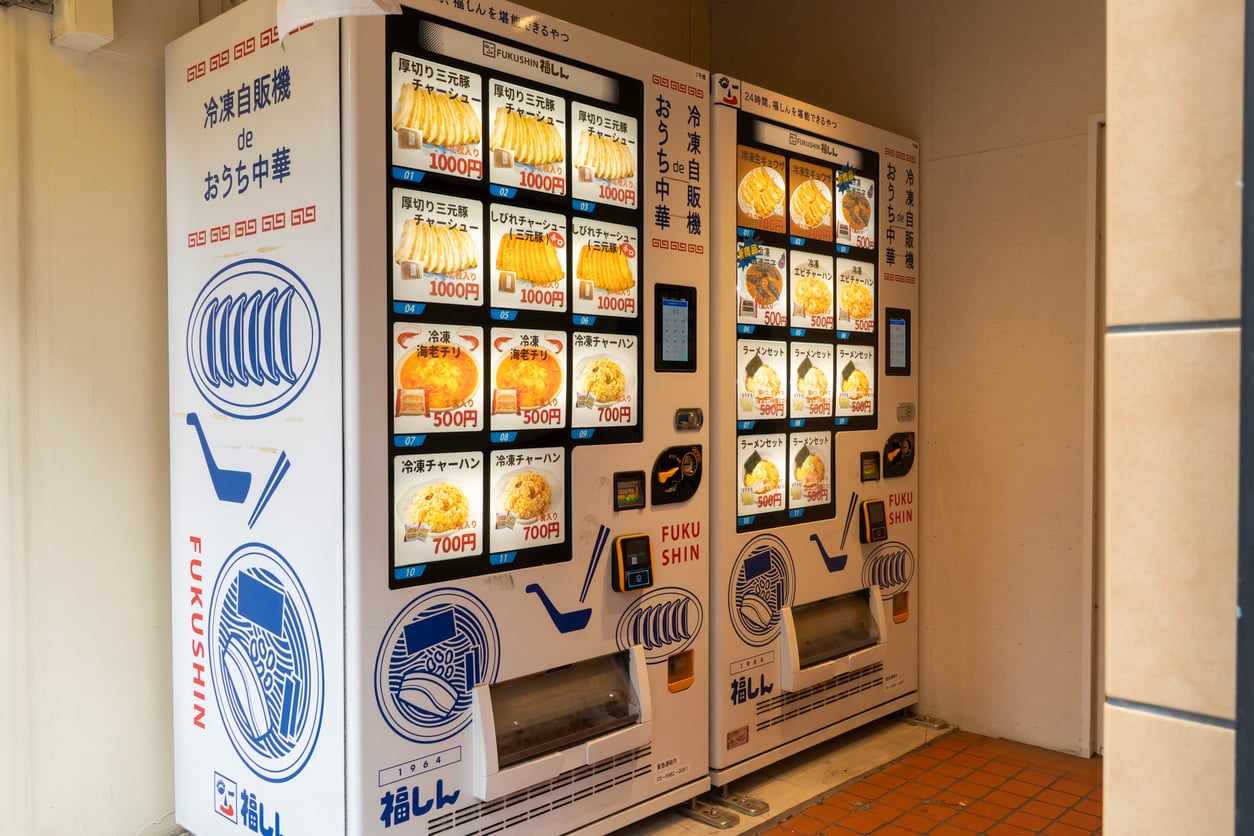
Step into certain Japanese ramen shops and you may find a machine near the entrance instead of someone waiting to take your order. Rather than selling snacks, it dispenses meal tickets. Customers select their ramen, add toppings if available, pay, and hand the printed ticket to a staff member. The system helps busy shops handle orders efficiently, especially during lunch rushes. Some machines accept only cash, while others take electronic payments. Keep a little yen handy and don’t mistake the machine for an optional convenience.
Sharing One Giant Plate of Food in Ethiopia
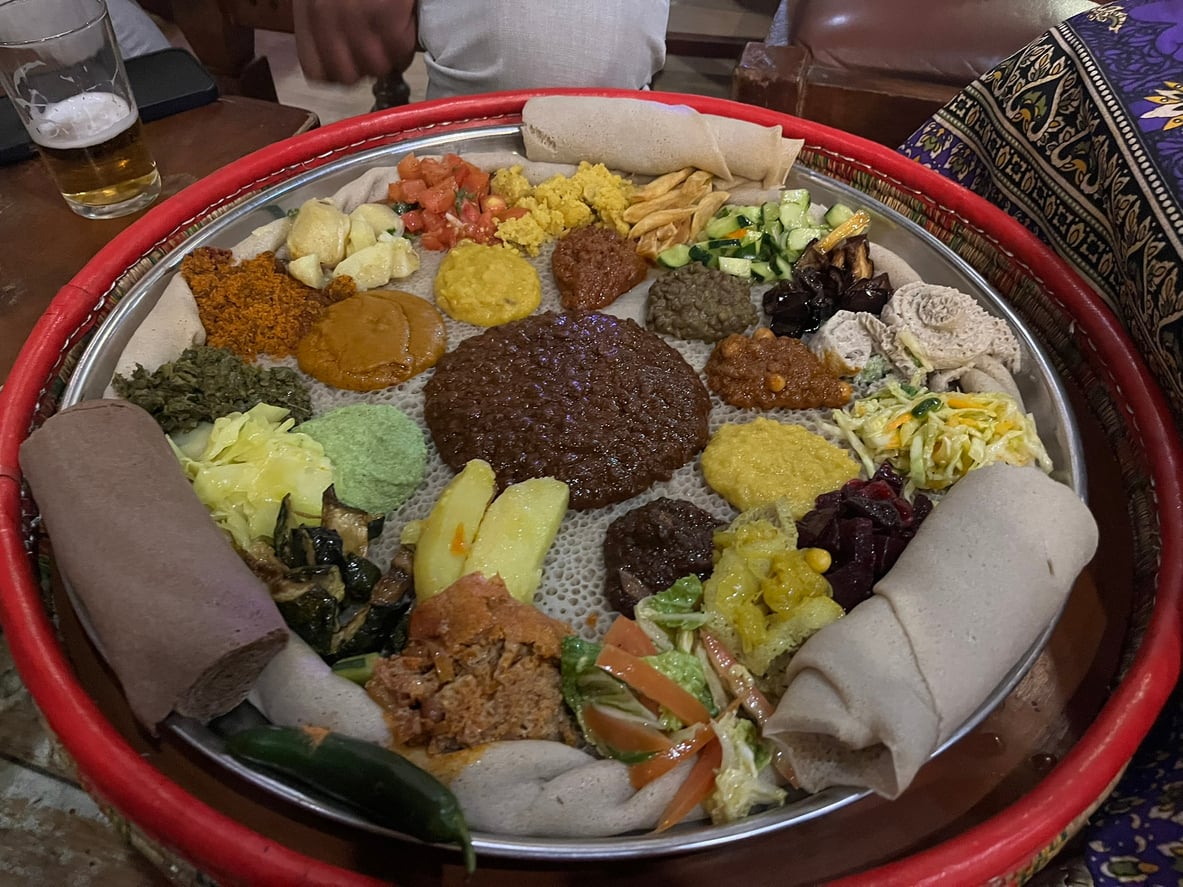
At an Ethiopian restaurant, dinner may arrive on a large communal platter rather than individual plates. Stews, vegetables, and meats are arranged over injera, a soft, slightly tangy flatbread that doubles as an eating utensil. Diners tear off pieces and use them to scoop up the food, making the meal a shared experience. There’s also a traditional gesture called gursha, when someone offers another person a bite by hand as a sign of affection or respect. It’s a cultural tradition, not something every restaurant guest is expected to perform.
Sign up for our newsletter
Turning Pre-Dinner Drinks Into a Meal in Italy
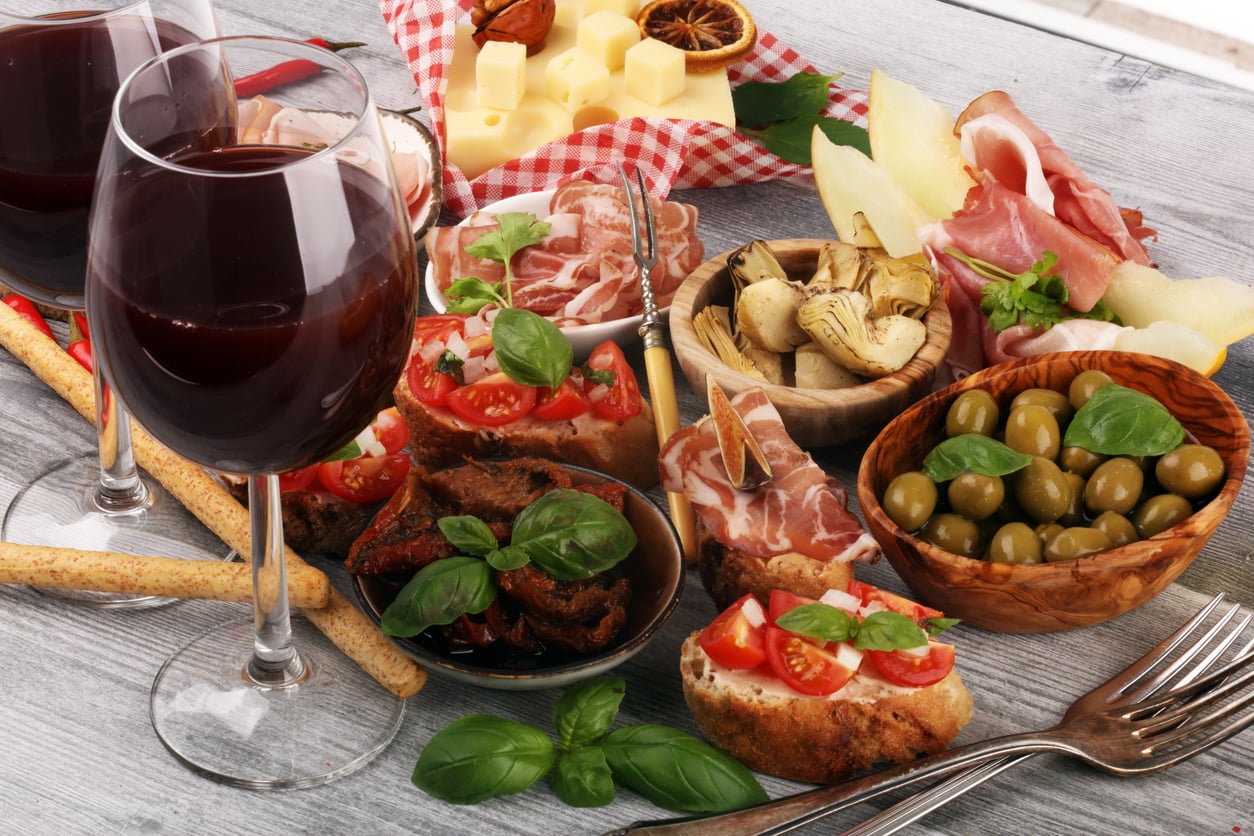
Italy’s aperitivo tradition usually involves drinks and small bites before dinner, but some establishments take things further with apericena. The name combines aperitivo and cena, the Italian word for dinner, and refers to a more substantial spread that can replace an evening meal. Depending on the bar, you might find sandwiches, pasta, vegetables, or other prepared dishes. Don’t assume everything is included in the price of one drink, though. Some places charge a set amount or price food separately. Check what’s included before filling your plate.
Eating Open-Faced Sandwiches for Lunch in Copenhagen
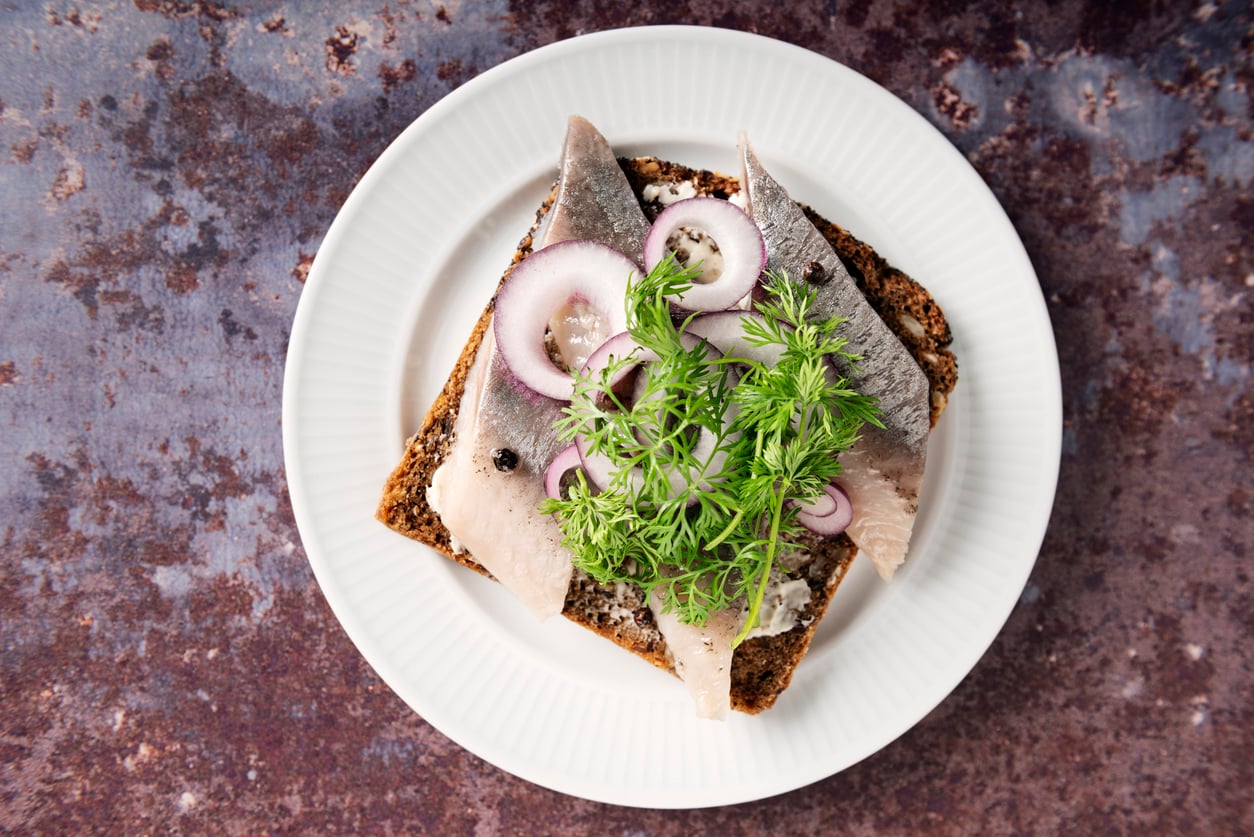
Order a sandwich in Copenhagen and you might wonder where the top slice of bread went. Traditional Danish smorrebrod consists of a single slice of rye bread piled with ingredients such as herring, eggs, shrimp, roast beef, or other toppings. These carefully assembled open-faced sandwiches are a lunchtime institution, not a restaurant cutting corners. Some traditional establishments specialize in them during lunch hours and serve different menus in the evening. Prices can vary considerably, particularly at well-known restaurants, so check the menu before ordering several pieces.
Ordering a Hot Dog With Everything in Reykjavik
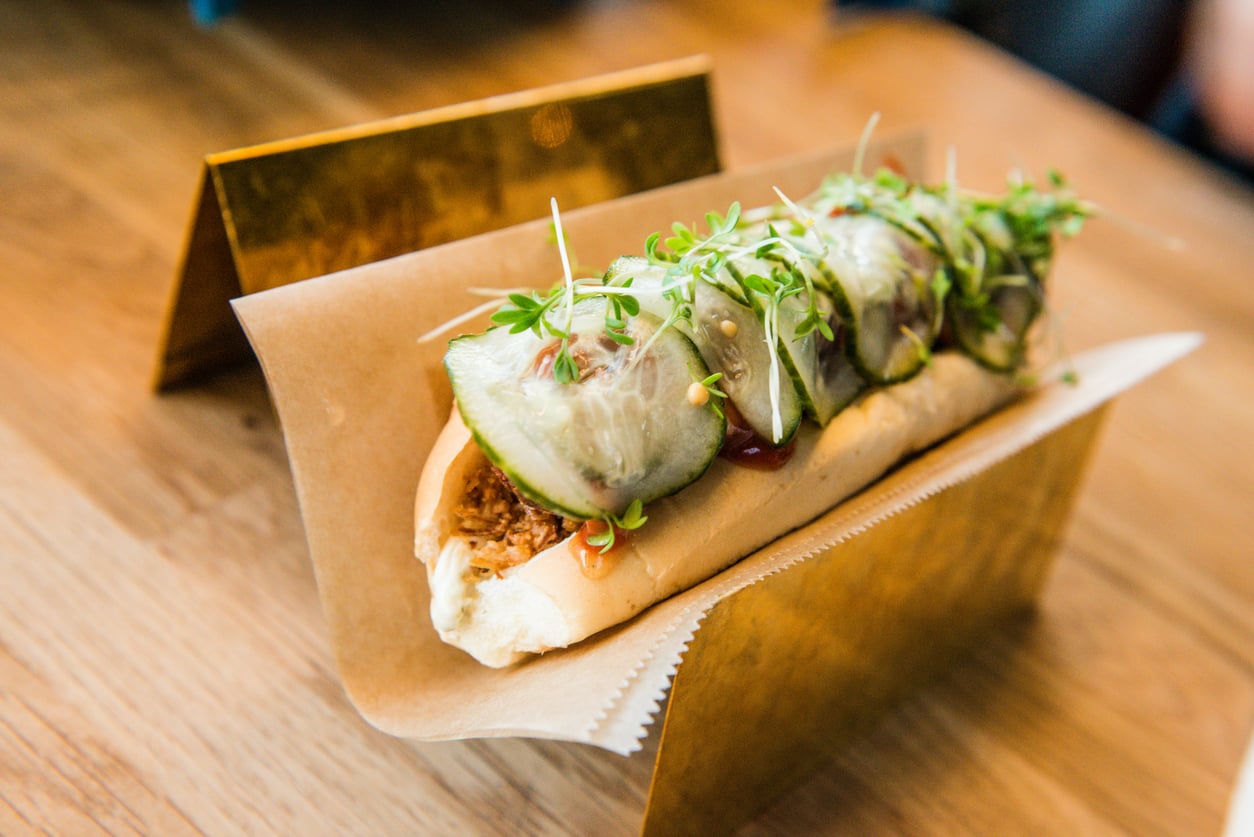
Ask for eina meo ollu at an Icelandic hot dog stand, and you’ll get something rather different from a typical American hot dog. The phrase means one with everything, which traditionally includes raw onions, crispy fried onions, ketchup, sweet mustard, and remoulade, a creamy condiment. Reykjavik’s Bajarins Beztu has been serving hot dogs since 1937, making this combination a familiar part of local food culture. The toppings might sound unusual together, but ordering one with everything is a simple way to try the local favorite without navigating a complicated menu.
Getting Sausages and Organ Meats Before Steak in Argentina
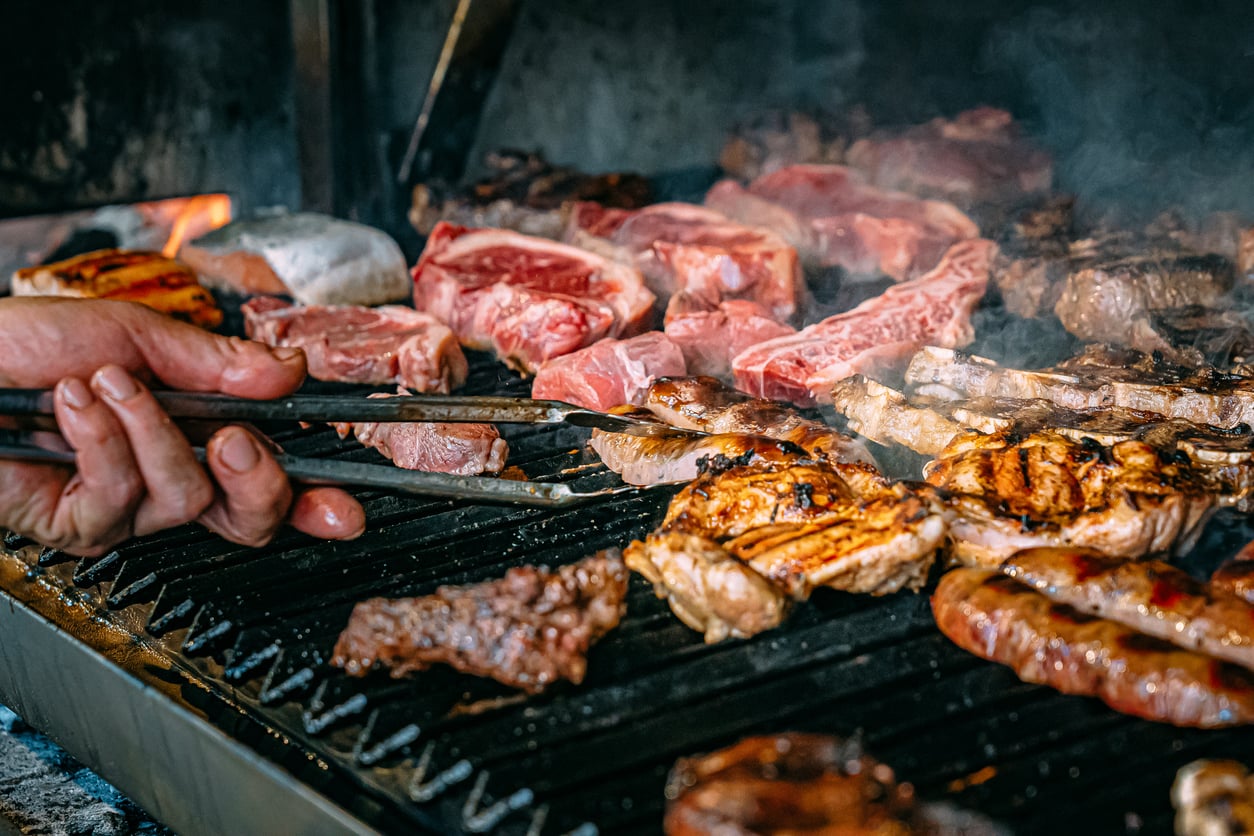
Sit down for a traditional Argentine asado, and the first food off the grill might not be the steak you were expecting. A leisurely barbecue often begins with appetizers, followed by sausages and achuras, which can include sweetbreads, intestines, or other organ meats. Larger beef cuts may arrive later as the meal unfolds. This sequence reflects the communal nature of an asado rather than a restaurant serving dishes in the wrong order. Not every steakhouse follows the full tradition, so ask about mixed grills or asado menus if you’re curious.