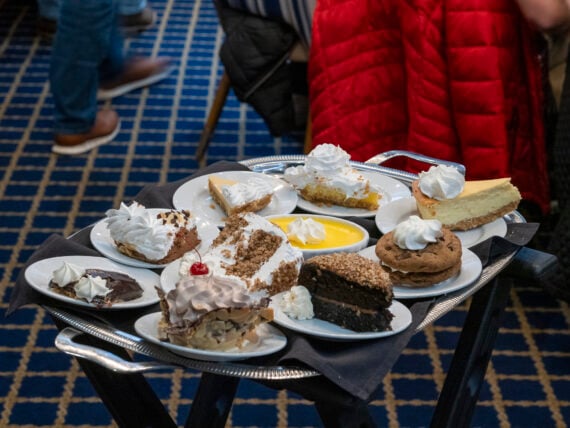
Nowadays, people’s time is valued more highly than in the past, and this has shifted how diners perceive the experience of eating at a restaurant. Some establishments prepare certain dishes table-side for entertainment purposes, which places additional pressure on the staff. Drawing on information from Eater, Food Network, and other sources, we’ll explore several tableside dining traditions that are fading away because they simply take too much time!
Caesar Salads Made From Scratch at Your Table
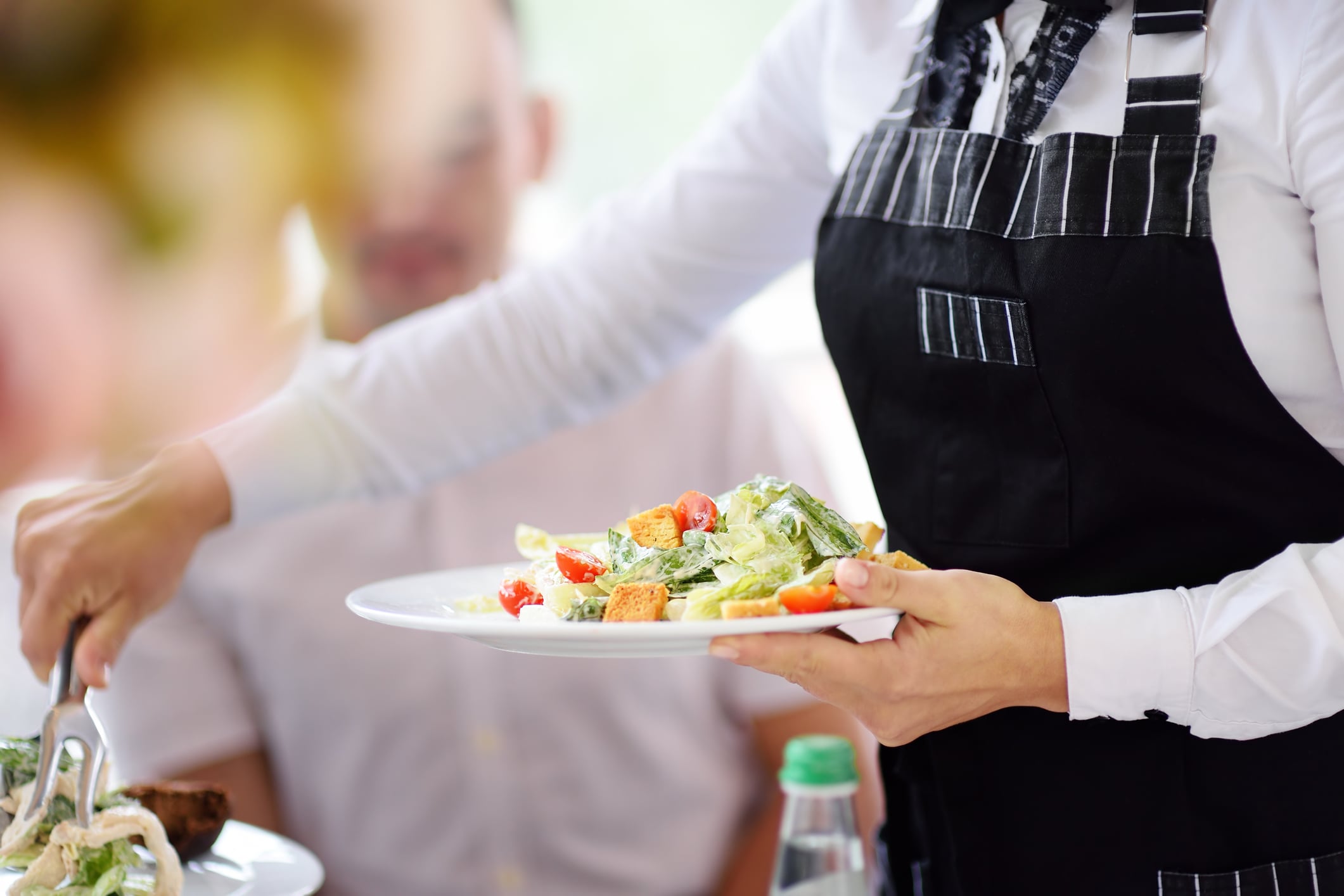
Some restaurants send their waiters to prepare a Caesar salad table side on a cart, using ingredients like garlic, anchovies, lemon juice, egg, and Worcestershire sauce, as a form of entertainment. Because the preparation and the waiter’s performance take a significant amount of time, this tableside dining tradition has shifted toward having the Caesar salad prepared in the kitchen, just like other dishes. Furthermore, diners lose the opportunity to ask the server to add more of a specific ingredient to suit their personal taste.
Flaming Desserts Prepared Beside The Table
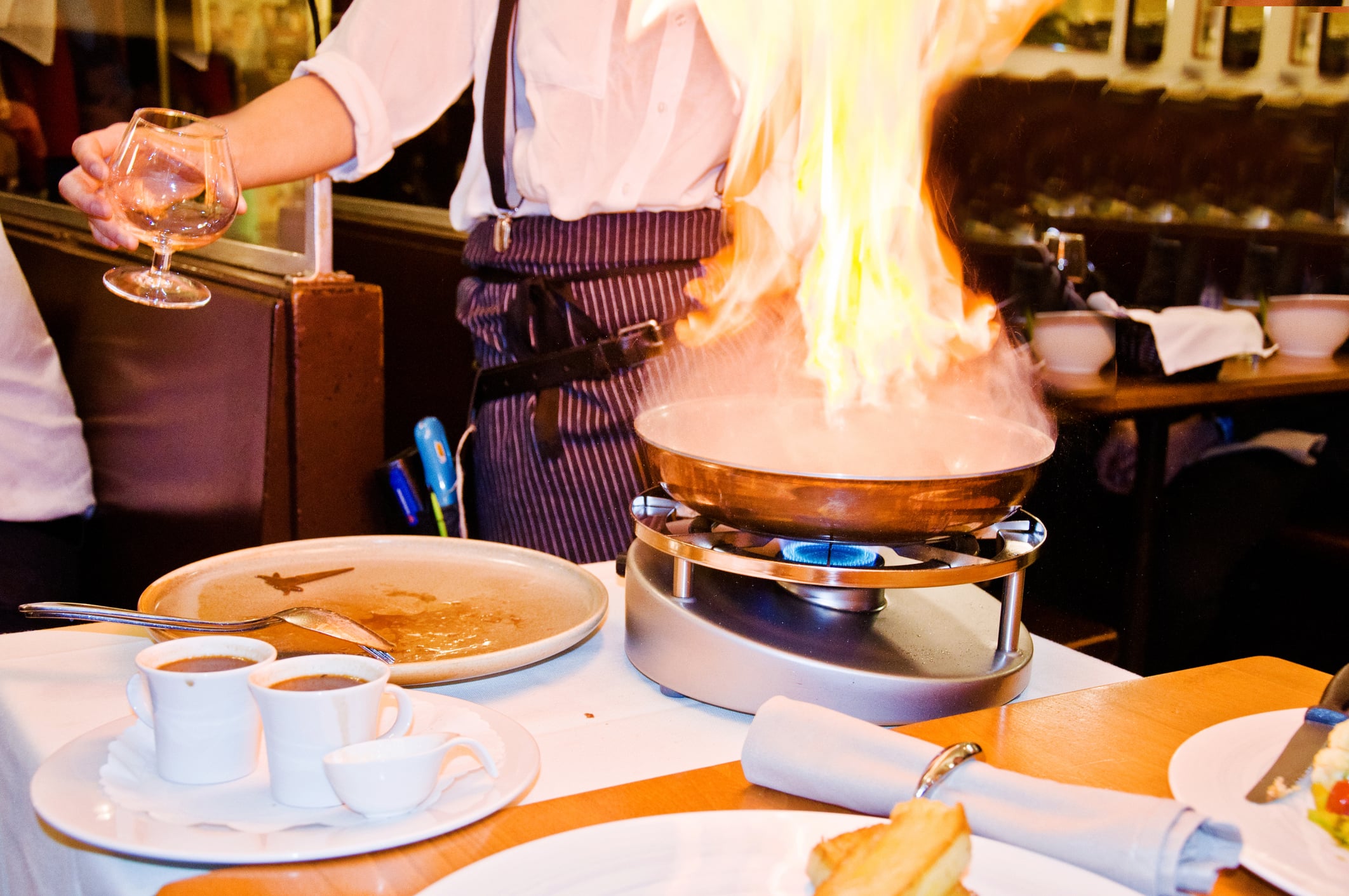
Some dishes, such as Bananas Foster, Cherries Jubilee, and Crêpe Suzette, used to be finished in front of diners by igniting alcohol to produce a dramatic burst of flame, according to Eater. Since this style of tableside dining requires specialized equipment, trained staff, safety precautions, and time, the spectacle of a flaming dessert arriving on a rolling cart is disappearing.
Prime Rib Carved From a Rolling Silver Cart
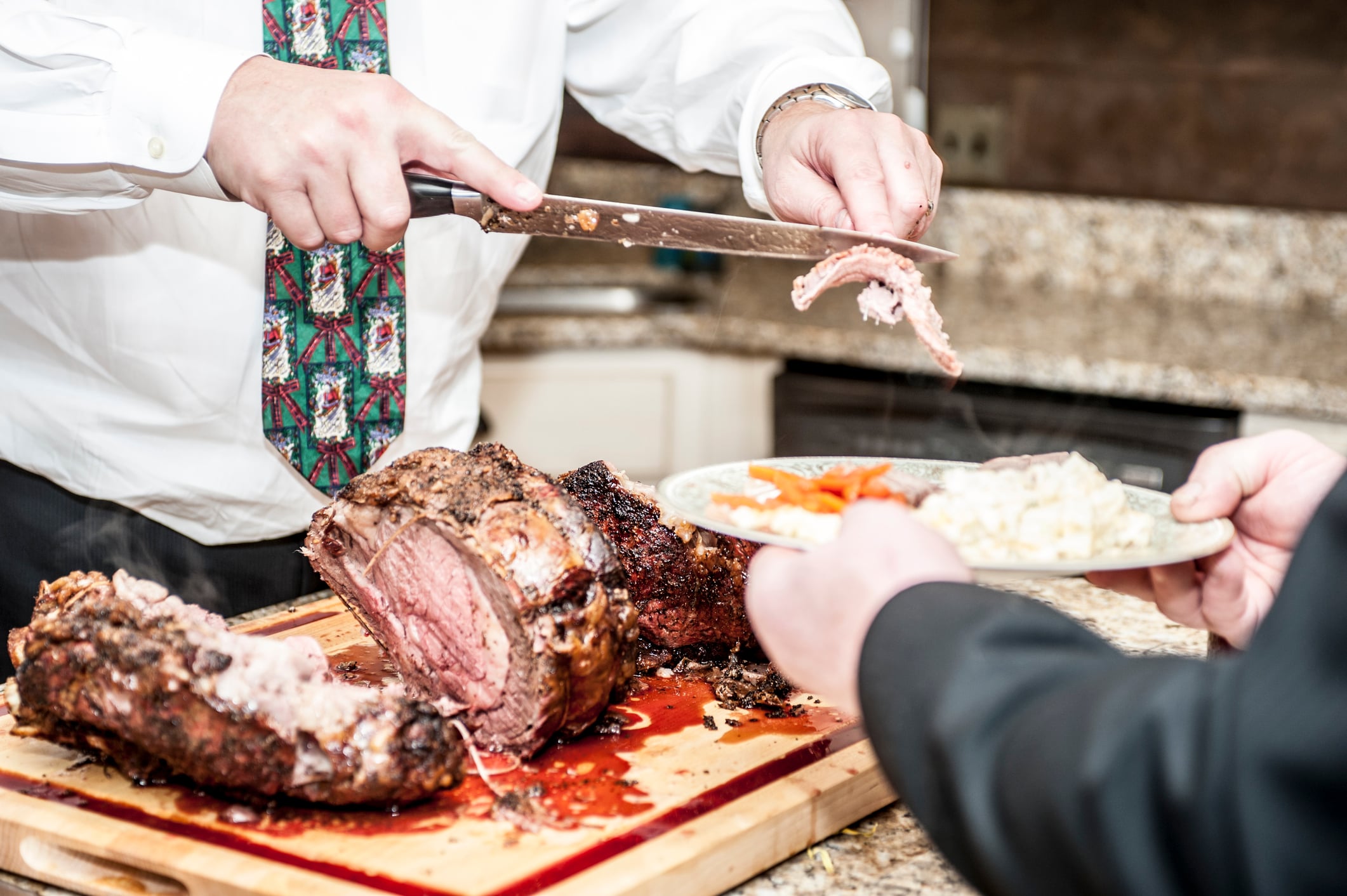
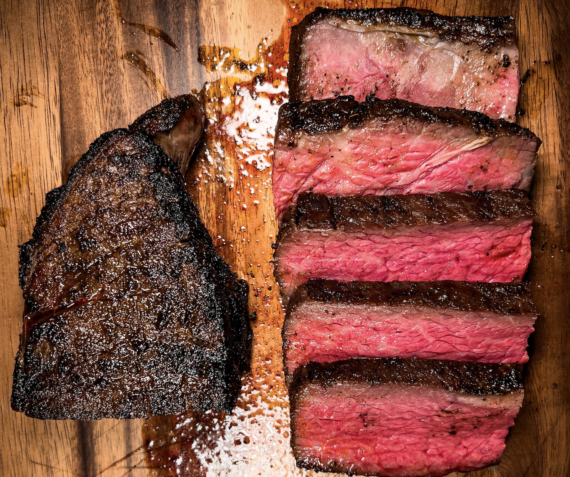
Some traditional steakhouses used to present entire prime rib roasts on heated silver carts, allowing servers to carve individual portions and serve them to diners. This tableside dining tradition required expensive equipment, trained staff, and careful coordination to ensure the meat was served at the proper temperature. It is far more convenient to carve the meat and portion it correctly in the kitchen.
Dessert Carts That Rolled Around After Dinner
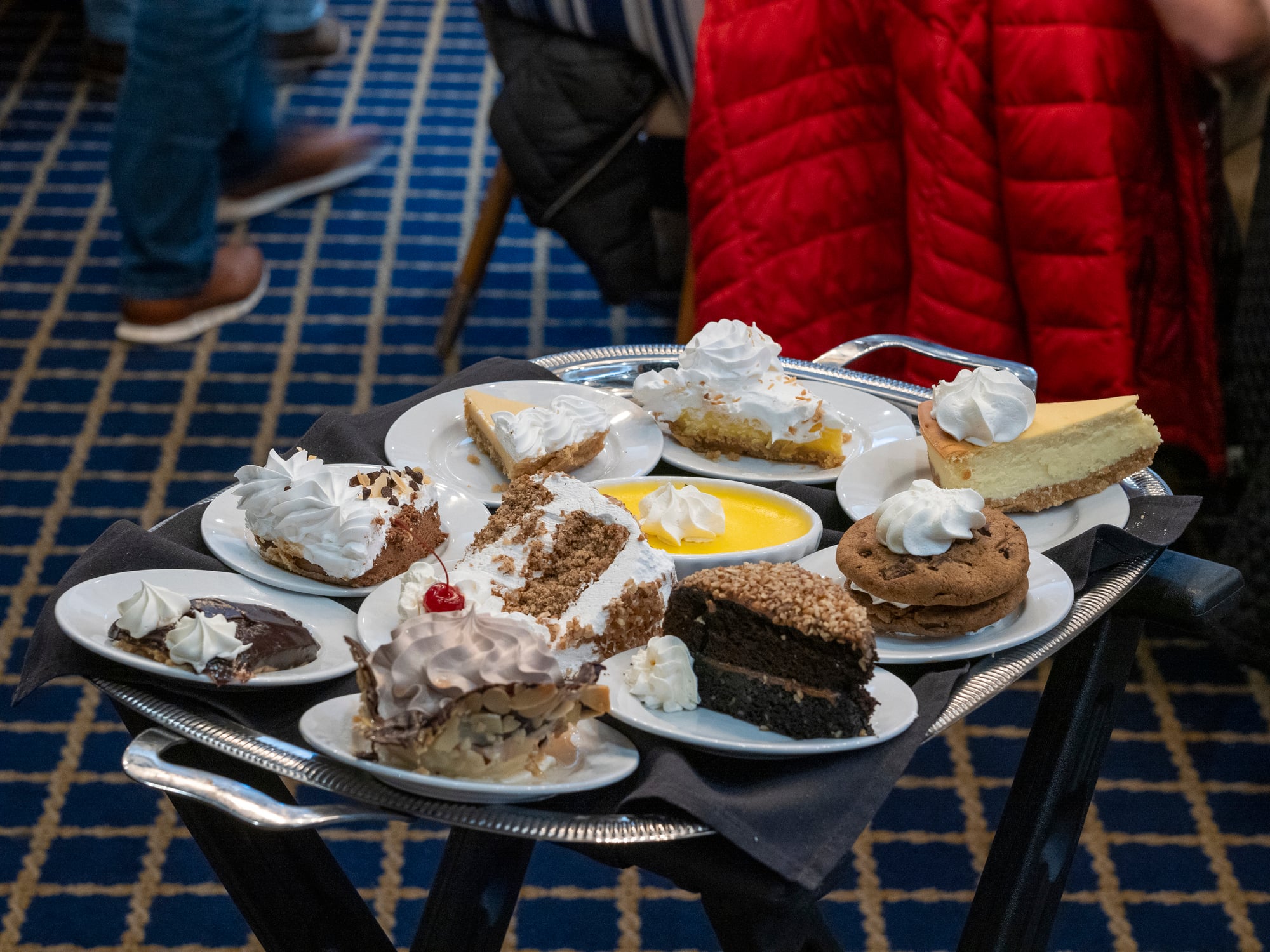
Eater highlights the experience once common in traditional diners, where families could choose their dessert from a trolley, stocked with cakes, pies, pastries, and other sweet treats, rather than selecting it from a printed menu. This form of tableside dining required staff to prepare an attractive cart, managing the display space, ensuring it is restocked as needed, and accounting for the staff time involved required significant effort. Consequently, this practice has largely disappeared from most restaurants.
Waiters Deboning Whole Fish at the Table
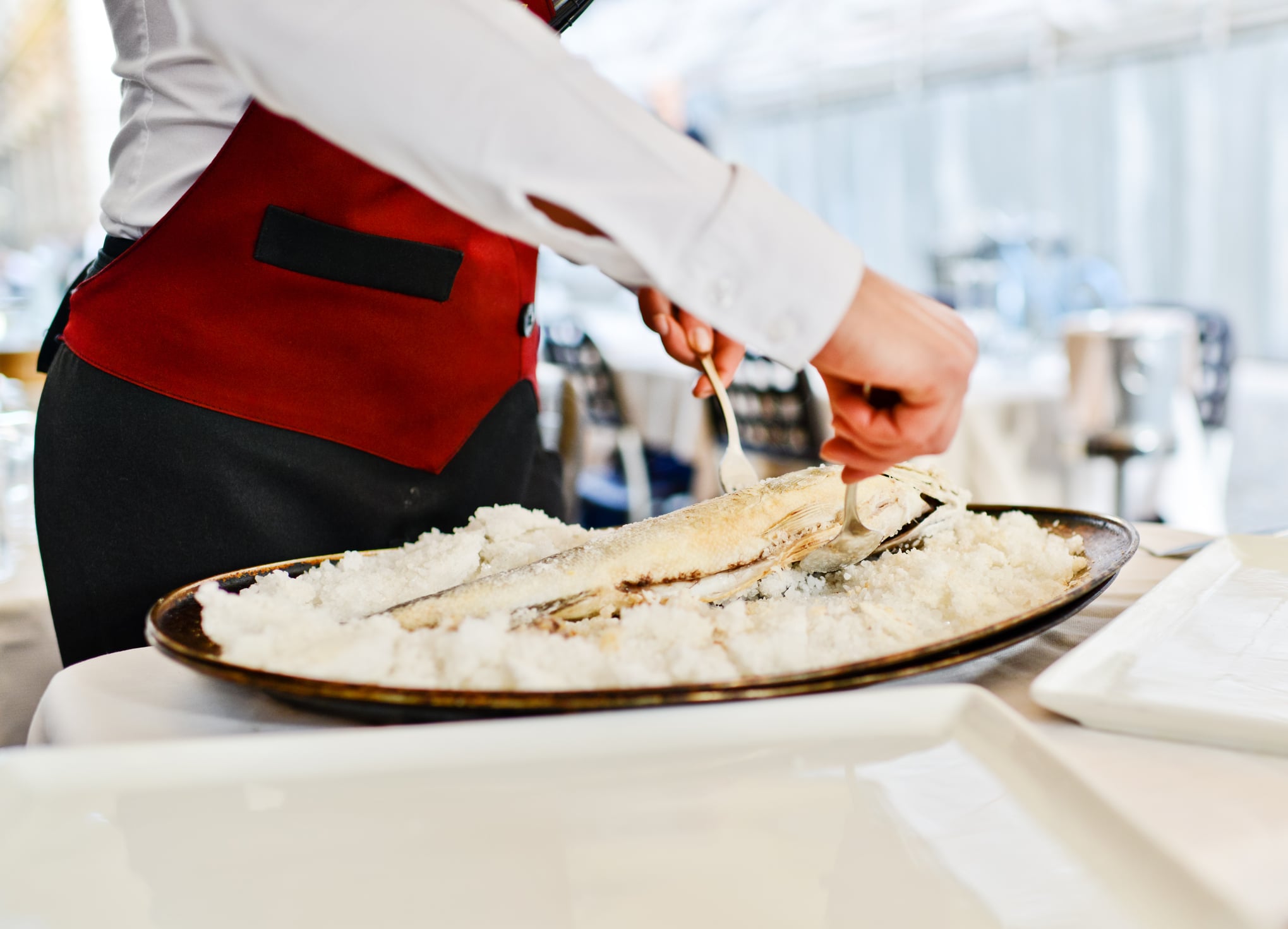
Another practice that has become less common in many restaurants is presenting a whole cooked fish at the table, where an experienced server would carefully remove the head, backbone, and smaller bones. This required the servers to possess specific skills and use specialized serving tools, not to mention the time it took to perform the task for each individual guest, as opposed to having it done in the kitchen. Diners have lost out on this ceremonial presentation of the fish.
Trending on Cheapism


Traditional Dim Sum Carts Circulating Through the Dining Room
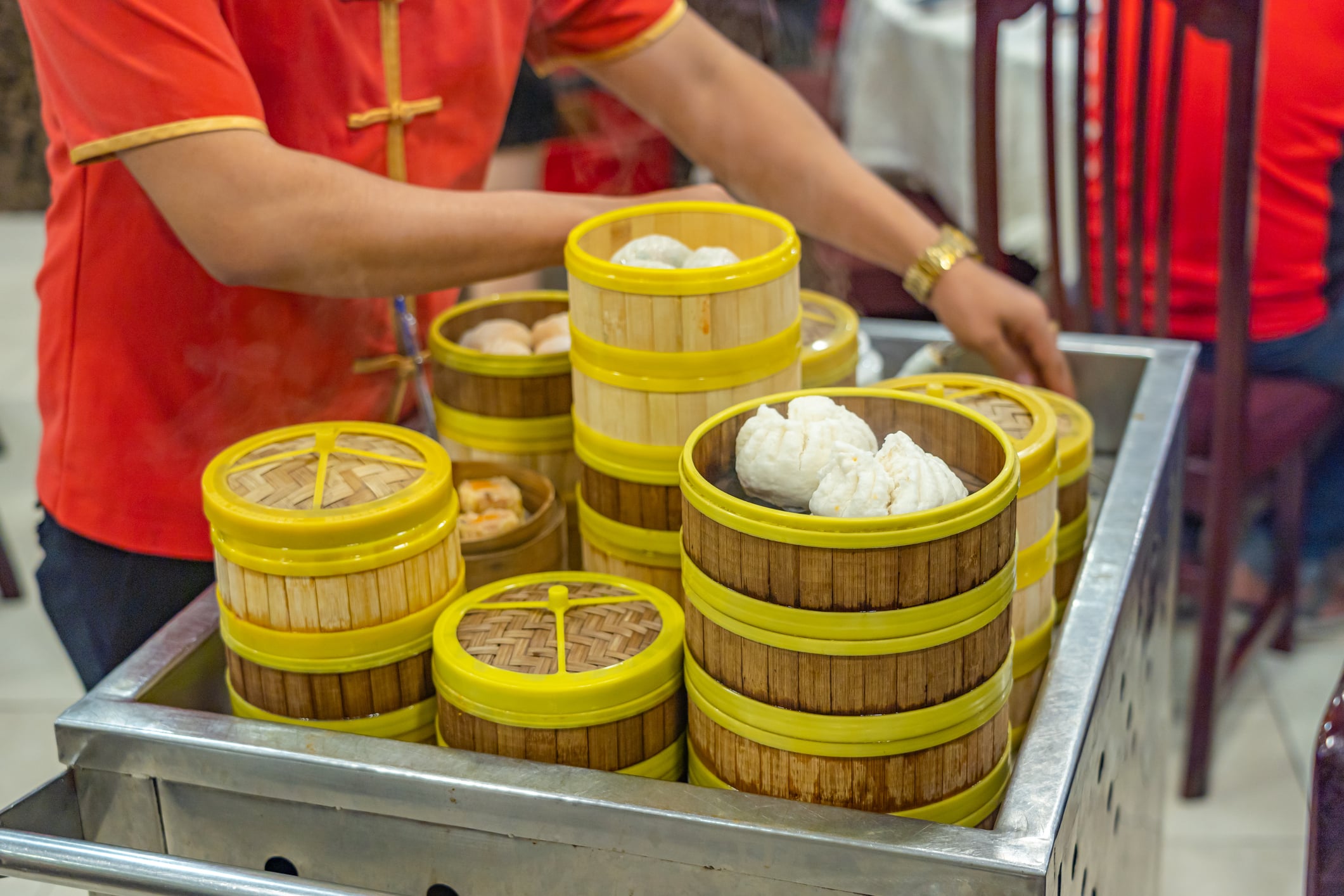
Dim sum carts used to circulate through the dining area, showcasing steamed dumplings, buns, and other small dishes. This traditional form of tableside dining has increasingly been replaced by the use of order slips or QR codes, which send orders directly to the kitchen to be prepared, a shift that reduces the labor and coordination time involved in managing numerous carts.
Free Bread Baskets That Arrived Before the Meal
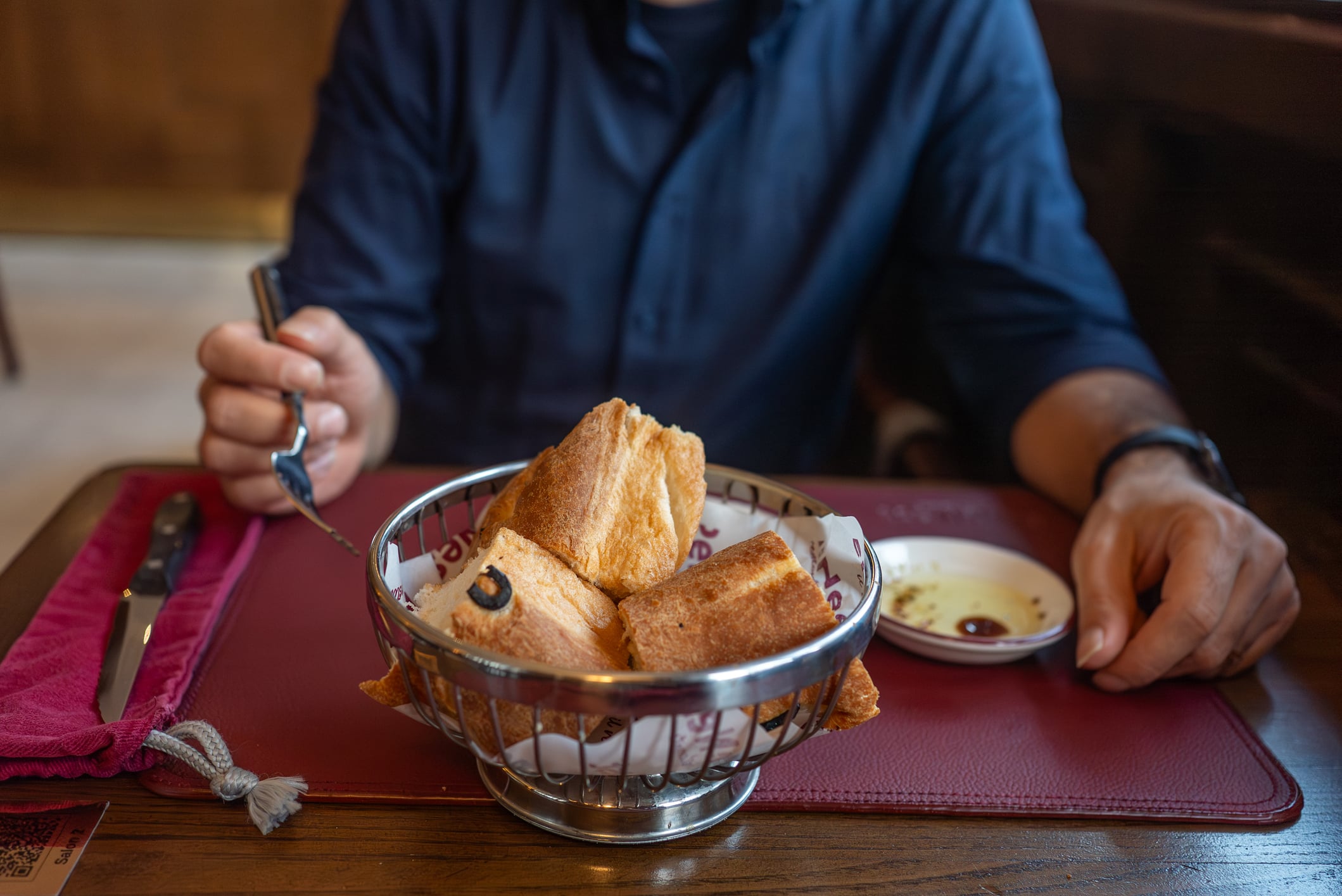
Restaurants used to welcome diners with warm, crusty bread, served with butter or olive oil, even before taking their food orders. Some establishments have discontinued this tableside dining tradition of providing complimentary bread, now bringing it to the table only upon request. One of the reasons of this shift is driven by the time and labor required to prepare and serve the bread, as well as the increase in food waste when it goes unconsumed.
Endless Salad Bars at Family Restaurants
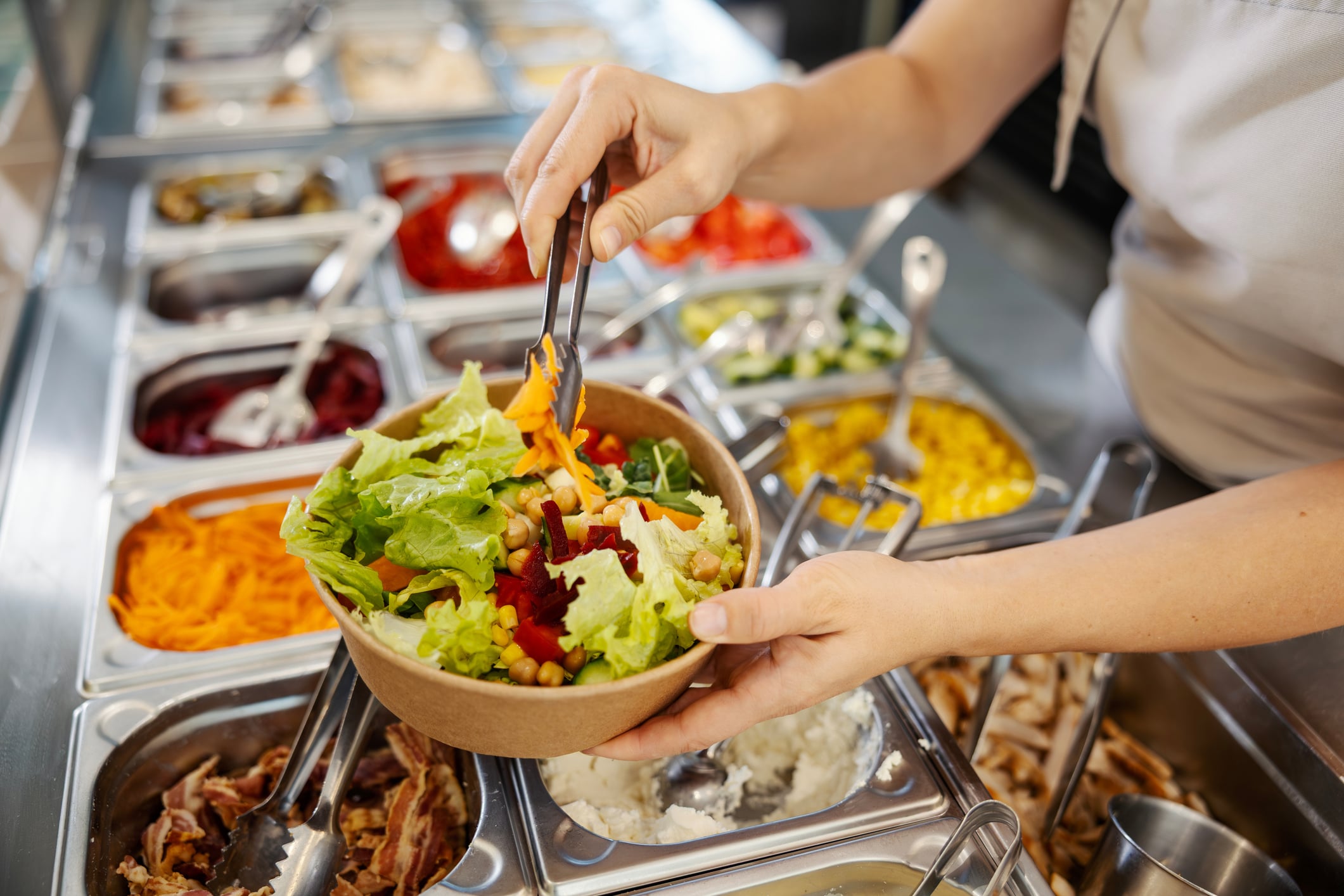
Extensive self-service salad bars, stocked with greens, vegetables, prepared salads, soups, and other dishes, have been vital to the identity of restaurants like ‘Sweet Tomatoes’ and ‘Souplantation.’ Maintaining this style of tableside dining required staff to prepare the food, restock items, keep the area clean, monitor temperatures, and pay close attention to food waste. That’s why this format has largely been abandoned.
Sign up for our newsletter
Steak Diane Prepared in Front of Diners
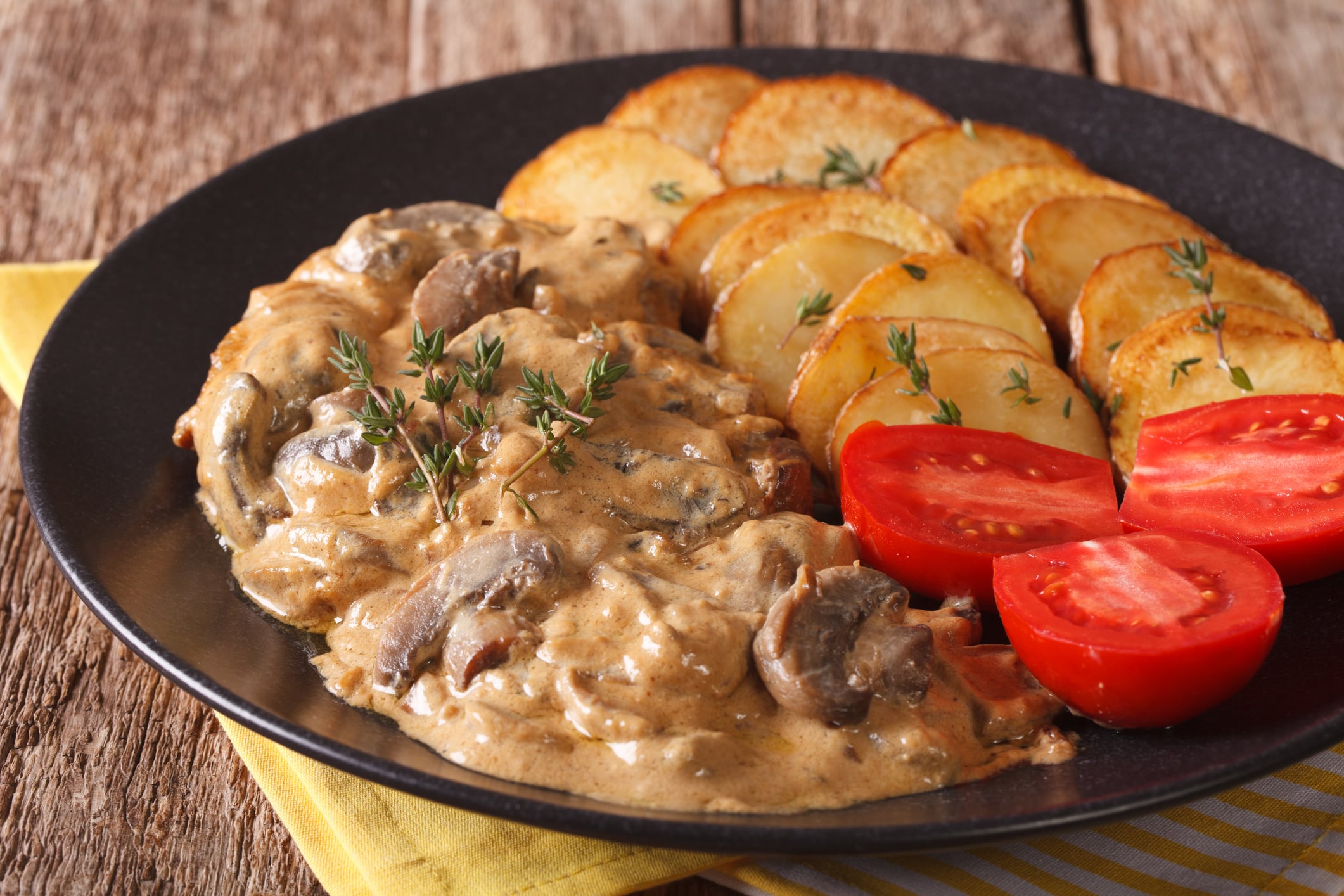
Some diners are missing out on the experience of a server preparing a pan sauce and finishing a steak just a few feet from their table, a tableside dining tradition that can be difficult to justify in modern dining rooms because it hinders the quick turnover of tables according to Food Republic. ‘Steak Diane’ was once a specialty in glamorous mid-20th-century restaurants, where servers would prepare its rich sauce table side, sometimes even flambéing the dish.
Cheese Carts with Someone Explaining Every Selection
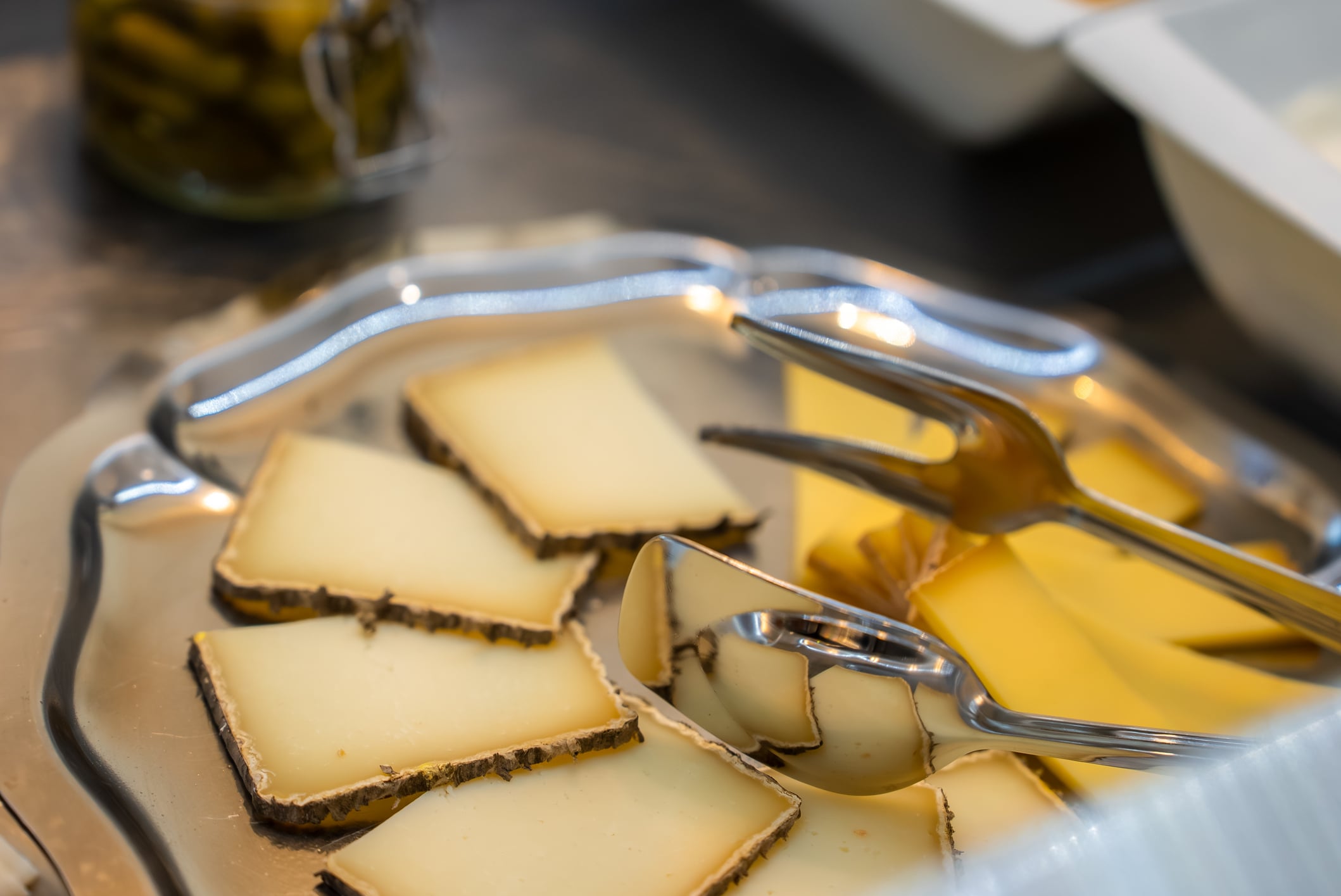
Seeing a rolling cheese trolley, featuring a wide variety of cheeses, accompanied by a server who would explain the origin, texture, and flavor profile of each before placing it on your plate, was once a common sight in traditional fine-dining restaurants. This experience has largely fallen by the wayside, as training staff to acquire such specialized knowledge, while also ensuring they handle the cheeses with the necessary care, requires significant time and effort, making it a costly service for restaurants to provide.
Elaborate Silver Service with Several Servers Attending One Table
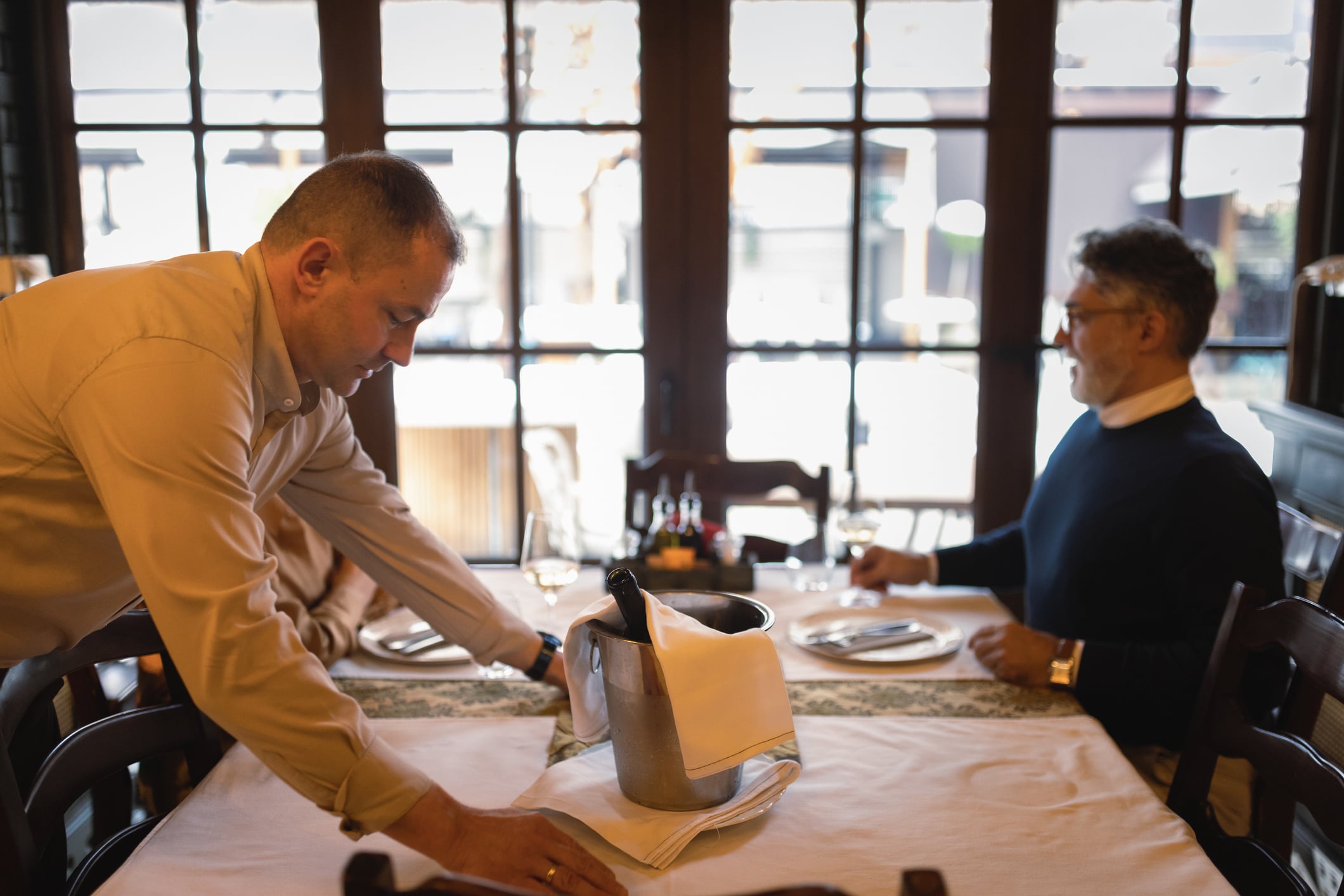
According to Eater, formal dining rooms used to focus on ‘choreographed service,’ where servers would transfer portions from serving platters to the table, replace utensils between courses, and attend to the specific needs of each table. This elaborate form of tableside dining required extensive training and additional labor costs. Consequently, the process has been reduced to a simple trip from the kitchen to the table. That sense of being treated like a ‘special guest’ has been lost.
Long, Leisurely Dinners with Multiple Courses and No Rush
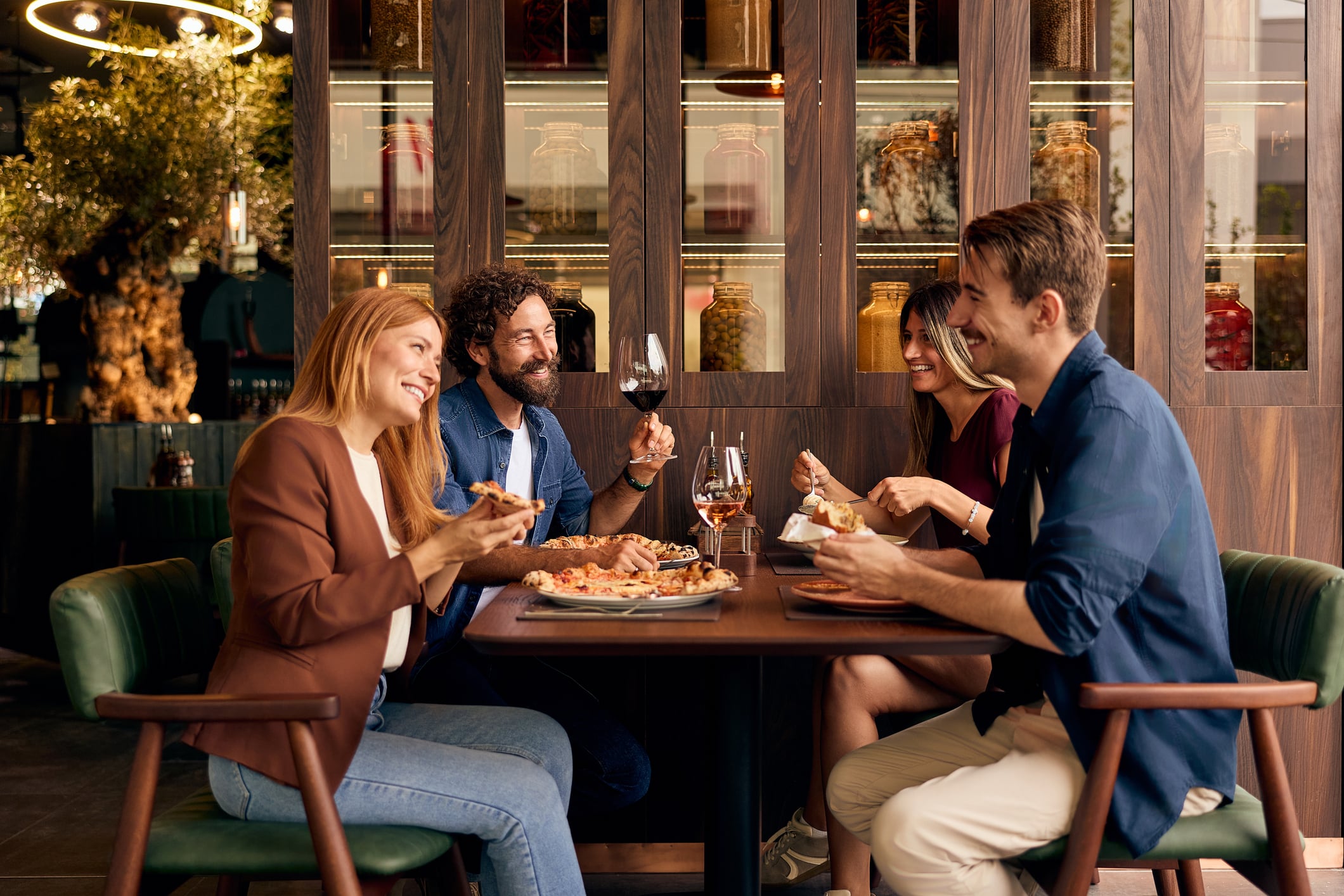
Another shift in tableside dining concerns the traditional structure of a meal, typically consisting of cocktails, appetizers, a main course, dessert, and coffee, complemented by conversations among diners that would extend the time spent at the table. Modern restaurants, by contrast, aim to streamline this process, ensuring that tables are vacated as quickly and efficiently as possible. In the past, the act of dining often served as the evening’s primary entertainment, rather than being merely one activity among a sequence of planned events.
Conclusion
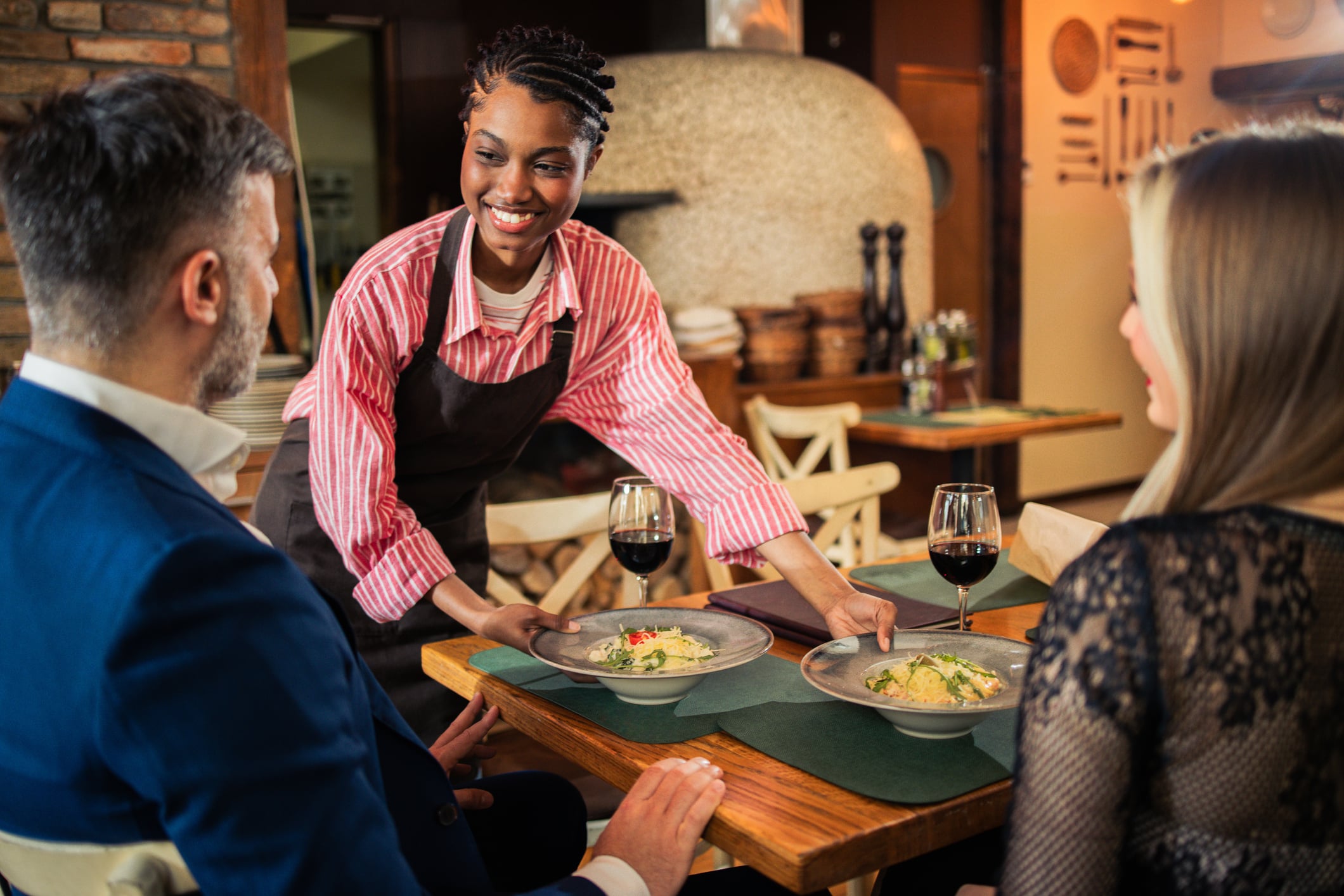
Many of these traditions and experience, particularly those involving tableside dining, required extra labor and specialized skills, but, above all, they demanded more time. While these practices have not disappeared entirely, the fact that such entertainment often comes at a cost that is difficult to justify makes them less practical to maintain. For diners who miss these experiences, family-owned establishments and restaurants geared toward special occasions remain places where they can still be found.