Some foods are so closely associated with America that it’s surprising to see how popular they’ve become overseas. From fried chicken becoming a Christmas tradition in Japan to Spam turning into a holiday gift in South Korea, plenty of foods Americans love have found unexpected followings abroad. As Smithsonian Magazine explores, food traditions often change as they travel between cultures. Here are 12 familiar American favorites that have taken on new flavors, traditions, and meanings in other parts of the world.
Kentucky Fried Chicken in Japan
In America, fried chicken is a familiar comfort food, but in Japan, it’s also a Christmas tradition. KFC launched its Kentucky for Christmas campaign in 1974, encouraging families to celebrate with buckets of fried chicken instead of the turkey dinners associated with Western holidays. The promotion caught on, and customers now place advance orders for special Christmas meals that can include sides, desserts, and festive packaging. It’s a surprising transformation for a fast-food chain that most Americans wouldn’t associate with Christmas dinner.
Boxed Macaroni and Cheese in Canada
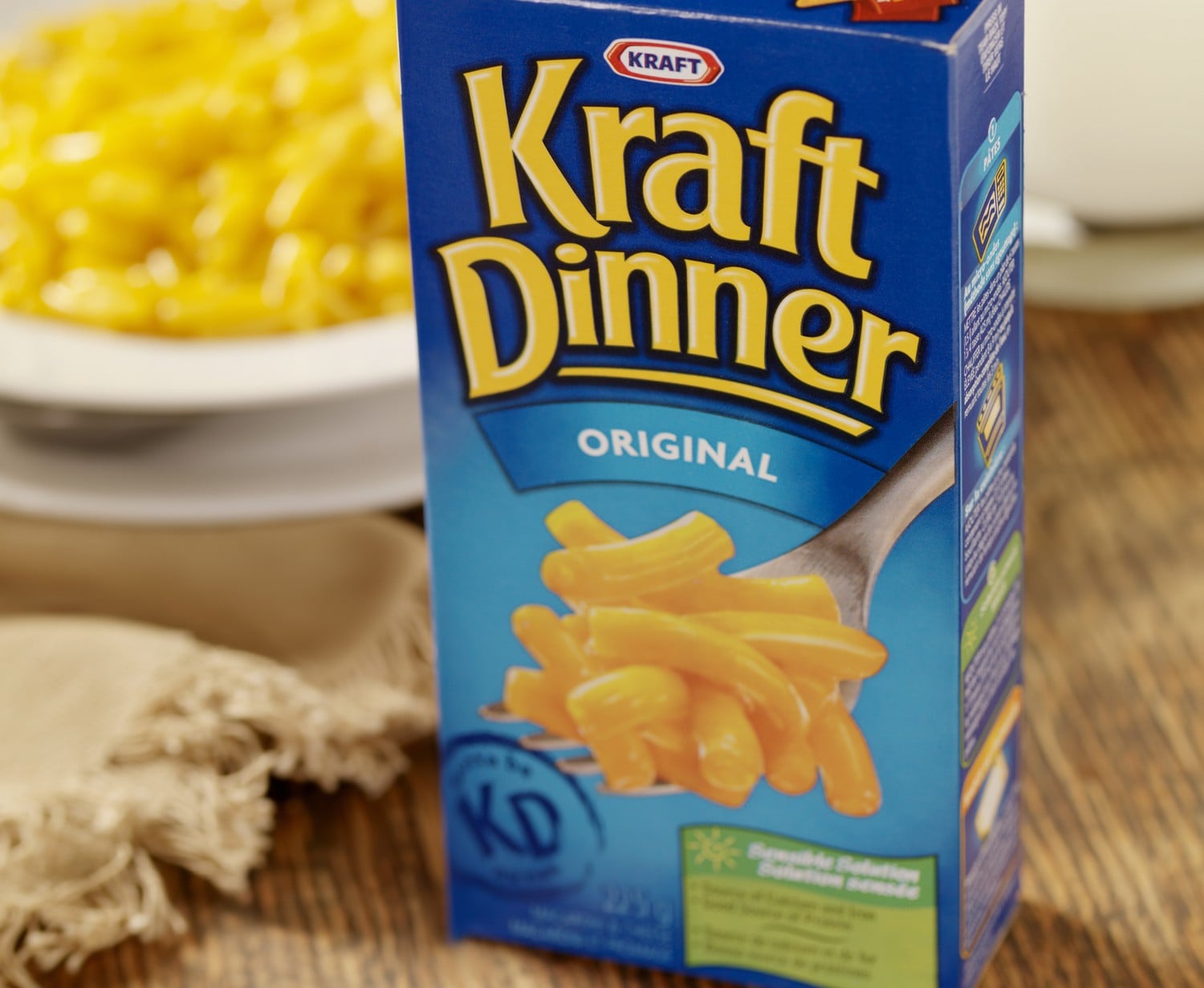
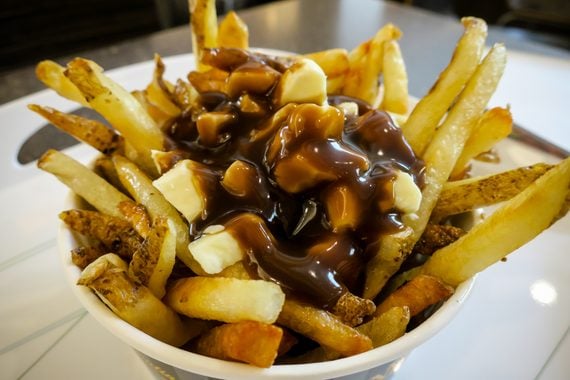
Kraft macaroni and cheese is an American pantry staple, but Canadians have embraced it so thoroughly that it has become part of their own food culture. Known as Kraft Dinner, or simply KD, the boxed meal has been a familiar fixture in Canadian kitchens for generations. Its appeal is easy to understand: It’s inexpensive, requires little preparation, and brings back childhood memories. Canadians also have their own ways of dressing it up, adding everything from ketchup to hot dogs. What began as an American convenience food is now a distinctly Canadian comfort-food favorite.
Spam in South Korea

Americans may associate Spam with inexpensive canned meat, but in South Korea, it has become a surprisingly popular holiday gift. The product gained a foothold during and after the Korean War, when American military supplies introduced it to local diets. Today, Spam appears in dishes such as budae-jjigae, a hearty stew made with noodles, vegetables, and processed meats. During Lunar New Year and Chuseok, supermarkets sell elaborate gift boxes filled with cans of Spam. It’s a far more celebratory role than the product usually plays in American households.
Texas-Style Smoked Brisket in Australia
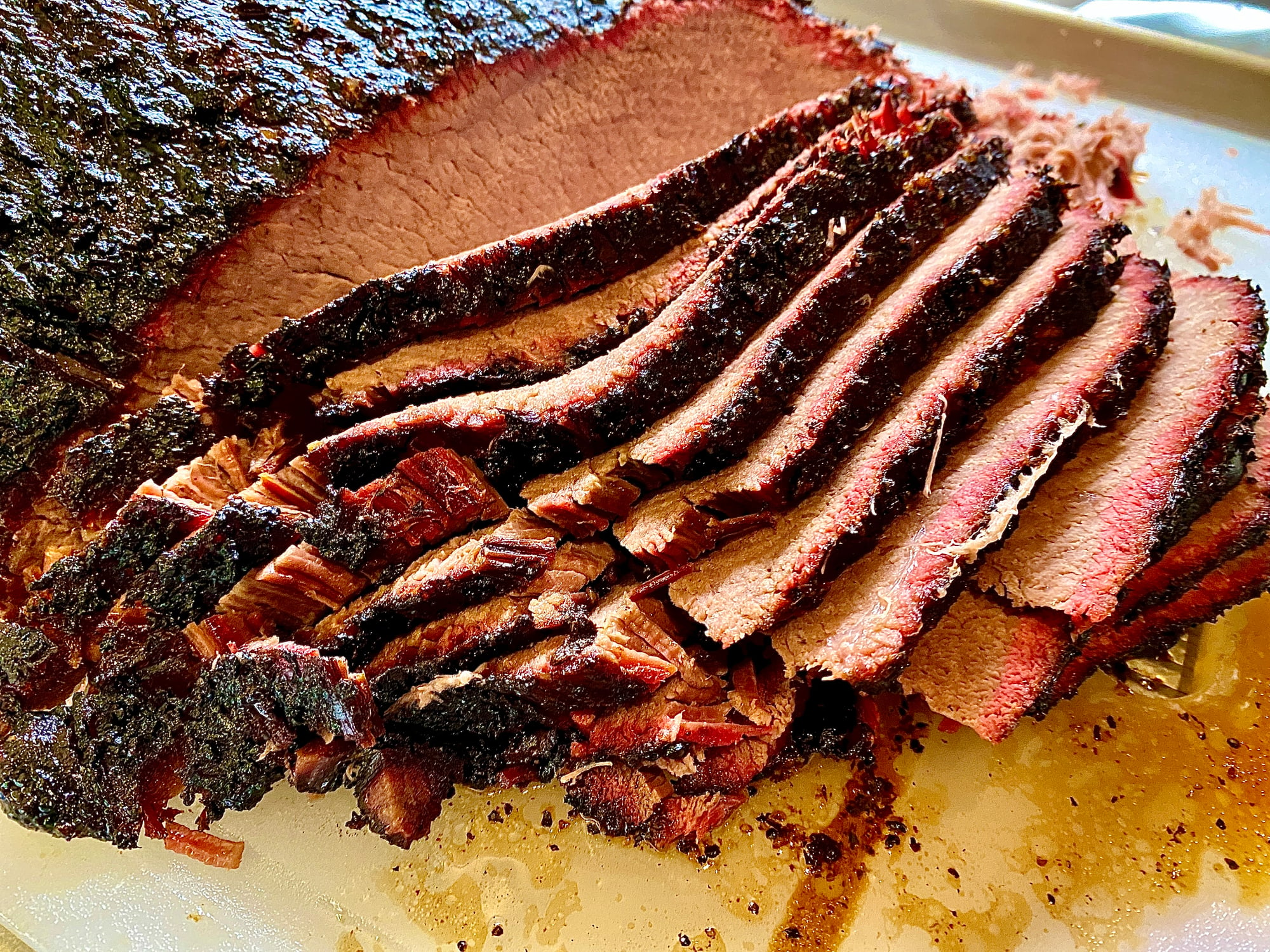
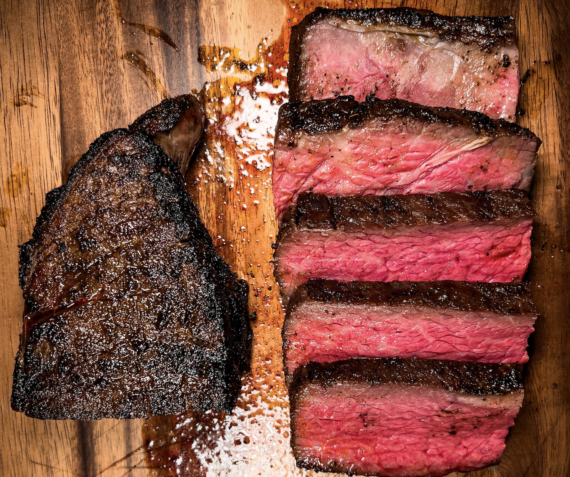
Australians have always enjoyed barbecue, but their traditional approach usually involves grilling sausages, steaks, and other meats over direct heat. American-style barbecue introduced a different obsession: smoking large cuts of meat slowly for hours until they’re tender enough to pull apart. Texas-style brisket has developed a following, inspiring specialized restaurants, competitions, and barbecue festivals. Australia’s Meatstock festival reported selling around 60,000 tickets in 2023. The downside is cost, since brisket and the equipment needed to prepare it properly can be expensive.
American-Style Burgers in the United Kingdom
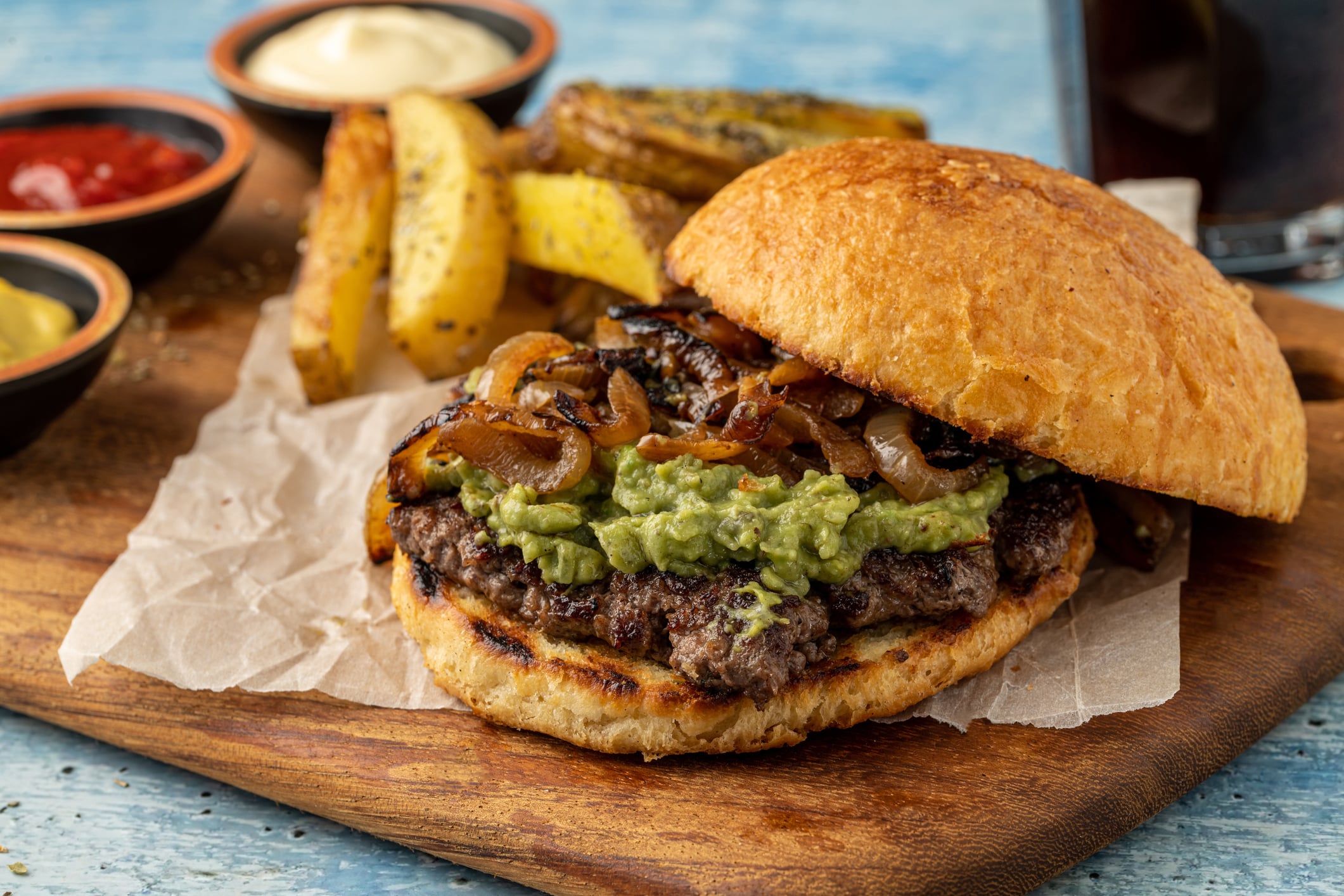
Hamburgers have become such a familiar part of British dining that it’s easy to forget how strongly American restaurant chains shaped their popularity. McDonald’s, Burger King, and newer burger specialists helped turn the American-style burger into a mainstream fast-food choice. A 2026 industry report found that U.S.-origin operators accounted for nearly all visits to British chain burger restaurants in 2025. The trend has also encouraged interest in smashburgers, oversized patties, and elaborate toppings. Still, the growing number of premium burger restaurants means a simple burger meal isn’t always inexpensive.
Trending on Cheapism

Mister Donut in Japan
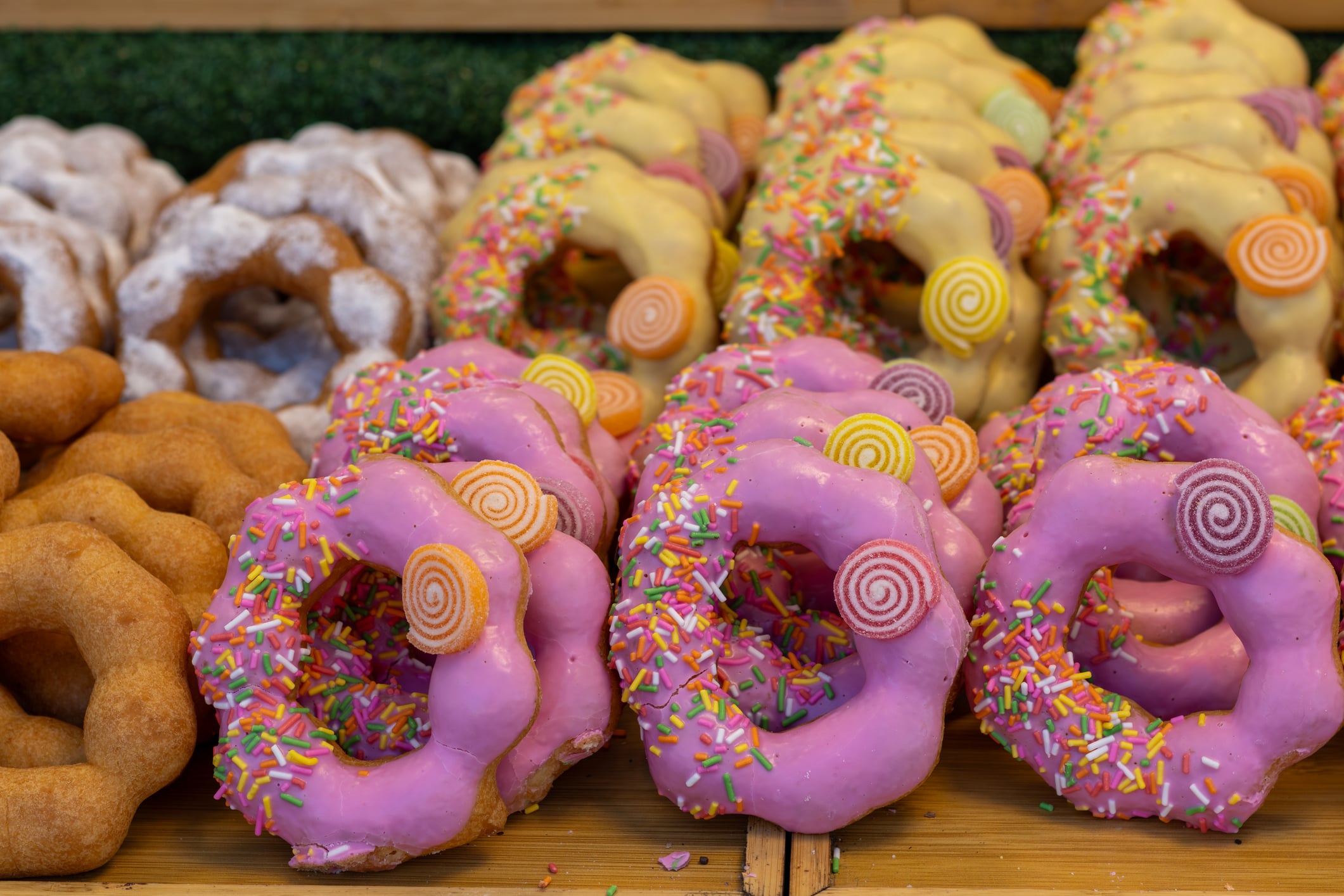
Mister Donut began in Massachusetts in 1956, but its most remarkable success story unfolded in Japan. While the brand largely disappeared from its original American market, it developed an extensive Japanese restaurant network. Japanese customers can still find familiar glazed and chocolate doughnuts, but the chain has also created distinctive local favorites. One of the most recognizable is the Pon de Ring, a chewy doughnut made from connected balls of dough. The unusual texture and rotating specialty flavors helped turn an American doughnut brand into a Japanese bakery institution.
Sweet Spaghetti in the Philippines
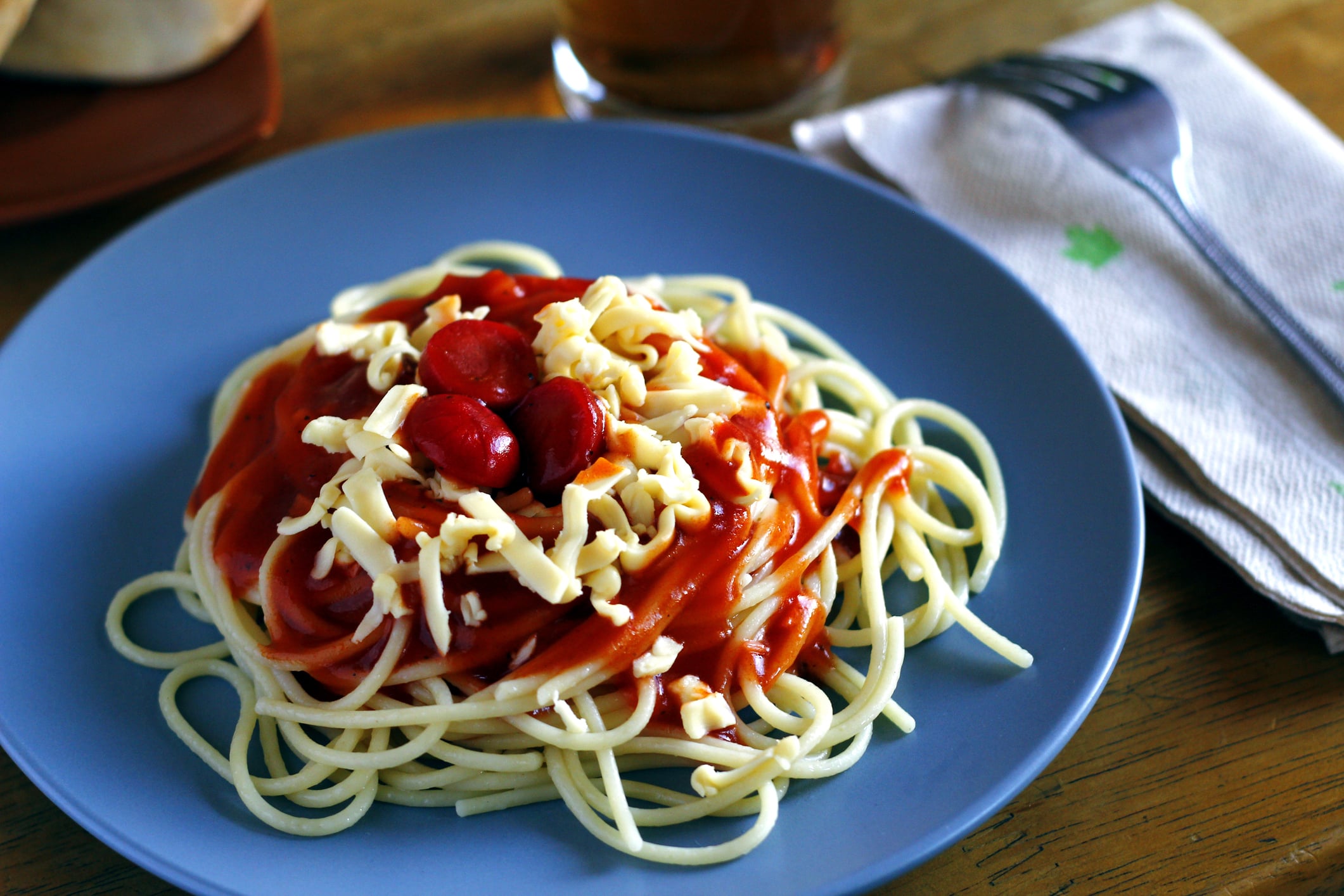
Spaghetti may have originated in Italy, but American food culture helped introduce the dish to Filipino households, where it developed a completely different personality. Filipino-style spaghetti often features a sweet tomato-based sauce, sliced hot dogs, ground meat, and plenty of grated cheese. Some recipes use banana ketchup, a locally developed condiment that adds sweetness and tang. The dish is especially associated with children’s birthdays and family celebrations. Jollibee helped make this sweeter version a familiar fast-food meal, even though it tastes quite different from the spaghetti served in most American restaurants.
Domino’s Pizza in India
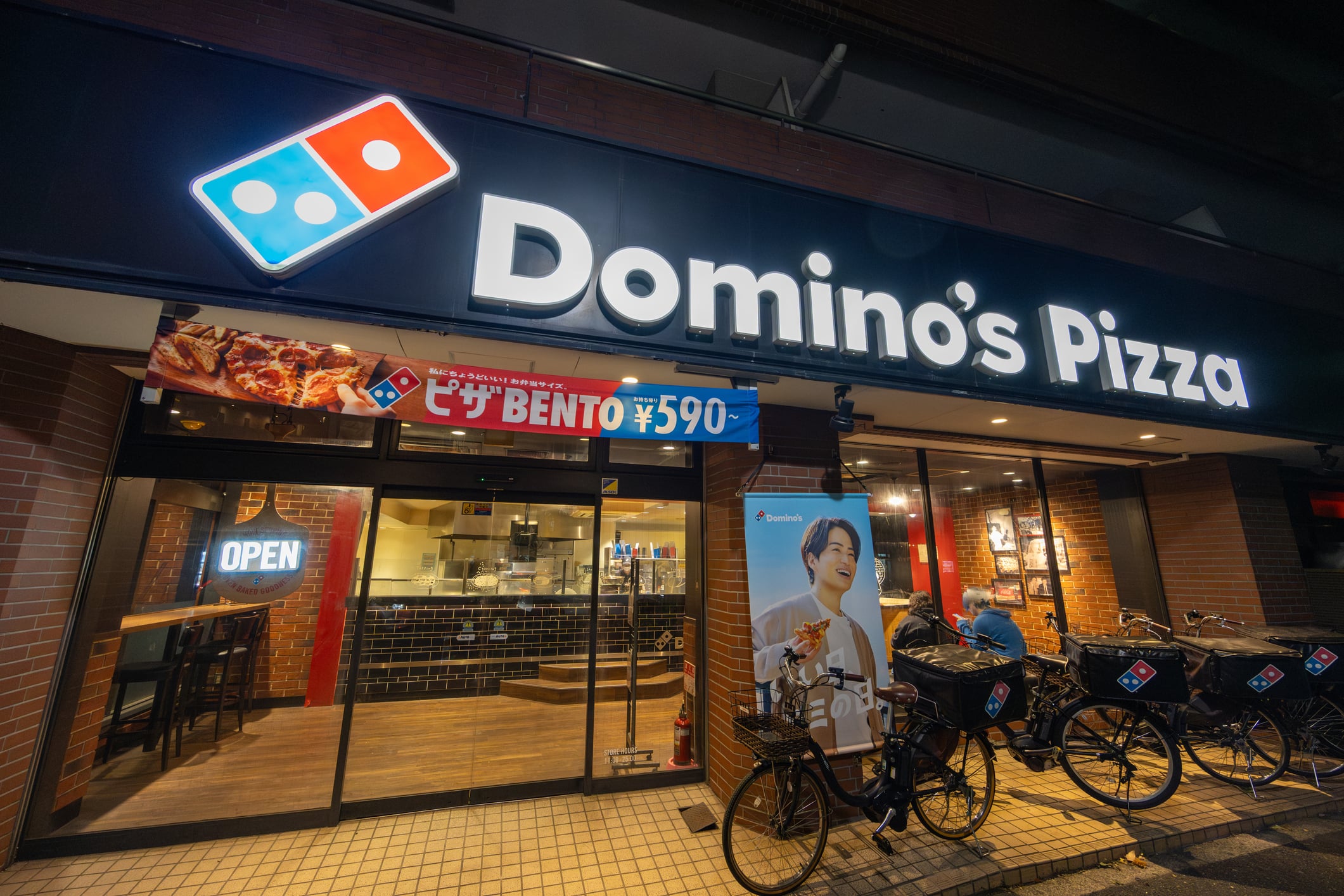
Pizza has Italian origins, but the American chain restaurant version has found a substantial following in India. Domino’s adapted its menu to local tastes with toppings that might surprise American customers, including paneer, spicy peppers, corn, and Indian-inspired seasonings. Its Peppy Paneer pizza, for example, combines soft Indian cheese with capsicum and red paprika. Vegetarian choices also receive much more attention than they do at many American pizza chains. It’s a good example of how an American fast-food business can succeed abroad by changing its menu rather than simply exporting it unchanged.
Sign up for our newsletter
New York-Style Bagels in South Korea
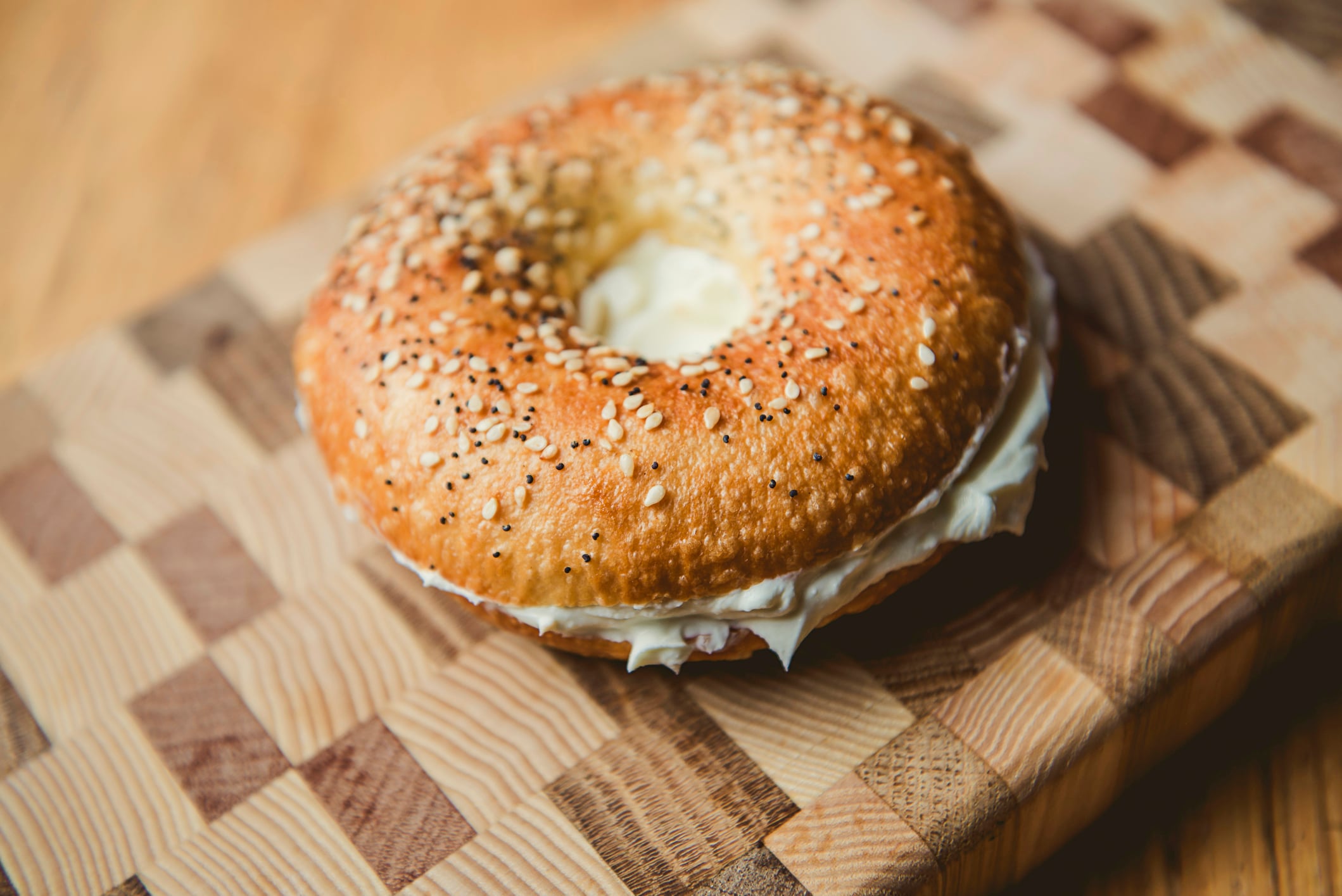
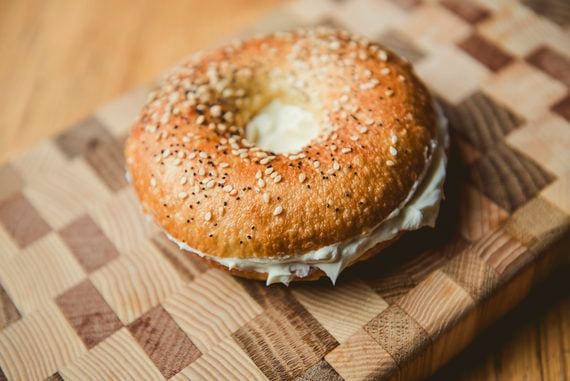
Bagels have Eastern European Jewish roots, but New York helped turn them into an internationally recognizable breakfast food. South Korea has developed its own enthusiasm for the chewy bread, with specialty bakeries attracting long lines of customers. Seoul’s London Bagel Museum became especially well known for its elaborate displays and creative flavors. Korean versions may feature generous cream cheese fillings, garlic, or unusual savory combinations. The bakery experience can be as important as the food itself, although trendy locations sometimes charge considerably more than an ordinary neighborhood bakery.
Peanut Butter in the Netherlands
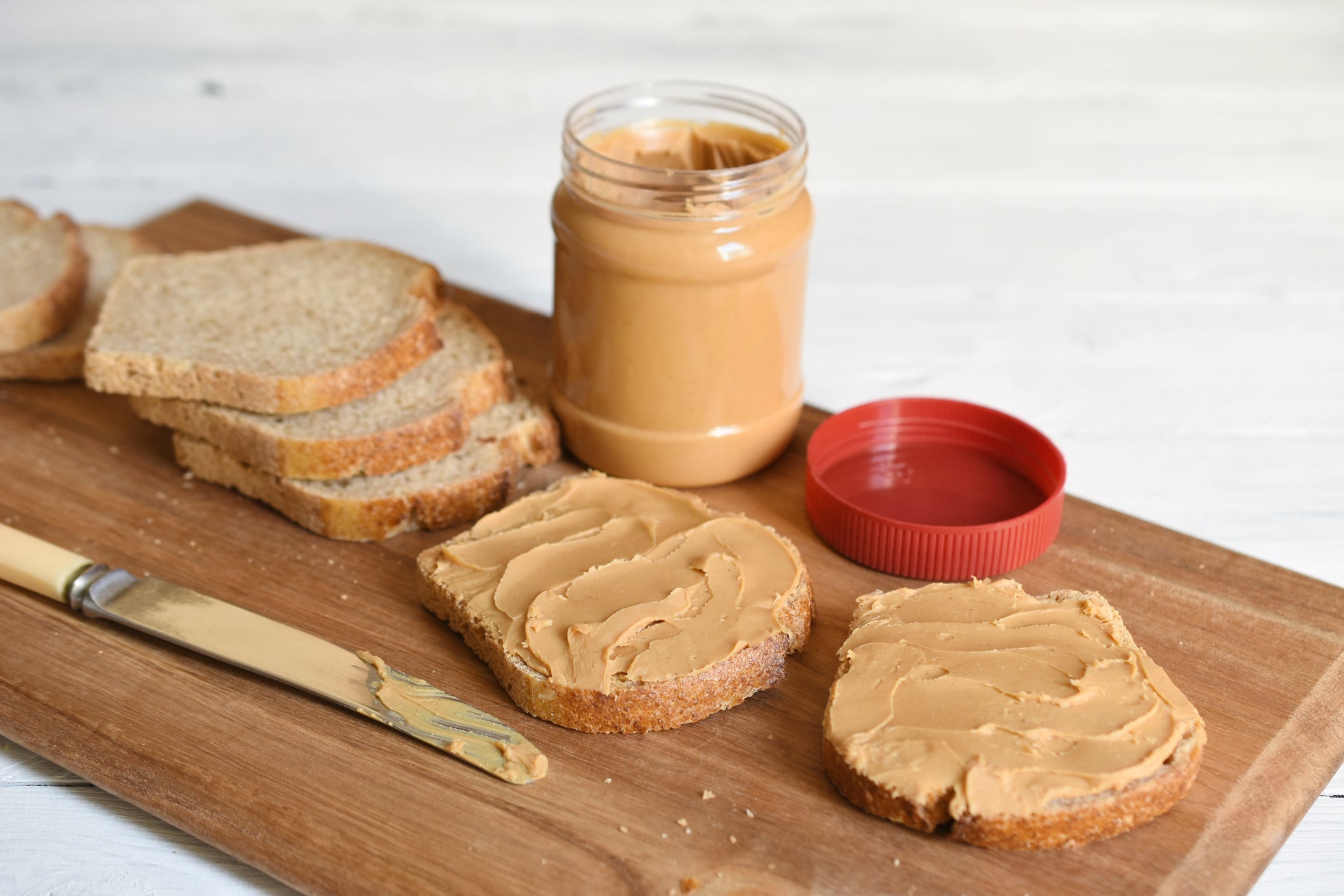
Peanut butter may be a staple of American lunchboxes, but the Dutch have made it an everyday favorite of their own. Known as pindakaas, the spread became particularly familiar after Calve introduced its version in 1948. Dutch peanut butter is often less sweet than the varieties Americans grew up eating, making it suitable for simple sandwiches and savory combinations. The name literally means peanut cheese because Dutch naming rules reserved the word butter for dairy products. It’s now such a familiar supermarket item that many Dutch shoppers hardly think of it as an American import.
American-Influenced Cheesecake in Japan

New York-style cheesecake is famous for its dense, rich cream cheese filling, but Japan developed a much lighter interpretation. American cheesecake helped introduce Japanese consumers to cream cheese desserts during the postwar years, eventually inspiring a wide range of local variations. Japanese souffle cheesecake is especially distinctive, with a soft, airy texture that resembles a cross between cheesecake and sponge cake. Brands such as Uncle Tetsu later helped bring the Japanese version to international audiences. It’s an interesting example of an American dessert influencing something that eventually became popular far beyond Japan.
American-Style Hot Dogs in Brazil
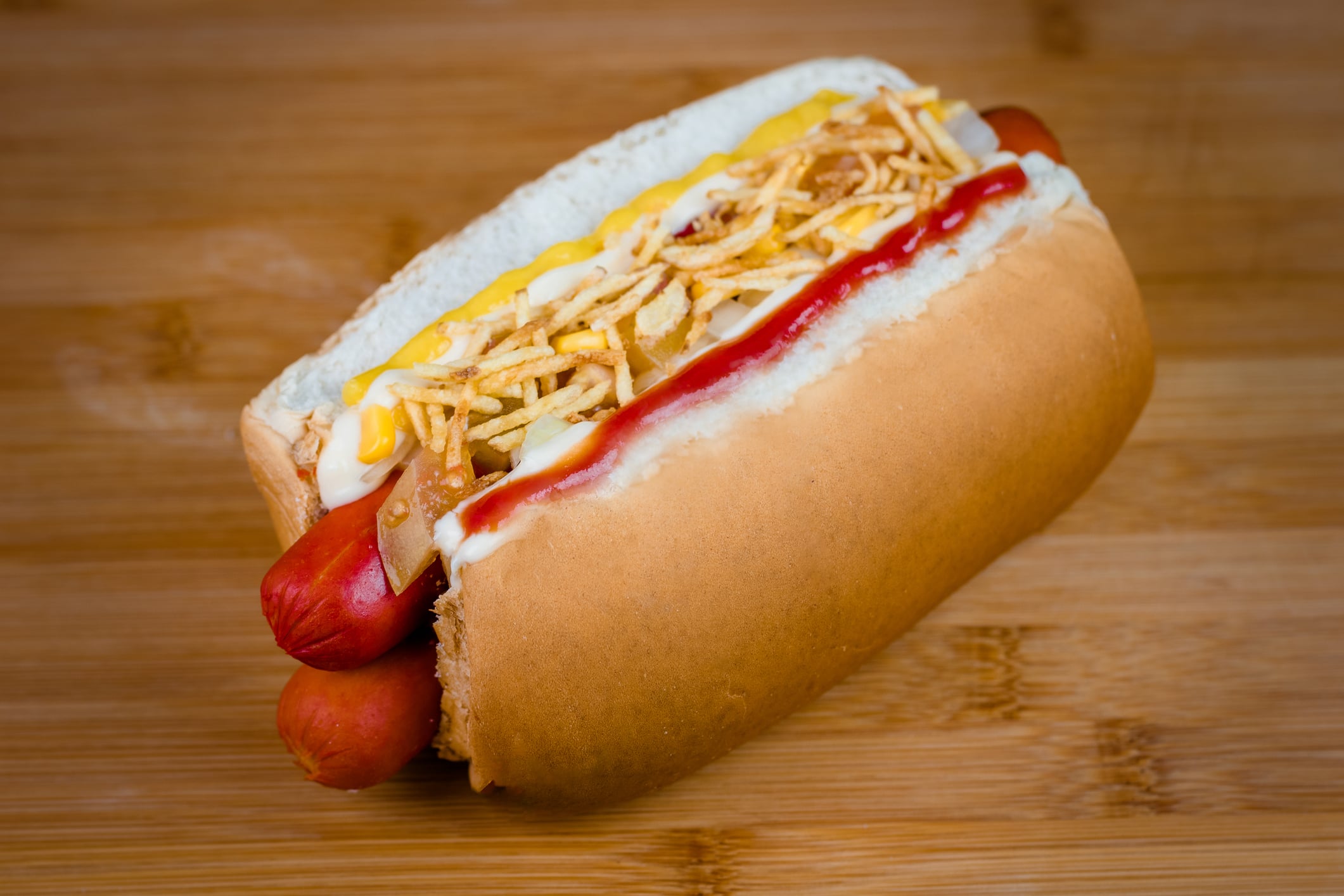
Americans usually keep hot dogs fairly simple, but Brazil turned the familiar ballpark snack into something closer to a full meal. Known as cachorro-quente, Brazilian hot dogs can come piled with mashed potatoes, corn, peas, shredded cheese, and crispy potato sticks. Toppings vary by region, with Sao Paulo particularly known for adding mashed potatoes. The American-style sandwich reached Brazil in the 1920s and eventually became a street-food favorite. Anyone accustomed to mustard and relish might be surprised by just how much fits inside the bun.