Some of the most memorable meals abroad don’t come from fancy restaurants. They come from bustling street markets, neighborhood bakeries, and small family-run eateries serving dishes that locals have enjoyed for generations. From Portugal’s flaky custard tarts to Japan’s savory pancakes, there are plenty of foods Americans love discovering while traveling. As National Geographic frequently explores, food is an important part of experiencing different cultures and traditions. Here are 12 international specialties worth trying on your next trip, including some that won’t put a big dent in your travel budget.
Pastéis de Nata in Portugal
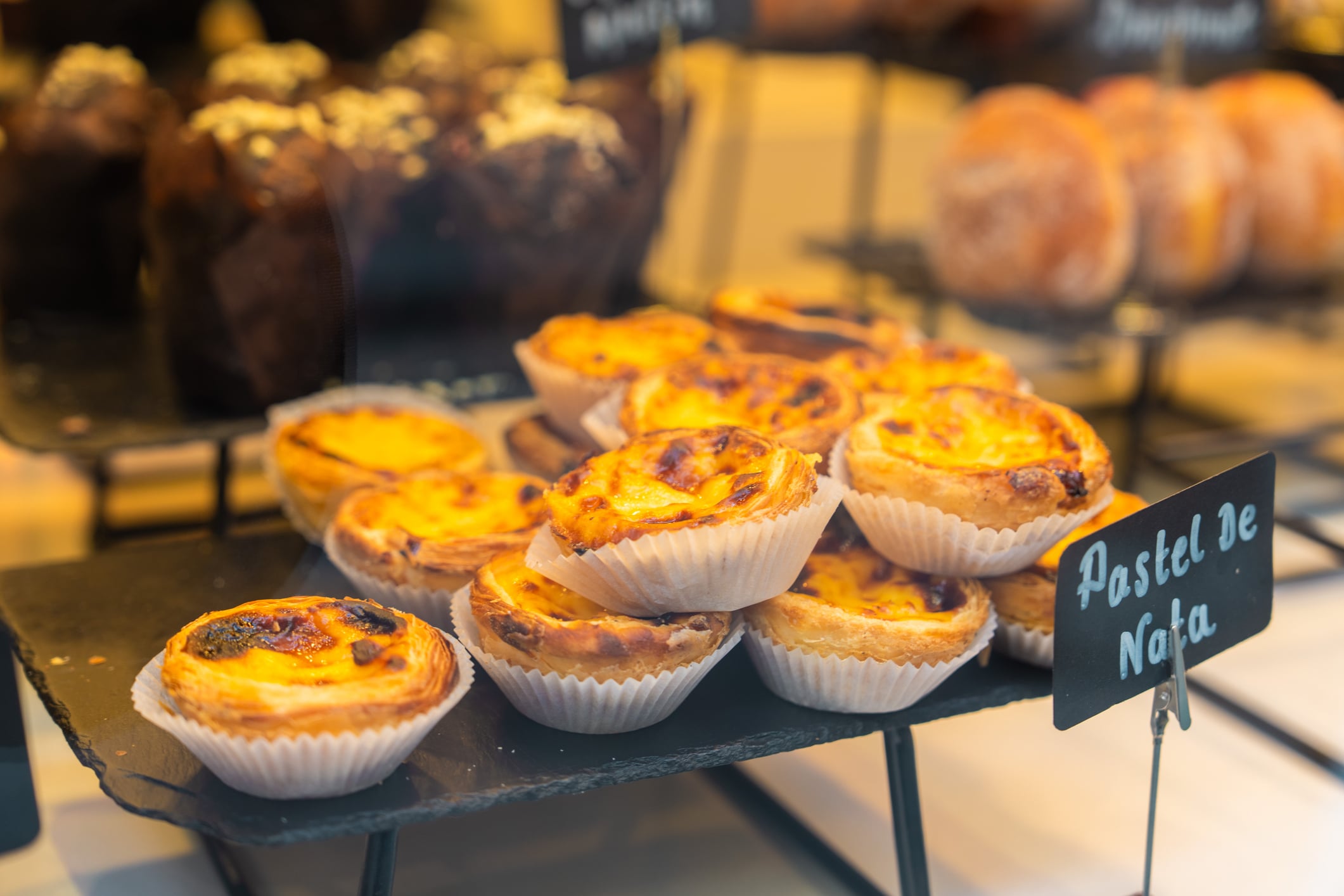
Portugal’s famous custard tarts pack plenty of flavor into a pastry small enough to finish in a few bites. Each has a flaky, buttery crust filled with creamy egg custard, baked until the top develops dark caramelized spots. Lisbon’s Pastéis de Belém bakery has been making its celebrated version since 1837, using a recipe linked to the nearby Jerónimos Monastery. Try one warm with a sprinkle of cinnamon and an espresso. Plenty of neighborhood bakeries also sell delicious versions without the famous shop’s long lines.
Tacos al Pastor in Mexico
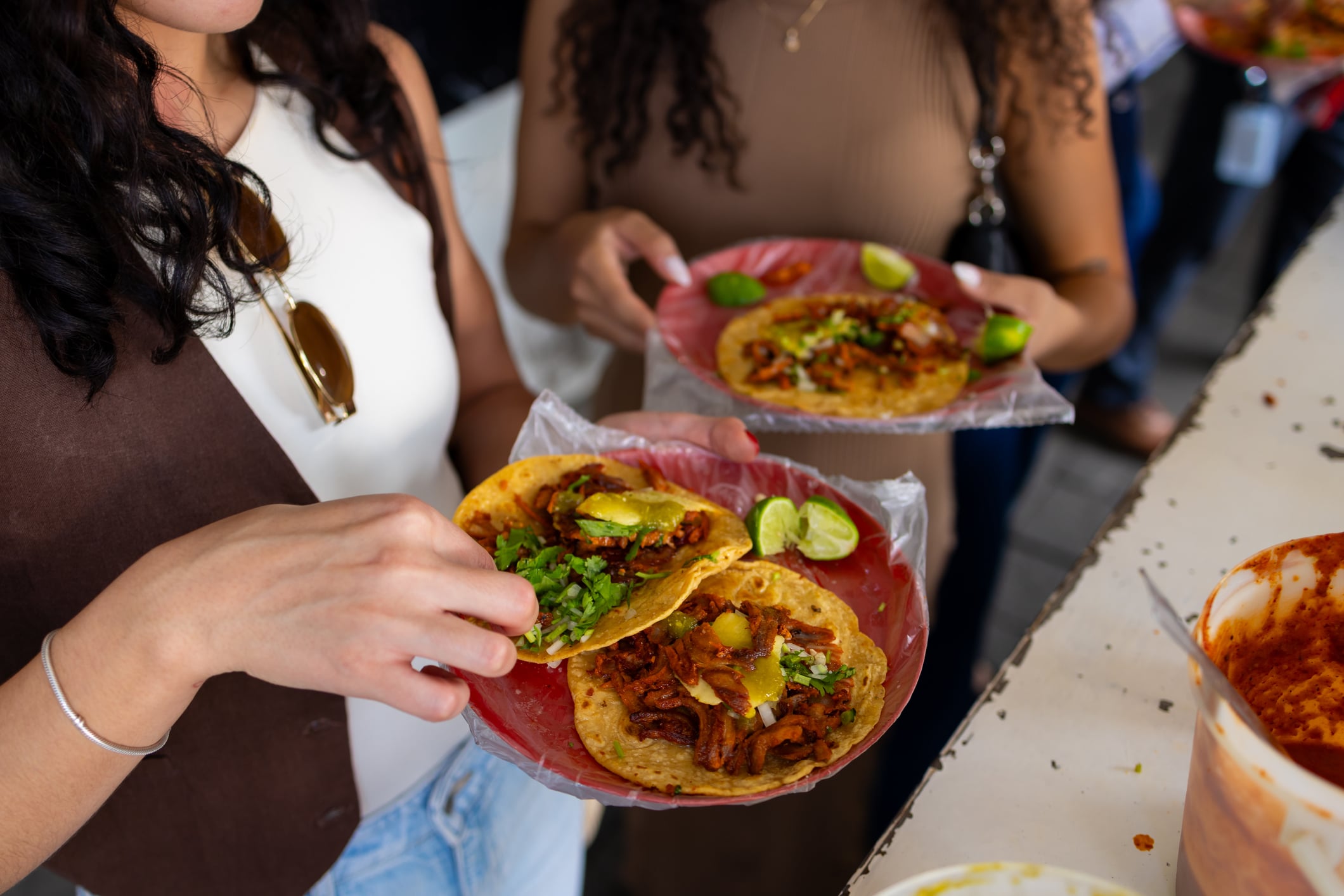
Anyone who enjoys tacos should try Mexico’s tacos al pastor, especially in Mexico City. Thin slices of marinated pork cook on a rotating vertical spit before being shaved onto small corn tortillas. They’re typically finished with chopped onion, cilantro, salsa, and sometimes pineapple for a little sweetness. The cooking technique has roots in Lebanese immigration to Mexico, making this street-food favorite a fascinating blend of culinary traditions. Look for a busy taqueria where the meat is carved fresh, and order several small tacos to sample different salsas.
Okonomiyaki in Japan
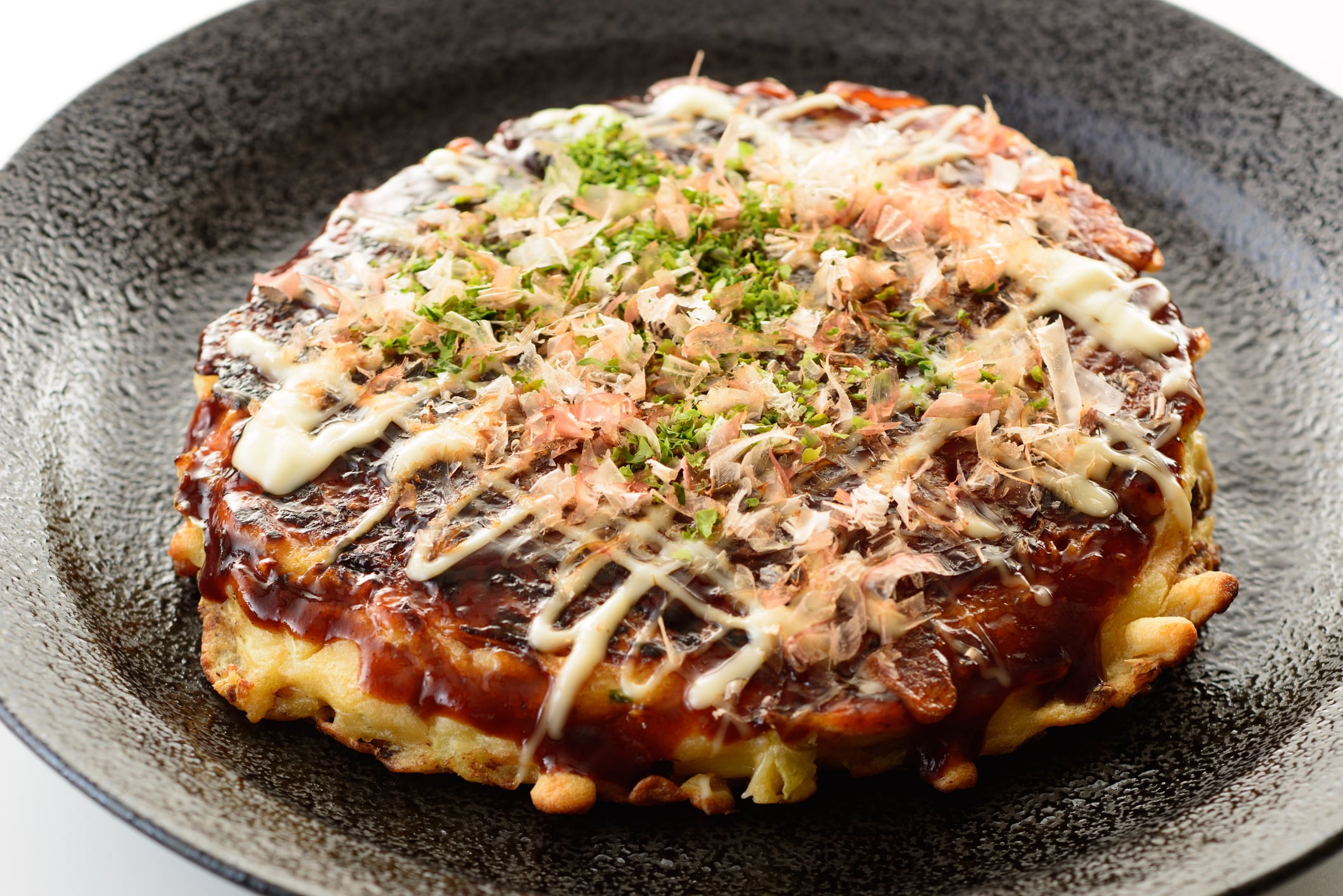
Think of okonomiyaki as a savory pancake packed with cabbage, eggs, and ingredients such as pork, shrimp, or squid. It’s cooked on a hot griddle and usually topped with a rich, slightly sweet sauce, Japanese mayonnaise, and dried bonito flakes. Osaka’s version mixes ingredients into the batter, while Hiroshima’s layers them and often adds noodles. Some restaurants prepare the dish right in front of customers, making dinner part cooking demonstration. It’s filling enough to share, especially if you’re planning to sample other Japanese specialties afterward.
Poutine in Canada
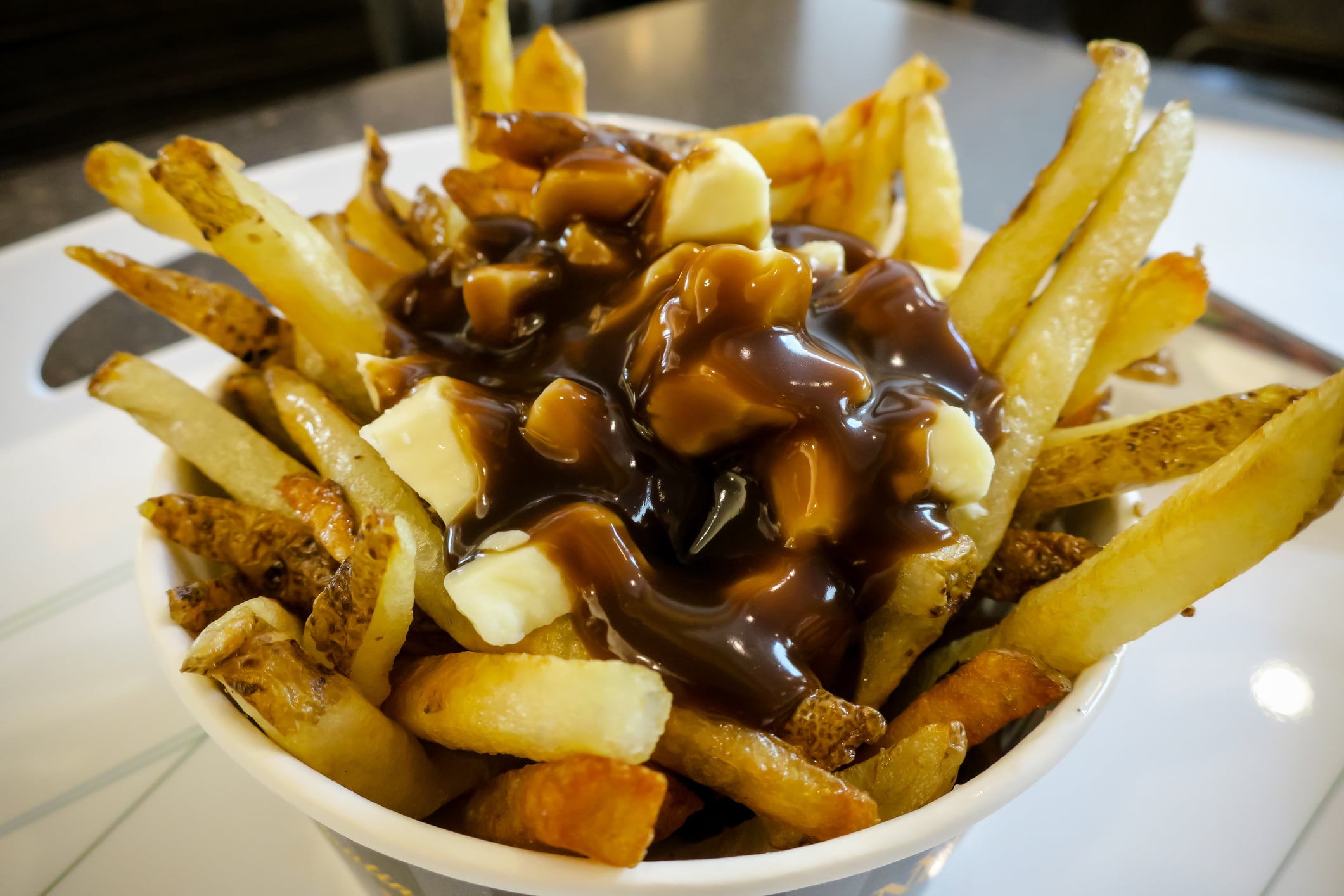
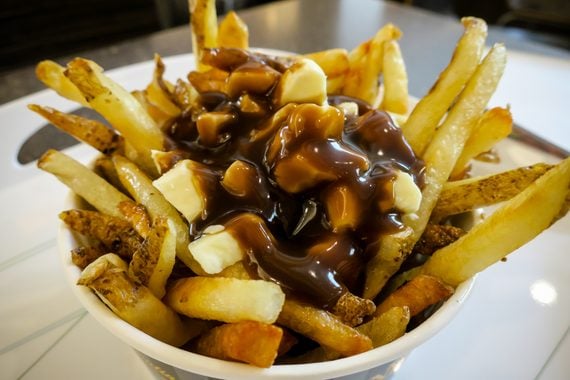
French fries, cheese, and gravy might sound familiar, but Quebec’s poutine brings them together in a particularly satisfying way. Hot fries are covered with fresh cheese curds and rich gravy, creating a combination of crispy, creamy, and savory textures. The curds are supposed to have a slight squeak when you bite into them. Although restaurants across Canada serve elaborate versions topped with everything from bacon to pulled pork, a traditional poutine from a Quebec snack bar is often the better place to start.
Pintxos in Spain
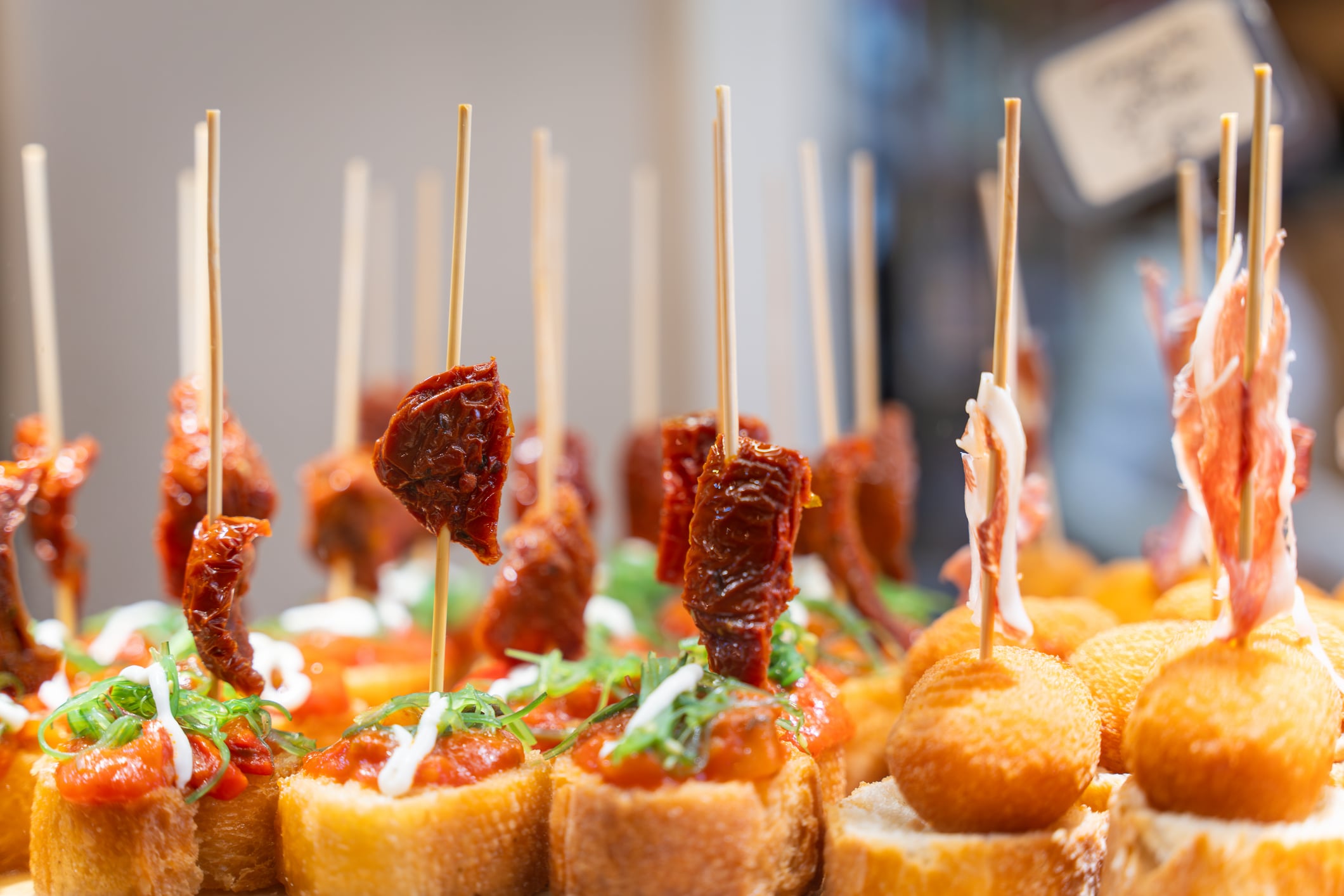
In Spain’s Basque Country, particularly San Sebastian and Bilbao, pintxos turn grabbing a quick bite into a social occasion. These small dishes often feature ingredients such as anchovies, roasted peppers, seafood, or cheese arranged on bread, although modern versions can be surprisingly elaborate. Bars display tempting selections along their counters, making it easy to try several regional specialties in one evening. Rather than ordering a large meal, follow the local tradition of visiting different bars and sampling a specialty at each. Just check the prices, since individual bites can add up.
Trending on Cheapism


Tteokbokki in South Korea
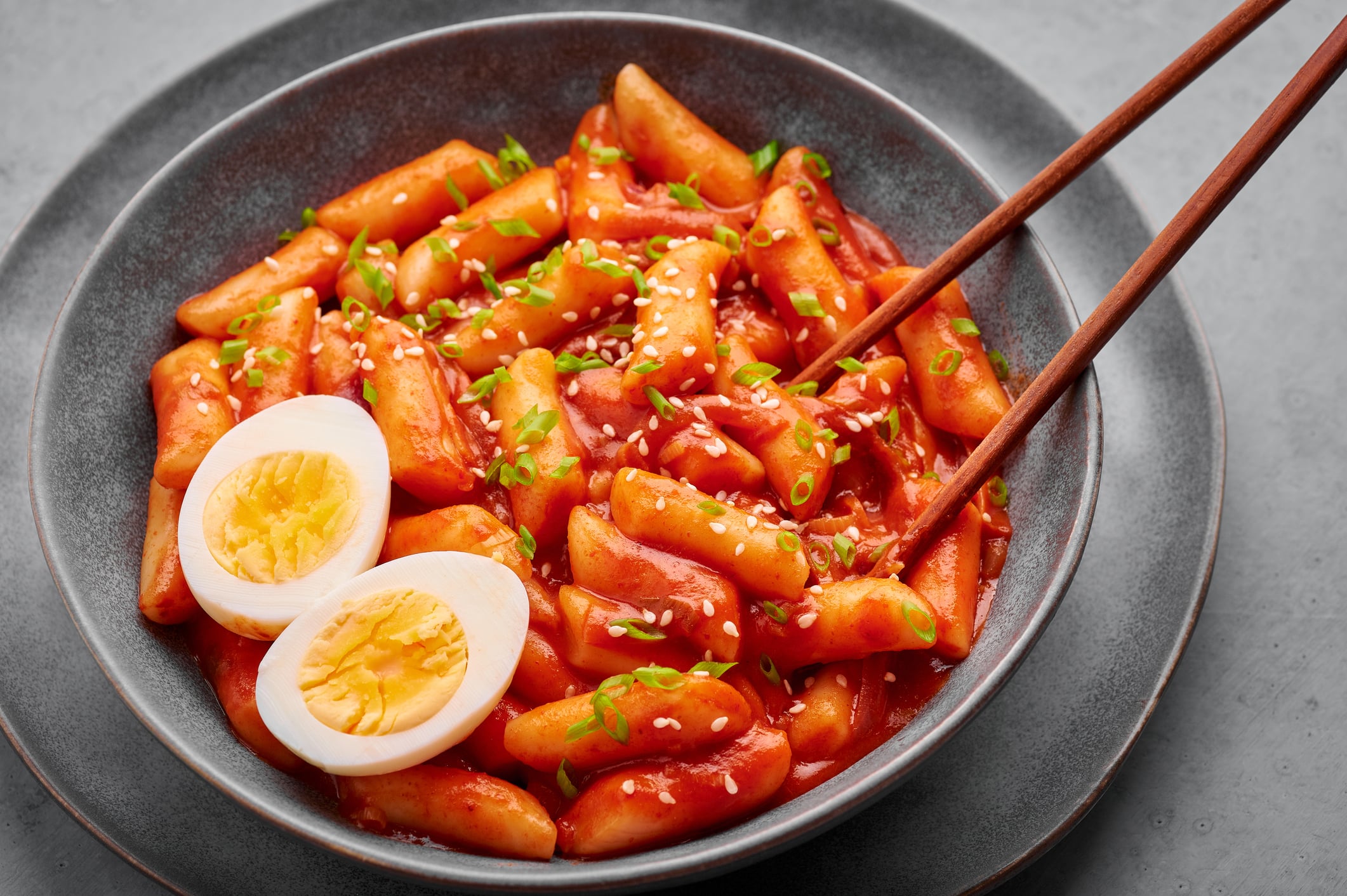
South Korea’s tteokbokki is a popular street-food favorite made with chewy rice cakes simmered in a bright red, sweet-and-spicy sauce. The sauce typically gets its heat from gochujang, a fermented chili paste, while additions such as fish cakes, boiled eggs, and noodles make the dish more substantial. The rice cakes have a pleasantly chewy texture that may surprise first-time visitors. Seoul’s Sindang-dong neighborhood is especially known for its tteokbokki restaurants. Start with a small portion if you’re unsure about the spice level, since some versions pack serious heat.
Arancini in Italy
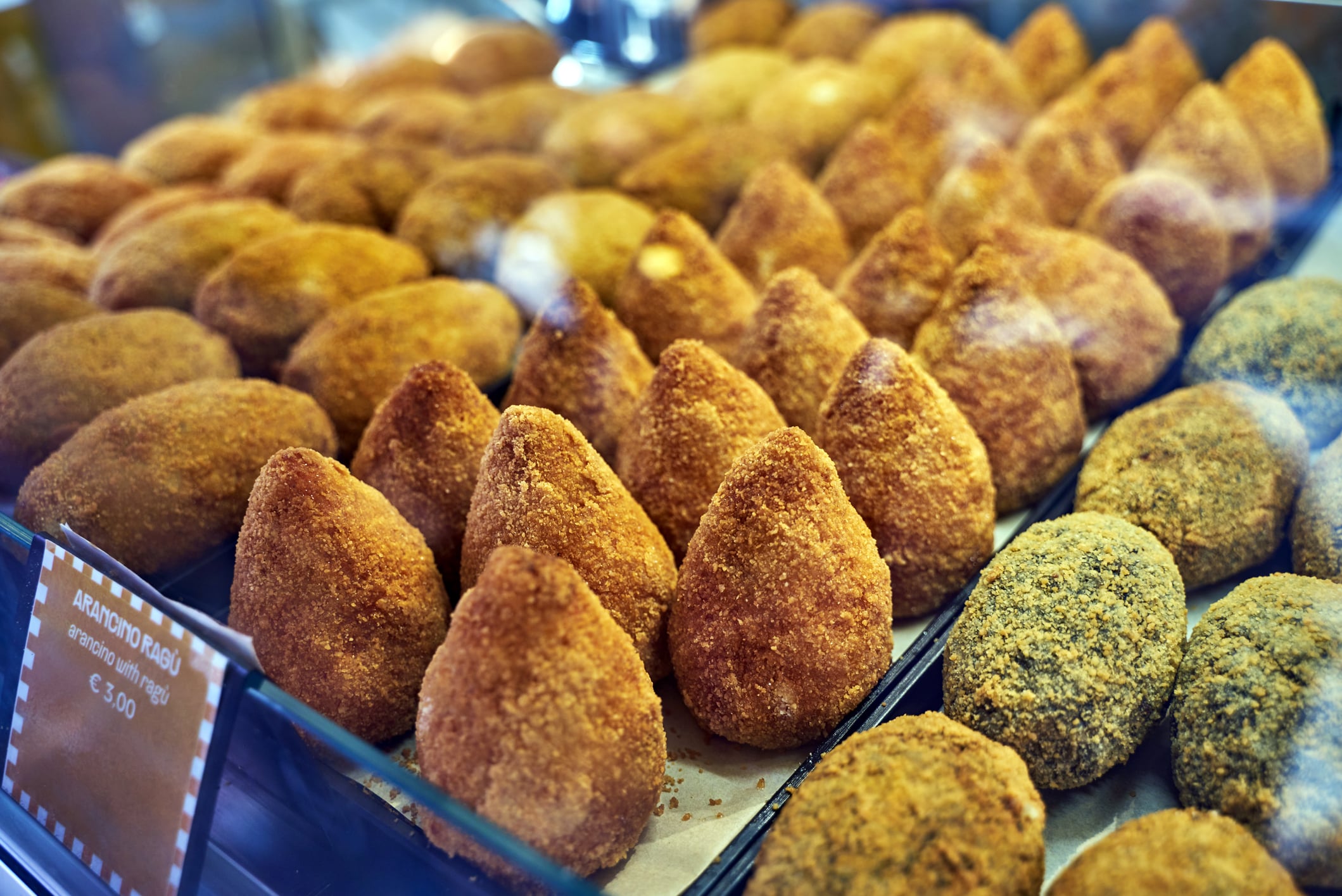
Sicily’s arancini are proof that simple comfort food can become something special. These golden, breaded rice balls or cones are stuffed with fillings such as meat ragu, mozzarella, or vegetables before being fried until crisp. Bite through the crunchy coating and you’ll find soft, flavorful rice surrounding the filling. Depending on where you are in Sicily, you may also hear them called arancine. They’re sold at bakeries, cafes, and takeaway counters, making them a convenient lunch when you don’t want to spend time or money on a full restaurant meal.
Mango Sticky Rice in Thailand
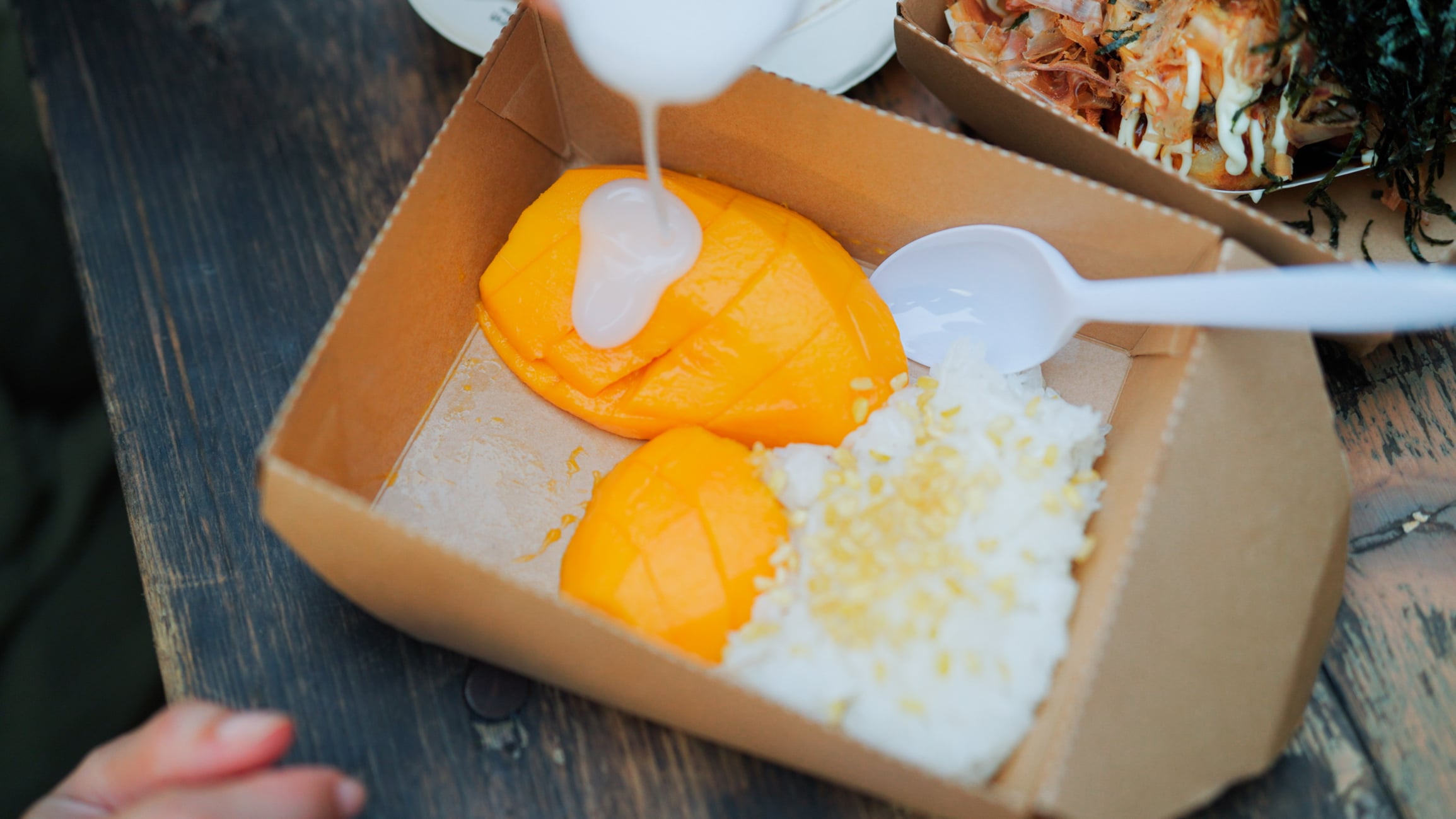
Thailand’s mango sticky rice combines fresh fruit with a rich, creamy dessert that’s surprisingly simple. Sweet, ripe mango slices are served alongside glutinous rice cooked with coconut milk, often finished with a slightly salty coconut sauce. The contrast between the juicy fruit and chewy rice is what makes it memorable. Bangkok’s K. Panich has been preparing the specialty for generations, although you’ll find versions at markets and dessert shops throughout Thailand. For the best experience, look for vendors using ripe, fragrant mangoes rather than underripe fruit.
Sign up for our newsletter
Ceviche in Peru
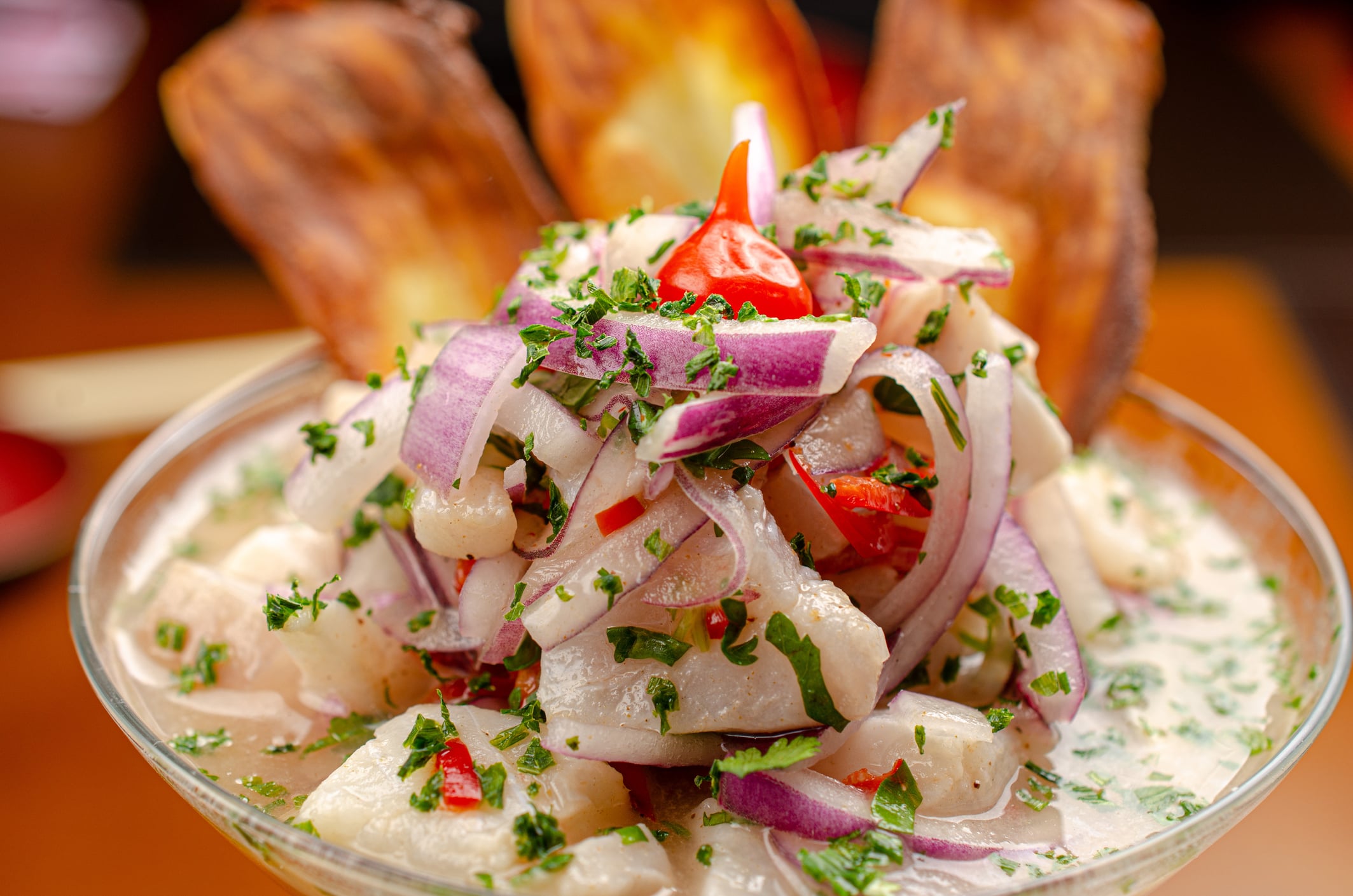
Peruvian ceviche offers a refreshing alternative to the fried seafood Americans might be accustomed to ordering on vacation. Fresh raw fish is tossed with lime juice, red onion, chili peppers, and seasonings, creating a dish that’s bright, tangy, and sometimes surprisingly spicy. It’s traditionally accompanied by sweet potato and large-kernel corn, which help balance the acidity and heat. Lima has plenty of restaurants specializing in ceviche, but freshness matters more than fancy surroundings. Choose a reputable establishment with proper seafood handling, since citrus juice doesn’t eliminate every risk associated with raw fish.
Fish and Chips in the United Kingdom
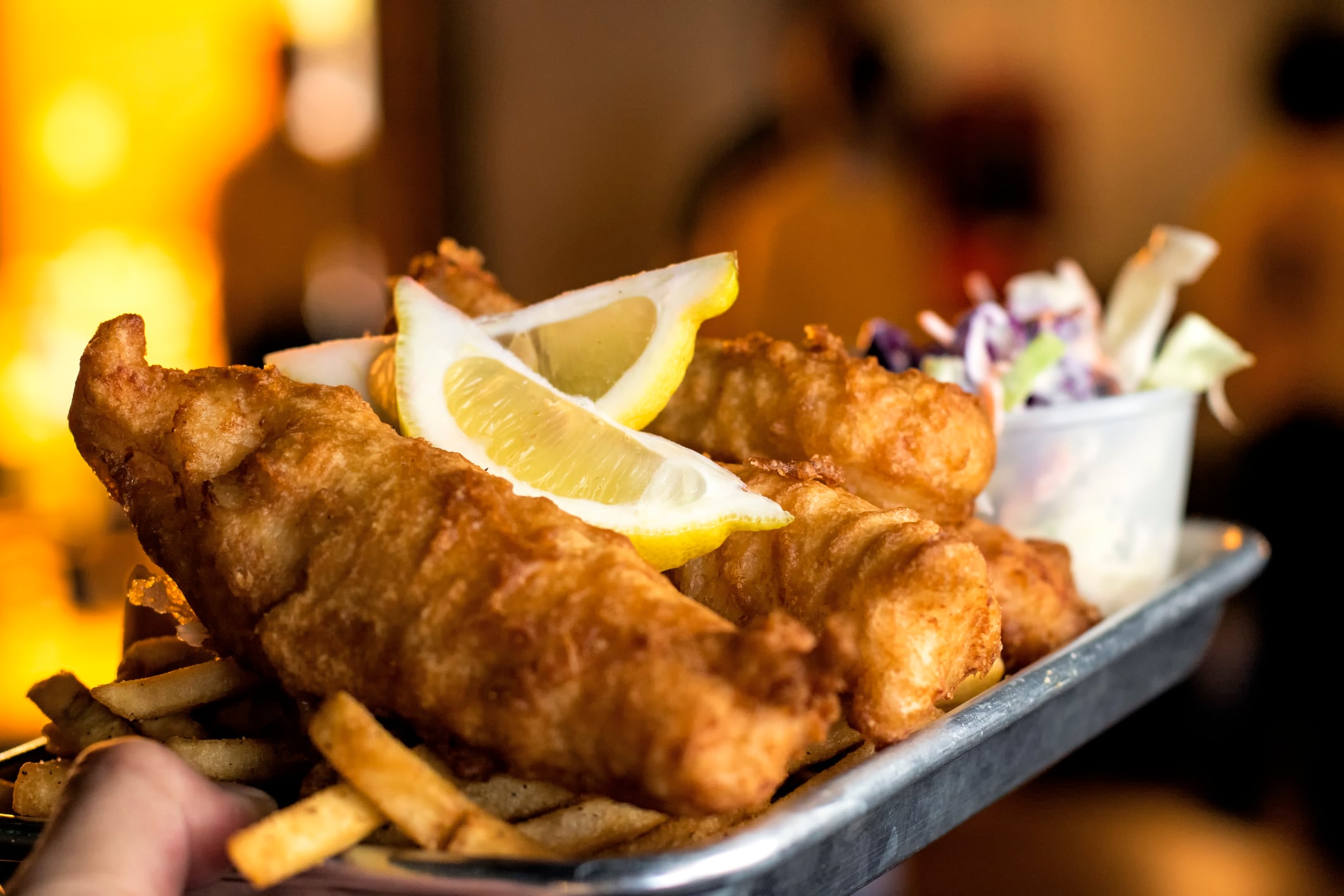
Fish and chips may be familiar to Americans, but ordering them from a traditional British chippy is a different experience. Thick-cut chips accompany battered fish, commonly cod or haddock, with salt and malt vinegar adding a distinctive tang. Depending on the region, you might also find mushy peas, curry sauce, or scraps of crispy batter on the side. The dish has long been associated with British seaside towns, where takeaway shops serve generous portions wrapped for eating outdoors. Portions can be substantial, so sharing one order is worth considering.
Shawarma in the United Arab Emirates
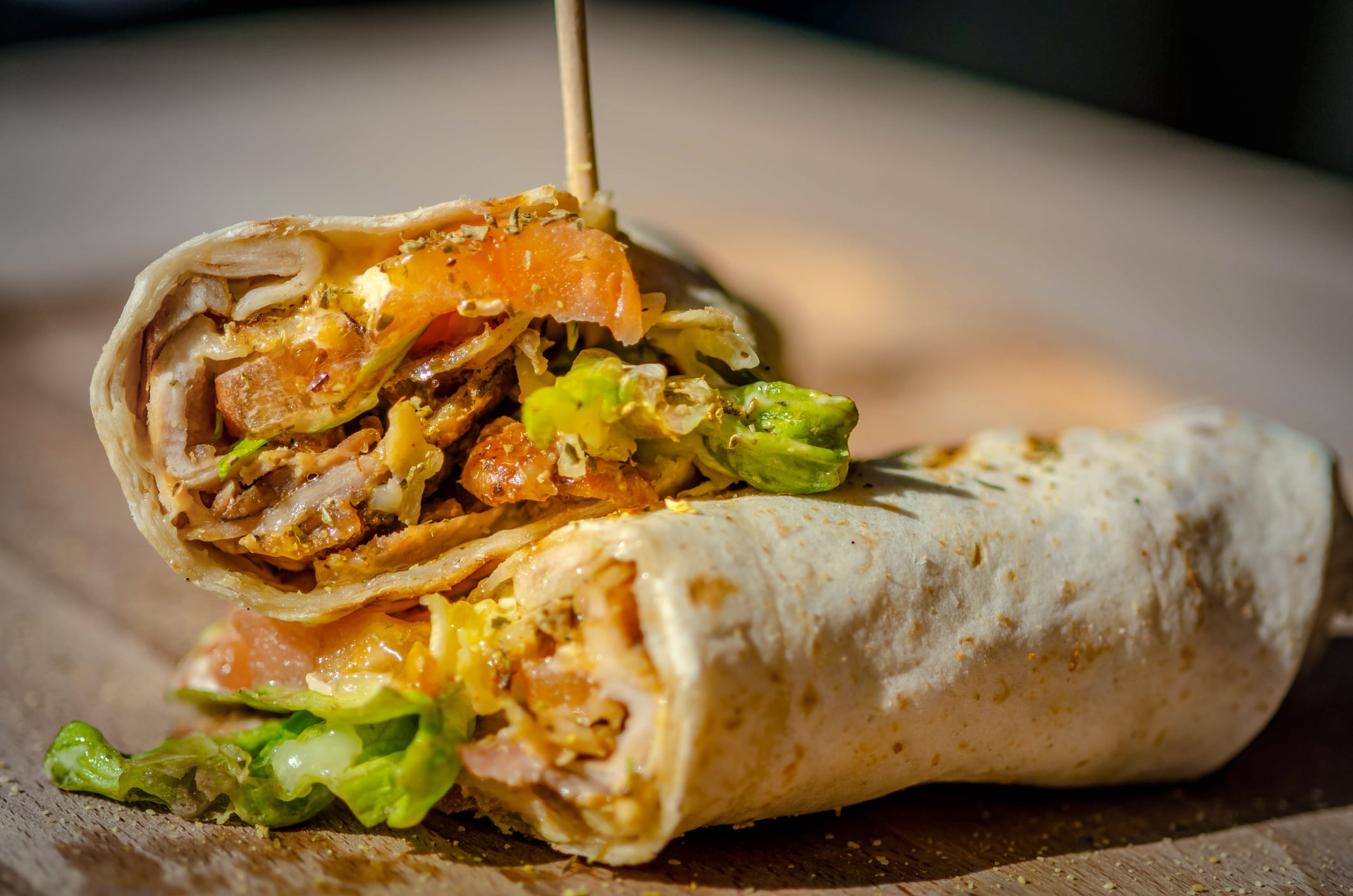
Dubai may be famous for extravagant dining, but some of its most satisfying meals come wrapped in flatbread. Shawarma features thin slices of seasoned chicken, beef, or lamb cooked on a vertical rotisserie, then tucked into bread with pickles and sauces. Chicken versions often include garlic sauce, while other preparations use tahini. Some Dubai shops even add French fries inside the wrap. It’s a convenient alternative to an expensive restaurant meal, particularly when you’re exploring the city. Look for a busy shop where the meat is carved fresh.
Simit in Turkey
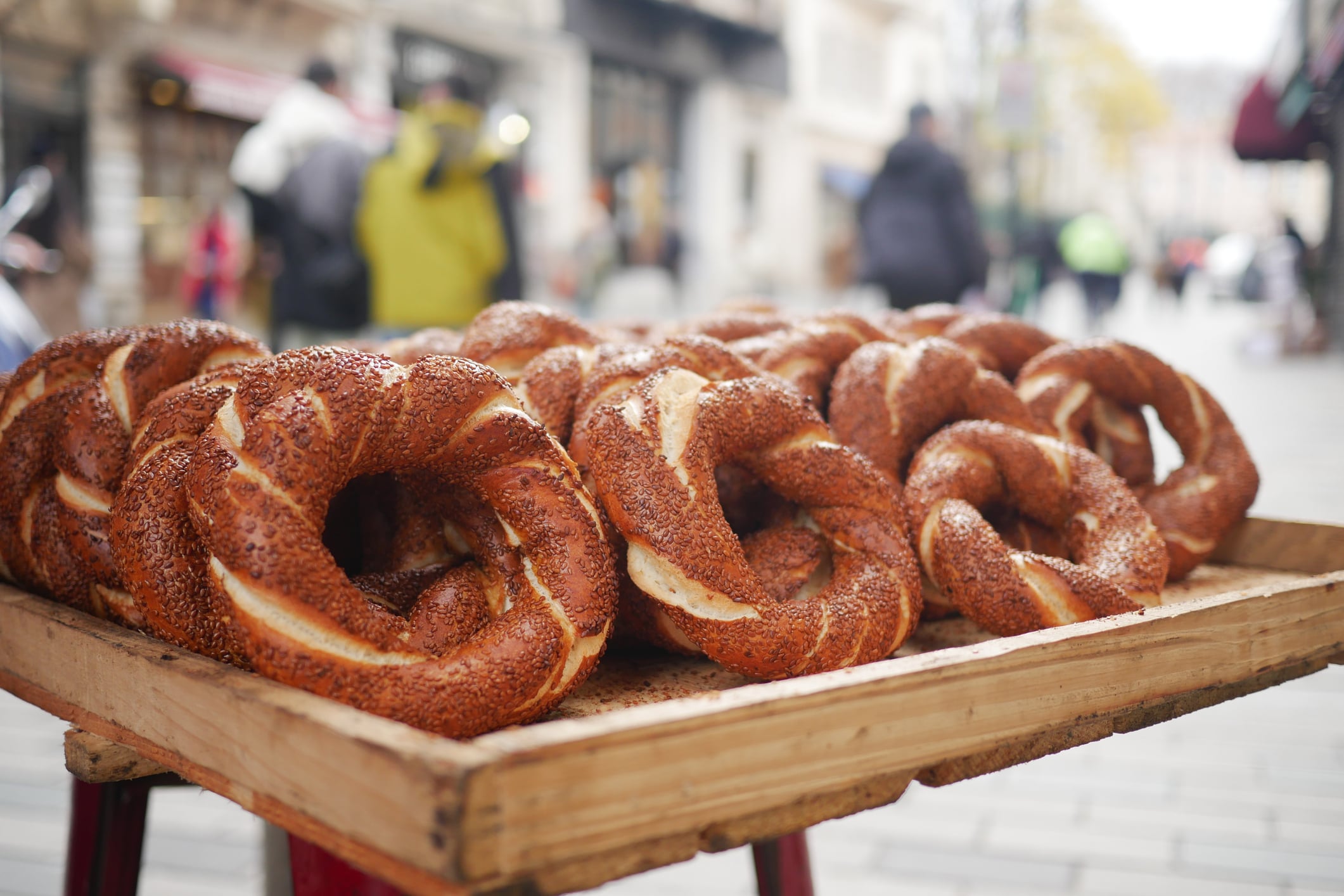
If you enjoy bagels or soft pretzels, Turkey’s simit deserves a spot on your breakfast list. This circular, sesame-coated bread has a crisp exterior and a pleasantly chewy middle, making it ideal for eating on the go. It’s sold at bakeries and street carts throughout Istanbul and other Turkish cities, often alongside tea, cheese, or other simple breakfast foods. The version from Ankara is particularly known for its darker, crispier crust. Pick one up fresh in the morning, when the sesame seeds are fragrant and the bread is still warm.