

Family vacations can become expensive quickly, but saving money does not have to mean settling for a disappointing trip. The 2025 U.S. Family Travel Survey found that affordability is a major concern for parents, prompting many to choose lodging with kitchens, limit paid attractions, and look for lower-cost dining. These vacation swaps cut spending on conveniences and extras while protecting the experiences families actually remember.
Standard Hotel Room – Lodging With a Kitchen

A vacation rental is not automatically a bargain, but access to a refrigerator, microwave, or full kitchen can make a meaningful difference for a family. Breakfast, drinks, snacks, and an occasional simple dinner no longer require four restaurant orders. Extended-stay hotels and suites may offer the same advantage with front-desk service and fewer checkout chores. Compare the complete price, rather than assuming the rental with the lower nightly rate wins.
Peak-Season Trip – Shoulder-Season Vacation

Moving a trip from midsummer to late spring or early fall can produce lower airfare and lodging prices while also reducing crowds. Expedia’s 2025 fall outlook identified specific September, October, and November periods with lower domestic and international fares, illustrating how prices can ease when demand drops. Families should still check seasonal closures, shortened attraction hours, hurricane risk, and whether the weather remains suitable for swimming or outdoor plans.
Three Restaurant Meals – Groceries for Breakfast and Lunch

Eating every meal in a restaurant becomes expensive quickly, particularly when several people also order drinks and snacks. A grocery stop after arrival makes it easier to stock yogurt, fruit, cereal, sandwich ingredients, bottled drinks, and familiar foods for picky eaters. Many experienced travelers save dinner for the day’s main restaurant experience. Reddit users repeatedly recommend covering breakfast and at least one other meal this way.
Oceanfront Room – A Room Within Walking Distance

An oceanfront balcony is appealing, but families who spend most of the day outside may get little use from the view. Comparing properties a block or two inland can reveal lower rates, larger rooms, included parking, or quieter surroundings. The savings may pay for an extra night or a memorable activity instead. The trade-off matters for older travelers and families carrying chairs, coolers, and children’s gear, so check the actual walking route, street crossings, hills, and beach access.
Rental Car – Public Transit With Occasional Rideshares

In cities with strong train or bus networks, a rental car can become an expensive object that sits in a garage. The advertised rate may be followed by parking charges, fuel, tolls, insurance, and hotel valet fees. Transit day passes and a few carefully chosen rideshare trips can cost less while removing the stress of city driving. This swap is less practical in rural destinations, for large groups, or for travelers with limited mobility, so compare the door-to-door cost rather than the rental rate alone.
Trending on Cheapism


Paid Attraction Every Day – A Mix of Paid and Free Outings

Families do not need to fill every day with expensive admission tickets. Public parks, beaches, historic neighborhoods, scenic drives, library events, markets, and free museums can break up costly attraction days while making an itinerary feel more varied. The National Park Service also designates entrance-fee-free dates, although eligibility and rules should be checked for the current year. This approach mirrors the Family Travel Survey finding that 46% of parents limit paid attractions to manage costs.
Drive-Up Airport Parking – Prebooked Parking or a Ride
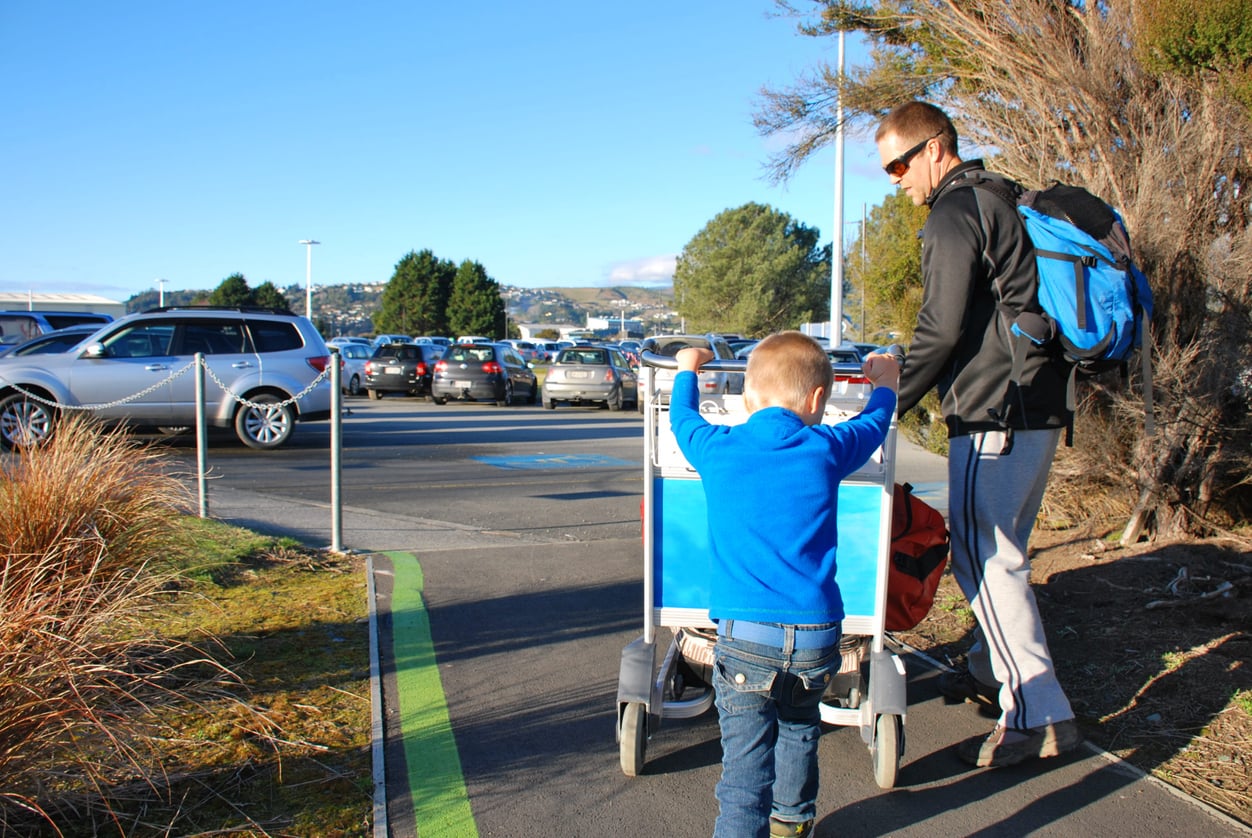
Paying the posted garage rate upon arrival can be one of the costliest ways to leave a car at the airport. Travelers may find lower rates by reserving official economy parking or a reputable off-site lot in advance. For a short trip, however, a shared ride, taxi, or transit connection may cost less than several days of parking. Check shuttle frequency, cancellation terms, security arrangements, taxes, and the lot’s true distance from the terminal. The cheapest listing is not useful if its shuttle adds an hour.
Gift-Shop Souvenirs – A Small Local Treat

T-shirts, mugs, and attraction merchandise can consume a surprising share of a family’s spending money. A package of regional cookies, locally roasted coffee, candy, preserves, or another modest specialty may feel more connected to the destination and can be shared after returning home. International travelers must also check customs and agricultural restrictions before packing meat, produce, seeds, or other regulated foods.
Sign up for our newsletter
Paid Hotel Buffet – Included Breakfast or a Neighborhood Bakery
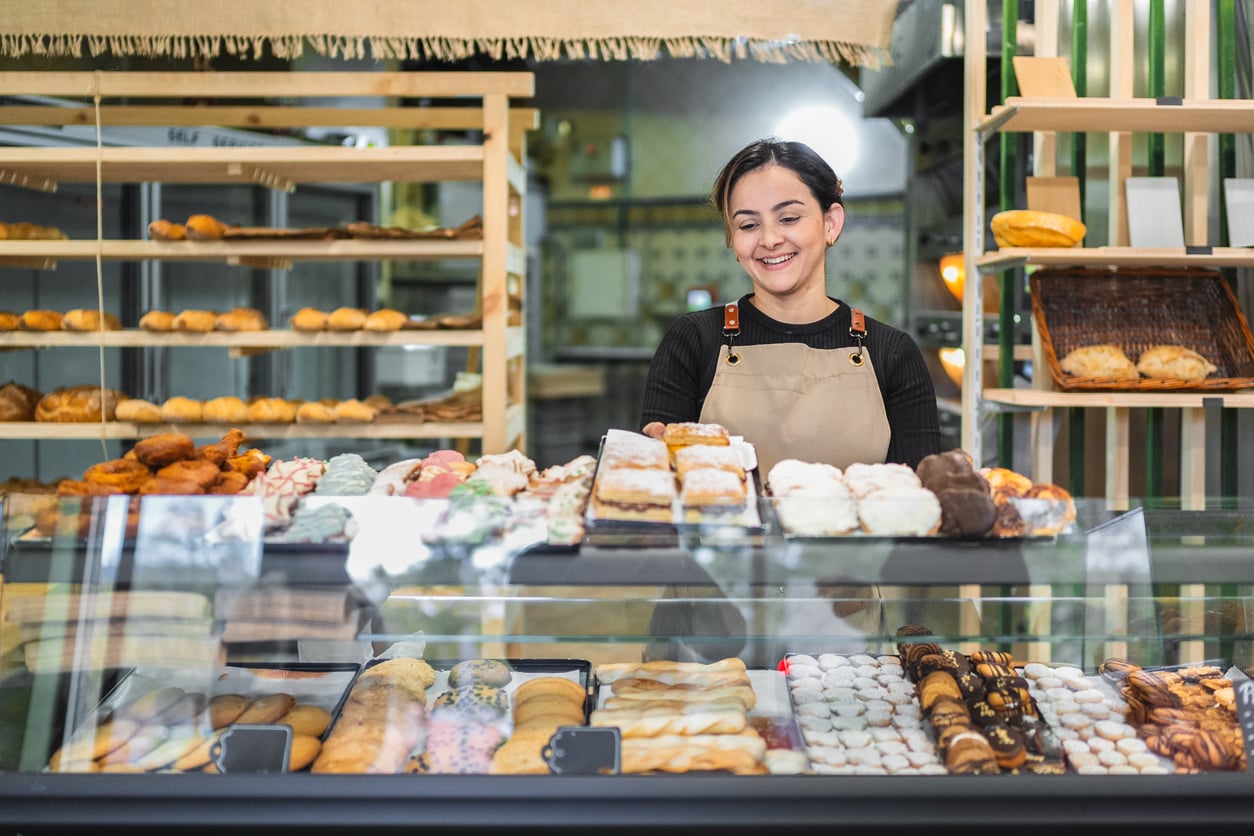
A hotel buffet can be convenient, but paying separately for several family members may not make sense when everyone wants only coffee, fruit, or a pastry. An included breakfast is often the better-value booking, while a nearby bakery or diner can turn the morning meal into part of the trip. Travelers report enjoying both approaches: hotel breakfast for convenience and local cafes for variety. Before leaving the hotel, check whether breakfast is already included, because paying elsewhere would defeat the purpose of the swap.
Private Guided Tour – Self-Guided Exploration

Destination websites, museum audio guides, guidebooks, podcasts, and walking-tour apps allow families to explore at their own pace. That flexibility is useful when someone needs a restroom, a coffee break, or more time at a particular stop. Some apps are free, while others charge once per tour rather than per person. A human guide may still be worth paying for at complicated historic sites or where local interpretation adds real value. Download maps and audio beforehand so poor service or roaming charges do not interrupt the walk.
Separate Admission Tickets – A Carefully Calculated City Pass

A city pass can reduce admission costs when a family already plans to visit several included attractions. It may also simplify ticket storage and reservations. The important step is calculating the normal price of only the places the family genuinely wants to see. A pass advertised as offering large percentage savings can still be a poor purchase when travelers rush through unwanted sights simply to “get their money’s worth”.
Airport Meals – Food Packed From Home

Sandwiches, crackers, fruit, and familiar snacks can spare a family from paying terminal prices while reducing stress during delays. TSA permits food in carry-on bags, although liquids, gels, spreads, and similar items remain subject to security limits. Empty refillable bottles can be filled after screening. Choose food that travels cleanly, does not require refrigeration for long periods, and will not bother nearby passengers.
Luxury Resort – Well-Reviewed Mid-Range Lodging

A polished lobby and elaborate room may matter less when the itinerary keeps everyone out from morning until evening. A clean, well-reviewed mid-range hotel can still provide comfortable beds, a pool, breakfast, and a convenient location without charging for luxury touches the family barely uses. Read recent reviews for noise, cleanliness, elevators, accessibility, and maintenance rather than relying on the star rating alone. Also compare resort fees and parking.
Tourist-District Convenience Store – Neighborhood Grocery or Pharmacy

Sunscreen, bottled water, pain relievers, snacks, and toiletries often cost more beside a beach, theme park, or famous landmark. Buying these supplies at an ordinary grocery store or pharmacy can lower the daily drip of small purchases. Some travelers also enjoy browsing regional supermarkets and finding local products that never appear in souvenir shops. The strategy works best when the store is already near the lodging or transit route; traveling across town to save a few dollars wastes time.
Standard Hotel Rate – Member or Senior Rate

Travelers who qualify for AARP, AAA, CAA, military, government, loyalty-program, or age-based rates should compare them with the hotel’s public price. AARP currently lists discounts at thousands of participating hotel locations, with the amount varying by chain and property. The special rate is not automatically the lowest: prepaid sales and package prices may beat it, while member rates may offer better cancellation terms. Compare the same room, taxes, breakfast, parking, and refund conditions before choosing.
Landmark Restaurant – A Well-Reviewed Neighborhood Favorite

Restaurants beside famous sights charge for convenience and high-rent locations as well as the meal. Walking a few streets away can uncover neighborhood diners, bakeries, markets, and family-run restaurants with more manageable prices. Check recent reviews, menu photographs, posted prices, opening hours, and recurring complaints. Asking hotel staff where they personally eat can also produce more useful suggestions than asking only for the nearest restaurant.