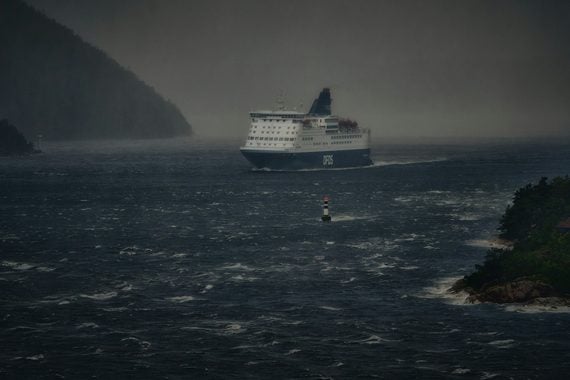
Two people can book the same cruise ship and come home with completely different stories, all because they sailed at different times. From Alaska’s wildlife and Norway’s waterfalls to Caribbean beach days and onboard entertainment, timing can make a surprising difference. Some cruise ship experiences depend on the season, while others change depending on whether the ship is at sea or docked in port. As NOAA explains, the Atlantic hurricane season alone can affect when and where ships sail. Before booking your next vacation, here are 12 experiences that can change dramatically depending on when you go.
Alaska Wildlife Watching in May vs. July and August
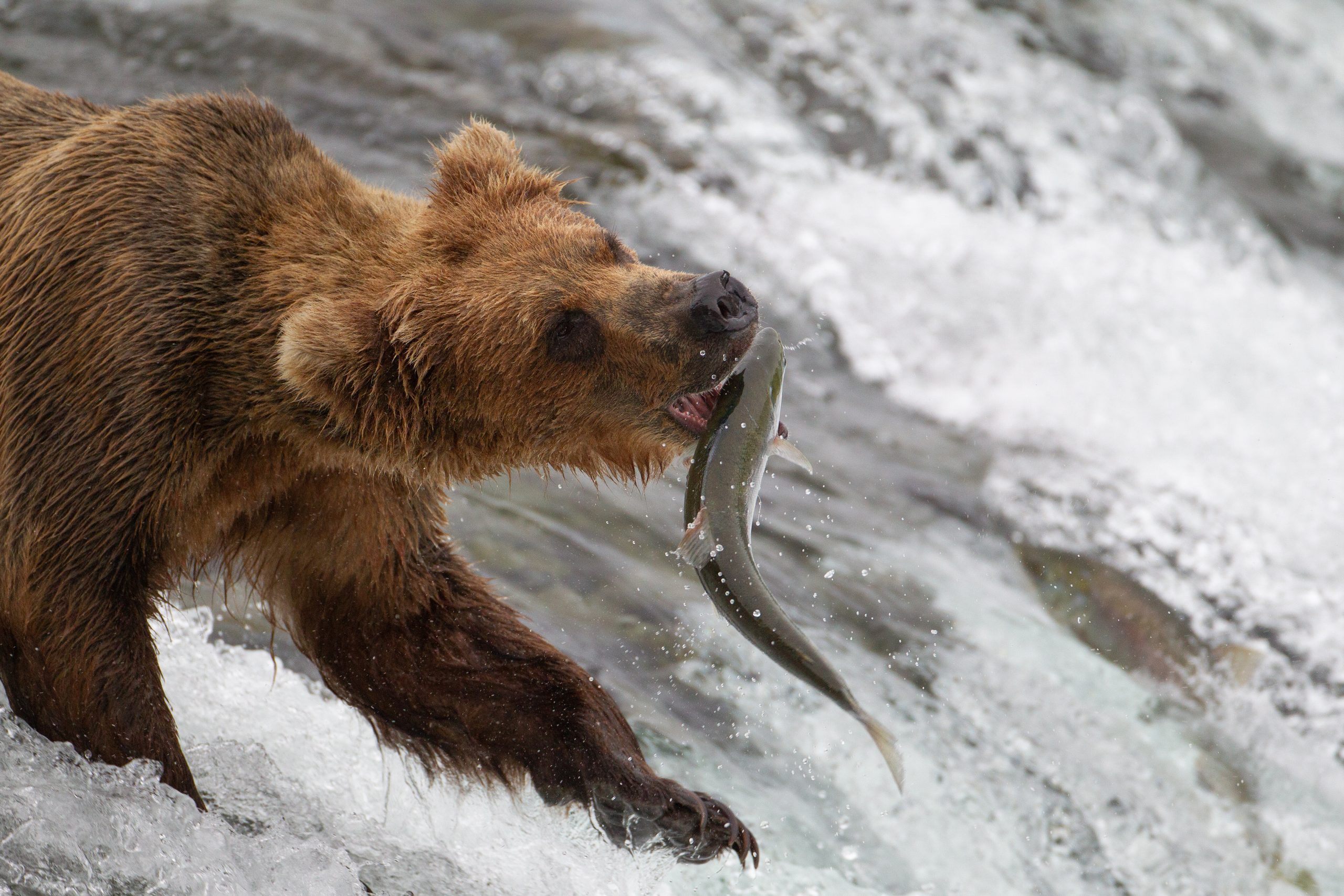
An Alaska cruise in May offers opportunities to spot whales, sea lions, and other wildlife as the cruising season gets underway. By July and August, salmon runs attract bears to certain rivers and streams, creating different opportunities for wildlife excursions. Travelers hoping to see bears feeding on salmon may prefer midsummer, while early-season sailings can appeal to those looking for potential fare savings. Remember that sightings depend on location and weather, and some wildlife excursions require separate reservations and additional transportation.
The Pool Deck on Sea Days vs. Port Days
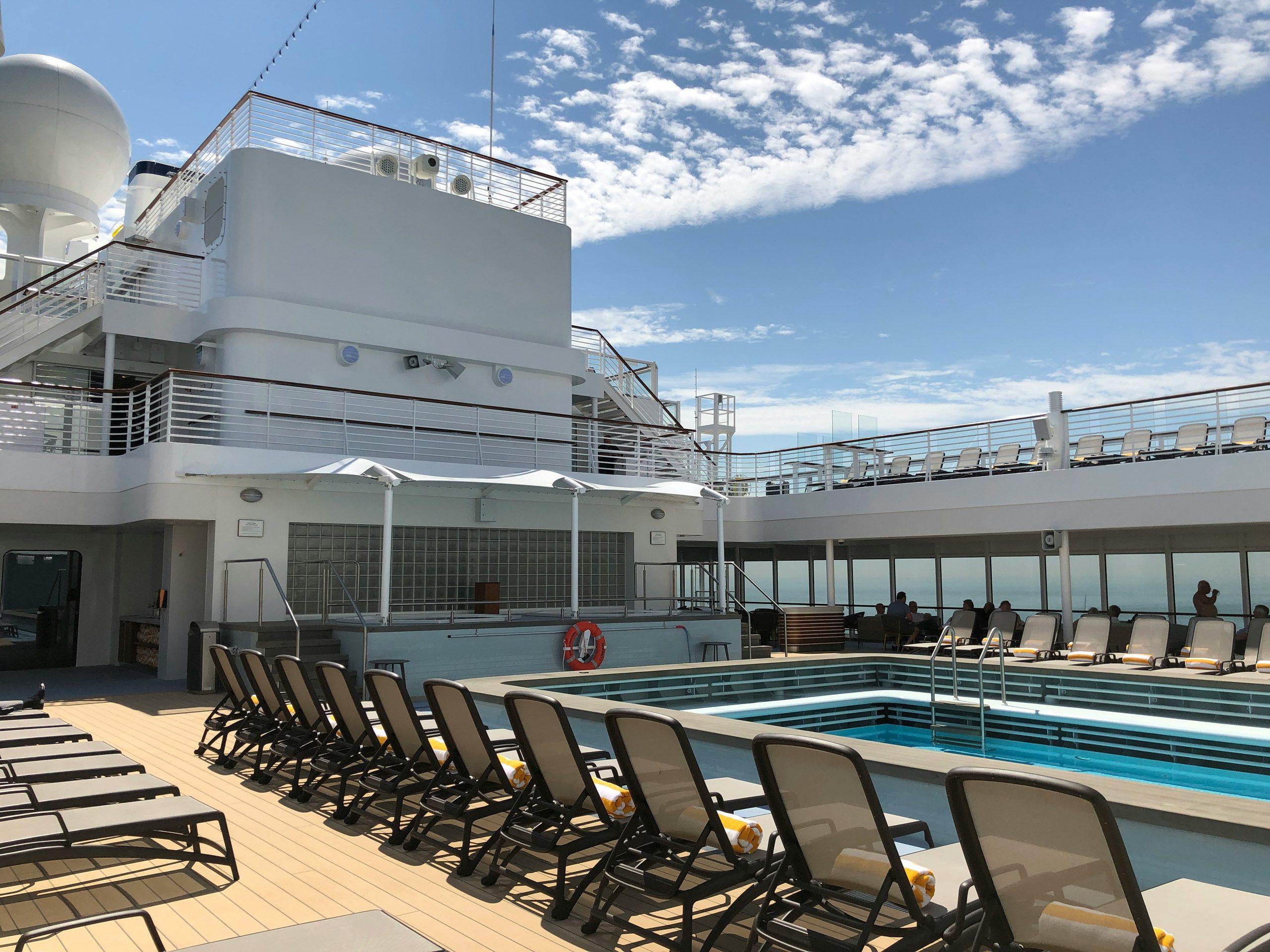
The same swimming pool that feels packed on a sea day can become surprisingly peaceful when the ship docks. With many passengers exploring ashore, those who stay onboard often find more available loungers, shorter waits for hot tubs, and less competition for recreational facilities. Skipping an excursion can also save a considerable amount of money, especially in ports you’ve already visited. The trade-off is missing a chance to explore somewhere new, and popular pools may still attract plenty of passengers who have the same idea.
Norwegian Fjord Cruises in Spring vs. Late Summer
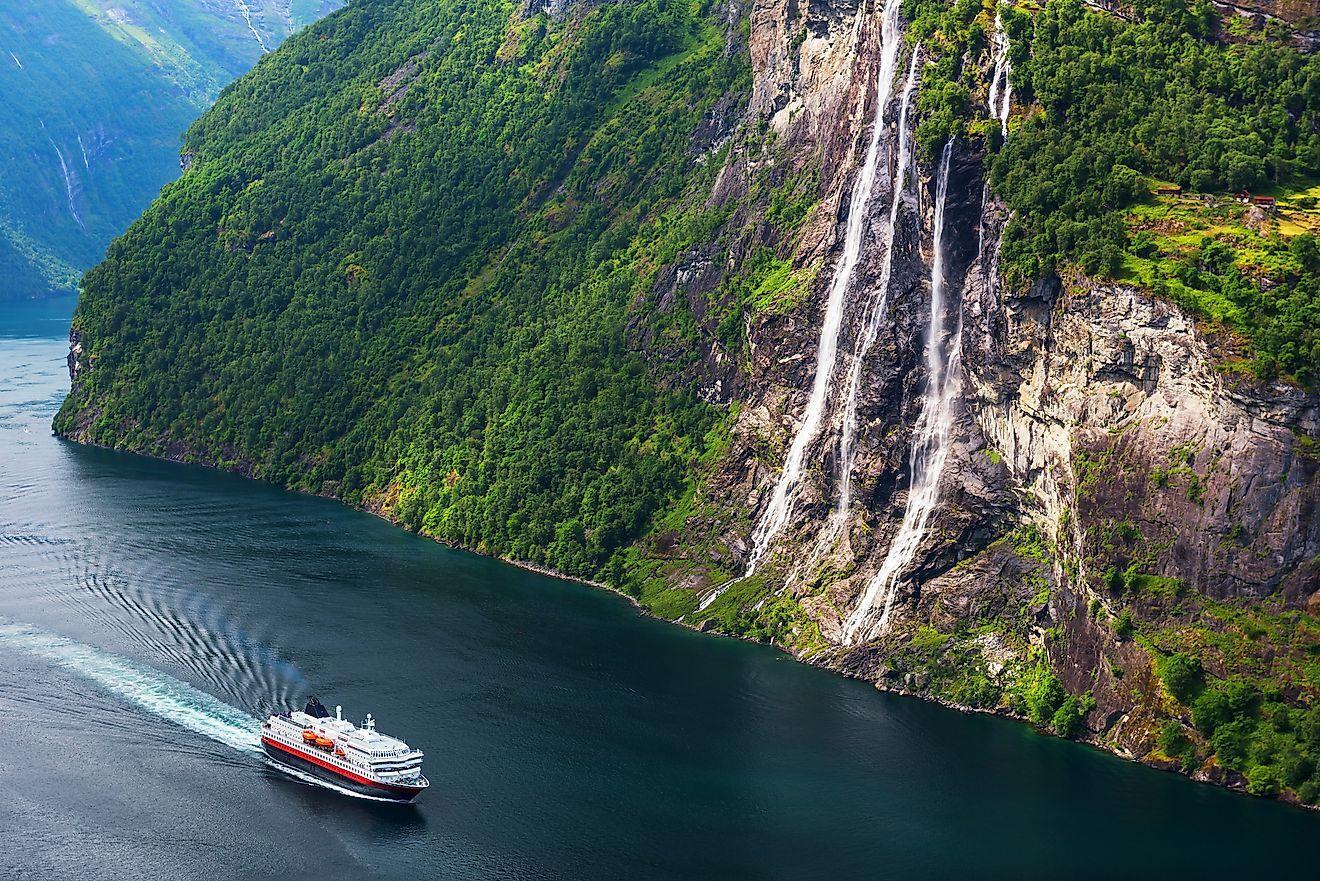
Norway’s fjords are impressive throughout the cruising season, but their waterfalls can look dramatically different depending on the month. In May and June, melting mountain snow helps feed powerful cascades that tumble down steep cliffs. Later in summer, travelers may encounter greener landscapes and different conditions for hiking and outdoor excursions. Those dreaming of photographing waterfalls at their fullest should consider an earlier sailing rather than automatically choosing the warmest month. However, spring weather can be chilly, and some higher-elevation trails may remain inaccessible.
Caribbean Cruises in Winter vs. Hurricane Season
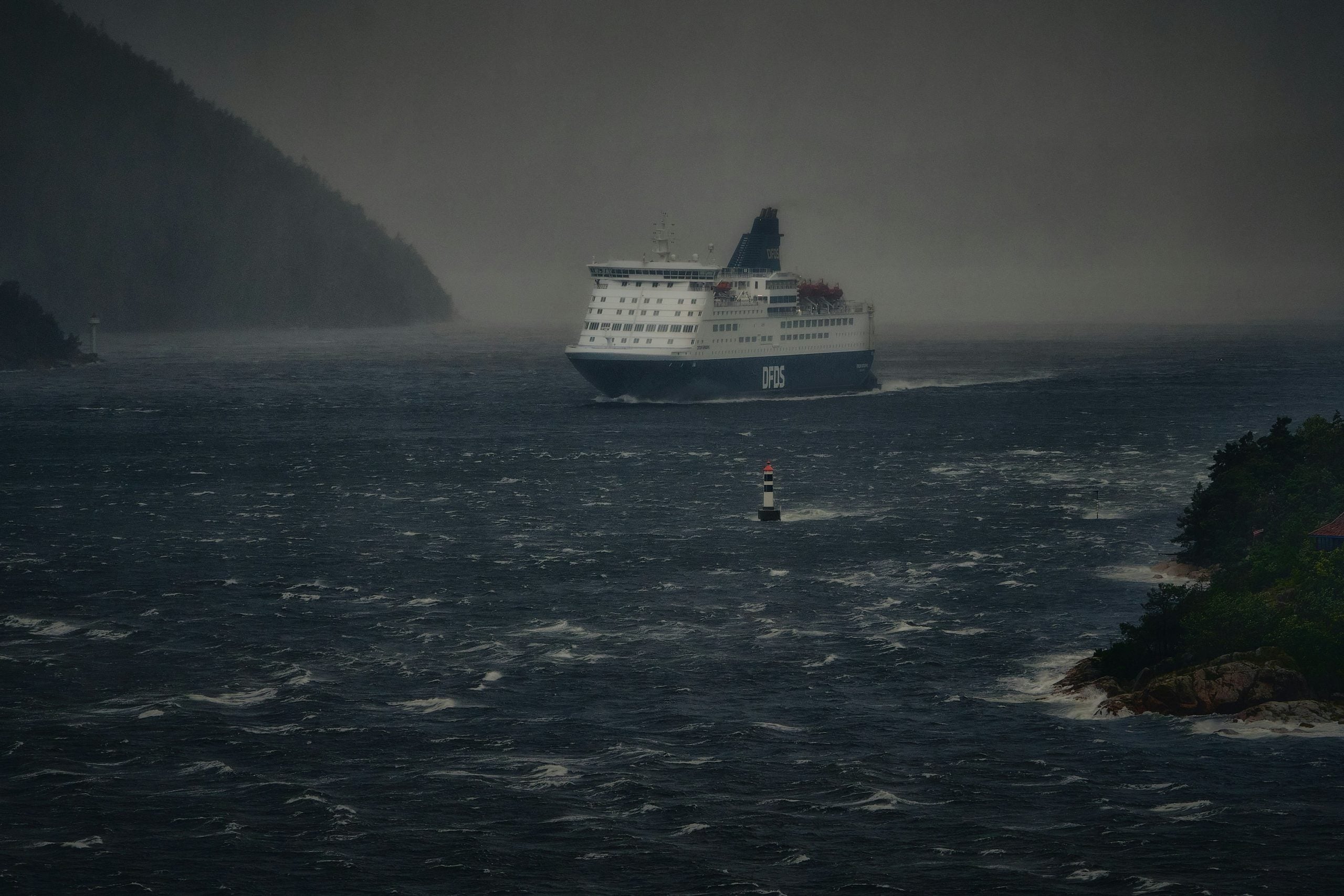
A Caribbean cruise in February can feel very different from one departing in September. Winter and early spring generally offer lower tropical-storm risk, making them appealing for beach days and outdoor excursions. The Atlantic hurricane season runs from June through November, with activity typically peaking around September. Cruise lines may change ports or itineraries when storms threaten, so a lower fare during hurricane season can come with additional uncertainty. Flexible travelers might appreciate the savings, but anyone booking primarily for one island should consider the possibility of missing it.
Northern Lights Cruises in Winter vs. Summer
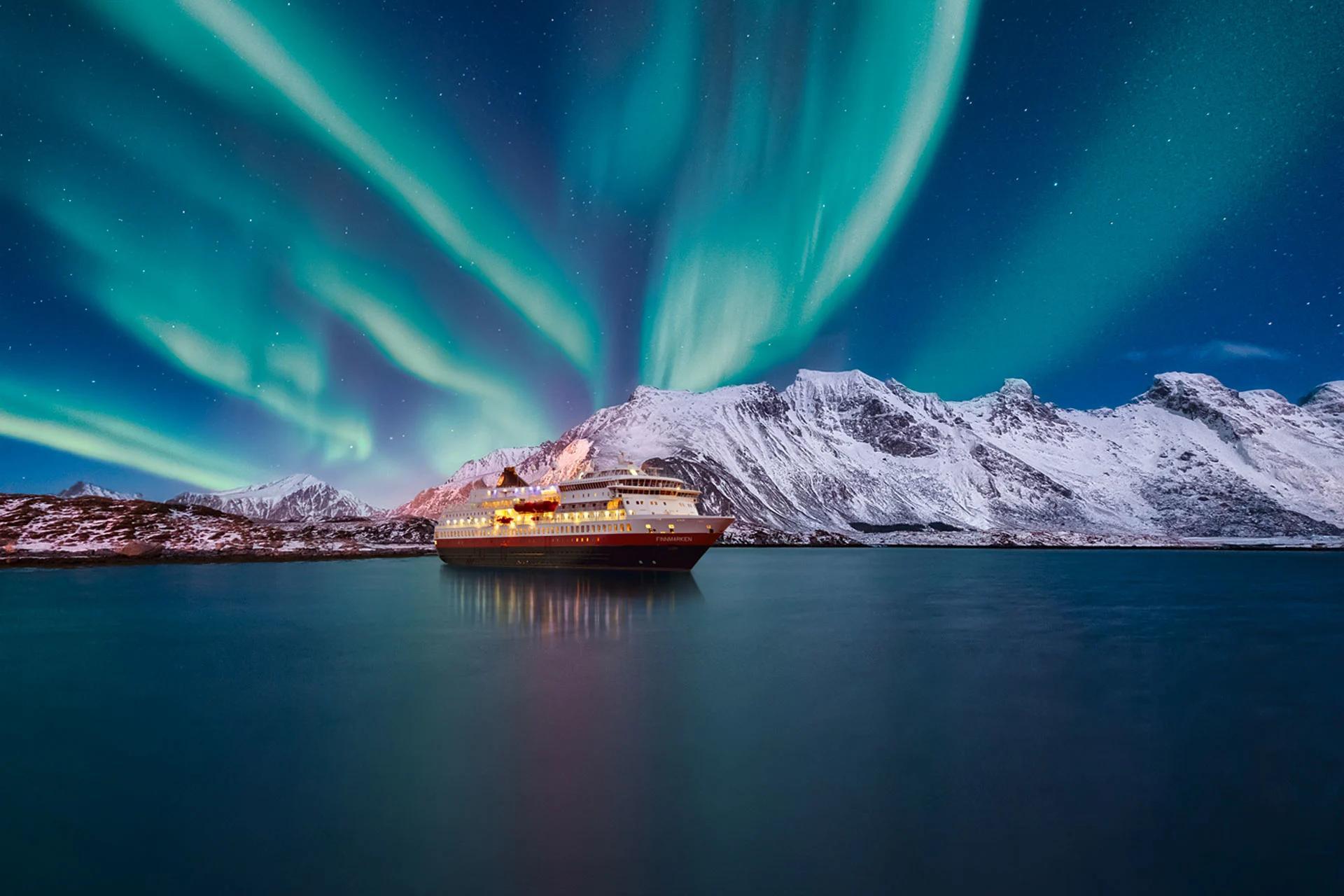
A Norwegian coastal cruise in summer can offer the extraordinary experience of daylight stretching late into the night. Travel far enough north during the right weeks, and the sun may never fully set. Winter brings the opposite experience, with long periods of darkness and opportunities to see the northern lights. Travelers hoping for auroras should generally consider October through March rather than midsummer. Even then, sightings depend on clear skies and solar activity. Summer offers more daylight for sightseeing, while winter rewards those comfortable with colder conditions.
Trending on Cheapism
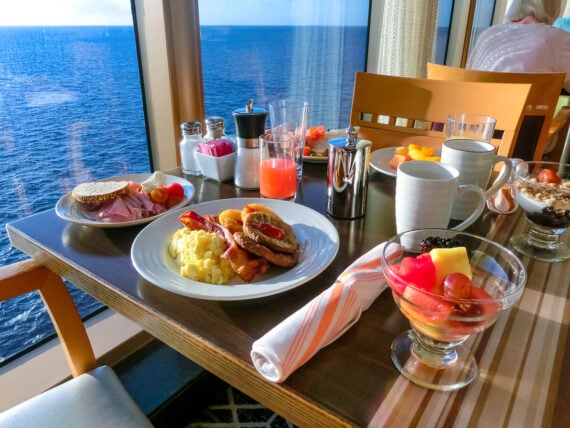

Cruise Ship Spas and Restaurants on Sea Days vs. Port Days
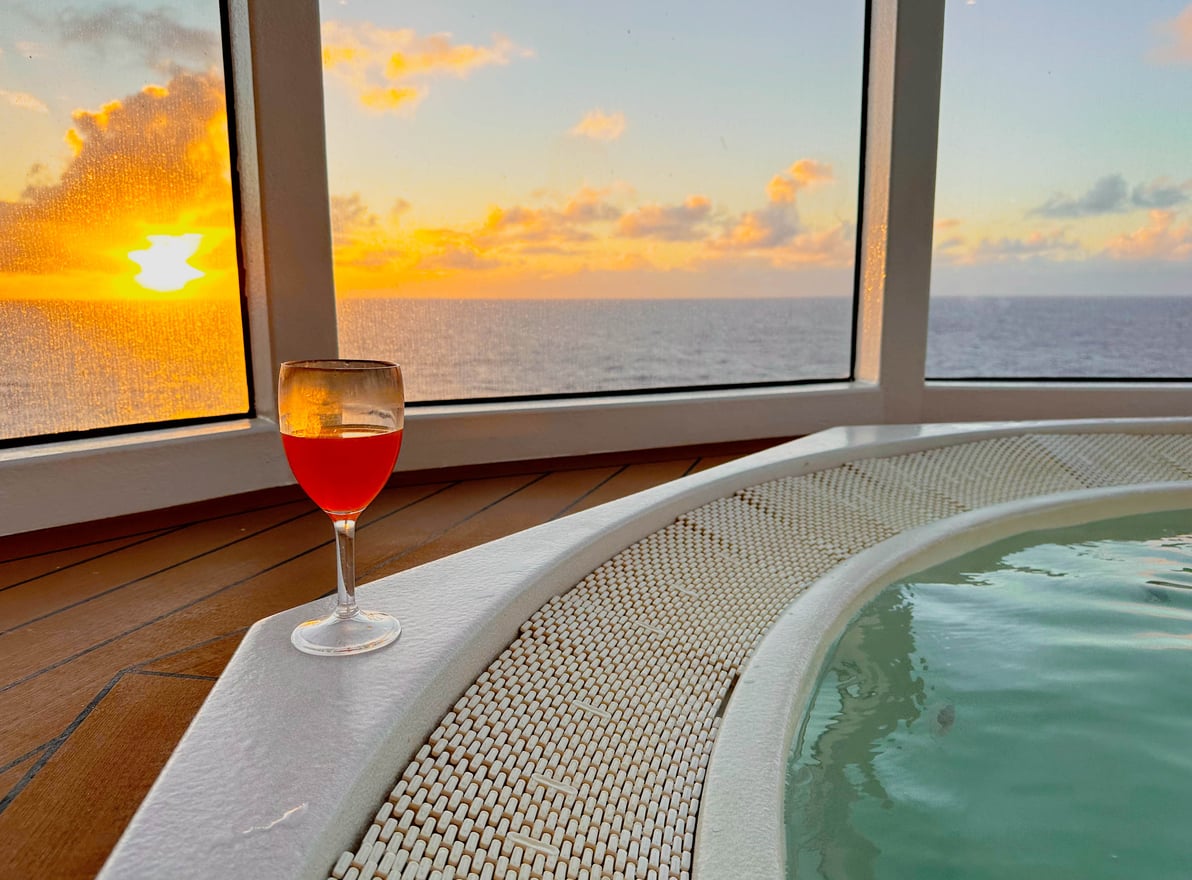
Sea days give passengers more time to enjoy specialty restaurants, spas, and other onboard extras, which can make popular reservation times harder to secure. During port calls, some facilities may feel noticeably quieter, and spas sometimes advertise discounts to attract passengers who remain aboard. That doesn’t mean every treatment or dinner will cost less. Promotions vary by ship, and specialty dining reservations may still fill up. Check the cruise line’s app and daily schedule, compare prices before booking, and remember to account for any additional service charges.
Antarctica Cruises in December vs. February
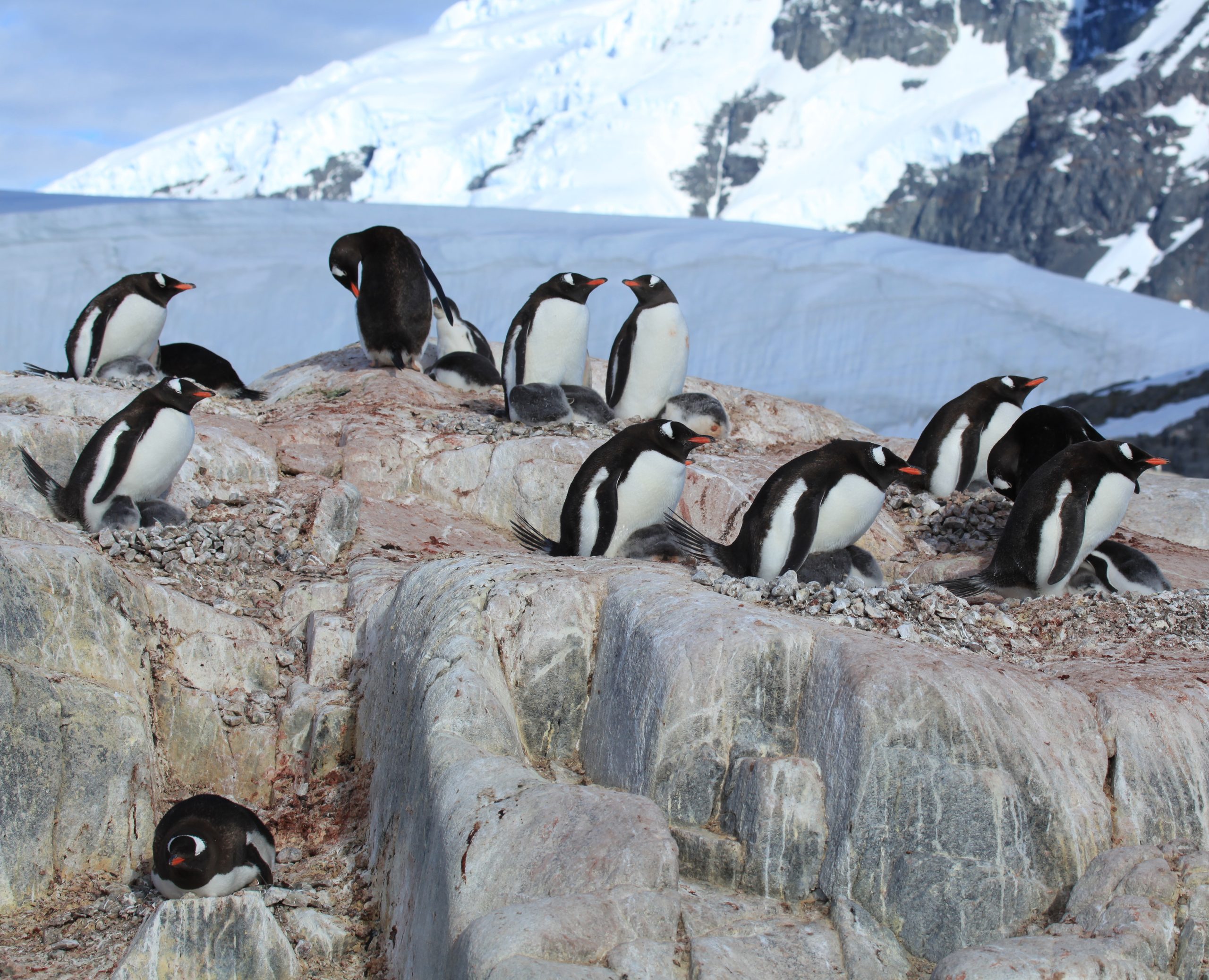
Antarctica’s short cruising season offers different wildlife encounters depending on when you visit. December and January are particularly interesting for penguin nesting activity and the arrival of chicks, although timing varies by species and location. By February, whale-feeding opportunities often improve as the Antarctic summer progresses. Changing sea ice can also affect which landing sites expedition ships can reach. These voyages are expensive, so choosing dates around your main wildlife interest makes sense. Neither penguin encounters nor whale sightings are guaranteed, and weather can disrupt landings.
Mediterranean Cruises in July vs. October
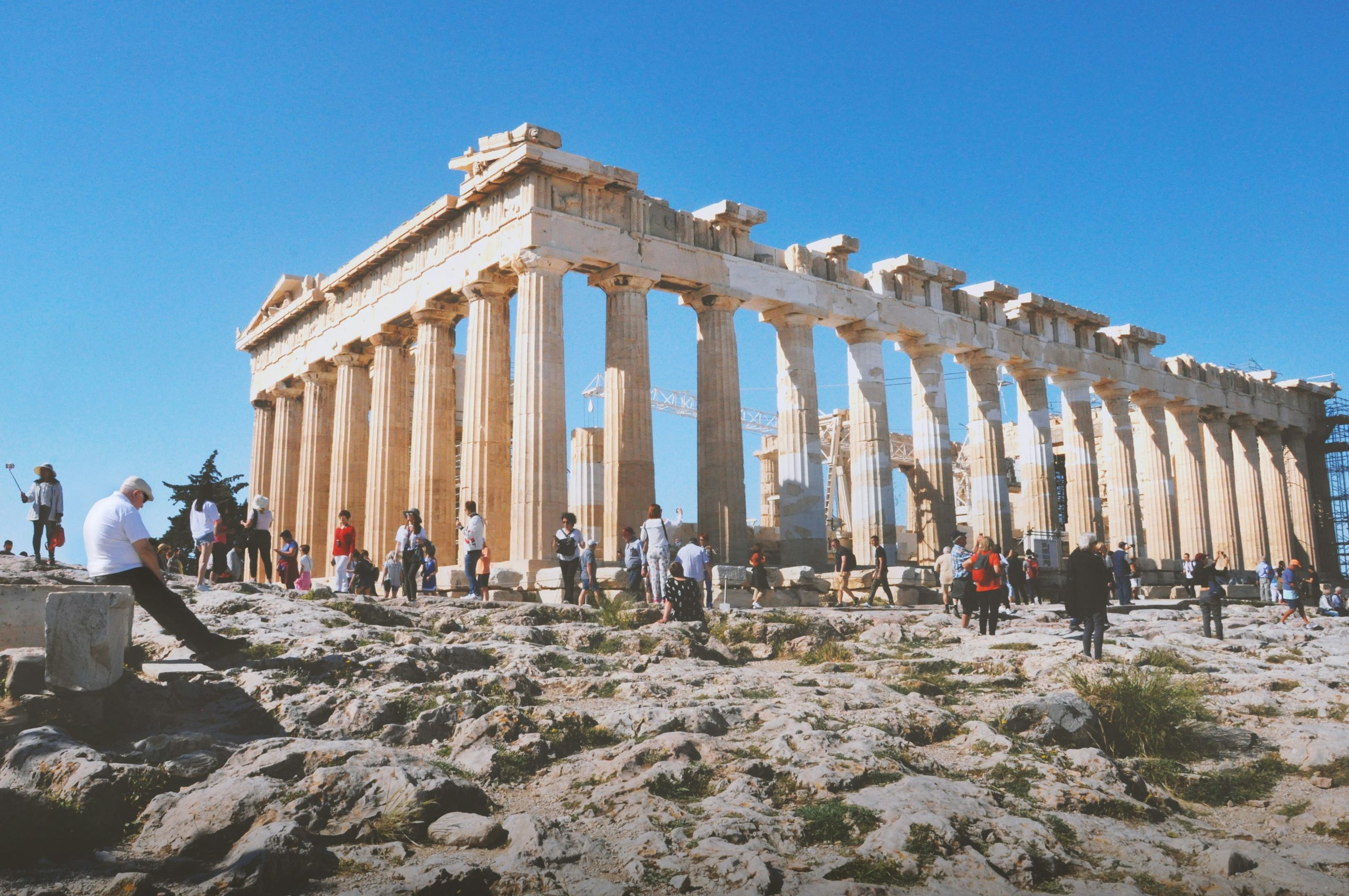
Exploring Rome, Athens, or other Mediterranean ports in July can mean intense heat, crowded landmarks, and long days on your feet. An October sailing may offer cooler conditions that make walking tours and archaeological sites more comfortable. Spring and fall departures can also provide opportunities for lower fares, although prices depend on the itinerary. Summer still has advantages for travelers who prioritize swimming and beach excursions. If sightseeing matters more than sunbathing, consider April, May, September, or October, while checking whether seasonal attractions remain open.
Sign up for our newsletter
New England Cruises in Summer vs. Fall
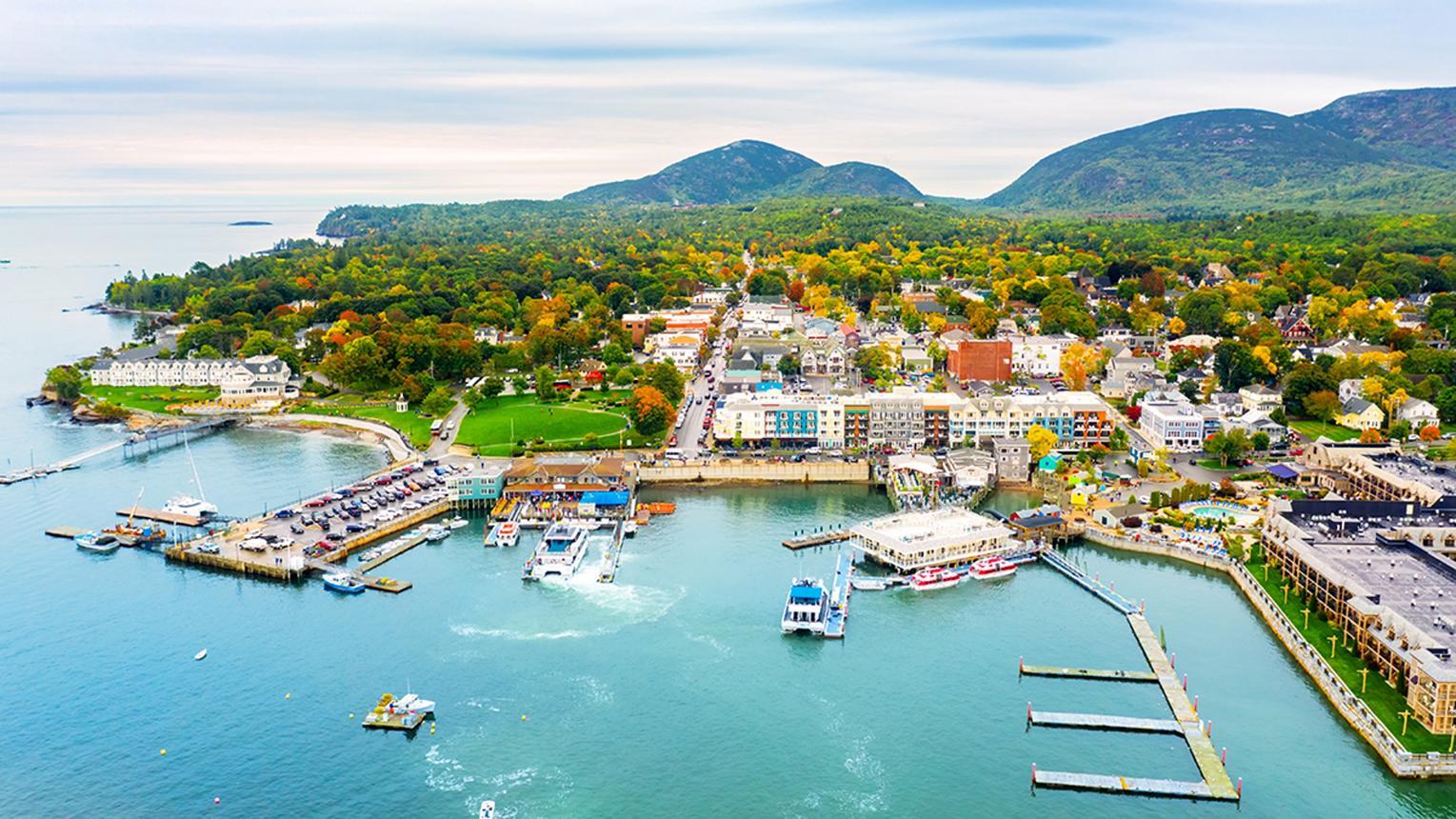
A summer cruise through New England and eastern Canada offers green coastlines, lively waterfronts, and generally warmer conditions for exploring ports. September and October bring the possibility of colorful foliage, cooler weather, and seasonal attractions. However, autumn leaves don’t change color on a fixed schedule, and an itinerary covering several regions may encounter different stages of the season. Travelers booking specifically for fall colors should compare port locations and departure dates carefully. Summer may be more appealing for outdoor dining and coastal activities that depend on warmer weather.
Christmas and New Year’s Cruises vs. Regular Sailings
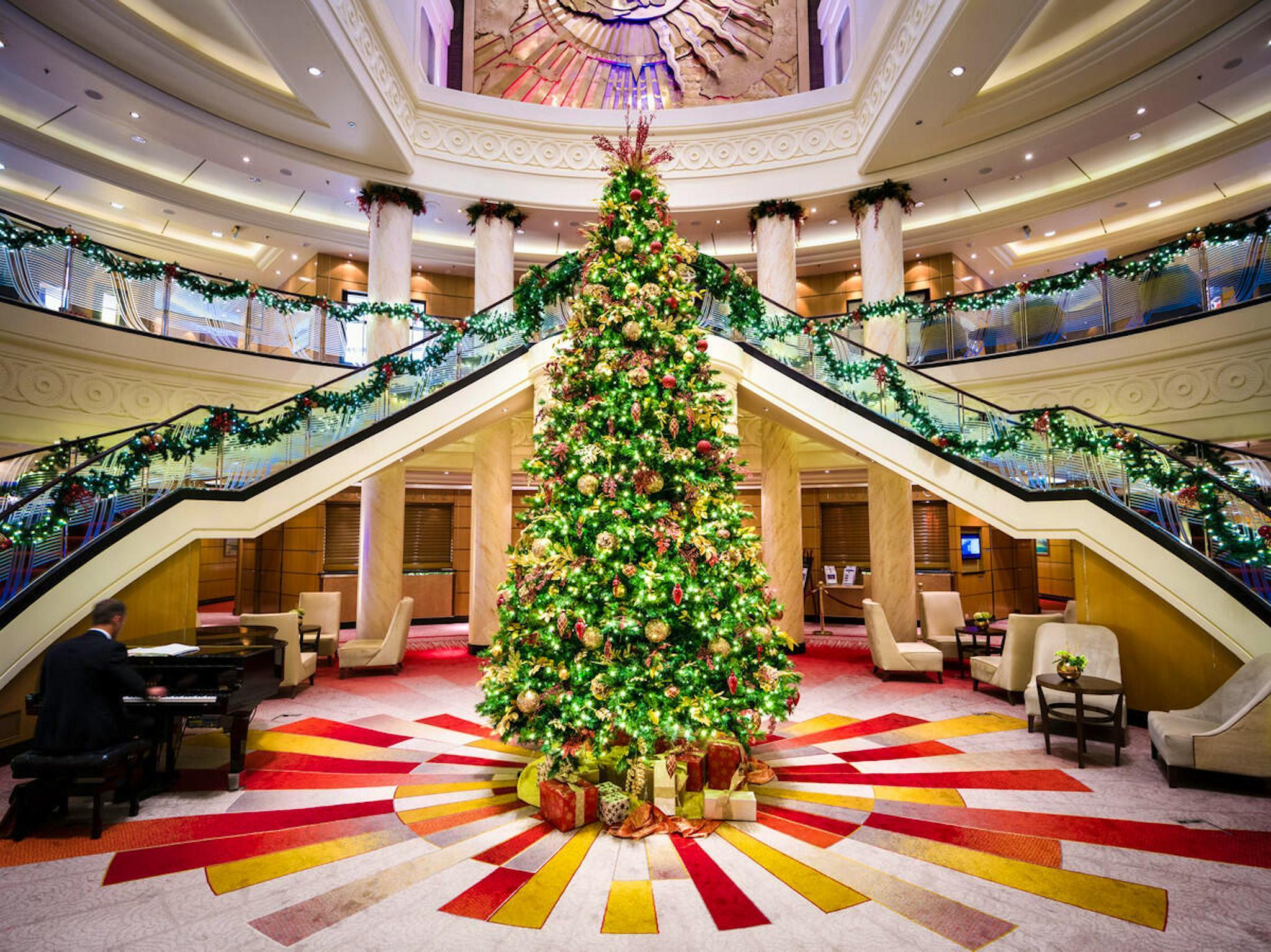
A ship that feels relatively ordinary in November can take on a completely different atmosphere during Christmas or New Year’s. Holiday departures may feature decorated public spaces, special menus, themed performances, and family celebrations. Some passengers enjoy having their holiday meals prepared for them, while others may find the festive atmosphere busier than expected. Holiday fares can also be higher, particularly during school vacations. Check what your specific sailing includes before paying extra, since decorations and entertainment vary between cruise lines and even individual ships.
Summer Family Cruises vs. School-Year Sailings
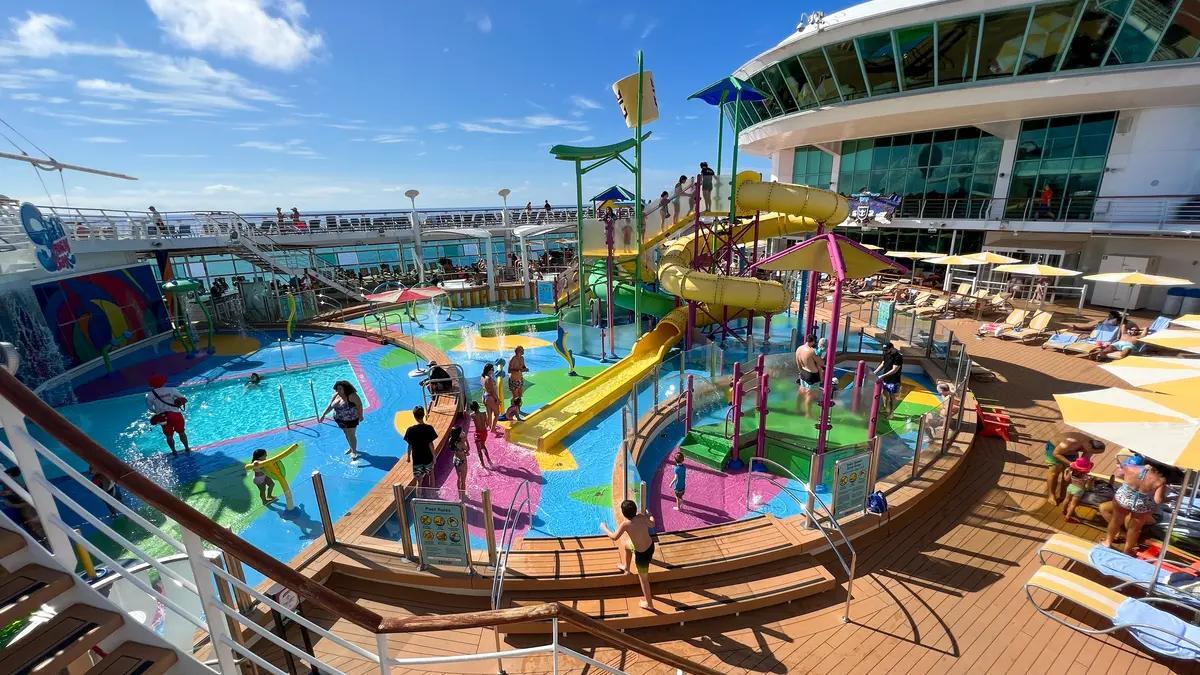
A large family-friendly cruise ship can feel like a floating playground during summer vacation, with children filling the pools, waterslides, and activity areas. Sail during the school year, and the same ship may have a noticeably different atmosphere. Families often appreciate the social opportunities of school-break departures, while adults seeking a quieter vacation might prefer January, September, or early December outside major holidays. Passenger mix still depends on the ship, route, and cruise length. For a reliably adults-only experience, choosing an adults-only cruise line is safer than guessing.
Alaska Scenic Cruising in June vs. September
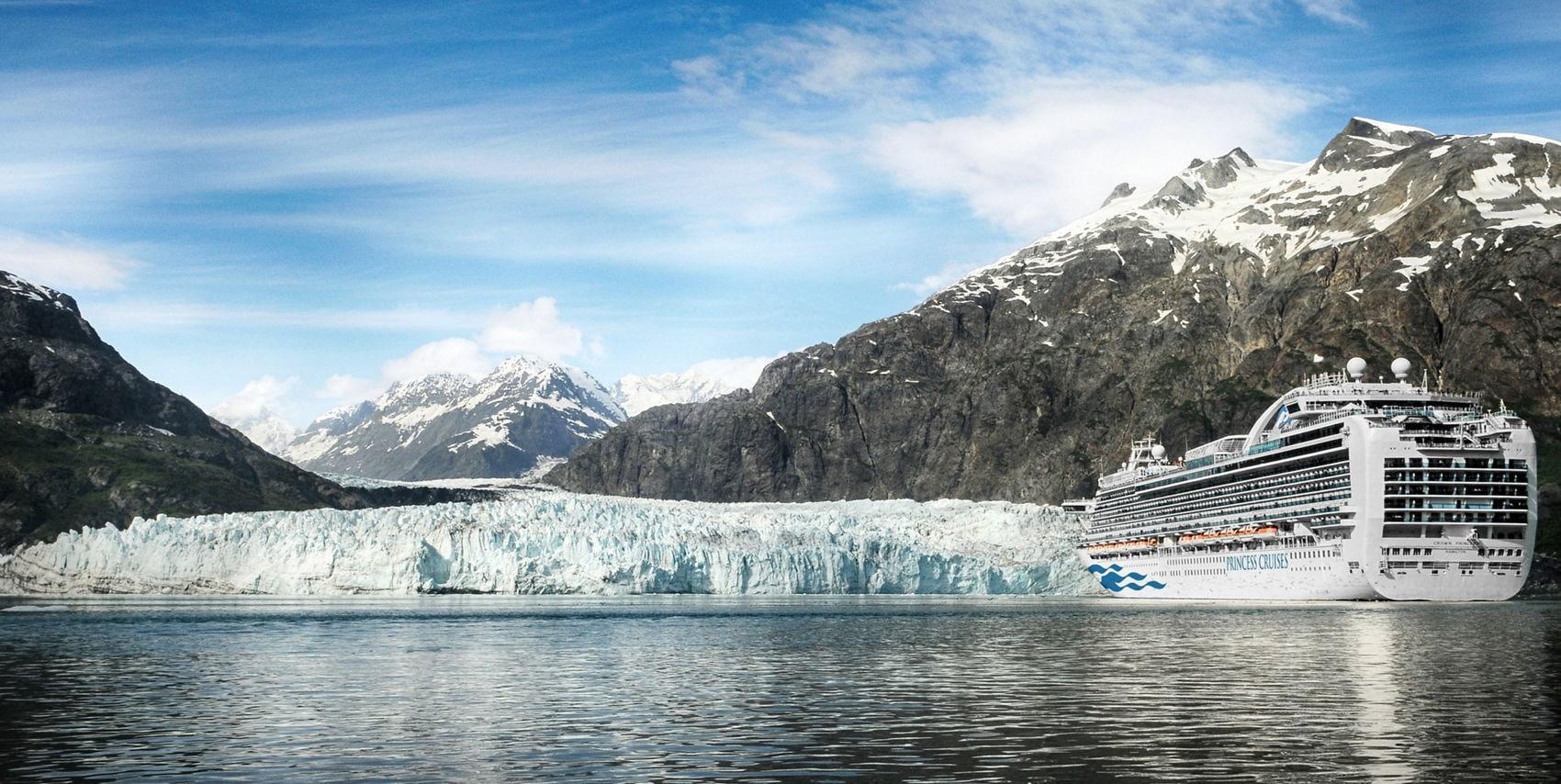
Alaska’s long summer days can make a major difference when you’re hoping to admire glaciers, mountains, and coastal scenery from the ship. Around June’s summer solstice, extended daylight gives passengers more time to enjoy the views. By September, shorter days and changing weather create a different atmosphere, sometimes with opportunities for lower fares. Neither month guarantees clear skies, and rain or fog can affect scenic cruising. Compare the actual port schedule and glacier-viewing itinerary before booking, since the amount of daylight matters less if the ship passes the scenery at an inconvenient time.