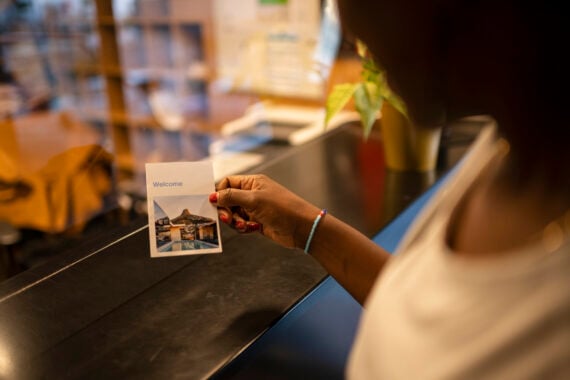
The experience of travelers when staying at a hotel has evolved over the years. Technology, changing traveler expectations, and the rising costs of maintaining on-site staff dedicated to guest services have transformed the experience of staying at these establishments. Drawing on information from Hospitality Net, Historic Hotels of America, and other sources, we’ll reveal some hotel traditions that used to be common but are now rarely seen!
Riding an Elevator Operated by an Actual Person
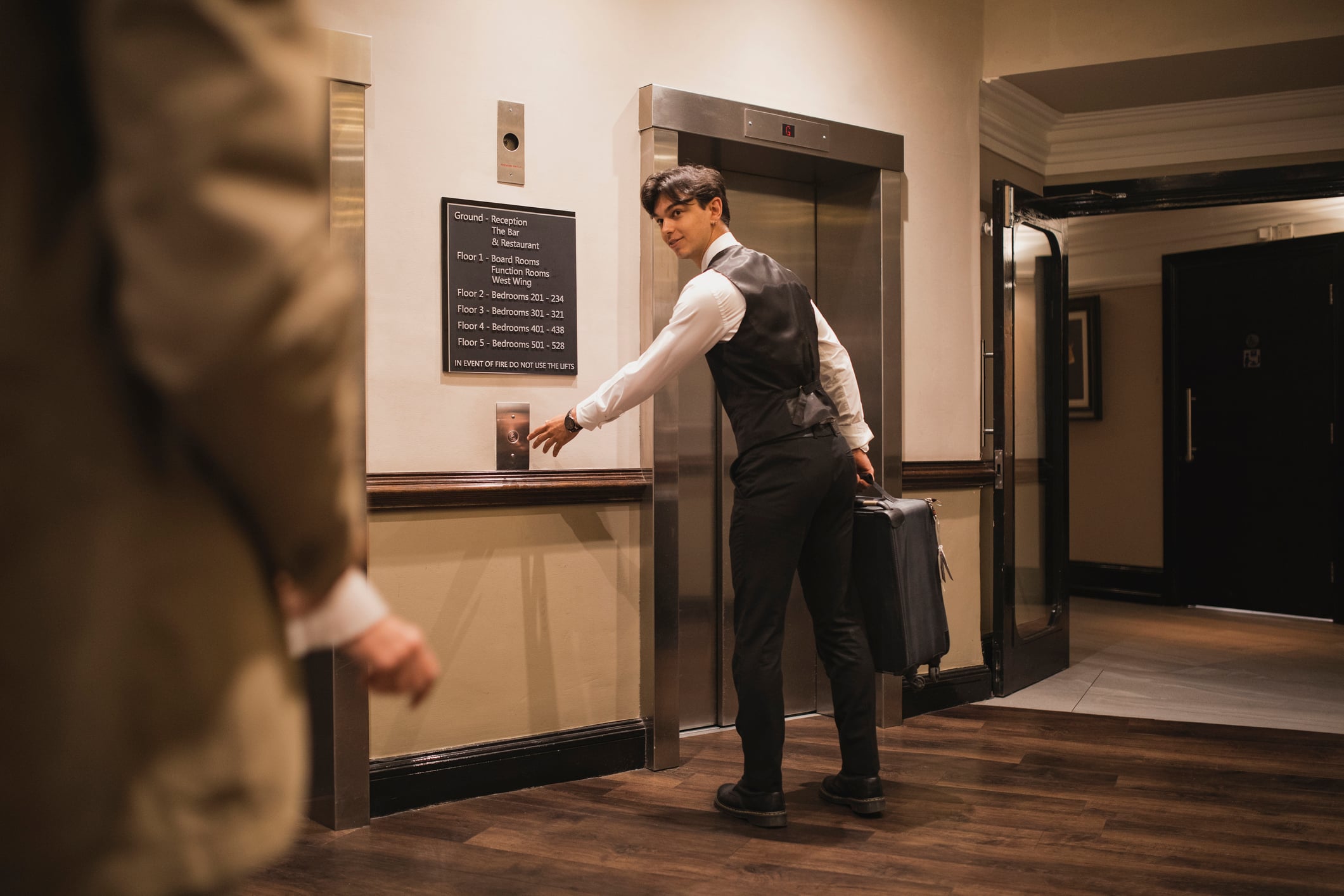
Nowadays, you can enjoy automatic elevators in hotels, but years ago, hotels employed people to operate the elevators, open the doors, and announce the floor upon arrival. These elevator operators were part of the hotel’s hospitality staff, also performing duties such as greeting travelers and providing directions. This was one of the hotel traditions that made guests feel personally welcomed.
Having a Switchboard Operator Connect Your Telephone Calls
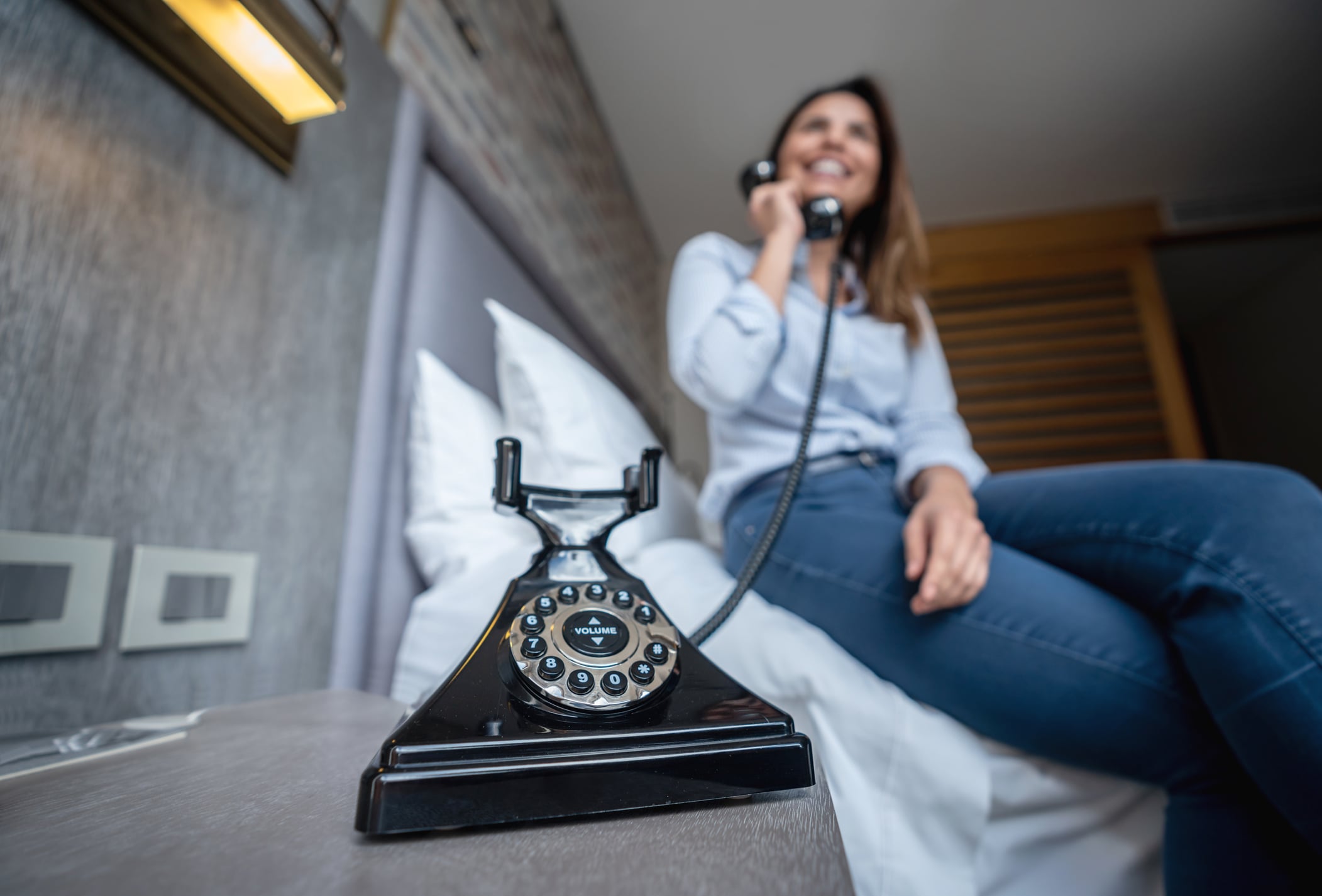
Hotel guests had to contact an operator to make calls. These operators would connect the call to another room, route it to an outside line, or direct it to one of the establishment’s service departments. These switchboard operators handled telephone connections and also provided assistance. Direct-dial systems and digital phones have since replaced these manual connections, yet for many, the memory of picking up the heavy bedside telephone and dialing zero remains a nostalgic remainder of older hotel traditions.
Receiving Handwritten Messages at the Front Desk
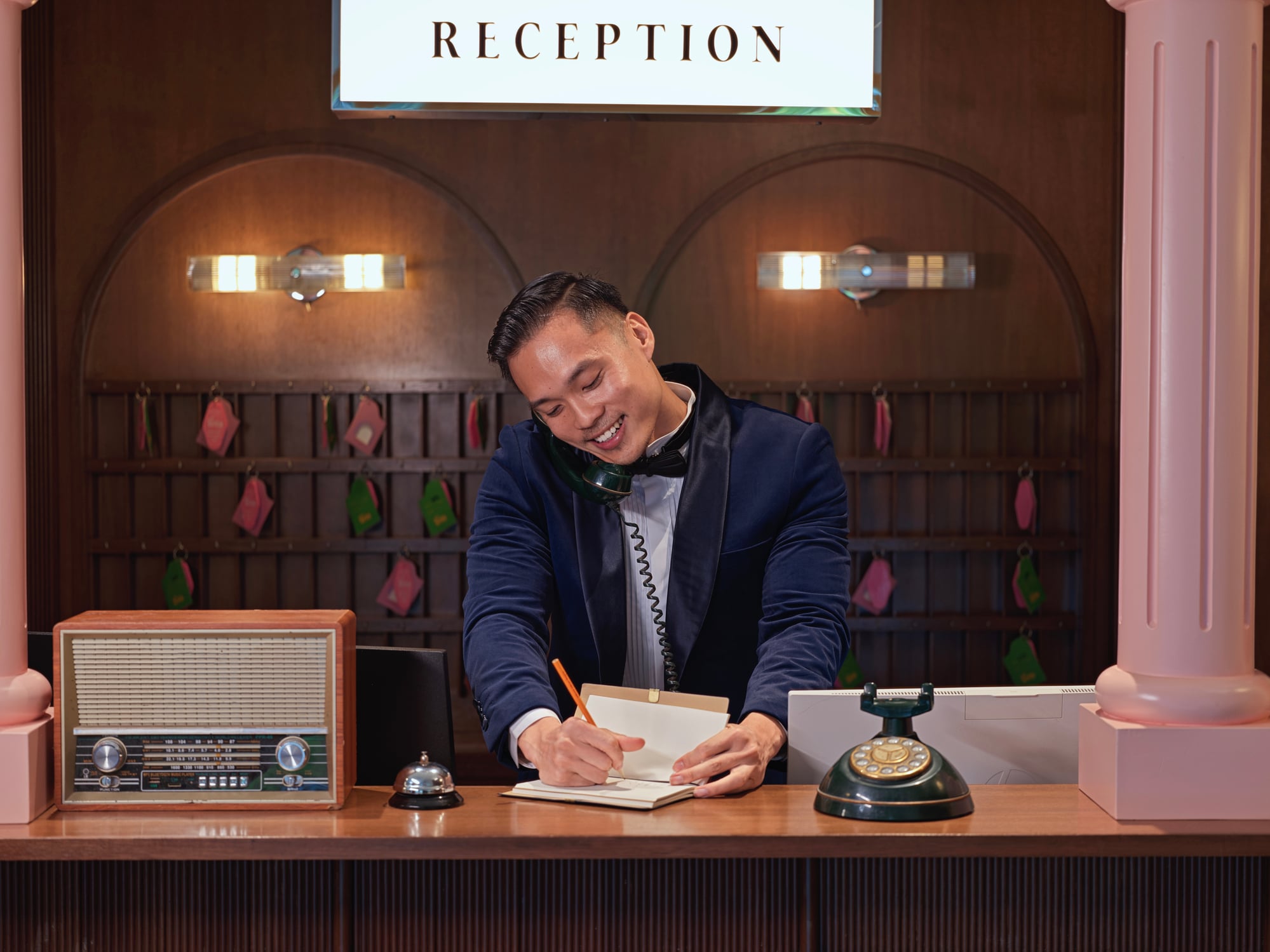
Back when mobile phones were not yet constant companions for everyone, the way to reach travelers was typically by calling the hotel’s landline directly. Staff would handwrite the message and then either pass on the note or verbally relay to the guest what a friend or family member had communicated. These personal messages were part of hotel traditions that have largely disappeared as smartphones, email, and other modern communication methods have transformed the guest experience.
Ordering Room Service That Arrived on a Full Dining Cart
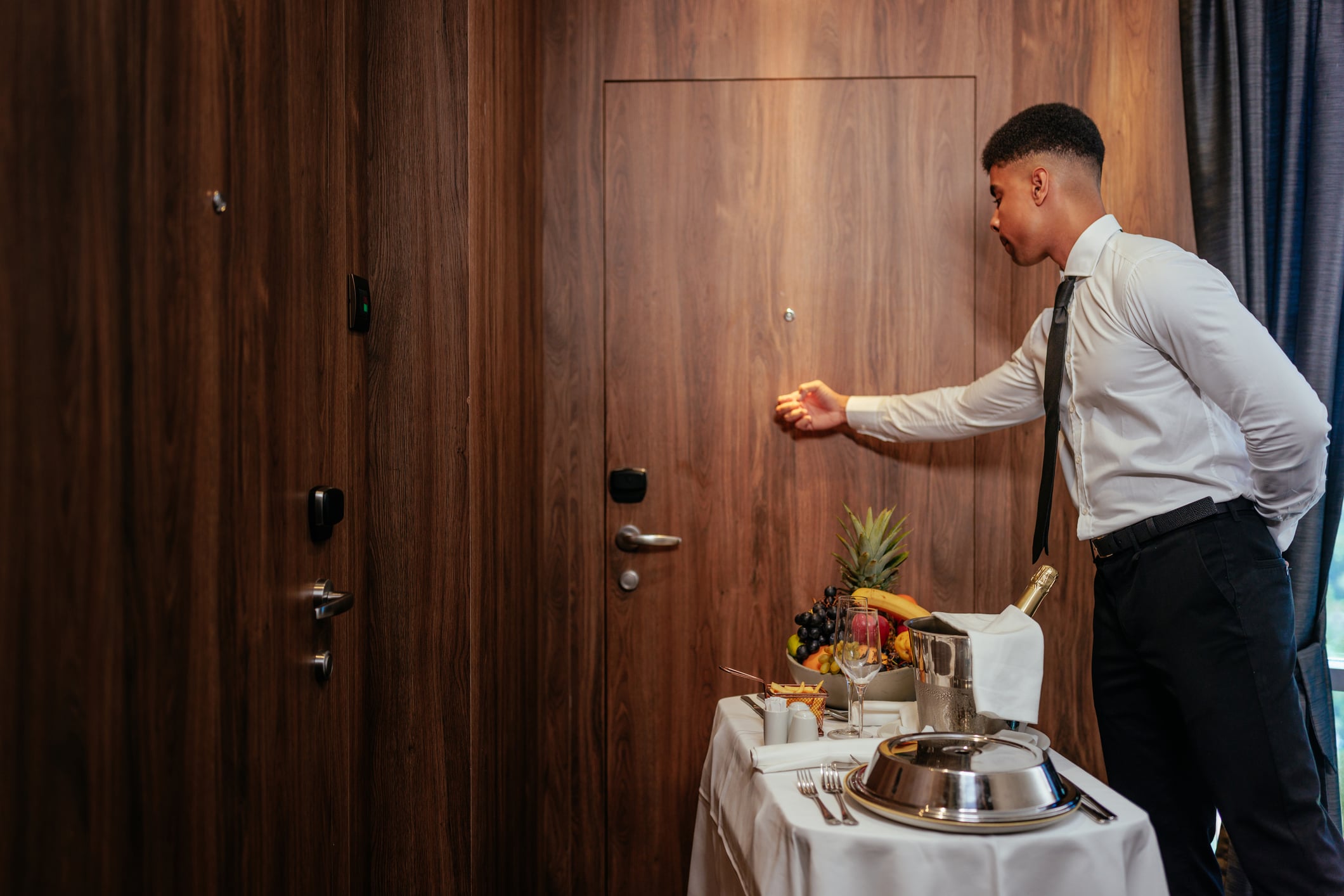
Traditional hotel room service used to consist of a full meal brought to your room by a staff member on a wheeled cart, complete with china plates, metal covers, cloth napkins, and a pot of coffee. This practice has been replaced in hotels by grab-and-go markets or food delivery services, although availability varies. Since room service requires kitchen staff, delivery personnel, and subsequent cleanup, it entails significant expense for hotels and had contributed to changes in these hotel traditions.
Coming Back to a Freshly Cleaned Room Every Afternoon
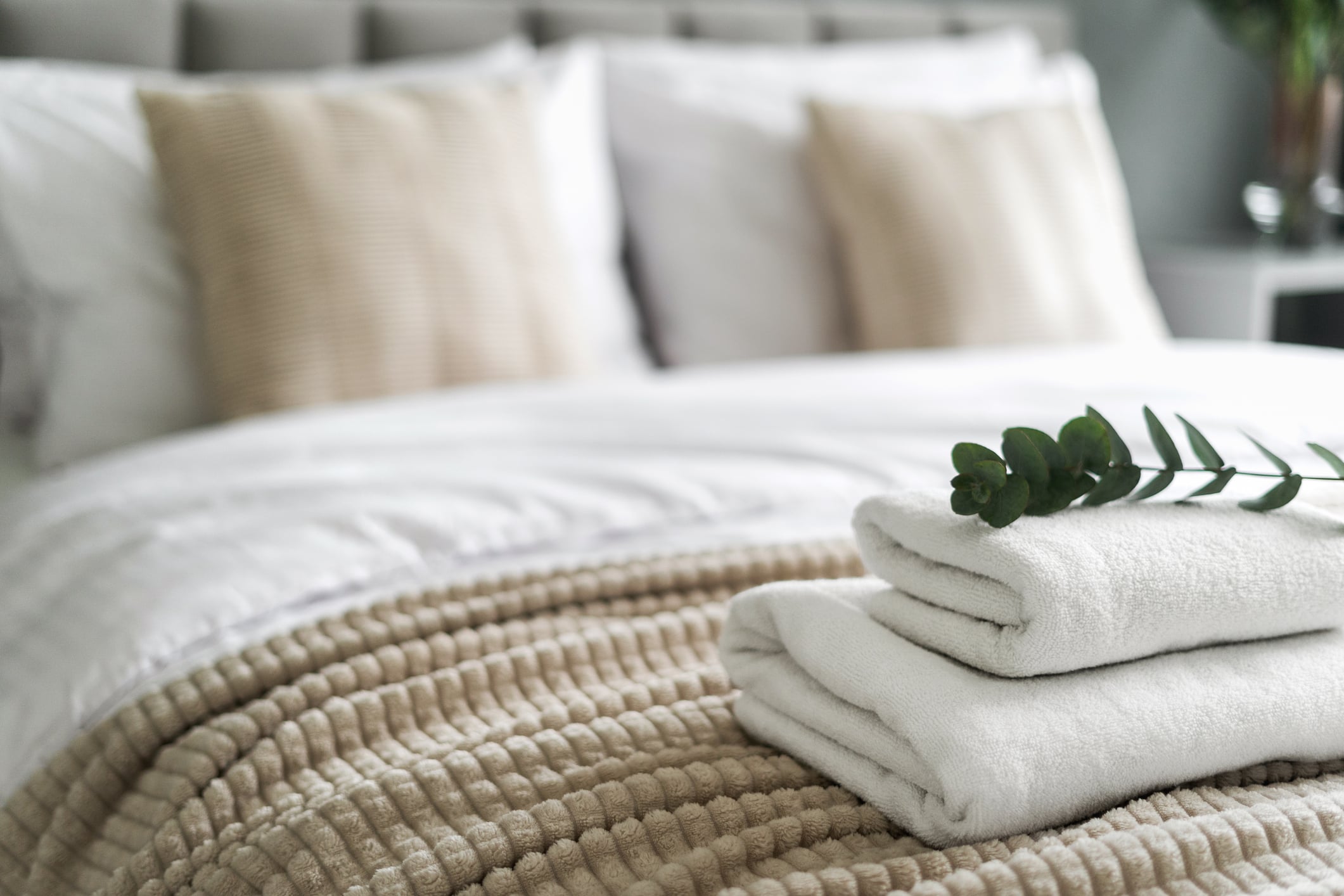
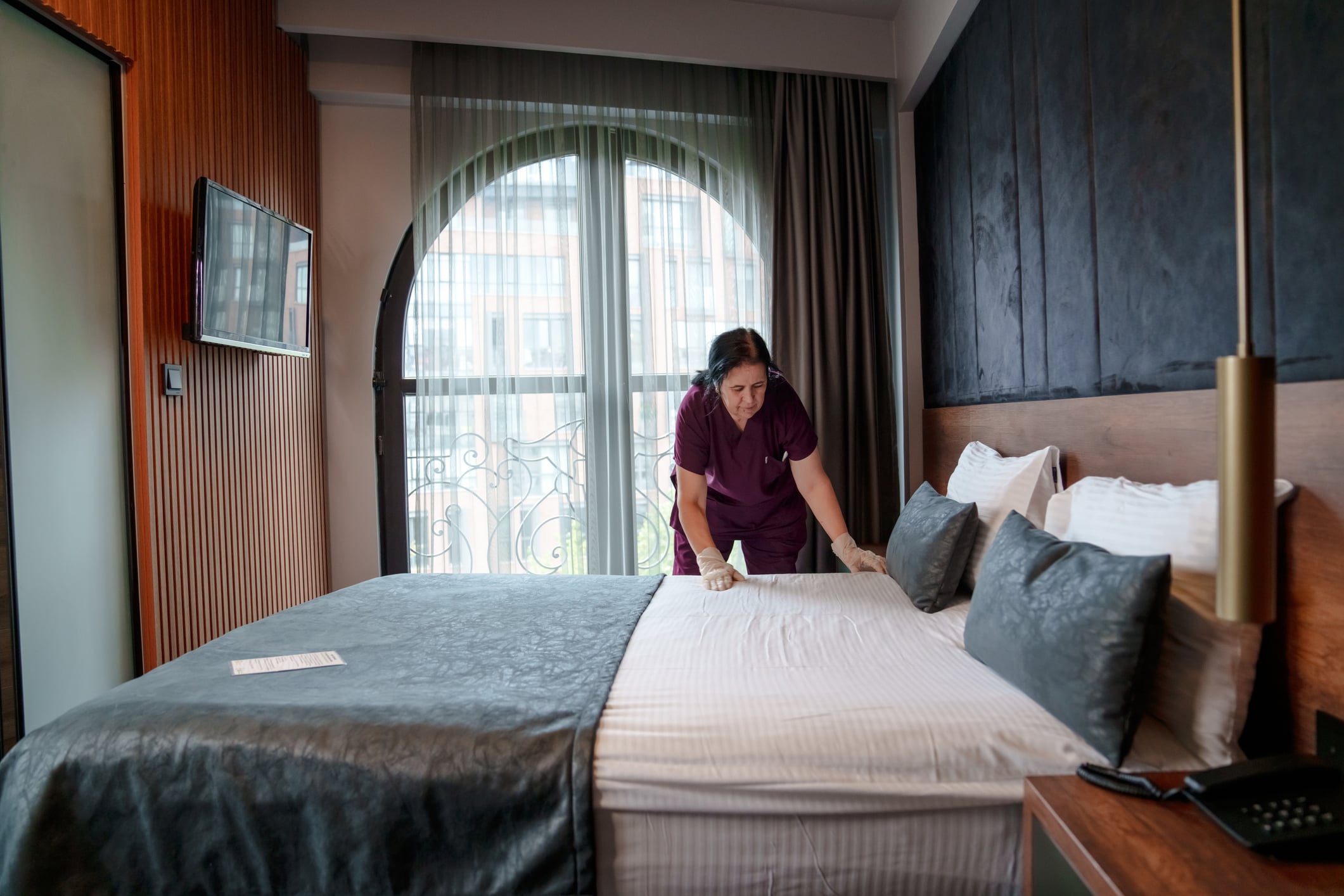
Many travelers recall returning to their hotel room after several hours of sightseeing and free time, only to find that their towels have been replaced, the trash bin has been emptied, and their room has been neatly arranged. These hotel traditions have scaled back as some properties have reduced daily housekeeping, offering it less frequently or only upon request, depending on the hotel. Operational costs, reduced staffing levels, and changes in service policies have all contributed to a decrease in housekeeping.
Trending on Cheapism

Having Your Bed Turned Down While You Were at Dinner
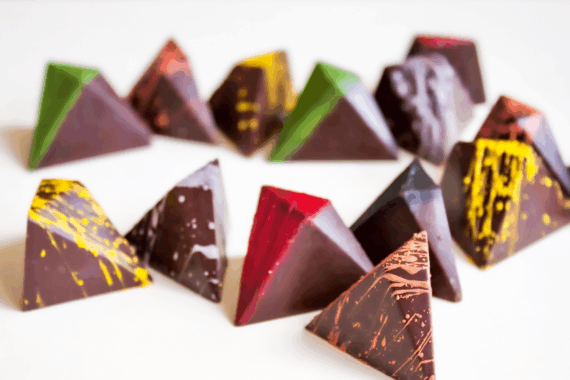
Years ago, while hotel guests were out at dinner, a staff member would enter their room to turn back the bed covers, adjust the lighting, close the curtains, and even leave a chocolate on the pillow. This turndown service remains one of the hotel traditions maintained in some luxury hotels, but it is by no means common in other types of establishments. This second housekeeping visit requires extra work, and many guests prefer to have more privacy during their stay.
Asking the Concierge to Plan Your Entire Afternoon
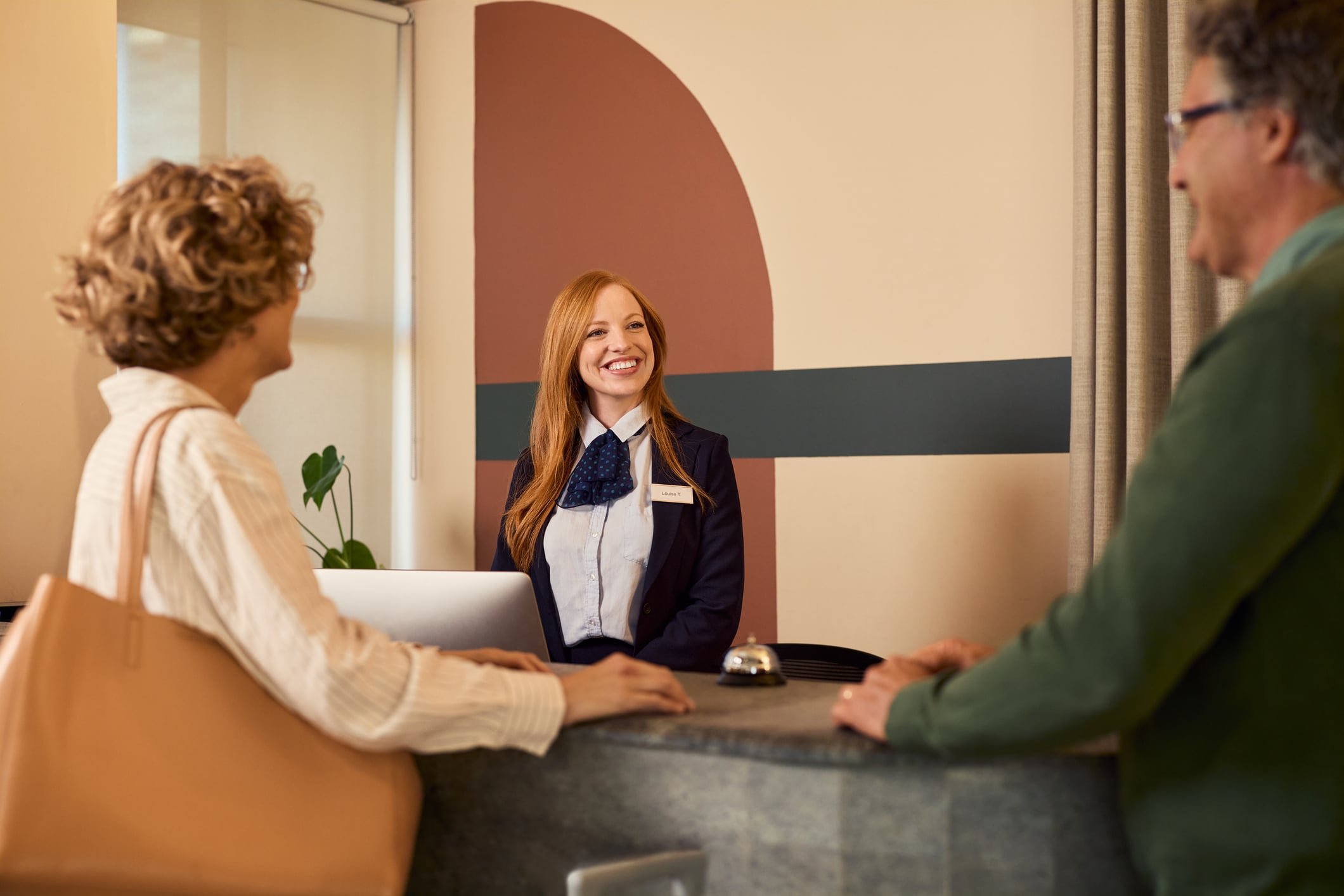
Before smartphones became widespread, hotel were an important source of local recommendations and travel assistance. When staying at a hotel, these staff members would recommend restaurants, secure theater tickets, assist with transportation, and even suggest local activities. According to Hospitality Net, travelers would typically approach the front desk to request the concierge’s assistance. These hotel traditions emphasized personalized service and local knowledge.
Enjoying Live Music and Dancing in the Hotel Lounge
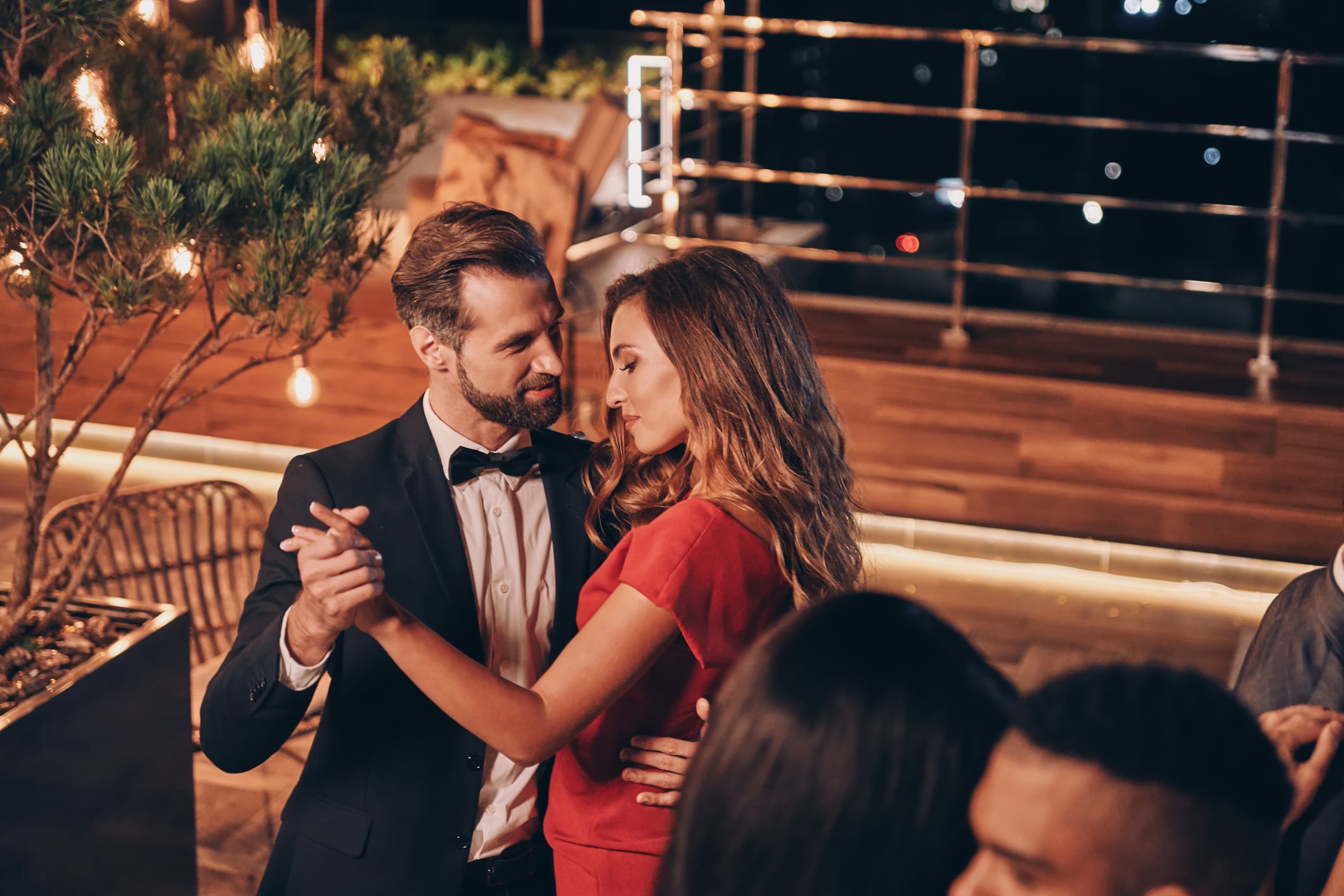
Some hotels served as more than just places to rest and eat; they also featured live orchestras and tea dances, and their lounges attracted local residents, as was the case with the historic Hotel Pontchartrain in Detroit. Many guests would dress up for the occasion, head to the area of the hotel where there was live music, and dance with their partners alongside other guests. These hotel traditions helped turn hotels into social hubs, a role that has diminished as the hospitality business model changed.
Sign up for our newsletter
Writing Postcards on the Hotel’s Own Stationery
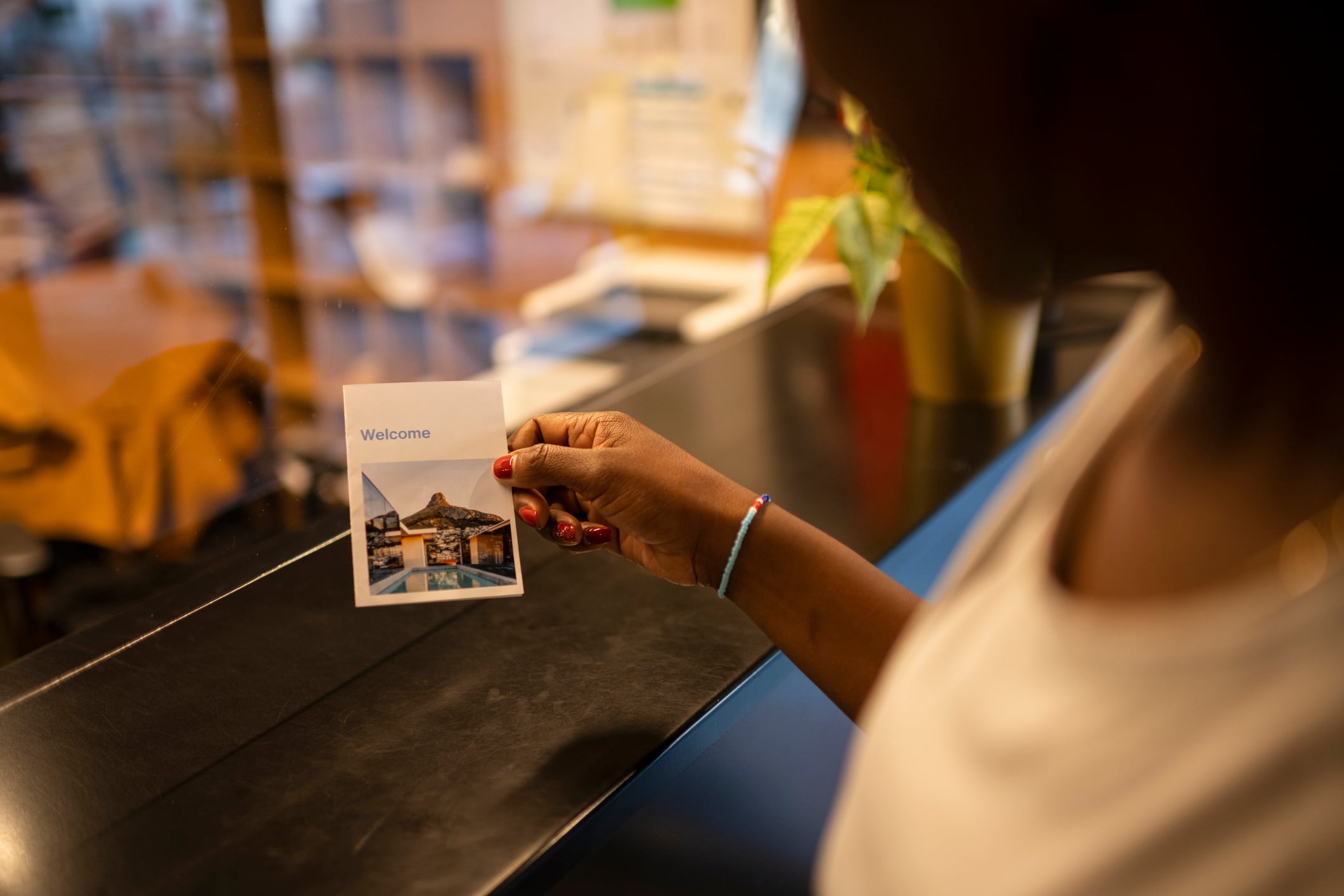
Hotels provided writing paper, envelopes, and postcards that featured the establishment’s name, address, and an illustration. These postcards were typically found in guest rooms, allowing visitors to write messages to friends or family. They served not only as a means to share a message or describe one’s experience, but also as a form of advertising for the hotel. These hotel traditions have largely given way to travelers instantly sharing photos, videos, and experiences from their phones.
Visiting the Hotel’s Own Barber Shop or Beauty Salon
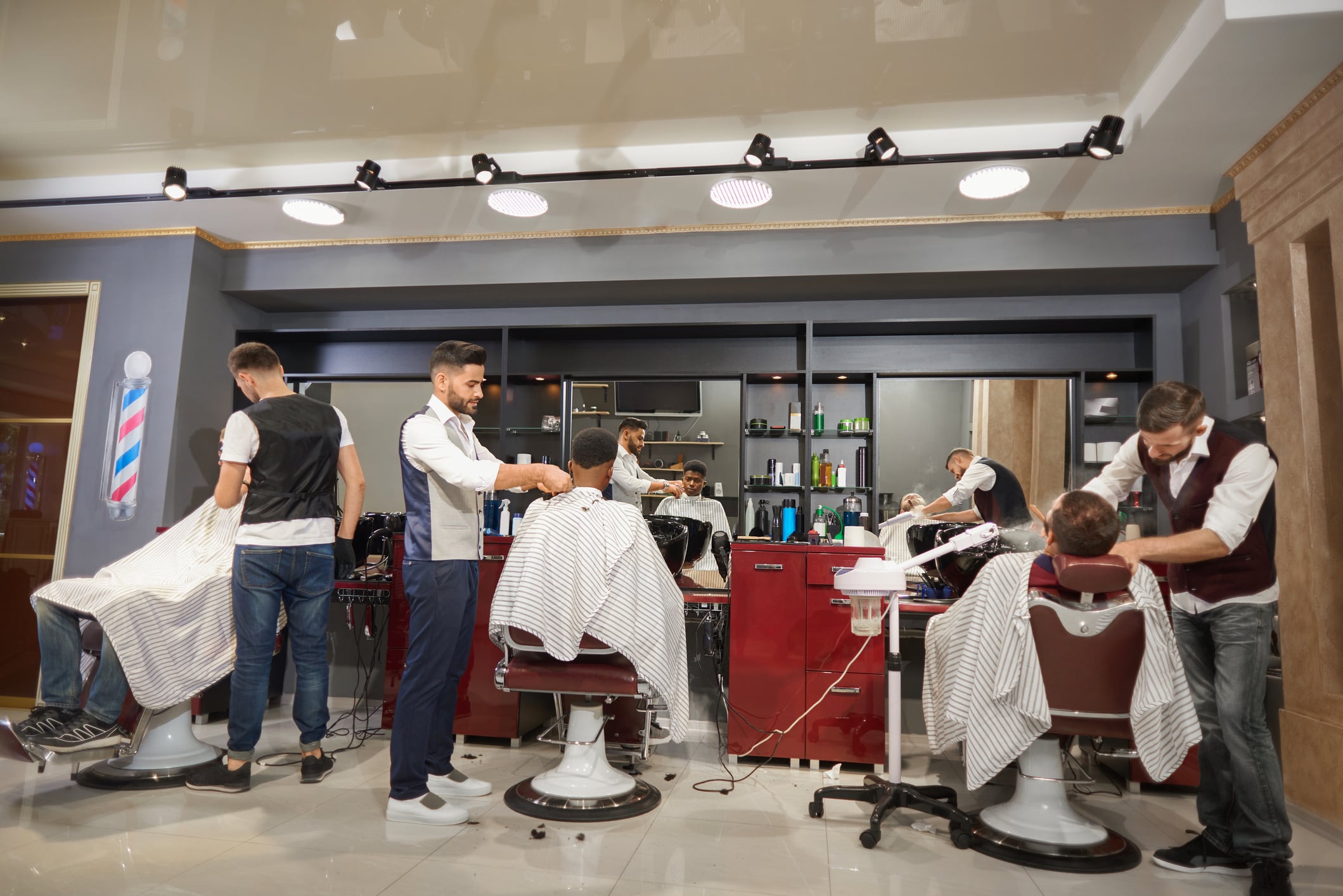
Hotels such as the ‘Lord Elgin’ in Ottawa featured their own barbershops or beauty salons, allowing guests to get a haircut, a shave, or a change of style without having to leave the premises. Some guests would take advantage of this service before heading to a business meeting or a formal evening event. While these hotel traditions are less common today, some luxury properties still offer personal grooming services. Many others prioritize accommodations, meeting facilities, and fitness amenities instead.
Stopping at a Dedicated Hotel Travel and Transportation Desk
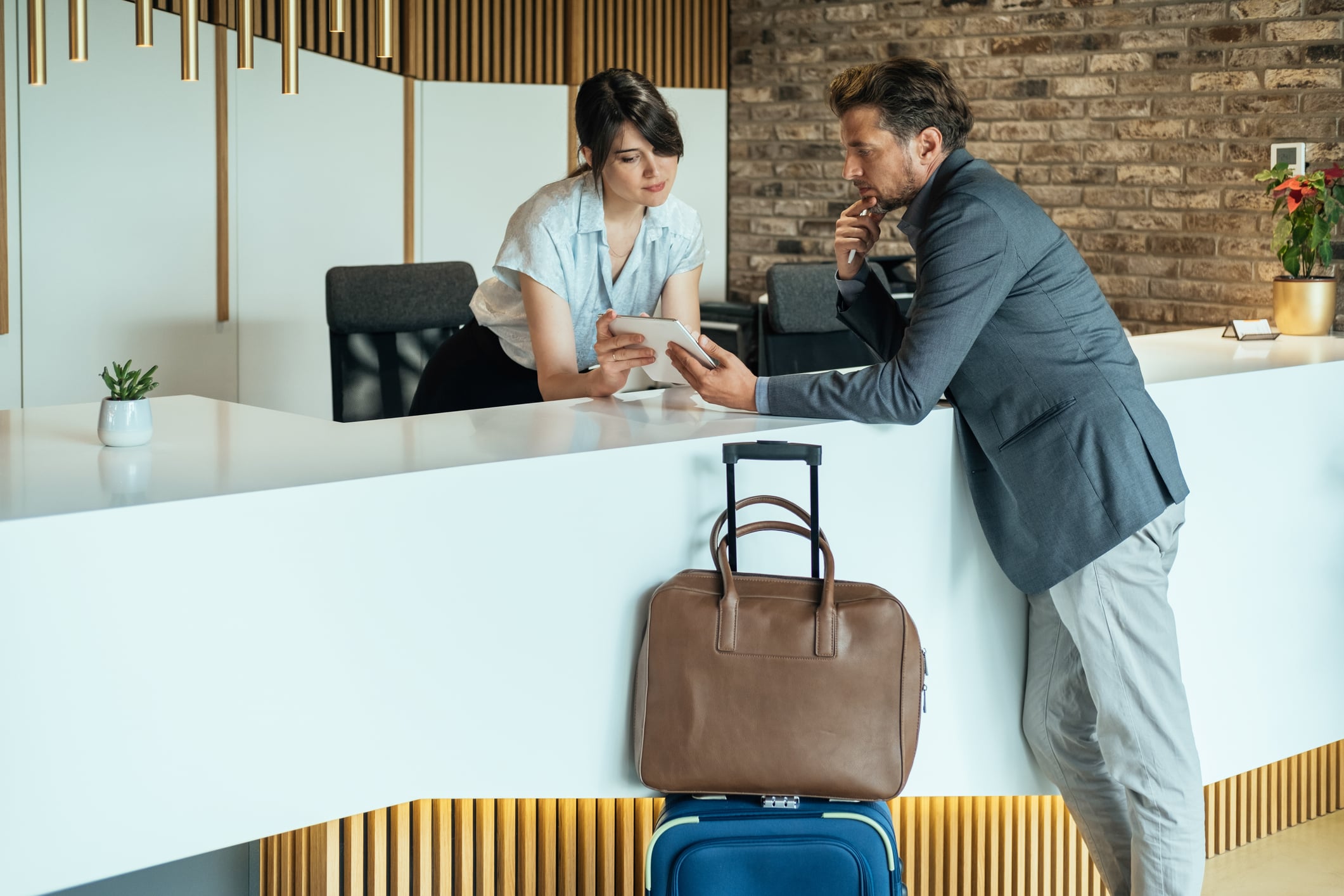
Travelers had access to a desk where they could handle matters related to transportation and travel services, a facility typically located away from the main reception area in hotels. The Lord Elgin Hotel, for instance, featured both a travel desk and a transportation desk, which highlights how significant such services were at the time. These hotel traditions have faded as smartphones now allow guests to check train connections or local transportation.
Being Served a Formal Afternoon Tea in the Hotel
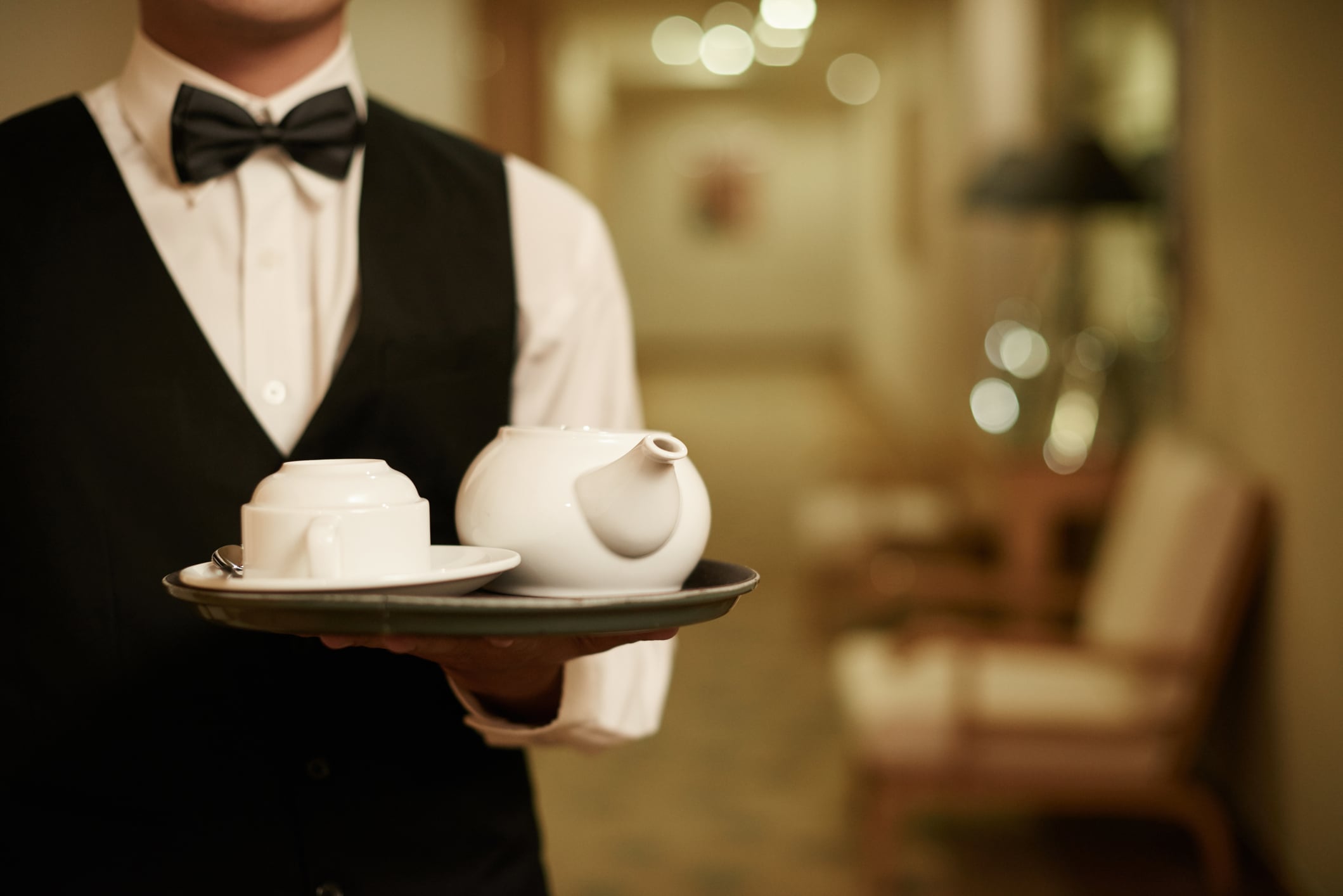
According to Historic Hotels of America, the most notable hotels used to offer afternoon tea, complete with china cups and tiered trays of sandwiches and pastries. It was something of a ritual for guests, a tradition that is still maintained in a few places today. However, it is now marketed as a special experience, rather than simply one of many activities available at the hotel. Many people fondly recall sitting in a formal hotel dining room as servers approached with polished teapots, delicate sandwiches, scones, and small desserts.
Conclusion
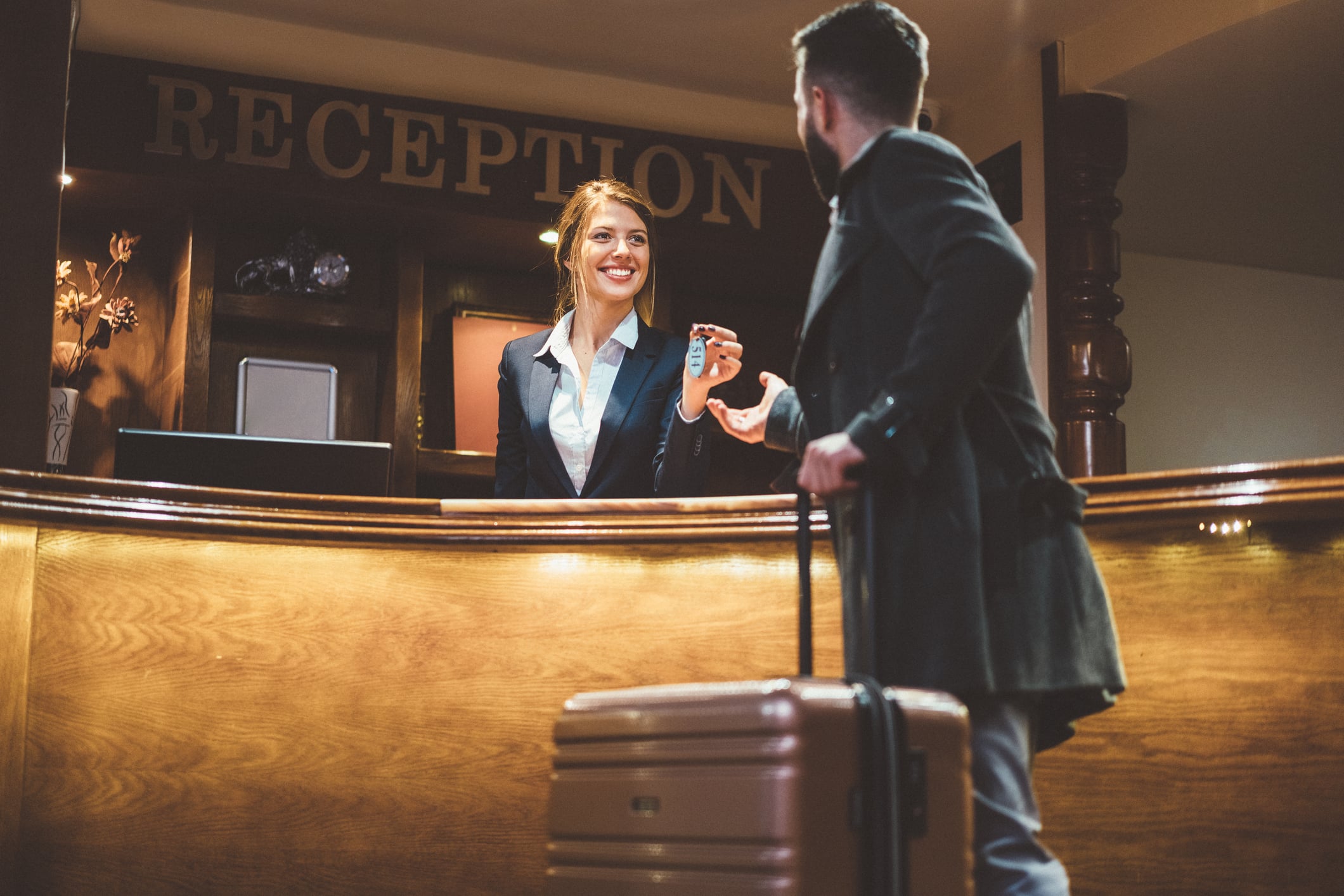
These hotel traditions have partly disappeared due to the advancement of technology, which has made it easier to handle many situations, as well as the cost of maintaining a larger staff to attend to what guests look for in a hotel today. While guests may appreciate the convenience offered by these new trends, they may also recognize that the personal attention once found in many such establishments has been lost.