When booking a cruise, it’s easy to focus on the big decisions, like choosing between an interior room and a balcony cabin. But some of the smallest cruise cabin features can make the biggest difference once you’ve spent a week at sea. From inconvenient power outlets and cramped showers to noisy locations and obstructed views, little details can quickly become daily frustrations. As Royal Caribbean’s guide to cruise deck plans explains, checking your cabin’s location and surrounding areas before booking can help you avoid unpleasant surprises. Here are 12 details worth paying attention to.
Whether There’s a Power Outlet Beside the Bed
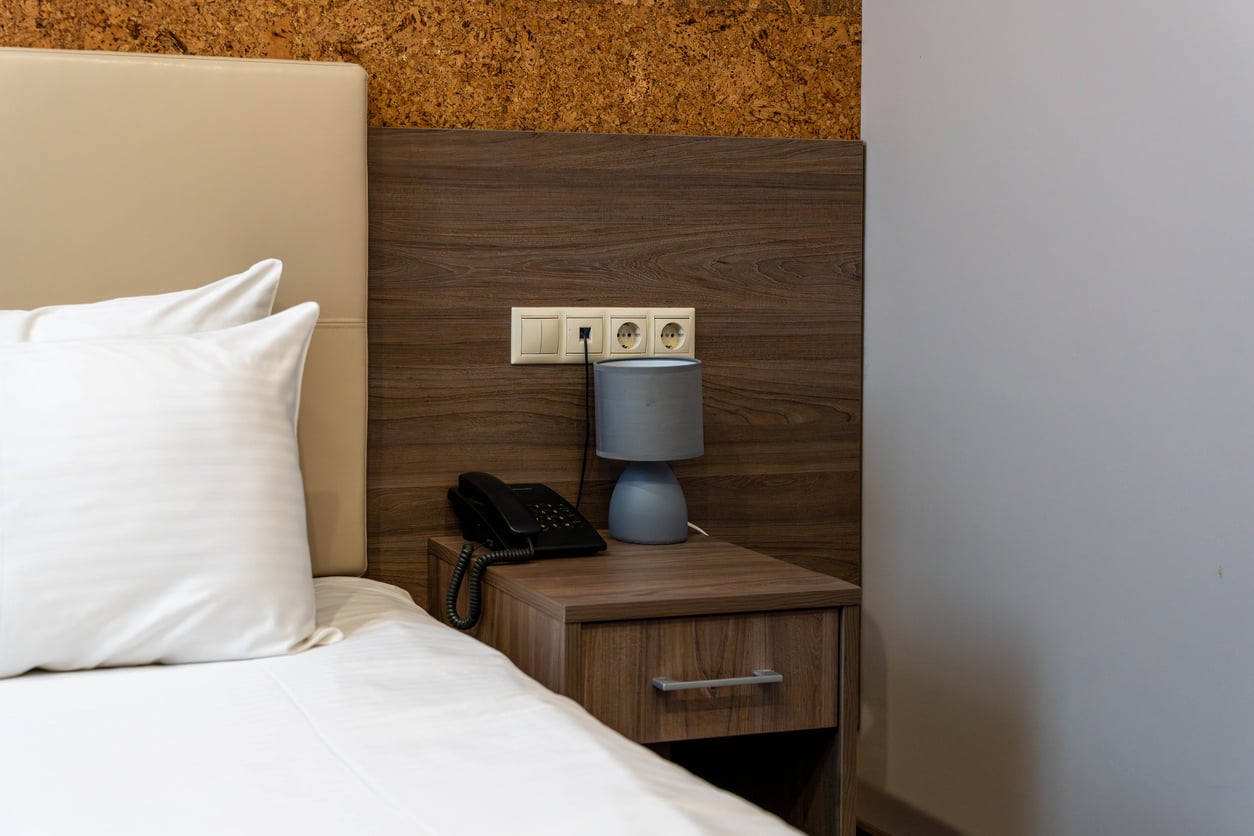
Having to charge your phone across the room might not sound like a big deal until you’re doing it every night. Cruise cabins vary considerably in the number and placement of outlets, and older ships may have fewer convenient charging spots. This becomes especially important for passengers who use medical equipment while sleeping. Before booking, look at cabin photos or walkthrough videos to see where the outlets are located. Don’t assume you can bring an extension cord, either, since cruise lines restrict certain electrical accessories.
What’s Directly Above Your Cabin

A cabin might look perfectly peaceful in the booking photos, but what’s happening one deck above could tell another story. Rooms beneath pool decks, busy restaurants, or entertainment venues may experience noise from moving furniture, footsteps, or late-night activities. Some passengers are particularly bothered by early-morning deck chair arrangements. Before selecting a cabin, examine the deck plans above and below it. If you’re a light sleeper, choosing a room surrounded by other passenger cabins may be a safer bet, although no location guarantees complete silence.
A Connecting Door You Never Plan to Use
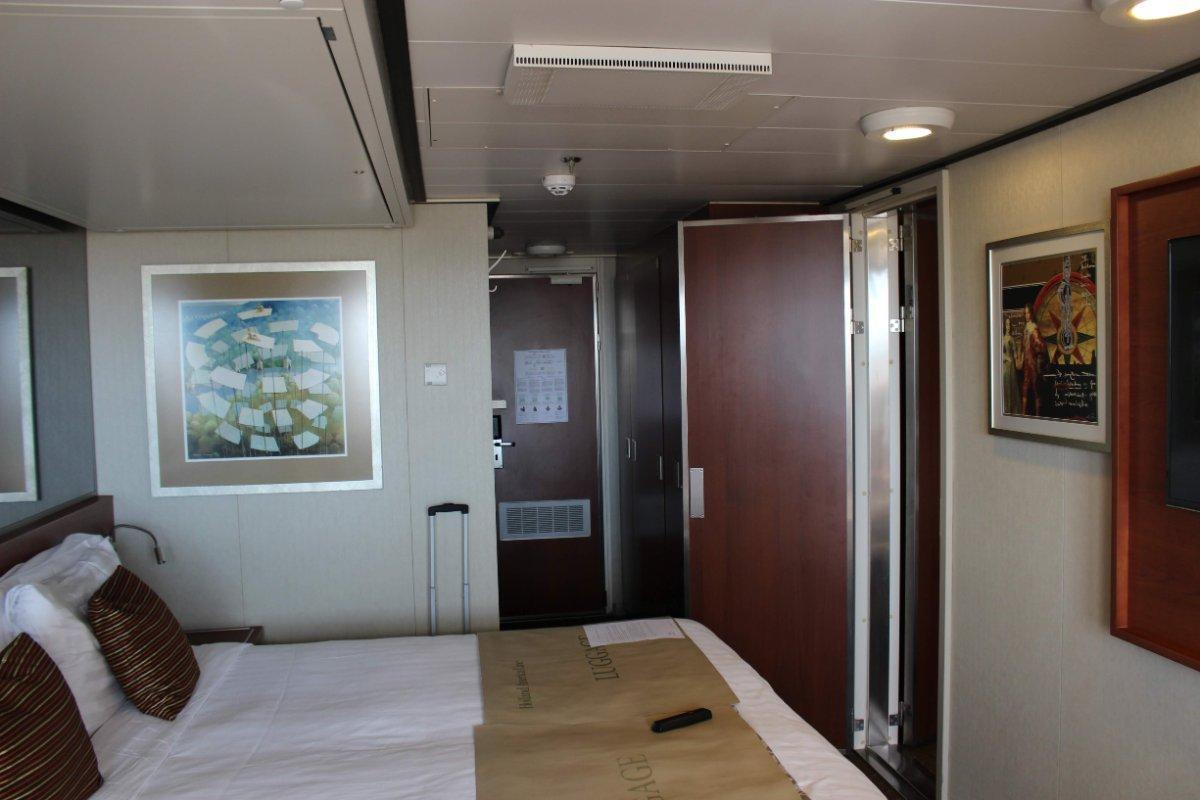
Connecting cabins are convenient when you’re traveling with family, but that extra door may be less appealing when strangers are staying next door. Depending on the ship’s construction, sound can sometimes travel through the connecting doorway more easily than through a regular wall. Some travelers report hearing conversations or televisions, while others notice no difference whatsoever. If you don’t need connecting rooms, check the deck plan symbols before booking. A standard cabin may offer a little more peace of mind, particularly for light sleepers.
How Much Closet and Drawer Space You Actually Get
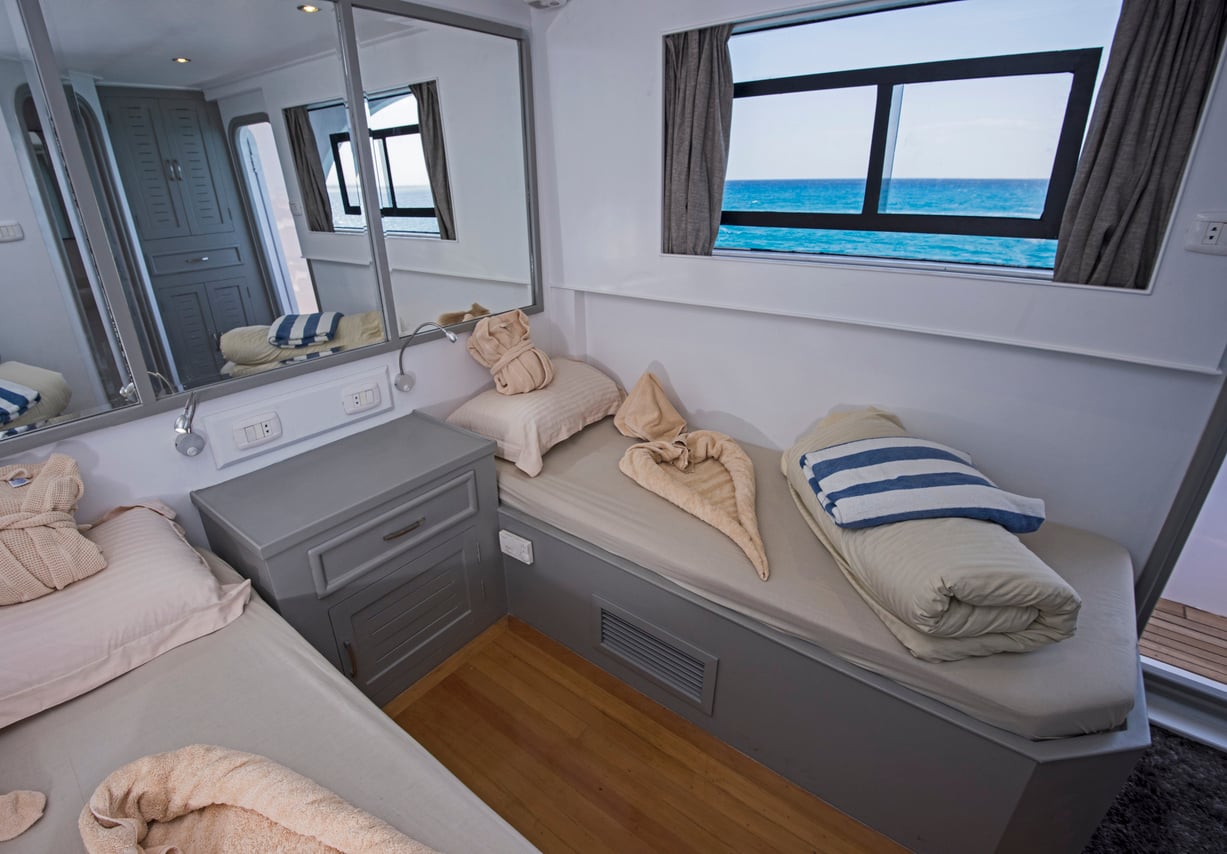
A cabin that looks spacious in promotional photographs can feel considerably smaller once two people unpack their luggage. Some rooms have generous closets and multiple drawers, while others offer little more than a narrow wardrobe and a few shelves. After several days, shoes, toiletries, and clothing can start taking over every available surface. Look for photographs showing the actual storage areas rather than relying on wide-angle cabin pictures. Under-bed suitcase storage can help, but don’t assume every cabin has the same clearance.
Whether the Shower Has Enough Room to Move Around
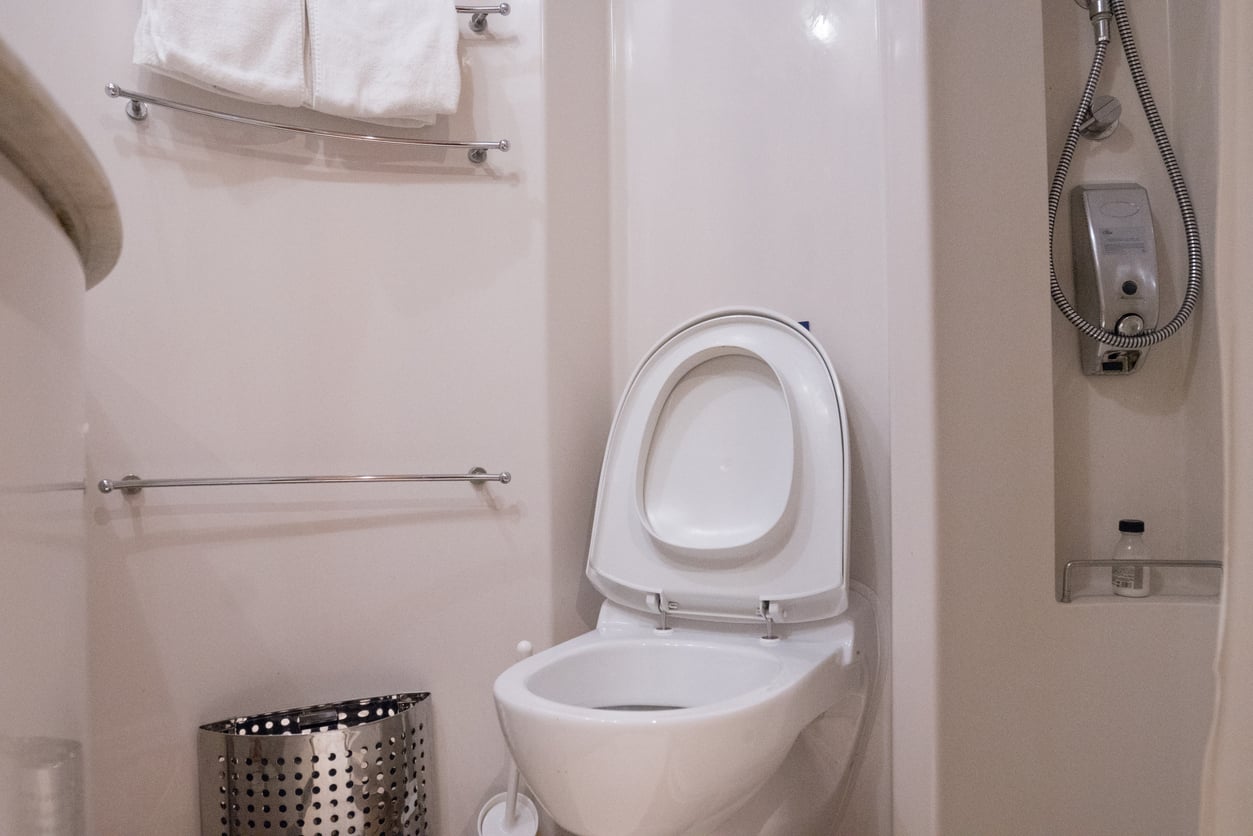
A tiny shower might seem manageable for one night, but using it every morning for an entire week can get frustrating. Some cruise cabins have compact shower enclosures with limited elbow room, while others offer more generous layouts. Travelers with mobility concerns should pay particular attention to thresholds, grab bars, shower seating, and handheld showerheads. Accessible cabins may provide features that standard bathrooms don’t. Before booking, check photographs and exact cabin specifications rather than assuming all bathrooms within the same general category are identical.
Trending on Cheapism


Where Everyone Is Actually Supposed to Sleep
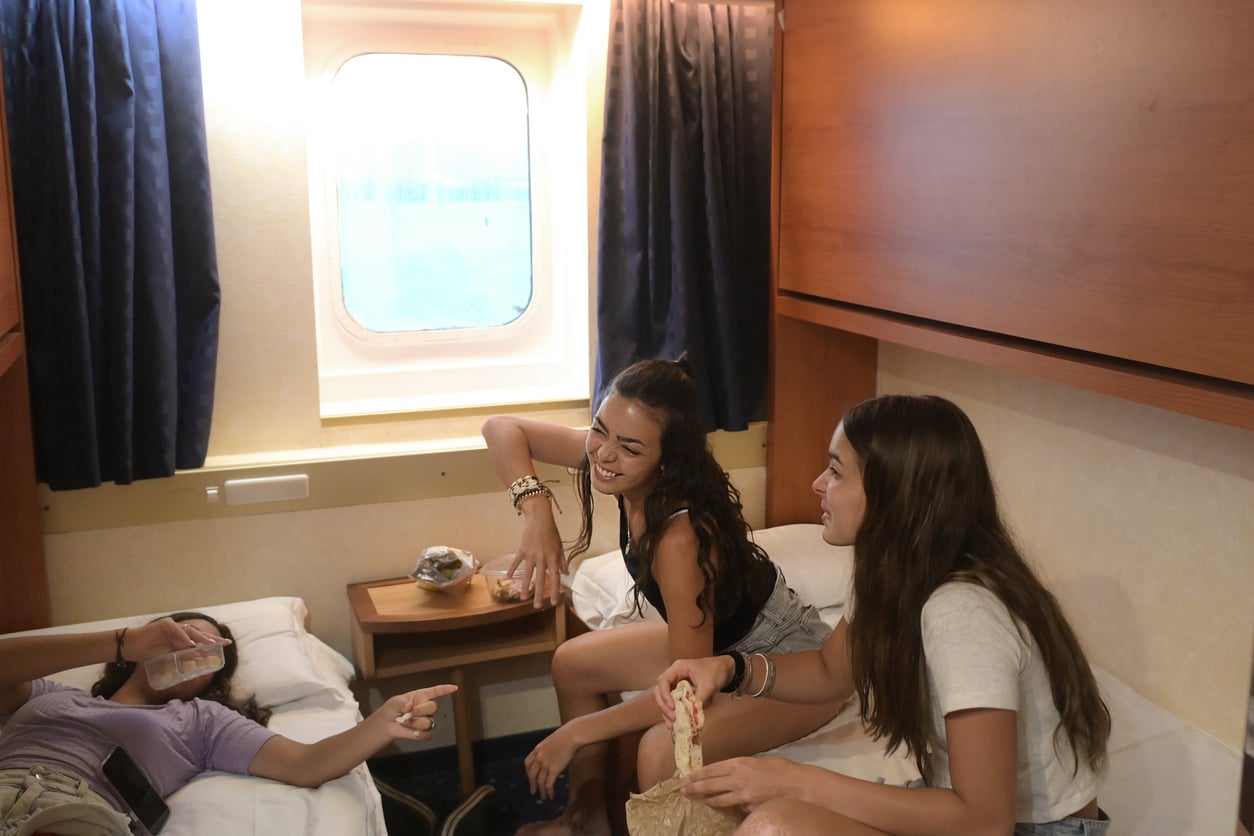
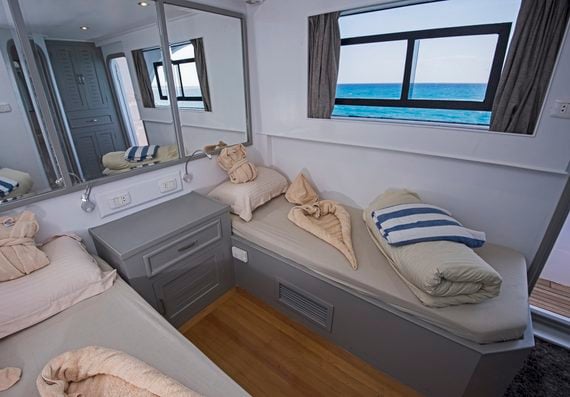
A cabin advertised as sleeping four doesn’t necessarily contain four conventional beds. Depending on the ship, extra passengers might sleep on a sofa bed, a Pullman berth that folds down from the wall, or another convertible arrangement. Those upper bunks can be inconvenient for adults who have difficulty climbing ladders. Fold-out beds may also take up valuable floor space once they’re opened for the night. Before booking a shared cabin, confirm exactly where everyone will sleep and whether the arrangement will still leave room to move around.
A Balcony With a Partially Blocked View

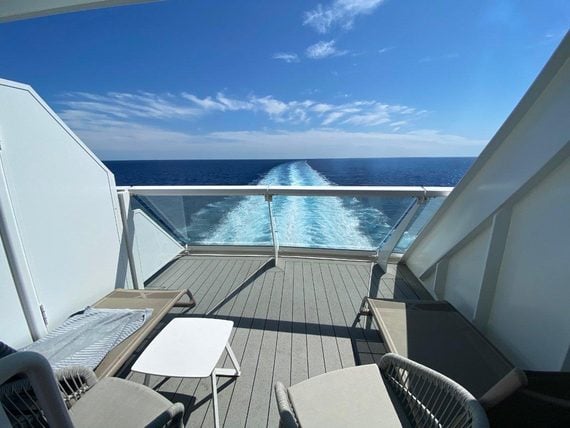
Paying extra for a balcony can feel disappointing when you discover a lifeboat or part of the ship’s structure blocking the scenery. Not every balcony cabin offers the same view, even when rooms belong to similar categories. Some have solid railings, while others sit behind equipment or structural supports. Obstructed-view cabins can sometimes offer savings, making them worthwhile for travelers who mainly want fresh air and outdoor seating. But if watching the coastline from your chair is important, check the exact cabin’s view before paying.
Whether Your Balcony Is Actually Outdoors
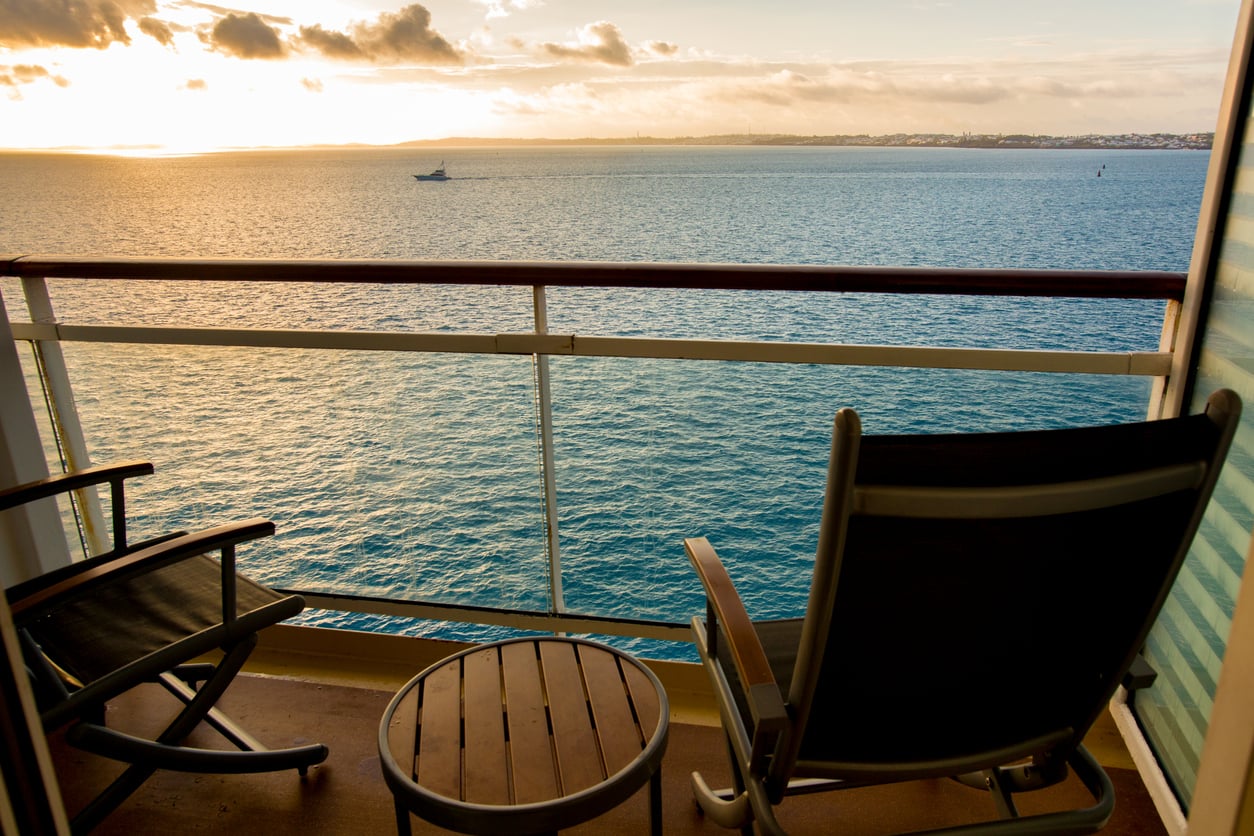
Not every cabin advertised with a balcony has a traditional outdoor space separated from the bedroom. Some newer ships feature Infinite Balconies, which use a large window that opens electronically to bring fresh air into an expanded interior seating area. Royal Caribbean offers this design on Icon-class ships. The extra usable space can be appealing, but it isn’t quite the same as stepping onto a separate balcony. If you enjoy sitting outside while your traveling companion sleeps, make sure you understand which design you’re booking.
Sign up for our newsletter
How Far You’ll Walk to the Elevators
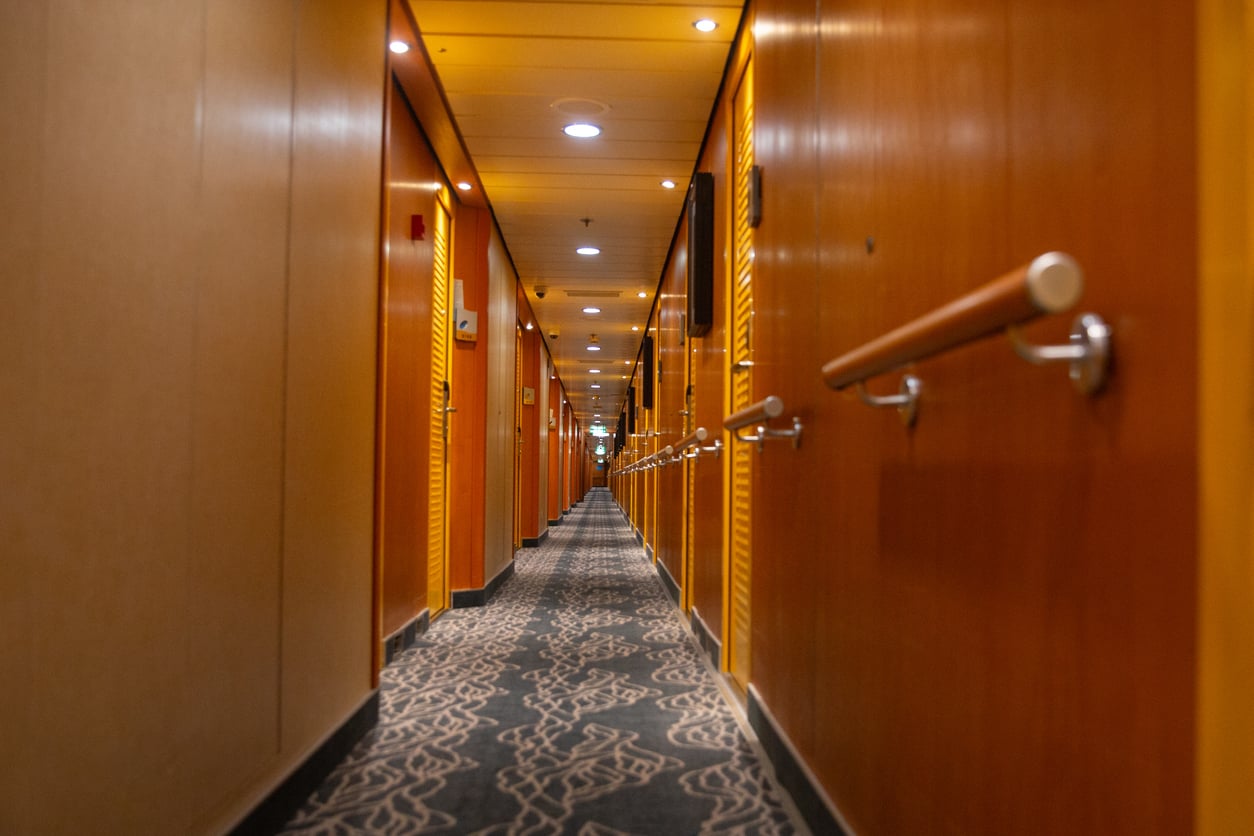
A cabin at the far end of a hallway might seem pleasantly secluded when you’re choosing it online. After several days of walking back and forth to restaurants, shows, and the pool, however, that distance can become tiresome. For passengers with limited mobility, proximity to an elevator may be especially valuable. Rooms near elevators aren’t automatically noisy, either, although nearby passenger traffic is worth considering. Check the ship’s deck plan and think about your daily routine before deciding whether a quieter corner is worth the extra walking.
Whether the Mini-Fridge Actually Meets Your Needs
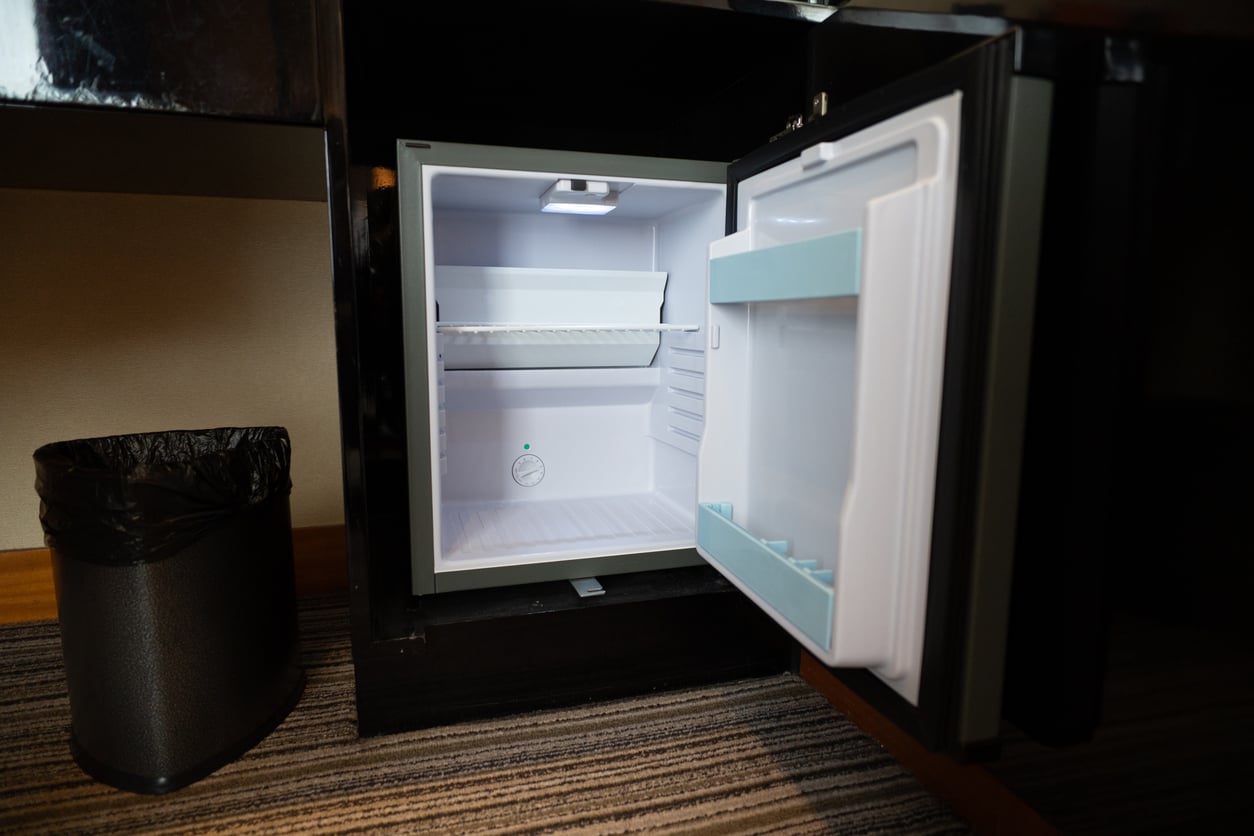
Seeing a mini-fridge listed among the cabin amenities can be reassuring, particularly if you plan to keep drinks or snacks chilled. But some cruise cabins have compact minibar-style coolers rather than refrigerators that maintain the temperatures you might expect at home. Capacity and performance can also vary by ship. If you need reliable refrigeration for temperature-sensitive medication, don’t depend on the standard cabin unit without checking. Contact the cruise line beforehand to arrange suitable storage or equipment, and confirm what’s available in your specific room.
A Bathroom Layout That Works for Two People

Sharing a small cruise bathroom can require more coordination than expected, especially when everyone wants to get ready before an early excursion. A single sink, shower, and toilet in one compact space can create a daily bottleneck. Some newer family accommodations offer split bathrooms, allowing one person to shower while another uses the toilet or sink separately. Royal Caribbean’s Icon-class family cabins include examples of this arrangement. For couples or families sharing a room, practical bathroom design may matter more than decorative upgrades.
How Much the Cabin Moves at Sea

That beautiful cabin near the front of the ship might come with more noticeable movement when the seas get rough. Generally, cabins on lower decks near the ship’s center experience less pitching and rolling than rooms higher up or toward the bow and stern. For travelers prone to seasickness, location can make a meaningful difference in comfort. An interior cabin in a favorable position may be a better choice than a pricier balcony room near the front. Still, no cabin can eliminate movement during rough weather.