A great vacation can quickly turn frustrating when you show up at the wrong time. Some travel problems have less to do with where you’re going and more to do with when you get there. From arriving at crowded attractions to booking late flights or hiking during the hottest hours, poor timing can cost you money, valuable vacation time, and even put your safety at risk. As the National Park Service explains, arriving earlier or later in the day can help visitors avoid congestion at popular destinations. Here are 12 timing mistakes worth avoiding on your next trip.
Booking the Last Flight of the Day

That late-night flight might be cheaper, but it leaves little room for things to go wrong. Delays can accumulate throughout the day, and if your flight gets canceled, there may be no remaining departures until morning. The U.S. Department of Transportation recommends considering earlier flights because they tend to face fewer cascading delays and offer more rebooking opportunities. This matters especially when you’re heading to a cruise or wedding. Morning flights aren’t immune to disruptions, but they can give you more options when plans unravel.
Arriving at a Popular National Park Too Late
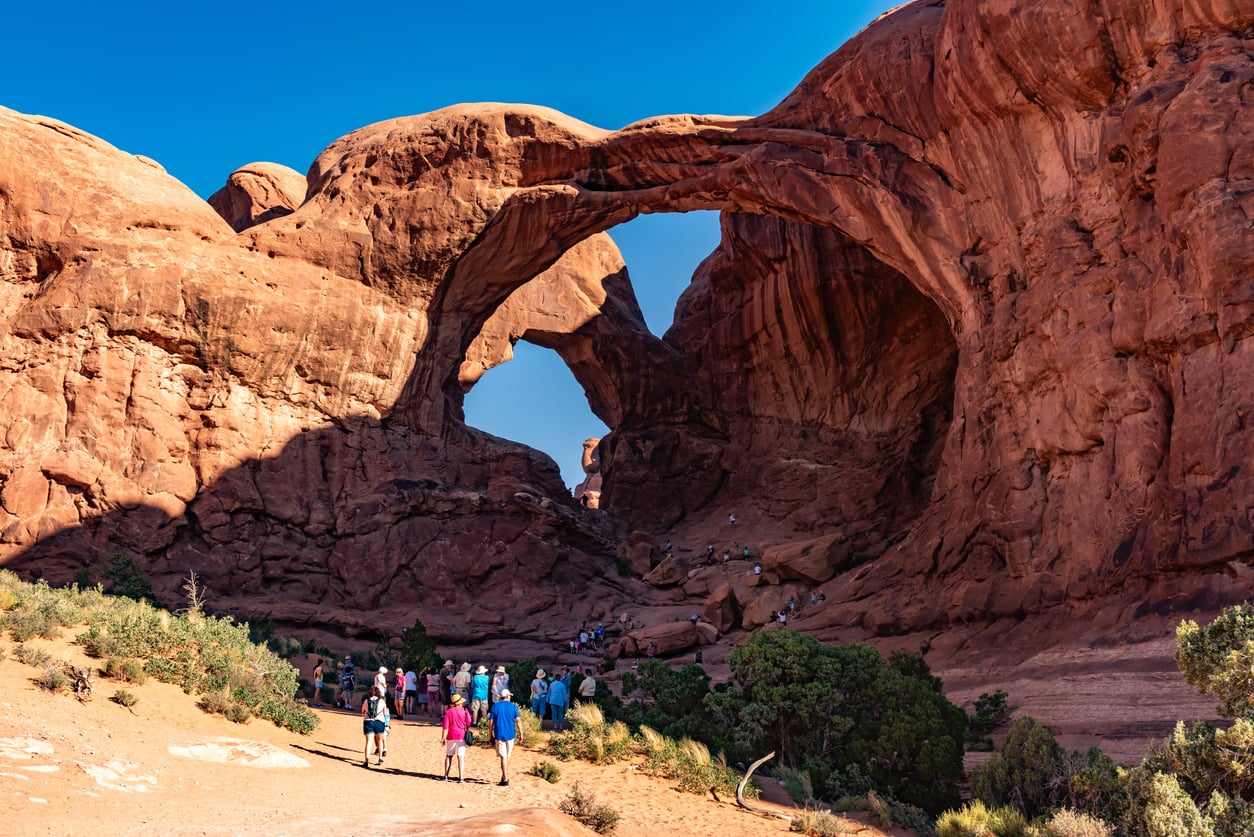
Sleeping in sounds wonderful on vacation, until you reach a national park and discover every parking lot is full. At Arches National Park in Utah, summer parking areas at popular trailheads can fill as early as 7:30 a.m. Late arrivals may face entrance delays or spend valuable sightseeing time searching for parking. Starting early can help, but it’s not the only option. Some parks are quieter later in the afternoon, when temperatures cool and crowds begin thinning. Check current entry requirements before heading out.
Planning a Desert Hike During the Afternoon Heat

A desert trail that looks manageable at breakfast can become dangerously hot by lunchtime. At Grand Canyon National Park, summer temperatures in the inner canyon can exceed 100 degrees, and officials advise avoiding strenuous hiking between 10 a.m. and 4 p.m. Heat exposure can become serious even for experienced hikers, particularly on trails with little shade or limited water. Plan strenuous outings for cooler conditions, and don’t underestimate the return climb. Sometimes the smarter choice is enjoying the scenery from an accessible overlook instead.
Starting a Mountain Hike Before Afternoon Thunderstorms
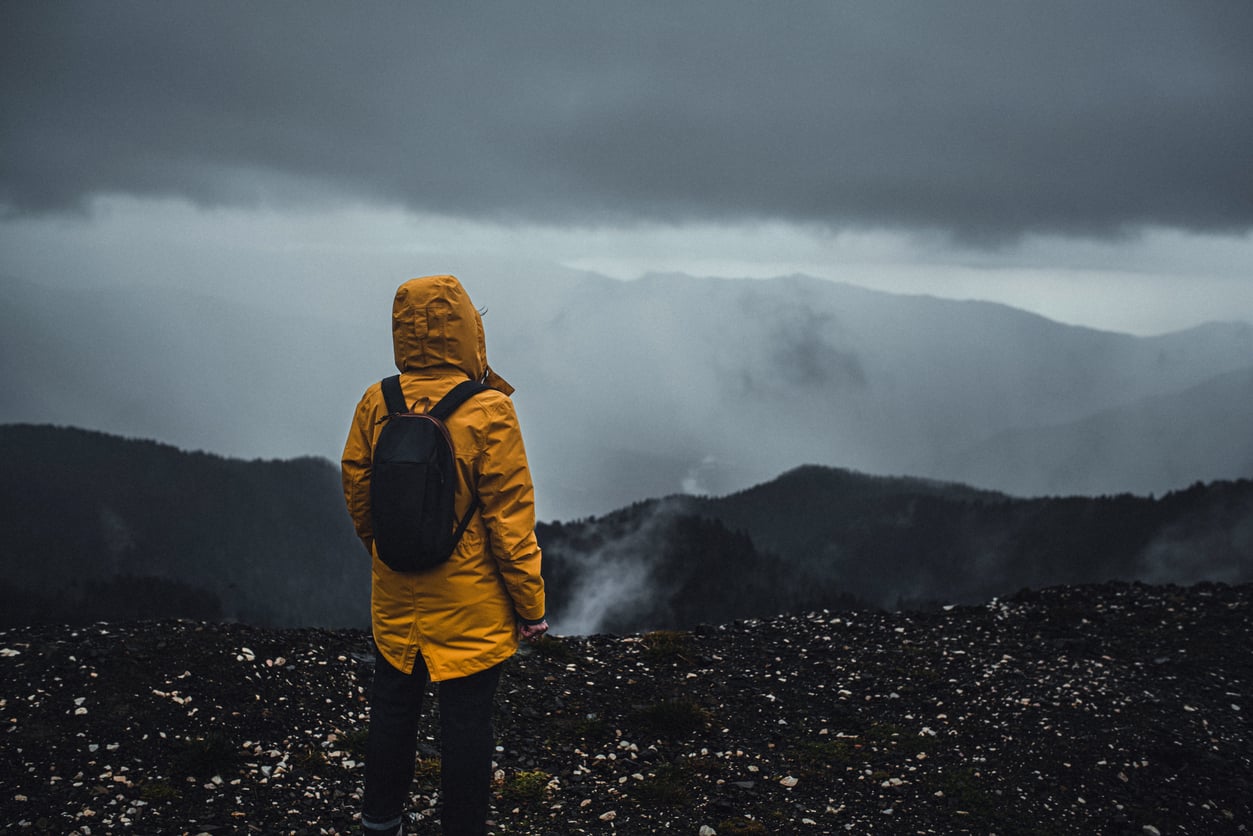
That sunny mountain morning can turn into a very different afternoon. In places such as Colorado’s Rocky Mountain National Park, thunderstorms frequently develop later in the day, bringing lightning, heavy rain, and dangerous conditions on exposed ridges. Starting a long hike too late can leave you far from shelter when the weather changes. Rangers recommend beginning early and planning to return below treeline before storms develop. Still, thunderstorms can arrive earlier than expected, so check forecasts and turn around when conditions become threatening.
Looking for Wildlife During the Hottest Hours
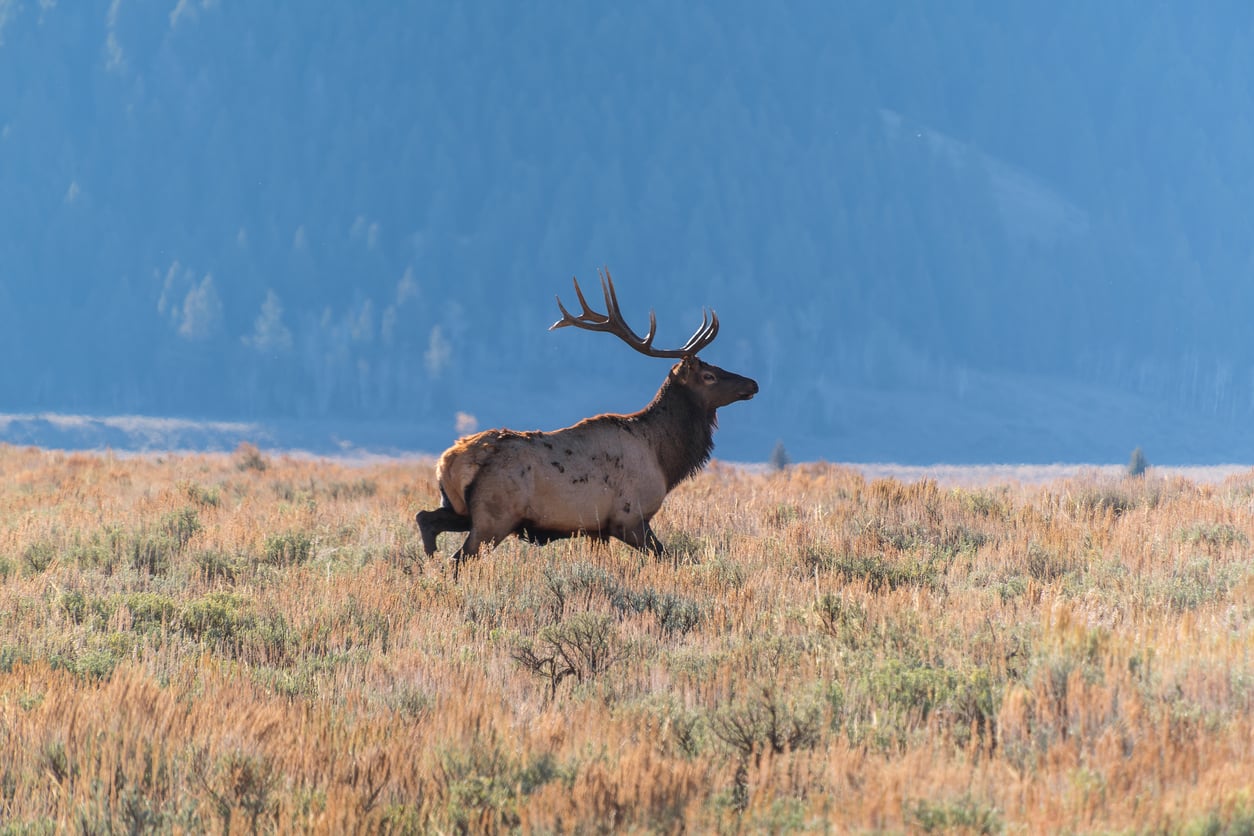
You might spend hours scanning a beautiful meadow without seeing much beyond a few birds. Many animals are less active during the hottest part of the day, making afternoon wildlife watching disappointing in some destinations. At Grand Teton National Park, early morning and evening are generally better times to spot animals such as elk and deer. Bring binoculars and give wildlife plenty of space rather than approaching for a photograph. Sightings are never guaranteed, though, and some species remain active throughout the day.
Trending on Cheapism


Visiting Tide Pools at High Tide

Imagine driving to a rocky beach to show your grandchildren starfish and sea anemones, only to discover that everything is underwater. Tide pools are easiest to explore around low tide, and the timing changes daily. At Acadia National Park in Maine, the recommended tidepooling window runs from 90 minutes before low tide to 90 minutes afterward. Check local tide charts before leaving your hotel, and pay attention to rising water and slippery rocks. Unlike many sightseeing stops, this activity can’t simply be scheduled for whichever afternoon is convenient.
Scheduling Big Activities Right After an International Flight
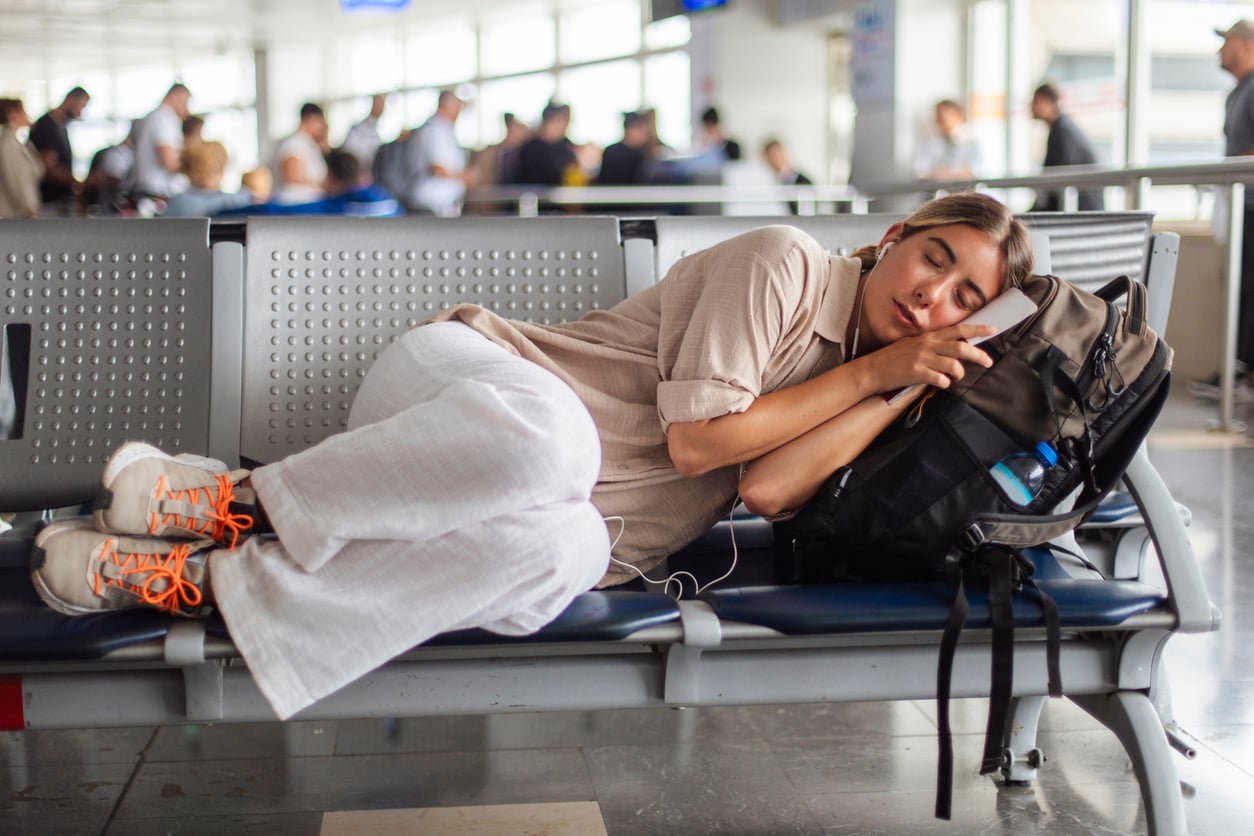
Landing in Paris at 8 a.m. and booking a walking tour for 10 might seem like an efficient use of vacation time. After an overnight flight, however, exhaustion and jet lag can make even enjoyable activities feel like chores. The CDC suggests arriving at least two days before important events when possible, allowing time to adjust to a new time zone. For ordinary vacations, consider keeping your arrival day flexible. A leisurely meal or short walk may be more enjoyable than rushing through an expensive, nonrefundable excursion.
Expecting Restaurants Abroad to Follow American Dinner Hours
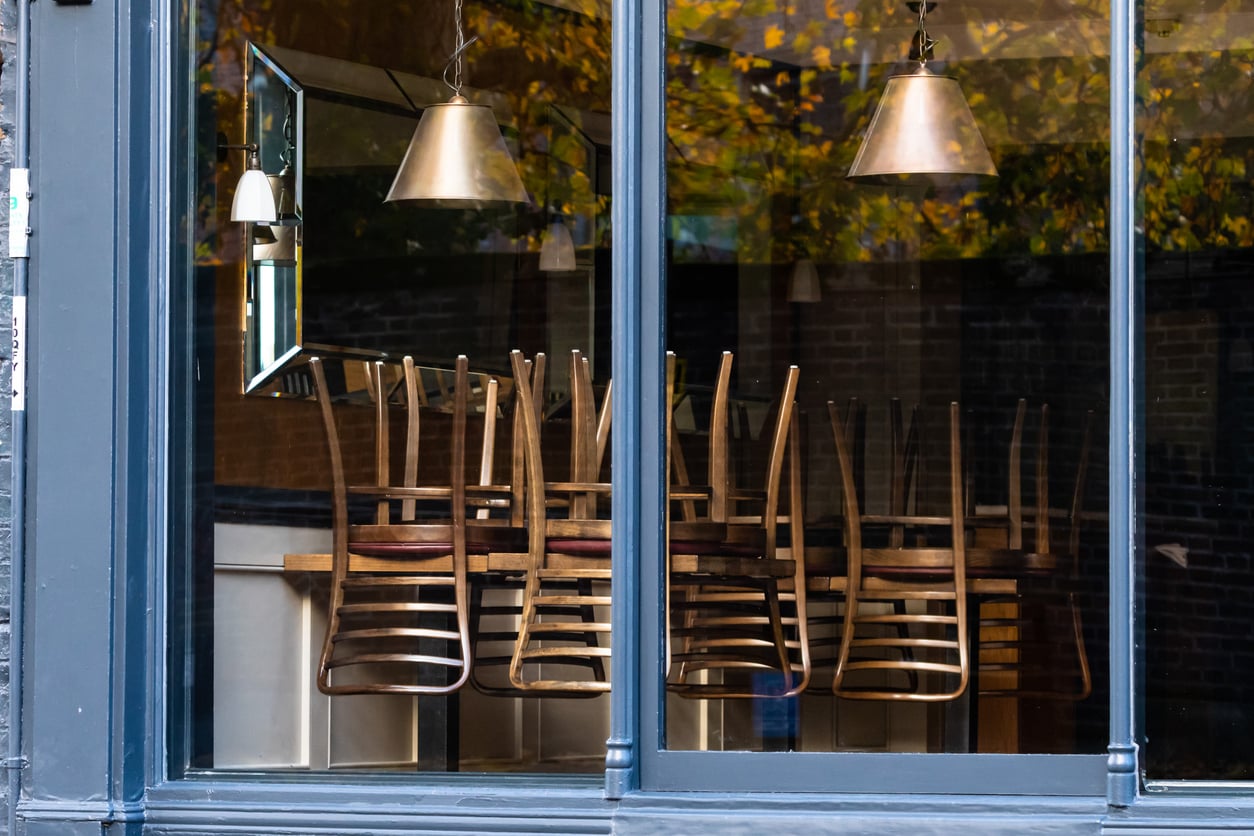
If you’re accustomed to dinner at 5 p.m., arriving hungry at a traditional Italian restaurant might lead to an unexpected surprise: the kitchen isn’t serving dinner yet. In Italy, many restaurants begin evening service around 7:30 p.m., while lunch commonly runs from about 12:30 to 2:30 p.m. Other countries have their own dining schedules, and some establishments close between services. Check restaurant hours before organizing your sightseeing day around a meal. Tourist areas may offer more flexible options, but don’t assume every kitchen stays open continuously.
Sign up for our newsletter
Taking a Late Ferry to an Island Attraction
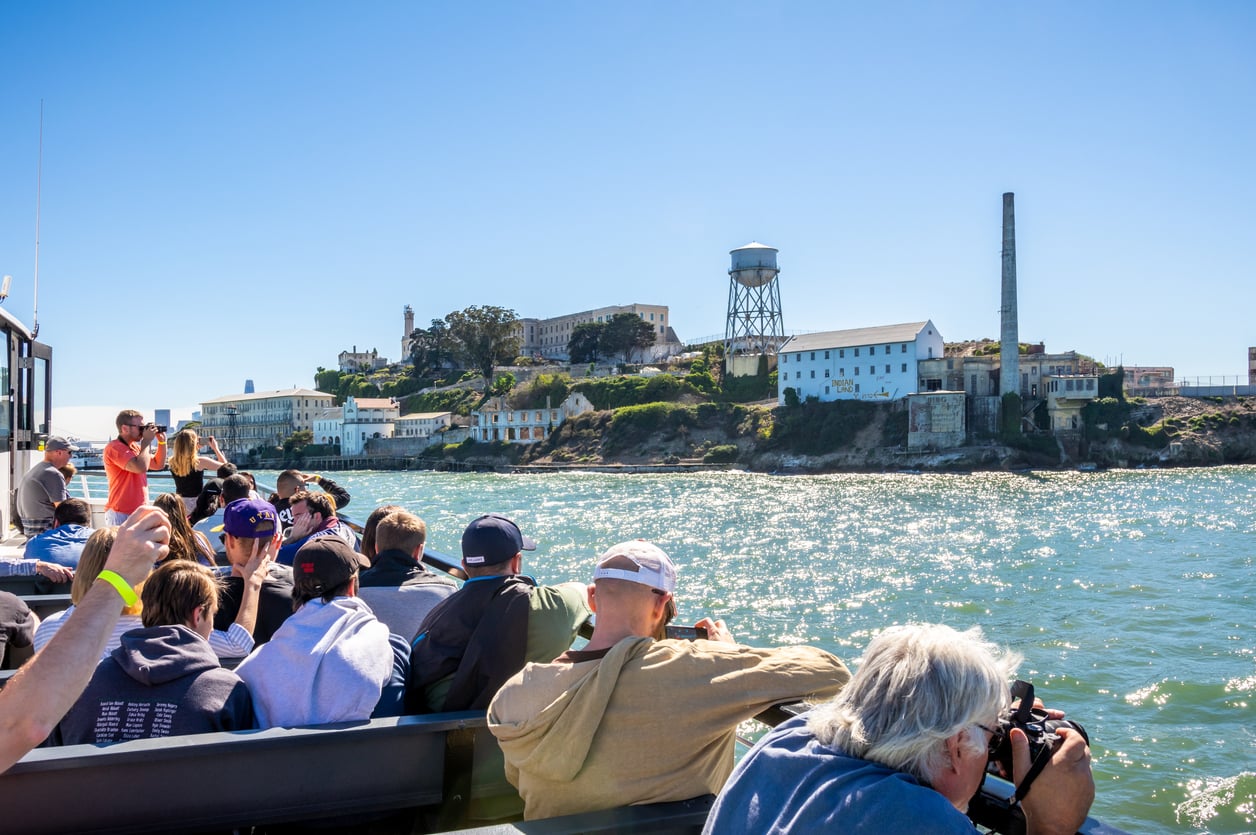
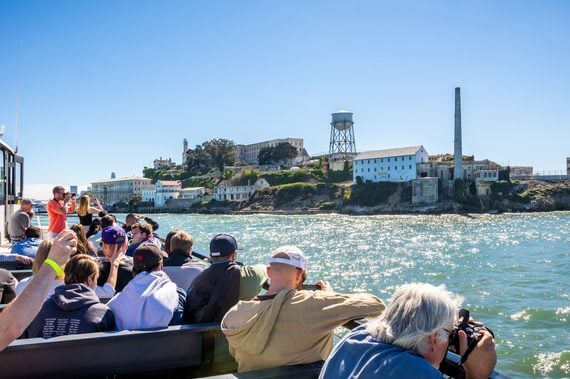
Booking an afternoon ferry might sound relaxing, but it can leave surprisingly little time to explore once you arrive. Alcatraz Island in San Francisco, for example, operates on seasonal schedules, with the island closing earlier outside summer. A late departure could mean rushing through exhibits or missing parts of the experience. Before booking any island excursion, check the crossing time, attraction hours, and return-ferry schedule. Some destinations also have limited departures or weather-related disruptions. The cheapest or most convenient sailing isn’t always the one that gives you the most sightseeing time.
Arriving at the Train Station Just Before Departure

Train travel can feel less complicated than flying, but showing up five minutes before departure is still asking for trouble. Large stations can have confusing layouts, lengthy walks to platforms, and boarding procedures that unfamiliar travelers don’t anticipate. Amtrak generally advises passengers to arrive at least 30 minutes early, with additional time needed for certain services or baggage arrangements. International rail operators may have different requirements. Give yourself a comfortable buffer, especially when traveling with luggage or changing trains. Missing a departure can quickly erase whatever you saved on tickets.
Starting a Long Road Trip After Dark
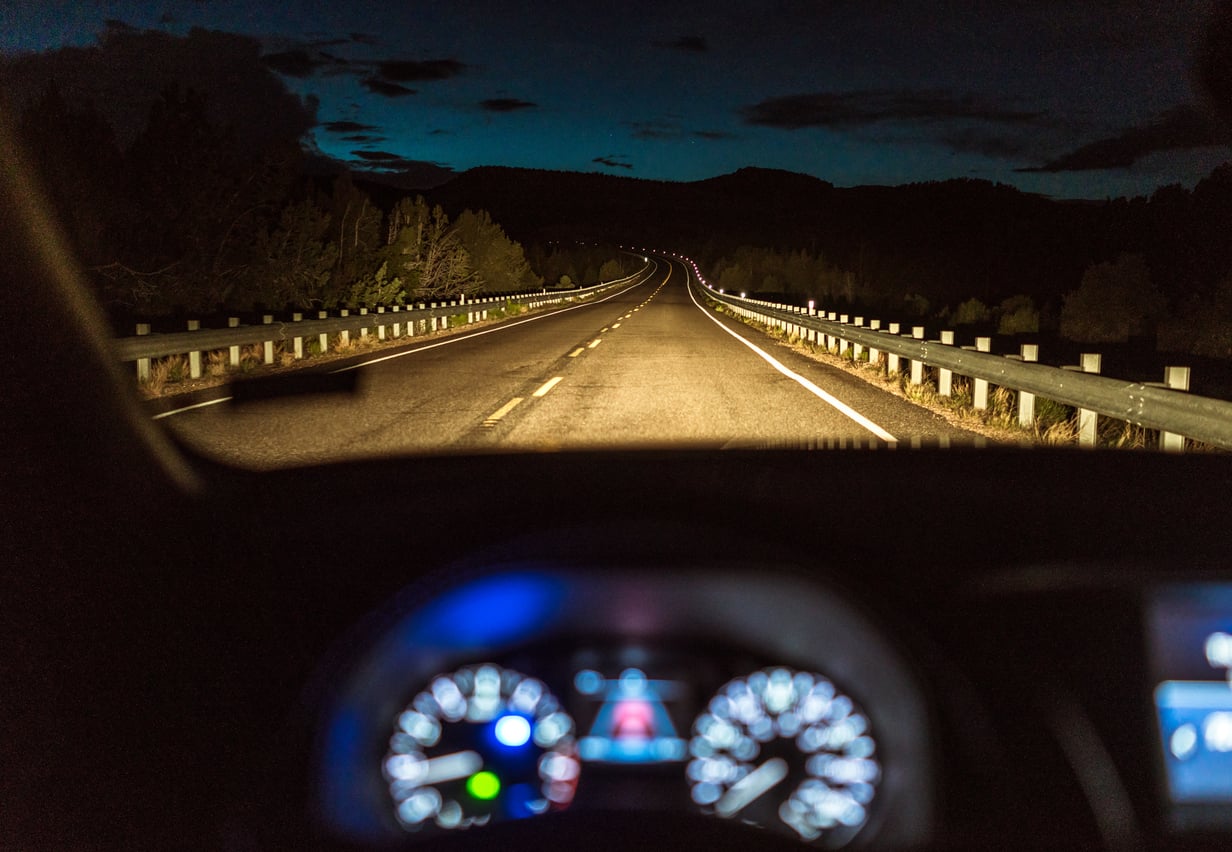
Picking up a rental car at 9 p.m. and driving straight into unfamiliar countryside might seem like a clever way to save a hotel night. In reality, poorly marked roads, limited lighting, fatigue, and unfamiliar driving customs can make the journey more stressful. Wildlife can also be difficult to spot on rural highways after sunset. Whenever possible, schedule unfamiliar scenic drives during daylight hours. If your flight arrives late, consider staying near the airport and setting off the following morning. An extra overnight stay may be worth the easier journey.
Waiting Until Dinnertime to Book a Popular Restaurant

Few things are more disappointing than spending a vacation afternoon dreaming about a special dinner, only to discover that every table is taken. Popular restaurants, holiday meals, and character dining experiences can require reservations well before your trip. At Walt Disney World, many dining reservations open 60 days in advance, giving organized visitors an advantage. You don’t need to schedule every meal, but it’s worth booking the ones that matter most. Leave some evenings free for spontaneous discoveries, especially when traveling somewhere with plenty of casual dining options.