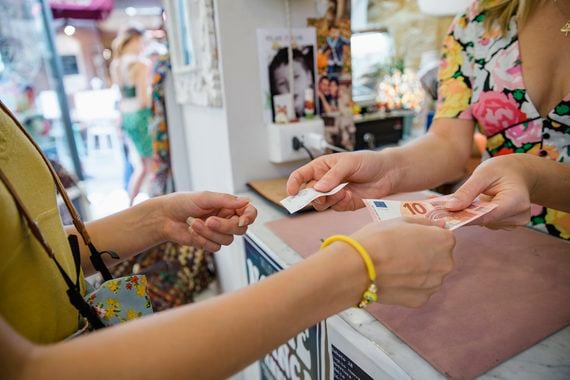
Booking everything before a trip might seem like a smart way to save money, but some vacation purchases are actually more affordable once you reach your destination. From souvenirs and local transportation to snacks and everyday essentials, shopping like a local can help you avoid unnecessary tourist markups. As Japan’s National Tourism Organization points out, discount stores and local shops can be great places to find inexpensive souvenirs and everyday items. Here are 12 purchases worth waiting to make until after you arrive.
Souvenirs From Local Discount Shops
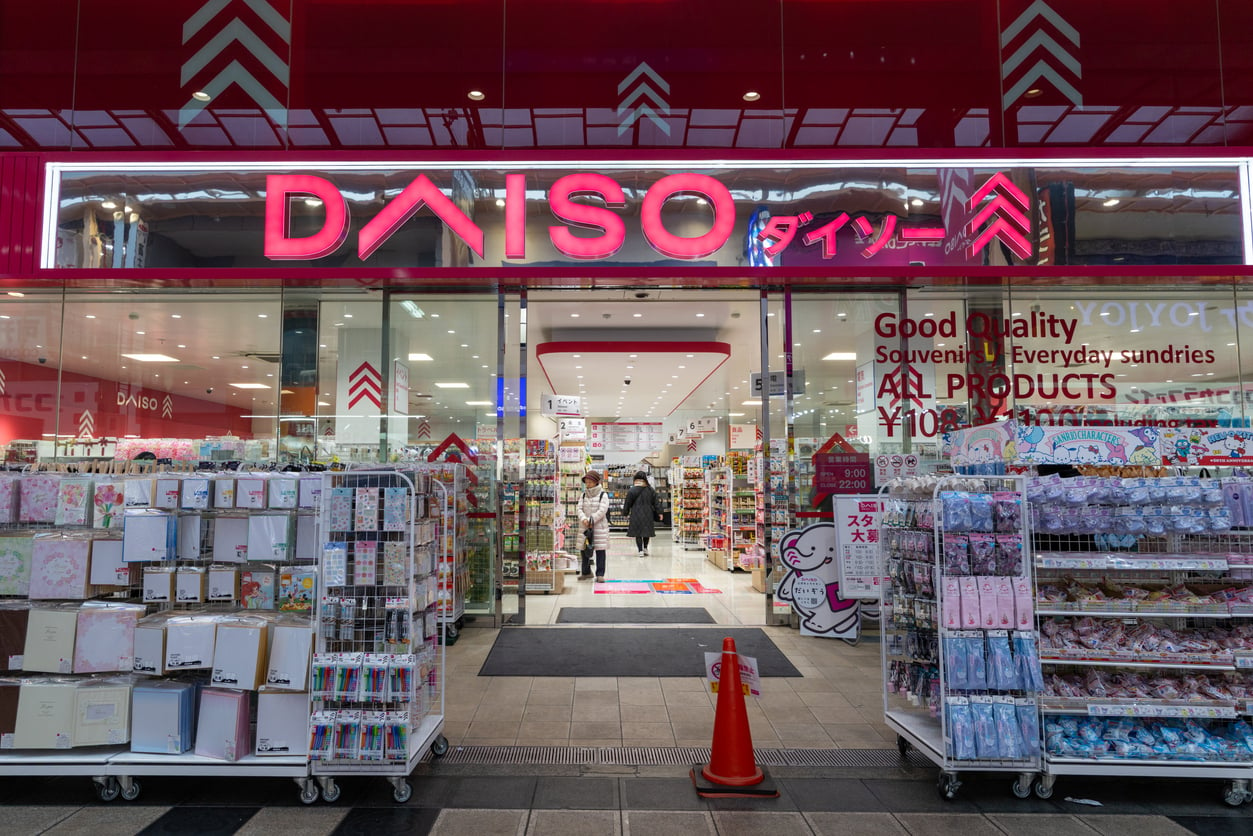
Buying souvenirs at airports or major attractions is convenient, but those shops aren’t always the most affordable places to find gifts. In Japan, for example, discount chains such as Daiso and Seria sell stationery, kitchen accessories, snacks, and small keepsakes at budget-friendly prices. Many items at traditional 100-yen shops cost around 100 yen before tax, although some are priced higher. Rather than buying everything at the first souvenir stand, explore ordinary neighborhood stores. You might find more interesting gifts for considerably less money.
Public Transportation Tickets and Local Fare Passes
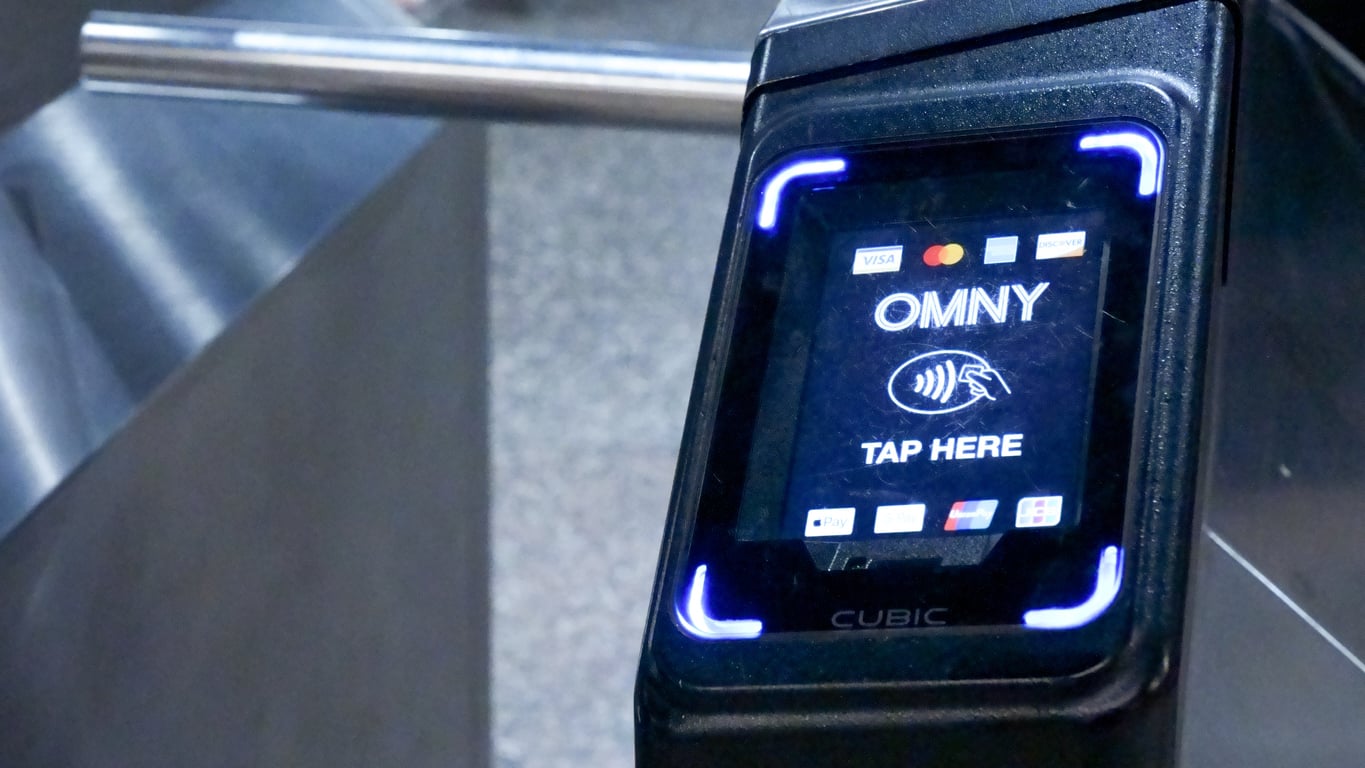
Prepaid tourist transportation packages can look convenient, but they aren’t necessarily the cheapest way to get around. In New York City, the subway and local bus system offers fare capping through OMNY, meaning eligible rides become free after reaching the weekly spending threshold when using the same payment method. London also offers contactless payment and daily fare caps. Travelers who aren’t sure how often they’ll use public transportation may benefit from paying as they go instead of purchasing an expensive sightseeing transport package before leaving home.
Snacks and Drinks From Supermarkets

Hotel minibars, airport convenience shops, and tourist kiosks can make something as simple as bottled water or a bag of chips surprisingly expensive. Once you arrive, a trip to an ordinary supermarket can help keep those everyday costs under control. Stock up on fruit, crackers, drinks, and breakfast foods, especially if your accommodation has a refrigerator. In cities such as London, supermarket meal deals and ready-made sandwiches can also provide inexpensive lunches. Just check whether your hotel permits outside food and whether you’ll actually finish everything before leaving.
Toiletries From Local Drugstores

Travel-size toiletries often cost more per ounce than regular products, particularly when purchased in convenient miniature packages. Instead of packing a suitcase full of tiny bottles, consider buying everyday essentials after reaching your destination. Japan’s drugstores, including Matsumoto Kiyoshi and Sundrug, offer everything from shampoo and toothpaste to cosmetics and skincare products. Prices vary, so compare a few stores before buying. However, travelers should bring prescription medications, preferred sunscreen, and specialized personal-care products from home rather than assuming suitable replacements will be available.
Sunscreen and Beach Supplies Away From Resorts

Beach resorts and hotel gift shops make it easy to pick up forgotten sunscreen, flip-flops, or a sun hat, but convenience can come with higher prices. Travelers staying near a town or shopping district may find more affordable options at supermarkets, pharmacies, and discount stores. The trick is to shop away from the beachfront rather than waiting until you’re standing beside the pool. Don’t postpone essential sun protection if you’ll be exposed to strong sunlight immediately after arrival, though. Saving a few dollars isn’t worth risking a painful sunburn.
Trending on Cheapism

Quick Lunches From Local Food Markets
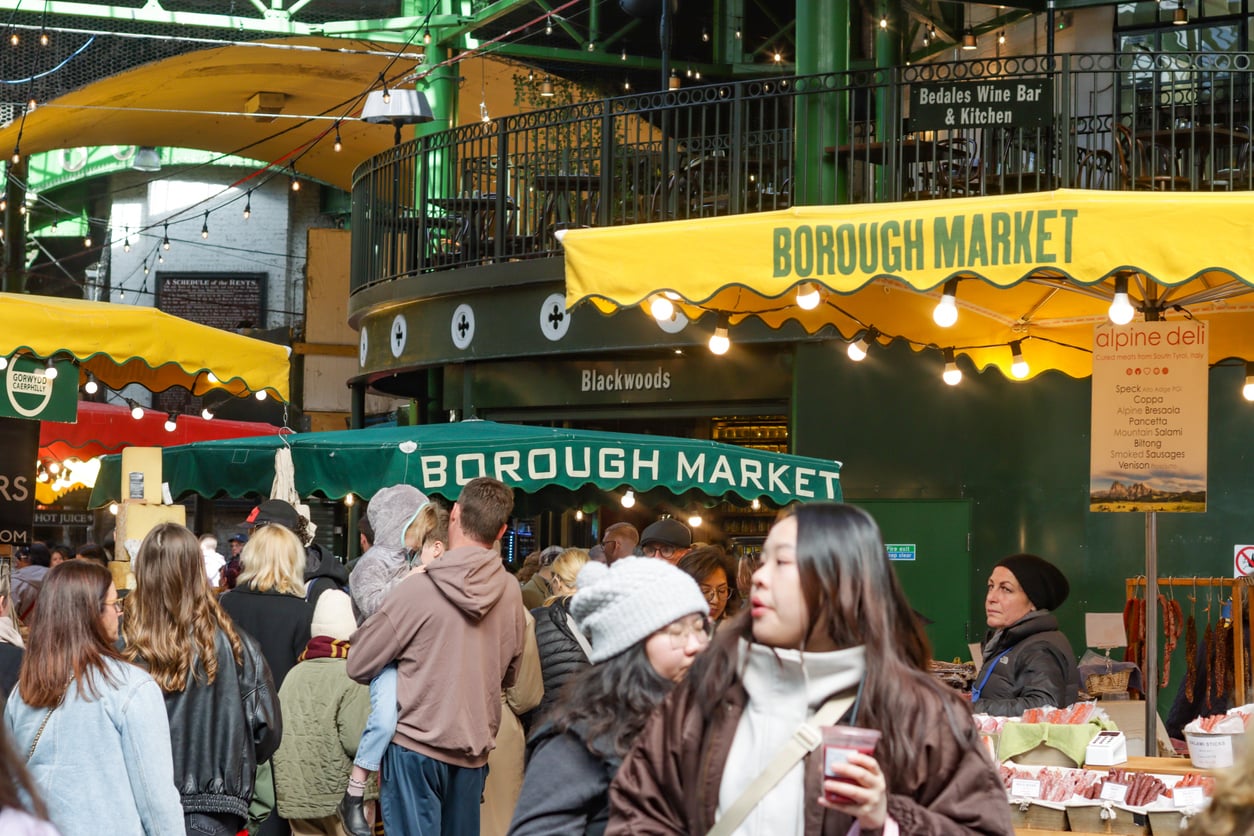
Prebooking every meal can take some spontaneity out of a vacation, and tourist dining packages aren’t always the most economical option. In London, markets such as Borough Market and Maltby Street Market offer everything from sandwiches and baked goods to international street food. Visitors can compare menus, portion sizes, and prices before choosing where to eat. Not every food market is inexpensive, particularly in heavily visited neighborhoods, but local lunch counters and takeaway shops can provide alternatives to costly sit-down meals. Check menus before ordering.
Beach Chairs and Umbrella Rentals

Some resorts sell expensive beach packages that include reserved loungers, umbrellas, and other extras travelers may barely use. At destinations with independent beach operators, renting equipment after arrival can sometimes be cheaper than purchasing an all-day package in advance. It also gives visitors a chance to inspect the beach and decide whether they want to stay. However, prices vary widely, and popular beaches can run out of equipment during peak season. Ask about the total price, rental duration, and any minimum food or drink purchase before agreeing.
Local Candy and Packaged Snacks to Bring Home

Imported sweets can be surprisingly expensive when purchased through specialty retailers back home. Travelers visiting Japan, for example, can find regional KitKat flavors, rice crackers, candies, and other packaged treats at supermarkets, convenience stores, and discount shops. Buying these products locally also makes it easier to compare varieties and prices instead of ordering expensive imported gift boxes. Check expiration dates and leave room in your luggage. Some foods are restricted by customs regulations, so make sure anything you purchase can legally be brought home.
Sign up for our newsletter
Discount Clothing and Vacation Accessories
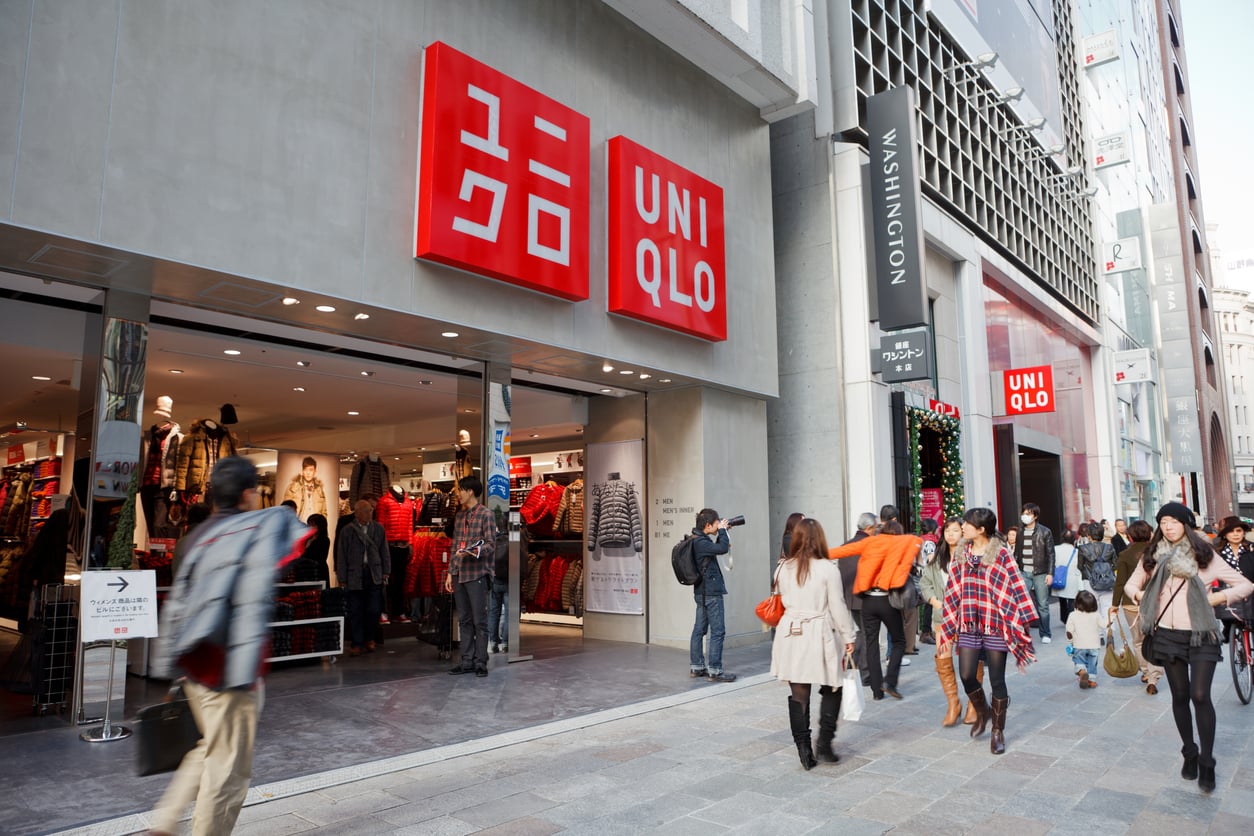
Packing for every possible situation can lead to unnecessary purchases before a trip. In destinations with affordable retail stores, buying an extra T-shirt, umbrella, or lightweight jacket after arrival may cost less than shopping at home. Japan’s Uniqlo and various discount chains offer practical clothing and accessories, while local markets in other destinations may have inexpensive basics. Still, travelers shouldn’t count on finding their preferred size or fit everywhere. Bring comfortable walking shoes and weather-appropriate essentials, then shop locally for items you can afford to wait for.
Museum Admission Instead of Sightseeing Bundles

Sightseeing passes promise convenience and savings, but some include attractions that are already free. Washington, D.C., is a particularly good example, since most Smithsonian museums offer complimentary admission, although certain locations require free timed-entry passes. Travelers who purchase a sightseeing package without checking individual admission policies may end up paying for benefits they don’t need. Research the attractions you want to see before departure, then arrange free admission or purchase individual tickets as appropriate. Popular museums may require reservations, so don’t assume you can always walk straight in.
Local Walking Tours and Ranger Programs

Expensive sightseeing packages aren’t the only way to learn about a destination. Many cities offer affordable walking tours, while national parks frequently organize free educational programs. Rocky Mountain National Park, for example, provides ranger-led walks, talks, and other activities that visitors can learn about at park visitor centers. Checking the local schedule after arrival can uncover worthwhile experiences that aren’t included in commercial tour packages. However, specialized tours may require advance reservations, and free ranger programs don’t necessarily cover park entrance fees. Popular activities should still be booked ahead.
Local SIM Cards and Mobile Data Plans
International roaming packages can be convenient, but travelers with unlocked phones may find less expensive mobile data options after arriving. In Japan, for example, prepaid SIM cards are available through airport retailers and other local outlets, giving visitors alternatives to their home carrier’s roaming charges. Local plans can be especially useful for longer stays or travelers who need substantial data. However, purchasing after arrival isn’t automatically cheaper than buying an international eSIM beforehand. Compare data allowances, coverage, activation requirements, and total costs before deciding which option makes the most sense.