The best thing you can do in life is to find a faster way to evolve. That is why many Americans are transforming their homes, not so much to make them more elegant, but to make daily life easier. We have gathered information from CDC, Houzz, Energy Star, among others, to explore practical home improvements such as better organization, optimized lighting, and safer seating, all with the goal of making your life simpler!
Replacing Hard-to-Reach Kitchen Cabinets with Pull-Out Storage
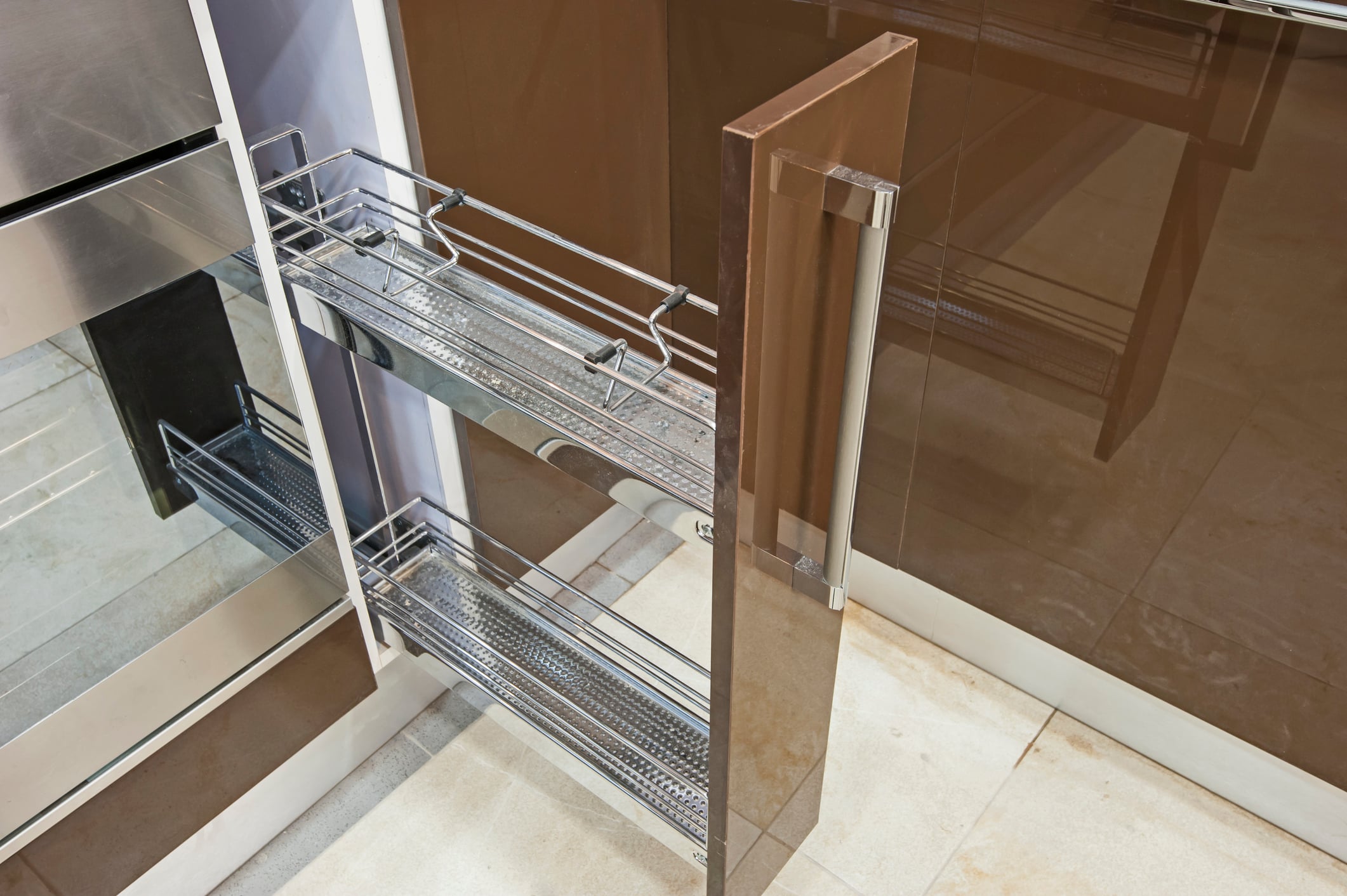
One way to make life in the kitchen easier is to install pull-out storage. One of these home improvements allows you to reach pots, pans, and cleaning supplies that might otherwise be tucked away behind other items in your lower cabinets, the kind that can be so frustrating to open. These pull-out shelves and drawers bring everything out toward you. In such cases, Houzz recommends remodeling your kitchen and incorporating smart, specialized storage solutions.
Switching From Traditional Bathtubs to Walk-In Showers
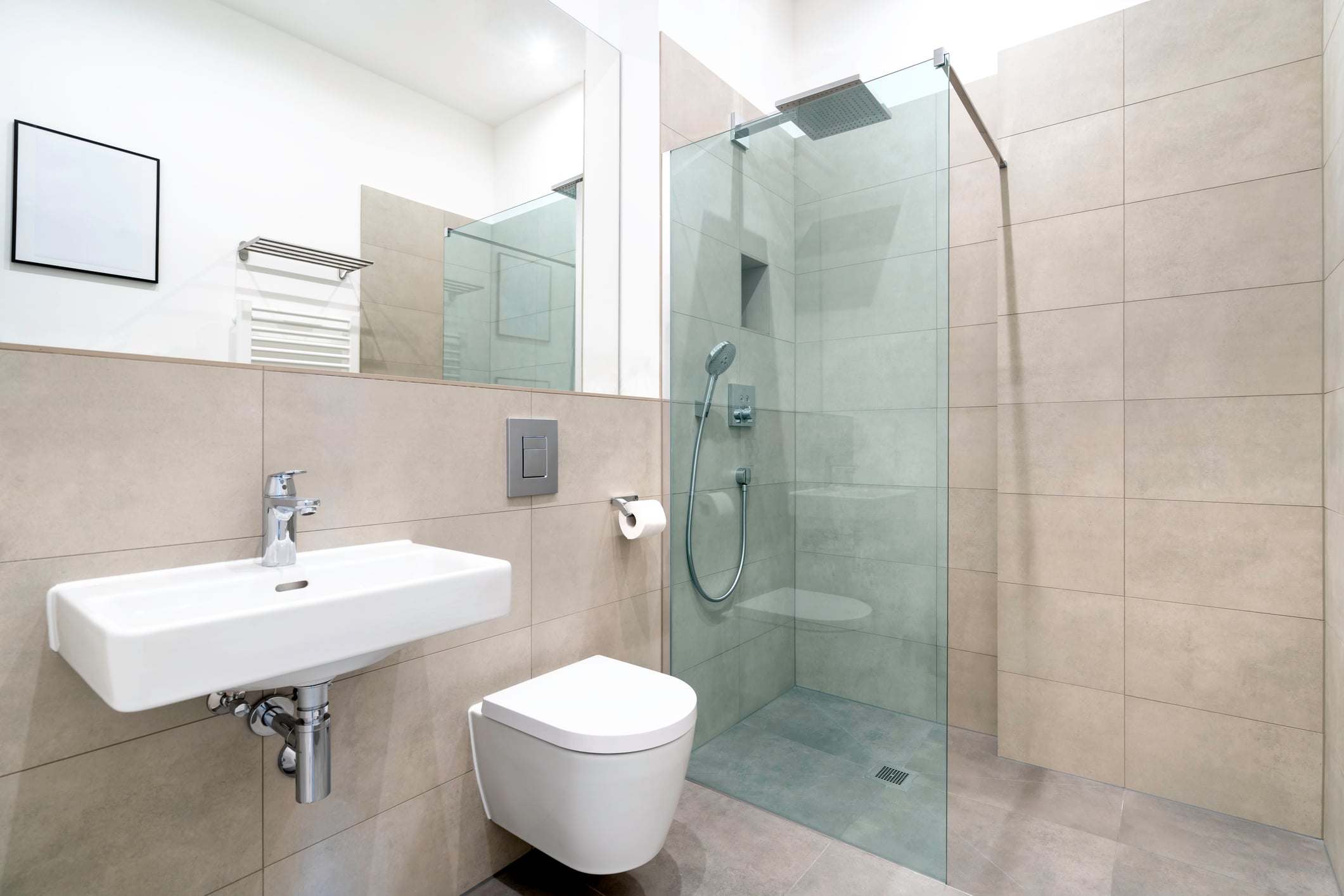
Older adults may face difficulties when trying to get into bathtubs, as their mobility can be somewhat limited. Low-threshold or curbless showers are easier to enter, making a walk-in shower a better option. This type of home improvements can also support aging in place. A Houzz study found that 52% of respondents planned to improve shower access, with 28% opting for curbless designs.
Getting Rid of Rugs That Constantly Slip or Need Straightening
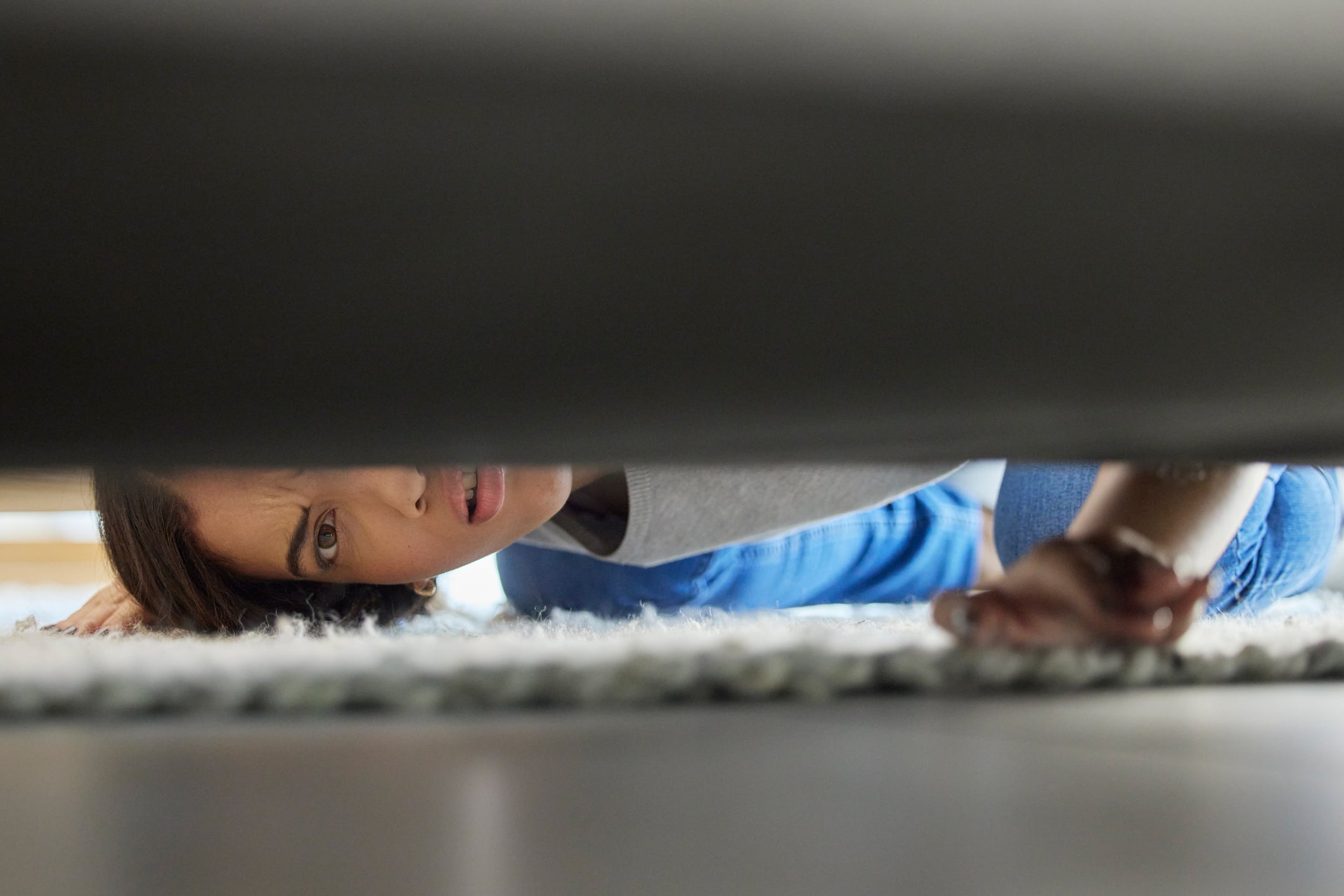
Small rugs serve a decorative function, but they can become an everyday nuisance when they slide across floors or end up underneath furniture. This can pose a health risk to older adults, as they may slip and fall. The CDC specifically recommends either removing such loose throw rugs or securing them properly to prevent falls. As one of the simple home improvements, removing unnecessary rugs can also make tasks like mopping or vacuuming the floor easier.
Installing Better Lighting Where People Actually Need It
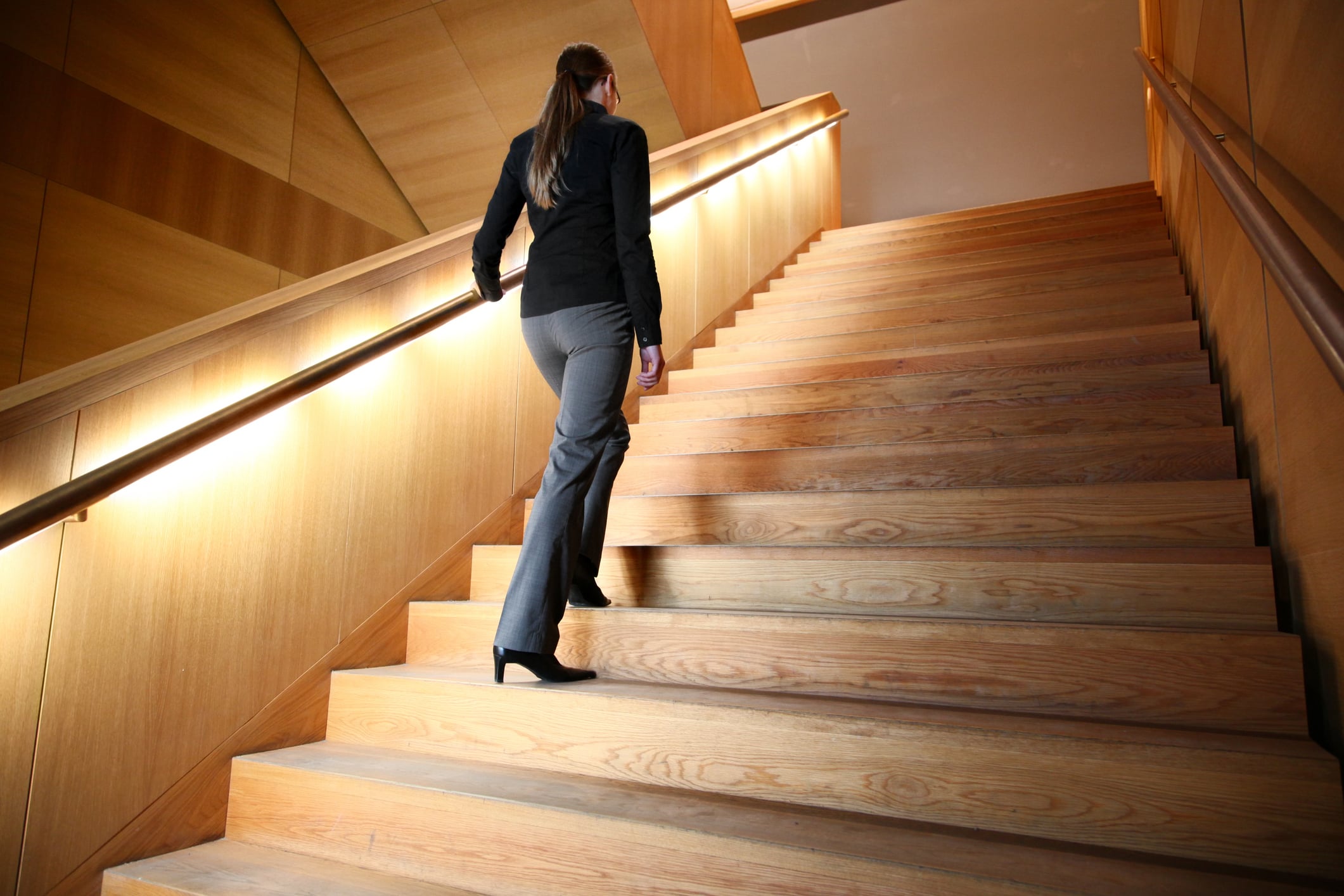
Installing lighting in your home shouldn’t just be about making it look more beautiful. It should also ensure that areas that need to be lit, such as hallways, countertops, and staircases, are properly illuminated, as these spots could otherwise hinder you as you move about your home. Under-cabinet lighting is another of the home improvements that may require some electrical updates, but it will make your daily routine easier. The CDC specifically mentions improving household lighting as a way to prevent falls.
Adding Grab Bars Before Anyone Actually Needs Them
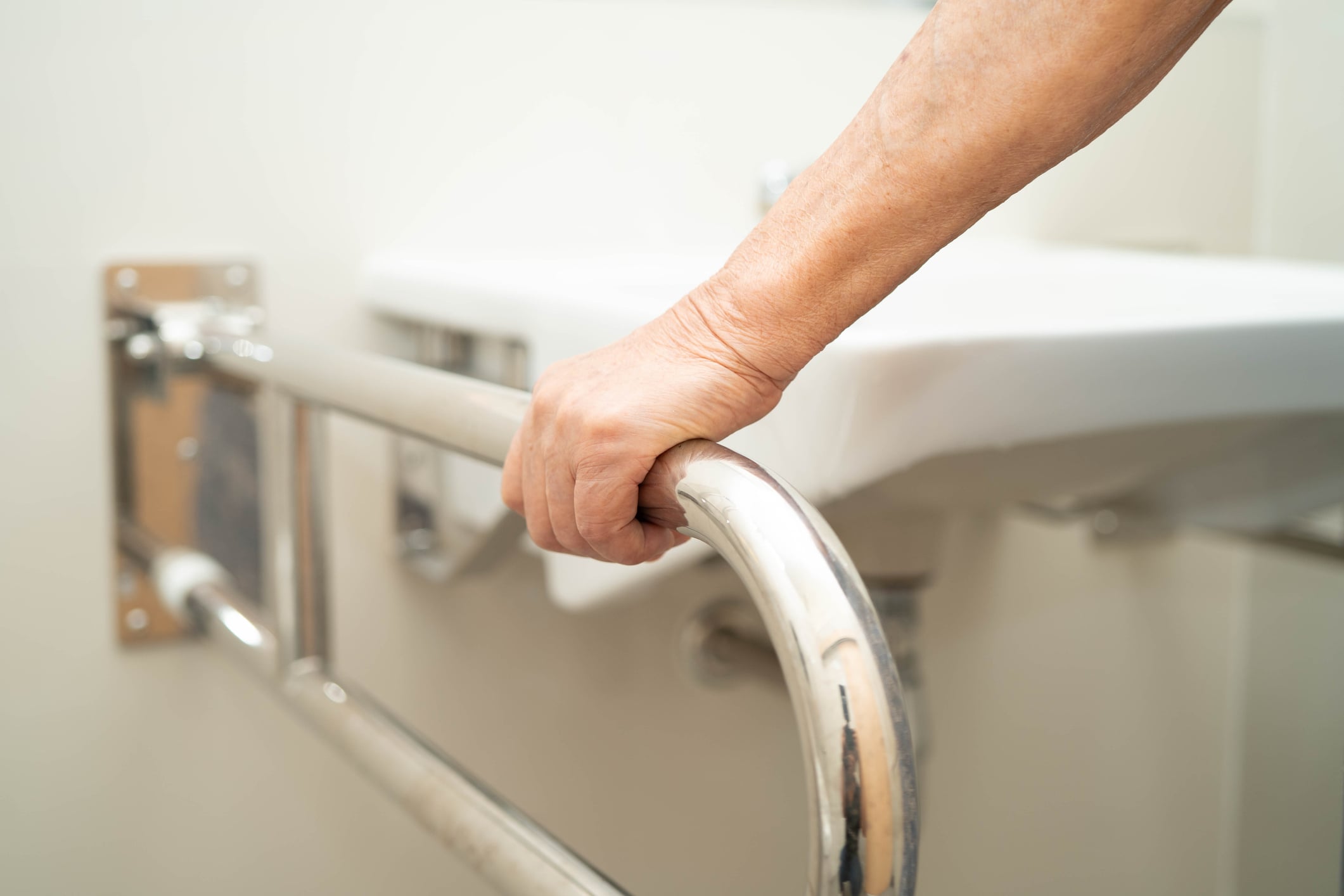
Many Americans have grab bars installed in their bathrooms during renovations, providing a safety feature for when a person’s mobility begins to decline. This is one of the home improvements that can support aging in place. A study by Houzz revealed that 61% of respondents incorporated features tailored to their aging needs, with grab bars being among the most common additions.
Trending on Cheapism

Creating a Dedicated Drop Zone Near the Front Door
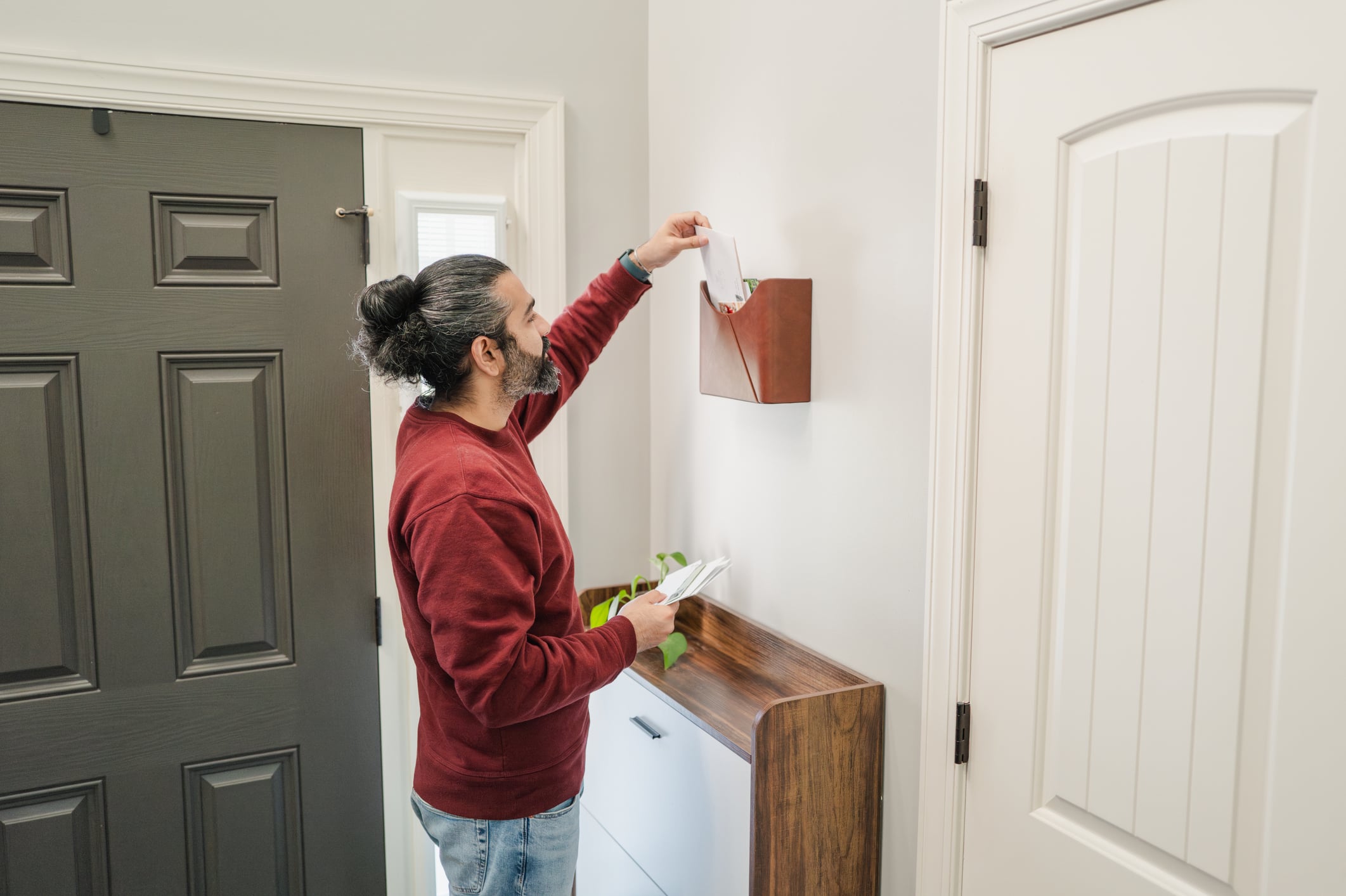
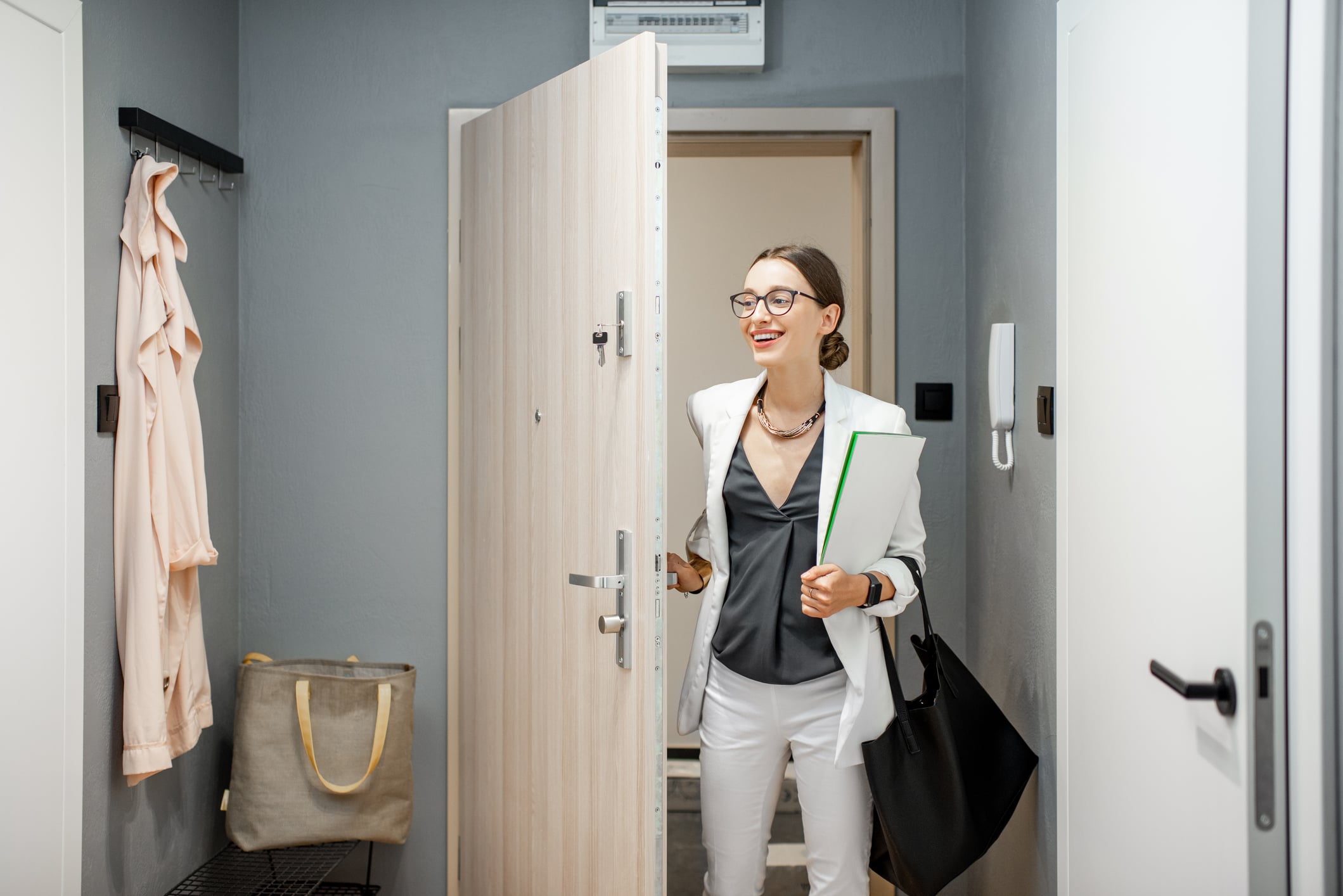
A small organizer near the entryway could simplify someone’s life. You can install wall hooks, a shoe rack, or a narrow bench to give your everyday belongings a specific place in your home, reducing the time spent searching for them, whether it’s shoes, purses, keys, or shopping bags, that might otherwise end up scattered around the house. These simple home improvements can help keep your entryway organized and will save you time.
Choosing Floors That Require Less Cleaning and Upkeep
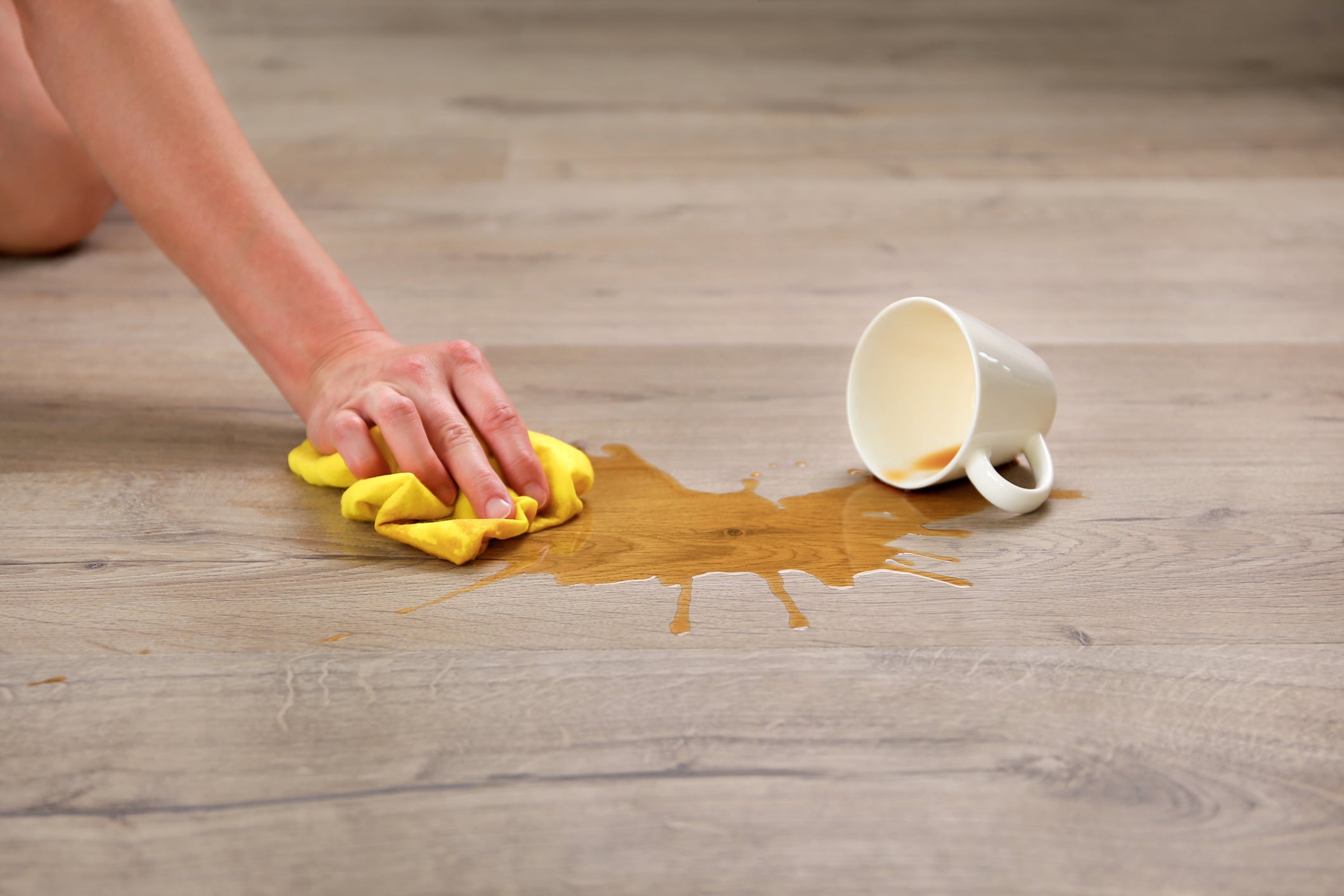
Homeowners should opt for practical flooring capable of withstanding spills and constant foot traffic, rather than delicate materials that require specialized cleaners or regular maintenance treatments. In areas like bathrooms, where cleanliness is especially important, non-slip flooring is a strong option. This type of home improvements can also make everyday movement safer. In fact, according to Houzz, 55% of older homeowners surveyed prioritize non-slip flooring when making modifications to support aging in place.
Installing Smart Thermostat So Nobody Has to Constantly Adjust the Temperature
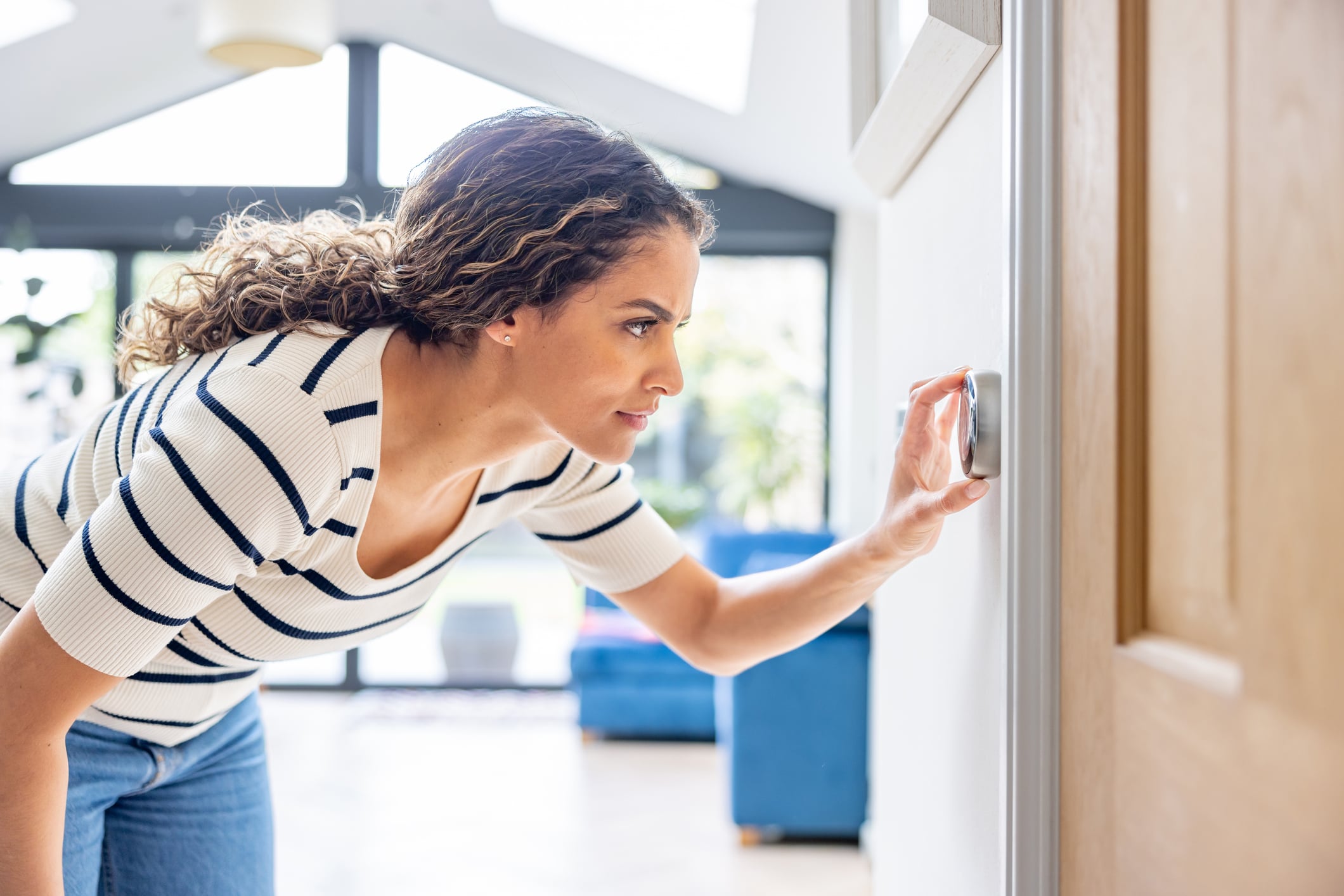
Smart thermostats can automatically adjust the heating and cooling in a home based on schedules, so people do not need to keep track of the indoor temperature or go over to the thermostat to change it. Some smart thermostats use local weather data and occupancy patterns to optimize heating and cooling. These home improvements can make temperature management more convenient and help reduce energy costs.
Sign up for our newsletter
Moving Everyday Items Out to Hard-to-Reach Storage Spaces
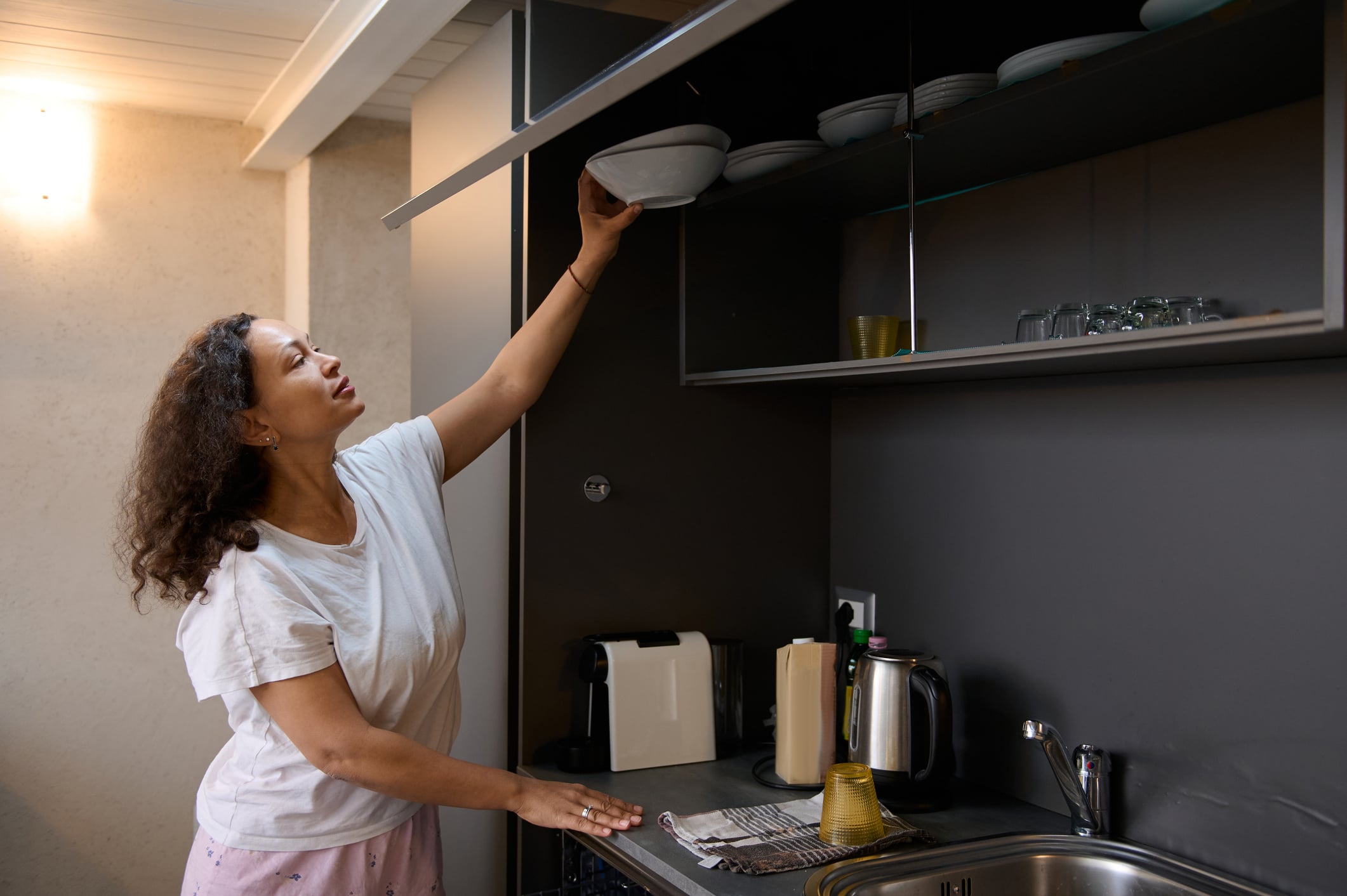
In some homes, there are cabinets and closets that require you to use a step stool or bend down deeply to access items you use several times a week. Reorganizing your storage is a simple home improvement that can make everyday tasks easier. Place dishes, cookware, cleaning supplies, and clothing in appropriate locations and at convenient heights, you could simplify your life. For accessibility, store frequently used items at easy-to-reach heights, and infrequently used items on higher shelves.
Sealing Drafty Doors and Windows Instead of Replacing Everything

When an air conditioning system is functioning properly, rooms with drafts can still feel uncomfortable. Some homeowners address this by using weatherstripping or caulk, or by improving the room’s air sealing. The Department of Energy recommends air sealing and insulation as improvements that help reduce energy waste and keep a home’s temperature more comfortable. These home improvements can also help lower heating and cooling costs.
Adding Leak Detectors Where Water Damage Could Become Expensive
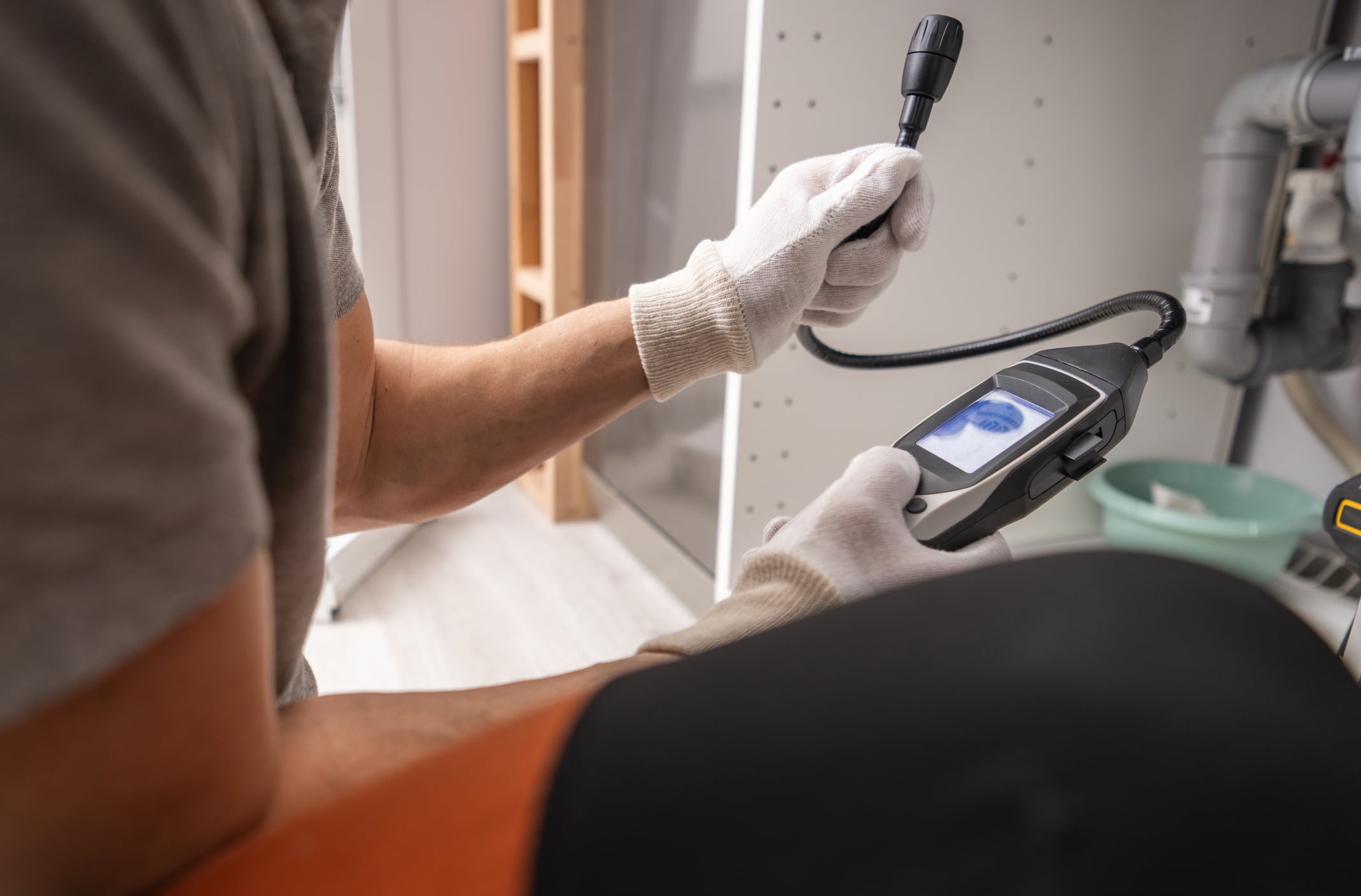
A small leak under a sink, behind a washing machine, or near a water heater can go unnoticed until it damages the floor, cabinets, or walls. The EPA explains that moisture sensors and smart water-leak devices can monitor water flow, identifying typical usage patterns, and alert homeowners if water consumption exceeds normal levels. This helps prevent future problems and costly repairs.
Replacing Fancy Bathroom Fixtures with Ones That Are Easier to Use
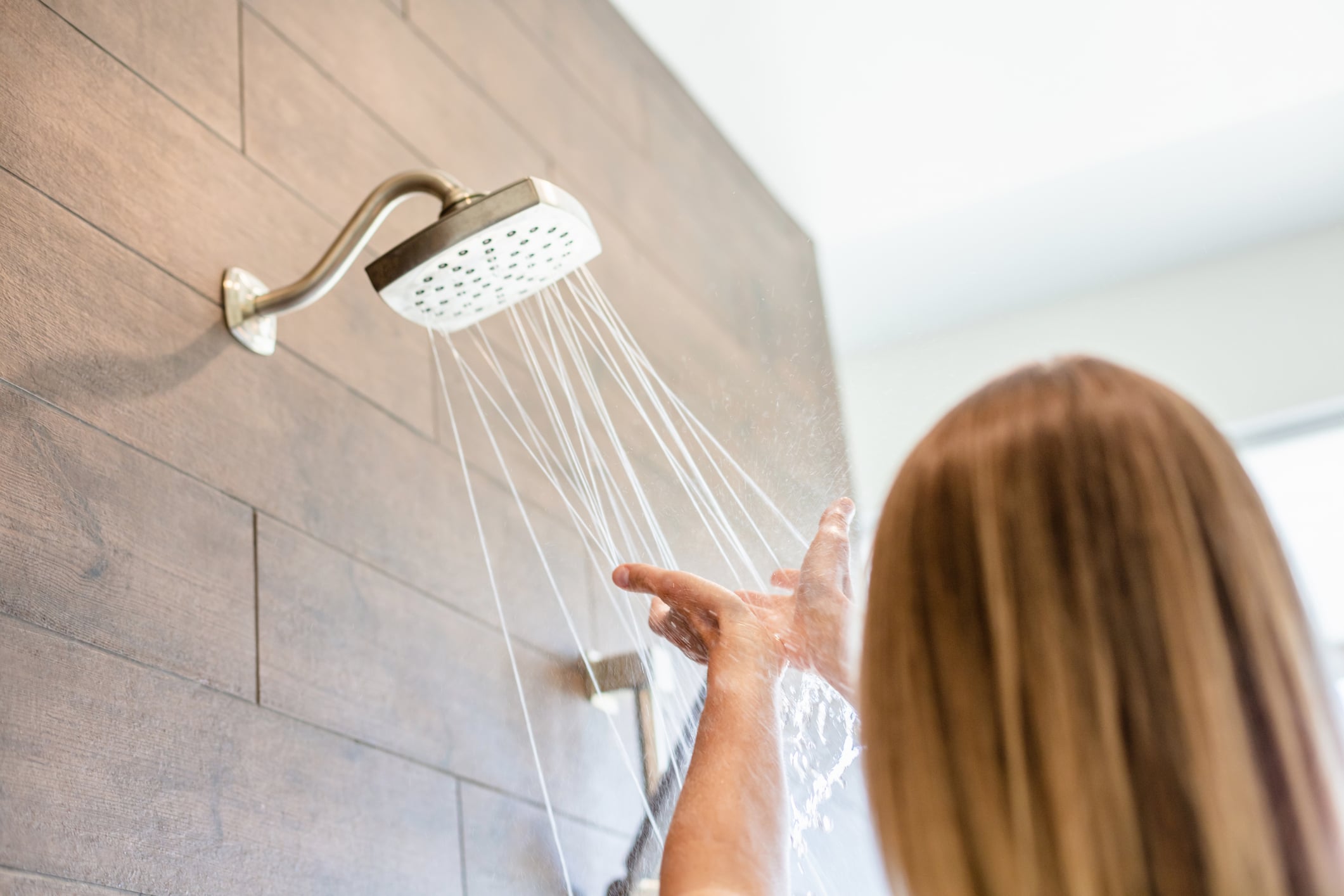
Prioritizing everyday comfort through the use of handheld shower heads and practical controls can truly simplify your life. At the same time, water-efficient shower heads will reduce water-related operating costs, leading to financial savings. These home improvements may deliver long-term savings: the EPA estimates that replacing a conventional shower head with a WaterSense-labeled model can save an average family approximately 2,700 gallons of water per year.
Conclusion
Many of these home improvements may not dramatically change the look of your house, but they do simplify your daily routine, helping to eliminate the frustrations that can arise in your life. From better organization and safer bathrooms to improved lighting to lower home maintenance, the best approach is to begin renovations by focusing on everyday tasks that currently cause inconvenience.