If you grew up in the 1950s, ’60s, or ’70s, chances are someone in your family had a kitchen drawer overflowing with rubber bands, a cabinet full of empty glass jars, and a collection of wrapping paper that was apparently too valuable to throw away. These were just a few of the everyday things boomers saved rather than tossed in the garbage once they’d finished using them. After all, there was usually a good chance something could come in handy again, even if nobody knew exactly when.
For many baby boomers, these habits came straight from parents who had lived through the Great Depression or World War II, when making things last wasn’t just a preference but a necessity. And while today’s disposable packaging and inexpensive replacements have made it easier to throw things away without a second thought, some of those old-fashioned money-saving tricks are still surprisingly useful.
From Cool Whip containers that never actually held Cool Whip to coffee cans filled with mysterious hardware, here are 12 things boomers were taught to save that younger generations might not think twice about throwing away.
Empty Margarine and Cool Whip Containers
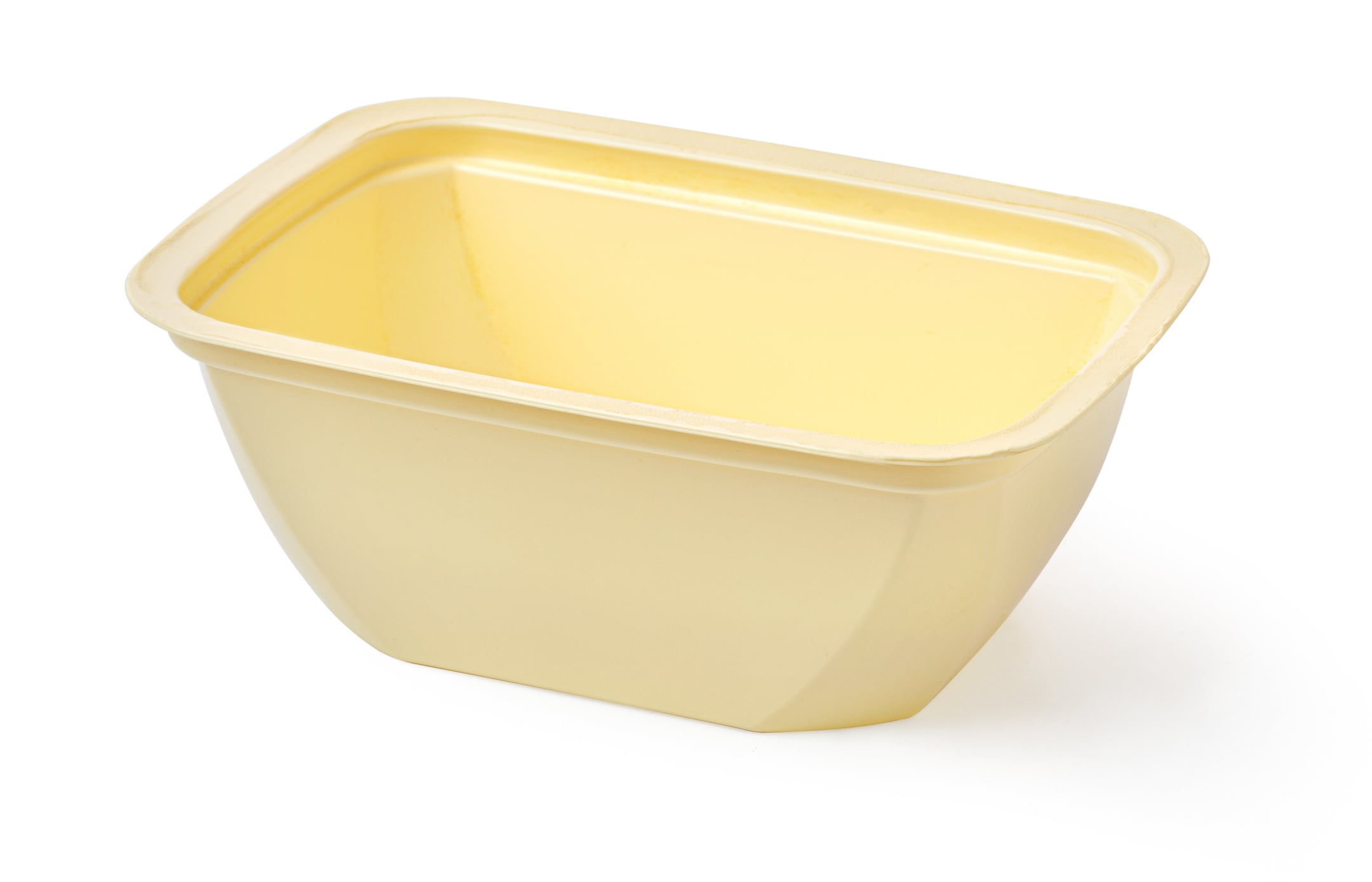
If you ever opened a Cool Whip container in Grandma’s refrigerator expecting dessert and found leftover spaghetti instead, you already know how seriously older generations took reusing plastic tubs. Empty margarine containers, whipped-topping tubs, and other food packaging were washed and saved for everything from leftovers to buttons, screws, and random household odds and ends. Some kitchens had entire cabinets overflowing with mismatched containers, although finding the right lid was practically a competitive sport. The habit certainly saved money on storage supplies, and reusing suitable containers for nonfood purposes still makes sense today. Just avoid microwaving disposable packaging or repeatedly storing food in containers that weren’t designed for that purpose.
Glass Jars From Pickles, Jam, and Pasta Sauce

Throwing away a perfectly good glass jar after finishing the pickles? That would have seemed downright wasteful in plenty of boomer households. Empty jars were washed, dried, and repurposed to hold everything from loose change and buttons to nails, screws, and washers. Dad’s garage might have featured entire rows of old pickle jars filled with mysterious hardware, sometimes with the lids screwed underneath a wooden shelf for easy access. And while modern storage organizers might look nicer, a sturdy glass jar still gets the job done without costing a dime. Just don’t assume commercial food jars are suitable for home canning, since they may not withstand the process or seal properly.
Rubber Bands From Newspapers and Produce
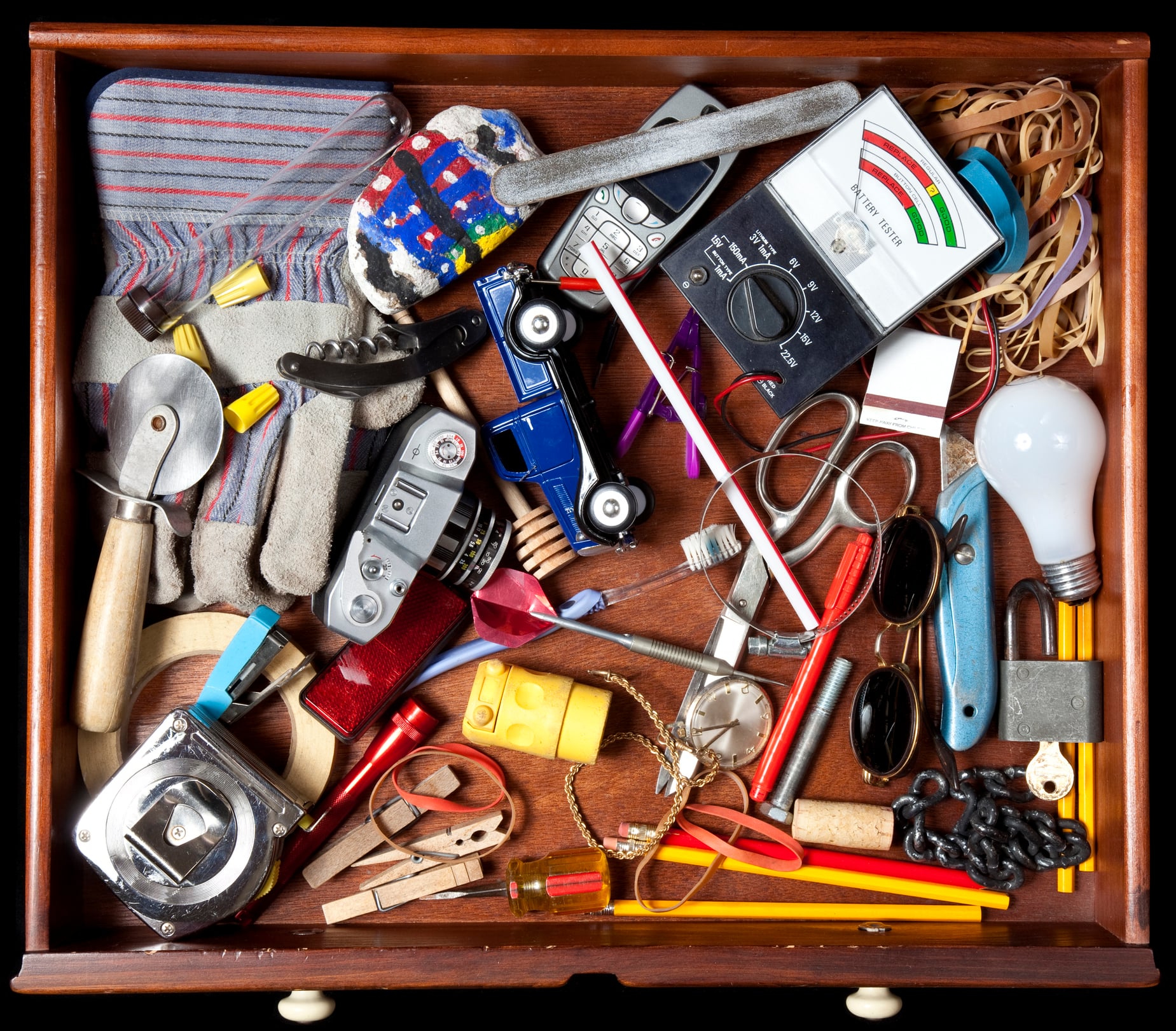
There was a time when rubber bands were practically considered household currency. The ones wrapped around newspapers, broccoli, asparagus, or other purchases rarely went straight into the trash. Instead, they were carefully collected in a kitchen drawer, looped around a cabinet handle, or added to an ever-growing rubber-band ball. Eventually, someone would need one to bundle pencils, secure a stack of letters, or keep rolled-up papers together, proving that the collection had a purpose after all. Of course, some rubber bands sat around so long that they became brittle and snapped the moment anyone tried to use them. Keeping a handful of usable ones still makes sense, even if there’s no need to save every single rubber band that enters the house.
Wrapping Paper That Wasn’t Torn
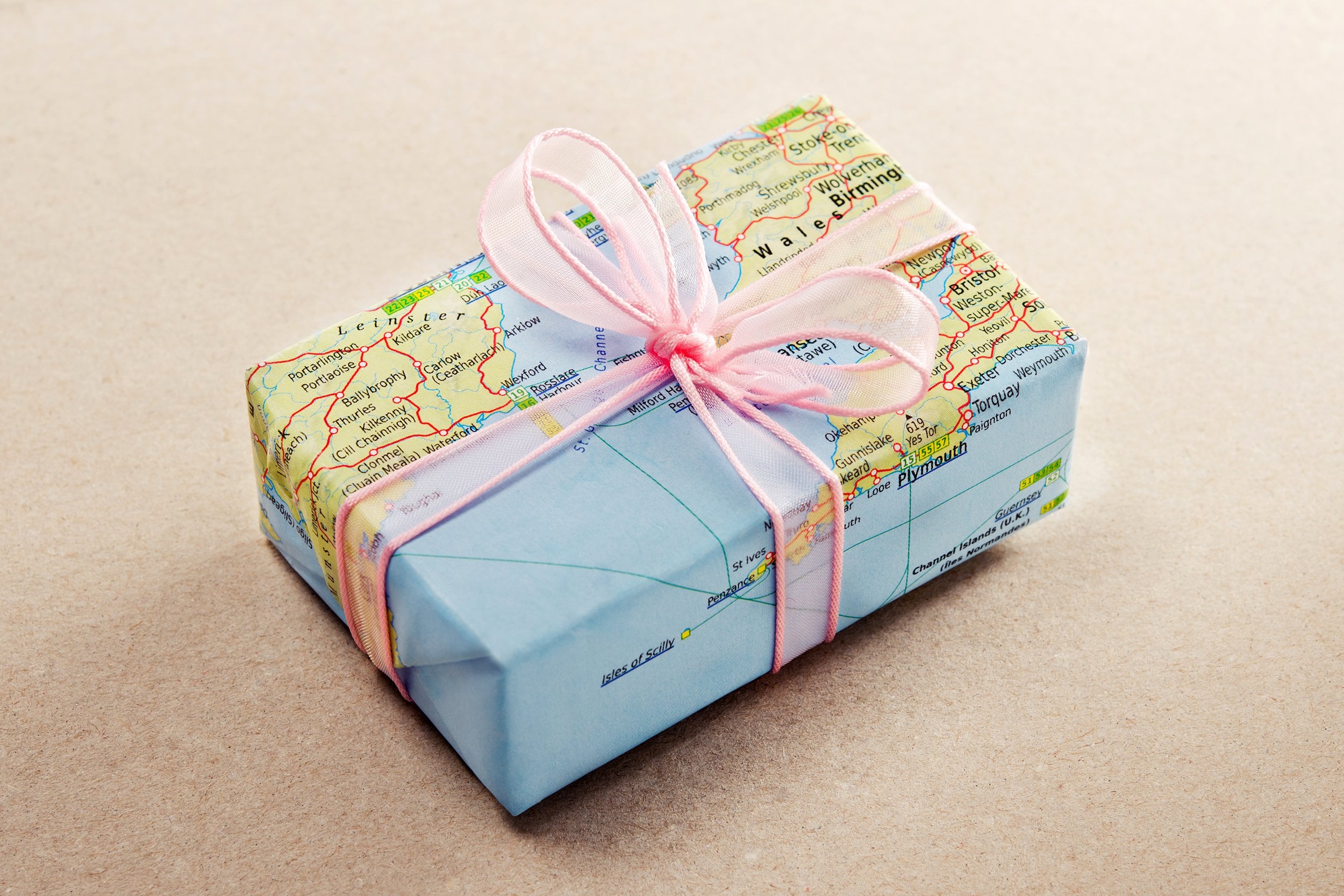
In some households, opening Christmas or birthday presents came with a very specific instruction: Don’t rip the wrapping paper. Instead of tearing through gifts with reckless enthusiasm, kids were expected to carefully peel away the tape so the paper could be folded and saved for another occasion. Ribbons, bows, tissue paper, and gift boxes were treated with similar respect, sometimes making appearances at family celebrations for years. You might even recognize the same slightly wrinkled piece of wrapping paper from last Christmas. As old-fashioned as the practice sounds, it still makes financial and environmental sense, particularly because certain shiny or laminated varieties of wrapping paper aren’t recyclable.
Bread Bags and Plastic Grocery Bags
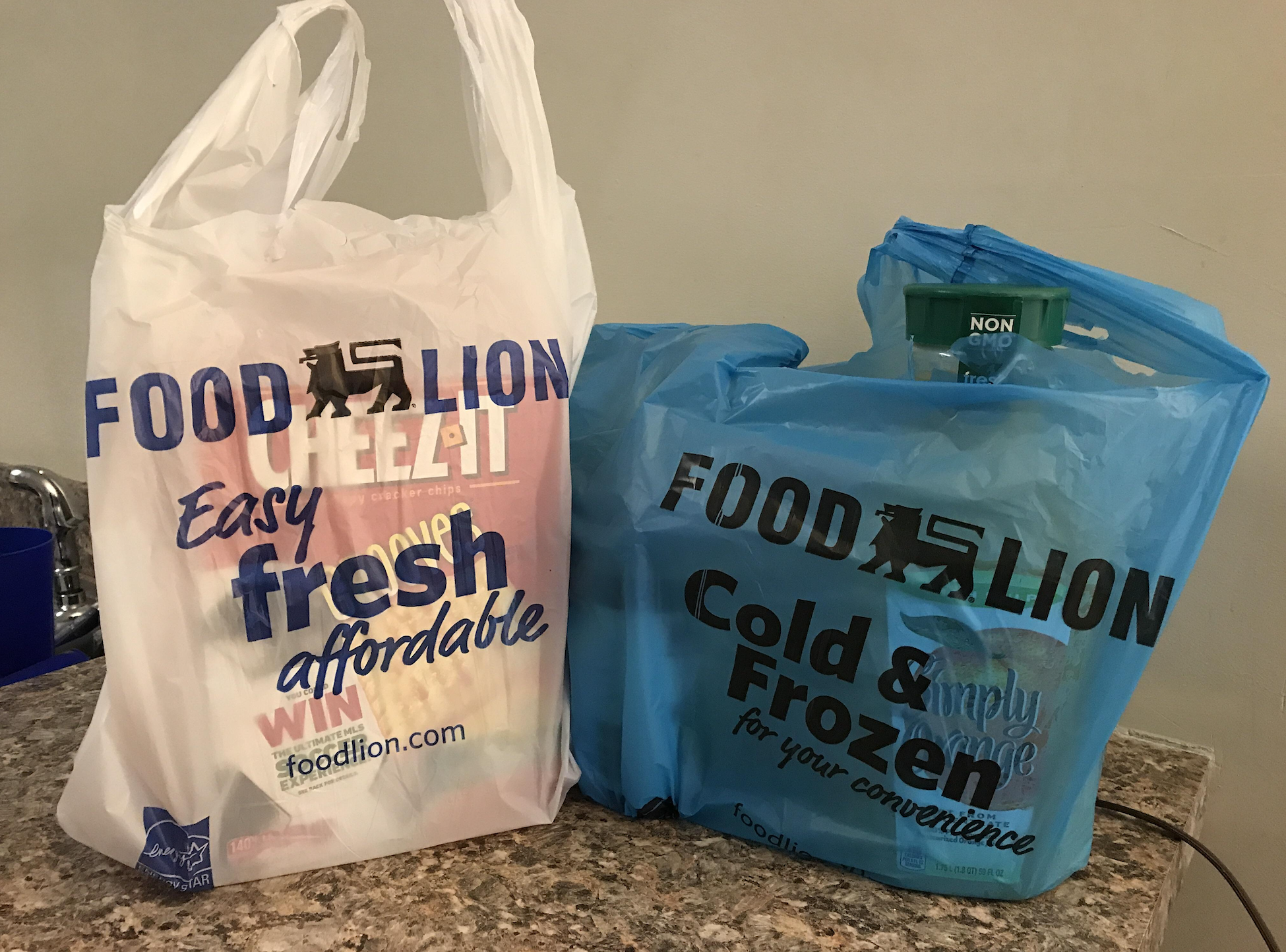
Long before reusable shopping bags became a popular environmental choice, plenty of families were already finding ways to get multiple uses out of ordinary plastic bags. Empty bread bags could hold small items, while grocery bags became wastebasket liners, packing materials, or makeshift covers for things stored in the garage. And who could forget the enormous plastic bag stuffed with dozens of smaller plastic bags, usually hanging from a pantry door or tucked beneath the kitchen sink? It seemed like the collection never got any smaller, no matter how many bags the family used. Reusing clean bags can still help reduce waste and avoid purchasing additional supplies, although dirty or damaged bags shouldn’t be reused for food storage.
Trending on Cheapism


Buttons Cut From Shirts That Were Beyond Repair
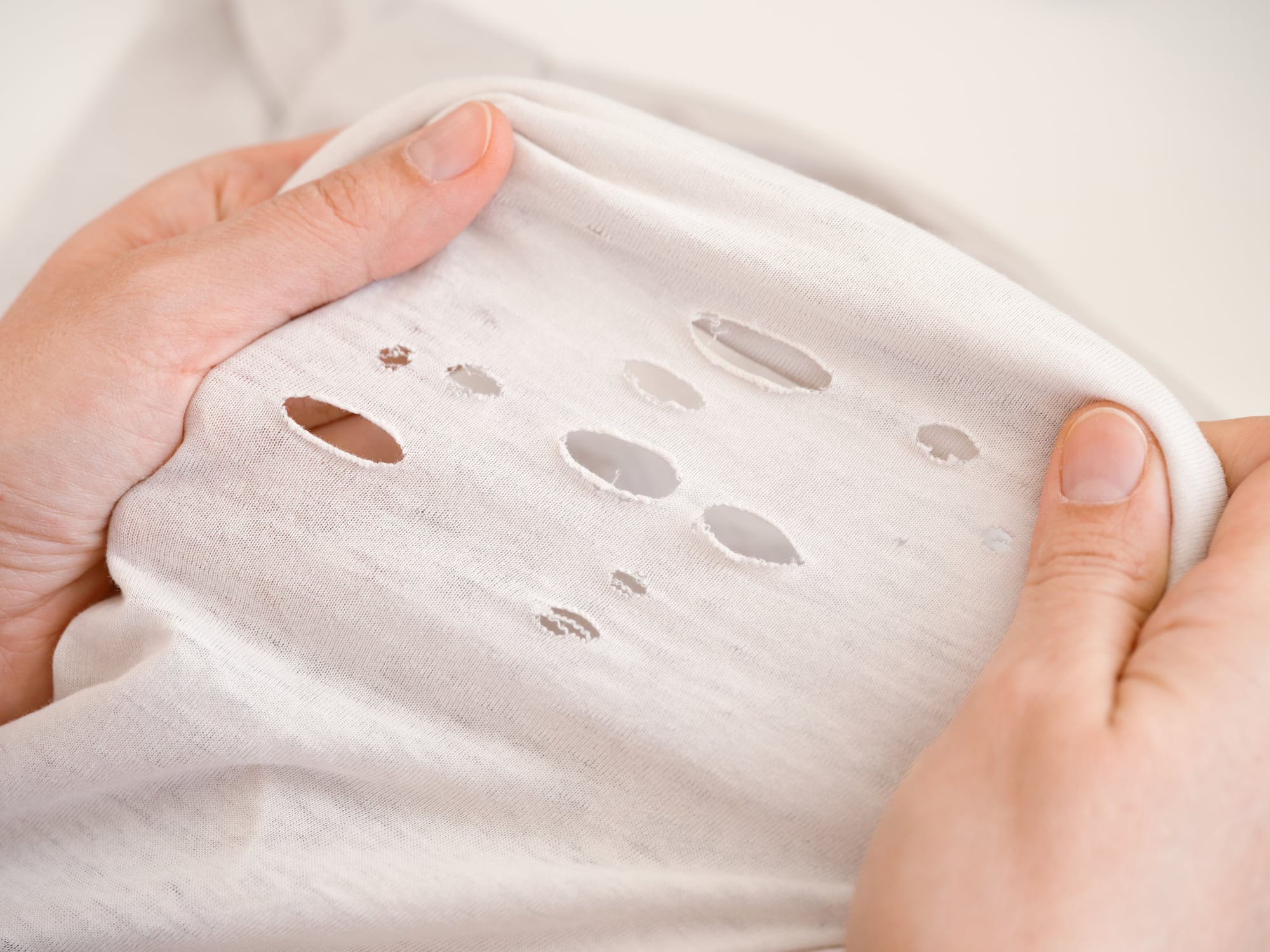
When a shirt or coat finally became too worn to wear, the fabric might have been headed for the rag bag, but the buttons weren’t going anywhere. Many boomer households had a dedicated button tin, often an old cookie container, filled with hundreds of mismatched buttons salvaged from clothing over the years. Grandma could usually find something close enough to replace a missing shirt button, even if it took a little digging. For children, sorting through the collection could be an afternoon’s entertainment in itself. Saving buttons is still a practical habit, especially when they’re distinctive or come from expensive coats and jackets. After all, replacing a missing button is considerably cheaper than replacing an otherwise perfectly good piece of clothing.
Old Towels and Worn-Out T-Shirts
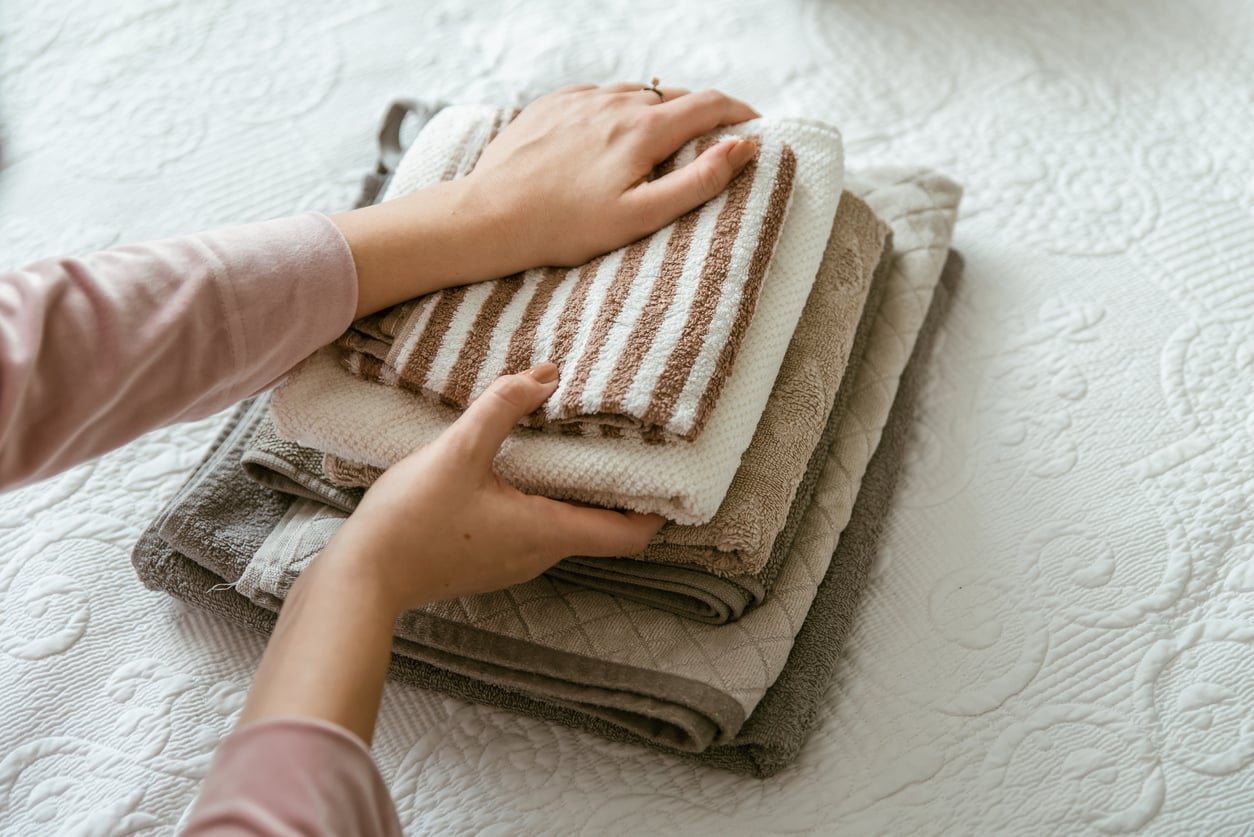
Before disposable cleaning wipes and paper towels became everyday conveniences, many households relied on a collection of old clothes and towels that had been given a second career as cleaning rags. A faded vacation T-shirt might eventually become the cloth used to wash the car, while worn-out towels were cut into smaller pieces for wiping spills, polishing furniture, or cleaning windows. There was often a designated rag bag under the kitchen sink or in the laundry room, filled with scraps of fabric that had seen better days. And although the contents weren’t particularly attractive, they got the job done. Washable cloth rags can still replace some disposable cleaning products, making this one of those old-fashioned habits that’s worth keeping around.
Empty Coffee Cans
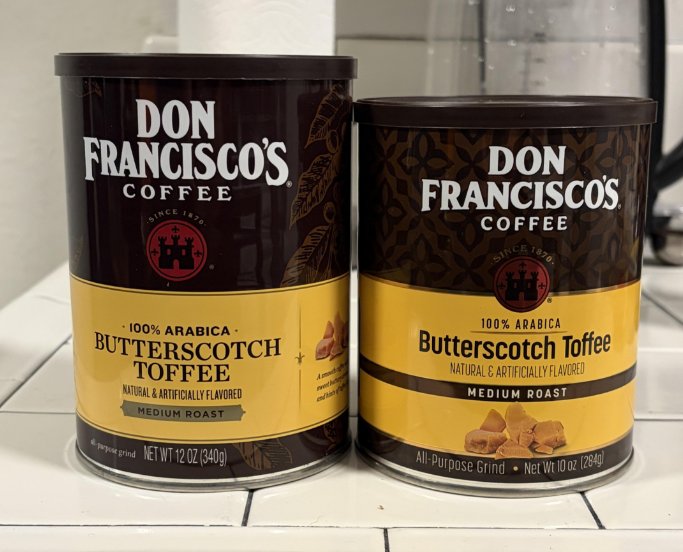
A sturdy metal coffee can was far too useful to throw away in many boomer households. Empty Folgers or Maxwell House cans often ended up in garages, basements, or workshops, where they were filled with nails, screws, loose change, fishing supplies, or whatever else needed a home. Some families used them to store crayons and craft materials, while others turned them into simple planters or containers for homemade gifts. The reusable plastic lids made them especially convenient, and their durability meant they could stick around for years. Even today, empty coffee cans can be useful for dry storage or craft projects, provided they don’t have sharp edges or other safety concerns.
Sign up for our newsletter
Twist Ties From Bread and Produce Bags
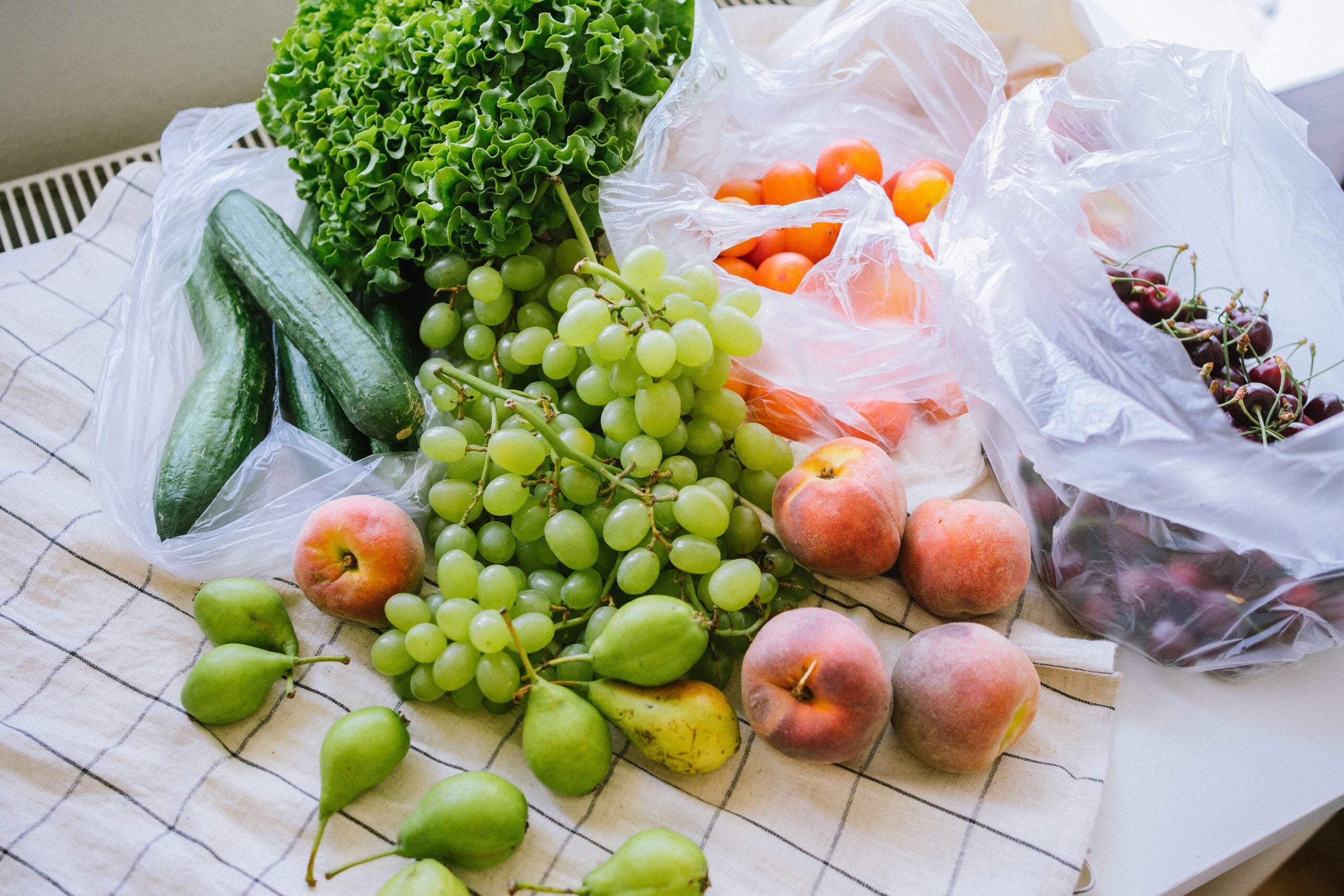
Those little wire twist ties that came wrapped around bread bags were another household item that older generations rarely wasted. Instead of tossing them out, people collected them in kitchen drawers alongside rubber bands, spare batteries, and miscellaneous gadgets that didn’t seem to belong anywhere else. Eventually, someone would need one to reseal a bag of frozen vegetables, bundle small cords, or secure a lightweight package. Of course, the collection often grew much faster than anyone could possibly use it, resulting in a tangled mess of colorful ties. Keeping a few can still be handy for everyday organization, although they’re best reserved for lightweight tasks and shouldn’t be used around exposed electrical connections.
Shoe Boxes From Every New Pair of Shoes
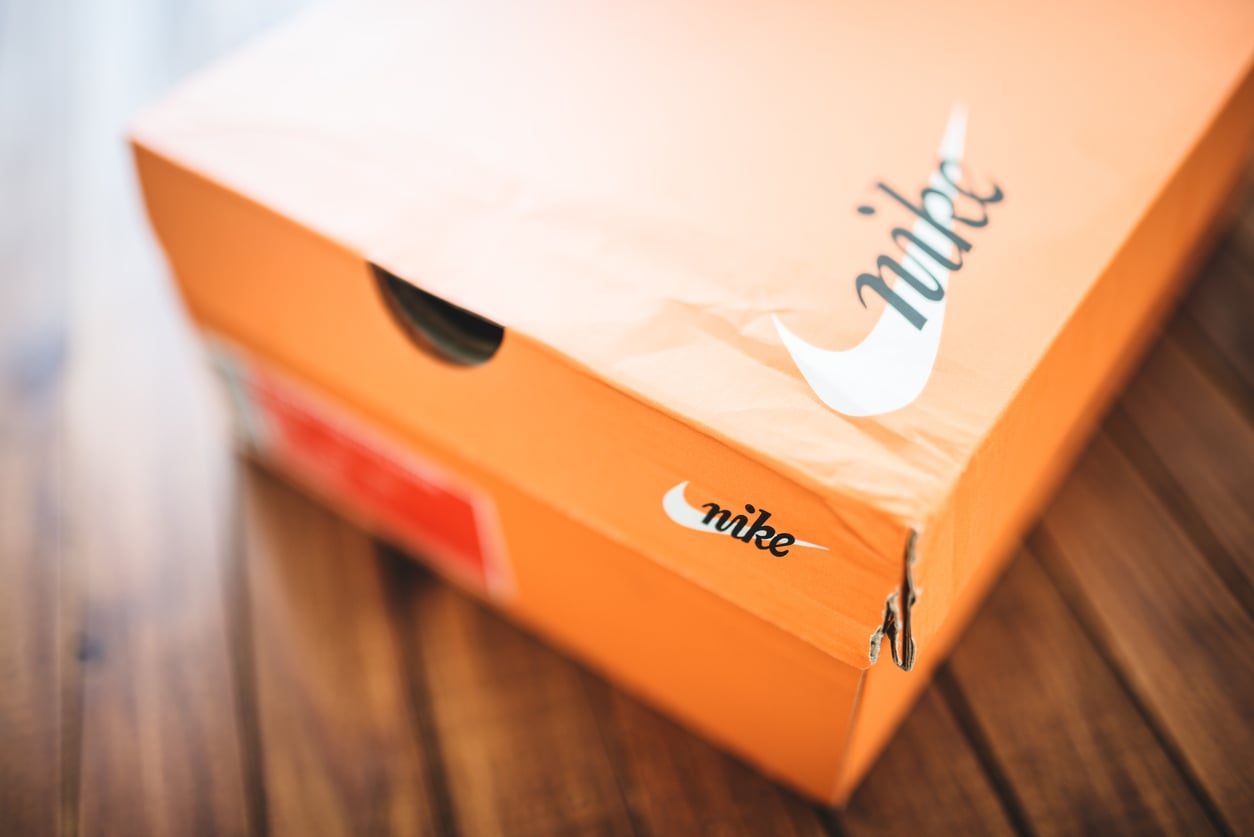
Buying a new pair of shoes didn’t just mean getting new footwear. It also meant acquiring a perfectly good cardboard storage box, and plenty of families weren’t about to waste it. Shoe boxes were repurposed to hold photographs, sewing supplies, holiday decorations, school projects, and children’s keepsakes. Some were labeled with masking tape and stacked neatly in closets, while others ended up under beds or in basements, where they might remain untouched for years. The funny part was that opening a box featuring a picture of sneakers rarely meant you’d actually find sneakers inside. Reusing sturdy boxes is still a cheap way to organize household items, although saving every empty box without a purpose can quickly turn useful storage into clutter.
Newspapers That Had Already Been Read

Finishing the Sunday newspaper didn’t necessarily mean it was ready for the recycling bin. In many households, yesterday’s headlines became tomorrow’s packing material, painting protection, or craft supplies. Old newspapers were especially useful when wrapping fragile dishes before a move, covering tables during messy projects, or protecting floors from paint splatters. Dad might have kept a stack in the garage for months, insisting they’d come in handy eventually, and more often than not, they did. Today, fewer households receive printed newspapers regularly, but the idea behind the habit still holds up. Reusing paper that’s already available can help avoid purchasing additional packing or protective materials for everyday projects.
Scraps of Fabric From Sewing Projects
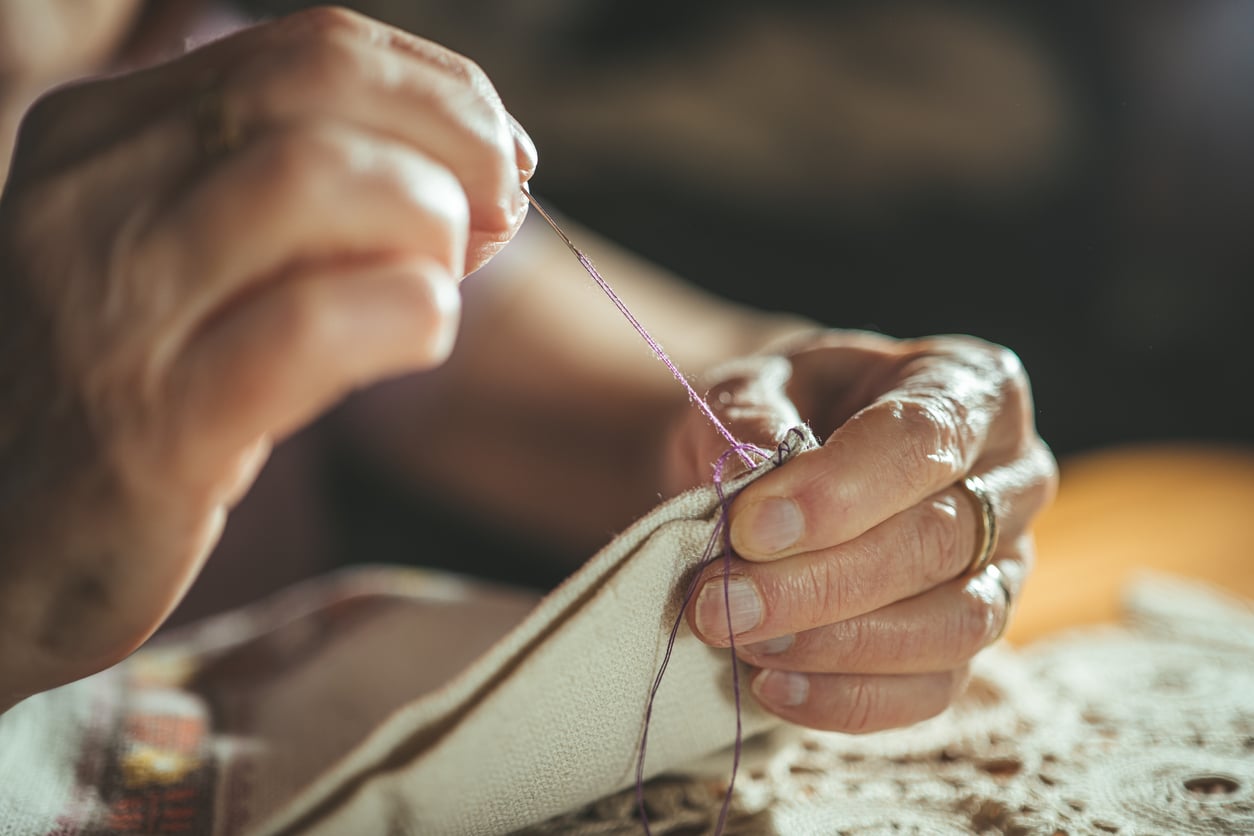
In households where someone regularly sewed, leftover fabric was rarely considered garbage. Scraps from homemade curtains, children’s dresses, clothing repairs, and other projects were carefully collected in sewing baskets or boxes, waiting for another opportunity to be useful. Larger pieces might become quilt patches or doll clothes, while smaller scraps could be used for mending or decorative crafts. Sometimes, those collections became little archives of family history, with recognizable patterns from outfits and household projects made years earlier. Saving good-quality fabric still makes sense if you sew or regularly repair clothing, and larger usable pieces can sometimes be donated to community craft groups. The trick is keeping material you’re realistically going to use rather than letting every scrap accumulate indefinitely.
When Throwing Something Away Was the Last Resort

For many boomers, saving everyday household items wasn’t about collecting clutter. It was about recognizing that something could still be useful long after its original purpose was finished. Empty jars became storage containers, worn-out clothes became cleaning rags, and leftover fabric could find its way into an entirely new project. Not every old-fashioned habit needs to make a comeback, and there’s certainly no reason to fill every cabinet with things you might never use. But in a world where replacing something is often easier than repairing or reusing it, there’s still something worth learning from a generation that knew how to make ordinary things last.