Before smartphones, tablets, and streaming services gave everyone their own entertainment options, spending time together as a family looked a little different. Family activities before screens became part of everyday life often revolved around one television in the living room, a stack of board games in the closet, or a Sunday newspaper that somehow kept everyone occupied for hours. And when there was nothing good on TV, families had to find something else to do together.
Throughout the 1950s, ’60s, ’70s, and early ’80s, family entertainment often meant gathering around the same activity, whether that was playing Monopoly until someone got upset, piling into the station wagon for a Sunday drive, or spending an entire afternoon working on a jigsaw puzzle. Of course, not every family was constantly enjoying quality time together, and plenty of these traditions are still around today. But there was something different about living in a house where entertainment wasn’t always available at the touch of a button.
From backyard games to home movie nights, here are 12 things families used to do together before everyone had their own screen.
Playing Board Games That Could Take the Entire Evening
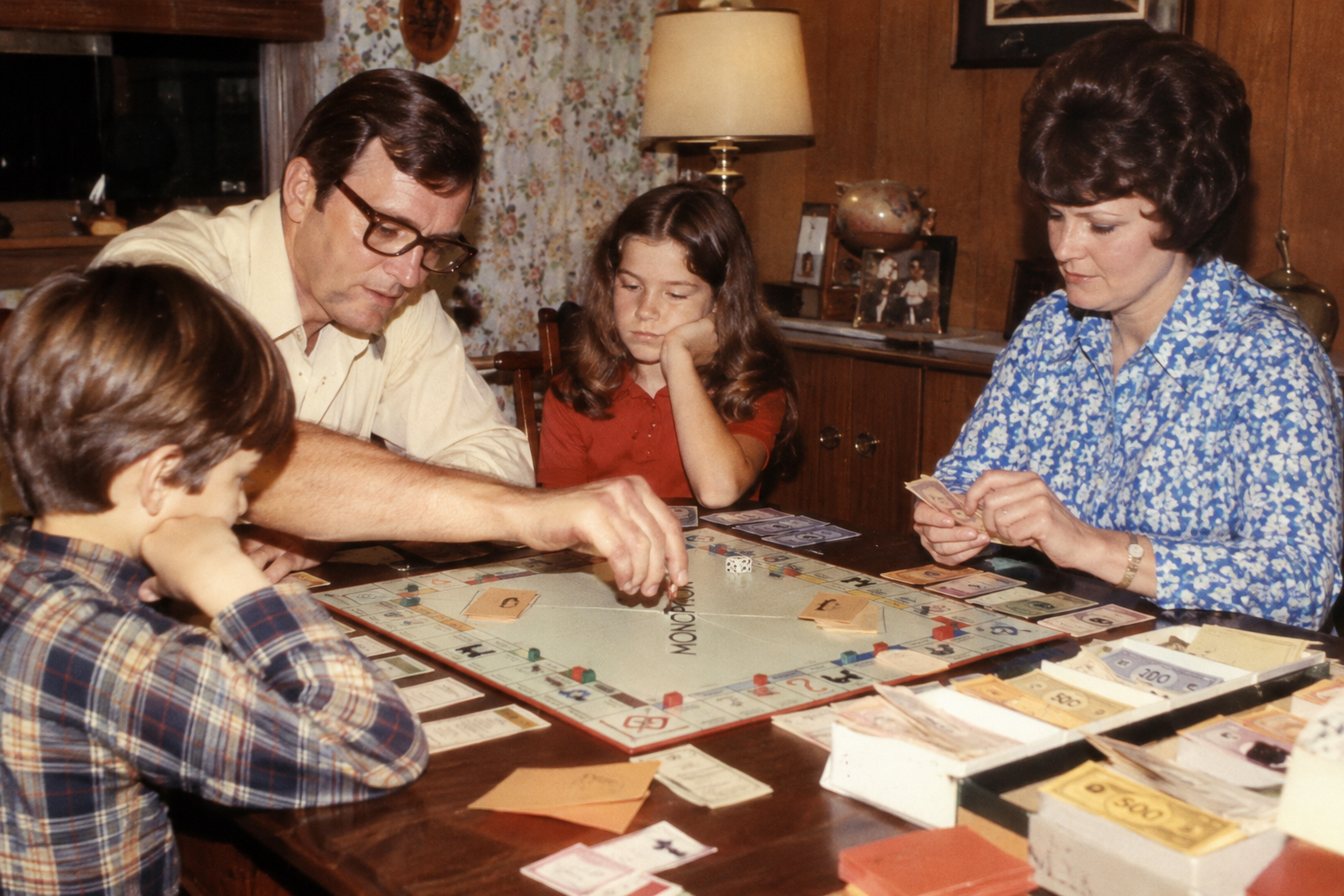
Before everyone could disappear into their own devices, a board game could easily become the main event on a Friday or Saturday night. Families gathered around the kitchen table to play Monopoly, Scrabble, Clue, or The Game of Life, sometimes staying there for hours. Monopoly was particularly notorious for turning an otherwise peaceful evening into a heated argument over property trades, questionable rules, and who was supposedly cheating. There was always someone who took the game a little too seriously, a younger sibling who wanted to quit halfway through, and at least one missing game piece that had to be replaced with something from the junk drawer. Still, these marathon sessions gave everyone something to do together, even if they occasionally ended with someone storming away from the table.
Watching the Same Television Show Because There Was Only One TV
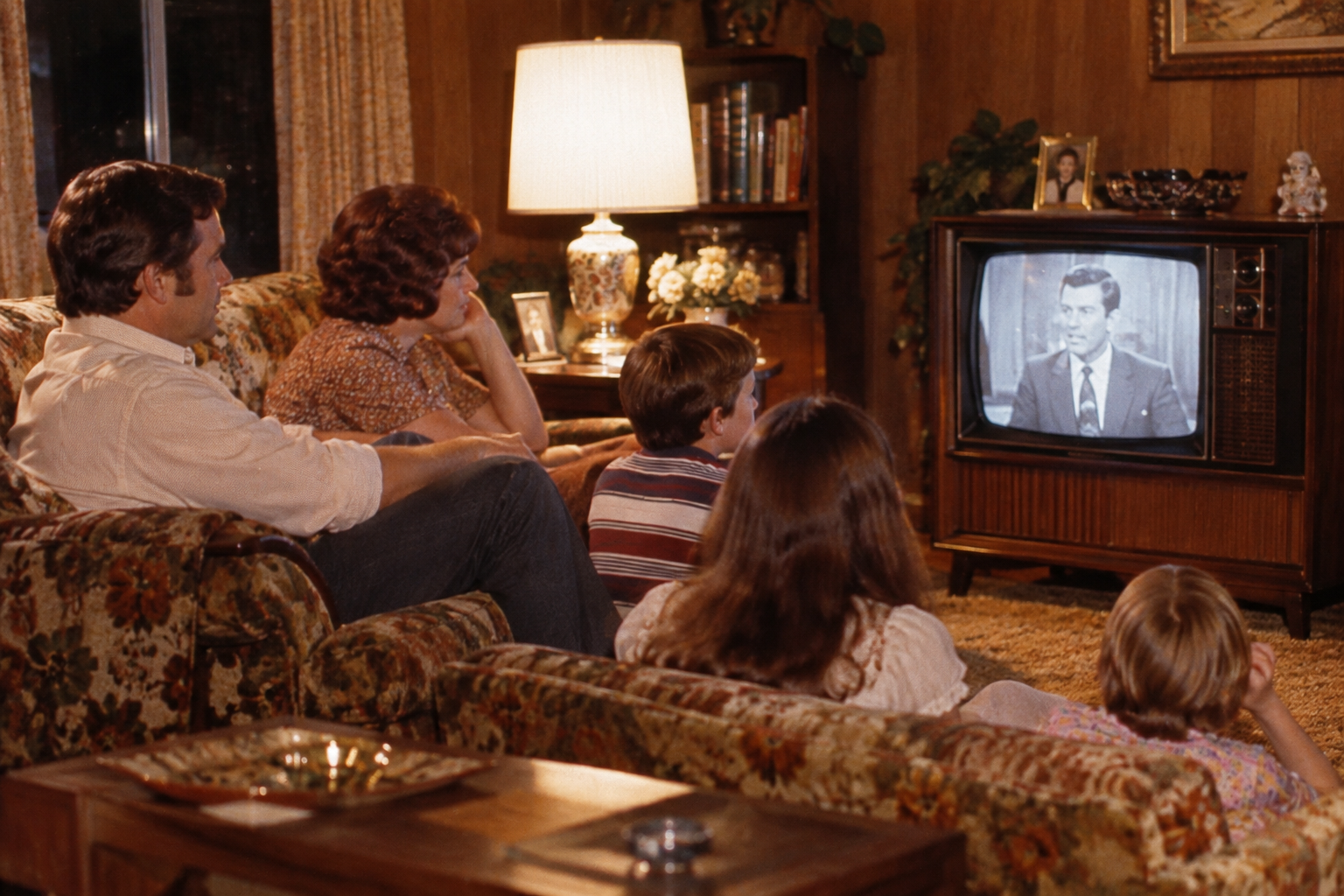
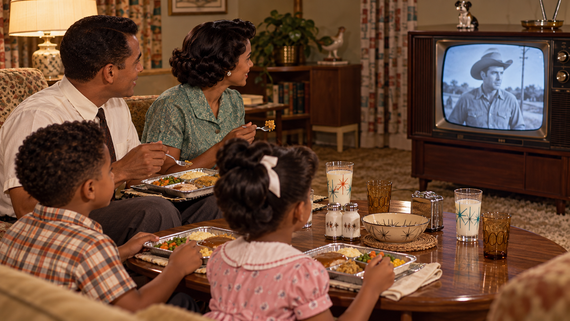
For many American families in the 1950s, ’60s, and ’70s, the living-room television was the center of household entertainment. There wasn’t a separate screen in every bedroom, and nobody could simply pull up a different show on their phone. Instead, everyone had to agree on what to watch, which wasn’t always easy. Parents might prefer the evening news or a variety show, while the kids wanted cartoons or their favorite sitcom. Popular programs like “The Ed Sullivan Show,” “The Brady Bunch,” and “Happy Days” gave families something to gather around, and missing an episode often meant waiting for a rerun. In the days before remote controls became commonplace, someone also had to get up and physically change the channel, usually while everyone else shouted instructions from the couch.
Piling Into the Car for a Sunday Drive
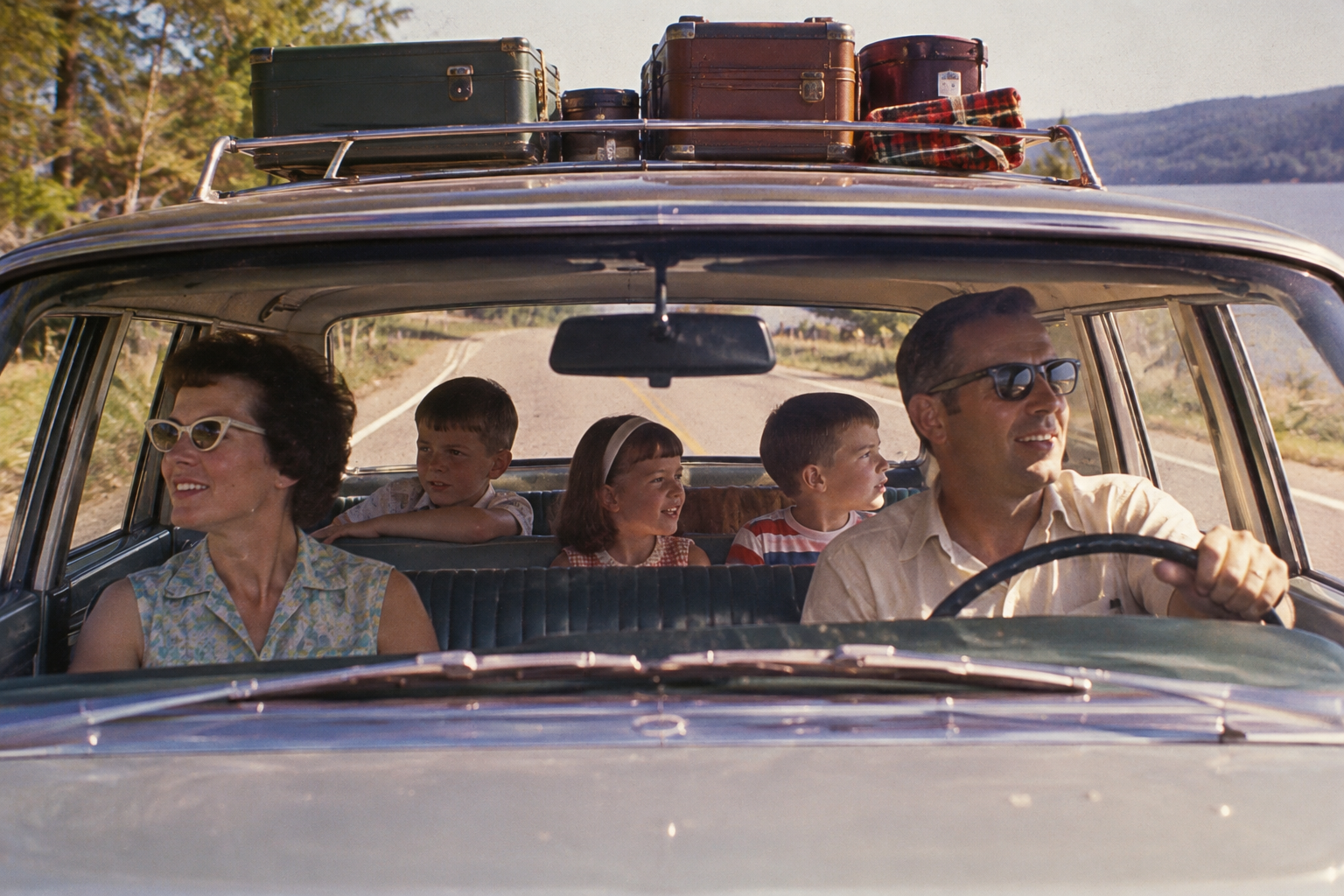
There was a time when getting into the family car and driving around without a particular destination counted as an afternoon’s entertainment. Sunday drives became especially popular during the postwar decades, when growing automobile ownership made weekend outings more accessible to American families. Parents might take the kids through the countryside, along a scenic highway, or into a neighboring town just to see what was there. Sometimes the trip included a stop for ice cream or a roadside attraction, but plenty of the time, the drive itself was the activity. Children fought over window seats, counted license plates, and repeatedly asked whether they were almost home. There were no tablets mounted to the headrests or movies playing in the back seat, so looking out the window and talking to one another were pretty much the available options.
Working on a Giant Jigsaw Puzzle for Days
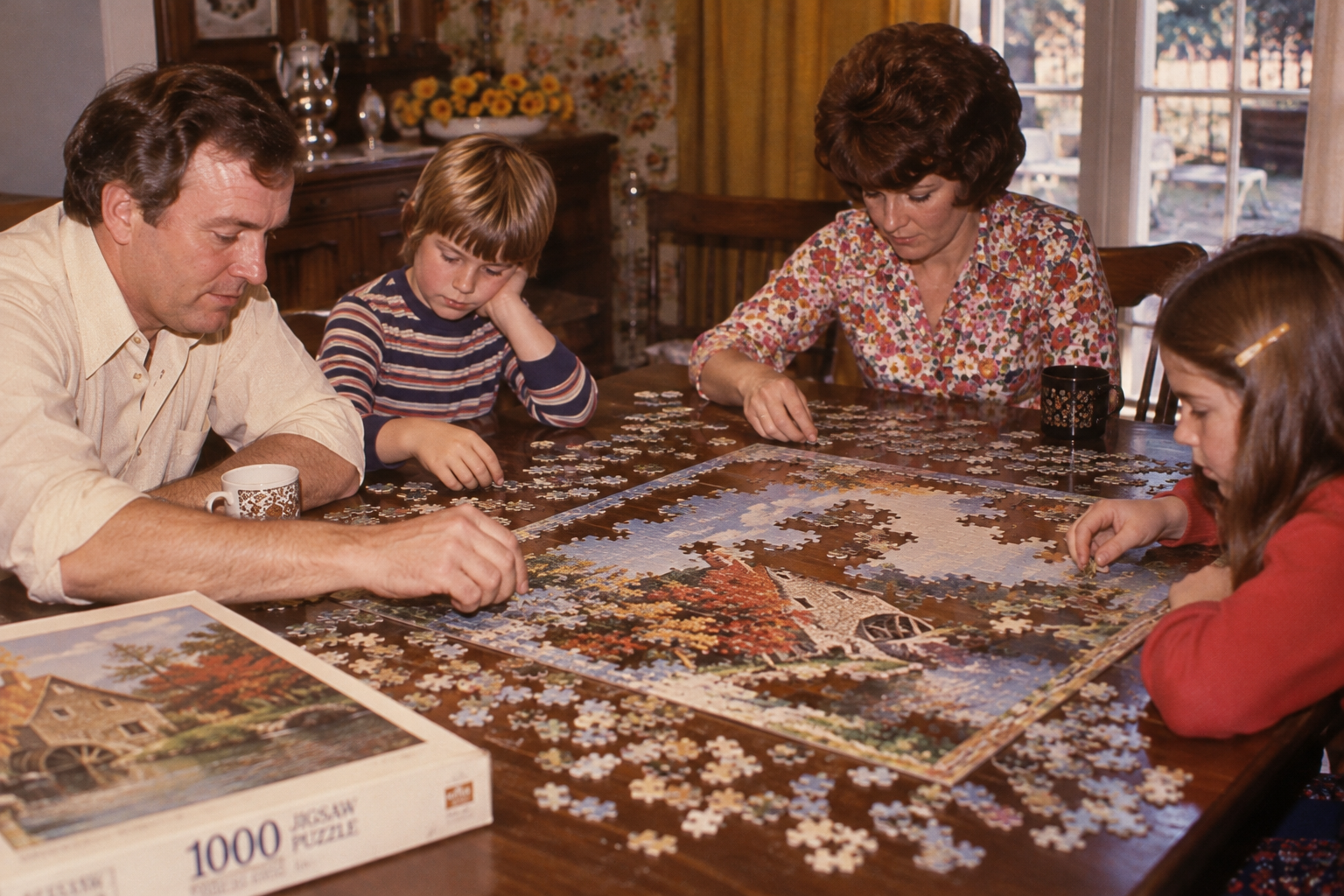
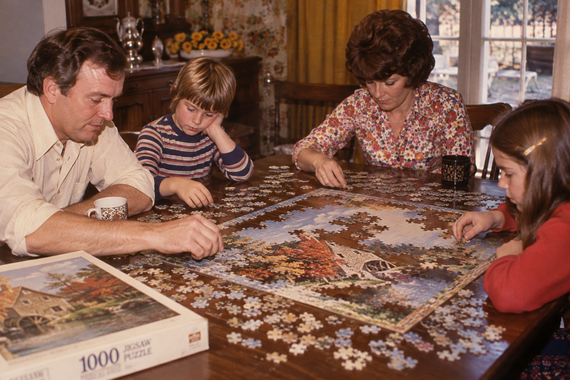
A thousand-piece jigsaw puzzle could occupy a family’s dining-room table for an entire week, sometimes longer. Rather than sitting down and finishing it in one evening, everyone contributed whenever they had a few spare minutes. Someone would sort the edge pieces, another person would concentrate on a particular section of the picture, and a parent might spend half an hour searching for one stubborn piece that seemed to have disappeared. The puzzles themselves were often landscapes, famous landmarks, or elaborate illustrations with enough nearly identical colors to drive everyone crazy. And there was always the possibility that someone would accidentally knock part of the puzzle onto the floor. Finishing one felt like a genuine household accomplishment, especially when the last piece finally clicked into place.
Gathering Around a Record Player to Hear a New Album
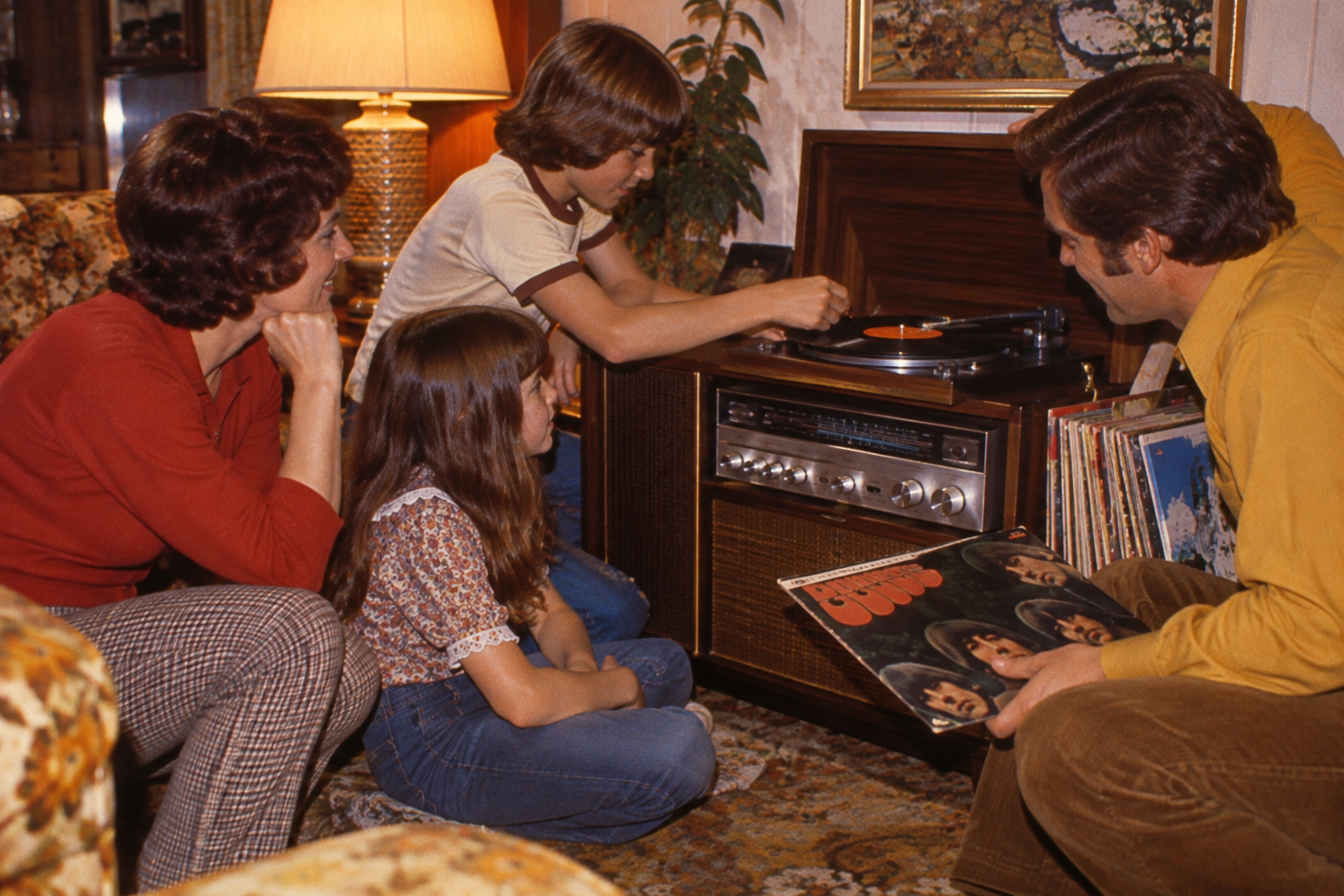
Before music became something everyone listened to through their own headphones, putting on a record could be a shared family experience. In homes with a record player or stereo console, family members might gather to hear a newly purchased album, flip through the liner notes, or admire the artwork on the sleeve. Parents introduced their children to favorite singers, older siblings tried to convince everyone that their music was better, and disagreements over what to play next were practically inevitable. Listening also required a little effort: taking the record out of its sleeve, carefully placing it on the turntable, lowering the needle, and flipping the album when the first side ended. There was something satisfying about that routine, particularly when everyone stayed in the room long enough to hear the whole record.
Trending on Cheapism


Setting Up a Backyard Game Everyone Could Play
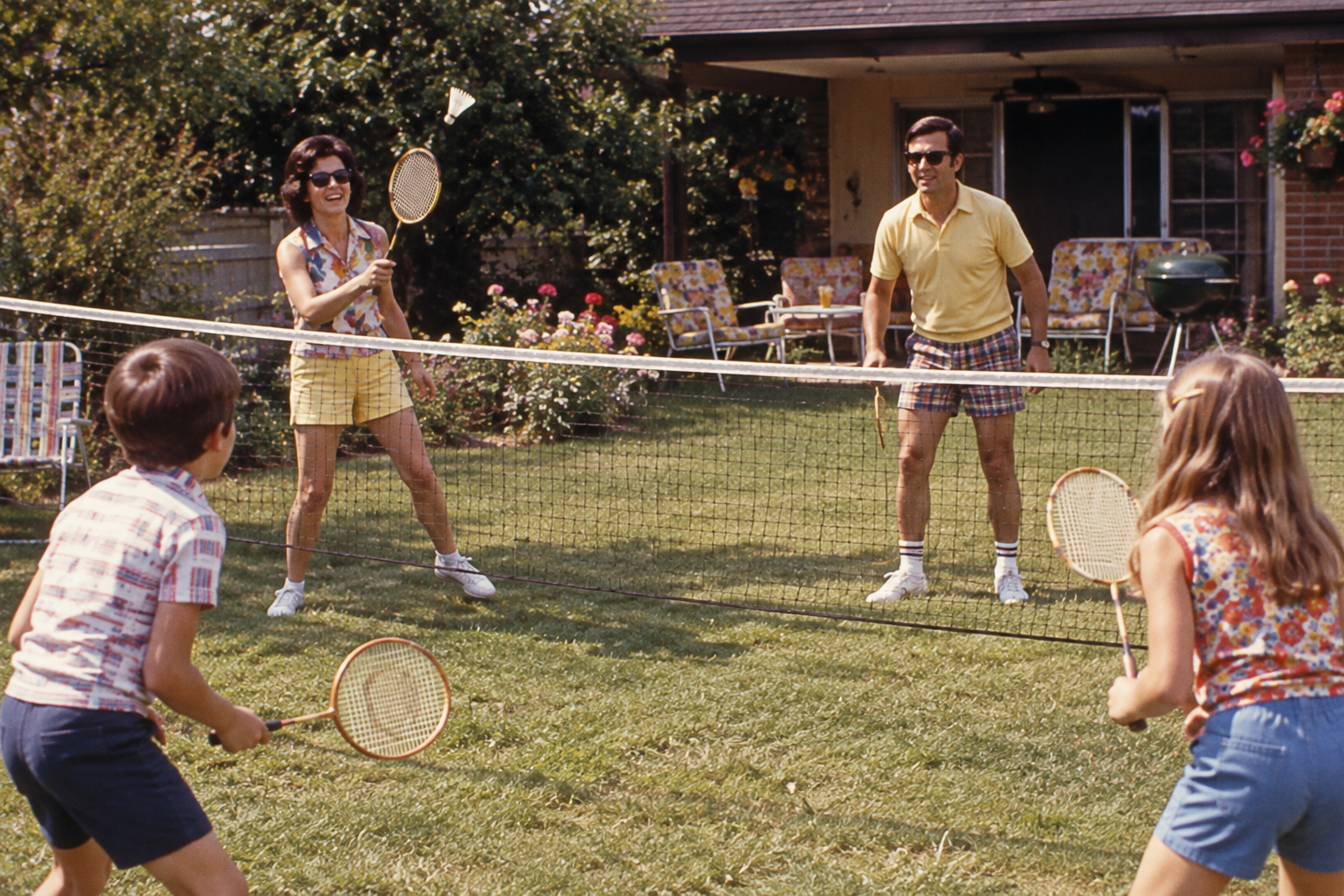
On warm afternoons, family entertainment often required little more than a backyard, a few pieces of equipment, and someone willing to explain the rules. Badminton sets, croquet mallets, horseshoes, and baseball gloves could provide hours of amusement without anyone needing to leave home. Parents played alongside their children, grandparents occasionally joined in, and neighborhood kids might wander over when they saw something happening. Of course, these games weren’t always as organized as they sounded. Badminton nets sagged in the middle, croquet balls disappeared into the bushes, and younger children frequently insisted that the rules be changed in their favor. The equipment was usually packed away in the garage afterward, ready to come out again the following weekend or summer.
Looking Through Family Photo Albums and Telling Old Stories
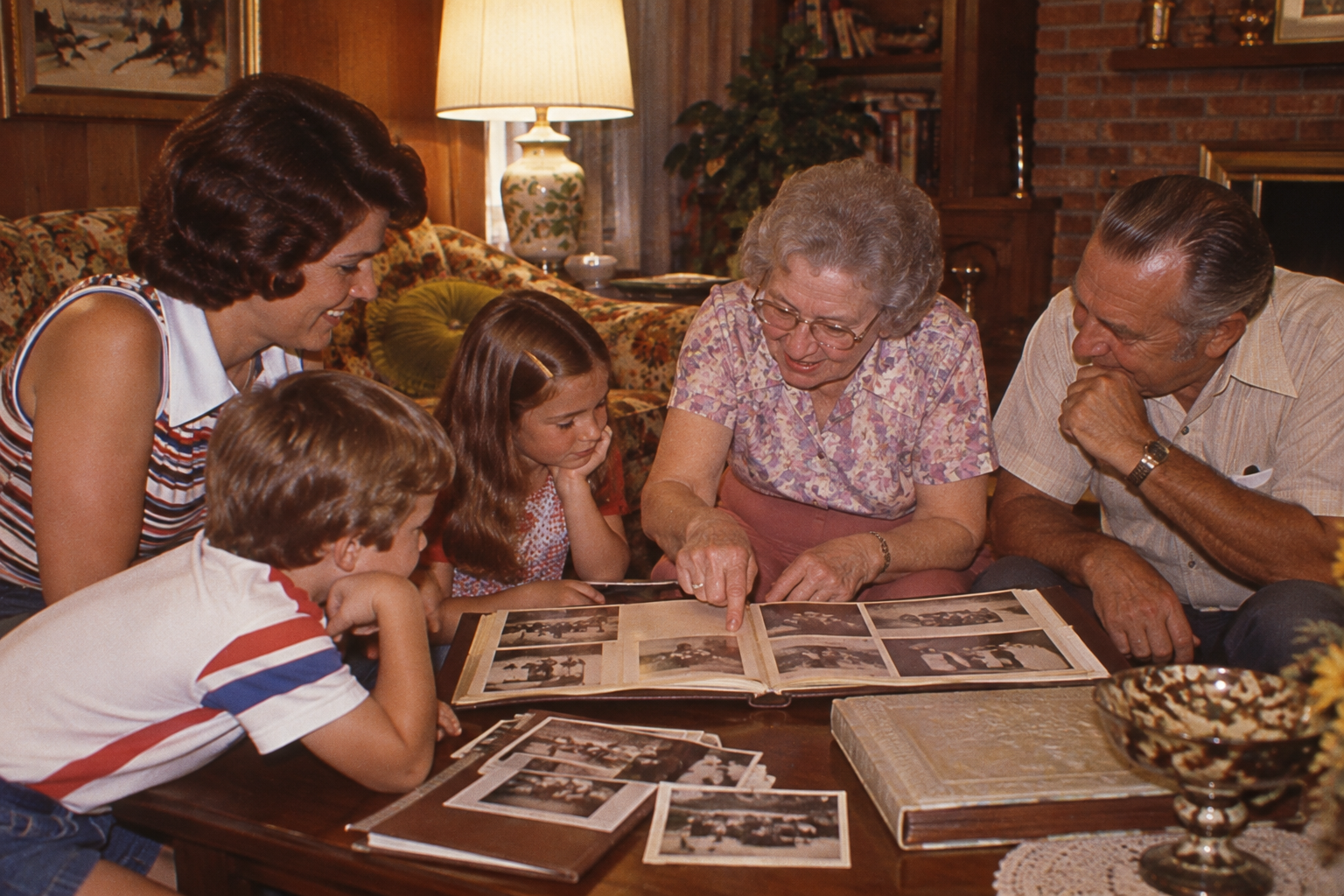
Before family photographs lived on phones and cloud storage accounts, they were tucked into thick albums, cardboard boxes, and envelopes from the photo developer. Pulling out those pictures could turn into an entire afternoon of storytelling, especially when grandparents or older relatives were visiting. Someone would point to a faded photograph and explain who the unfamiliar people were, where the picture had been taken, or what happened just before the camera clicked. Children discovered what their parents looked like when they were young, heard stories about relatives they’d never met, and occasionally laughed at hairstyles or clothing that seemed impossibly old-fashioned. There was usually at least one photograph that prompted a disagreement over the year it was taken, too. Unlike scrolling through hundreds of digital pictures, going through a physical album encouraged everyone to linger over the same memories.
Baking Cookies or Making a Special Dessert Together
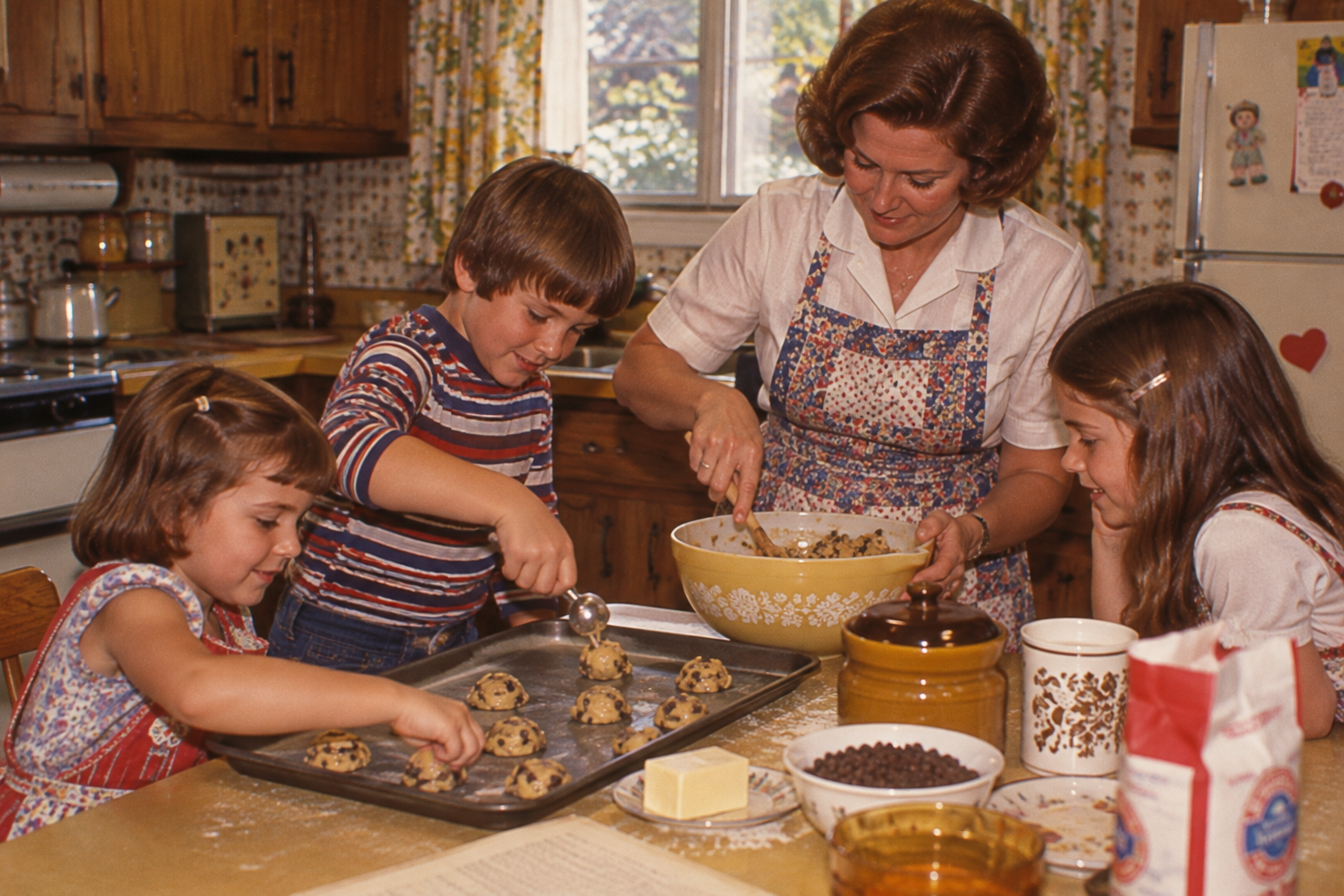
Baking wasn’t necessarily reserved for holidays or special occasions. For many families, spending an afternoon making chocolate chip cookies, a birthday cake, or a homemade pie was entertainment in itself. Children stood on stools to reach the counter, helped measure ingredients, and fought over who got to stir the batter or lick the mixing spoon. Betty Crocker’s “Cookbook for Boys and Girls,” first published in 1957, reflected the growing popularity of teaching children their way around the kitchen. Naturally, the results weren’t always picture-perfect. Flour ended up on the floor, cookie shapes came out uneven, and someone inevitably tried to sneak a taste before everything was finished. But the real reward wasn’t just the dessert waiting in the oven. It was getting to make something together and then sharing it afterward.
Sign up for our newsletter
Sitting Through a Family Slide Show or Home Movie Night
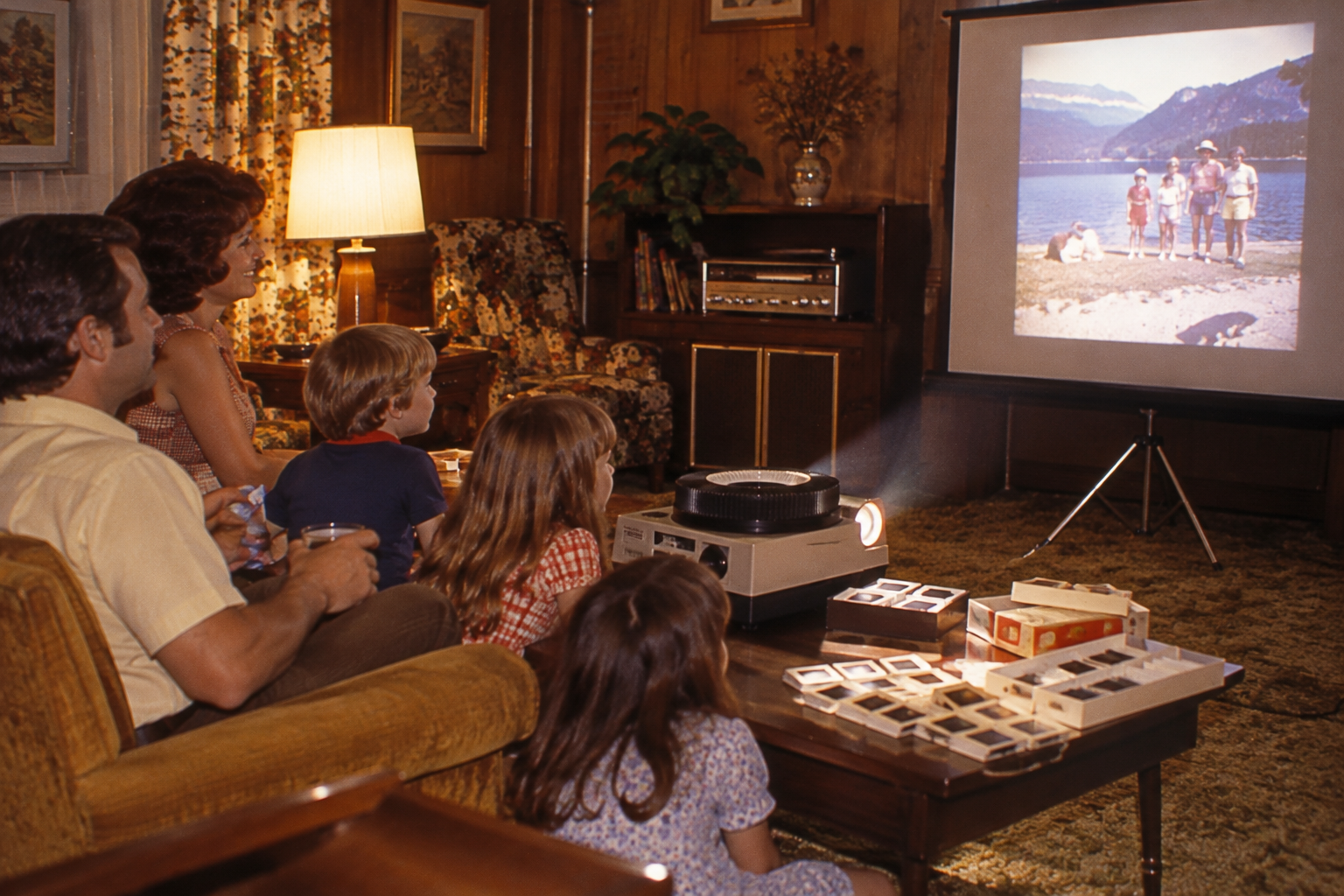
Long before vacation photos could be uploaded instantly, families sometimes invited relatives over to watch slides or home movies from a recent trip. Someone would set up a projector in the living room, pull the curtains closed, and aim the image at a portable screen or blank wall. Kodak’s Carousel slide projector, introduced in 1961, made these gatherings especially familiar in the following decades, while 8mm home movies allowed families to watch footage of birthdays, holidays, and vacations. The experience could be charming or painfully long, depending on how enthusiastic the person operating the projector happened to be. Every photograph seemed to require an explanation, someone was always asking who was in the picture, and the projector occasionally jammed at the worst possible moment. Still, seeing familiar faces and places projected larger than life made even ordinary family memories feel like an event.
Going to the Library and Picking Out Books for the Week
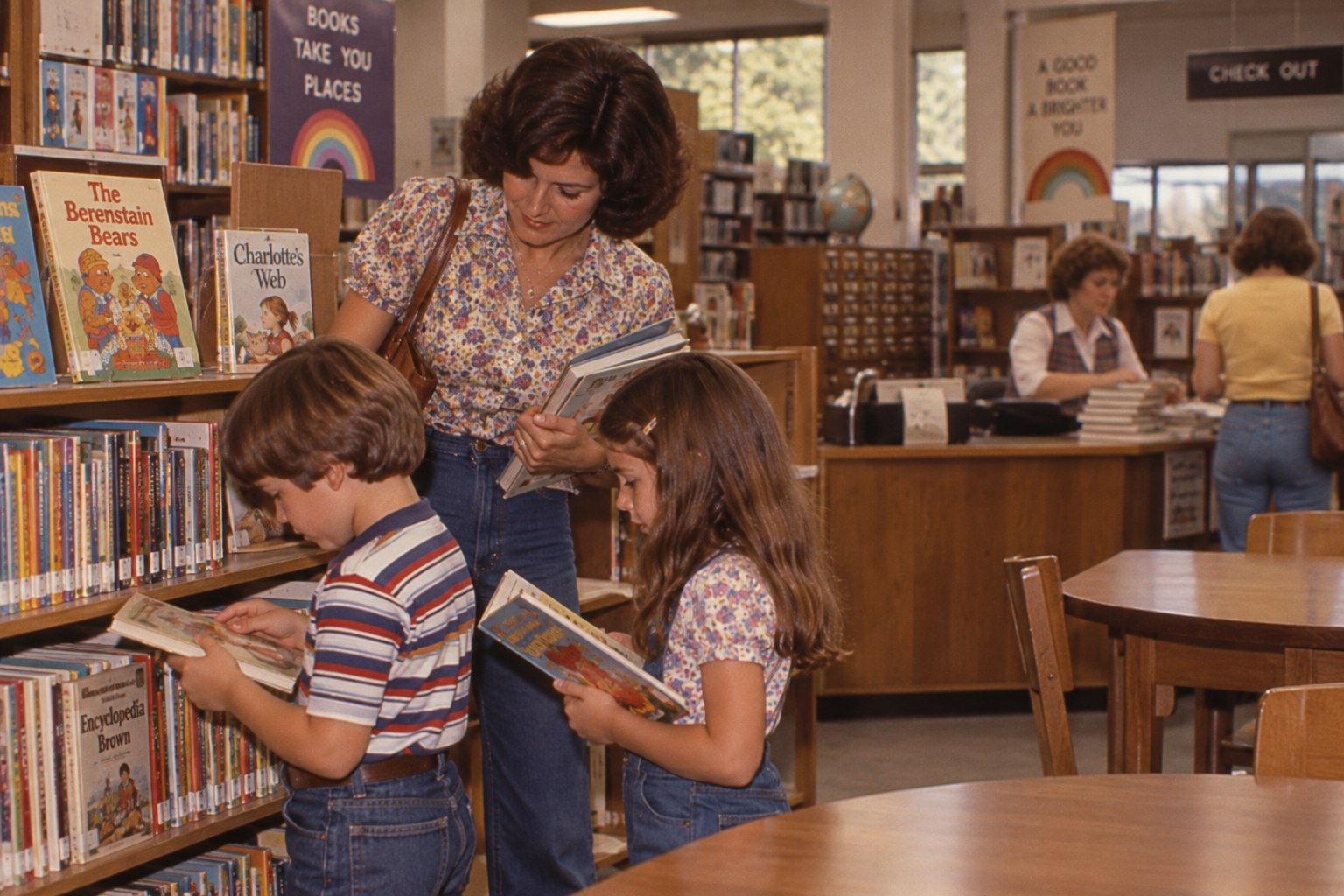
A trip to the public library could be a regular family outing rather than something reserved for school assignments. Parents browsed novels, newspapers, and magazines while children headed straight for the shelves filled with picture books, mysteries, or adventure stories. For families watching their budgets, the library offered an enormous selection of entertainment without the expense of buying new books every week. Children learned to use card catalogs, carried their own library cards, and proudly brought home stacks of books that were sometimes taller than they could comfortably manage. There was also the small thrill of finding a book you’d been waiting to borrow or discovering something completely unexpected on the shelves. And because everything had to be returned by a certain date, families had a good reason to make another trip the following week.
Packing Up for a Family Picnic or Camping Trip
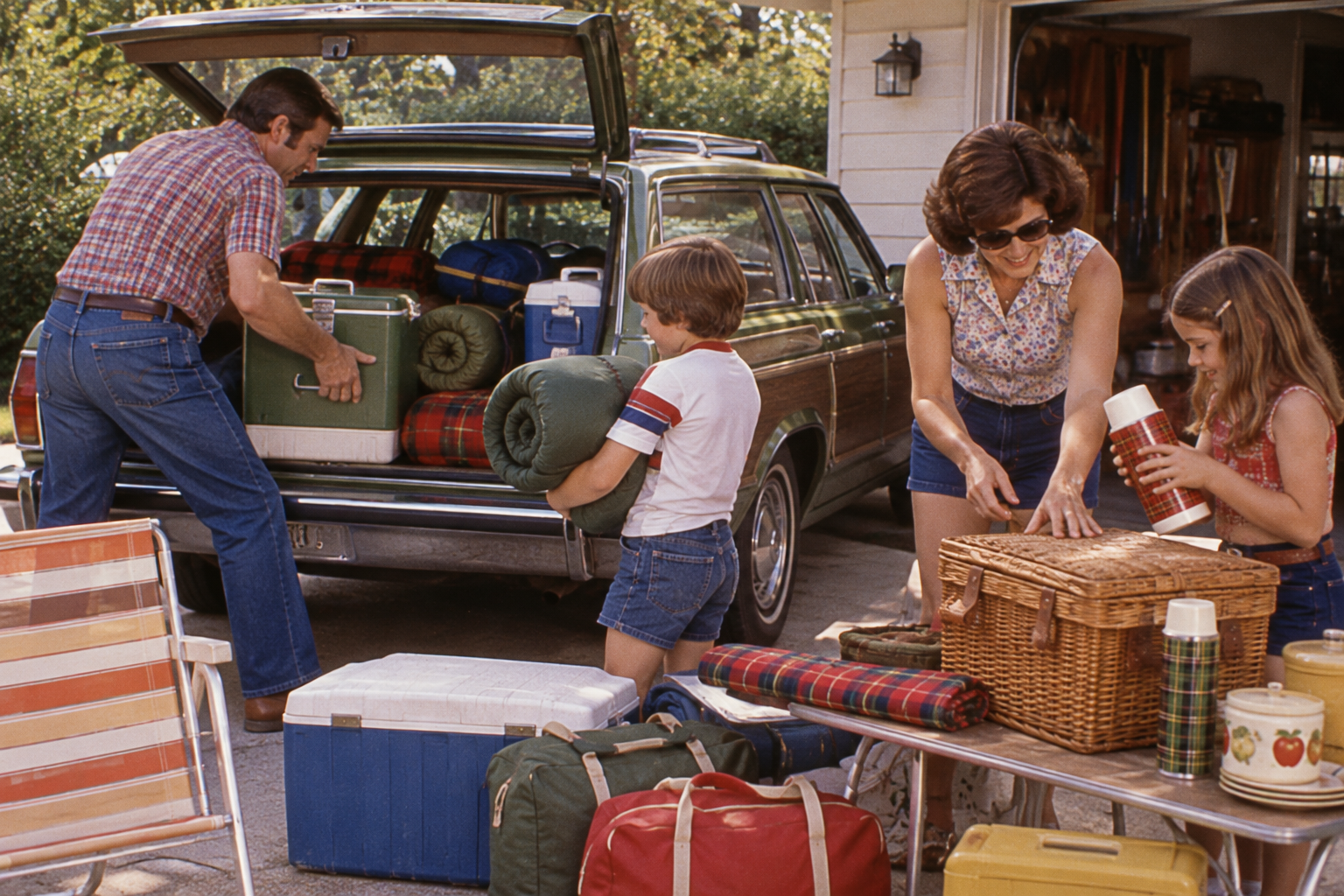
A family outing didn’t always require an expensive vacation or an elaborate itinerary. Sometimes it meant packing sandwiches into a cooler, grabbing a plaid blanket, and heading to a nearby park for an afternoon picnic. Families who enjoyed camping might load the station wagon with a tent, sleeping bags, folding chairs, and enough supplies to spend a weekend outdoors. During the postwar decades, increasing car ownership and the expansion of recreational facilities helped make these kinds of outings a familiar part of American family life. Of course, things rarely went exactly according to plan. Someone forgot the can opener, ants discovered the picnic food, or an unexpected rainstorm sent everyone scrambling for the car. But those little disasters often became the stories families remembered long after the trip was over.
Reading the Sunday Comics and Sharing the Newspaper
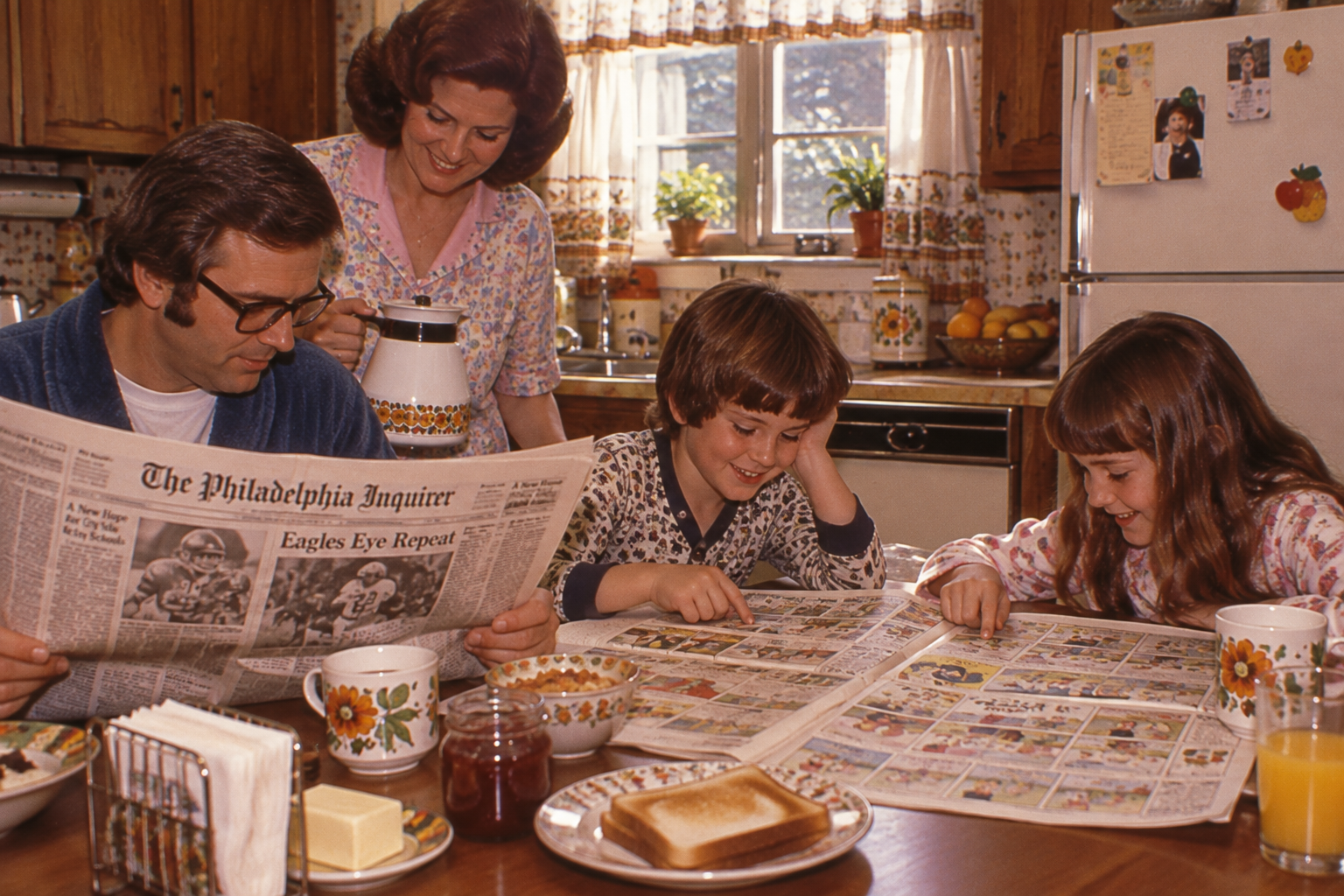
For generations of American families, the Sunday newspaper was practically an entertainment package delivered to the front door. Adults spread out the news, sports, advertisements, and crossword puzzle sections across the kitchen table, while children searched for the colorful comics. Strips like “Peanuts,” “Dick Tracy,” and “Gasoline Alley” gave readers familiar characters to follow week after week, and some families even read their favorites aloud. There were occasional arguments over who got which section first, especially when someone had wandered off with the comics or sports pages. The newspaper also gave families something to discuss, whether it was a local event, an interesting advertisement, or a particularly funny comic strip. By the end of Sunday morning, the table might be covered in crumpled pages, but just about everyone had found something worth reading.
When Family Entertainment Meant Spending Time Together
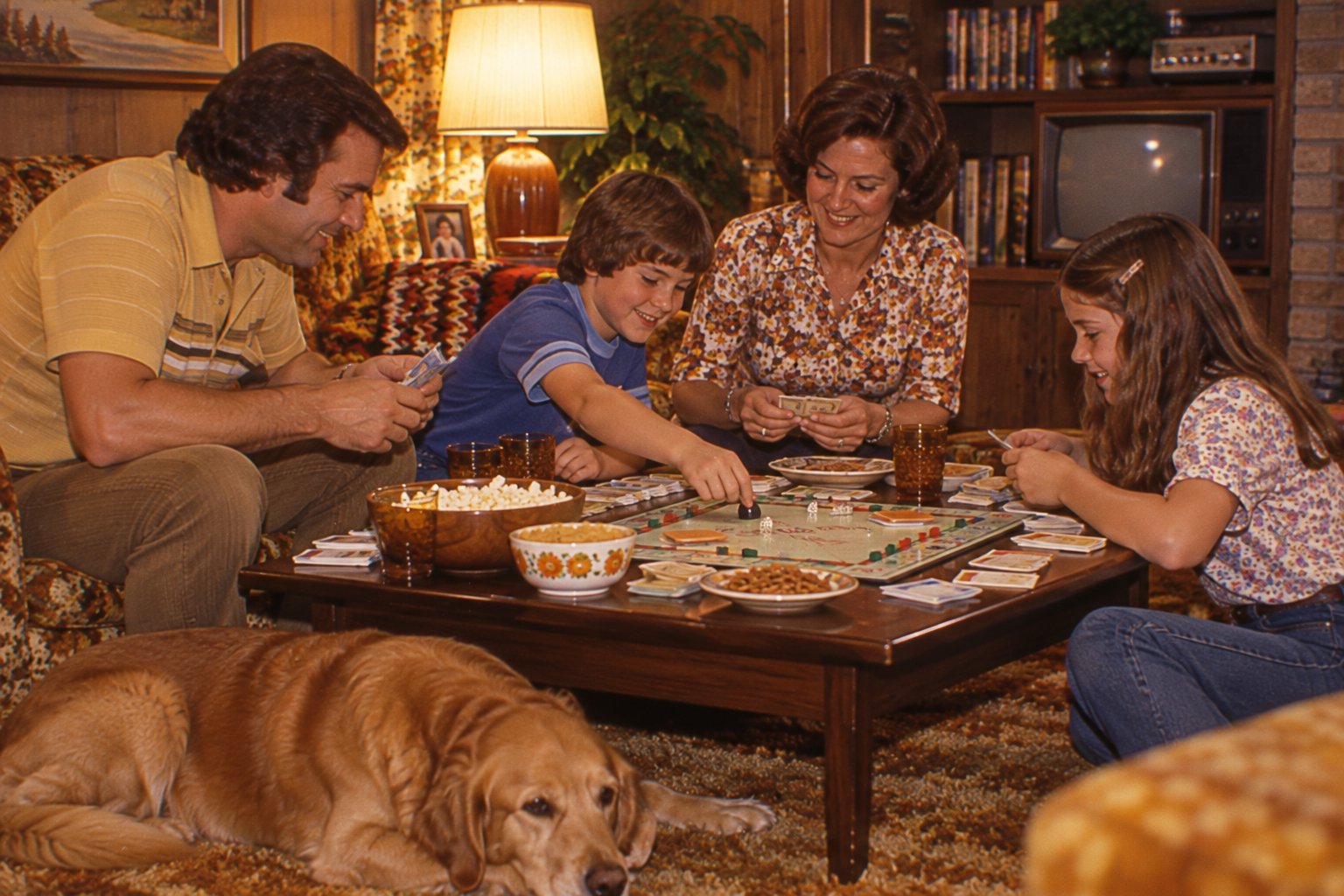
Looking back, it’s easy to romanticize a time before smartphones and personal screens, but family life wasn’t necessarily more peaceful or entertaining. Siblings still fought, parents got tired, and plenty of evenings involved everyone being bored together. The difference was that entertainment often required people to share the same space, equipment, or activity, whether they wanted to or not.
And while there’s nothing wrong with enjoying a movie on your own or disappearing into a good show, many of these old-fashioned traditions are worth bringing back. A board game, a Sunday drive, or an afternoon baking cookies doesn’t require much money or planning. Sometimes, all it takes to make a few memories is finding something everyone can enjoy together.