
Some activities sound like a great idea until you realize how much work goes into making them happen. Organizing a family reunion, planning a weekend getaway, or even getting a group of friends together for dinner can turn into weeks of scheduling, budgeting, and preparation. Among the things Americans are doing less often are activities that require more coordination than people have time or patience for. According to the Bureau of Labor Statistics, Americans are spending less time socializing than they did a decade ago. From elaborate birthday parties to neighborhood gatherings, here are 12 activities that can feel like more trouble to organize than they’re worth.
Hosting a Proper Sit-Down Dinner Party

Remember when having friends over for dinner didn’t require a spreadsheet? These days, even a small gathering can involve coordinating schedules, checking dietary restrictions, planning a menu, grocery shopping, and cleaning the house before anyone arrives. Then there’s the cooking and washing up afterward. For some hosts, the pressure to make everything look perfect takes the enjoyment out of entertaining. It’s easy to see the appeal of ordering pizza, inviting everyone to bring a dish, or simply meeting friends for coffee instead.
Organizing Vacations With Several Friends or Families

A vacation with friends sounds like a great idea until eight people try agreeing on the same dates. Someone can’t get time off, another has a smaller budget, and nobody can decide between the beach and the mountains. Then come the questions about splitting hotel costs, choosing restaurants, and arranging transportation. Even close friends can have very different expectations about spending money. Rather than managing a complicated group itinerary, some travelers find it easier to vacation with just one or two people or make separate arrangements.
Throwing Elaborate Birthday Parties for Children
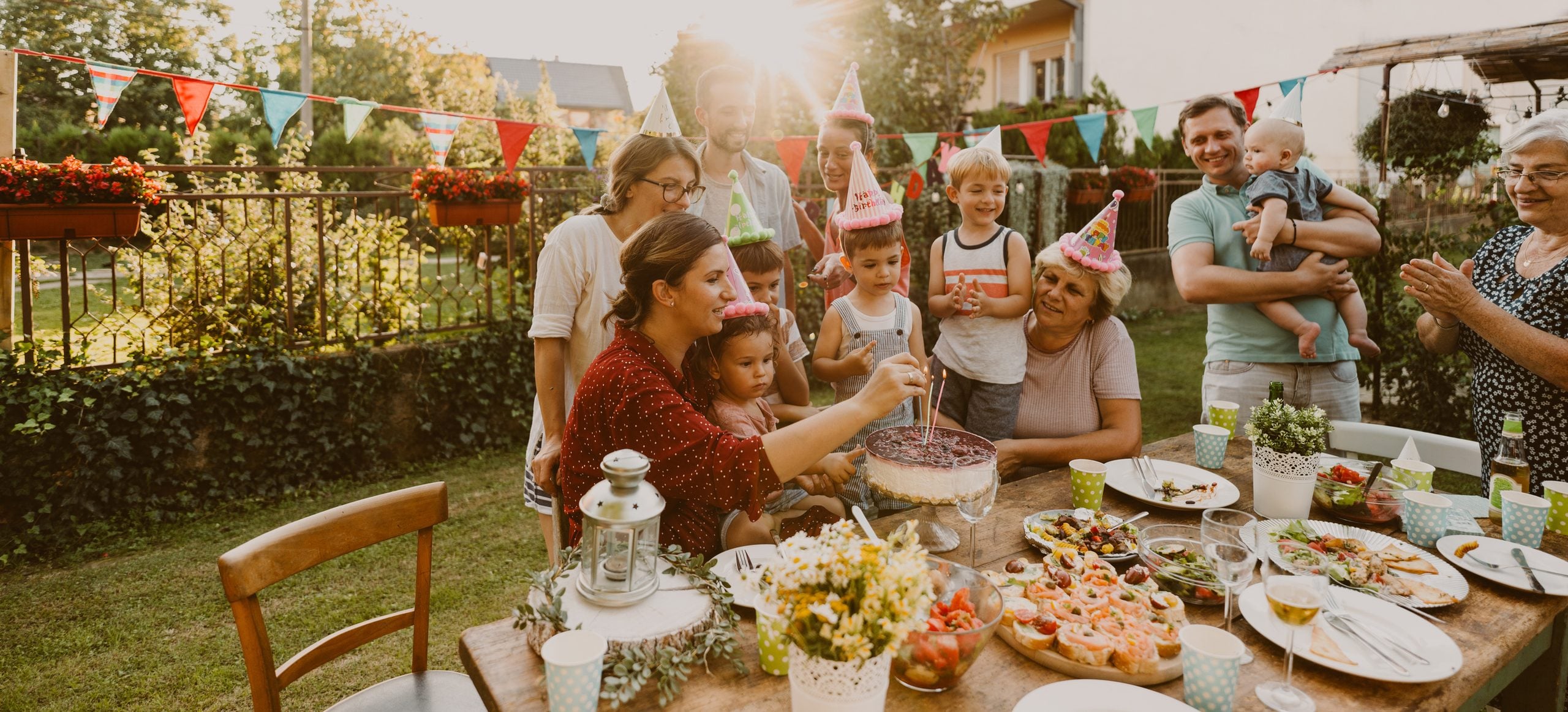
A child’s birthday used to be relatively straightforward: cake, balloons, a few friends, and perhaps some games in the backyard. Elaborate celebrations can now involve booking venues, ordering themed decorations, organizing entertainment, preparing food, and chasing down RSVPs. The costs add up, but the time commitment can be just as exhausting. Some parents decide that a small gathering or special family outing is more enjoyable than spending weeks preparing a party. After all, children may remember having fun more than whether the decorations matched.
Hosting the Entire Family for Thanksgiving or Christmas

Bringing everyone together for the holidays can be wonderful, but someone has to organize the whole thing. There’s the grocery shopping, the cooking schedule, finding places for overnight guests, and making sure everyone has somewhere to sit. Add relatives arriving at different times and the inevitable last-minute changes, and hosting can become a major undertaking. A 2025 holiday survey found that cleanup and food preparation were among the biggest hosting headaches. Smaller dinners, potlucks, and rotating hosting duties can make the occasion easier to manage.
Getting the Whole Friend Group Together for Dinner

Trying to organize dinner for six or eight friends can feel surprisingly difficult. One person works weekends, another has childcare responsibilities, and someone always suggests a restaurant that’s too expensive for half the group. By the time everyone agrees on a date, the original invitation may be several weeks old. It’s especially frustrating when the goal was simply to catch up. Meeting one friend for lunch or arranging a spontaneous coffee can be much easier than coordinating an entire group, even if it means seeing everyone less frequently.
Trending on Cheapism


Planning Big Family Reunions
Getting several generations of relatives together can require months of preparation. Someone has to choose a location, find accommodations, coordinate travel dates, collect contributions, and figure out activities suitable for everyone from toddlers to grandparents. Families spread across different states may also face expensive flights and limited vacation time. That doesn’t mean reunions are disappearing, but the effort can make organizing them less appealing. Smaller visits, milestone celebrations, or gatherings involving only nearby relatives offer ways to stay connected without arranging a major event.
Taking Spontaneous Camping Trips to Popular Campgrounds

There was a time when a weekend camping trip could begin with packing the car and heading for the woods. At many popular campgrounds, spontaneity is harder to pull off. Recreation.gov notes that reservations often open six months ahead, with some desirable sites filling within minutes. That means choosing dates, setting reminders, and competing for a campsite long before the trip begins. For people who just want a relaxing weekend outdoors, the process can feel excessive. Less crowded campgrounds, weekday trips, and simple day hikes offer more flexibility.
Planning Multi-Stop Family Road Trips

The classic family road trip sounds wonderfully nostalgic until someone starts organizing the itinerary. Visiting several destinations means comparing hotel prices, calculating driving distances, checking attraction hours, and deciding how much time to spend at each stop. Add children, pets, or relatives with different interests, and the schedule becomes even more complicated. There’s also the risk of spending more time in the car than enjoying the places you’re visiting. A long weekend in one destination can offer much of the same enjoyment without constantly packing suitcases and checking out of hotels.
Sign up for our newsletter
Organizing a Neighborhood Block Party

A neighborhood block party might sound like an easy way to bring everyone together, but somebody has to make it happen. Depending on the location, organizers may need street-closure permits, permission from local authorities, tables, chairs, food arrangements, and volunteers willing to help clean up. Getting dozens of households to agree on a date can be another challenge. When most of the responsibility falls on just a few neighbors, enthusiasm can fade. A casual driveway gathering or backyard cookout with nearby families is considerably easier to arrange.
Committing to Regular Volunteer Activities

Volunteering can be rewarding, but committing to a regular schedule isn’t always simple. Food pantries, animal shelters, and community organizations may require applications, orientation sessions, training, or background checks before volunteers can begin. Once approved, finding time for a weekly shift can be difficult alongside work and family responsibilities. Census Bureau research found that Americans’ average annual volunteer hours declined between 2017 and 2023, even as participation recovered after the pandemic. One-day service projects, occasional donation drives, and flexible opportunities can make helping out more manageable.
Arranging a Big Night Out Around a Concert or Show

Going to a concert or theater performance can involve far more than buying tickets. There’s coordinating everyone’s availability, arranging transportation, finding parking, making dinner reservations, and possibly organizing childcare. Popular events may also require purchasing tickets months in advance, leaving plenty of time for plans to change. None of this means Americans have stopped enjoying live entertainment, but it can make an ordinary night out feel like a major project. A local performance or smaller venue closer to home can offer a memorable evening with considerably less preparation.
Traveling to See Relatives During Every Major Holiday

Visiting relatives for Thanksgiving, Christmas, and other holidays can mean juggling airline tickets, vacation days, family schedules, and overnight accommodations several times a year. Holiday travel also comes with crowded airports, expensive fares, and the possibility of weather-related delays. In a 2025 Marist poll, 82% of Americans said they’d rather stay home during the holidays than travel. That doesn’t mean they don’t want to see family. For some households, visiting during quieter weeks or combining celebrations into one annual trip makes spending time together much easier.