Retirement is supposed to be the time to enjoy the money you’ve spent decades saving, but that doesn’t mean every purchase deserves a brand-new price tag. In fact, there are plenty of things retirees should buy used to make their savings last longer. When you’re living on Social Security, a pension, or retirement savings, spending thousands of dollars on something that loses value quickly can put an unnecessary dent in your budget.
Of course, there’s nothing wrong with treating yourself to something new. But plenty of purchases, from furniture and electronics to cars and recreational equipment, can be found in excellent condition for considerably less money. And in some cases, renting or borrowing makes even more sense than buying anything at all.
The trick is knowing which purchases are worth paying full price for and which ones aren’t. Here are 12 things retirees should think twice about buying brand-new, along with smarter alternatives that could help stretch retirement savings further.
A Brand-New Car
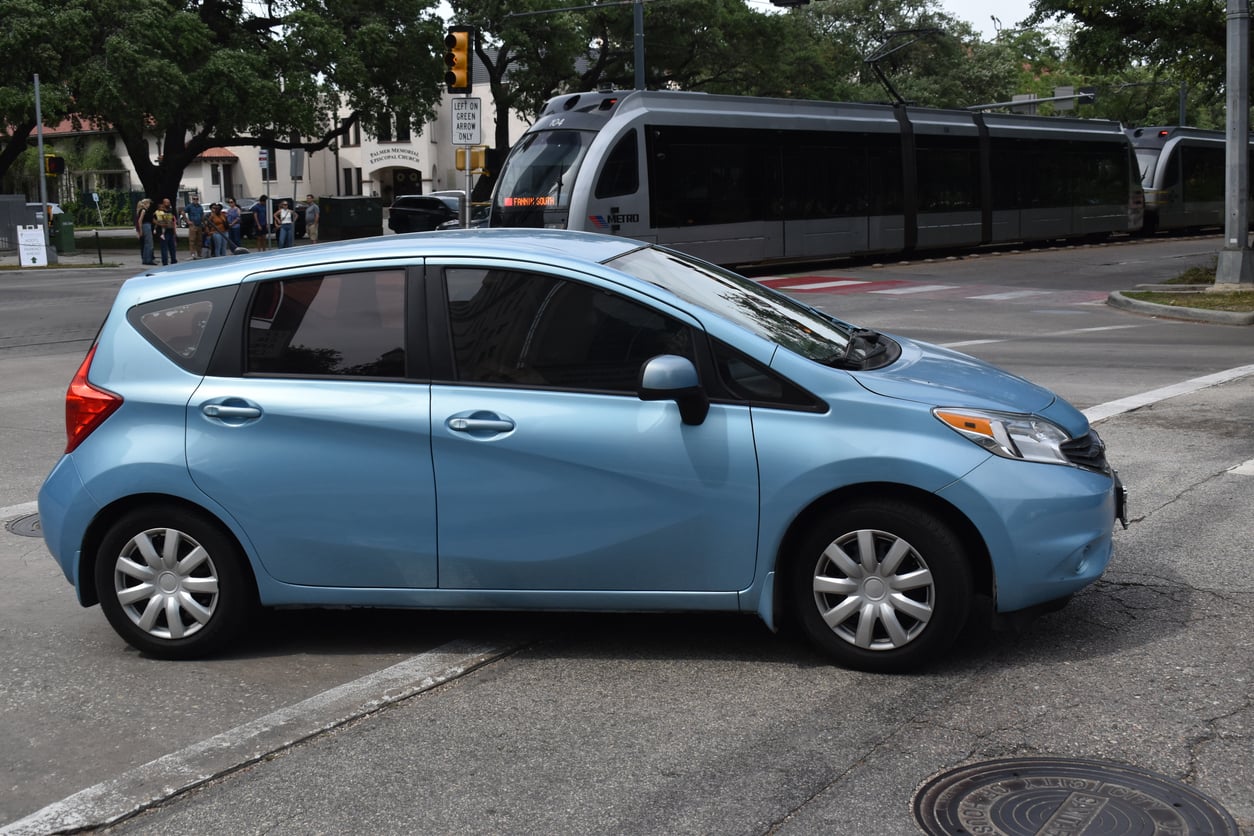
There’s something appealing about driving a car straight off the dealership lot, but that new-car smell comes with a hefty price tag. New vehicles generally lose value over time, and retirees who only drive to the grocery store, doctor’s appointments, or occasional family visits may not need the latest model. A well-maintained used car can provide reliable transportation without the premium price. Consider comparing late-model used vehicles and certified pre-owned options before committing to something new. The Federal Trade Commission recommends getting a vehicle history report and arranging an independent inspection, even when a dealership claims a car has already been certified.
A Recreational Vehicle or Motorhome
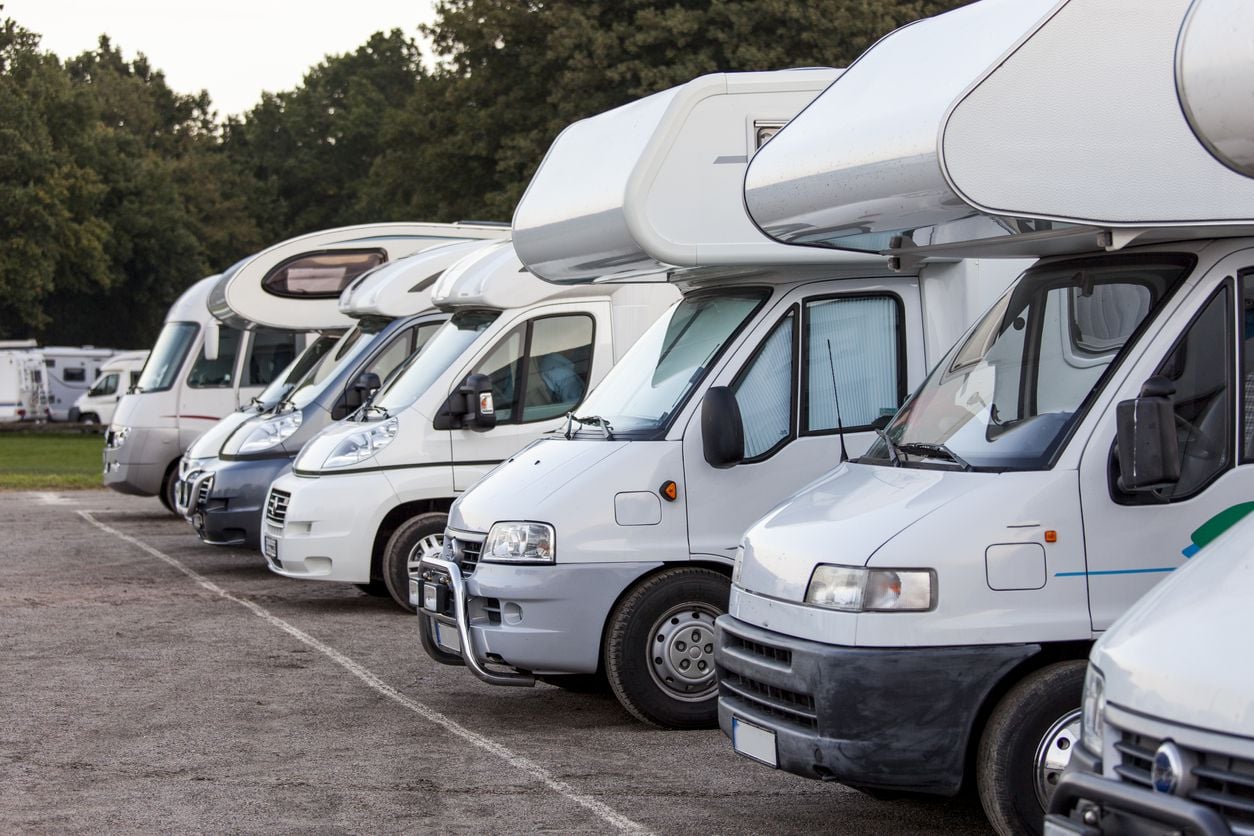
Hitting the open road in a shiny new RV might sound like the ultimate retirement adventure, but owning one can be considerably more expensive than the advertisements suggest. Beyond the purchase price, there’s insurance, maintenance, storage, fuel, and campground fees to consider. And if you only take a few trips each year, that motorhome could spend most of its time sitting in the driveway. Before investing in one, consider renting an RV for an extended vacation to see whether you actually enjoy the lifestyle. If you decide it’s for you, a carefully inspected used model could save you a substantial amount of money.
Living Room and Dining Room Furniture
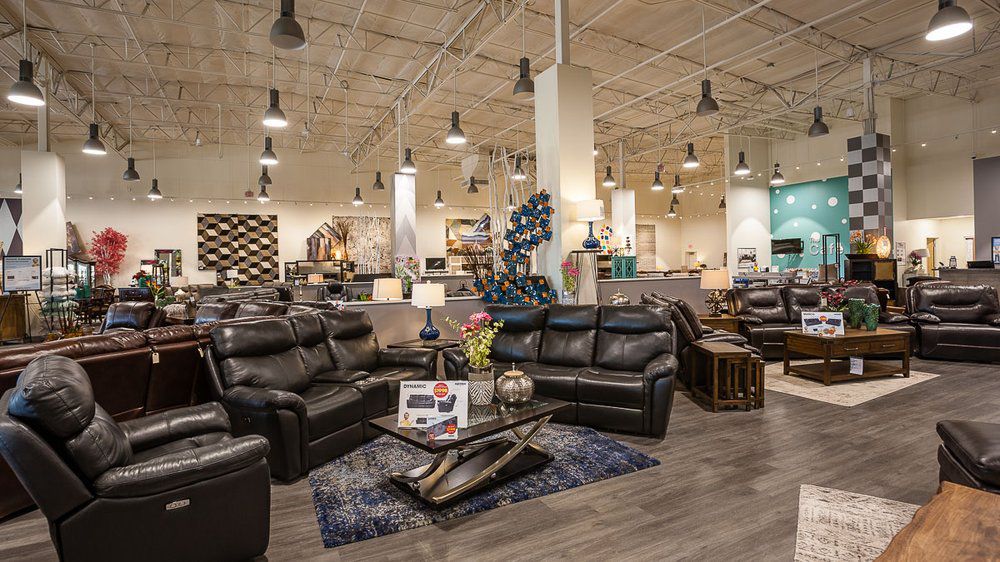
Retirement often comes with a desire to refresh your home, especially if you’re downsizing or finally replacing furniture you’ve had for decades. But furnishing a living room or dining room with brand-new pieces can get expensive quickly. Estate sales, consignment shops, and secondhand furniture stores frequently have solid wood tables, dressers, bookcases, and dining chairs that still have years of life left in them. Some older pieces may even be better constructed than similarly priced new furniture. Just inspect everything carefully for structural damage, odors, and signs of pests, particularly when considering upholstered items.
A Laptop or Desktop Computer

Unless you’re editing professional videos or running demanding software, chances are you don’t need the most expensive computer on the market. Many retirees primarily use their laptops for checking email, managing finances, browsing the internet, and video chatting with family. A manufacturer-refurbished computer can handle those everyday tasks without the premium price of a brand-new model. The key is buying from a reputable seller rather than taking a chance on an aging machine with no guarantees. Consumer Reports recommends paying attention to warranties and return policies when shopping for refurbished electronics. You’ll also want to make sure the computer has a supported operating system and enough memory for your needs.
An Expensive Smartphone

Smartphone companies release new models so frequently that it’s easy to feel like your perfectly functional phone is suddenly outdated. But do you really need a more advanced camera or a slightly faster processor to send texts, make calls, and check your banking app? For many retirees, the answer is probably not. Refurbished smartphones can offer plenty of modern features at a lower price, particularly when purchased through manufacturers or reputable retailers. Before buying, check the battery’s condition, warranty coverage, carrier compatibility, and how many years of software updates the device is expected to receive. A cheaper phone isn’t much of a bargain if it stops receiving important security updates shortly after you purchase it.
Trending on Cheapism


Exercise Bikes, Treadmills, and Home Gym Equipment
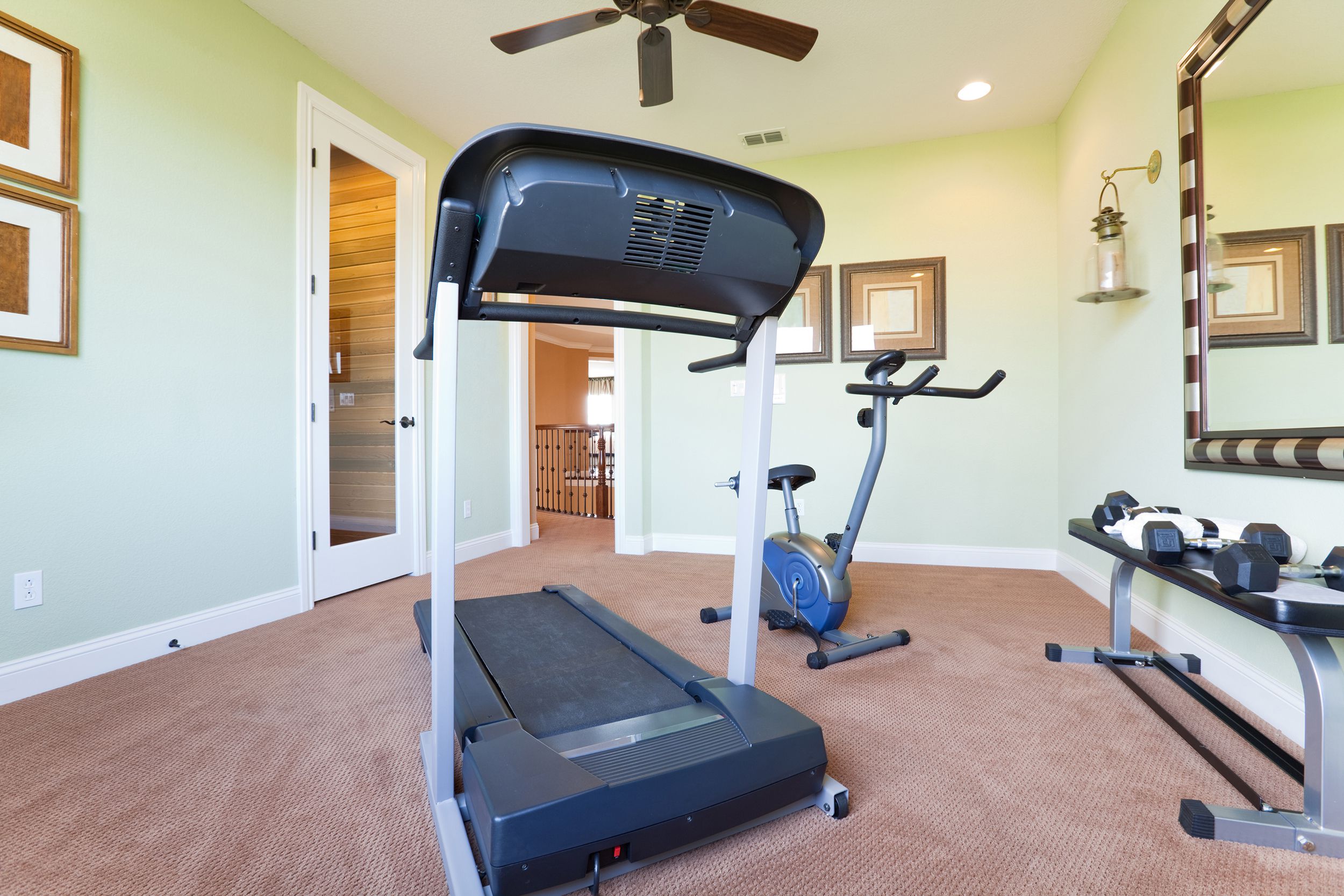
Retirement can finally give you the free time to focus on fitness, but that doesn’t necessarily mean you should rush out and buy a brand-new treadmill or stationary bike. Expensive exercise equipment has a way of becoming an oversized clothes rack when the initial enthusiasm wears off. And if you’re downsizing, a bulky machine can take up valuable living space. Before spending hundreds or thousands of dollars, consider trying a gym membership or starting with inexpensive equipment. If you eventually decide to purchase a machine, look for a well-maintained secondhand option. Just make sure to test it, inspect the moving parts, and check whether replacement components are still available.
Golf Clubs and Other Recreational Sports Equipment
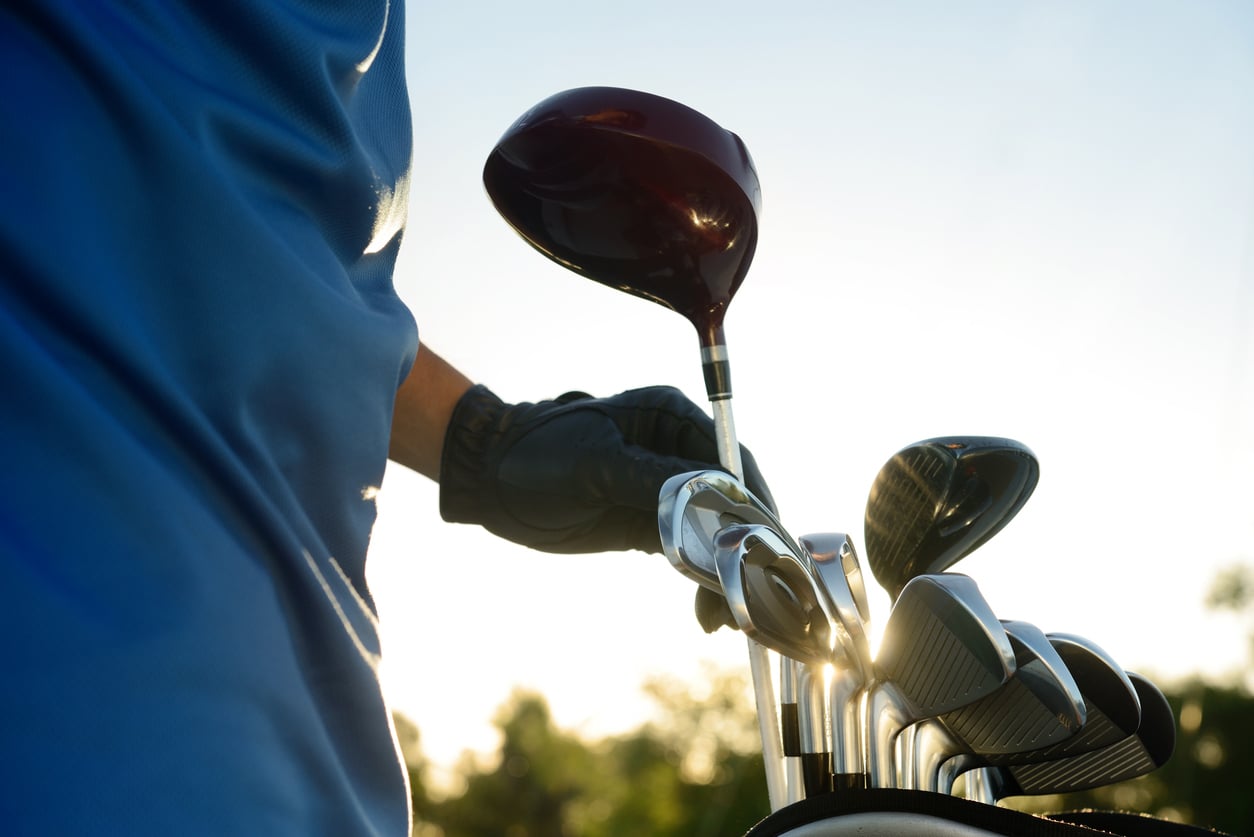
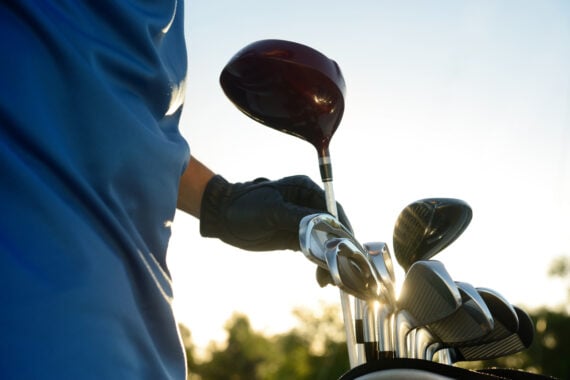
Taking up golf, tennis, or fishing can be a wonderful way to spend retirement, but buying an entire collection of brand-new equipment before you’ve settled into a hobby can be a costly mistake. High-quality golf clubs, fishing rods, and other recreational gear often remain usable long after their original owners stop using them. Secondhand sporting goods stores and specialty resale shops can be good places to start. You might also consider renting equipment or borrowing it for your first few outings. If you’re shopping for golf clubs, prioritize finding a set that fits your height, swing, and physical needs rather than paying extra for the newest release.
Expensive Outdoor and Camping Gear
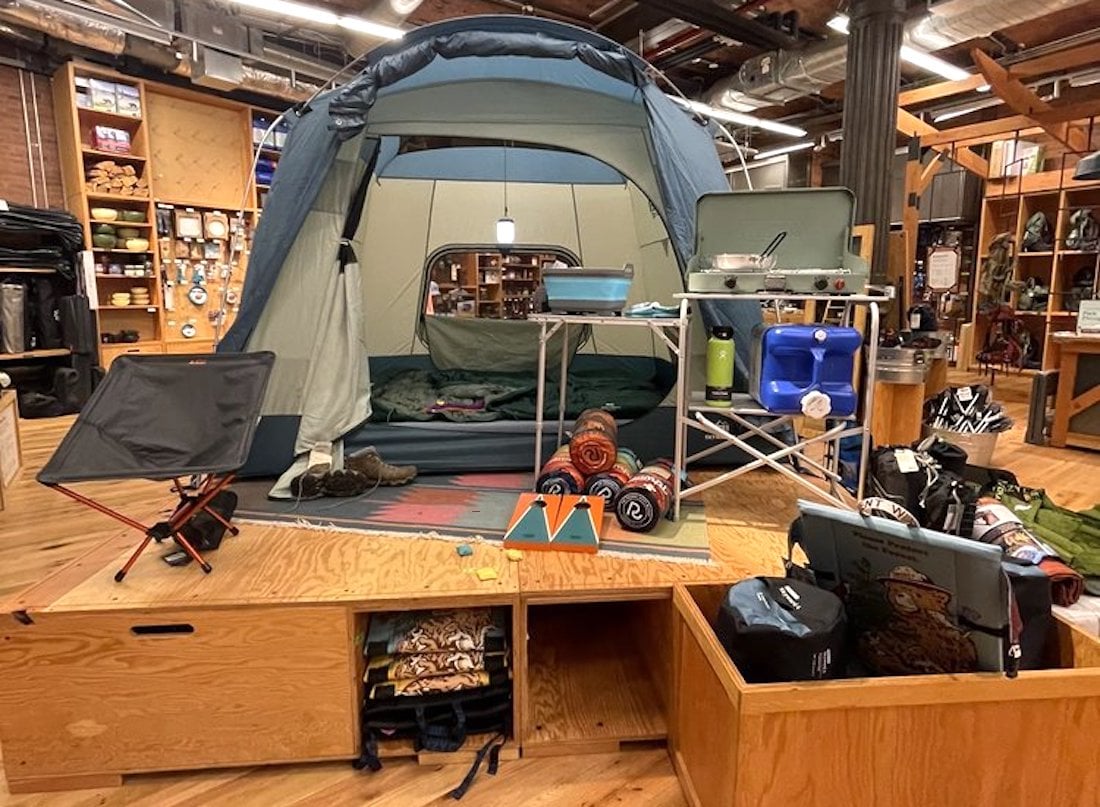
If retirement has you dreaming about national parks, scenic hiking trails, and weekends spent camping, it’s tempting to stock up on every piece of outdoor equipment you might possibly need. Unfortunately, tents, backpacks, sleeping bags, and other gear can add up quickly, especially when purchased brand-new. Before investing heavily, think about how often you’ll actually use everything. Retailers such as REI offer secondhand outdoor gear through resale programs, making it possible to find useful equipment for less. Just inspect used items for damage and wear. Safety-critical gear, including helmets and climbing protection, is generally better purchased new because its history may be impossible to verify.
Sign up for our newsletter
Expensive Books and Coffee-Table Collections

Having more time to read is one of retirement’s underrated pleasures, but a steady stream of new hardcover books can become an expensive habit. Coffee-table collections, cookbooks, and illustrated books can be especially pricey, even though many remain perfectly usable for decades. Used bookstores, library sales, and thrift shops often have shelves full of books at a fraction of their original prices. And don’t forget that borrowing from your local public library costs nothing. Of course, certain reference books are worth buying in updated editions, particularly when they cover medical, legal, financial, or travel information that may have changed.
A Second Refrigerator or Freezer

An extra refrigerator in the garage or basement might seem like a practical investment, especially if you’re accustomed to buying groceries in bulk. But retirees with smaller households may find that the additional storage isn’t nearly as necessary as it once was. Beyond the purchase price, a second refrigerator adds another ongoing electricity expense and may encourage buying more food than you can realistically use. And while a cheap secondhand appliance might look like a bargain, older refrigerators can be surprisingly inefficient. According to ENERGY STAR, replacing an aging refrigerator with a more efficient model can reduce electricity consumption. Before buying another appliance, consider whether reorganizing your existing refrigerator and freezer could solve the problem for free.
A Full Set of Power Tools for Occasional Projects
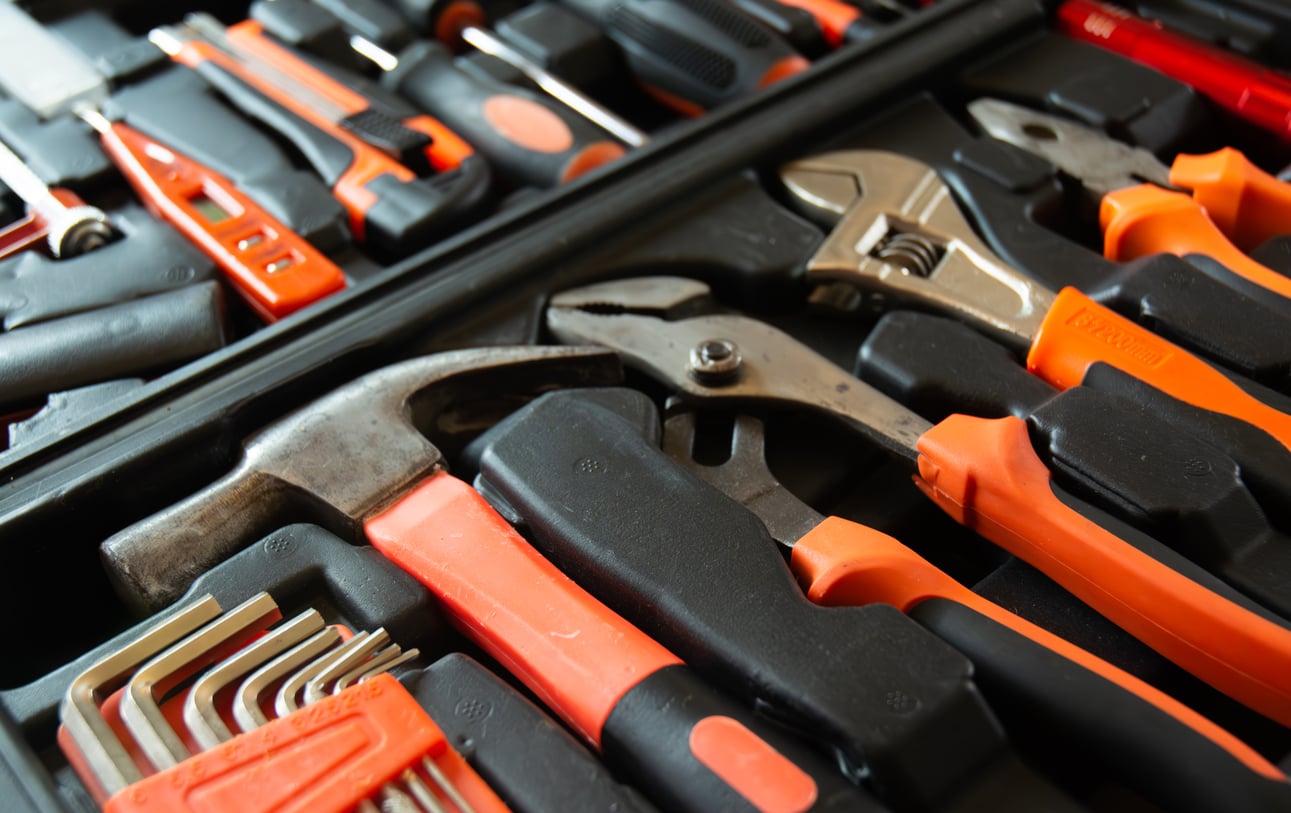
Finally having time for home improvement projects can be exciting, but you probably don’t need a garage full of brand-new power tools to tackle a few repairs each year. Drills, sanders, saws, and specialty equipment can become expensive purchases, particularly when they’re only used once or twice. Instead of buying everything outright, consider renting tools for specific projects or borrowing them through a local tool-lending library. Reconditioned equipment can also offer savings for tools you’ll use regularly. If you’re purchasing secondhand power tools, inspect them for damaged cords, missing safety guards, and other problems before using them.
Decorative Home Accessories and Artwork

Refreshing your home after retirement doesn’t have to involve spending a fortune at furniture and home decor stores. Mirrors, framed artwork, decorative bowls, pottery, and other accessories are often available at estate sales, antique shops, and consignment stores for much less than comparable new pieces. Shopping secondhand can also help you find distinctive items that aren’t sitting on the shelves of every major retailer. Of course, not everything vintage is automatically a bargain, so compare prices and inspect pieces carefully. If you’re considering an older lamp or another electrical fixture, have its wiring checked before plugging it in.
When Buying Used Makes More Sense Than Buying New

Retirement doesn’t have to mean giving up the things you enjoy, but it does make being selective about big purchases especially important. A refurbished laptop, secondhand dining table, or rented RV might provide everything you need without draining your savings. On the other hand, paying more for a new item can be worthwhile when safety, energy efficiency, accessibility, or a strong warranty makes a meaningful difference. The goal isn’t to avoid buying new things altogether. It’s to make sure you’re paying for something you’ll actually use and enjoy, rather than simply paying extra because it happens to be brand-new.