That sprawling backyard, three-story floor plan, or beautiful swimming pool might feel like an upgrade at 45. But some of these home features to avoid in retirement can look considerably different at 70, when you’re paying someone else to mow the lawn, clean the pool, or haul laundry up two flights of stairs.
Housing expenses don’t disappear when you retire, either. Maintenance, utilities, insurance, and surprise repairs can take a much bigger bite out of a budget once you’re living on a more fixed income. There is also the question of how much work you actually want your home to require. AARP notes that many homes weren’t designed around the changing needs of older residents, while HUD encourages modifications that can make homes safer and easier to navigate as people age.
That doesn’t mean retirees need to avoid every feature on this list. But if you’re buying a retirement home or deciding whether your current house still makes sense, these 14 features deserve a closer look.
A Swimming Pool

A backyard pool sounds pretty wonderful when you’re imagining leisurely retirement afternoons. The bills attached to it can be less relaxing. Pools require chemicals, cleaning, pumps, covers, heating, equipment repairs, and eventually larger expenses such as resurfacing. They can affect insurance costs, too. And if you’re currently handling much of the maintenance yourself, consider what happens if you eventually hire someone to do all of it. A community pool can offer many of the same benefits without turning swimming into another recurring household bill.
A Huge Lawn

An expansive green lawn can make a property look peaceful right up until somebody has to mow it. Bigger yards also mean more fertilizing, irrigation, leaf removal, trimming, weeding, and potentially snow removal depending on where you live. Those chores may be manageable now, but outsourcing them can turn a beautiful yard into a recurring landscaping expense. Before buying a large property for retirement, it may be worth asking what the yard would cost if you eventually paid someone to maintain every inch of it.
Lots of Stairs
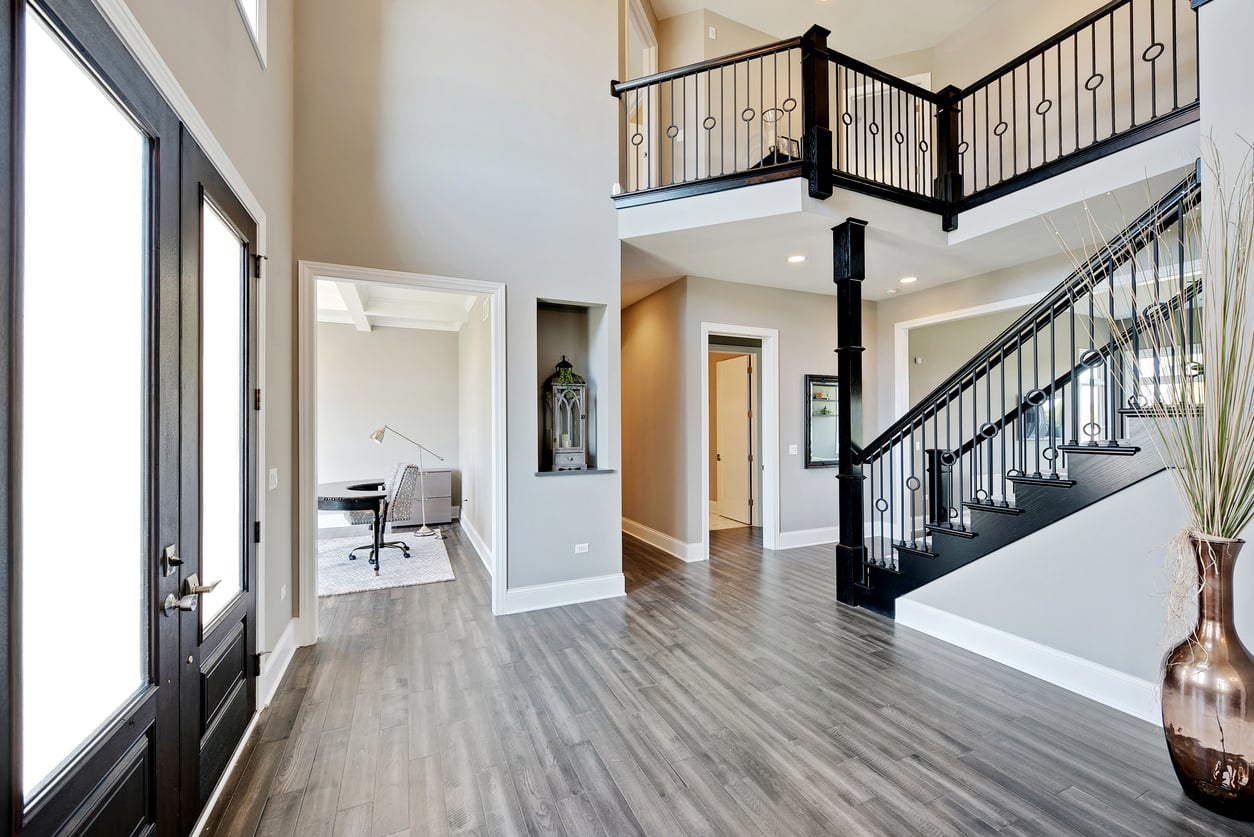
A multistory home can work perfectly well for decades, but stairs may become considerably less convenient later in retirement. AARP recommends considering whether a home has a bedroom and bathroom on the first floor, which can make it easier to remain there if climbing stairs becomes difficult. And stairs aren’t just about getting yourself from one floor to another. Groceries, laundry, luggage, and household chores all have to travel with you. Retrofitting later with additional railings, a stair lift, or even a residential elevator can also turn into an expensive project.
An Aging HVAC System
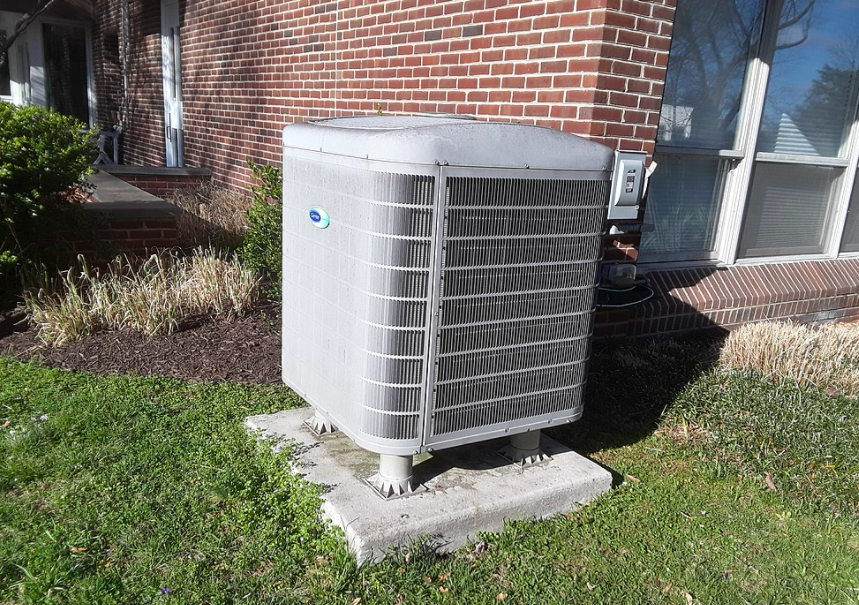
An old air conditioner or furnace can deliver a particularly unpleasant retirement surprise. ENERGY STAR says heating and cooling can account for almost half of the average home’s annual energy bill, so inefficient equipment can hurt long before it actually stops working. Older systems that need frequent repairs or struggle to keep a house comfortable may also be approaching replacement territory. If you’re buying a retirement home, don’t settle for knowing that the HVAC “works.” Ask how old it is, look at service records, and find out what might need replacing in the next several years.
Old, Drafty Windows
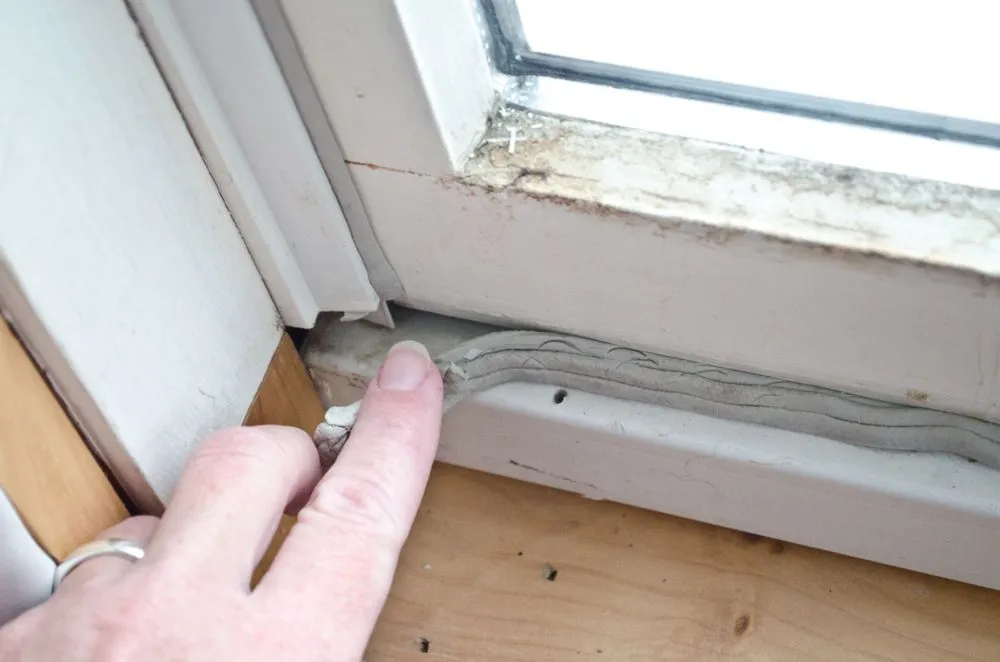
Old windows aren’t always an obvious problem during a home tour, but you might notice them every month when the utility bill arrives. ENERGY STAR estimates that replacing old windows with certified models can lower household energy bills by a national average of about 12%, though actual savings depend on the house and climate. The bigger concern is scale. Replacing one bad window isn’t necessarily a crisis; discovering that a house has 25 aging windows with drafts, condensation, or failed seals can turn into a very different home-improvement bill.
Trending on Cheapism


A Private Septic System
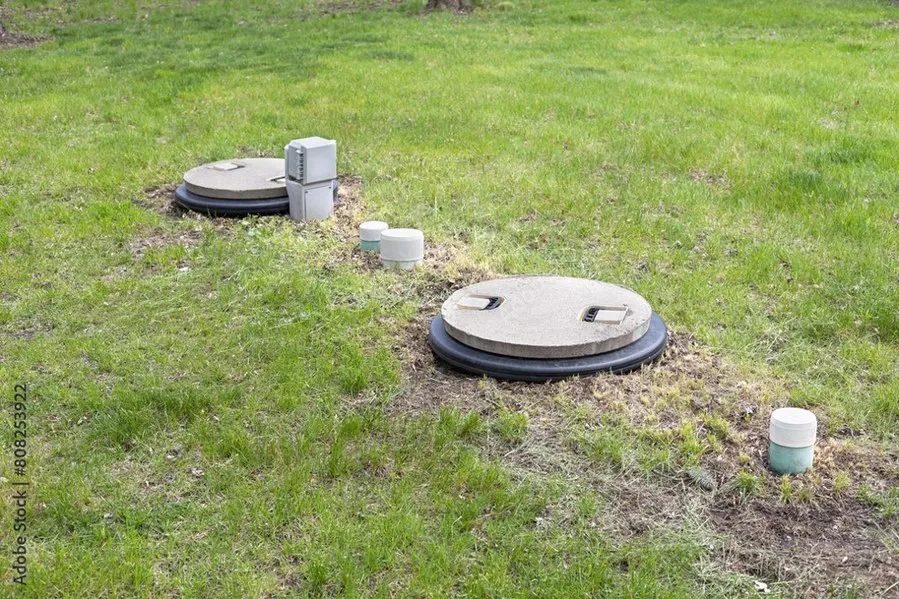
A septic system can work perfectly well for decades, but it comes with responsibilities homeowners connected to municipal sewers don’t have to think about. The EPA recommends having a typical household septic system inspected every three years and the tank pumped every three to five years, depending on the system and household. Routine upkeep is far cheaper than dealing with a failed system or drainfield. If you’re considering a rural or exurban retirement property, ask for inspection, pumping, and repair records rather than assuming everything underground is fine because the toilets flush.
A Private Well
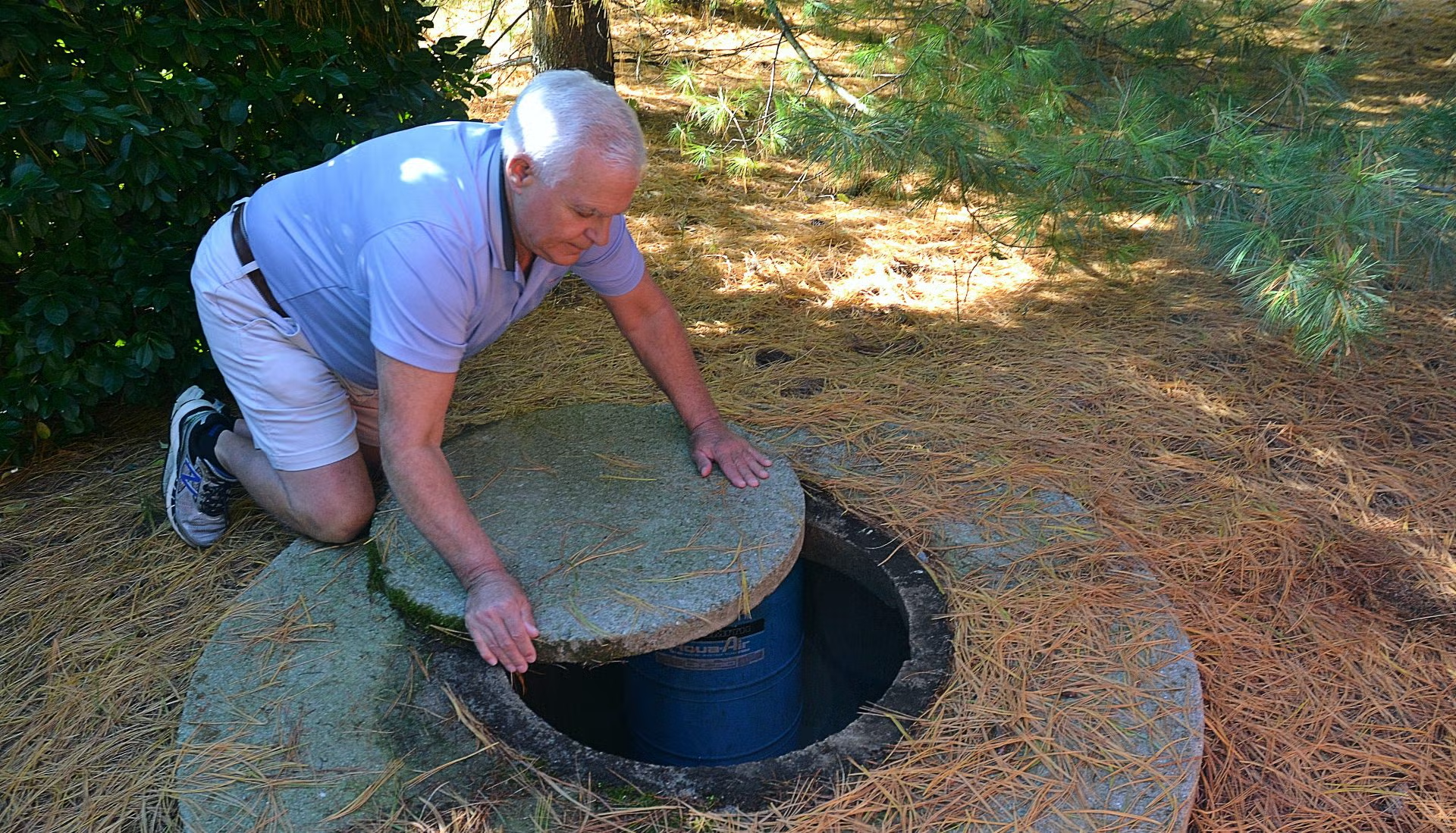
No municipal water bill might sound like a financial win, but a private well effectively makes you responsible for your own miniature water system. The CDC recommends testing private well water at least annually for contaminants and other water-quality indicators. Then there are the physical components: pumps, pressure tanks, filtration equipment, and other parts that may eventually need professional attention. Before buying, find out the well’s age and depth, review recent water-test results, and determine how old the major mechanical components are.
Oversized Rooms and Soaring Ceilings
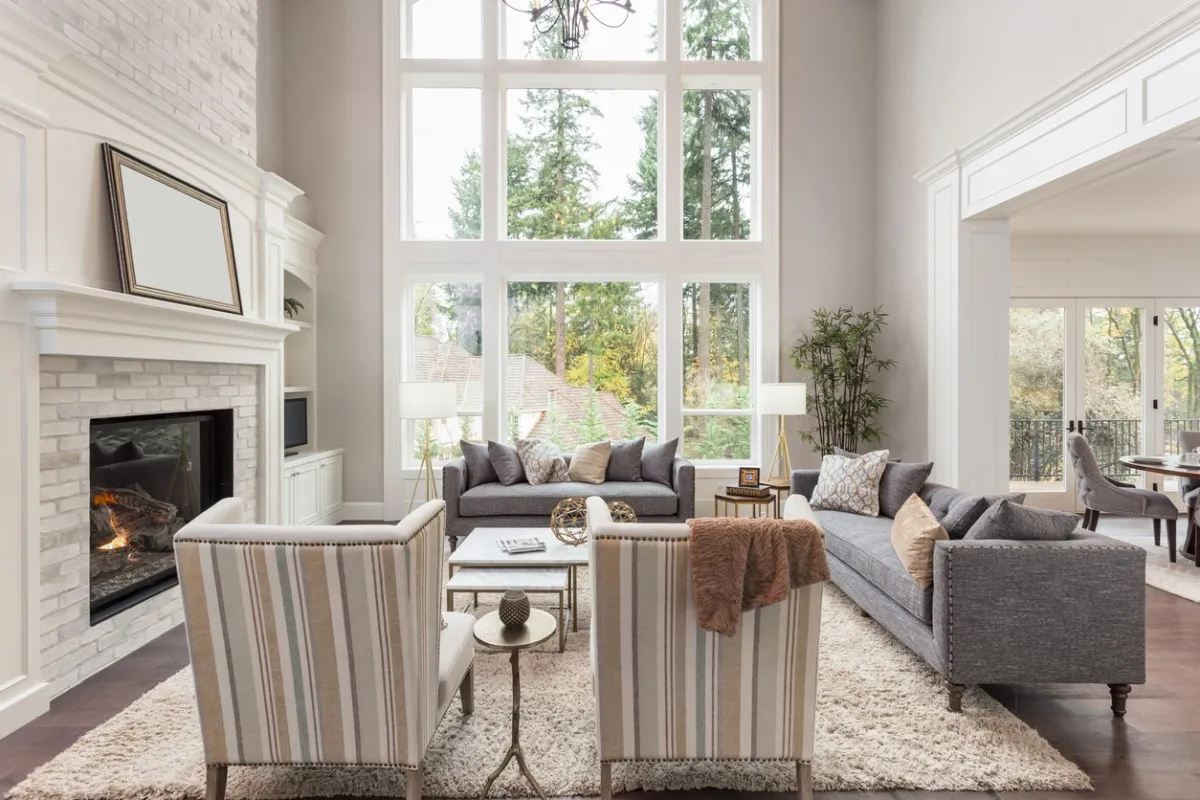
Huge great rooms and cathedral ceilings look fantastic in listing photos, but all that air still needs to be heated and cooled. More square footage also generally means more floors to clean, more surfaces to maintain, and potentially more rooms you’re paying for despite rarely using them. Retirement can be a good time to reconsider whether “more house” actually means a better house. A smaller, well-insulated home with a practical layout may provide everything you use regularly without making you pay to maintain a bunch of impressive but mostly empty space.
Sign up for our newsletter
A Wood-Burning Fireplace
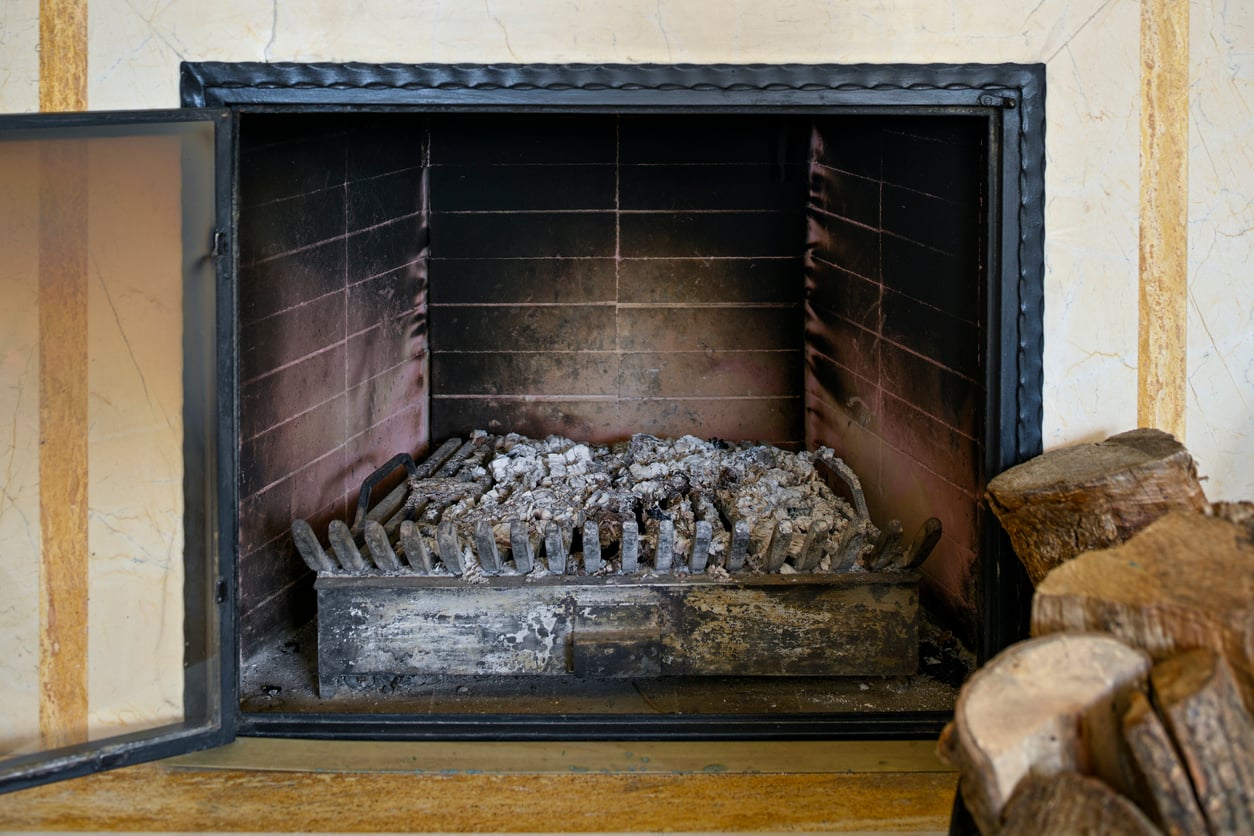
There are few things cozier than a real wood fire on a cold night. Unfortunately, the chimney doesn’t maintain itself during the other 364 days of the year. Wood-burning fireplaces can require professional cleaning and inspections, while older chimneys may eventually need repairs to masonry, liners, flashing, or dampers. There’s also firewood to buy, store, and haul. If those chores stop sounding enjoyable, a fireplace can gradually become another system you’re paying someone else to maintain. Gas or electric alternatives can preserve much of the atmosphere with fewer physical demands.
A Large Finished Basement
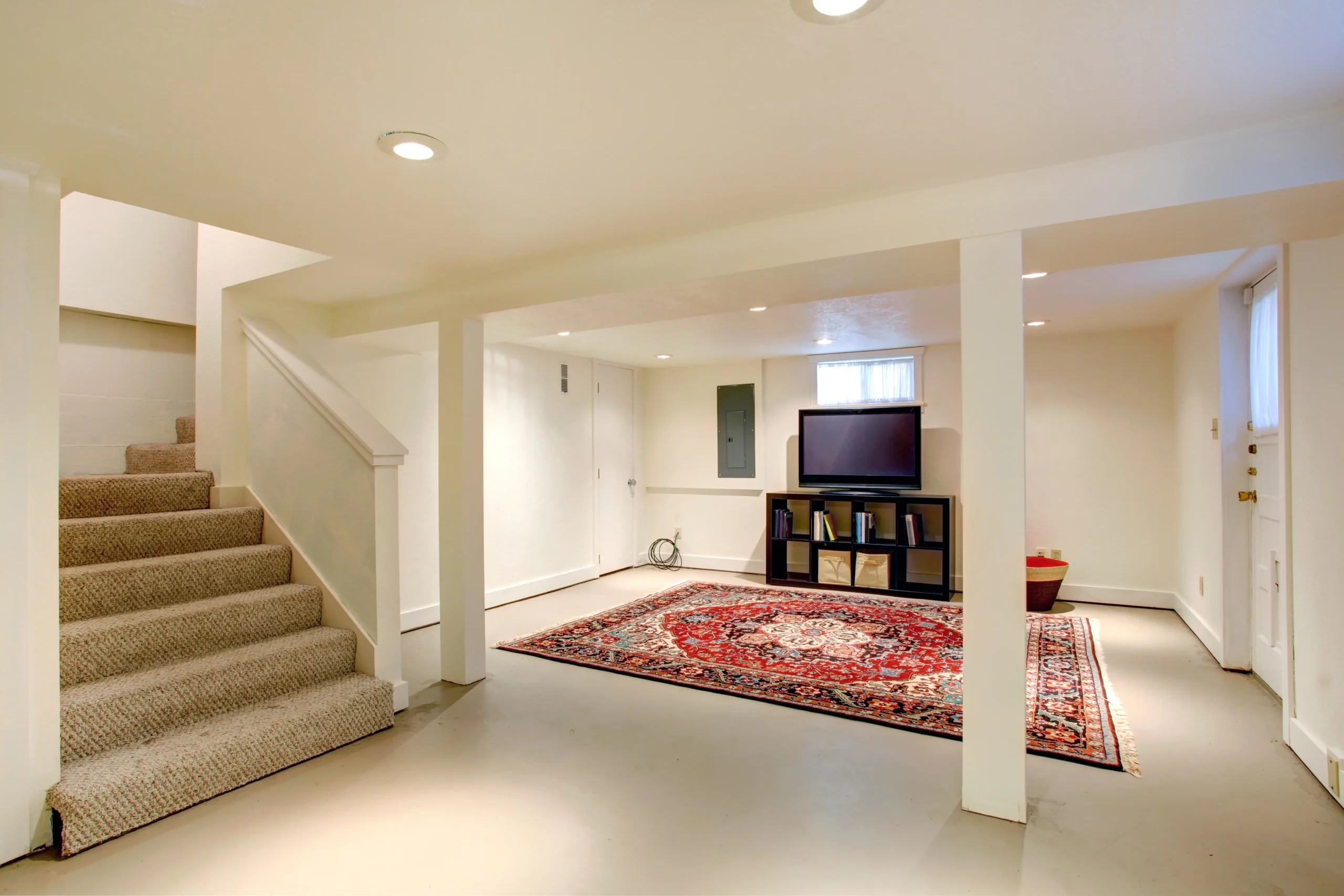
A finished basement can feel like bonus square footage, particularly when it contains a family room, guest space, home gym, or laundry area. The problem is that below-grade living space still has flooring, walls, heating and cooling needs, plumbing, and other finishes that can require maintenance. Accessibility matters, too. If you eventually avoid the stairs, that enormous basement may become space you continue heating, cooling, insuring, and maintaining without actually using. For retirement, it makes sense to treat basement space as a bonus rather than depending on it for essential everyday activities.
Bathrooms With Giant Tubs but No Easy Shower
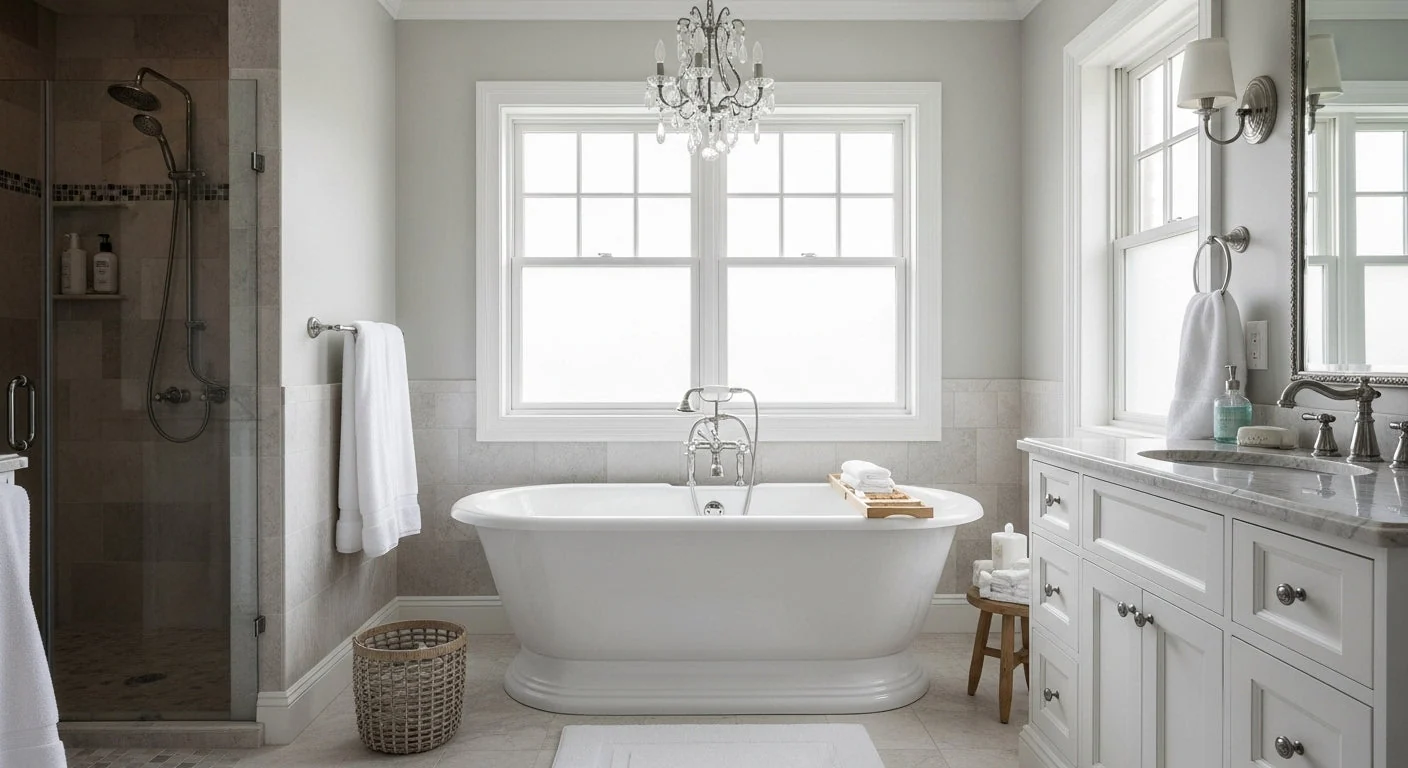
That enormous soaking tub may have been a luxury selling point when the bathroom was remodeled. Having to climb over its high edge every morning can eventually make it considerably less appealing. AARP recommends bathroom features such as grab bars and curbless showers to make spaces easier to use as people age, while HUD has highlighted additions including non-slip surfaces, shower benches, and handheld shower heads. Remodeling a beautifully tiled bathroom solely because it has become difficult to navigate can be an expensive project, so an accessible layout is worth considering before retirement.
Complicated Landscaping and Mature Trees Near the House

Mature trees, sculpted hedges, elaborate flower beds, retaining walls, and extensive irrigation can transform an ordinary yard. They also create a surprisingly long maintenance list. Once you stop pruning, planting, watering, and cleaning everything up yourself, landscaping can become another recurring service bill. Large trees can require professional trimming or removal, while retaining walls and irrigation systems introduce additional components that can eventually fail. Simple, drought-tolerant landscaping and well-positioned shade trees may not look quite as dramatic, but they can require considerably less work.
Waterfront or Flood-Prone Property
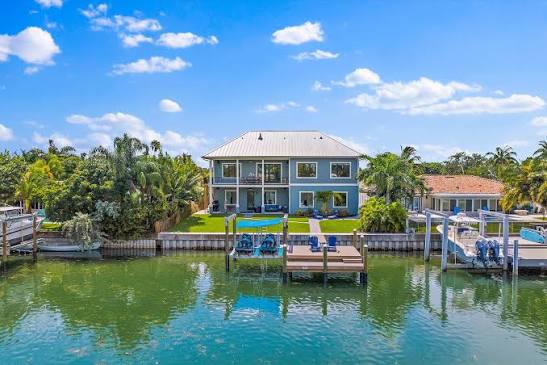
Retiring beside the water is an easy fantasy to understand, but the insurance situation deserves as much attention as the view. FEMA notes that standard homeowners insurance generally doesn’t cover flood damage, so flood coverage can require a separate policy. Depending on the property, waterfront living can also mean dealing with erosion, drainage, storm damage, docks, seawalls, and other specialized maintenance. Before falling in love with a waterfront home, investigate its flood history, insurance situation, and current FEMA flood designation.
A House With Too Many Specialized Systems
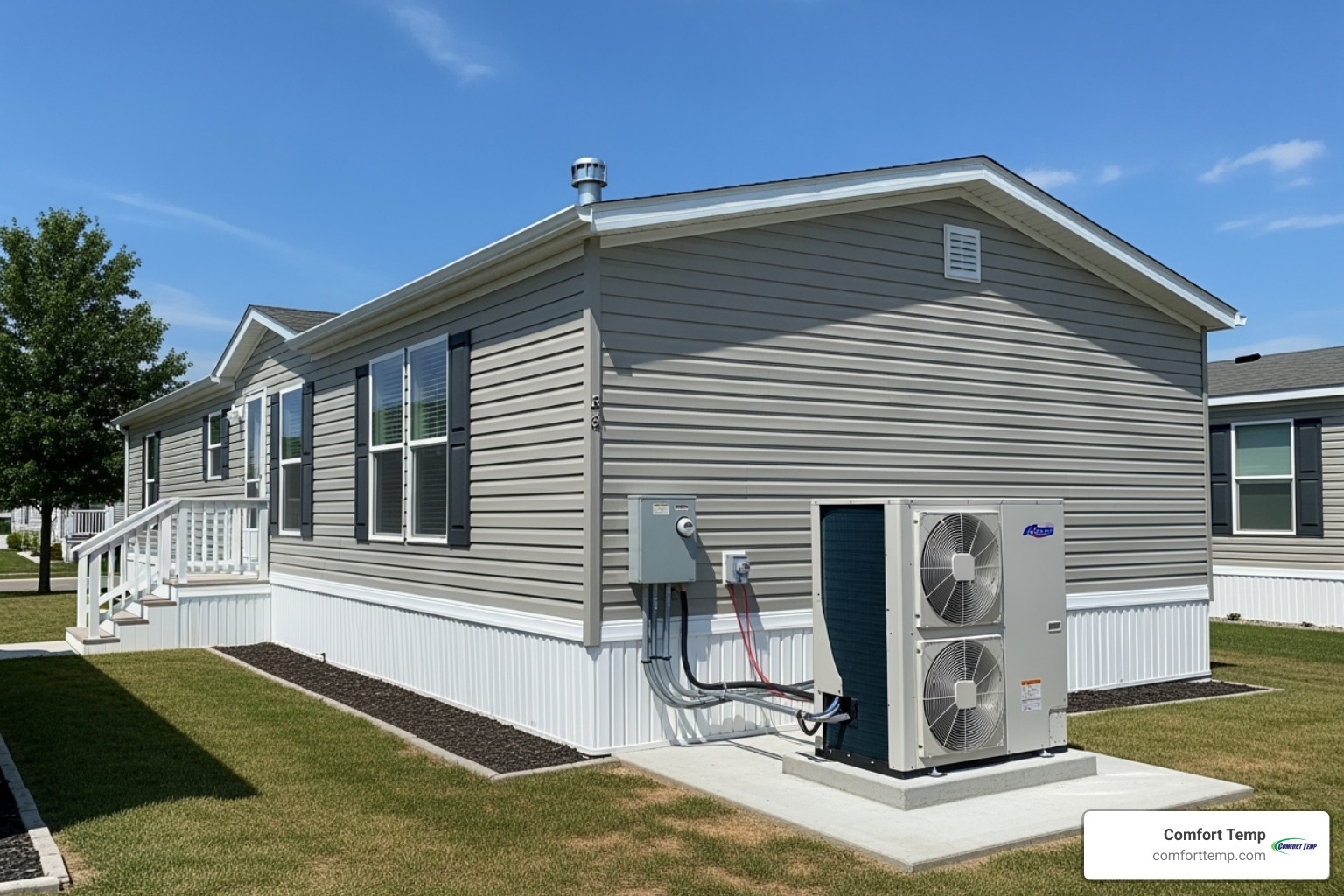
Luxury homes can accumulate an impressive collection of technology: multiple HVAC zones, built-in speakers, motorized shades, elaborate lighting, security systems, generators, irrigation controls, smart appliances, and perhaps pool equipment on top of everything else. Each feature can be useful on its own. Together, they create a house with an awful lot of components capable of breaking. Technology can become particularly frustrating as systems age, parts are discontinued, and software loses support. A useful retirement test is to ask whether you’d still want every gadget if you had to call — and pay — a technician whenever it stopped working.
A Retirement Home Should Make Life Easier

The best retirement home isn’t necessarily the smallest or cheapest one. It’s often the house that asks less of you while leaving fewer opportunities for expensive surprises.
A pool, large yard, septic system, private well, finished basement, or multistory layout can still make perfect sense for the right homeowner. The important part is looking beyond what those features offer today and considering what they’ll demand 10 or 20 years from now. Before buying, ask yourself one simple question: What happens if I no longer want to maintain this myself?
If the answer involves regularly writing a check to a contractor, that dream feature may deserve a second look.