
For decades, one of the easiest ways to stretch a retirement budget was to leave an expensive city behind for a smaller Sun Belt, mountain, or coastal town. Lower home prices could make it possible to downsize, pocket some home equity, and enjoy a slower pace of life without spending a fortune.
But some of America’s longtime retirement bargains aren’t such bargains anymore. Migration, limited housing supply, second-home demand, and the pandemic-era housing boom sent prices soaring in destinations that were once known for affordability. And while several markets have cooled since their peaks, prices haven’t necessarily returned to anything resembling their pre-pandemic levels.
Of course, “too expensive” is relative. A town that feels pricey to someone living primarily on Social Security may still look affordable to a retiree selling a home in San Francisco or New York. But for retirees hoping to substantially cut their housing costs, these 12 once-affordable retirement towns may no longer deliver the savings they once did.
Bend, Oregon

Bend built much of its appeal around the idea that you could get the outdoorsy Pacific Northwest lifestyle without paying big-city West Coast prices. Retirees got mountains, trails, skiing, breweries, and plenty of scenery — but that affordability advantage has become much harder to find.
Zillow puts the typical Bend home at around $729,000 as of August 2026. For comparison, Realtor.com data collected by the Federal Reserve Bank of St. Louis show the Bend-Redmond metro had a median listing price of roughly $455,000 in January 2020. Remote workers and newcomers drawn to Bend’s lifestyle added even more demand to a housing market that was already getting expensive. Retirees arriving with substantial home equity may still be able to make the numbers work, but Bend is no longer the obvious downsizing bargain it once was.
Coeur d’Alene, Idaho

A lake, mountains, four distinct seasons, and a slower pace helped turn Coeur d’Alene into an appealing alternative to pricier Pacific Northwest cities. Unfortunately, plenty of other buyers discovered northern Idaho, too.
Zillow values the typical Coeur d’Alene home at roughly $607,000, while the metro’s median listing price reached about $795,000 in August 2026. Back in January 2020, that metro figure was closer to $442,000. Out-of-state migration and demand for recreational homes helped propel the area into an entirely different price bracket. The lifestyle may still attract retirees, but anyone moving primarily for cheap housing could be in for a surprise.
Prescott, Arizona

Prescott has long provided an alternative for retirees who like the idea of Arizona but aren’t quite as enthusiastic about Phoenix’s extreme summer heat. Its historic downtown, mountain scenery, forests, and relatively mild climate made it particularly appealing.
Those advantages now come at a premium. Zillow puts the typical Prescott home at roughly $597,000, considerably above its national figure of about $369,000. Federal housing data also show how dramatically the market changed: The Prescott area’s house-price index climbed from 273.39 in early 2020 to more than 412 by mid-2022. Limited housing supply, retiree demand, and migration from more expensive Western states helped transform what was once a comparatively affordable Arizona option.
St. George, Utah

Warm winters, desert landscapes, golf courses, and easy access to Zion National Park made St. George a natural retirement destination. For years, buyers could get all of that without paying the prices associated with many better-known Western retirement communities.
That’s becoming harder. Zillow’s typical St. George home value reached roughly $518,000 in August 2026, compared with around $344,000 in 2019 and $384,000 in 2020. Retirees have increasingly found themselves competing with remote workers, vacation-home buyers, and a growing Utah population. Prices have eased somewhat from their peak, but that doesn’t mean the old cheap-desert-retirement version of St. George has returned.
Asheville, North Carolina

Asheville seemed to have just about everything retirees could want: Blue Ridge Mountain scenery, restaurants, arts and culture, outdoor recreation, and historically more approachable Southern housing costs.
Popularity came with a price. Zillow puts the typical Asheville home at around $449,000 in August 2026, while the Asheville metro’s median listing price was about $575,000. Asheville-area median home sales were just $282,000 in 2019, according to Asheville Chamber data. Retirees aren’t the only people who want to live here, either. Tourism, second-home buyers, and remote workers have all increased demand in a geographically constrained mountain market. Prices have softened recently, but they’re still a long way from where they were before the pandemic.
Trending on Cheapism


Henderson, Nevada

Henderson became a retirement favorite by combining master-planned communities and abundant sunshine with easy access to Las Vegas — without requiring retirees to actually live amid the Strip’s constant activity. Nevada’s lack of an individual state income tax only sweetened the deal.
Housing is less of a bargain than it used to be, however. The typical Henderson home cost about $479,000 in August 2026. At the beginning of 2020, the broader Las Vegas-Henderson metro’s median listing price hovered around $320,000. Southern Nevada’s dramatic pandemic-era housing boom changed how much retirees need to spend to buy into the lifestyle. Nevada’s tax structure may remain attractive, but Henderson’s housing advantage over other Western metros isn’t what it once was.
Sarasota, Florida

Sarasota offered a compelling combination for retirees: Gulf Coast beaches, restaurants, arts, warm weather, and Florida’s lack of an individual state income tax. Better yet, you didn’t necessarily need Naples money to buy there.
Zillow values the typical Sarasota home at roughly $410,000 in 2026. Across the North Port-Sarasota-Bradenton metro, the median listing price was about $371,000 in early 2020, surged to nearly $600,000 in 2022, and remained around $465,000 in August 2026. The housing market has corrected from its pandemic peak, but the old bargain hasn’t exactly returned. Retirees also have to consider insurance and potential condo or HOA costs, which can make the purchase price only part of the affordability equation.
Wilmington, North Carolina
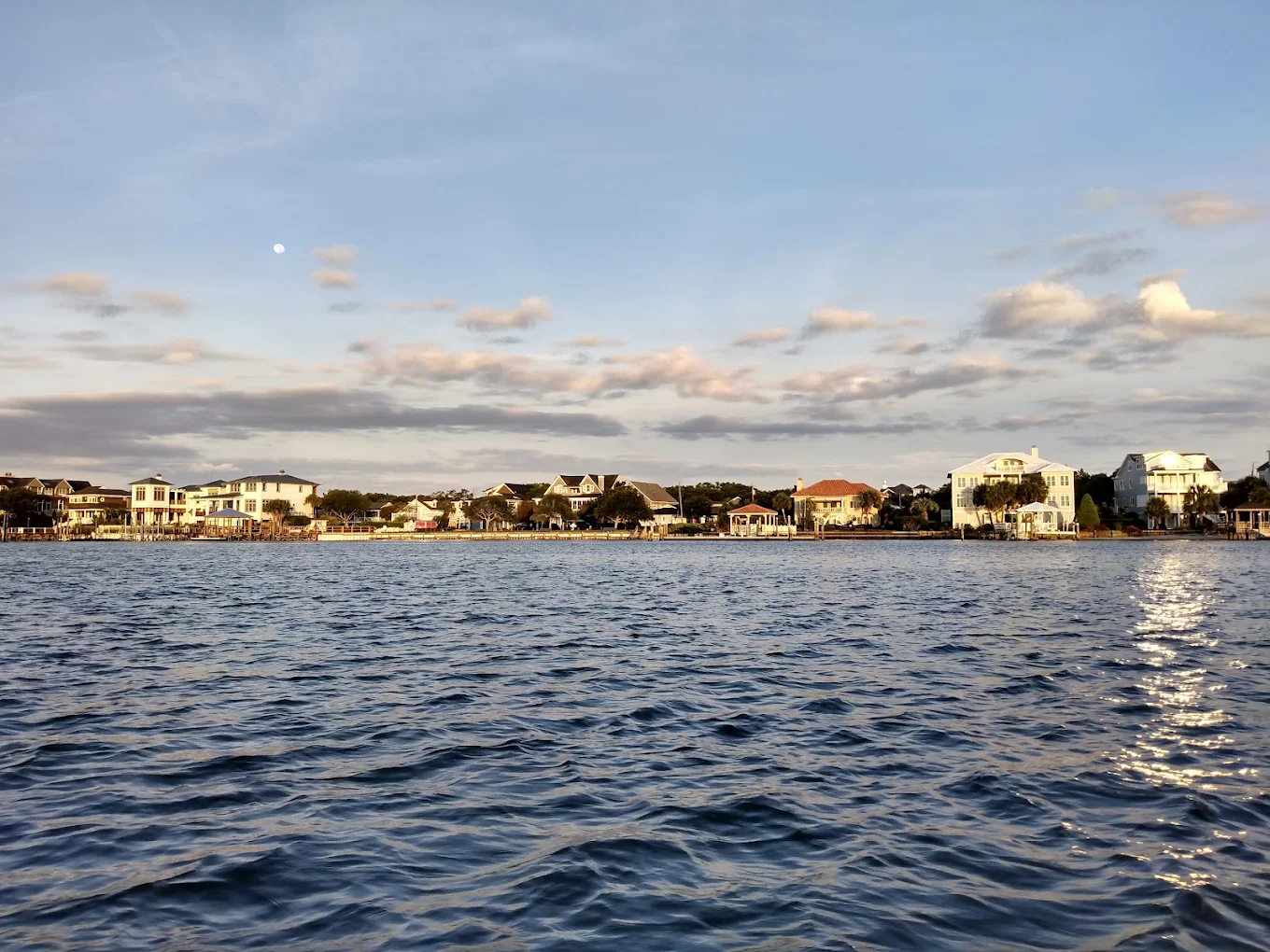
For retirees dreaming about living near the ocean, Wilmington once offered a relatively affordable route to the coast. Its beaches, historic downtown, and milder winters made it particularly appealing to people coming from colder and more expensive parts of the country.
Those newcomers helped change the equation. Zillow puts the typical Wilmington home value at around $419,000, while the metro’s August 2026 median listing price was roughly $475,000. In early 2020, the same metro was closer to $355,000 to $365,000. Coastal migration, population growth, and demand for second homes have made Wilmington much more competitive. It can still look affordable compared with some Northeastern beach communities, but retirees expecting genuinely cheap coastal housing may be disappointed.
Sign up for our newsletter
Port St. Lucie, Florida

Port St. Lucie attracted retirees in part because it offered something increasingly difficult to find in South Florida: a home that didn’t require a Palm Beach or Naples budget.
That discount has narrowed considerably. Zillow puts the typical Port St. Lucie home at around $385,000, while the metro’s median listing price increased from roughly $289,000 in early 2020 to about $430,000 in August 2026. As buyers were priced out of more expensive South Florida markets, many looked north to the Treasure Coast, adding pressure to Port St. Lucie’s housing market. It’s hardly one of America’s most expensive places to live, but the dramatic South Florida bargain that helped build its retirement appeal isn’t as easy to find.
Myrtle Beach, South Carolina

Warm weather, golf, ocean access, and inexpensive condos once made Myrtle Beach an almost textbook destination for retirees trying to get a lot of lifestyle for relatively little money.
It remains less expensive than several destinations on this list, but longtime bargain hunters have watched prices change substantially. Zillow puts the typical Myrtle Beach home at around $323,000 in August 2026. The metro’s median listing price was roughly $237,000 at the beginning of 2020, climbed above $397,000 in 2022, and was still around $315,000 in August 2026. Retirement migration and second-home demand helped fuel the increase. Myrtle Beach can still be relatively affordable, but anyone comparing today’s prices with the pre-pandemic market will notice how much of the bargain has disappeared.
Greenville, South Carolina
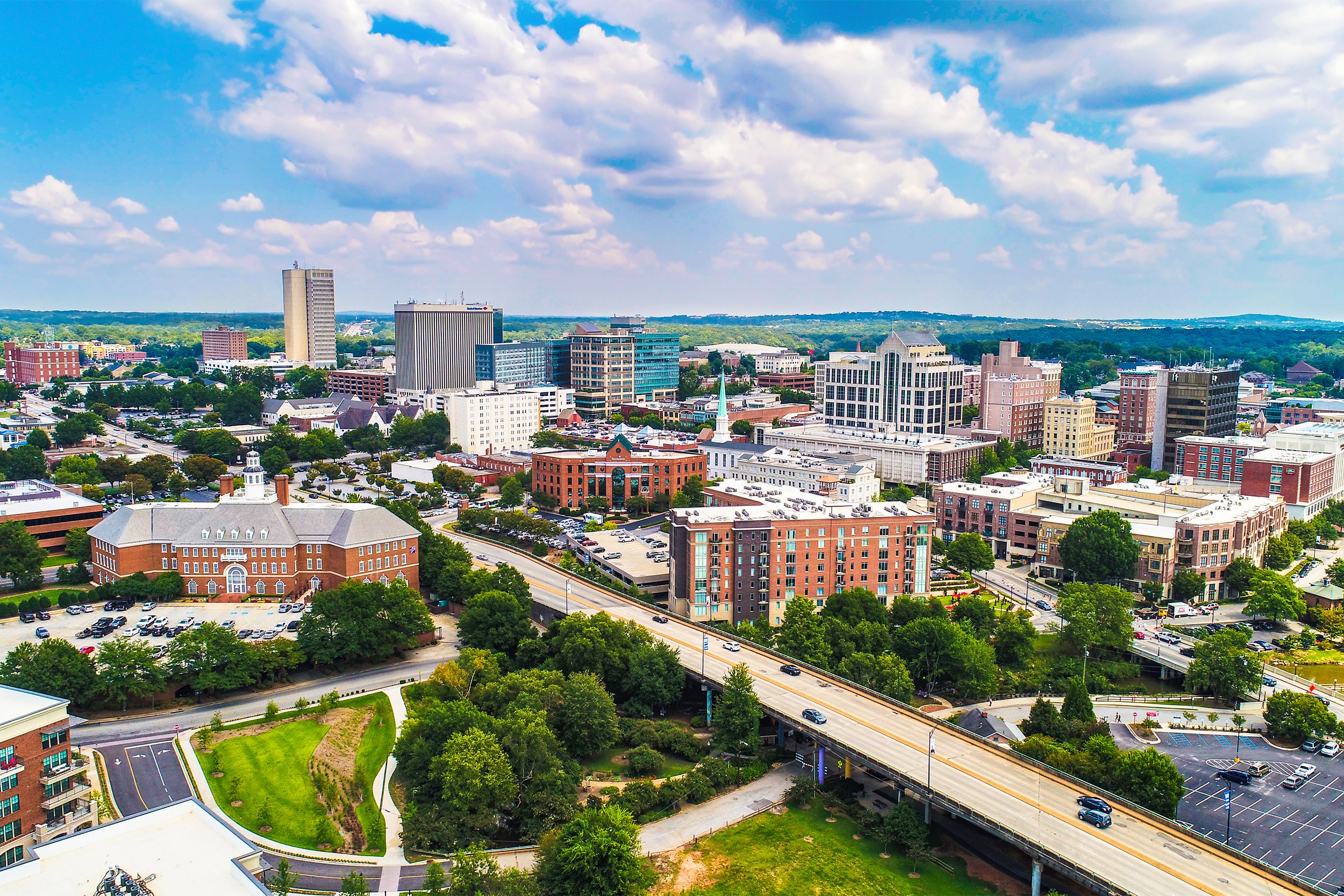
Greenville increasingly appeared on retirement radars thanks to its walkable downtown, mild climate, proximity to the Blue Ridge Mountains, and relatively affordable Southern housing. Unlike coastal destinations, it also avoided some of the insurance concerns that can come with living near the ocean.
But retirees aren’t the only newcomers who noticed. Zillow’s typical Greenville home was roughly $332,000 in August 2026, while average asking rent was around $1,572. The wider Greenville metro had a median listing price of approximately $270,000 in January 2020; by summer 2026, it was hovering around $380,000 to $390,000. Greenville can still cost less than Asheville or many Florida retirement destinations, but its old deep-value advantage is shrinking.
Chattanooga, Tennessee

Mountains, outdoor recreation, healthcare access, and Tennessee’s favorable income-tax environment helped make Chattanooga an attractive retirement alternative to more expensive Southern cities.
The city remains relatively affordable, but prices have moved considerably from where they once were. Zillow puts the typical Chattanooga home at roughly $319,000 in August 2026, while the metro’s median asking price was about $399,000. The same metro entered 2020 with listings around $300,000, before prices climbed above $430,000 during parts of 2022 and 2023. Chattanooga’s outdoor lifestyle, remote-work infrastructure, and tax environment attracted more buyers from outside the region. It’s still cheaper than places like Bend or Prescott, but retirees remembering Chattanooga’s old prices may have to recalibrate their expectations.
The Bargains Didn’t Necessarily Come Back

A cooling housing market isn’t the same thing as an affordable one. Several of these destinations have fallen from their pandemic-era peaks, but retirees aren’t suddenly shopping at 2019 prices again.
And a home’s sticker price is only one part of deciding whether somewhere is truly affordable in retirement. Property taxes, homeowners insurance, HOA fees, utilities, transportation, and access to healthcare can all change the calculation. A town that still looks reasonably priced on paper may not be much of a bargain once those monthly expenses are added up.
For retirees considering one of these longtime favorites, the lesson isn’t necessarily to cross it off the list. It’s to run the numbers based on what the town costs today, rather than what its reputation for affordability suggests.