
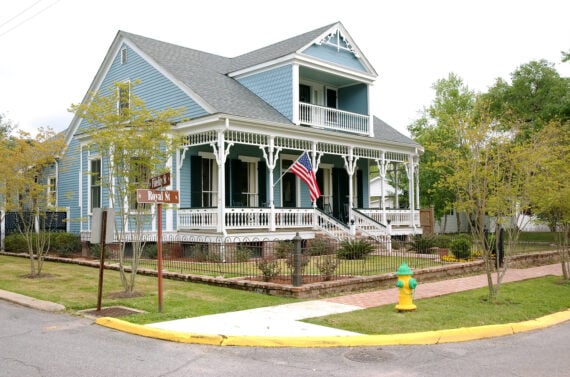
Different generations do not live in the same way. They are shaped by various circumstances and learn lessons from the past that lead them to make different decisions. Some purchasing habits are being delayed for young people aged 20 to 30 and differ from other generation decisions according to Pew Research Center and NAR, here is a look at those delayed purchases!
A First Home
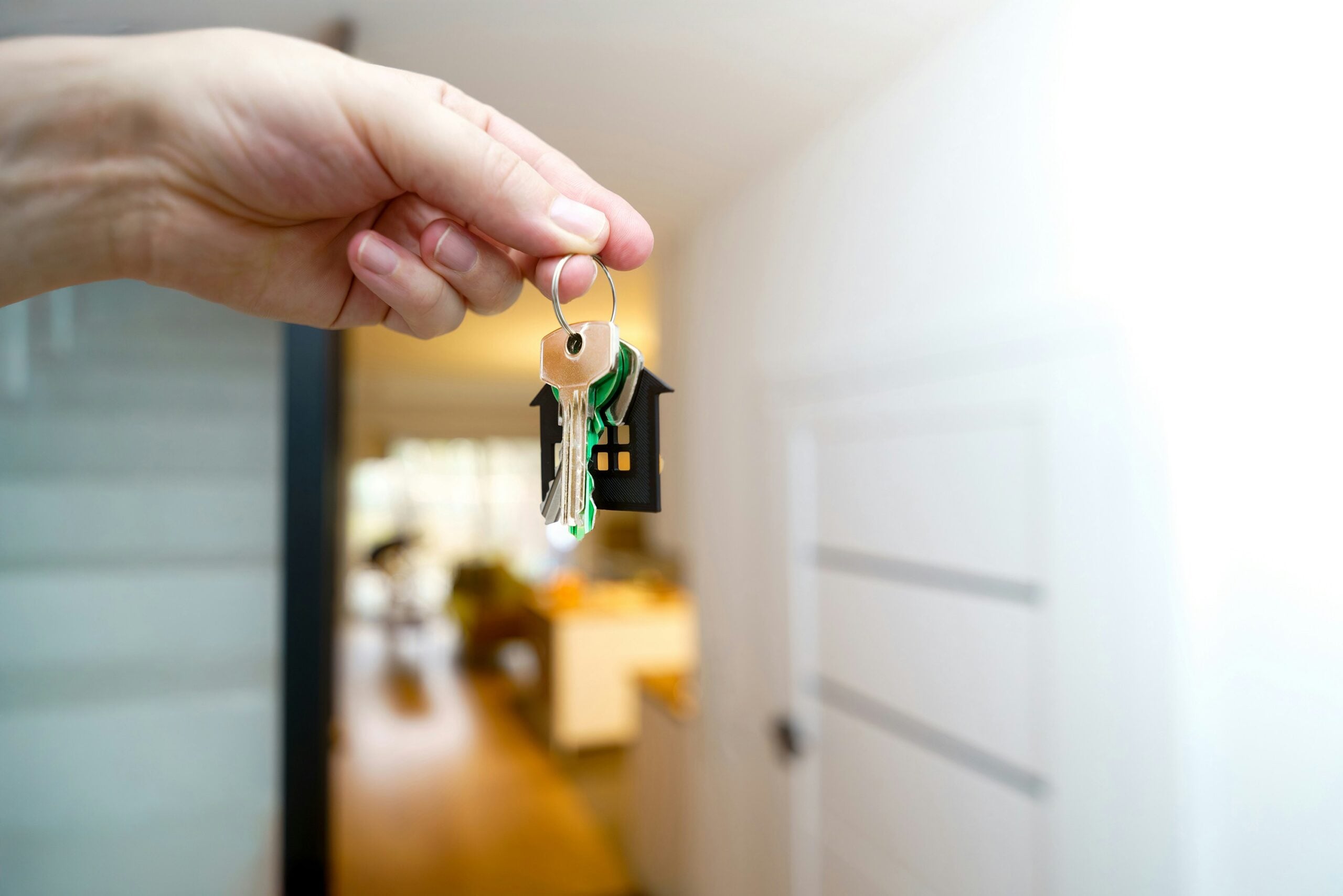
One of the most striking shifts between generations is that the median age at which people purchase their first home is now 40, according to a NAR survey. Meanwhile, the Pew Research Center notes that the age at which people buy their first home tends to be higher due to a lack of affordability. In 1981, first-time homebuyers were typically around 29 years old; today, the median age is a decade higher, highlighting the rise of delayed purchases in the housing market.
The Second or “Move-Up” Home

The average age at which repeat buyers emerge has also changed. According to NAR, this currently happens when people reach age 62, whereas in 1981, it occurred at age 36. People are staying in their first homes much longer, and the delayed purchases may be influenced by mortgage-rate lock-in, as homeowners with low-rate loans can be reluctant to move.
A “Real” Living Room Furniture Set

Young people today often rely on second-hand furniture for their rentals, knowing the property isn’t theirs. They tend to buy the furniture they truly like only when they purchase their own homes. Since millennials are buying homes later in life compared to previous generations, the furniture industry has had to shift its business model. Young people are holding onto temporary furniture for longer, contributing to delayed purchases.
A Washer and Dryer
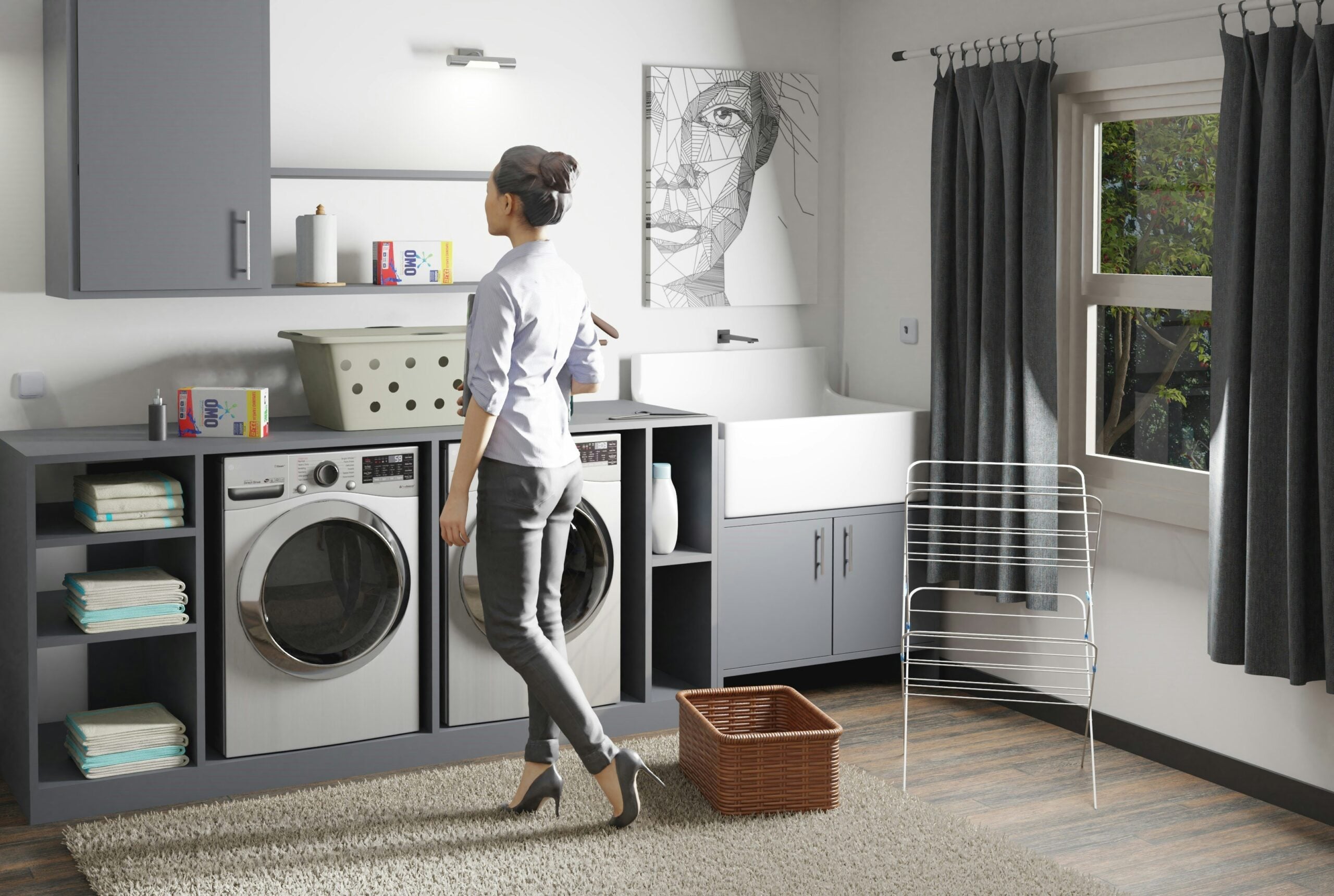
It’s not that Americans no longer like having a washer or dryer machine at home. Rather, because they spend more time living in rentals, they use the appliances provided by the landlord or take their laundry to a laundromat. For many renters, delayed purchases of these appliances can continue until they own a home.
Major Home Renovations
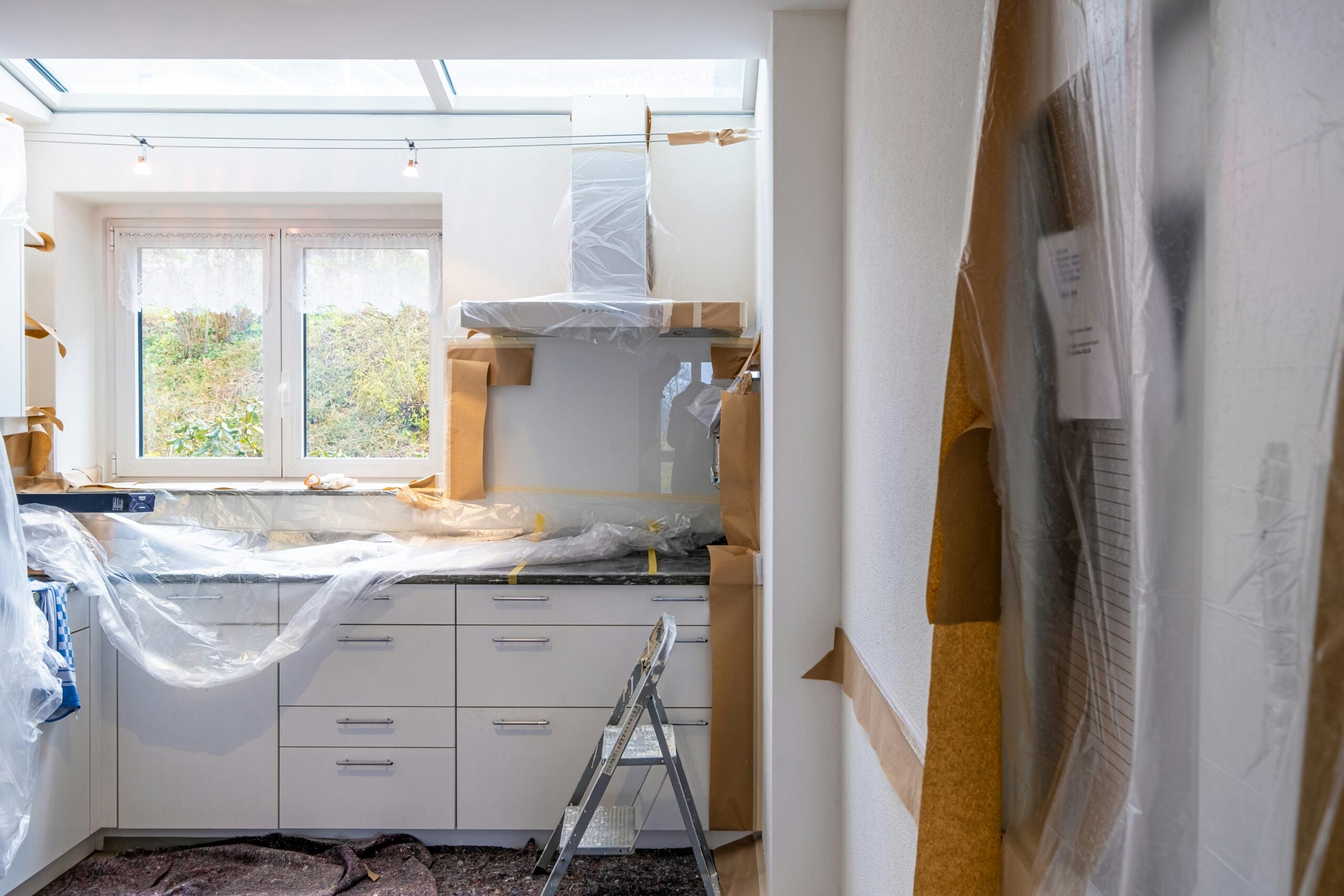
Another type of payment young Americans are putting off involves major home renovations. Whether it is remodeling the kitchen or bathroom or replacing windows, young people are delaying these projects, though they remain active in do-it-yourself projects, that cost significantly less. These delayed purchases can allow renters and younger homeowners to prioritize other expenses.
Trending on Cheapism


A Lawn Mower and Serious Yard Equipment

Many young people in this generation do not buy a lawnmower until they are 40 or older because they do not yet own a home. As long as they are renting, there is no need for them to own a lawnmower, snow blower, hedge trimmer, or other landscaping equipment. Studies from the lawn and garden industry indicate that Baby Boomers are the primary purchasers of these products, while younger consumers are making delayed purchases.
A Full Patio or Outdoor-Living Setup

Another type of purchase this generation is delaying relates to outdoor living spaces, ranging from grills and patio sets to sheds or outdoor kitchens. Since homeownership often comes later in life, delayed purchases of these items can follow. Young people may rent these items for longer periods or they still live with their parents, as the 2025 Census Bureau revealed that 58% of young people aged 18 to 24 were still in that situation.
An Engagement Ring
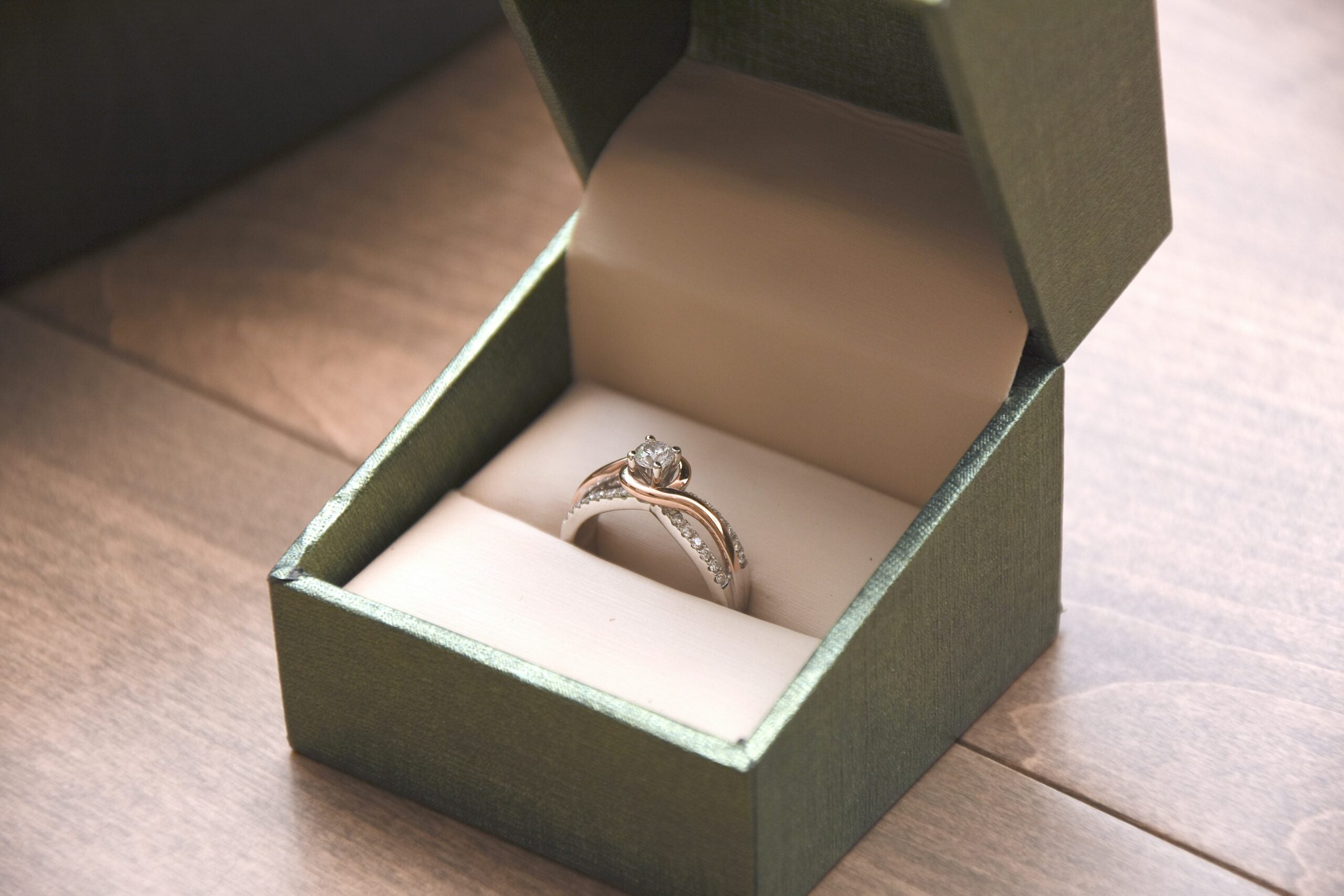
Data from the 2025 Census Bureau revealed that the median age at first marriage among Americans was 30.8 years for men and 28.4 for women. In 1975, those figures were 23.5 and 21.1, respectively. This shift in the timing of marriage can contribute to delayed purchases, including engagement rings, although not all couples today exchange rings of this kind.
Sign up for our newsletter
The Wedding Itself

As people marry later in life, arrangements for wedding dresses, venues, catering, photographers, and honeymoon packages tend to be secured later, as they come just after the marriage itself. According to the Pew Research Center, addressing factors such as education, career stability, housing costs, and changing social expectations can contribute to these delayed purchases.
A Crib and Nursery Furniture

The age at which women have their first child has risen, thereby delaying the phase of shopping for nursery essentials. The CDC noted that the average age of women welcoming their first child shifted from 26.6 in 2016 to 27.6 in 2024, largely due to a prior focus on education, finances, careers, and relationships. Consequently, purchases of cribs, changing tables, and bassinets may also occur later, contributing to delayed purchases.
A Stroller, Car Seat, and Other Big Baby Gear

Another category being delayed by younger generations compared to previous ones is that of strollers, car seats, and large baby gear. As couples wait longer to have their first child, this consumer category, once associated with people in their early twenties, is now shifting toward the 30-and-older demographic. This is another example of delayed purchases linked to later family formation.
A Family-Size Vehicle

Vehicles such as SUVs, minivans, and larger crossovers are designed primarily for transporting multiple people, so delaying starting a family also plays the purchase of these cars. At the same time, according to Cox Automotive, acquiring a vehicle has become a financial burden. A study reveals that 62% of buyers indicated that owning or leasing a car in 2025 was too expensive, another factor that can contribute to delayed purchases.
An Individual Life Insurance Policy

People used to purchase life insurance after reaching major life milestones, such as getting married, paying off a mortgage, or having their first child. The timing of these achievements has shifted, leading younger generations to delay or entirely skip the traditional decision to get life insurance. According to LIMRA, 63% of young adults under the age of 40 and across 18 markets indicated that they had no immediate plans to get married.
A Boat

A 2024 study from the boating industry highlights that the median age of an American boat buyer is 60. In fact, according to the marine industry data, there are currently more boat owners in their seventies than in their forties. Covering the costs of a boat requires substantial discretionary income to pay for storage, maintenance, insurance, and other expenses that can easily add up, which can contribute to delayed purchases among younger consumers.
A Multigenerational Home
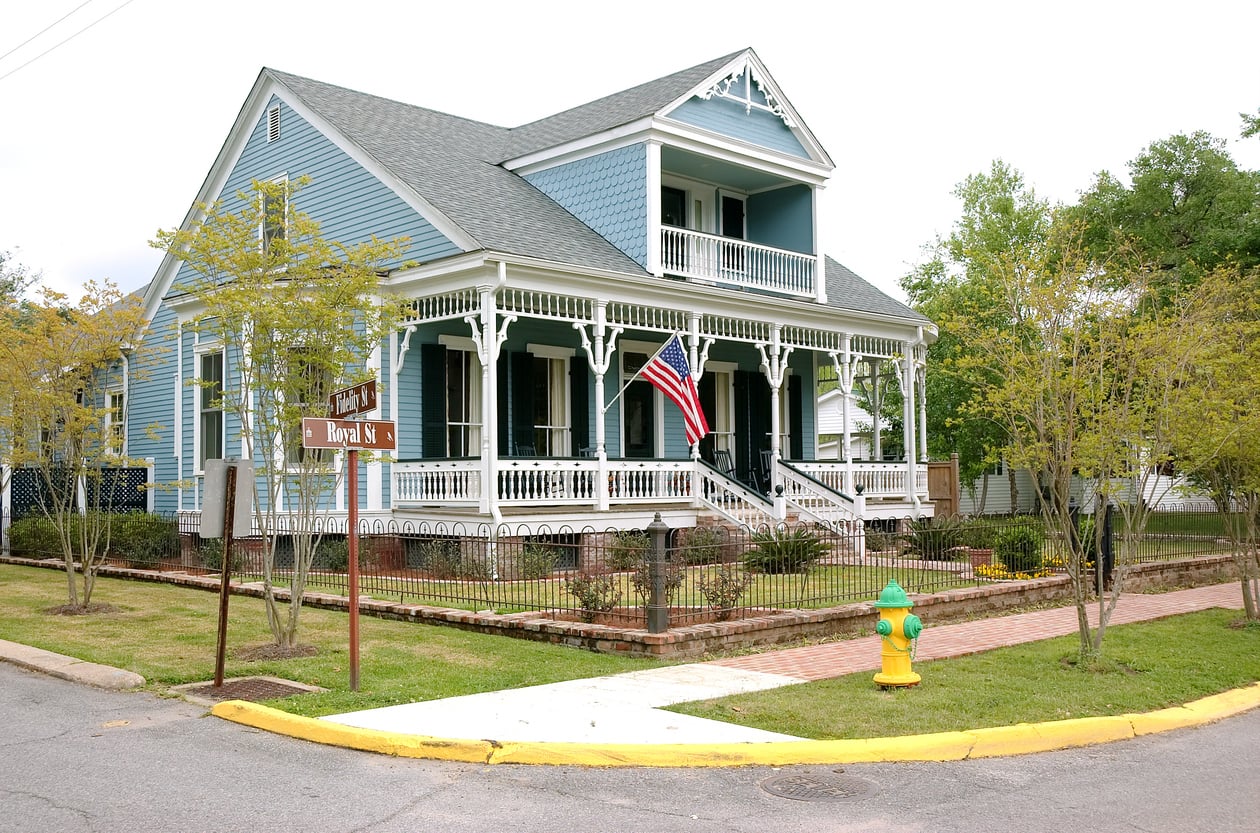
One shift in the mindset of American adults currently purchasing property is the consideration of buying a home where their parents, adult children, or other extended family members can live. According to the NAR, purchases of so-called multigenerational homes have reached a record high of 17%, with buyers averaging 57 years of age. This evidences how changing family structures can influence delayed purchases and housing decisions.
The “Forever Home” or Retirement-Era House

In past generations, adults approaching retirement age had typically lived in several properties before settling into their “forever home.” Today, however, because the purchase of a first home is often delayed, buyers may be old enough to purchase their second home, and their forever home, all at once. Ownership periods are longer and mortgage rates are high; consequently, high-value transactions entail greater costs that can delay property purchases.
Conclusion

What these changes in today’s society make clear is that younger generations delayed having their own property, start a family, drive their own car, or make other traditional purchases according to the timelines set by previous generations. Delaying the purchase of a first home, whether due to a lack of financial means or a decision to prioritize other areas of life, is one example of these delayed purchases. Such purchases are being postponed, driving change, but they are not being ruled out entirely.