For many baby boomers, learning how to save money started long before they earned their first paycheck. Their parents had lived through the Great Depression, World War II rationing, or years when making ends meet required a little creativity. Many of the money-saving habits boomers learned came from those experiences, when throwing away perfectly good food, replacing something that could be repaired, or running the heat all day wasn’t always an option.
Those lessons showed up in everyday household routines. Moms saved glass jars for storage, dads fixed things instead of buying replacements, and leftovers from Sunday dinner somehow managed to feed the family well into the week. What might seem like excessive penny-pinching today was simply how many families made their money last.
And while some of those old-fashioned habits have fallen out of favor, plenty still make financial sense. Here are 12 household habits boomers learned from their parents that can still help save money today.
Making a Grocery List and Refusing to Buy Anything Else
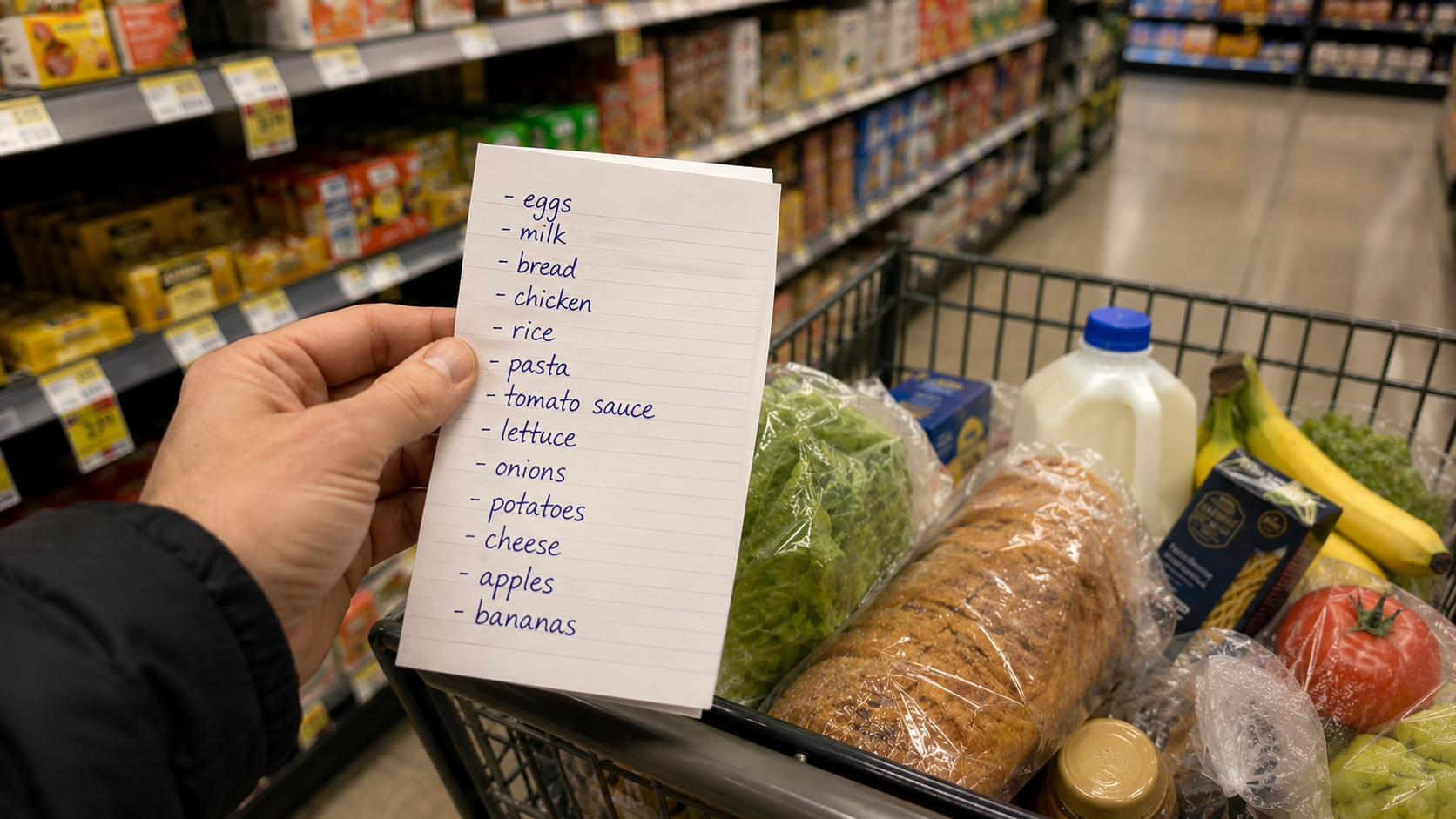
Before grocery shopping involved digital coupons and delivery apps, many families relied on a handwritten list and a strict weekly budget. Parents checked the cupboards, planned meals around what they already had, and headed to the supermarket knowing exactly what they needed. Tossing an extra box of cookies into the cart wasn’t always up for discussion, especially when every dollar had already been accounted for. That kind of discipline still pays off today. According to the Environmental Protection Agency, checking your pantry and planning meals before shopping can help prevent unnecessary purchases and reduce food waste.
Turning Sunday Dinner Into Meals for the Rest of the Week
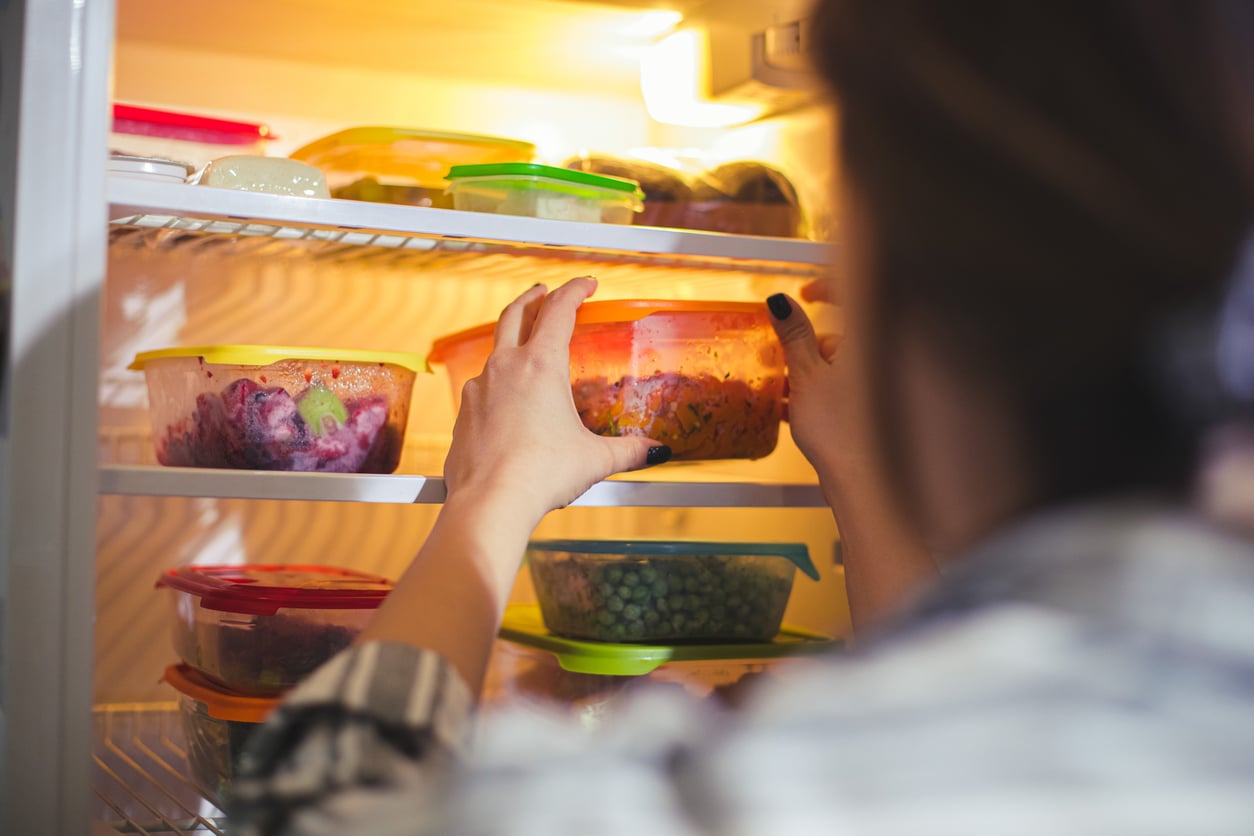
Sunday dinner might have featured a roast chicken, baked ham, or a big pot roast, but the meal didn’t necessarily end when everyone left the table. Leftover meat became sandwiches on Monday, casseroles on Tuesday, and maybe even soup later in the week. For families trying to stretch their grocery budgets, getting several meals out of one expensive cut of meat was practically an art form. It’s still a smart way to save, provided leftovers are stored properly. The USDA recommends eating refrigerated cooked leftovers within three to four days or freezing them for later.
Mending Clothes Instead of Throwing Them Away
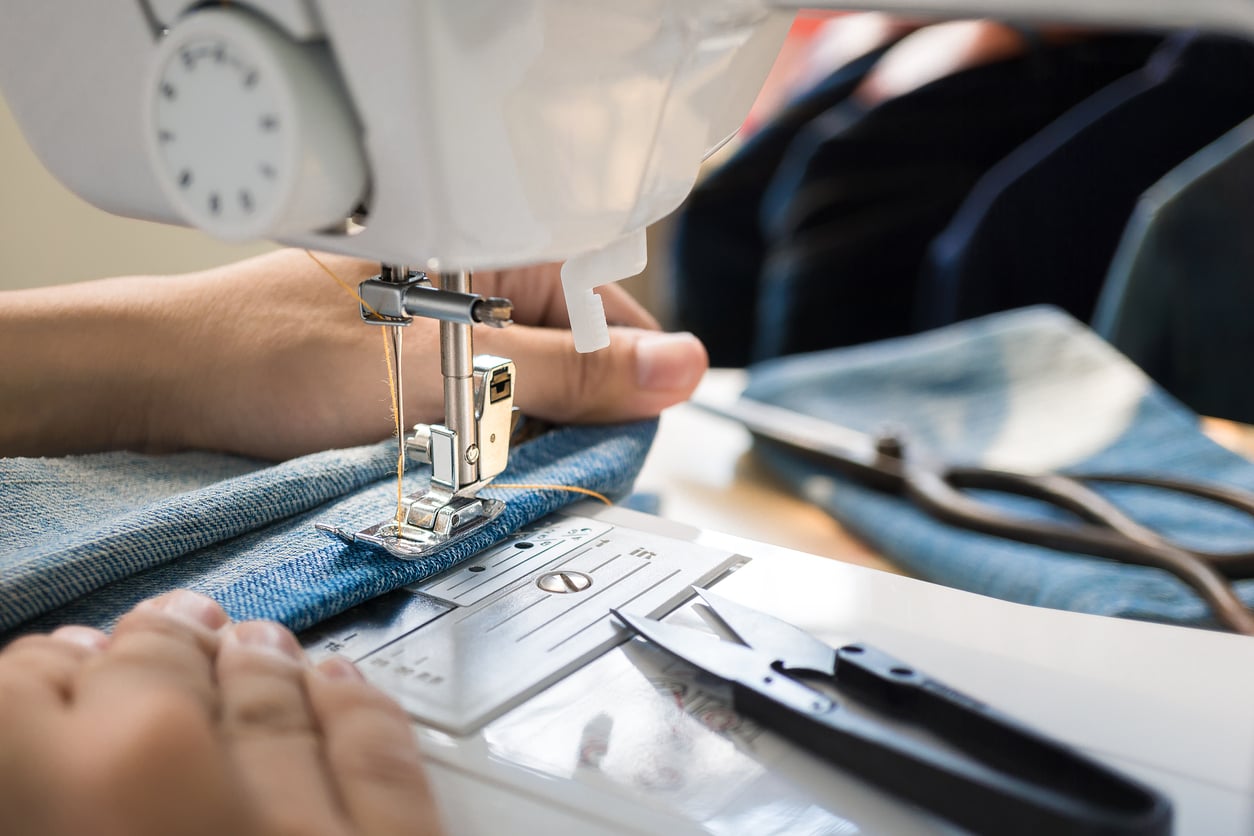
A missing button or torn seam wasn’t a reason to go shopping in many boomer households. Parents kept sewing kits handy, patched worn knees on children’s pants, and repaired clothing until it genuinely couldn’t be worn anymore. Some families even saved scraps of fabric for future fixes. While inexpensive fast fashion has made replacing clothes easier than ever, basic sewing skills can still save a surprising amount of money over time. As the Smithsonian has documented, repairing and maintaining clothing was historically an important way for households to make their resources last.
Saving Every Usable Jar, Tin, and Container
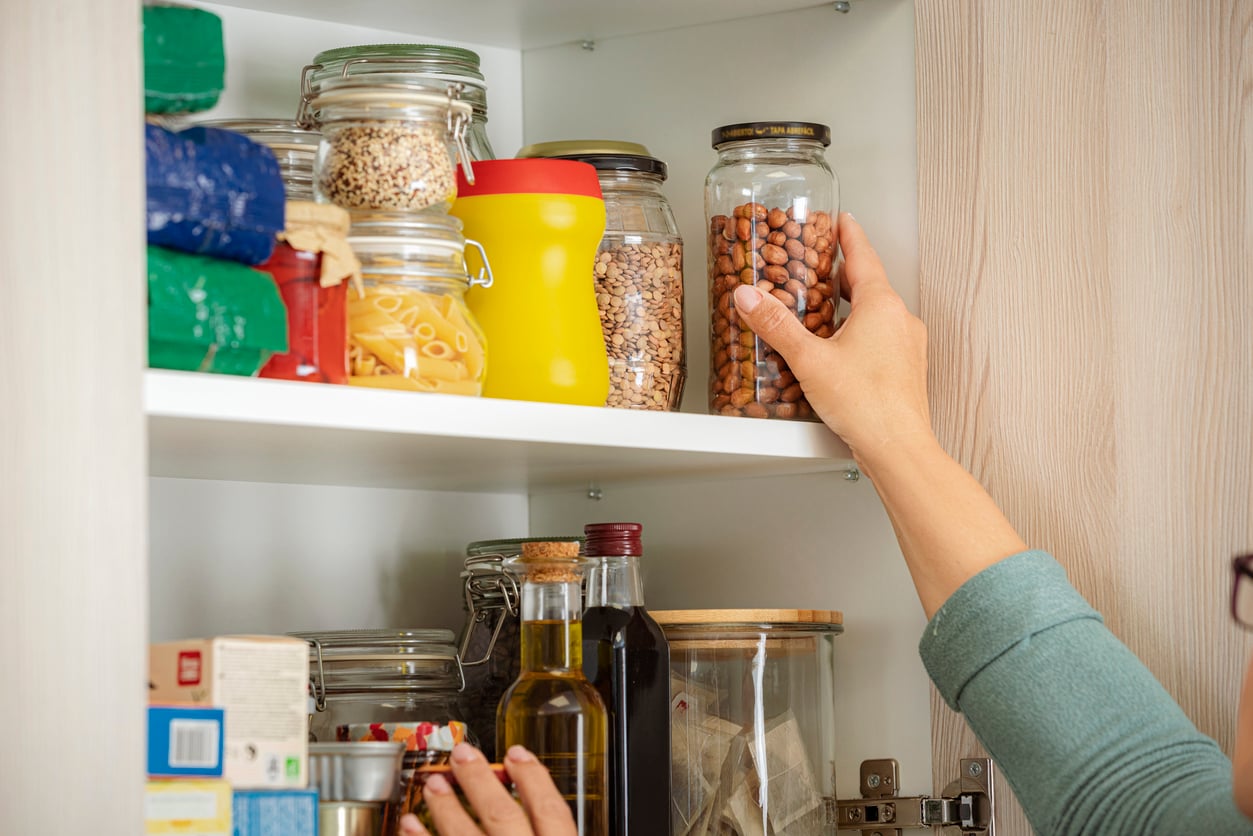
If you grew up with parents who saved empty coffee cans, glass jars, and cookie tins, you probably remember opening a container expecting cookies and finding sewing supplies instead. Nothing that could serve another purpose went straight into the trash. Coffee cans held nails and screws, glass jars organized buttons, and sturdy cardboard boxes stored everything from photographs to Christmas decorations. The habit reflected a resourcefulness reinforced during the Depression and wartime shortages. Today, reusing suitable containers for household storage can eliminate the need to buy expensive organizers, although old food packaging shouldn’t automatically be reused for heating or preserving food.
Hanging Laundry Outside Instead of Using the Dryer
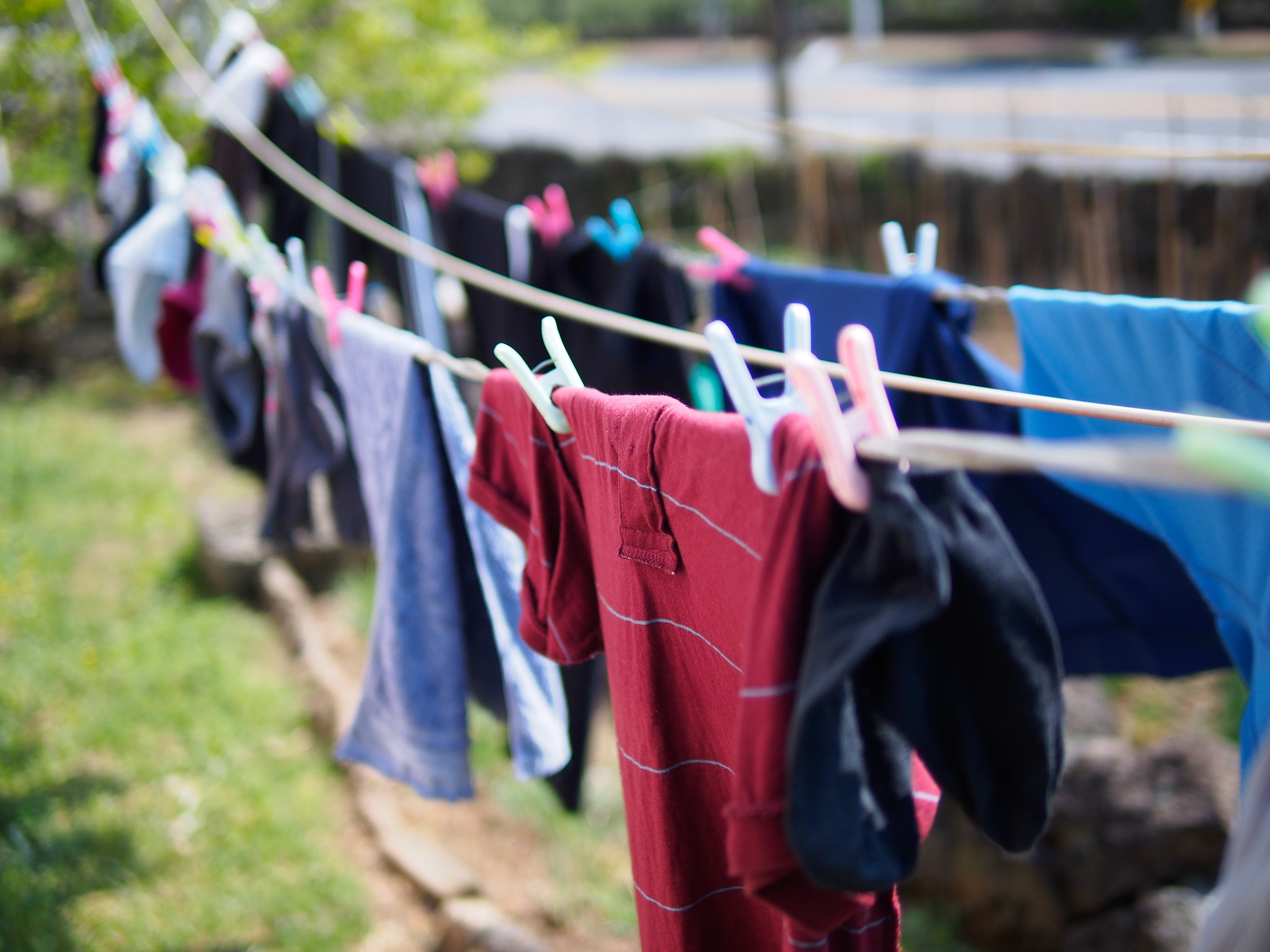
For many families, a backyard clothesline was just another part of the household routine. Freshly washed sheets, towels, and clothing went outside on sunny days, where the wind and sunshine did the drying for free. Even after electric dryers became more common, some parents continued hanging laundry because they saw no reason to pay for electricity when the weather could do the job. It’s a habit worth reconsidering, especially with utility bills eating into household budgets. ENERGY STAR recommends air-drying clothes when practical to conserve energy and help garments last longer.
Trending on Cheapism

Baking Bread and Making Simple Foods From Scratch
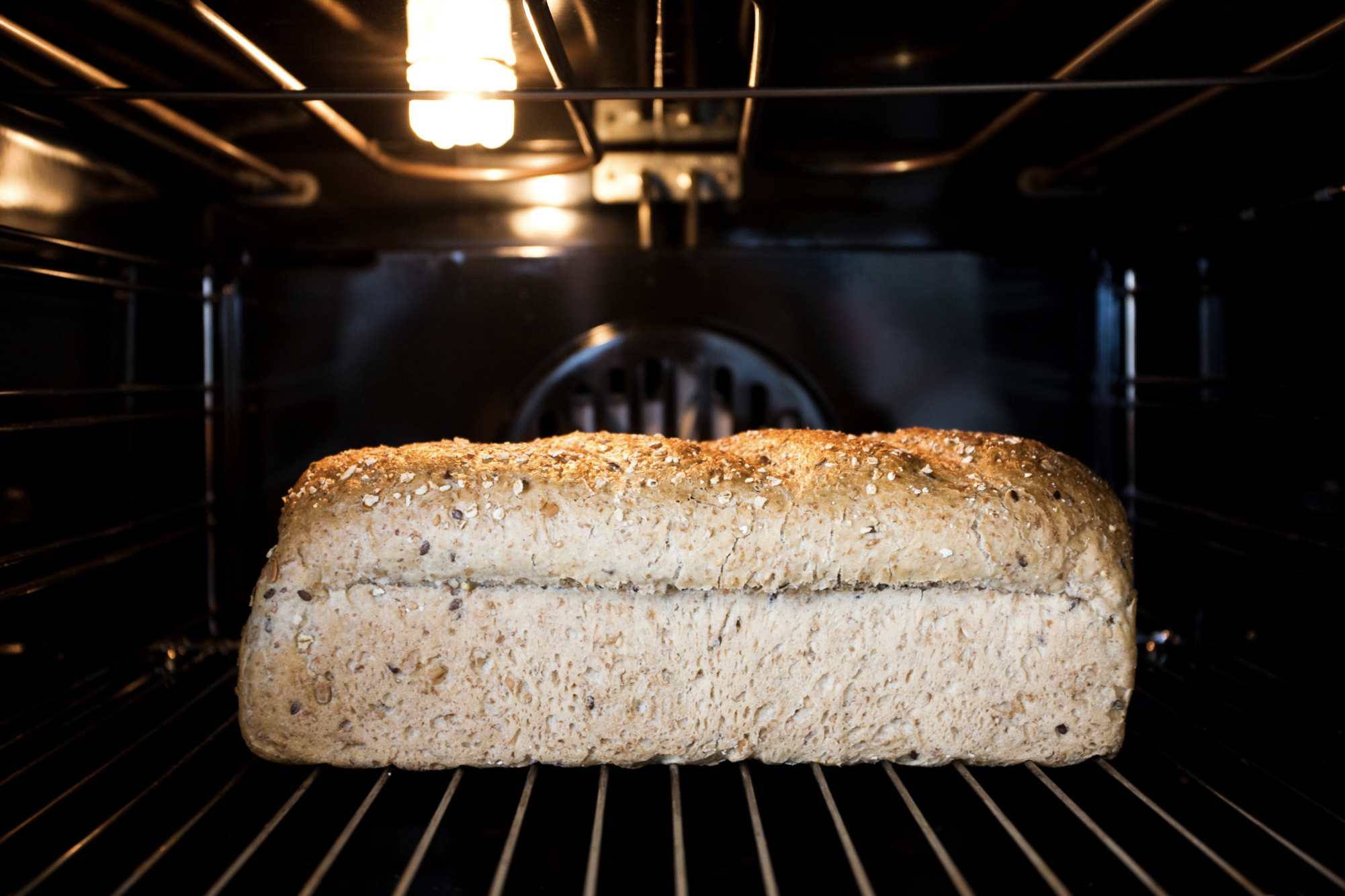
Before supermarket shelves were packed with convenience meals and ready-to-eat snacks, many households relied heavily on homemade food. Parents baked bread, prepared biscuits, simmered soups, and turned inexpensive ingredients like beans, potatoes, and rice into filling meals. Cooking from scratch wasn’t necessarily a hobby or a lifestyle choice; it was often the most practical way to feed a family on a limited budget. Homemade isn’t automatically cheaper once you factor in ingredients, energy, and time, but preparing simple meals in larger batches can still help reduce grocery spending, particularly when the same ingredients can be used in several dishes.
Turning Down the Heat and Putting on Another Sweater

If you complained about being cold in a thrifty household, there was a good chance your parents told you to put on a sweater before touching the thermostat. Blankets, warm socks, and closing off unused rooms were often the first line of defense against chilly weather. This approach became especially familiar during the energy crises of the 1970s, when rising fuel prices made Americans more conscious of how much energy their homes consumed. While nobody should have to sacrifice safe indoor temperatures to save a few dollars, the Department of Energy notes that reducing unnecessary energy use and improving home efficiency can help lower utility costs.
Keeping a Household Budget in a Notebook

Long before budgeting apps could automatically categorize purchases, many parents tracked household spending with a notebook, a pencil, and a stack of receipts. Every grocery bill, utility payment, and unexpected expense had to be accounted for. Some families used envelopes to separate money for different expenses, while others carefully balanced their checkbooks at the kitchen table. Watching a parent work through the household finances taught plenty of boomers that knowing where your money went was just as important as earning it. The Consumer Financial Protection Bureau still recommends tracking expenses to identify spending patterns and find opportunities to save.
Sign up for our newsletter
Fixing a Dripping Faucet Instead of Ignoring It
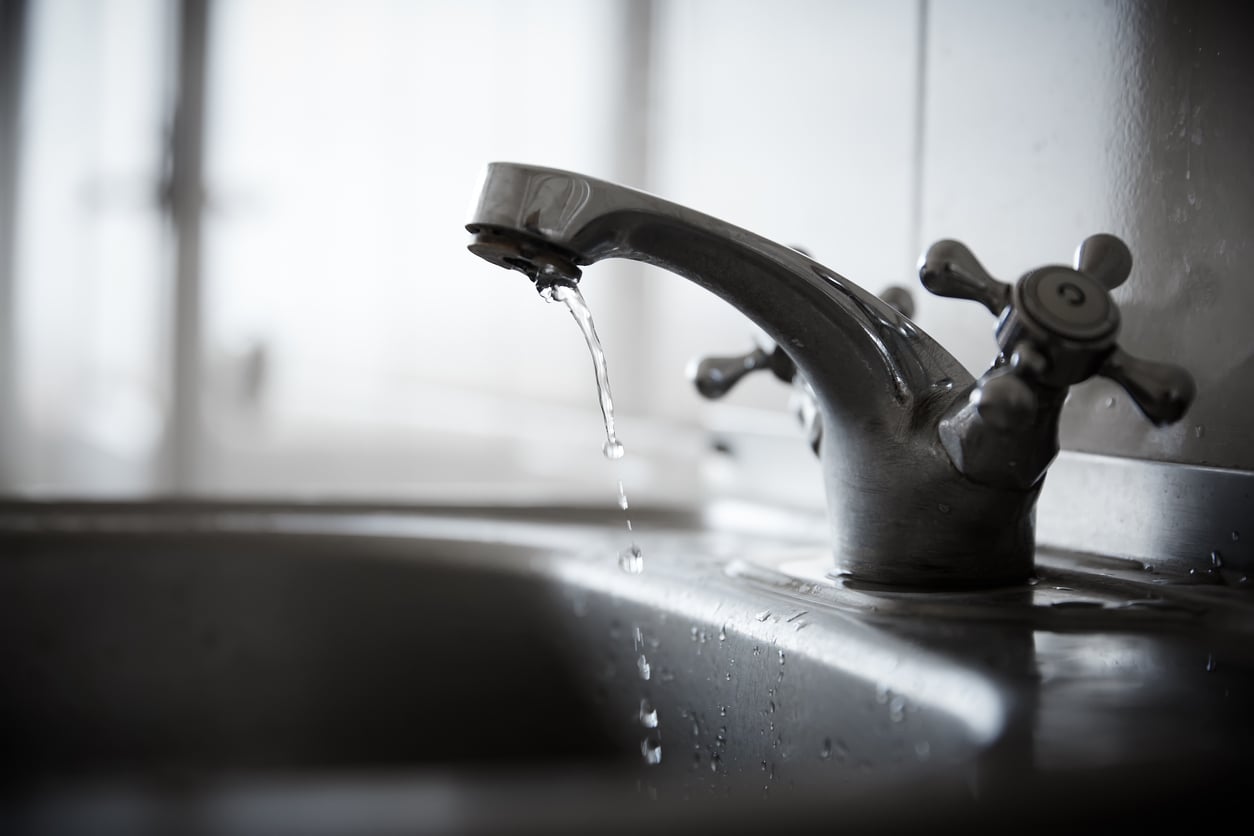
A dripping faucet wasn’t something many budget-conscious parents were willing to ignore for weeks. Instead, they reached for the toolbox, checked the fittings, or replaced a worn washer before the problem became more expensive. While not every household repair was a do-it-yourself project, taking care of small maintenance issues was often considered part of responsible homeownership. And those little repairs could make a real difference. According to the EPA’s WaterSense program, fixing easily corrected household water leaks can save homeowners about 10% on their water bills.
Growing Vegetables and Preserving the Harvest

For some boomers, summer meant watching their parents tend rows of tomatoes, green beans, cucumbers, and other vegetables in the backyard. Many of those parents had grown up during the era of Victory Gardens, when Americans were encouraged to produce some of their own food during World War II. A productive garden could supplement the family’s groceries, while extra vegetables might be frozen or preserved for the colder months. Gardening isn’t always cheaper than buying produce, especially when startup costs are involved, but growing vegetables your family regularly eats can help offset grocery bills. Just remember that home canning requires modern, tested preservation methods to ensure food safety.
Doing Full Loads of Laundry Instead of Washing a Few Items at a Time
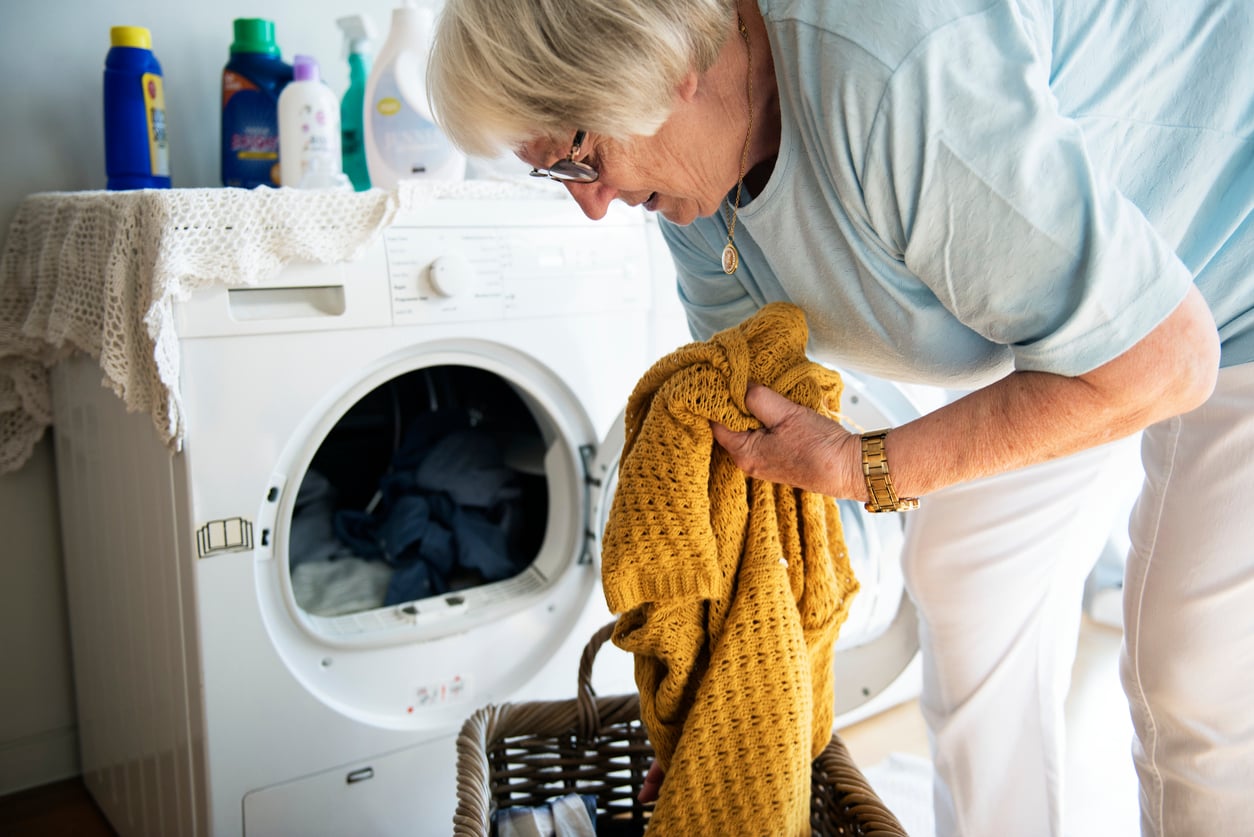
Running the washing machine for two shirts and a pair of socks probably wouldn’t have gone over well in many boomer households. Parents often waited until there was enough dirty laundry to justify a full load, especially when washing meant using precious hot water and electricity. Clothes were sorted, appropriate water levels were selected, and lightly soiled items didn’t necessarily need the hottest wash setting. That approach still makes financial sense. ENERGY STAR recommends washing appropriately sized full loads and using cold water when suitable to help reduce energy consumption.
Repairing and Maintaining Things Before Buying Replacements

A wobbly chair, squeaky door, or sticking drawer wasn’t automatically headed for the curb. Many parents kept basic tools around the house and believed that anything worth buying was worth maintaining. Furniture was tightened, hinges were oiled, and household equipment received attention before it stopped working altogether. The goal wasn’t necessarily to keep broken things forever, but to avoid spending money on replacements when a simple fix would do. That mindset still has value today, particularly for furniture, tools, and other durable household items. Of course, complicated electrical, gas, or potentially dangerous repairs are best left to professionals.
The Money-Saving Lessons That Never Really Went Out of Style

Not every household habit from decades past deserves a comeback, and some modern conveniences are well worth paying for. But the lessons many boomers learned from their parents were rooted in a surprisingly simple idea: use what you already have before spending money on something new. Whether that means turning leftovers into another meal, fixing a loose button, or keeping a closer eye on utility bills, a little old-fashioned resourcefulness can still go a long way. And with everyday expenses continuing to put pressure on household budgets, some of those lessons might be more useful than ever.