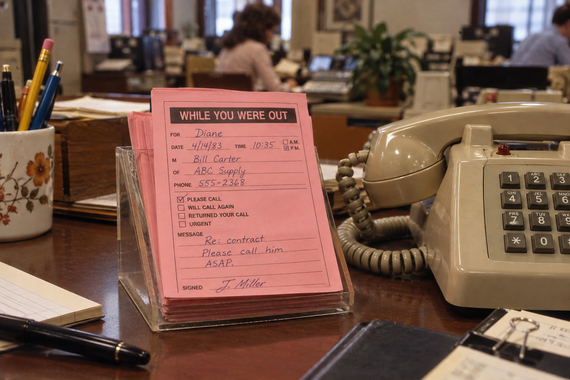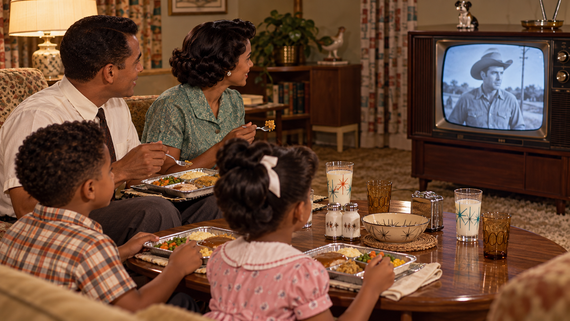
These days, there’s a service, subscription, or gadget for just about everything. Need something fixed around the house? Call a handyman. Have a torn shirt? Buy a new one. Don’t feel like cooking? Order dinner straight to your doorstep. But for many baby boomers growing up in the 1950s, ’60s, and ’70s, paying someone else to handle every little problem simply wasn’t an option.
Instead, kids learned practical skills from their parents, grandparents, and home economics classes. They knew how to sew a button, check a car’s tires, stretch a few ingredients into a decent meal, and make household items last longer. These weren’t necessarily considered money-saving tricks back then. They were just part of everyday life.
And while modern conveniences have certainly made life easier, some of that old-fashioned know-how is still surprisingly valuable. From simple home repairs to smarter grocery shopping, here are 12 everyday skills boomers learned that can still save you money today.
Sewing a Button and Repairing a Torn Seam
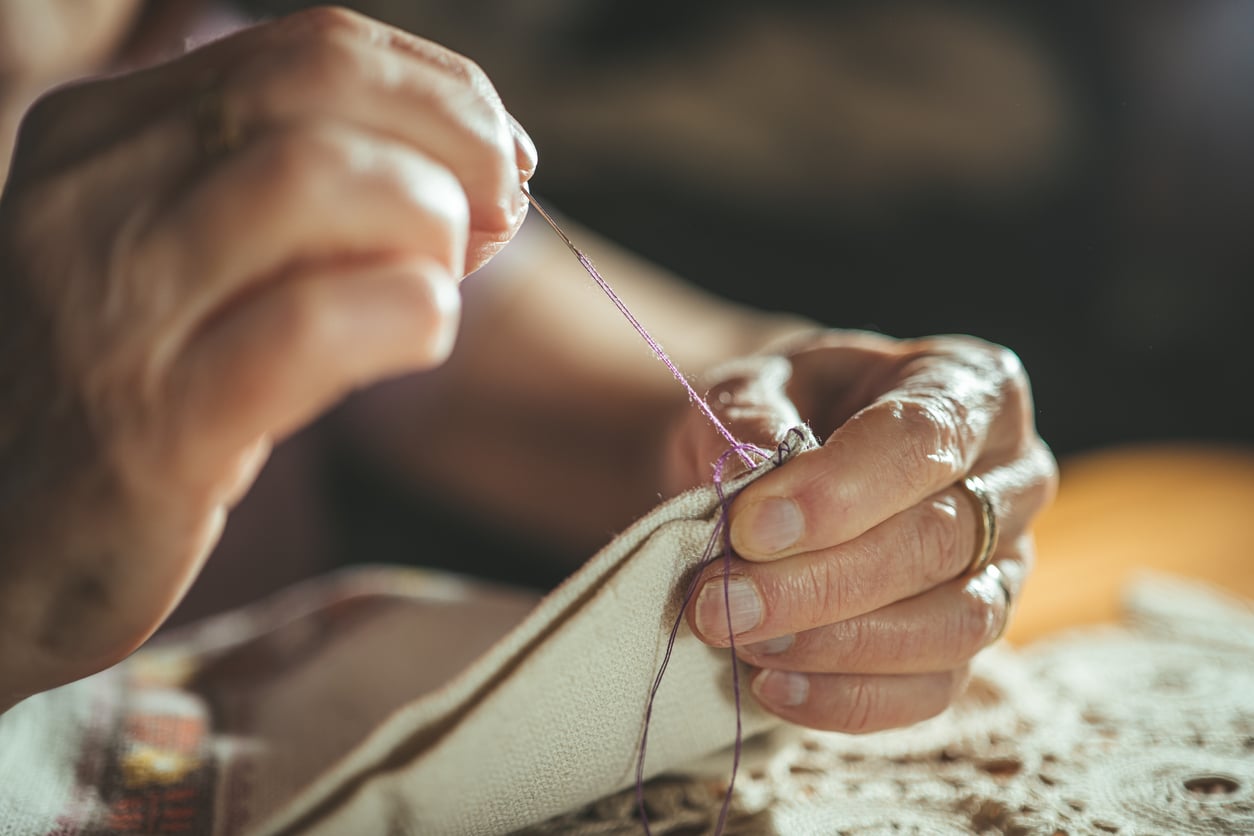
Remember when a missing button wasn’t a reason to throw away a perfectly good shirt? Many boomers grew up learning basic sewing skills at home or in school, where replacing buttons, patching holes, and mending torn seams were considered essential abilities. Today, knowing how to handle a needle and thread can keep you from replacing clothes that still have plenty of life left in them. A basic sewing kit costs relatively little, and even learning a simple running stitch or how to reattach a button can help you get more wear out of your favorite jeans, jackets, and shirts.
Knowing How to Check and Maintain a Car’s Tires
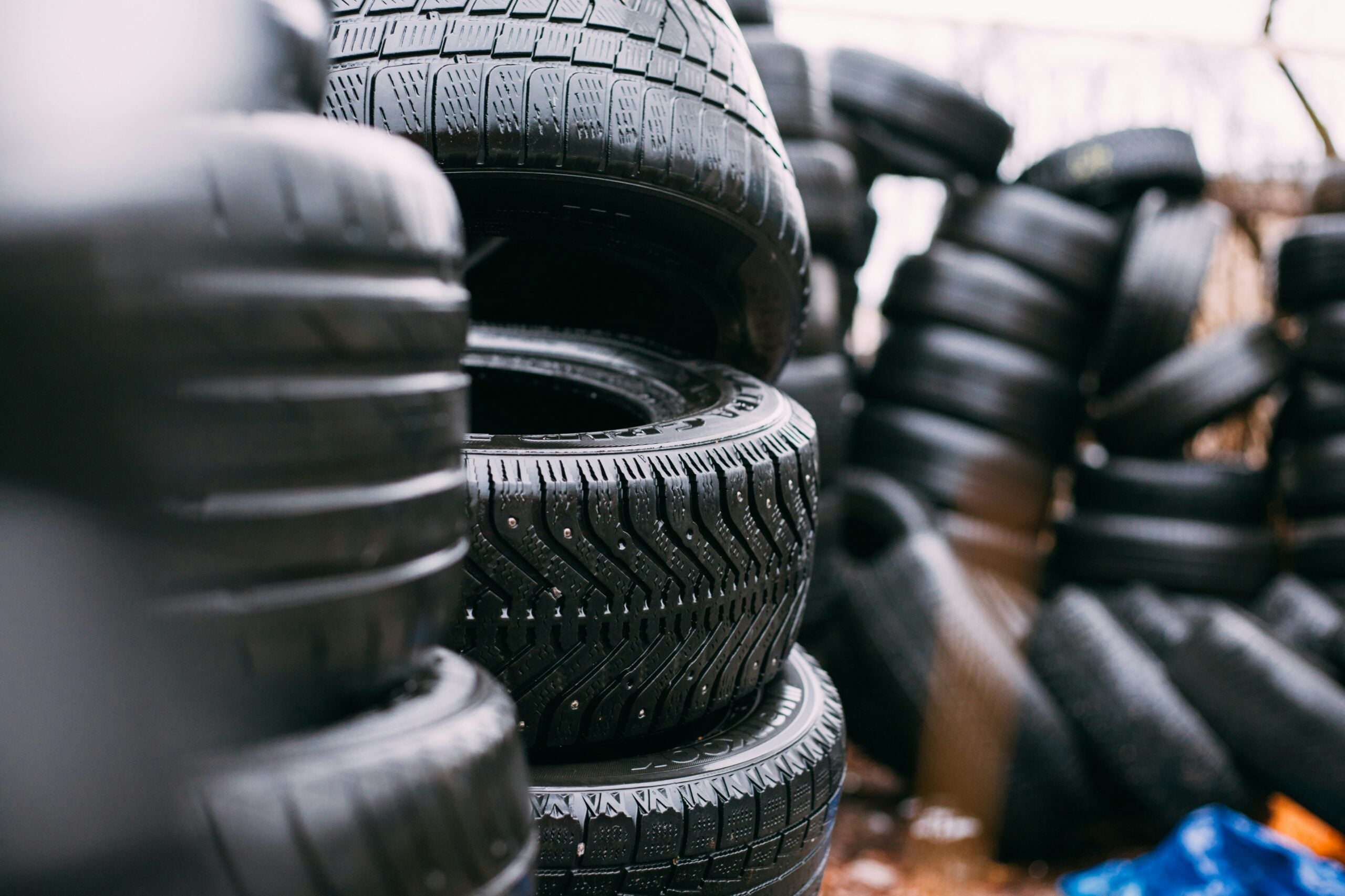
For generations of drivers, learning to check tire pressure was practically part of learning to drive. Many boomers grew up watching their parents inspect tires, check the air at gas stations, and keep an eye out for uneven tread wear. It’s a skill that still pays off, especially when you consider how expensive tires have become. According to the U.S. Department of Energy, keeping tires properly inflated can improve gas mileage, while regular inspections can help identify problems before they become more costly. All you need is an inexpensive pressure gauge and the recommended tire pressure listed inside your driver’s-side door.
Cooking a Good Meal Without Following a Recipe
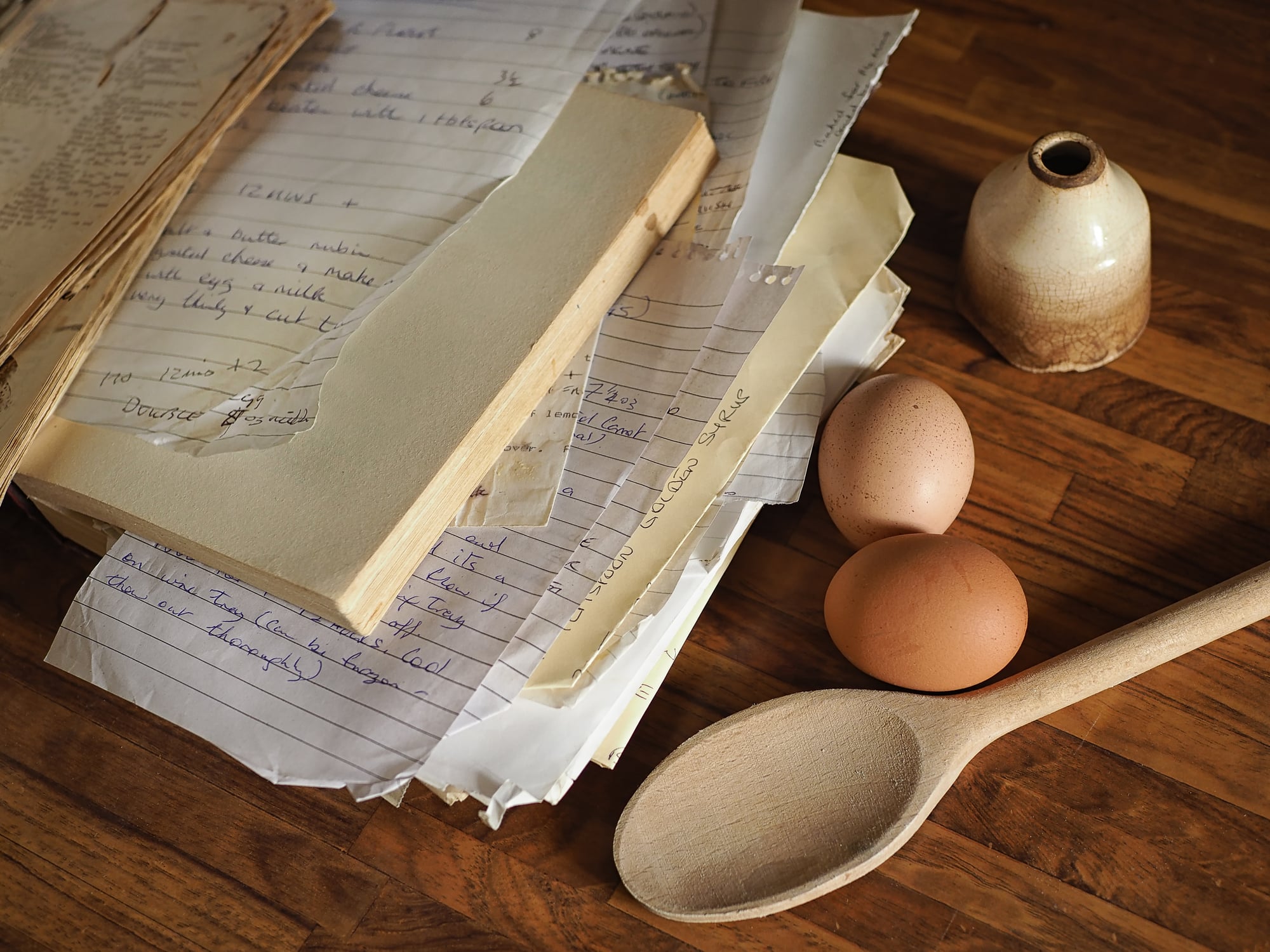
Long before meal kits and food delivery apps, plenty of households relied on someone who could open the refrigerator, see a few leftover ingredients, and somehow turn them into dinner. Many boomers learned to cook by watching their parents or grandparents rather than following detailed instructions. Knowing how to prepare a pot of soup, scramble eggs, cook rice, or make a casserole from whatever’s available can still make a noticeable difference in your grocery budget. It also helps reduce food waste, since those leftover vegetables and half-used ingredients are more likely to become another meal instead of ending up in the trash.
Reading Grocery Unit Prices Instead of Trusting the Sticker Price
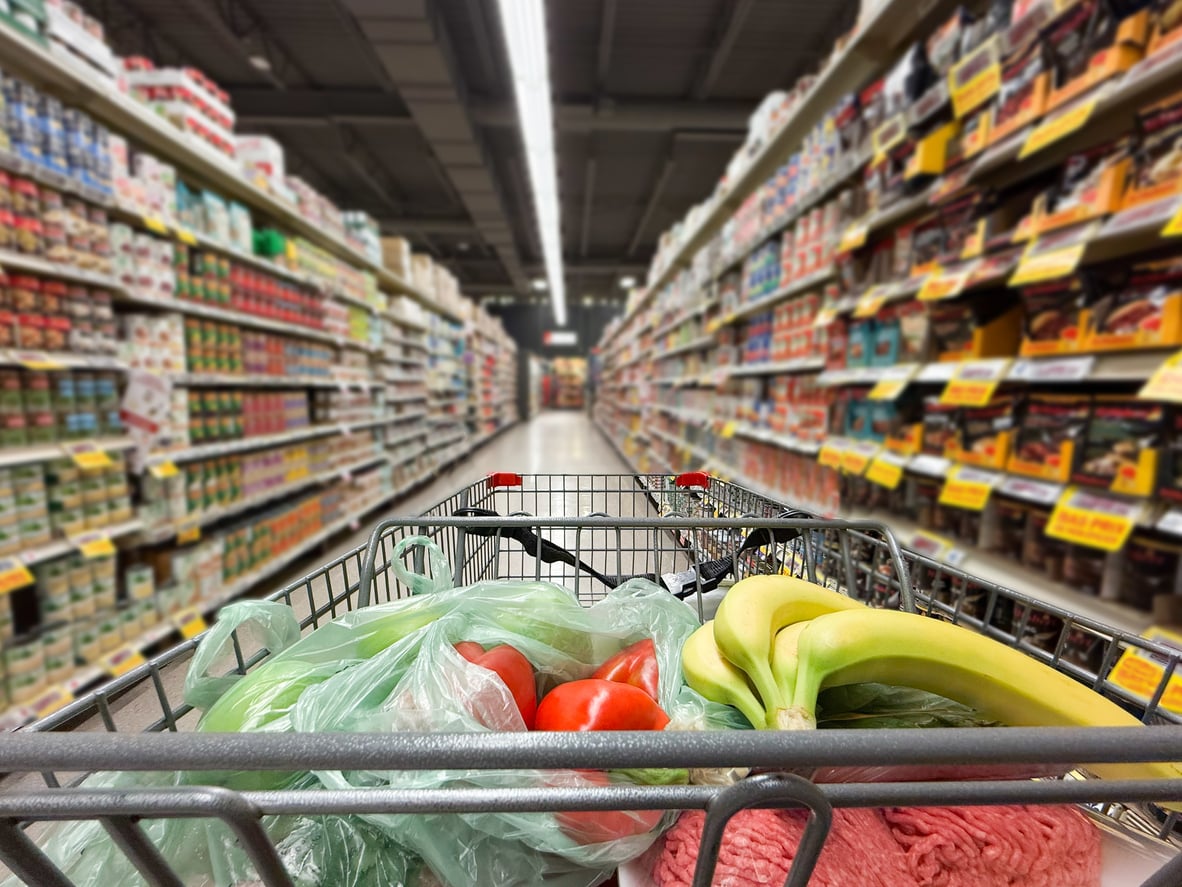
Anyone who grew up watching a parent carefully compare prices at the supermarket probably remembers that the cheapest-looking package wasn’t always the best deal. Learning to calculate the cost per ounce, pound, or serving is a shopping skill that remains useful today, particularly as grocery manufacturers change package sizes. A larger box of cereal might cost more per ounce than a smaller one, and that jumbo bottle of detergent isn’t necessarily a bargain. Checking the unit price on shelf labels makes it easier to compare products fairly. Just remember that buying in bulk only saves money if you’ll actually use everything before it goes bad.
Fixing a Running Toilet Without Calling a Plumber
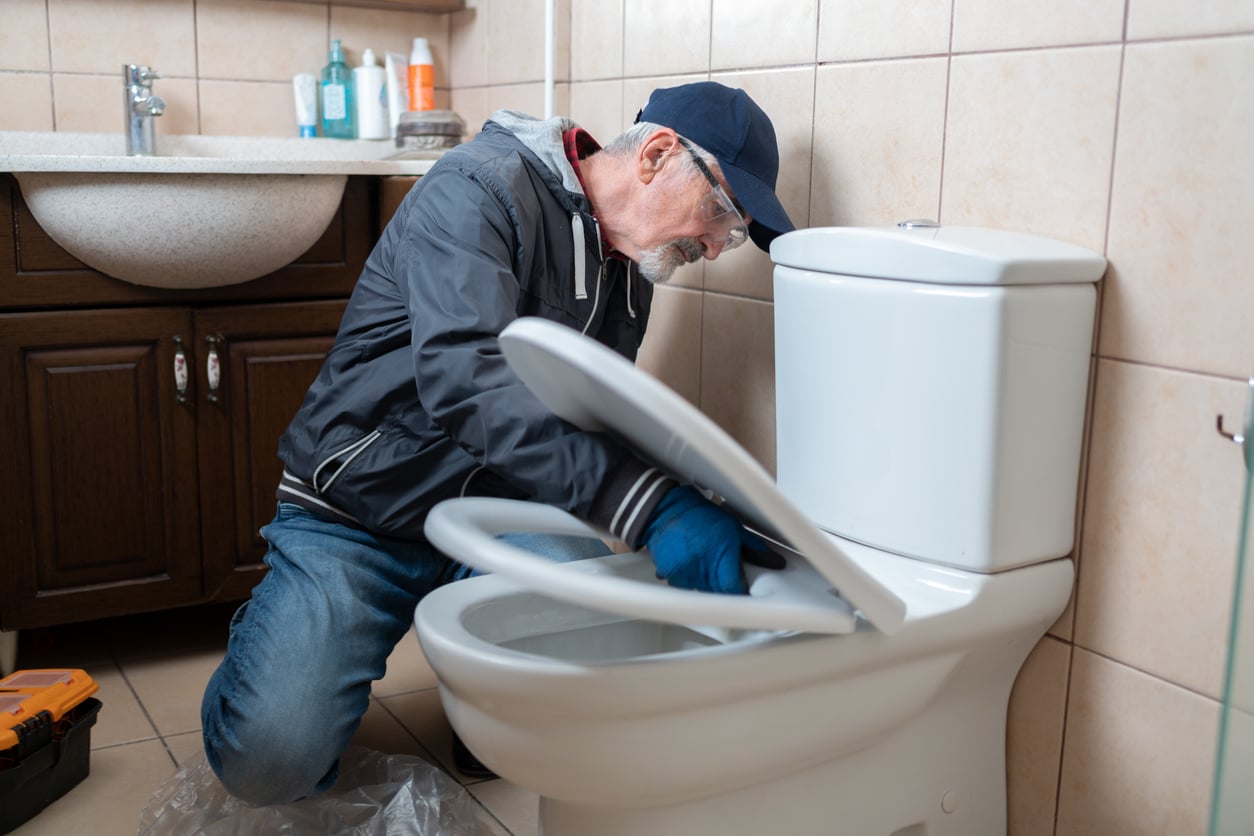
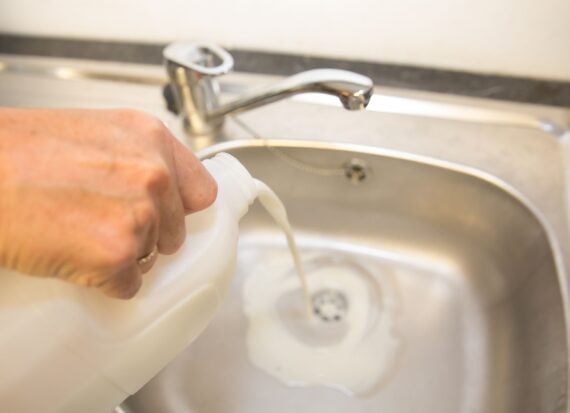
There was a time when a constantly running toilet usually meant someone in the family would lift the tank lid and figure out what was wrong before calling a professional. Understanding basic household plumbing can still save homeowners money, especially when the problem is something as simple as a worn-out toilet flapper. According to the Environmental Protection Agency, fixing easily corrected household leaks can save homeowners about 10% on their water bills. One easy way to check for a toilet leak is to put a few drops of food coloring in the tank and see whether the color appears in the bowl without flushing. If the flapper is the culprit, replacing it is often a relatively inexpensive DIY job.
Trending on Cheapism

Understanding How to Use Basic Hand Tools
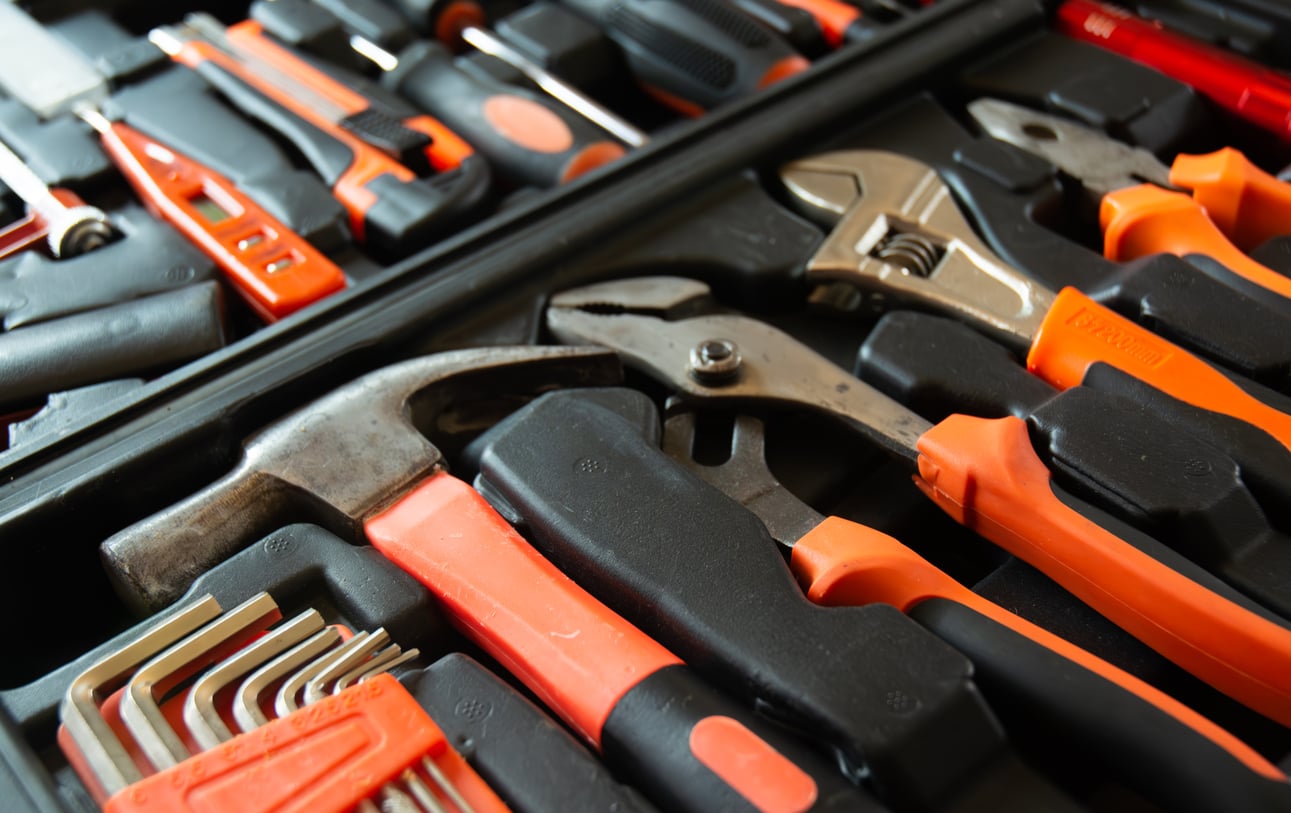
For many boomers, learning the difference between a Phillips-head screwdriver and a flathead was something that happened long before adulthood. Whether it was helping Dad in the garage or watching Mom fix a loose cabinet hinge, using basic hand tools was simply part of growing up. Those skills are still worth having, especially when a handyman might charge more for a service visit than the repair itself. Knowing how to use a hammer, adjustable wrench, tape measure, and screwdriver can help you assemble furniture, tighten loose fixtures, and handle small household repairs without paying someone else. Of course, electrical work and more complicated repairs are best left to qualified professionals.
Preserving Fresh Food Before It Goes Bad
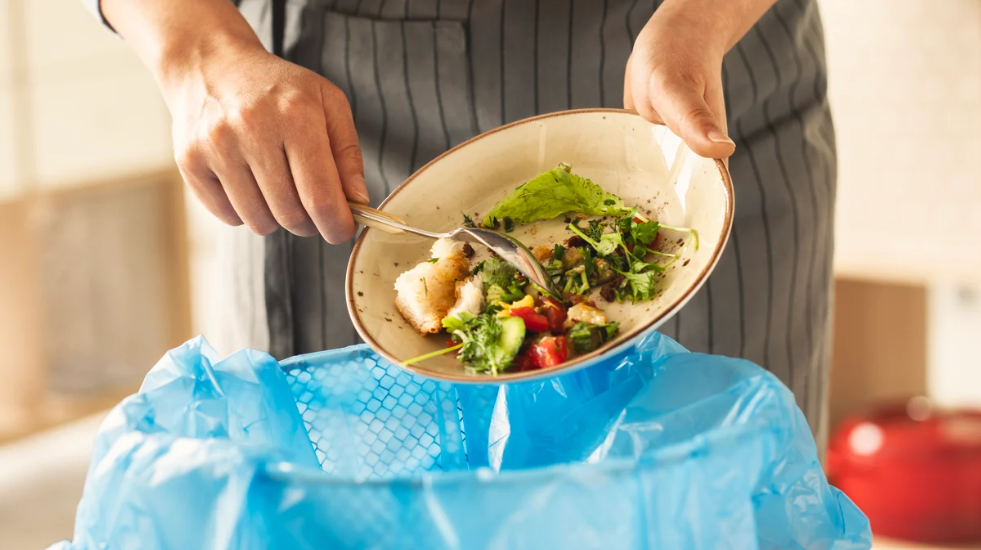
Before grocery delivery and year-round access to just about every fruit and vegetable imaginable, many families knew how to make seasonal food last. Boomers might remember their parents freezing garden vegetables, putting away berries, or preparing large batches of food to enjoy later. Learning how to preserve food properly can still help you take advantage of seasonal bargains and avoid throwing away groceries. Freezing ripe fruit, blanching vegetables before storing them, and portioning leftovers into individual containers are all relatively simple ways to stretch your food budget. Just be sure to follow tested food-preservation instructions and label everything with the date.
Measuring and Cutting Materials Correctly the First Time

“Measure twice, cut once” was practically a household commandment for anyone who grew up around a parent or grandparent who enjoyed fixing things. And there’s a good reason that advice has survived for generations. Whether you’re cutting fabric for curtains, installing shelves, or tackling a small home improvement project, making a mistake with your measurements can mean wasting perfectly good materials and having to buy replacements. Learning to read a tape measure accurately, check that surfaces are level, and plan cuts before making them can save both money and frustration. It’s especially useful when working with expensive lumber, flooring, or other materials that aren’t easy to replace.
Sign up for our newsletter
Maintaining Appliances Instead of Waiting for Them to Break

Many boomers grew up in households where appliances were expected to last for years, and regular maintenance was part of keeping them running. Instead of waiting for something to stop working, families cleaned filters, checked hoses, and paid attention to unusual noises. That approach still makes financial sense today, especially with the cost of replacing major appliances. The Department of Energy notes that dirty air-conditioning filters can restrict airflow and reduce efficiency, potentially increasing energy costs. Simple tasks like replacing HVAC filters, cleaning accessible dryer vents, and inspecting washing machine hoses can help keep appliances operating properly and may prevent avoidable repairs.
Comparing Insurance Quotes and Understanding the Fine Print
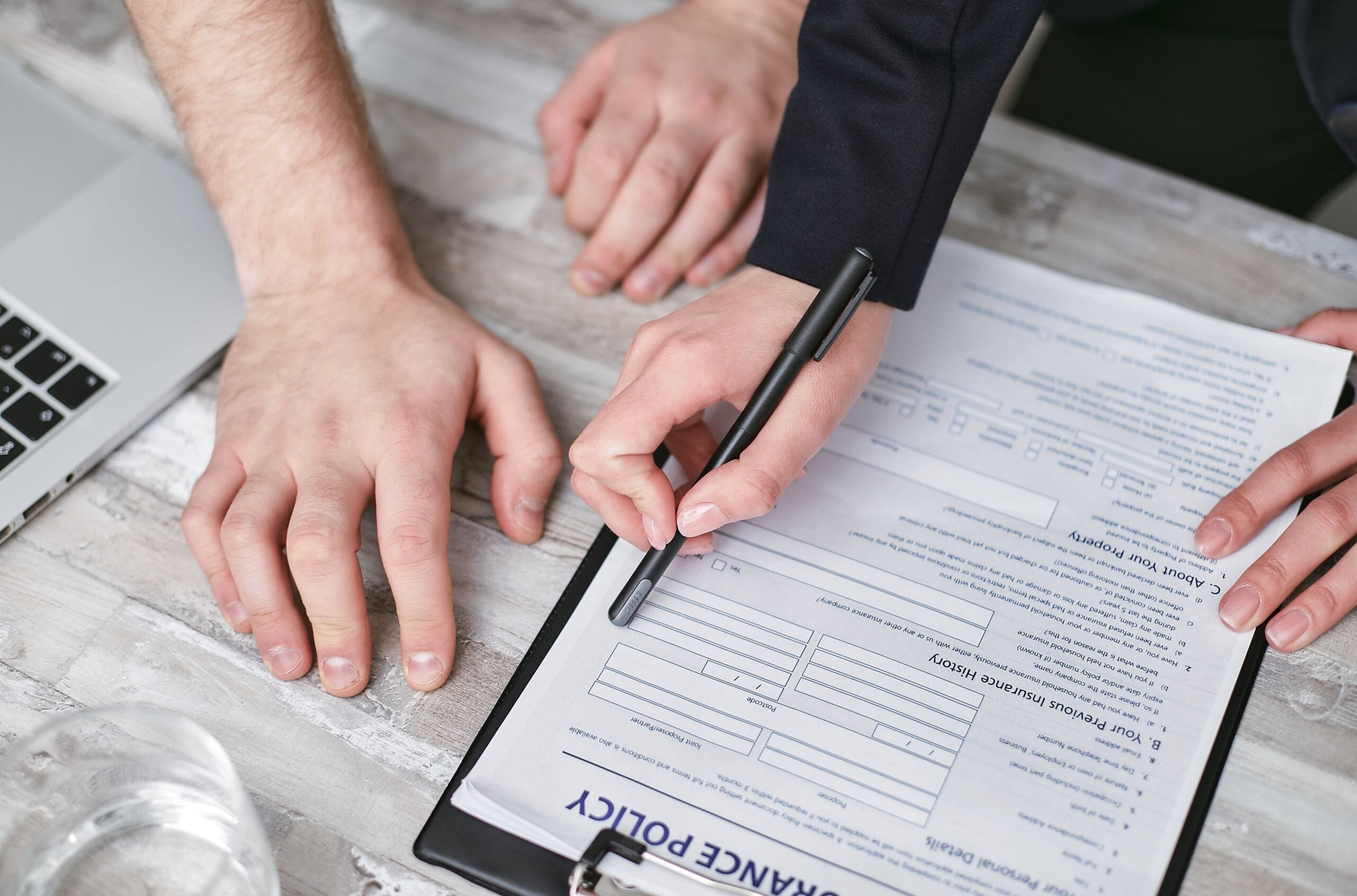
Shopping around before making a major purchase was a lesson many boomers learned early, and it’s particularly useful when it comes to insurance. Whether you’re paying for homeowners or auto coverage, sticking with the same provider year after year without comparing alternatives could mean missing opportunities to save. But the trick isn’t simply choosing the lowest advertised premium. Insurance policies can differ significantly in deductibles, exclusions, and coverage limits, so it’s important to compare similar plans. Requesting several quotes before renewing your policy and taking the time to understand exactly what’s covered can help you avoid overpaying without sacrificing protection you actually need.
Sealing Small Drafts Around Windows and Doors
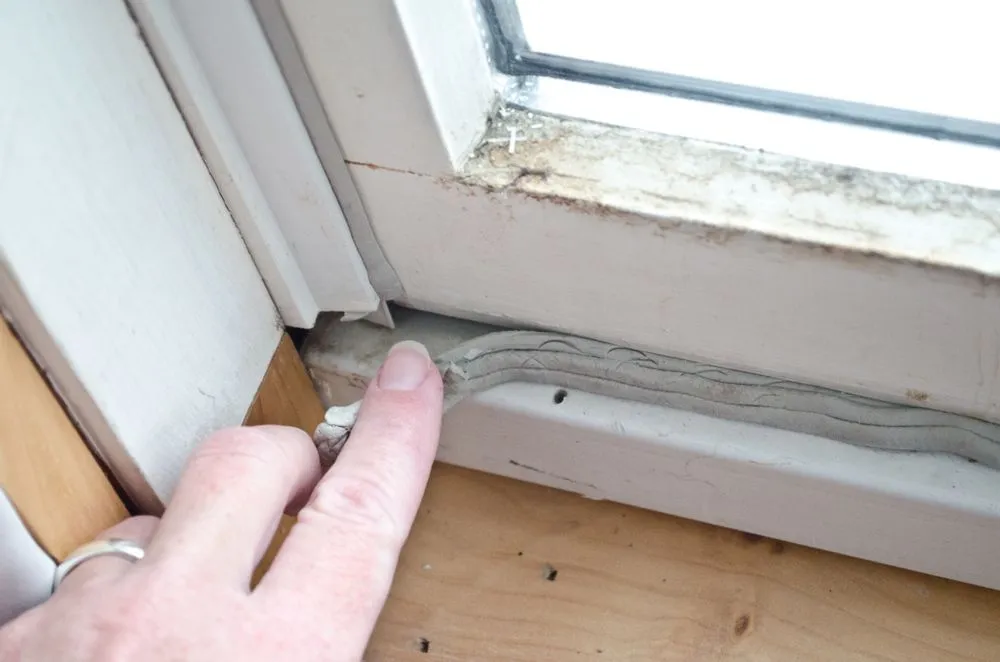
If you grew up in a drafty house, you might remember your parents putting weatherstripping around doors or sealing gaps near windows before winter arrived. These small home maintenance jobs were often done without much fuss, but they could make a real difference in how comfortable the house felt. Today, the same skills can help reduce heating and cooling costs. According to the Department of Energy, sealing air leaks is an effective way to improve a home’s energy efficiency. Replacing worn weatherstripping or applying appropriate caulk around accessible gaps can be relatively inexpensive compared with replacing entire windows or doors. Just be careful not to block openings intended for ventilation.
Removing Stains Before They Ruin Clothes

Before fast fashion made replacing inexpensive clothing so easy, knowing how to get a stubborn stain out of a shirt or pair of pants was a genuinely useful skill. Many boomers learned that different stains required different treatments, and that tossing a stained garment straight into a hot dryer could make the problem much worse. That knowledge still comes in handy when you’re trying to make clothes last longer. Checking fabric care labels, treating spills promptly, and using the right cleaning method can prevent perfectly wearable clothing from ending up in the donation pile or trash. Washing suitable garments in cold water can also help reduce energy costs.
A Little Old-Fashioned Know-How Still Goes a Long Way

Not every skill boomers learned growing up is necessary today, and there’s certainly nothing wrong with paying a professional when a job requires specialized knowledge. But there’s something to be said for knowing how to handle the little things yourself. Whether it’s sewing a button, fixing a minor leak, or making dinner out of what’s already in the refrigerator, these practical abilities can help you spend less and waste less. And unlike most money-saving products, once you’ve learned a useful skill, you can keep using it for years.