

Airport systems are designed to help passengers move around efficiently, yet many occasional travelers may not know how to use them to their advantage. Drawing on information from Dallas Fort Worth International Airport (DFW) and the Transportation Security Administration, we’ll reveal airport tips that most travelers are unaware of!
Some Airports Show Security Wait Times Before You Reach the Checkpoint

Larger airports may post current checkpoint wait times on their websites or mobile apps. One such example is DFW, which provides information on the locations of TSA PreCheck and other security lanes, allowing travelers to compare the available checkpoints, according to the DFW Airport. These airport tips can help passengers avoid unnecessarily long queues.
Not Every Terminal Change Requires Another TSA Screening

People will not always have to go through TSA screening again when changing terminals. Some of the largest airports have secure-side walking corridors or trains that connect their various terminals, but it depends on the airport. At DFW, a Skylink network operates within the secure area and connects all five terminals, making it one of the most useful airport tips for connecting passengers.
Airport Trains Can Operate on Completely Different Sides of Security

While the Skylink at DFW International Airport connects the terminals within the secure area, the Terminal Link operates outside of it. Travelers unfamiliar with this distinction between the two may follow the signs and end up taking the wrong transport, not realizing that they are leaving the gate area. Knowing these airport tips can help passengers avoid unnecessary detours.
TSA PreCheck Only Works When It’s Reflected on Your Boarding Pass

Having an active TSA PreCheck membership only works if the expedited screening indicator appears on your reservation and matches de Known Traveler Number. It does not happen automatically. Your airline reservation must include the correct Known Traveler Number and matching passenger details, and this must be confirmed prior to your trip. If you lose that eligibility, you may not be able to access the benefit before departure.
Some Eligible Passengers Can Use Touchless Identity Screening

The TSA PreCheck Touchless ID option is available with certain airlines and at specific airports. Eligible travelers must present their passport and TSA PreCheck information to undergo facial recognition and identity verification in designated lanes. Frequent flyers usually verify whether their airline offers this service and if it is supported at their departure airport, making these airports tips worth checking before heading to the terminal.
Trending on Cheapism


A Delayed Flight May Come With a Refund Right, Not Just a Travel Voucher

According to U.S. Department of Transportation rules, passengers whose flights are canceled or significantly changed are entitled to a refund if the airline cancels or modifies a flight and the passenger chooses not to accept the alternative offered. Frequent flyers note that it is important to understand one’s eligibility for a refund before agreeing to a voucher or rebooking arrangement. These airport tips can be especially helpful when dealing with unexpected disruptions.
Airlines May Have to Offer a 24-Hours Booking Cancellation or Hold Option

For tickets purchased at least seven days before the departure date, airlines generally offer either a 24-hour hold on an unpaid reservation or a 24-hour cancellation refund policy. The reservation must also meet applicable conditions. Frequent travelers advise checking the airline’s policy after booking, in case you discover an error. These airport tips can help passengers avoid unnecessary booking mistakes.
Some Airports Have Better Connections Than Their Maps Initially Suggest
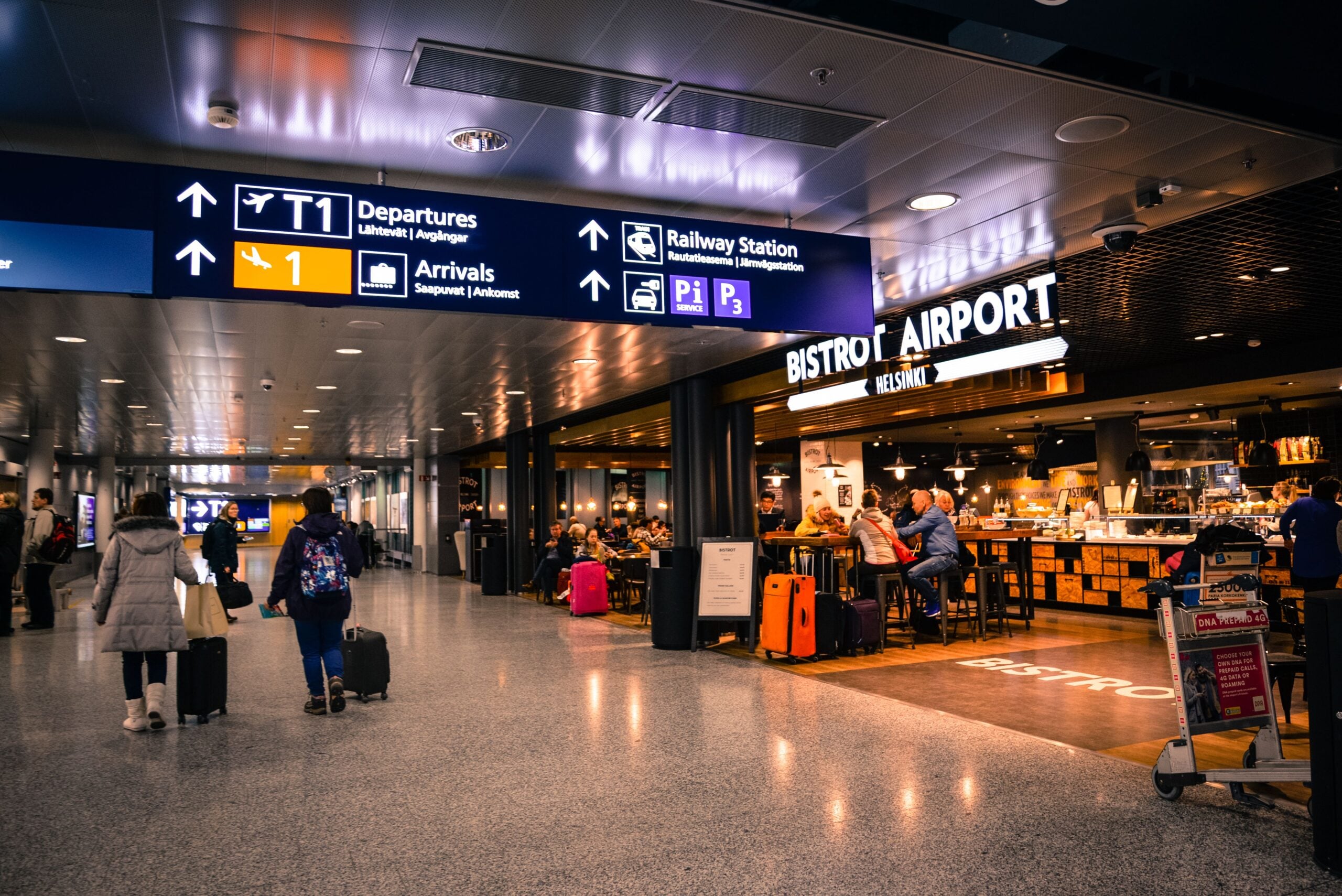
San Francisco International Airport (SFO) terminals might feel complex to navigate, but that is because the maps depict a layout that is more intricate than the actual connections. Travelers arriving on domestic flights can head toward the international departure gates by using the post-security connectors. According to frequent flyers, being able to distinguish the domestic gate areas from the international ones is a major advantage.
Sign up for our newsletter
Travelers With Certain Disabilities or Medical Conditions Can Request TSA Assistance

TSA Cares can provide information and coordinate with travelers who need support during security screening. Frequent flyers recommend contacting TSA Cares at least 72 hours before your trip to request this coordinated assistance, so that additional guidance can be provided at the checkpoint. These airport tips can make screening experience more manageable for passengers who need extra support.
The Airline’s App Can Be More Useful Than the Departure Board Alone
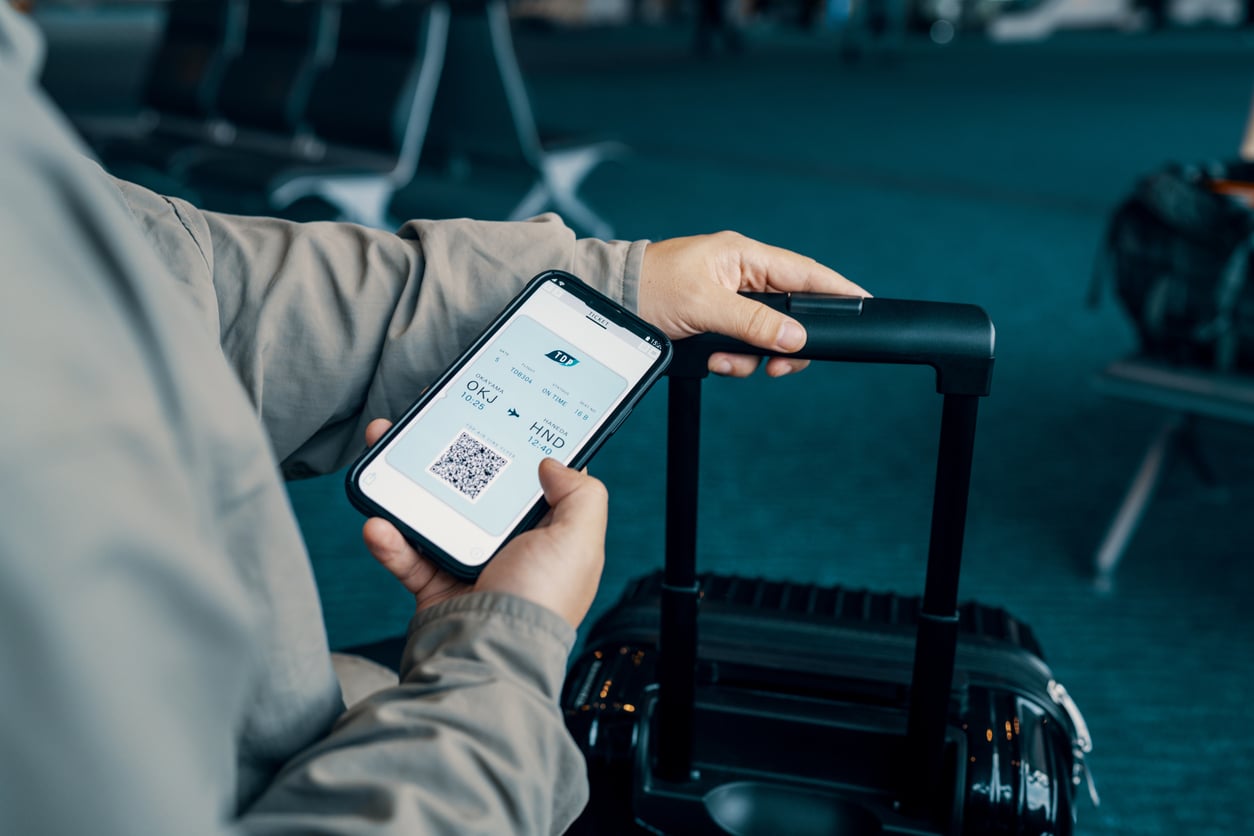
With the advancement of technology, airline apps can now provide boarding pass upgrades, gate changes, and flight status updates, with travelers receiving notifications when updates are available. Frequent flyers recommend enabling notifications and checking the airport’s official departure monitors for confirmation. These airport tips can help passengers stay informed throughout their journey.
A Short Connection Doesn’t Always Mean a Short Walk

Airports may feature trains, multiple concourses, satellite gates, or long corridors, all of which add a significant amount of travel time for passengers after they land. Frequent flyers advise locating both gates, as well as the connecting route you will need to take, as soon as your second flight is assigned. These airport tips can help passengers plan their connections more efficiently.
You Can Sometimes Reserve a Security Screening Time Without Buying Priority Access
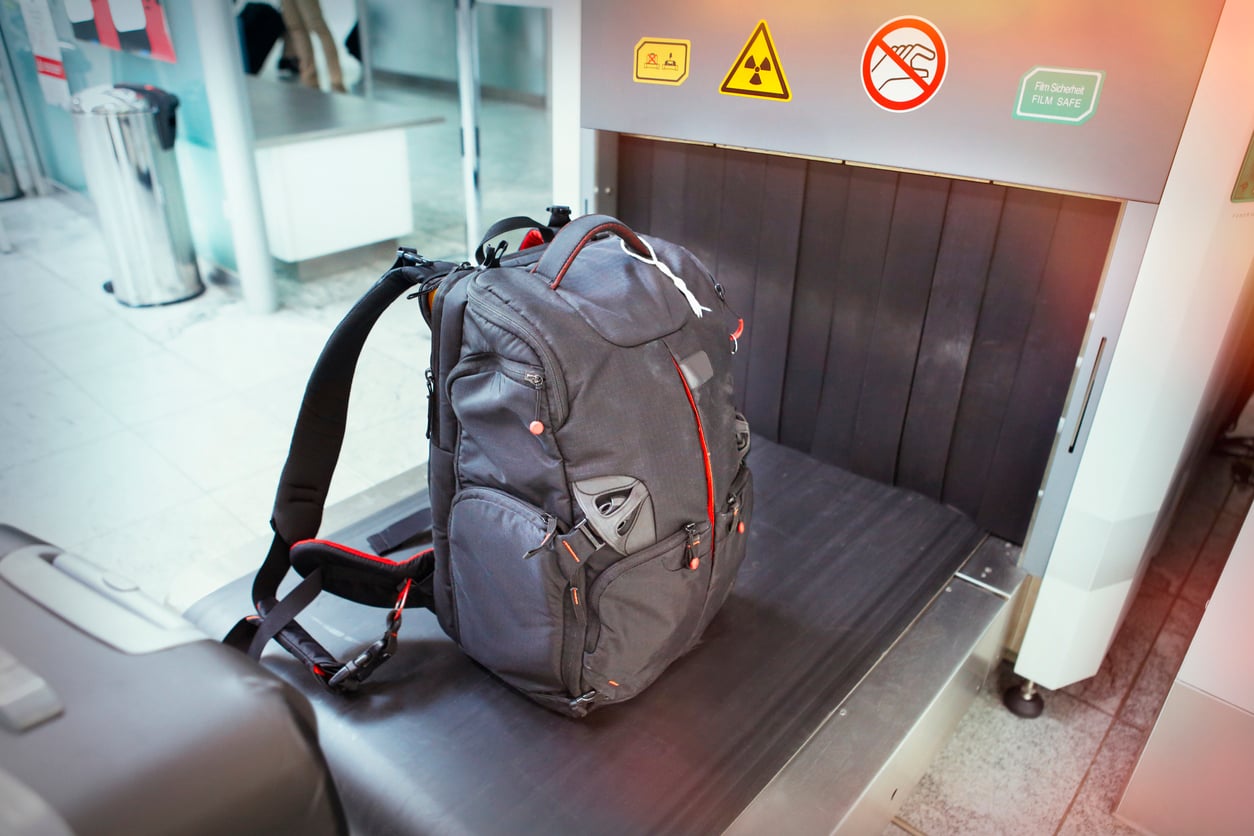
Some airports have experimented with offering appointment-based security programs to help manage passenger arrival patterns. DFW has promoted a program that allows travelers to book a security screening appointment instead of relying exclusively on the standard queue. This helps make the screening process more predictable, making these airport tips particularly useful for travelers who want to plan ahead.
Conclusion
Frequent flyers focus on understanding airport layouts, verifying their eligibility for security screening, and leveraging official travel technology to their advantage to enhance their journey. From refund policies to checkpoint services, travelers should be familiar with these details before any disruption occurs.