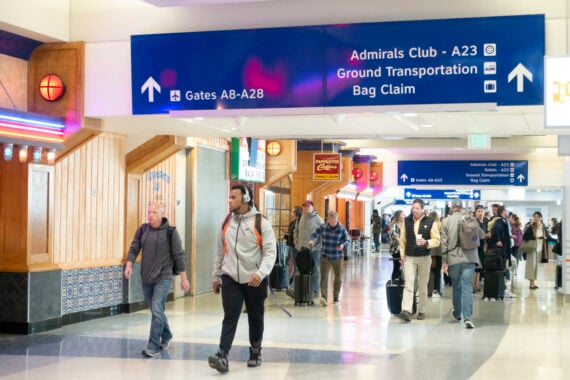

Between booking flights, finding accommodations, and planning sightseeing, it’s easy to overlook smaller expenses that can quickly add up. The Federal Trade Commission’s travel advice highlights the importance of checking prices, fees, and booking conditions before paying. Whether it’s an unfavorable exchange rate or an overpriced airport transfer, here are 12 things tourists often overpay for without realizing that more affordable alternatives are available.
Paying in U.S. Dollars Abroad
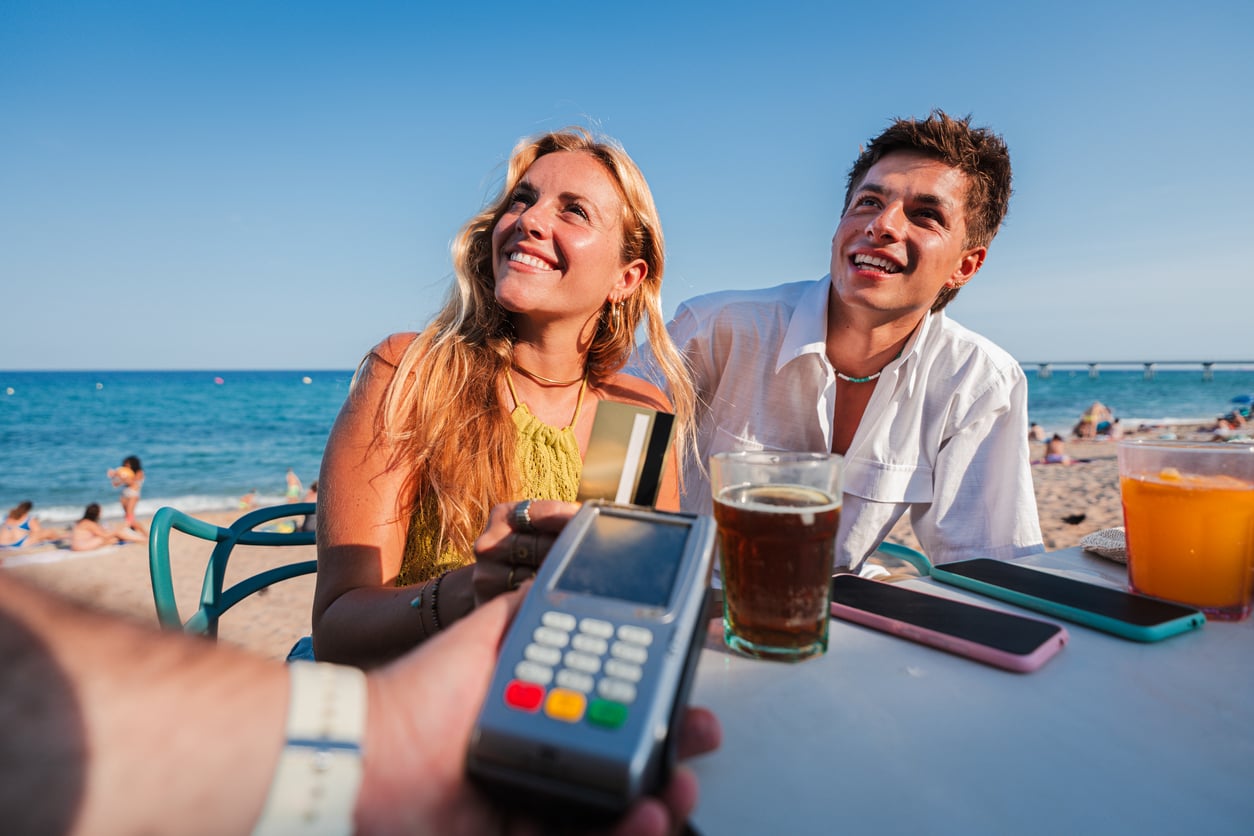
When a restaurant or store overseas offers to charge your credit card in U.S. dollars, seeing a familiar currency might seem reassuring. However, this service, known as dynamic currency conversion, can include an unfavorable exchange rate and additional charges. Check the conversion details before accepting the offer. If your card provides favorable exchange rates, paying in the local currency is generally the better choice. It’s also worth checking whether your credit card charges foreign transaction fees before leaving home.
Airport Currency Exchange Services
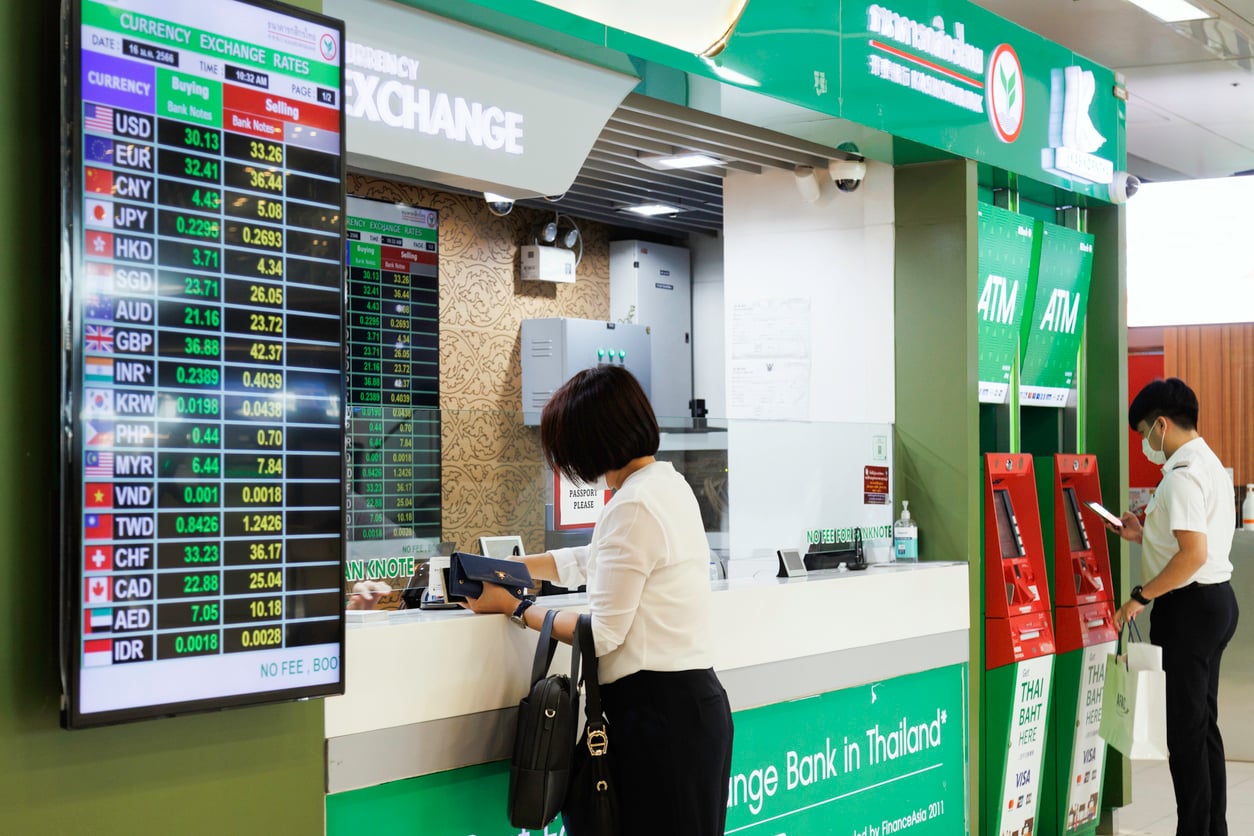
Exchanging money immediately after landing might be convenient, but don’t assume that a currency exchange counter advertising zero commission is offering good value. The business can still make money through the difference between its buying and selling exchange rates. Compare how much local currency you’ll actually receive for your dollars. Withdrawing cash from a reputable bank ATM may be less expensive, depending on your bank’s fees. If you need cash immediately, consider exchanging only enough to cover your first few expenses.
International Cellphone Roaming

Using your phone normally while traveling overseas can become an expensive habit. Verizon’s TravelPass, for example, costs $12 per line per day in most covered international destinations, meaning a couple using their phones daily during a seven-day trip could spend $168 before taxes and fees. Check whether your existing cellphone plan already includes international service. A prepaid travel eSIM or local SIM card may offer better value, although compatibility, coverage, and access to your regular phone number are worth considering before switching.
Attraction Tickets Purchased Through Resellers

The first website that appears when you search for attraction tickets isn’t necessarily the official seller. Some third-party companies charge more for admission or bundle tickets with services you might not need. Rome’s Colosseum, for example, lists its standard admission at 18 euros through its official website. Check the attraction’s own prices, reservation requirements, and available dates before purchasing elsewhere. A reputable guided tour may justify the additional expense, but there’s little reason to pay extra for an identical admission ticket.
Rental Cars Picked Up at the Airport
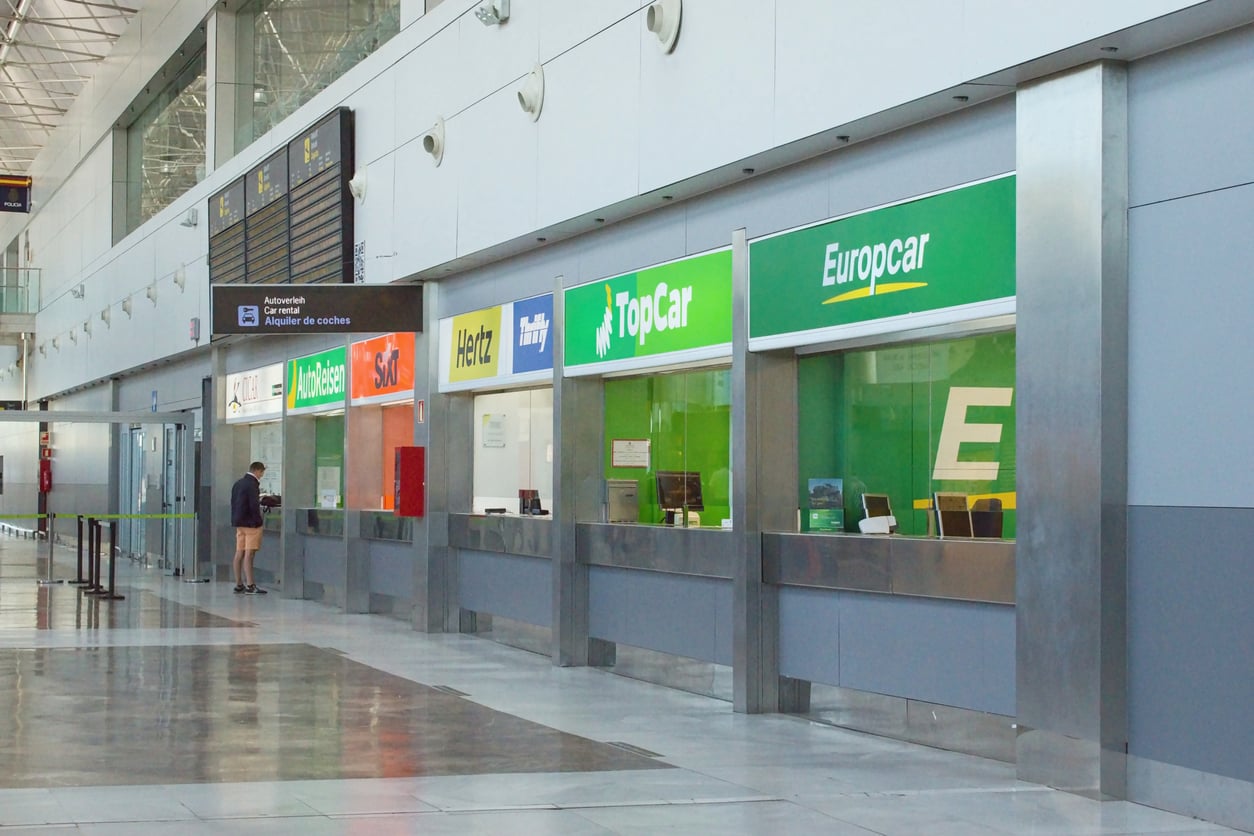
Picking up a rental car immediately after your flight can save time, but airport-related surcharges may make the reservation more expensive than expected. Compare the complete rental cost with locations elsewhere in the city, rather than looking only at advertised daily rates. Remember that some off-airport rental facilities also impose airport-related charges. If you’re spending your first few days exploring a walkable city, postponing your rental until you actually need a car could save money on both the vehicle and parking.
Trending on Cheapism


Private Airport Transfers

After a long flight, the prospect of getting straight into a waiting car can be tempting. Before booking an expensive private transfer, however, investigate whether the airport has a reliable train connection, public shuttle, or reasonably priced official taxi service. Some hotels also provide complimentary airport transportation. Compare the total cost for everyone in your party, not just the individual fare. A private transfer might still be worthwhile if you’re carrying heavy luggage, arriving late at night, or traveling with someone who has limited mobility.
Rental-Car Toll Payment Programs
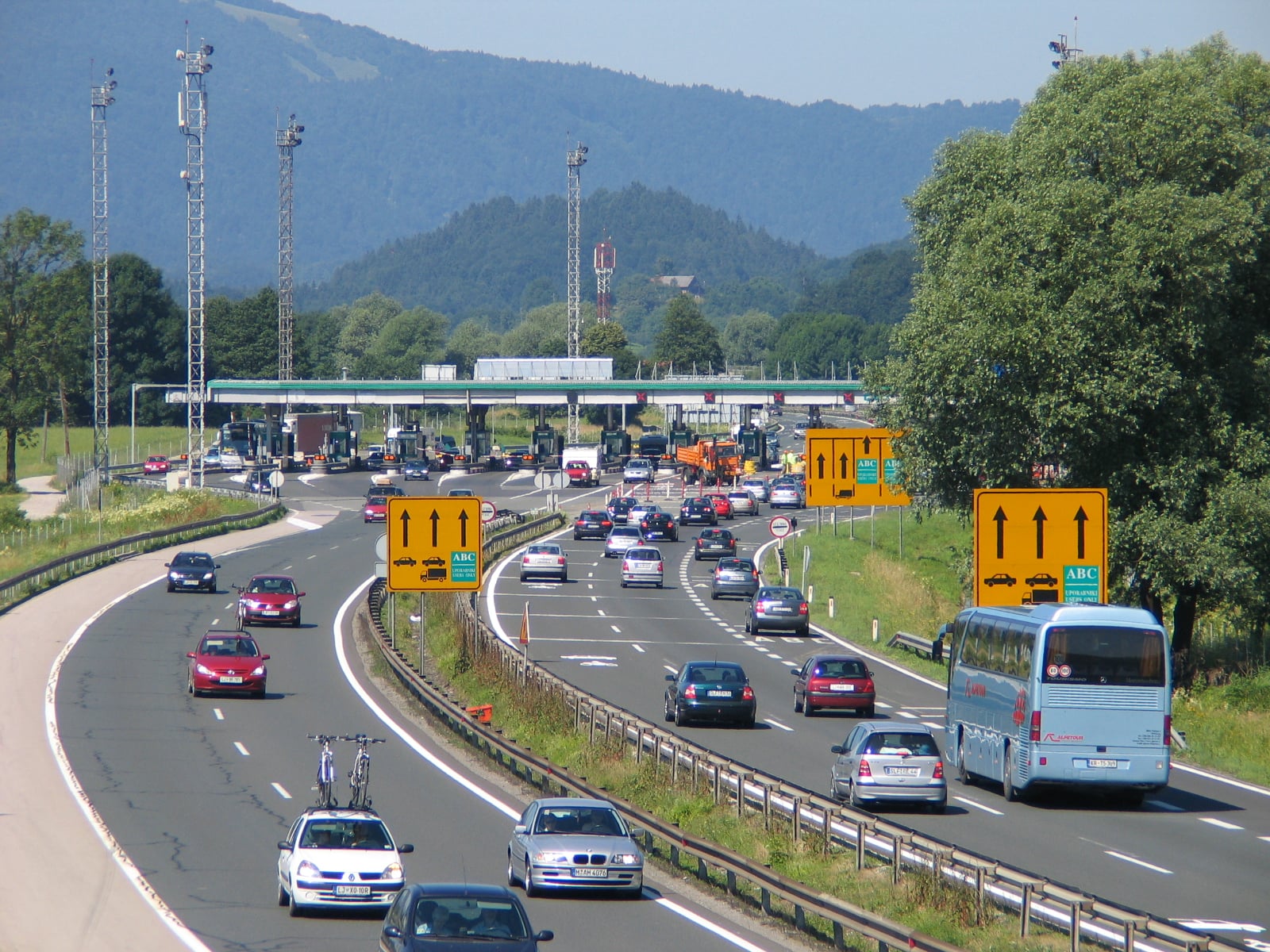
Electronic toll collection makes driving through unfamiliar areas easier, but rental companies may charge additional service fees for handling those payments. Depending on the program, you could face daily convenience charges or administrative fees on top of the actual tolls. Ask how the company’s system works before driving away from the rental counter. Check whether you can use your own compatible toll transponder or pay the toll authority directly. Make sure any alternative is permitted, since unpaid tolls can result in further charges.
Hotel Parking

Finding a reasonably priced hotel room can feel like a victory until you discover that parking costs another $35 a night. Over a four-night stay, that adds $140 to your accommodation expenses. Compare nearby hotels that include parking, and investigate public garages offering overnight rates. If you plan to take the car out regularly, check whether you can leave and return without paying again. A cheaper garage several blocks away might not be worth the inconvenience, particularly if you’re traveling with heavy luggage.
Sign up for our newsletter
Separate National Park Admission Fees
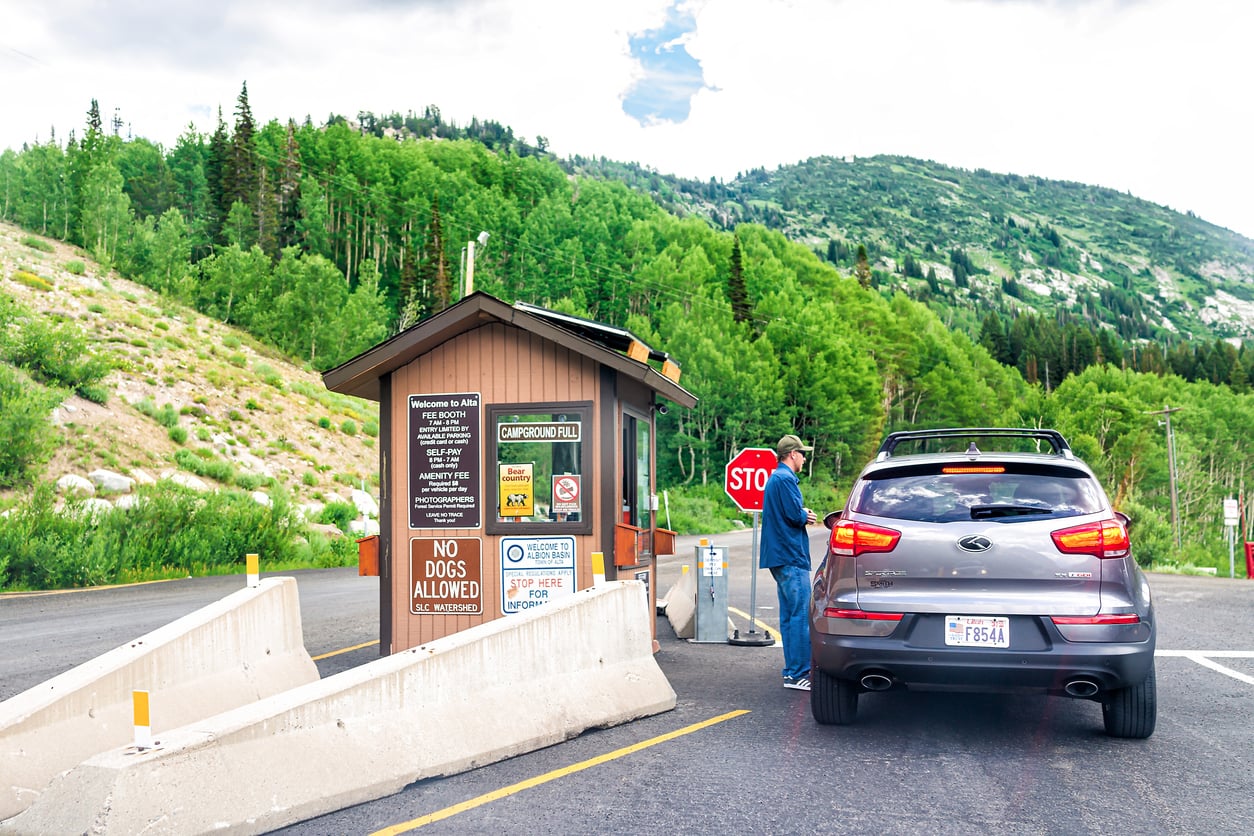
Buying individual admission passes at several national parks can cost more than purchasing an annual pass. For American citizens and residents aged 62 and older, the savings can be particularly worthwhile. The National Park Service offers eligible seniors a $20 annual pass and an $80 lifetime pass. Before buying either, check the entrance fees for the parks you plan to visit, since many national park sites are free. Remember that separate charges for camping, special tours, or required reservations may still apply.
Sightseeing Tours That Include Free Attractions

There’s nothing wrong with paying a knowledgeable guide to explain a city’s history, but check exactly what your sightseeing package includes. Some itineraries feature public monuments, parks, and museums that visitors can explore without paying admission. In Washington, D.C., for example, admission to Smithsonian museums is free, although certain locations require advance passes. If you’re comfortable exploring independently, you may prefer to arrange your own visit. Save the guided tour expense for places where expert commentary, convenient transportation, or special access makes a meaningful difference.
Restaurant Meals Near Major Tourist Attractions

A restaurant overlooking a famous landmark might offer a lovely setting, but you could be paying as much for the location as for the food. Compare menus at restaurants a few streets away before choosing where to eat. Be especially careful with seafood sold by weight, dishes without listed prices, and appetizers brought to your table without being requested. Ask what these items cost before accepting them. Paying extra for a memorable view is perfectly reasonable, provided you understand what the experience will cost.
Hotel Breakfast Packages

Adding breakfast to your hotel reservation can seem like a convenient way to simplify your mornings, but it isn’t always a bargain. Check the price difference between the room-only rate and the breakfast package, and confirm how many guests the meal covers. You may already qualify for complimentary breakfast or a dining credit through the hotel’s loyalty program. If you normally have coffee and toast rather than a substantial morning meal, a nearby bakery or neighborhood diner might offer better value.