
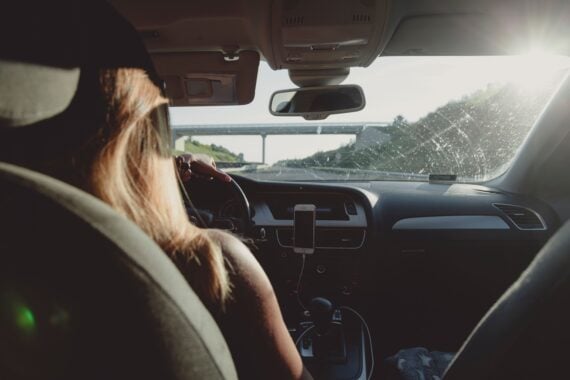
There’s something exciting about hitting the open road with a trunk full of luggage, a good playlist, and the freedom to stop wherever you want. Unlike vacations that revolve around flight schedules and airport transfers, road trips allow you to explore small towns, discover unexpected attractions, and travel at your own pace. But that flexibility can also make it easy to underestimate how much preparation a long driving trip actually requires.
From getting stranded on a remote highway with an empty gas tank to discovering that a scenic mountain road is closed, plenty of road trip mistakes can cost you time and money. Others, such as driving while exhausted or attempting to cross a flooded road, can have far more serious consequences.
Whether you’re planning a weekend getaway or an adventure across several states, a little preparation can make your journey considerably smoother. Here are 12 things you should never do on a road trip, along with what to do instead.
Never Begin a Long Trip Without Checking the Tires
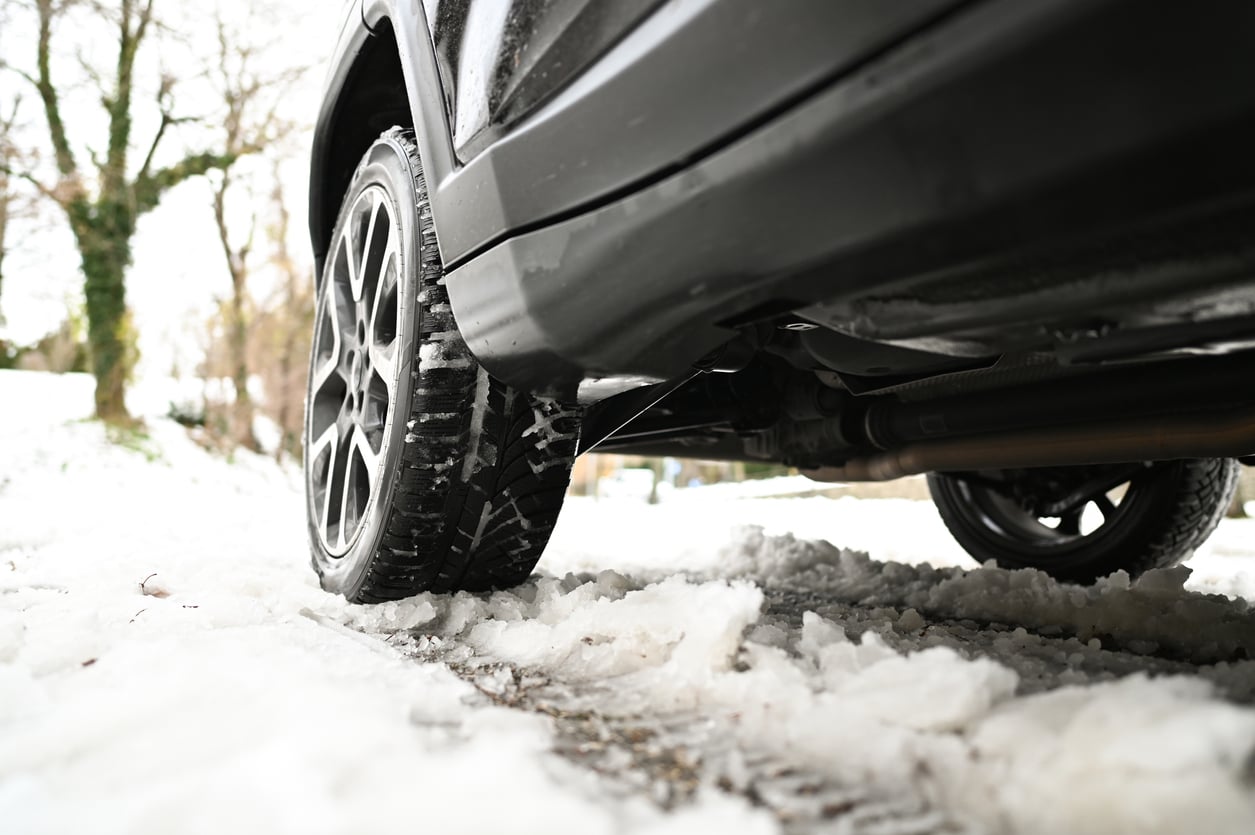
Just because your tires have been getting you to work and back without any problems doesn’t mean they’re ready for hundreds of miles of highway driving. Underinflated tires, worn tread, and existing damage can become particularly problematic during long trips in hot weather.
The National Highway Traffic Safety Administration (NHTSA) recommends checking tire pressure before driving, inspecting the tread for signs of wear, and making sure your spare tire is in good condition. A few minutes of preparation could save you from an expensive roadside emergency. NHTSA
Never Drive for Hours Without Planning Proper Breaks
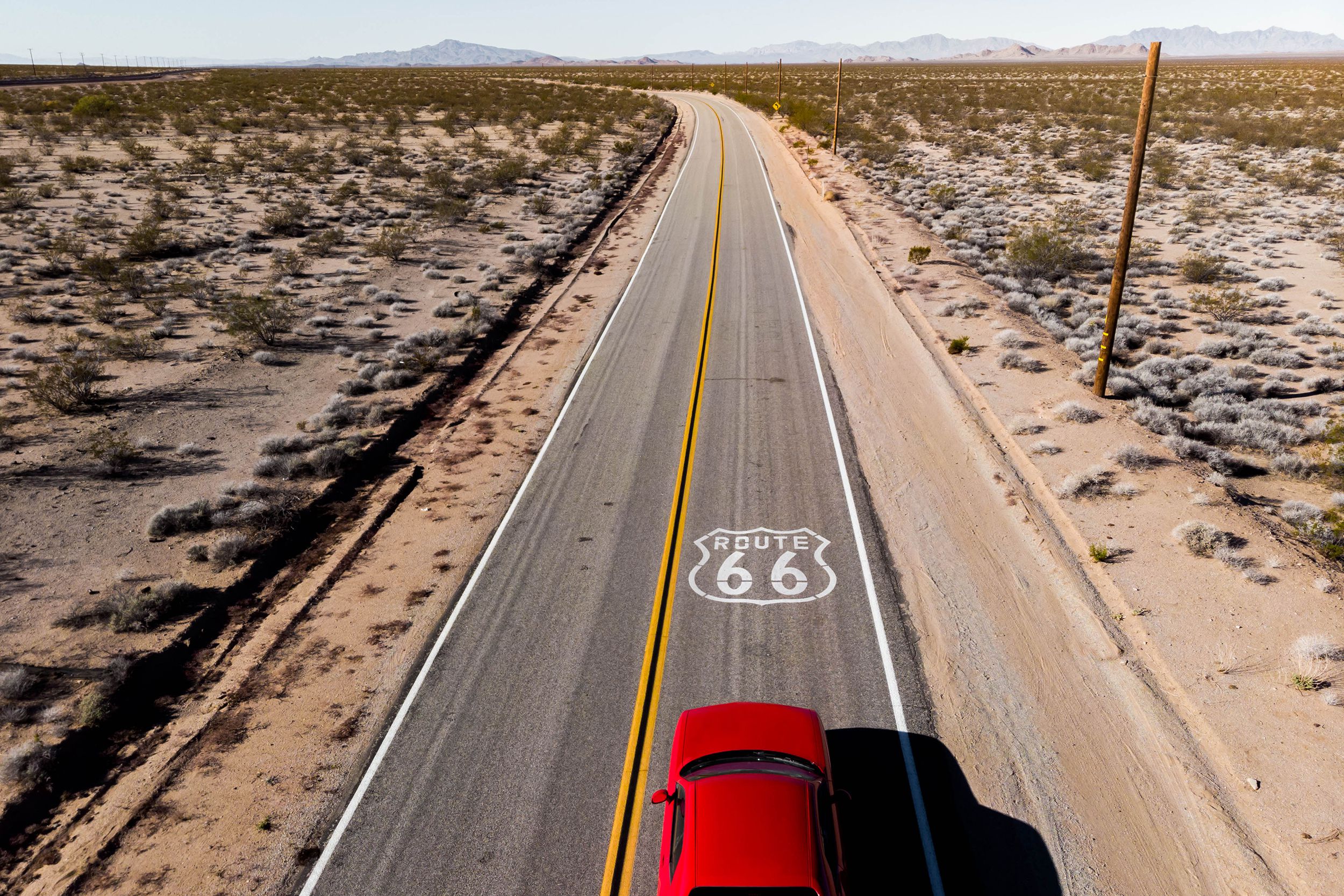
It can be tempting to cover as many miles as possible before stopping, especially when you’re eager to reach your destination. But spending hours behind the wheel without a break can affect your concentration and reaction time.
AAA recommends taking a break approximately every two hours or 100 miles. Build opportunities to stretch your legs, use the restroom, and grab something to eat into your itinerary rather than treating every stop as an inconvenience. AAA Mid States
Never Rely Entirely on Your Phone’s Navigation

Google Maps might work perfectly in your hometown, but that’s not necessarily the case when you’re traveling through remote mountain communities, national parks, or stretches of desert. Losing cell service or discovering that your charging cable no longer works can quickly complicate your plans.
Download offline maps before leaving home, bring a backup charging cable, and familiarize yourself with the major highways along your route. An old-fashioned paper road atlas isn’t a bad investment, either. Google Maps Help
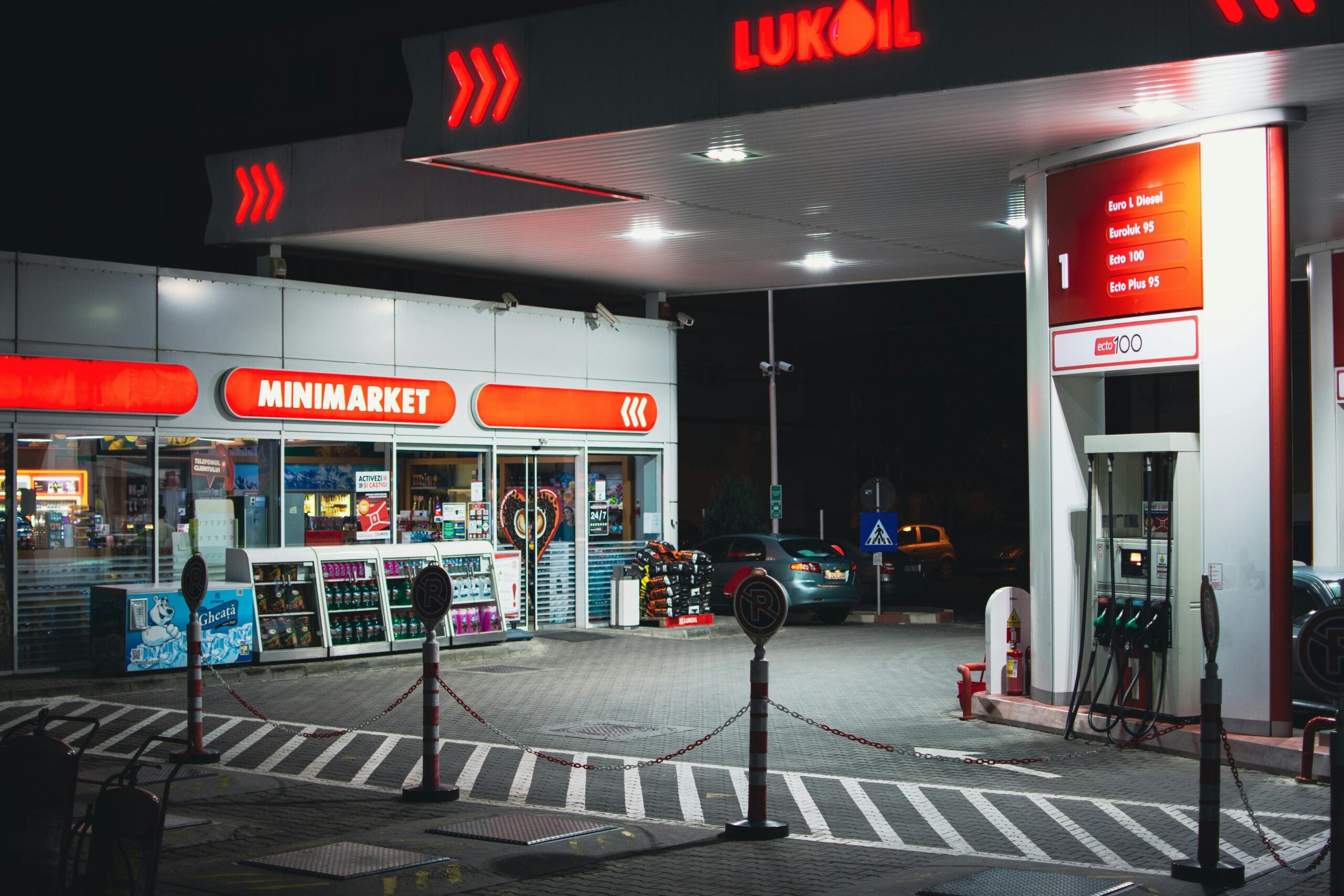
Never Let the Gas Tank Get Dangerously Low in Remote Areas
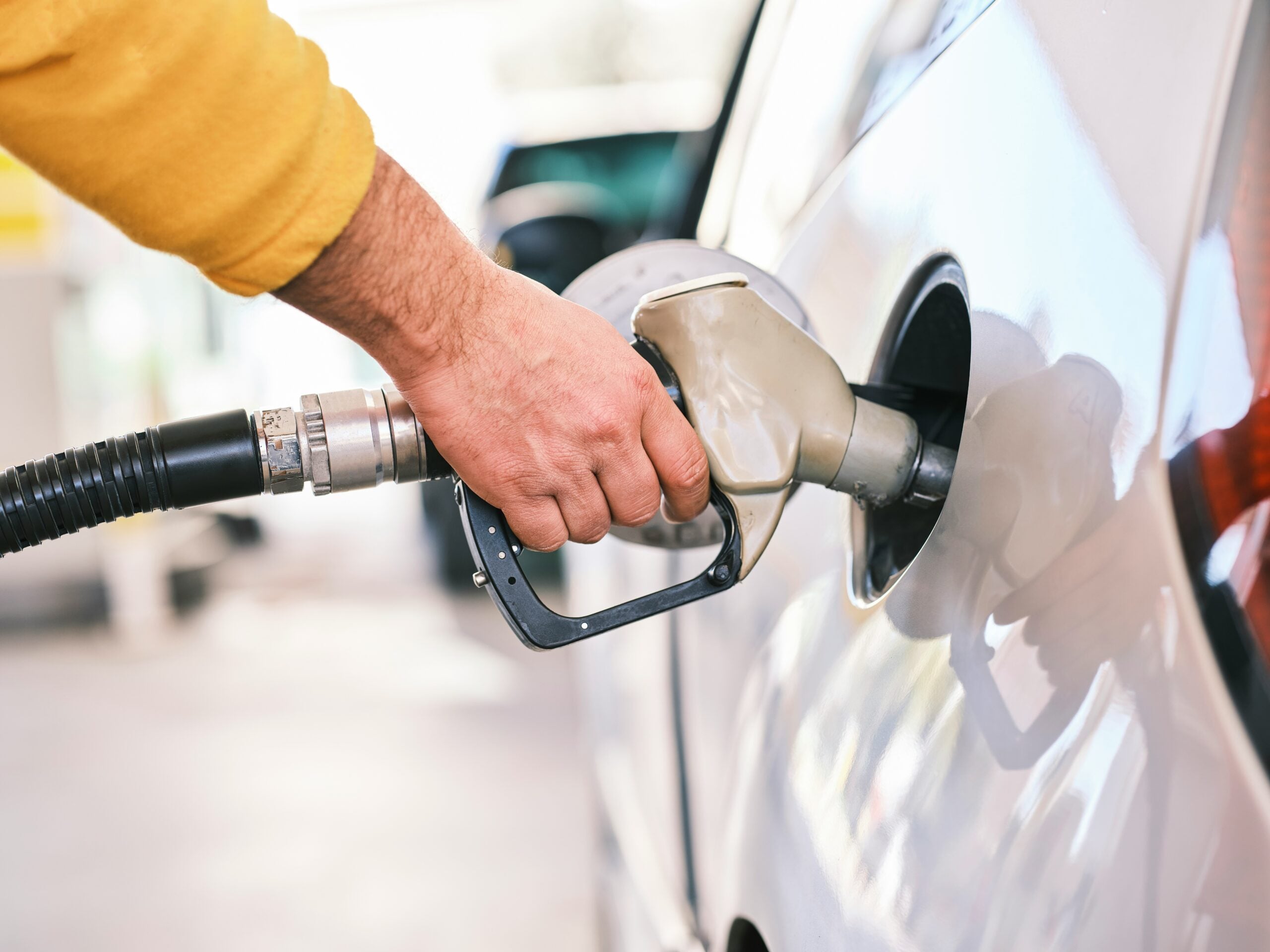
Finding a gas station isn’t always as simple as taking the next highway exit. In some rural areas, fuel stops are separated by considerable distances, and smaller gas stations may close earlier than you’d expect.
AAA recommends refueling before your tank drops below a quarter full. If you’re heading somewhere particularly remote, filling up even earlier can help you avoid unnecessary detours, expensive roadside assistance, and plenty of stress. AAA Mid States
Never Assume the Fastest GPS Route Is the Best Route
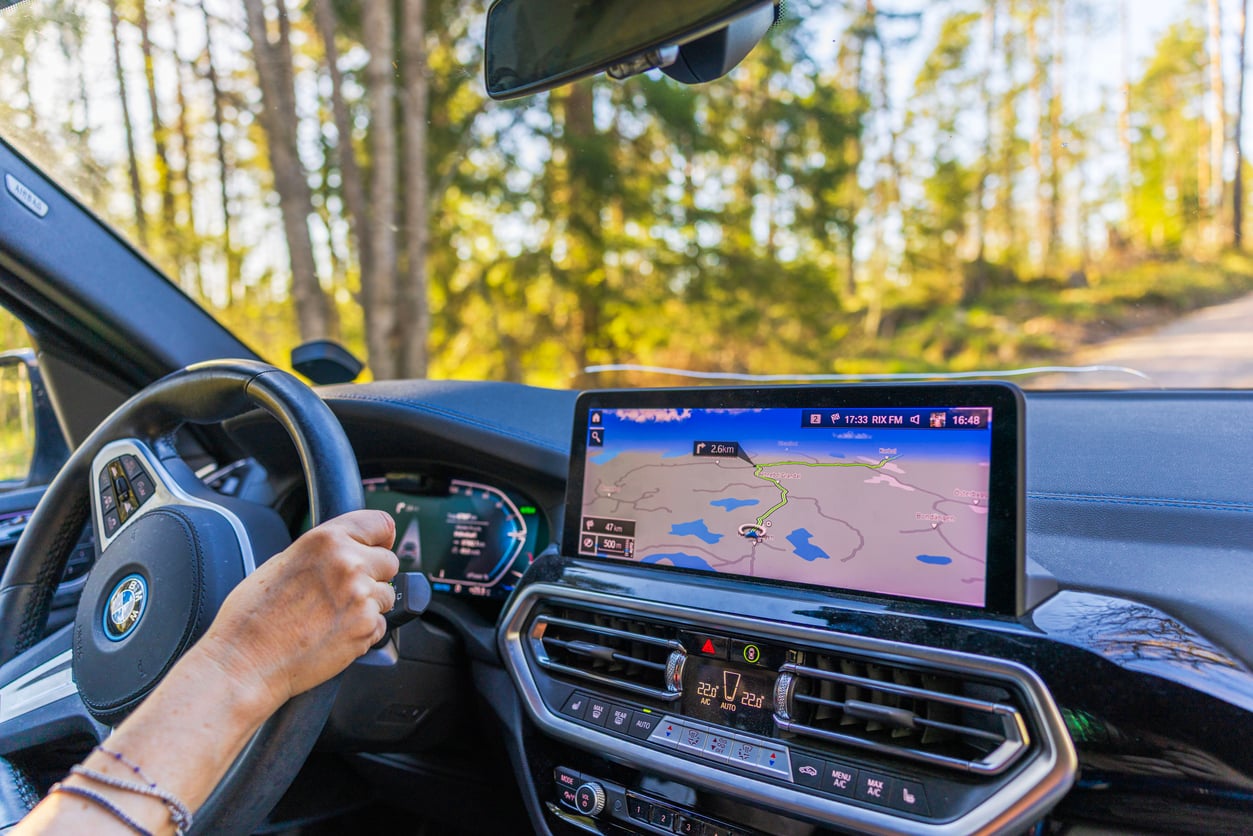
Saving 15 minutes might sound appealing until you find yourself navigating a narrow mountain road with sharp turns, limited visibility, and nowhere convenient to stop. Navigation apps don’t necessarily account for your comfort level behind the wheel.
Before accepting an unfamiliar shortcut, consider road conditions, available services, weather forecasts, and charging stations if you’re driving an electric vehicle. Sometimes, taking the slightly longer route makes for a much more enjoyable journey.
Trending on Cheapism


Never Leave Valuables Visible When You Stop for Lunch
Road trips often involve traveling with everything from laptops and cameras to suitcases filled with clothes. Unfortunately, leaving those belongings visible while you stop for lunch or visit a roadside attraction can make your vehicle an attractive target for thieves.
Take important documents, wallets, and expensive electronics with you whenever possible. Keep other belongings out of sight, lock your doors, and choose well-lit parking areas when available. NHTSA
Never Drive Through Floodwater Because It Looks Shallow
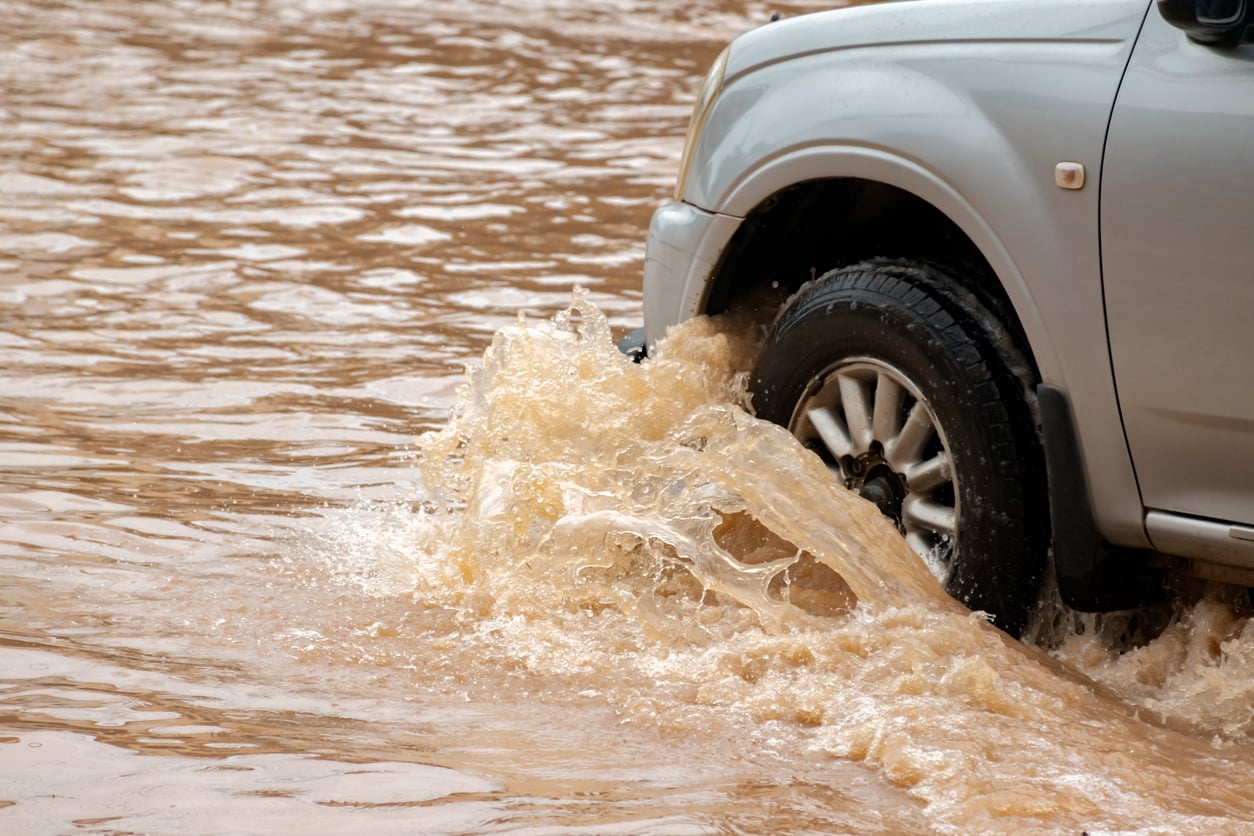
A flooded stretch of highway might not look particularly dangerous from behind the wheel, but there’s no reliable way to judge the depth of the water or determine whether the pavement underneath is intact.
According to NHTSA, just 12 inches of rushing water can sweep away most passenger cars. If you encounter a flooded road, turn around and find an alternative route, even if other drivers appear to be crossing successfully. NHTSA
Never Assume Every National Park Road Is Open Year-Round
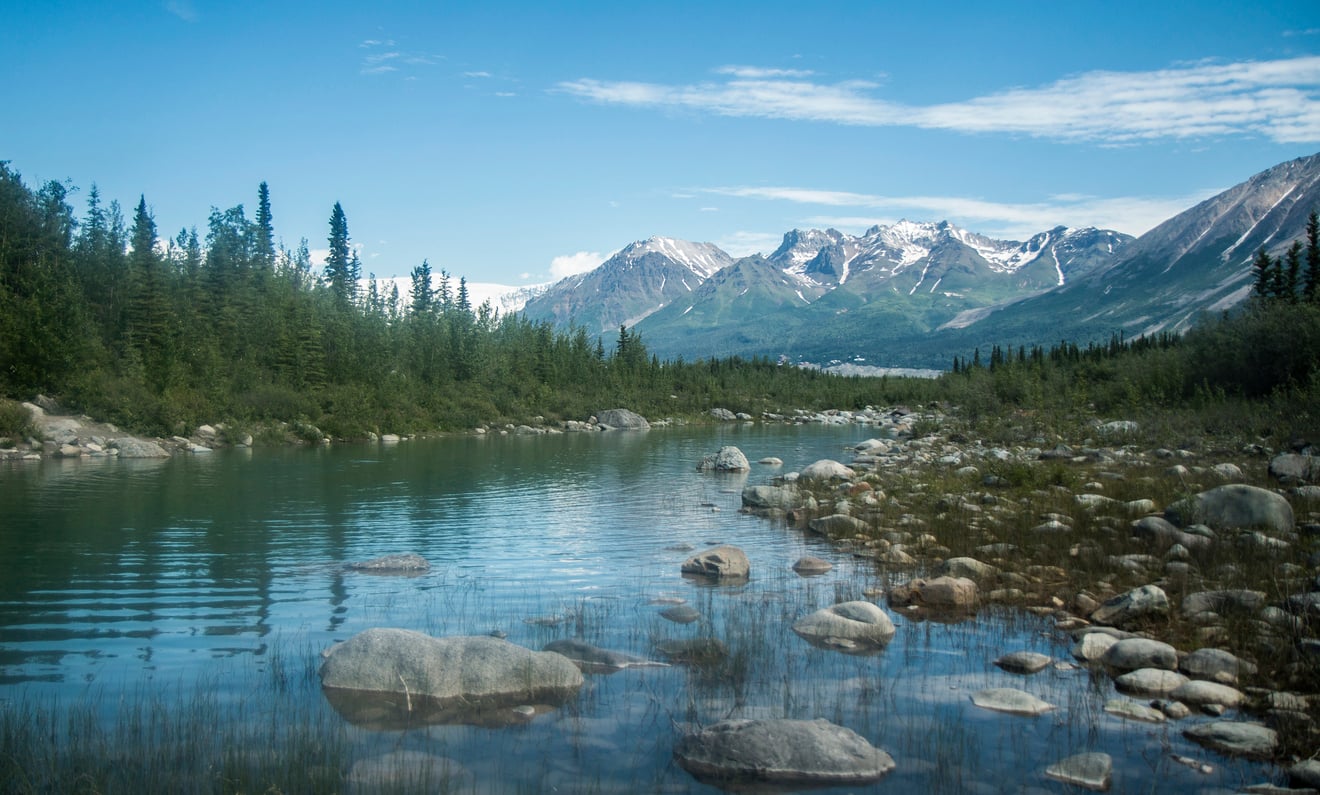
Planning a road trip around a spectacular scenic drive only to discover that it’s closed can throw your entire itinerary off course. At Yellowstone National Park, for example, most roads close to regular vehicles between early November and late April.
Check official park websites for seasonal closures, construction updates, and weather-related restrictions shortly before your visit. Otherwise, you could find yourself spending several additional hours driving to an alternative entrance. National Park Service
Sign up for our newsletter
Never Pack the Car So Heavily That You Ignore Its Load Limits

Between suitcases, coolers, camping equipment, bicycles, and passengers, it’s surprisingly easy to underestimate how much weight you’re putting into your vehicle. Just because everything fits doesn’t mean your car is designed to carry it all.
Check the vehicle’s recommended weight limits, distribute luggage appropriately, and secure heavy objects so they can’t shift while driving. Overloading your car can affect everything from fuel efficiency to braking and handling.
Never Book Every Overnight Stop Without Allowing for Delays
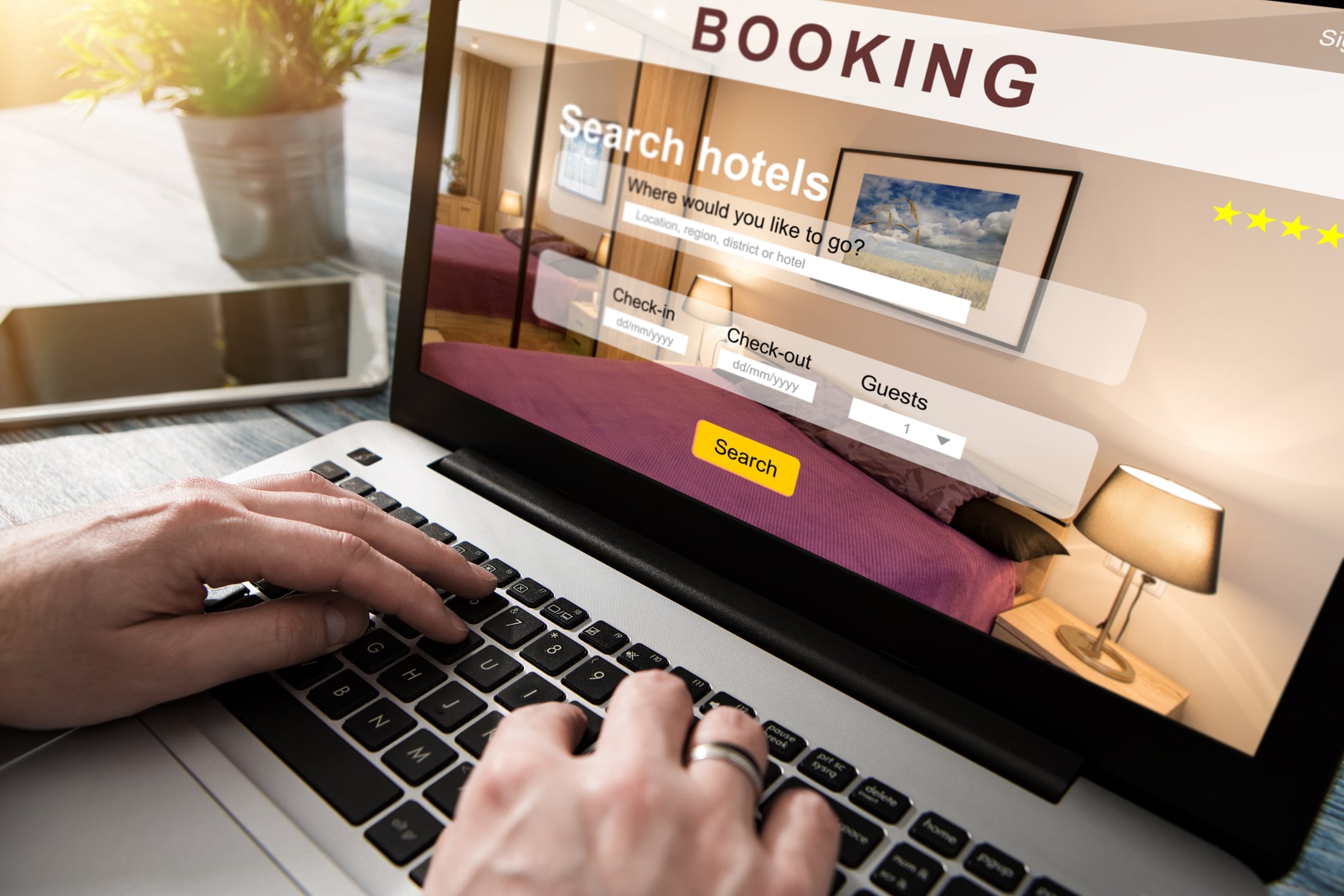
Having hotel reservations along your route can provide peace of mind, but an overly ambitious itinerary can leave you feeling pressured to keep driving long after you’ve become tired. Traffic jams, bad weather, and unexpected sightseeing stops can all put you behind schedule.
Consider booking accommodations with flexible cancellation or modification policies, particularly on longer driving days. Paying a little more for flexibility may be preferable to losing money on a prepaid reservation or driving when you shouldn’t.
Never Set Off Without Basic Emergency Supplies
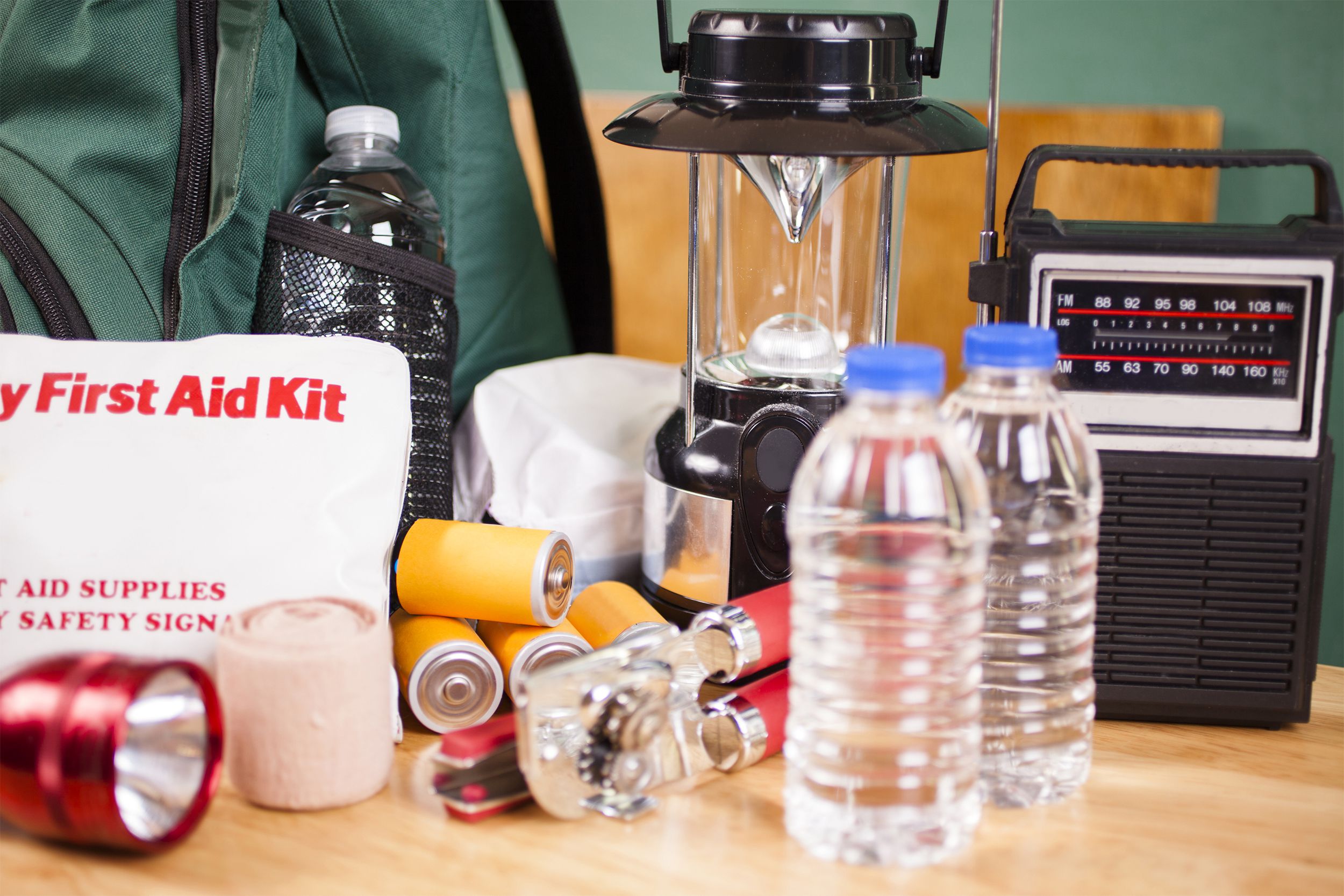
Even a recently serviced vehicle can break down, and roadside assistance may take considerably longer to reach you in remote areas. That’s when a few inexpensive supplies can make a significant difference.
NHTSA recommends traveling with an emergency kit that includes drinking water, shelf-stable snacks, a flashlight, first-aid supplies, jumper cables, and a phone charger. Depending on the season, you might also want to bring extra blankets or warm clothing. NHTSA
Never Keep Driving Just Because You’re Almost There
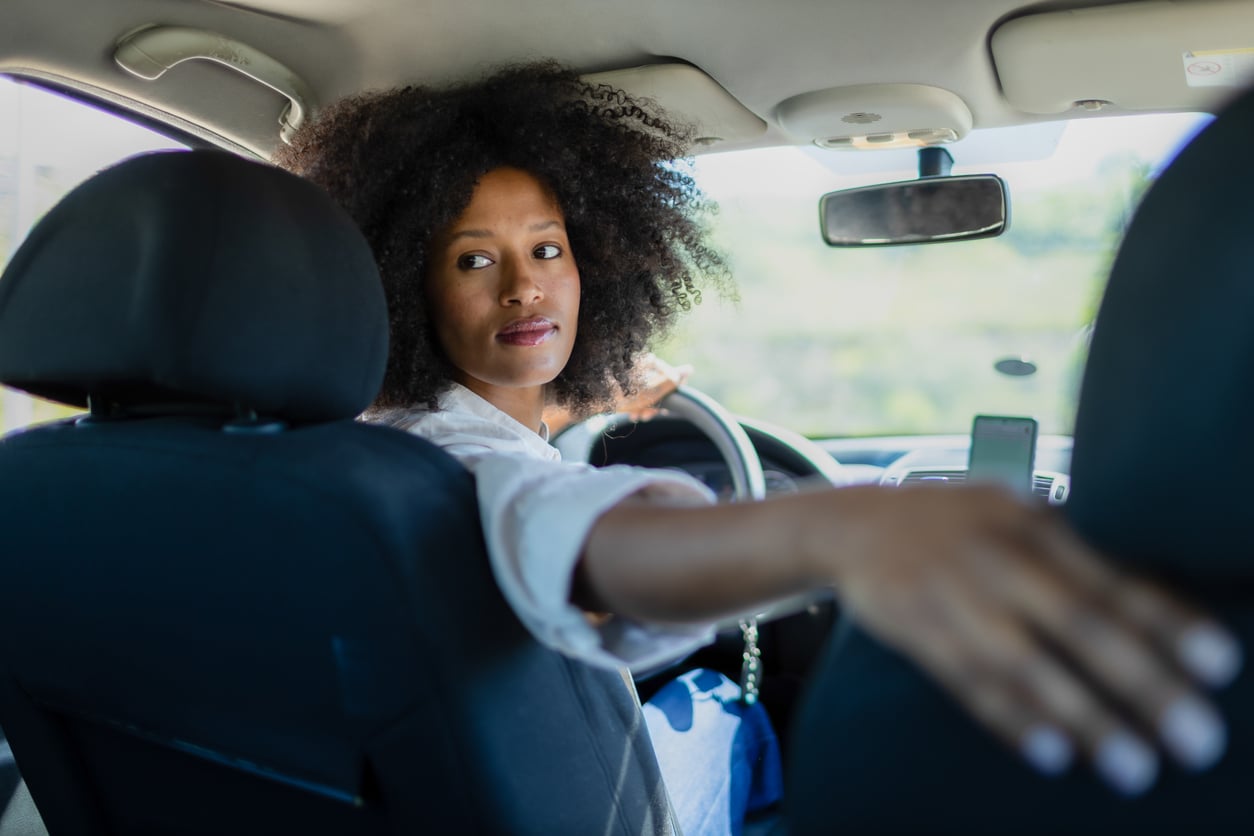
When you’ve already spent most of the day driving, stopping with only another hour to go can feel frustrating. But being close to your destination doesn’t make driving while exhausted any less dangerous.
If you’re struggling to stay alert, missing exits, or having difficulty keeping your eyes open, pull over somewhere safe and switch drivers if another rested driver is available. Otherwise, stop and get some proper rest. No hotel reservation or dinner plan is worth risking your safety.
A Great Road Trip Doesn’t Have to Follow a Perfect Schedule
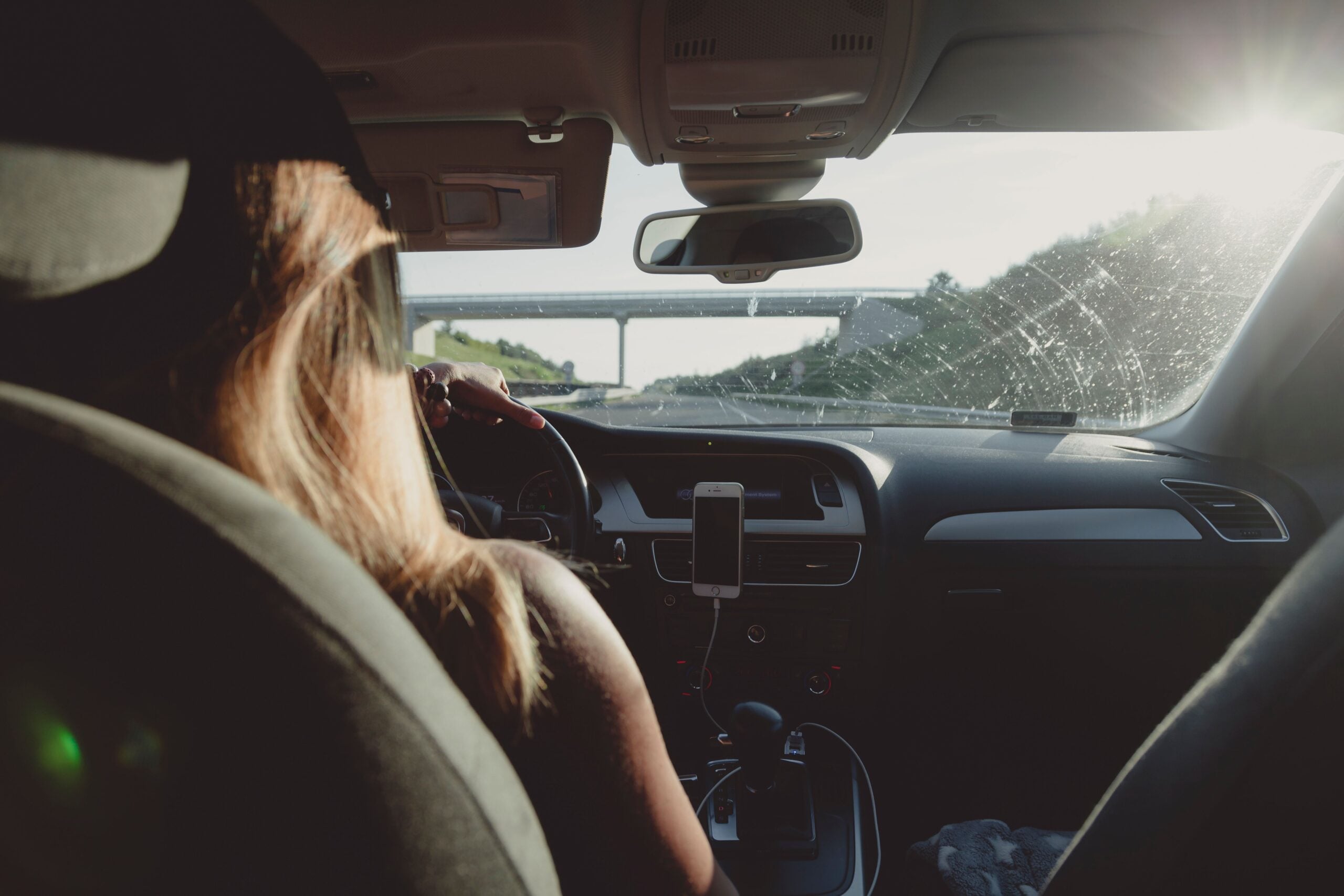
Some of the best road trip memories come from unexpected discoveries, whether it’s a charming roadside diner, a scenic overlook, or a small town you hadn’t planned on visiting. Leaving some flexibility in your itinerary makes those experiences possible.
By preparing your vehicle, planning fuel stops, checking road conditions, and giving yourself plenty of time to rest, you can avoid many of the unnecessary expenses and stressful situations that come with long-distance driving. After all, the journey is supposed to be part of the vacation.