
An attractive nightly rate and a few beautiful photos aren’t enough to guarantee a comfortable hotel stay. While the Federal Trade Commission’s pricing rule requires greater transparency around mandatory fees, travelers still need to look closely at what their reservations include. From cancellation deadlines to parking charges and room features, here are 12 things experienced travelers always check before booking a hotel to avoid unnecessary expenses and unpleasant surprises.
The Total Cost of the Stay

A room advertised at an attractive nightly rate isn’t necessarily the least expensive option. Since May 2025, federal rules have required covered hotel sellers to include mandatory charges, such as resort fees, in their prominently displayed prices. However, government taxes and optional extras can still be shown separately initially. Compare the final prices for identical dates, room types, and the number of guests. Factor in any additional services you’ll need, too. A slightly more expensive hotel may ultimately offer better value once everything is accounted for.
The Exact Cancellation Deadline

Seeing the words “free cancellation” can make a reservation feel relatively risk-free, but that flexibility usually comes with a deadline. Some bookings become nonrefundable several days before arrival, while others allow changes much closer to check-in. Missing the deadline could cost you one night’s accommodation or considerably more, depending on the rate. Check the exact cancellation date, time, applicable time zone, and potential penalty before paying. Save the confirmation and set a calendar reminder if your travel plans are still uncertain.
Whether Parking Costs Extra
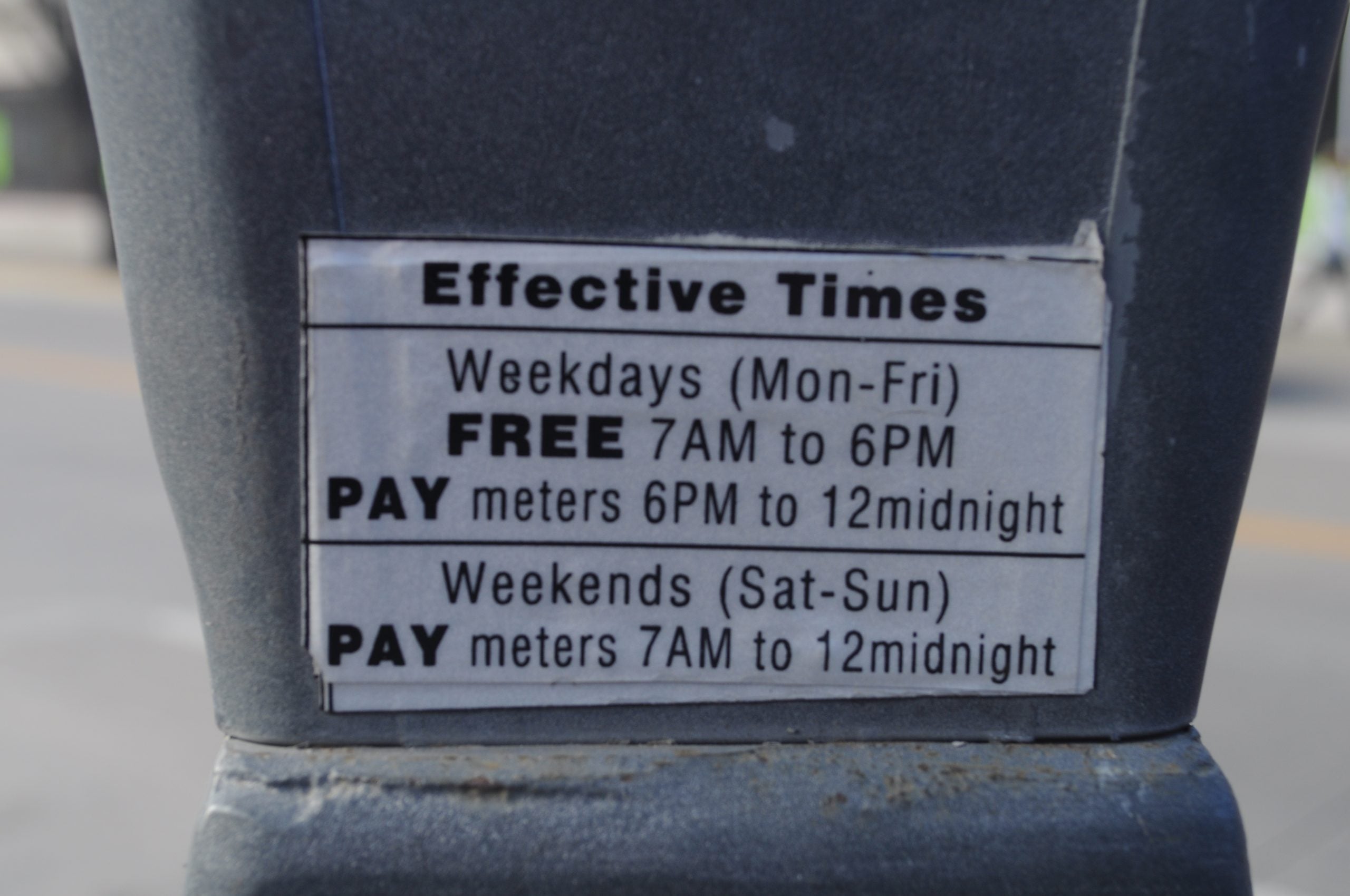
A reasonably priced hotel can become considerably more expensive when overnight parking isn’t included. For example, a $35 daily parking charge adds $140 to a four-night stay. Find out whether the hotel offers self-parking or only valet service, whether you can leave and return without paying again, and whether spaces are guaranteed. If you’re driving a larger vehicle, check garage height restrictions as well. Nearby public parking might be less expensive, but consider the walking distance and convenience before choosing it.
Whether Breakfast Is Included in Your Specific Rate

Just because a hotel advertises a breakfast buffet doesn’t mean you’ll be eating there for free. Some properties include breakfast with every reservation, while others offer it through specific packages or loyalty benefits. Check whether your selected rate includes breakfast for everyone staying in the room and what kind of meal is provided. Breakfast hours matter, too, especially if you’re catching an early flight or joining a morning tour. Sometimes, booking a room-only rate and eating at a nearby diner makes more financial sense.
Whether Renovations or Facility Closures Are Planned

Imagine choosing a hotel because of its beautiful swimming pool, only to discover that it’s closed throughout your stay. Renovations can also mean daytime construction noise, temporarily unavailable restaurants, or limited elevator service. Check the property’s official announcements and recent guest reviews for mentions of ongoing work. If a particular amenity is important to your vacation, contact the hotel directly to confirm that it will be available during your dates. Don’t assume that everything pictured on the booking website is currently operating.
Trending on Cheapism
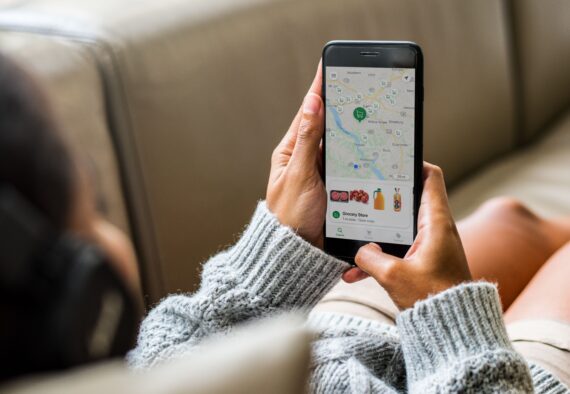

The Hotel’s Actual Location on a Map
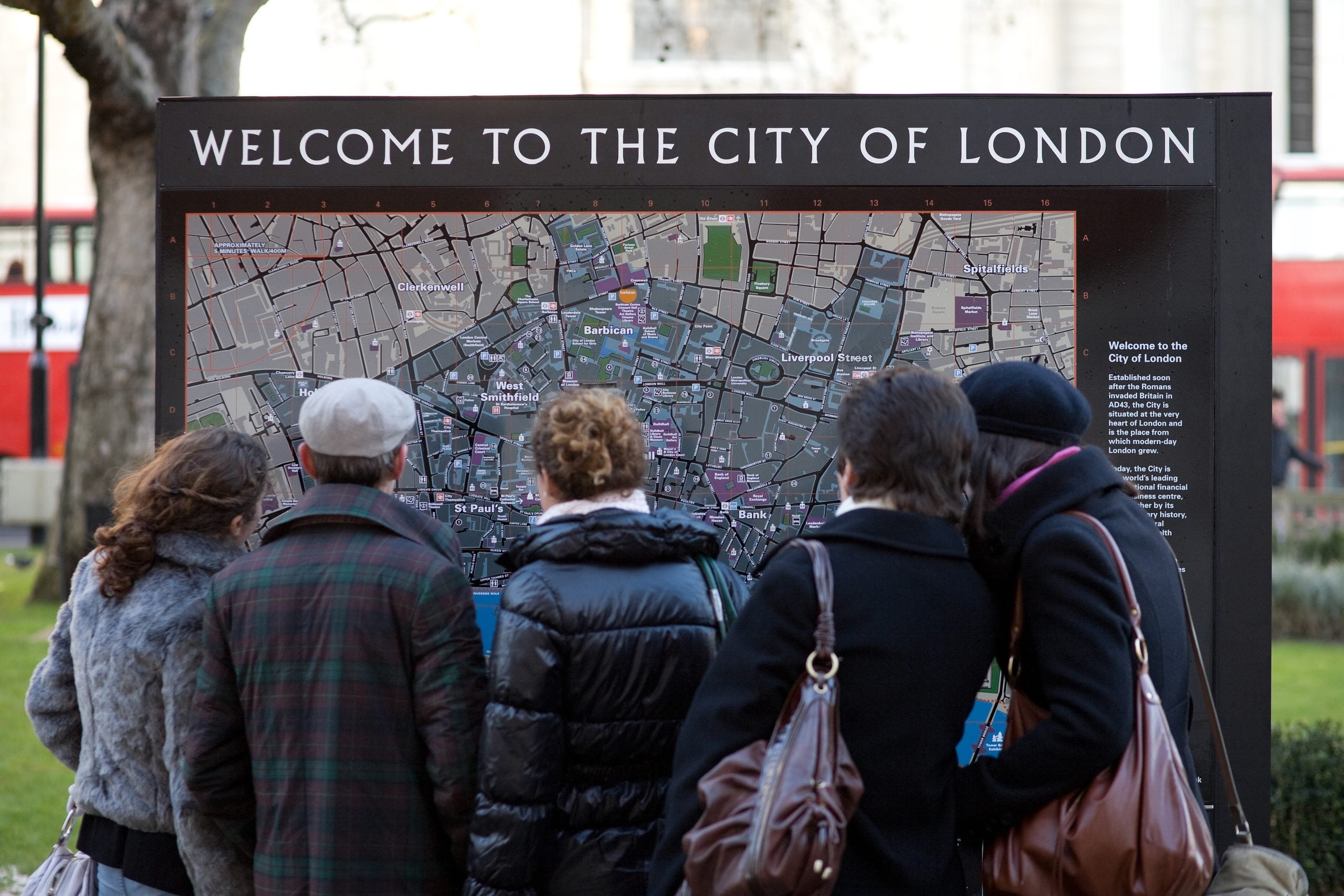
A hotel described as being near downtown or within easy reach of the beach might not be nearly as convenient as it sounds. Look up the actual walking, driving, or public transportation route to the places you expect to visit most frequently. Pay attention to hills, major roads, and transit schedules, particularly if anyone in your group has difficulty walking long distances. Saving $20 a night isn’t much of a bargain if you’ll need multiple taxi rides every day simply to get around.
The Bed Type and Room Features You’re Actually Reserving

Hotel photographs can be misleading when several room categories share similar images. A spacious room with two queen beds might appear in the photo gallery even though you’re selecting a smaller room with one double bed. Read the exact description attached to your chosen rate, including bed configuration, occupancy, and bathroom features. If separate beds, a walk-in shower, or another specific feature is essential, ask the property to confirm it in writing. A special request isn’t necessarily the same as a guaranteed reservation.
Whether the Room Meets Your Accessibility Needs
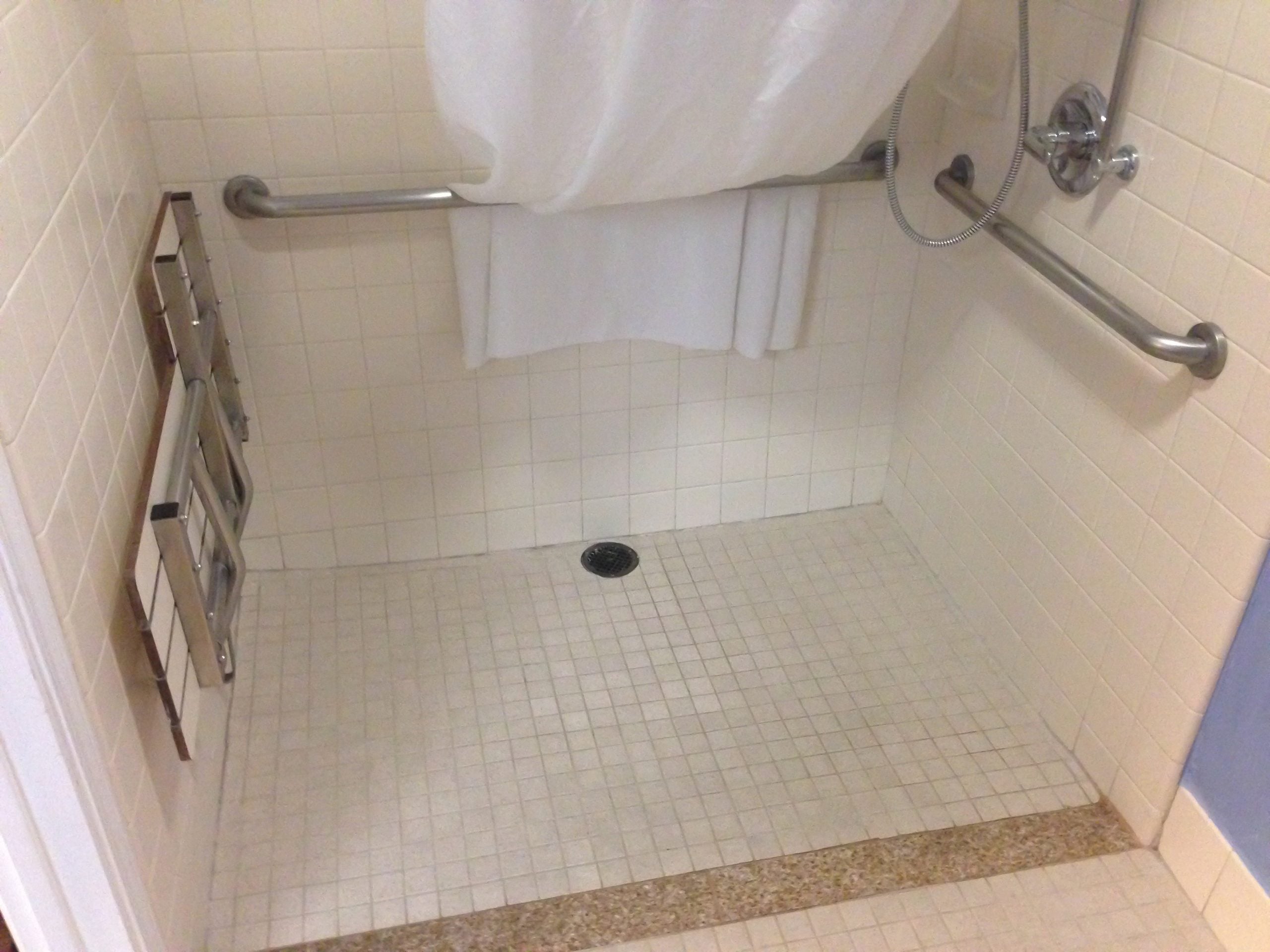
The word “accessible” doesn’t tell you everything you need to know about a hotel room. One room might have an accessible bathtub, while another provides a roll-in shower. U.S. accessibility regulations require covered hotels to provide sufficient information about accessible features during the reservation process. Still, it’s worth confirming details such as grab bars, doorway widths, elevator access, and step-free routes to important facilities. Make sure the appropriate accessible room is actually reserved rather than relying on a general request that might not meet your needs.
Sign up for our newsletter
What Recent Guests Are Complaining About

An impressive overall rating can hide problems that have developed relatively recently. Instead of reading only the most enthusiastic reviews, look through comments posted during the past few months. Repeated mentions of uncomfortable mattresses, noisy air conditioning, poor housekeeping, or unreliable elevators deserve attention. Compare reviews across different platforms and look at recent photographs uploaded by guests. One particularly unhappy traveler shouldn’t necessarily put you off an otherwise suitable hotel, but several independent reviews describing the same problem are worth taking seriously.
How Much Money the Hotel Will Hold at Check-In
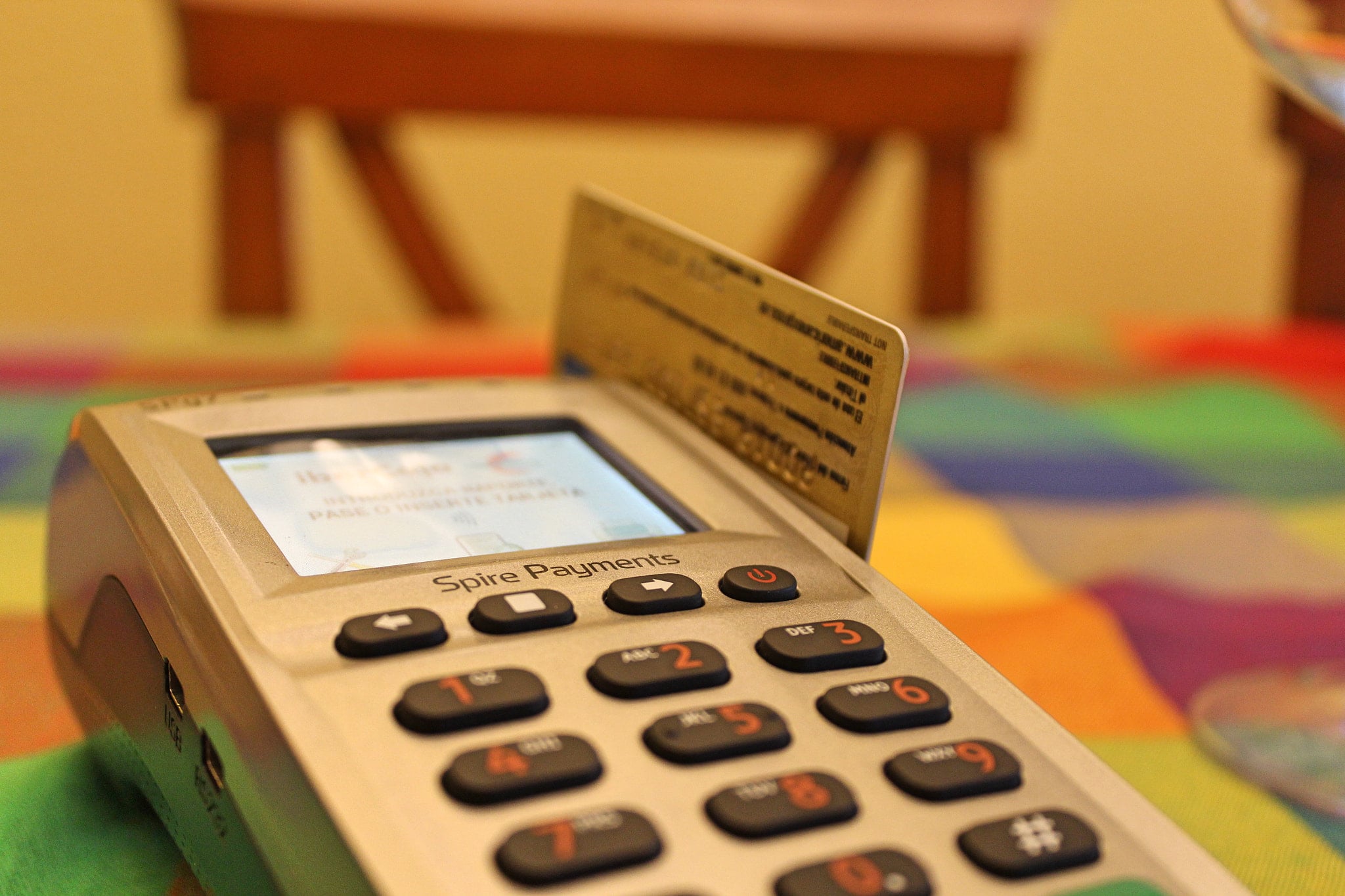
Even if you’ve paid for your room in advance, the hotel may temporarily reserve additional funds on your credit or debit card to cover potential incidental expenses. The amount varies by property and can affect how much money you have available during your vacation. This is particularly important when using a debit card, since the hold can reduce your available bank balance. Ask how much will be authorized, which payment methods are accepted, and how long the funds might remain unavailable after checkout.
Who Will Handle the Reservation if Something Goes Wrong

Third-party booking websites can offer competitive prices and convenient comparisons, but it’s important to understand who is responsible for your reservation. If you need to change your dates, request a refund, or resolve a payment problem, you may have to deal with the booking company rather than the hotel. Compare the property’s direct rate with the third-party offer, including cancellation conditions and any additional benefits. A modest discount may not be worth accepting less favorable terms, particularly when your travel plans could change.
Check-In, Checkout, and Luggage Storage Arrangements

Landing at 8 a.m. doesn’t necessarily mean you’ll be able to access your hotel room before the afternoon. Similarly, a late evening flight could leave you with several hours between checking out and heading to the airport. Find out whether the property offers luggage storage, whether there’s a charge, and how early check-in or late checkout requests are handled. Availability can vary depending on occupancy. Knowing these details beforehand can save you from spending your first or last vacation day dragging suitcases around town.