Christmas didn’t always come with elaborate decorations, expensive family outings, and shopping lists that seemed to get longer every year. For many baby boomers growing up in the 1950s, ’60s, and ’70s, some of the best holiday memories involved little more than construction paper, homemade cookies, and piling into the family car to admire the neighborhood Christmas lights. You didn’t need to spend much money to make the season feel special.
Of course, families still exchanged presents and looked forward to Christmas morning, but plenty of the excitement came from the little traditions that happened along the way. Decorating the tree with homemade ornaments, watching a favorite holiday special on television, or singing Christmas carols with neighbors could be just as memorable as anything wrapped beneath the tree.
And the best part? Most of these old-fashioned traditions are still easy to recreate without spending a fortune. Here are 12 holiday traditions boomers remember that prove some of the best Christmas memories don’t have to cost much at all.
Making Paper Chains to Hang Around the House
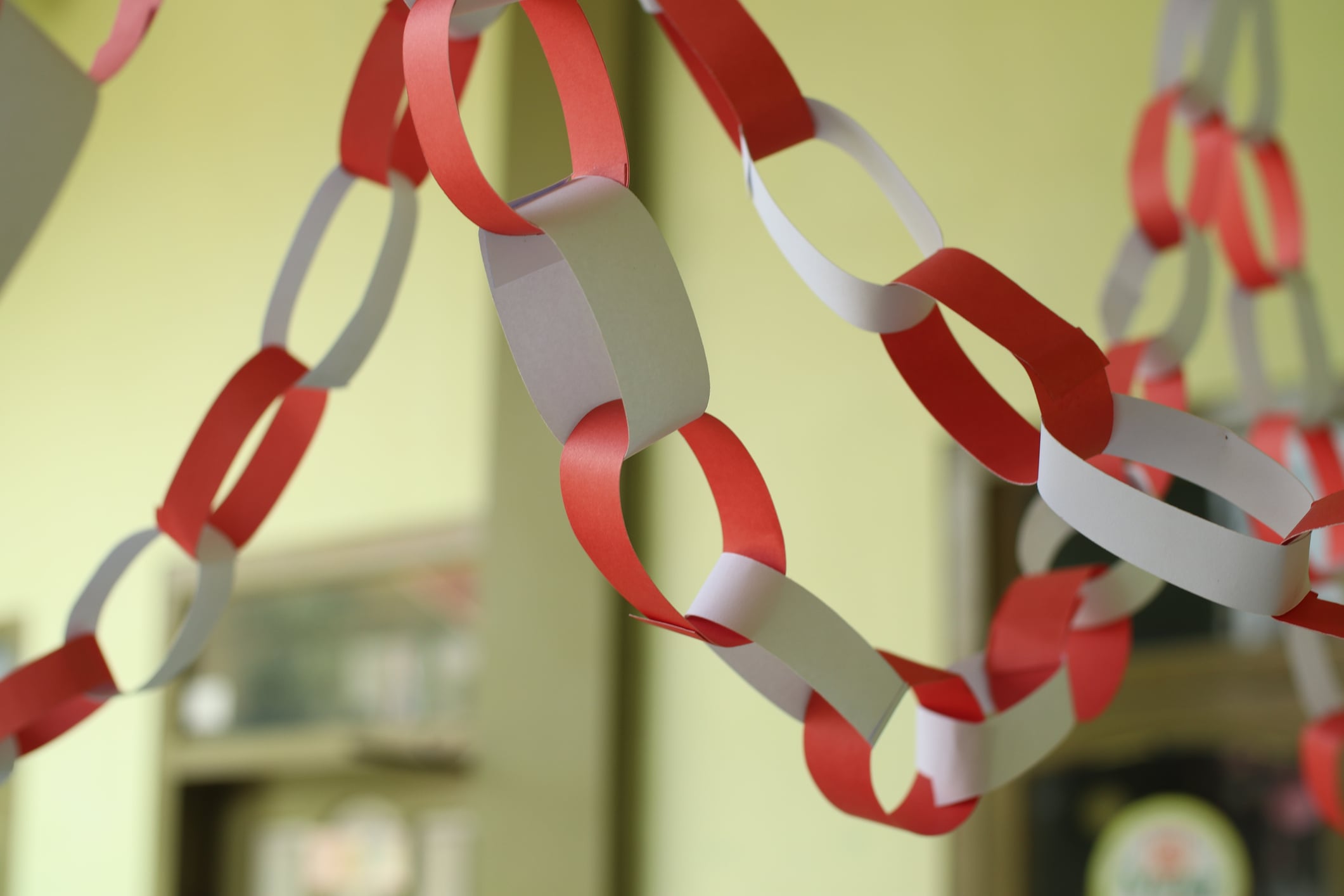
Before everyone worried about matching ornaments and perfectly coordinated Christmas decorations, plenty of families relied on construction paper, scissors, and a little glue to make their homes feel festive. Kids would spend hours cutting strips of red and green paper, looping them together, and creating chains long enough to stretch across the living room or wrap around the Christmas tree. The finished decorations weren’t always perfectly even, but that was part of their charm. Paper chains have been used as Christmas decorations for generations, and the Smithsonian even featured them in a Victorian-inspired holiday display in 1978. Today, all you need is some leftover construction paper or old magazines to bring this inexpensive tradition back.
Piling Into the Car to Look at Neighborhood Christmas Lights
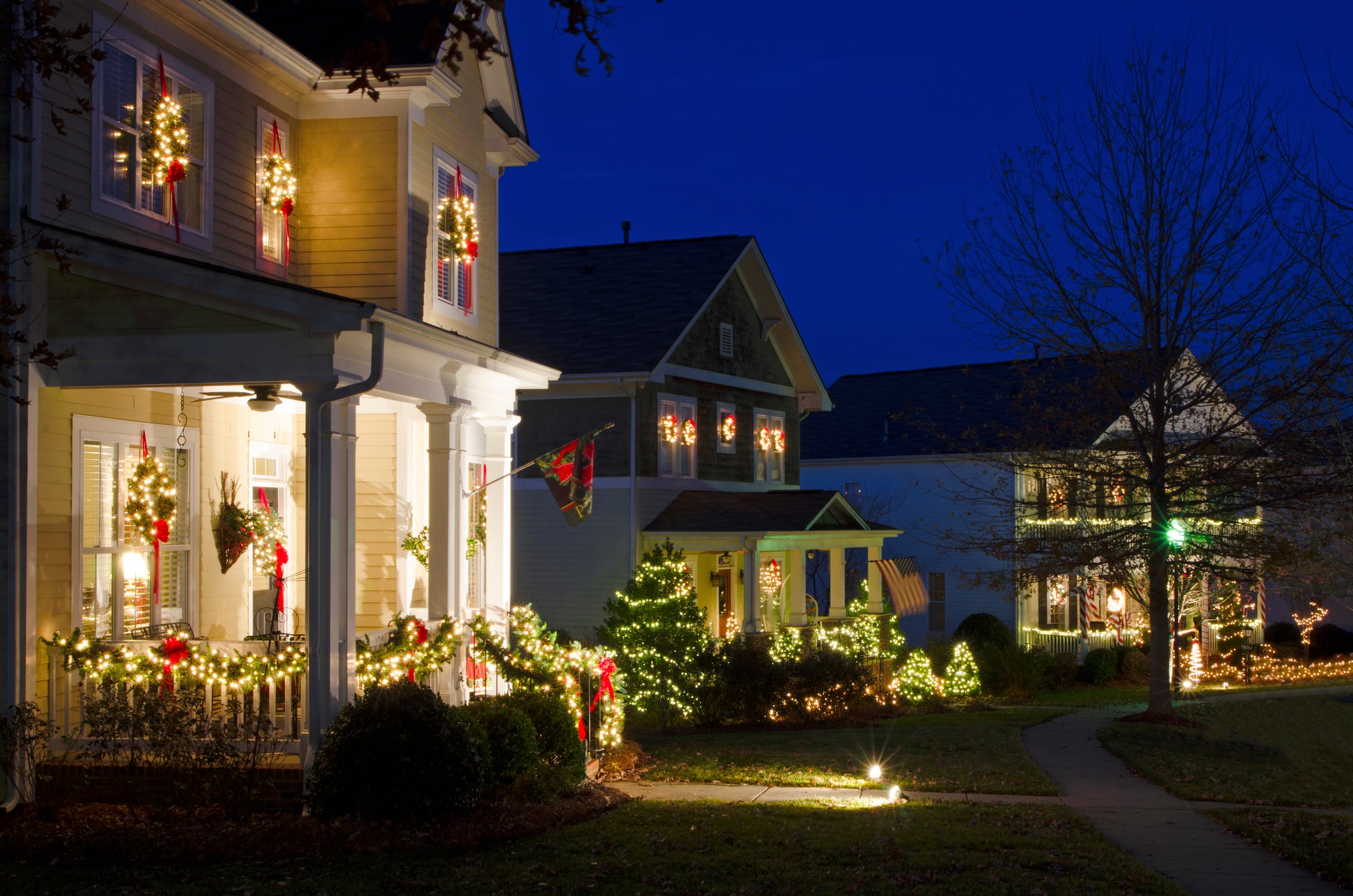
For many boomer families, one of the most exciting holiday outings didn’t involve buying tickets or making reservations. It simply meant climbing into the family station wagon after dinner and driving through neighborhoods to admire the Christmas lights. Kids pressed their faces against the windows, pointing out colorful displays, glowing Santas, and houses that seemed determined to outshine everyone else on the block. Parents might have argued over which streets had the best decorations, while someone inevitably complained that they couldn’t see out their side of the car. The tradition was simple, inexpensive apart from the gas, and surprisingly entertaining. And even today, taking a walk or short drive to see the neighborhood lights can be just as magical as paying for an elaborate holiday attraction.
Stringing Popcorn and Cranberries for the Christmas Tree
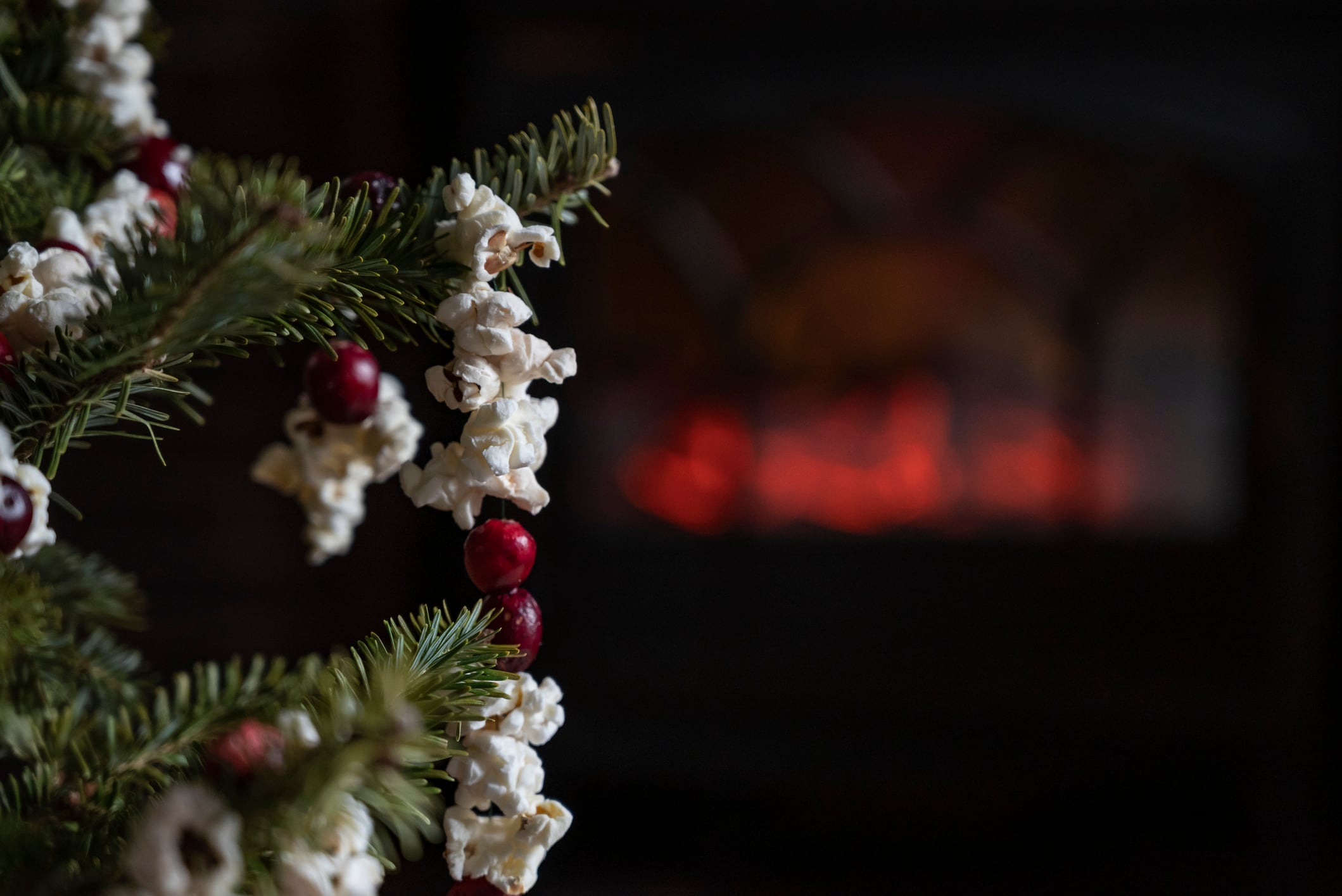
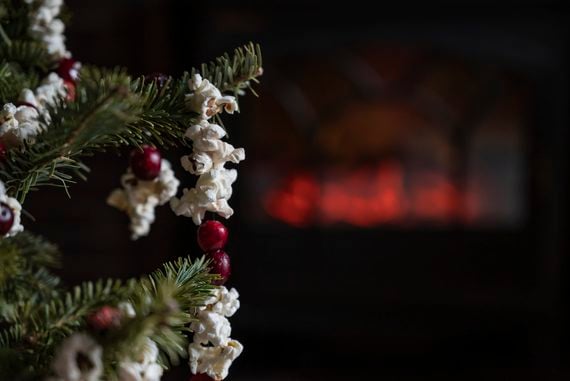
Not every Christmas tree in the 1950s or ’60s was covered in expensive glass ornaments and store-bought garlands. Some families made their own decorations by threading popcorn and cranberries onto long pieces of string, creating colorful garlands that could be draped across the branches. It was the kind of activity that kept children occupied at the kitchen table for an entire afternoon, although a fair amount of popcorn probably disappeared into their mouths before it ever reached the tree. The tradition dates back well before the baby boomer generation, but it remained a familiar example of homemade holiday decorating. All it takes to recreate it is plain popcorn, cranberries, sturdy thread, and a little patience, with adults handling the needles when younger children are involved.
Walking Downtown to See the Department Store Christmas Windows
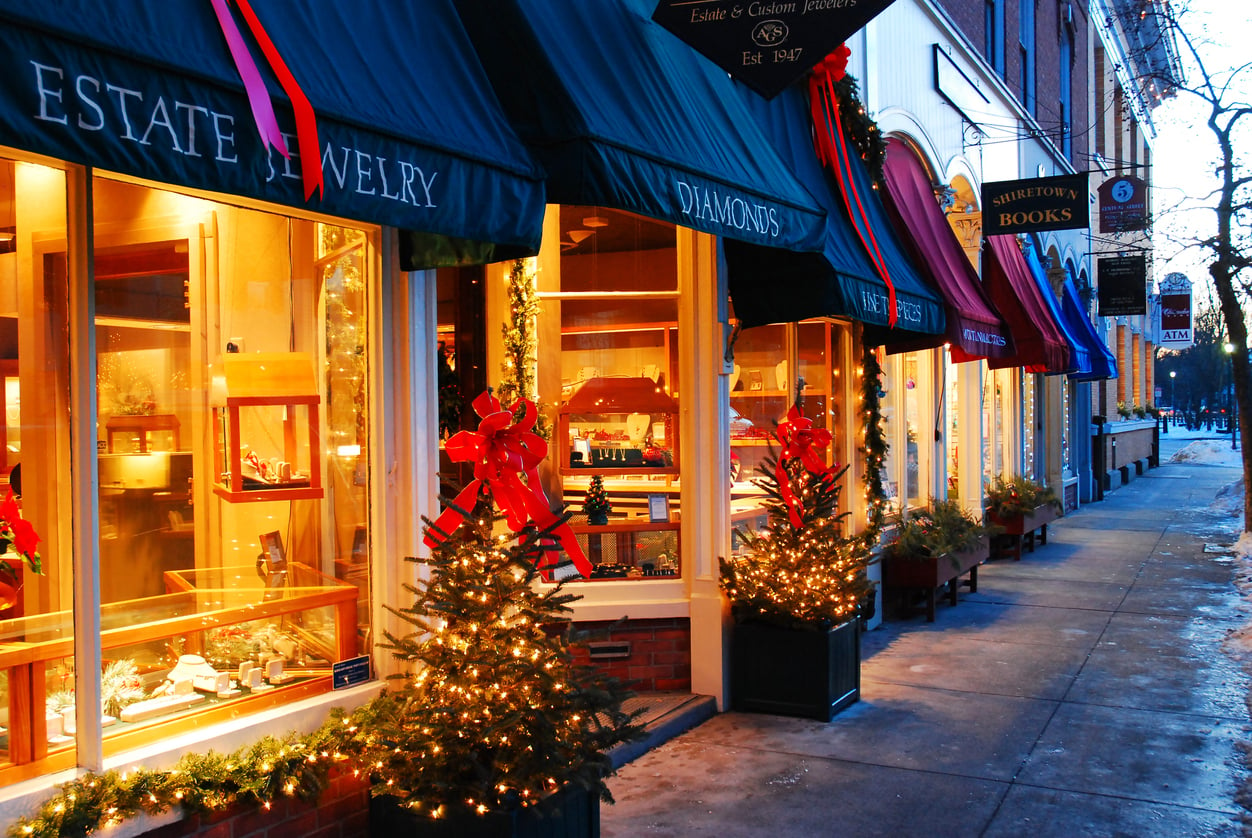
Long before online shopping made it possible to buy Christmas presents without leaving the couch, department stores transformed their windows into elaborate holiday attractions. For many families, heading downtown to admire the displays was practically an annual event. Children bundled up in winter coats and pressed against the glass to watch mechanical Santas, miniature villages, toy trains, and animated reindeer come to life. Stores competed to create increasingly impressive scenes, and you didn’t have to buy anything to enjoy the spectacle. According to the Smithsonian, elaborate department store holiday windows became a major American Christmas tradition during the first half of the 20th century. While many of those grand displays have disappeared, visiting decorated downtown shopping districts can still be a fun, inexpensive way to celebrate the season.
Baking and Decorating a Big Batch of Christmas Cookies
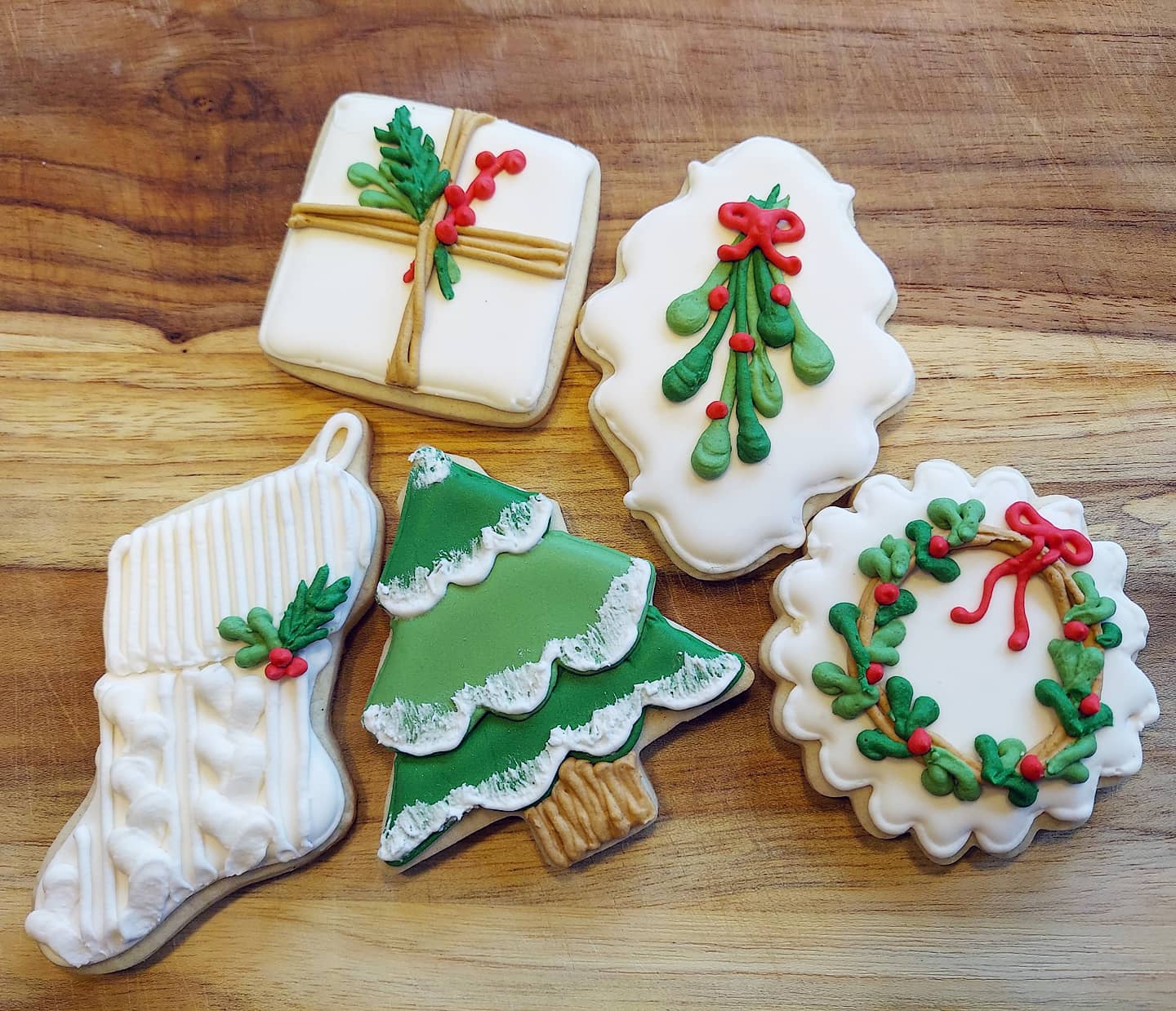
For plenty of boomer kids, Christmas officially began when the kitchen counter disappeared beneath a layer of flour, cookie cutters, and colorful sprinkles. Families spent afternoons making sugar cookies, gingerbread men, and other holiday favorites, with children helping roll out dough, cut shapes, and decorate the finished treats. The results weren’t always particularly attractive, especially when someone got carried away with the frosting, but nobody seemed to mind. Holiday cutout cookies were already popular by the 1940s, and cookbooks like Betty Crocker’s 1963 Cooky Book helped introduce even more recipes to American kitchens. The tradition remains one of the easiest ways to spend a festive afternoon together without spending much money. A basic batch of homemade cookies costs far less than elaborate bakery treats, and decorating them is half the fun.
Trending on Cheapism

Going Door-to-Door Singing Christmas Carols
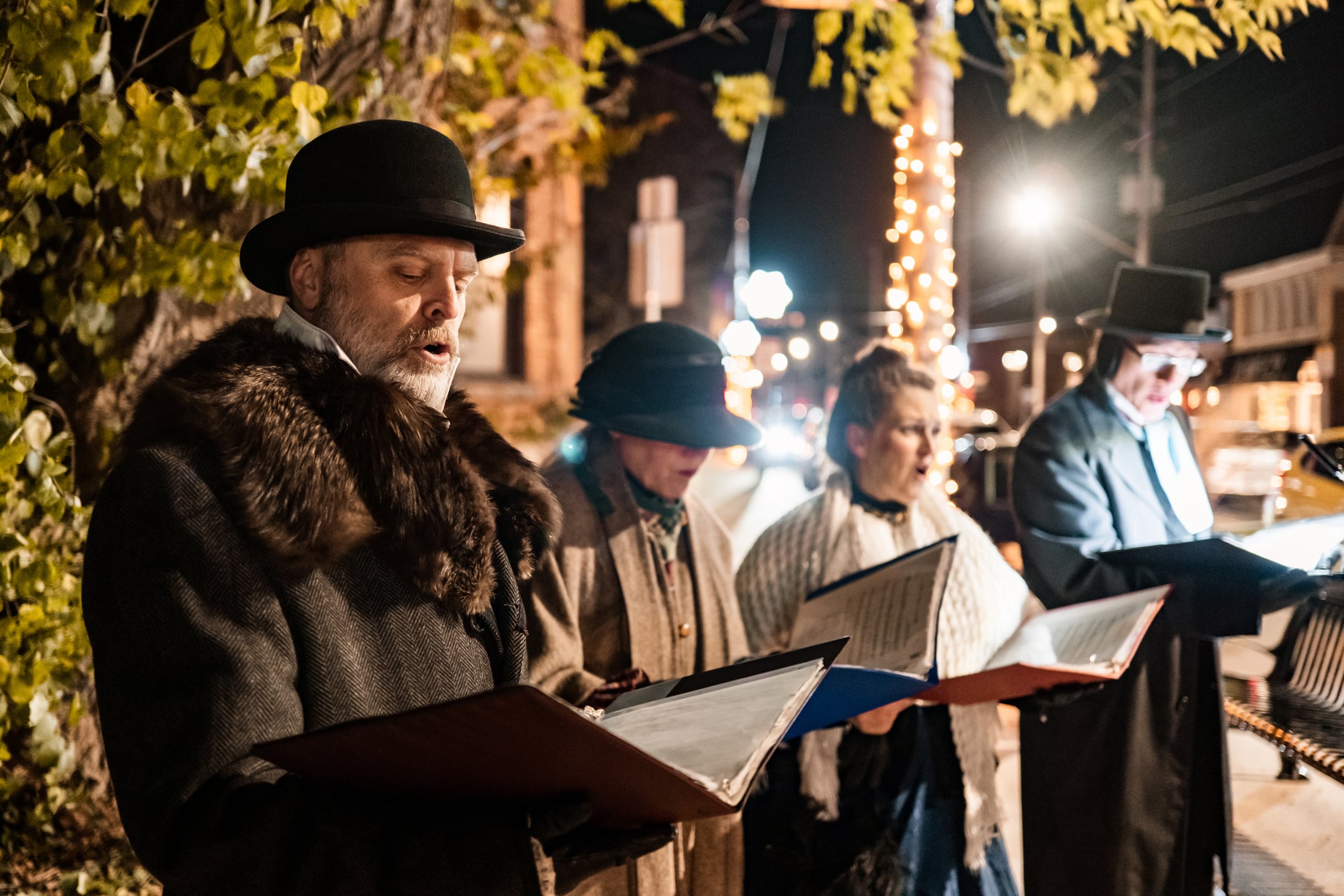
There was a time when hearing Christmas music in your neighborhood didn’t necessarily mean someone had connected a speaker to their phone. Sometimes, it meant a group of children, neighbors, or church members had gathered outside your front door to sing. Christmas caroling was a familiar holiday activity in many communities, with groups bundling up in winter coats and making their way from house to house performing traditional songs. Not everyone remembered all the lyrics, and keeping everyone singing at the same speed could be a challenge, but the enthusiasm usually made up for it. Some lucky carolers even received hot chocolate or homemade treats along the way. The tradition costs practically nothing to recreate, provided you have a few willing singers and neighbors who would enjoy the surprise.
Making Christmas Cards by Hand
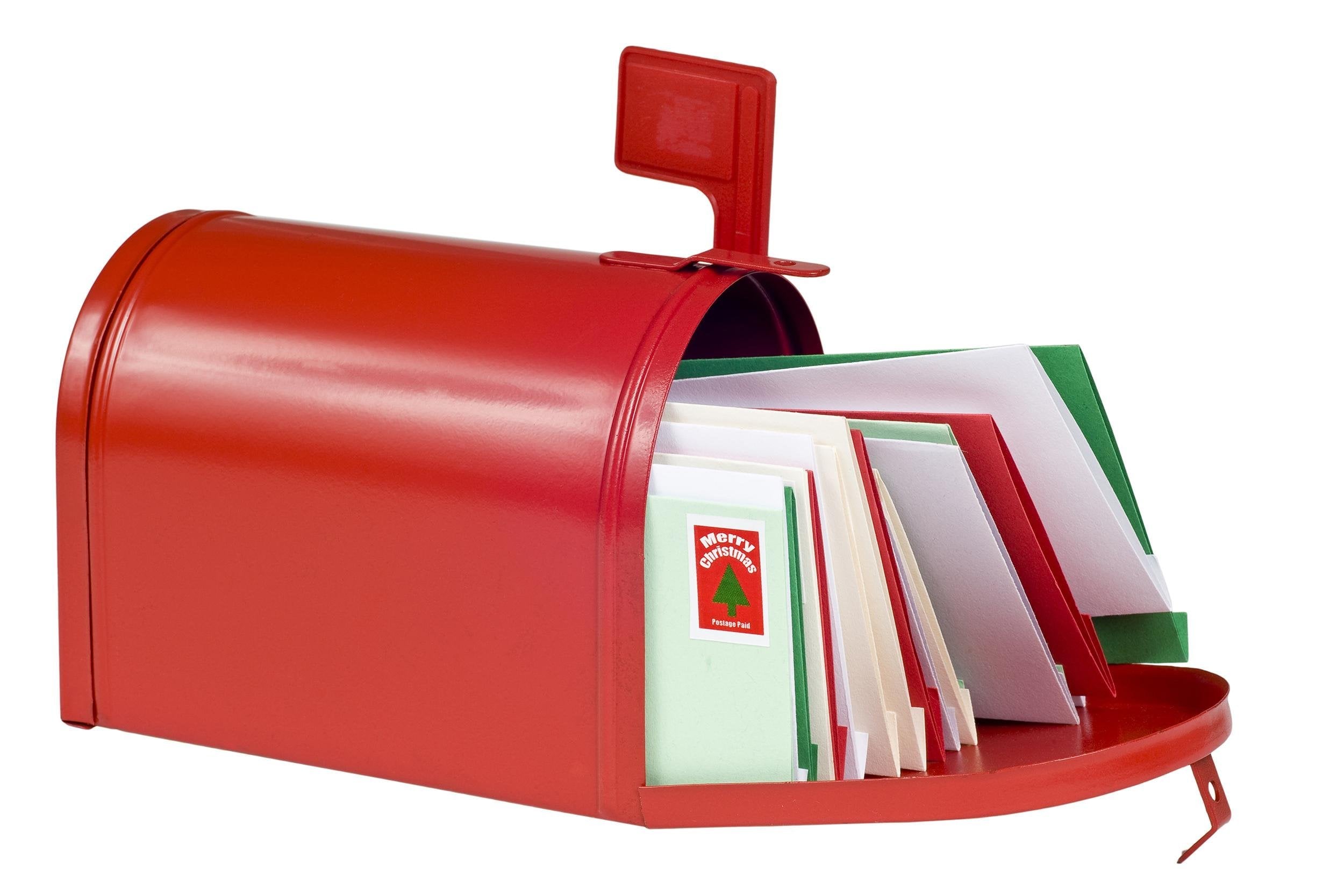
Before personalized photo cards and online printing services became popular, some families took a much more hands-on approach to sending holiday greetings. Children gathered around the kitchen table with construction paper, crayons, glue, and whatever glitter happened to be available, creating homemade Christmas cards for grandparents, teachers, and relatives. The drawings might have featured crooked Christmas trees, oddly proportioned reindeer, or Santas that looked nothing like the real thing, but the recipients usually appreciated the effort. Handwritten messages made the cards feel even more personal, especially when they came from younger children still learning to write. Making cards at home remains an inexpensive alternative to buying boxed sets, particularly if you use supplies you already have and deliver them by hand.
Gathering Around the Television for One Holiday Special
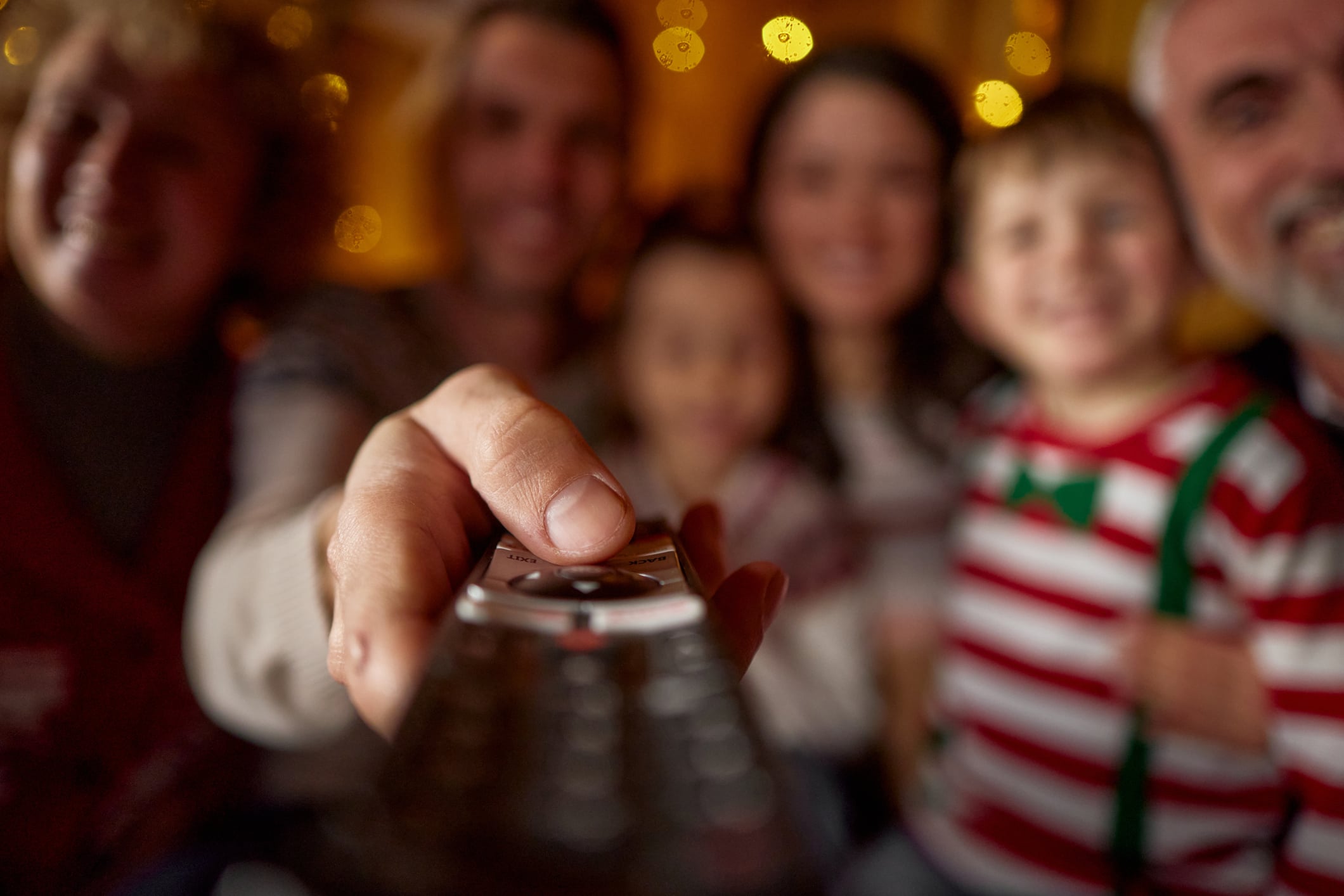
For kids growing up in the 1960s and ’70s, watching a favorite Christmas special wasn’t as simple as opening a streaming app whenever the mood struck. You had to know when it was airing, make sure everyone was ready, and gather around the family television before the program started. Specials like A Charlie Brown Christmas, which debuted in 1965, became annual traditions precisely because families couldn’t watch them whenever they wanted. Missing the broadcast could mean waiting another year for a chance to see it again. Kids settled onto the living room carpet with snacks, parents claimed their usual spots on the couch, and everyone watched the same program together. Recreating that experience today is easy: Pick one favorite holiday special, set a time, and make an evening of it without everyone disappearing into their own screens.
Sign up for our newsletter
Reading The Night Before Christmas on Christmas Eve
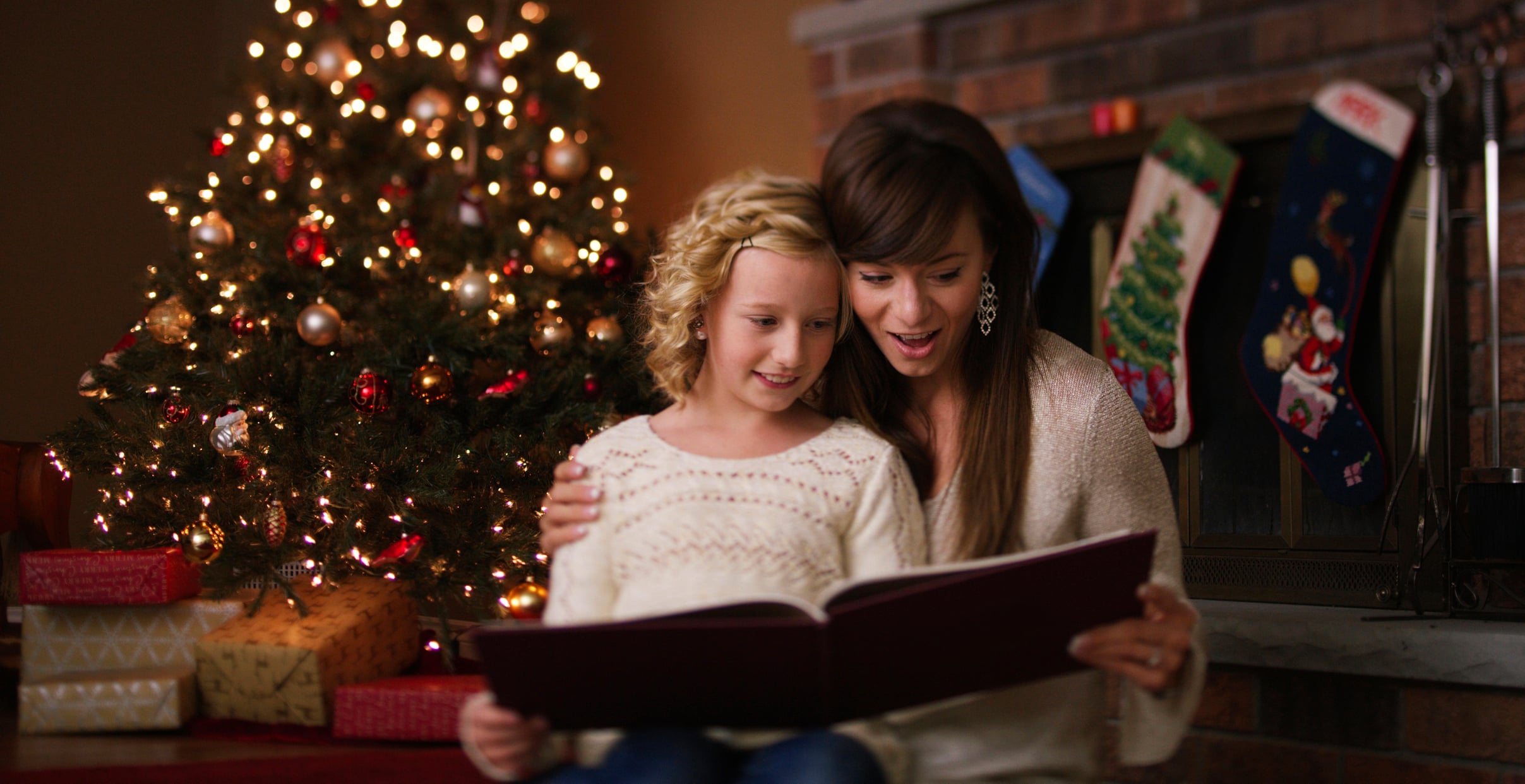
For many families, Christmas Eve wasn’t complete until someone pulled out a worn copy of The Night Before Christmas and gathered the children around for a bedtime reading. The poem, originally published in the 19th century as A Visit from St. Nicholas, had become a beloved holiday tradition long before the baby boomer generation came along. Parents or grandparents would read aloud while children sat in their pajamas, surrounded by the glow of Christmas tree lights and barely containing their excitement about the following morning. Some families used the same illustrated edition year after year, eventually passing it down to the next generation. It’s a tradition that costs absolutely nothing if you already own the book or borrow a copy from the library, and it offers a rare opportunity to slow down during an otherwise hectic holiday season.
Attending the Town Christmas Tree Lighting
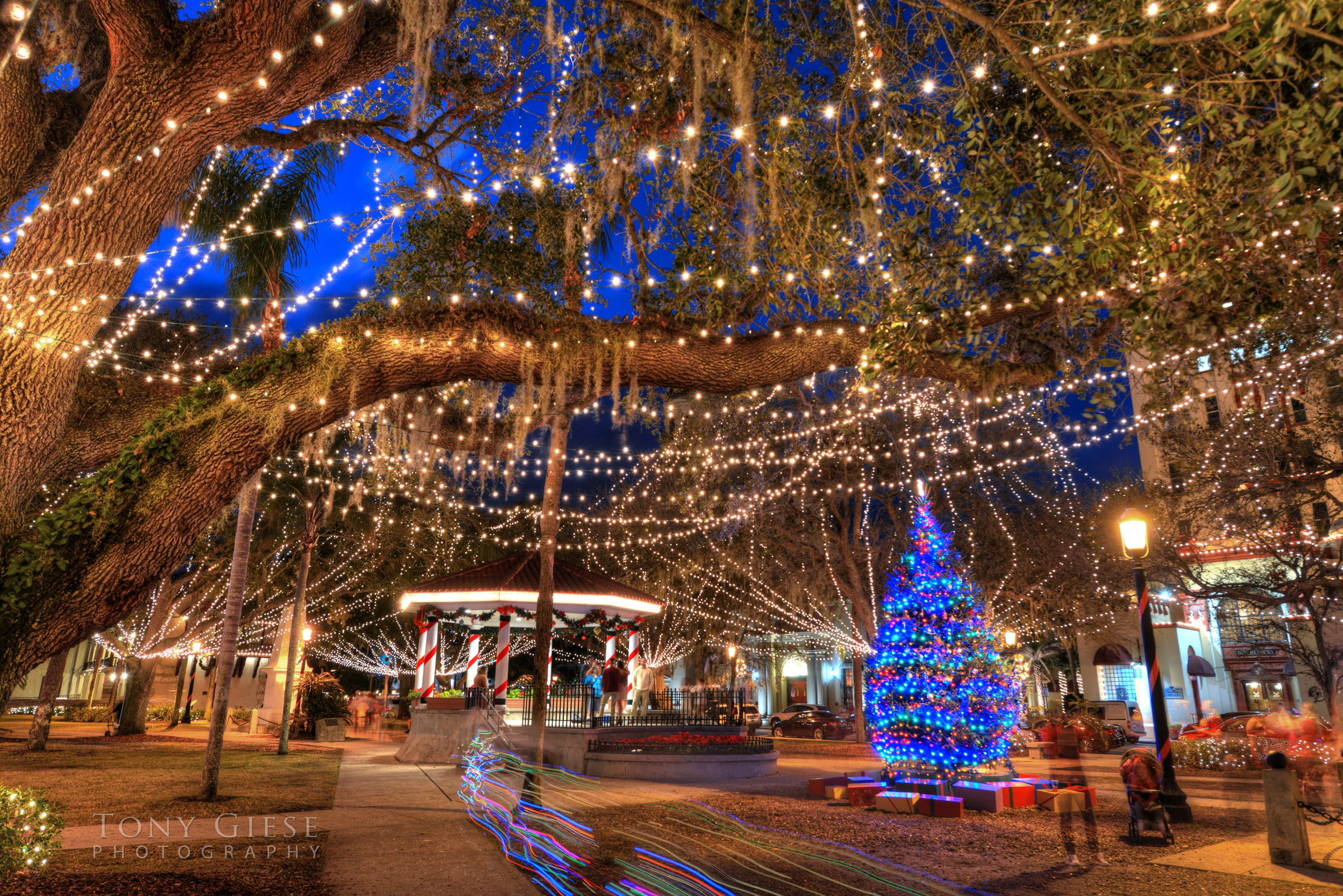
Before elaborate holiday festivals and ticketed attractions became commonplace, many communities celebrated the season with a simple public Christmas tree lighting. Families bundled up in coats, scarves, and mittens and gathered in the town square to listen to carolers, admire decorations, and wait for the big countdown. When the lights finally came on, the crowd cheered, and for a few moments, the entire community seemed to share in the same excitement. Public Christmas tree celebrations have a long history in the United States, including the National Christmas Tree tradition in Washington, D.C., which dates back to 1923. Many towns still organize free lighting ceremonies, making this one of the easiest old-fashioned traditions to enjoy without spending money on admission.
Making Christmas Gifts Instead of Buying Them
Not every Christmas present under the tree came from a department store. In some boomer households, homemade gifts were an important part of the holiday season, especially when money was tight or children wanted to surprise their parents without spending much. Kids made ornaments from construction paper, decorated picture frames, knitted simple projects with help from relatives, or assembled handmade presents that were sometimes more enthusiastic than practical. Adults might bake treats, sew clothing, or create small woodworking projects for family members. The finished gifts weren’t necessarily perfect, but they carried something that store-bought presents couldn’t always offer: the time and effort someone had put into making them. Today, a homemade recipe booklet, framed family photograph, or hand-decorated ornament can still make a thoughtful gift without adding much to your holiday spending.
Delivering Homemade Cookies to Friends and Neighbors

In some neighborhoods, Christmas baking wasn’t just about making treats for your own family. It was also an excuse to knock on a neighbor’s door with a plate of homemade cookies or a reused tin filled with holiday sweets. Families might spend an afternoon baking sugar cookies, thumbprints, or other favorites, then divide the results into small portions to share with friends, teachers, and relatives. The containers weren’t always fancy, and sometimes the cookies were wrapped in wax paper or tucked into tins that had been reused for years. But receiving a homemade treat was a reminder that someone had thought of you during the holidays. It’s an easy tradition to revive today: Simply make a double batch of your favorite cookies, keep half, and share the rest with someone who might appreciate a little Christmas cheer.
When Christmas Was More About Traditions Than Spending
Looking back at the holidays of the 1950s, ’60s, and ’70s, it’s easy to see why so many boomers remember the little things just as fondly as the presents they received. Paper chains, neighborhood Christmas lights, homemade cookies, and evenings spent watching television together didn’t require elaborate planning or expensive purchases. They simply gave families a reason to slow down and enjoy the season.
Of course, Christmas wasn’t the same for every household, and plenty of families still spent money on gifts and celebrations. But these old-fashioned traditions offer a useful reminder that making the holidays memorable doesn’t have to mean spending more. Sometimes, the best Christmas memories come from the things that barely cost anything at all.