
A five-star hotel might sound like the perfect vacation, but even the fanciest room won’t make up for a bad location, inconvenient flights, or unexpected expenses. Some trip planning decisions can have a much bigger impact on your experience than luxury amenities or room service. As the Hotelstars Union explains, hotel star ratings primarily reflect facilities and services, not necessarily how well a property suits your needs. From choosing the right neighborhood to avoiding costly booking mistakes, here are 12 decisions worth considering before your next getaway.
Choosing the Right Neighborhood Instead of the Nicest Hotel

A beautiful hotel loses some of its appeal when reaching the nearest restaurant requires a 30-minute cab ride. Before booking, look beyond the property’s address and explore the surrounding neighborhood. Check walking distances to attractions, grocery stores, pharmacies, and public transportation. A modest hotel near everything you want to see might save you considerably more than a luxurious property on the outskirts. Just remember that central locations can be noisier, so check whether the convenience comes with traffic, nightlife, or other disturbances.
Picking Travel Dates That Actually Work for the Destination
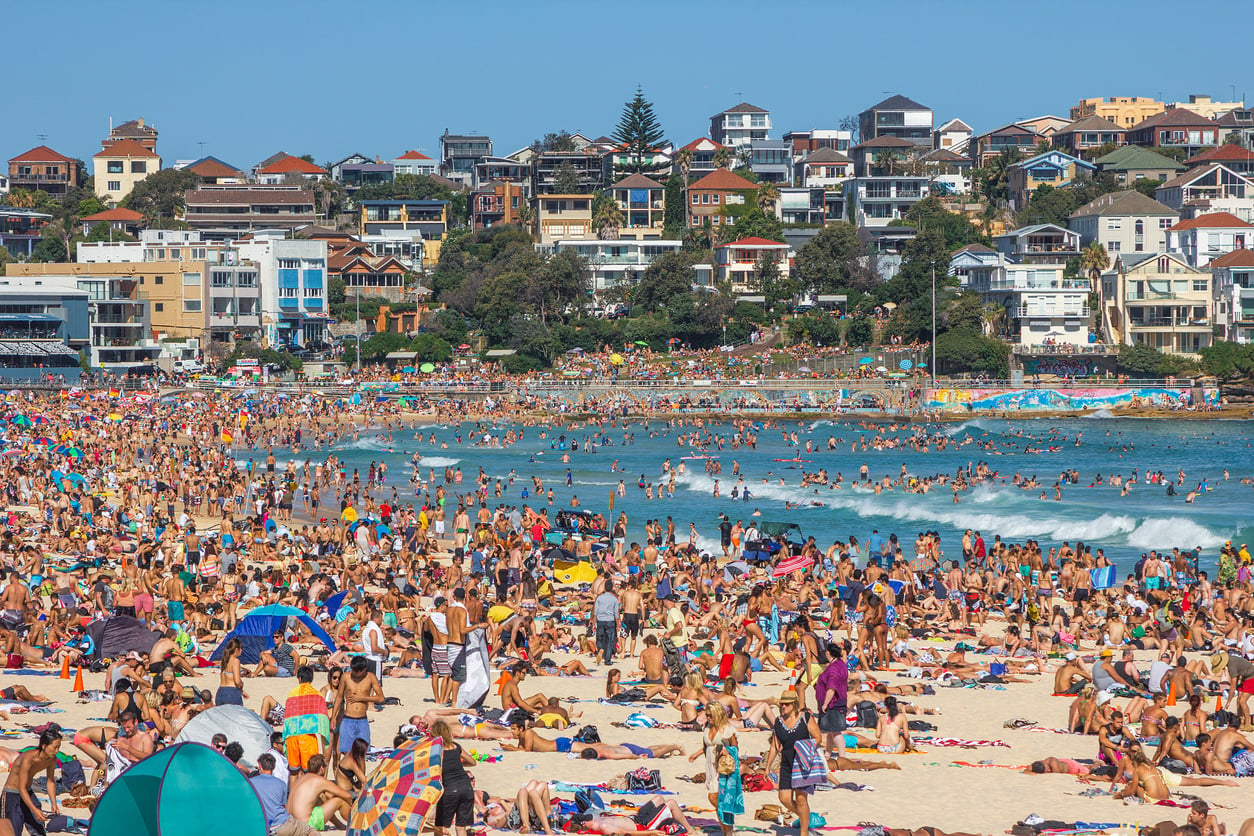
A five-star resort won’t make a beach vacation enjoyable if you’ve arrived during weeks of heavy rain. Likewise, visiting a mountain town before hiking trails open can leave you with fewer activities than expected. Research seasonal weather, local holidays, school vacations, and attraction schedules before choosing your dates. Traveling during the shoulder season can sometimes mean lower hotel rates and smaller crowds, but there’s a trade-off. Restaurants, tours, and seasonal attractions may operate on reduced schedules or close entirely outside peak months.
Checking the Real Cost of Your Hotel Stay

That attractive nightly rate can look less impressive once parking, breakfast, taxes, and other expenses enter the picture. Since May 2025, U.S. rules have required covered lodging sellers to display mandatory fees in their advertised total prices, although taxes and optional extras can be listed separately. That doesn’t mean everything you’ll spend is included. A hotel charging extra for parking or breakfast may still cost considerably more than a slightly pricier property offering both. Compare the final booking total and the extras you’re likely to use before deciding.
Booking Flights That Don’t Eat Up Your Vacation

Saving $80 on airfare sounds appealing until you realize the cheaper flight includes a seven-hour layover and lands close to midnight. Flight schedules can affect how much of your vacation you actually enjoy, particularly on shorter trips. Compare total travel time, arrival hours, and the number of connections before booking. Early departures may leave more time for unexpected disruptions, but they can also mean expensive airport transfers or a miserable night’s sleep. Sometimes paying a little more for a convenient itinerary is worth it.
Figuring Out Transportation Before Choosing a Hotel

That secluded resort might look wonderful in photographs, but how will you get anywhere once you arrive? Before committing, check airport transfers, public transportation schedules, taxi availability, and rental-car costs. A car can be useful when exploring rural areas or national parks, but it may become an expensive nuisance in a city with reliable trains and buses. Parking fees, fuel, tolls, and unfamiliar driving rules can quickly add up. Think about your actual daily plans rather than assuming you’ll figure out transportation after checking in.
Trending on Cheapism


Reading Recent Guest Reviews Instead of Trusting the Stars

A hotel might have an impressive lobby and a long list of amenities while guests complain about broken elevators, uncomfortable beds, or noisy rooms. Star classifications won’t necessarily reveal those problems. Read recent reviews across more than one platform, paying particular attention to repeated complaints about cleanliness, maintenance, and customer service. Guest photographs can also reveal details that professional images leave out. Don’t reject a property over one angry review, though. Look for consistent patterns, especially when several travelers describe the same issue within the past few months.
Choosing a Room Layout That Actually Fits Your Group

An elegant room with one king-size bed isn’t much use when you’re traveling with three grandchildren. Room configuration can matter more than the hotel’s overall luxury level, particularly for families or friends sharing accommodations. Check the number and size of beds, bathroom arrangements, storage, and maximum occupancy before booking. Connecting rooms can offer welcome privacy, but some hotels treat them as requests rather than guarantees. A less expensive suite with separate sleeping areas may be more comfortable than squeezing everyone into a high-end standard room.
Reserving the Experiences You Actually Came to Enjoy

Imagine booking an expensive hotel near a famous attraction, only to discover that tickets sold out weeks before your arrival. Popular museums, guided tours, national park activities, and special events sometimes require advance reservations. Before finalizing your accommodations, identify the two or three experiences that matter most and check their availability. Some attractions also have seasonal closures or limited operating days. Building your trip around those plans can prevent disappointment and save money on unnecessary overnight stays. A fancy hotel can’t replace the experience you traveled to enjoy.
Sign up for our newsletter
Making Sure the Hotel Meets Your Accessibility Needs

Marble bathrooms and grand staircases don’t mean much if getting around the property is difficult. Travelers with mobility concerns should check elevator access, bathroom layouts, entrance steps, and the distance between rooms and essential facilities. In the United States, covered hotels must provide enough information about accessible features for guests to assess whether accommodations meet their needs. Still, room layouts vary, and a general accessibility label may not answer every question. Contact the property directly about specific requirements, including shower access, bed height, and accessible transportation.
Choosing a Destination That Matches Your Vacation Style

A luxurious hotel in a bustling city might be perfect for someone who loves museums and restaurants, but disappointing for a traveler dreaming of quiet mornings and nature walks. Before comparing hotels, think about what you actually want to do each day. Consider the destination’s pace, climate, terrain, and available activities. An isolated resort can be relaxing until you realize every excursion requires an expensive transfer. Meanwhile, a simple guesthouse in the right location might deliver exactly the experience you wanted without the luxury price tag.
Checking Cancellation Rules Before Paying

A nonrefundable hotel rate can save money upfront, but it may become an expensive mistake if your plans change. Before booking, compare cancellation deadlines, deposit requirements, and whether the reservation allows date changes. A refundable rate might be worth the extra cost when flights haven’t been confirmed or you’re traveling during unpredictable weather. Don’t assume travel insurance automatically covers every cancellation, either. Policies have exclusions, and changing your mind usually isn’t a covered reason under standard plans. Read the conditions carefully, especially when booking through a third-party website.
Checking Safety and Entry Requirements Before Booking

Even the nicest hotel can’t rescue a vacation if you’re turned away at the airport because your passport doesn’t meet the destination’s entry requirements. Before making nonrefundable reservations, check visa rules, passport validity, travel advisories, and any relevant health requirements. Some destinations have entry conditions that vary by nationality, while others may require additional documentation for certain activities. It’s also worth researching local transportation safety and potential travel disruptions. A little preparation might not be exciting, but it can prevent problems far more serious than an underwhelming hotel room.