
Airbnb can still be one of the best ways to save money while traveling—but experienced travelers know the advertised nightly rate rarely tells the whole story. Cleaning fees, service fees, transportation costs, and even check-in dates can have a bigger impact on your budget than the price you see in search results.
Frequent Airbnb users increasingly focus on total trip cost rather than simply finding the cheapest listing. Long-stay discounts, shoulder-season travel, and strategic location choices often deliver bigger savings than any coupon or promotion. Discussions among Airbnb veterans on Reddit regularly highlight weekly discounts, fee reduction strategies, kitchen access, and staying outside major tourist districts as some of the most effective ways to save.
If you’re looking to get the most value from your next booking, these Airbnb hacks can help your travel budget go much further.
Search by Total Price, Not Nightly Price
A low nightly rate can be surprisingly misleading. Cleaning fees, Airbnb service fees, and other charges can dramatically increase the final bill, especially for short stays.
Two properties with nearly identical nightly rates may end up costing vastly different amounts once all fees are included. That’s why experienced Airbnb users compare the total price rather than focusing on the advertised nightly rate. Looking at the final checkout amount is often the fastest way to identify the true bargain.
Stay One Extra Night

Because cleaning fees are typically fixed regardless of the length of your stay, adding an extra night can sometimes improve the overall value of a booking.
For example, a three-night stay may cost only slightly more than a two-night stay while reducing the effective nightly cost. Longer stays spread cleaning and service fees across more nights, making each night cheaper on average. Small scheduling adjustments can sometimes generate surprisingly large savings.
Take Advantage of Weekly Discounts

Many Airbnb hosts automatically offer discounts once a reservation reaches seven nights. Weekly discounts can often reduce costs by 10% to 30% or more.
Hosts generally prefer longer bookings because they reduce turnover, cleaning coordination, and vacancy periods. Travelers with flexible schedules, remote workers, and digital nomads frequently take advantage of these discounts. Monthly discounts are often even more substantial.
Book in Shoulder Season

One of the most reliable travel-saving strategies has nothing to do with Airbnb itself.
Shoulder season—the period between peak and off-peak travel seasons—often delivers significantly lower accommodation prices, better availability, and smaller crowds. In many destinations, the weather remains excellent while demand drops. Flights are frequently cheaper as well, creating savings across your entire trip.
Stay Just Outside Tourist Hotspots

Properties located in the center of major tourist districts typically command premium prices.
Moving just a few miles outside the most popular areas can result in significant savings while still providing convenient access to attractions. Local neighborhoods often offer better restaurant prices, lower grocery costs, and a more authentic experience. Public transportation can make central locations far less necessary than many travelers assume.
Trending on Cheapism
Use the Kitchen

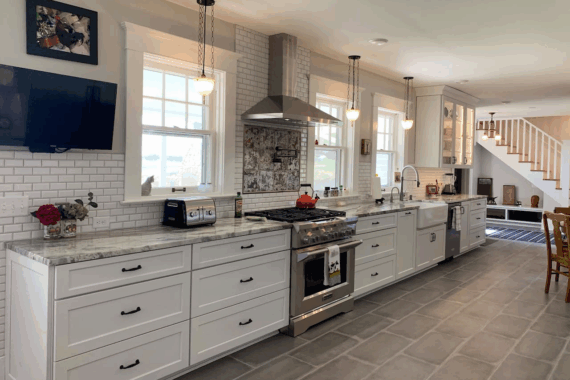
One of Airbnb’s biggest advantages over hotels remains access to a kitchen.
Restaurant spending can quickly become one of the largest vacation expenses. Preparing breakfast, making coffee, or cooking a few dinners can dramatically reduce food costs. Families benefit especially from kitchen access, and in some cases, the savings on meals can exceed the savings on lodging itself.
Compare Entire Homes to Private Rooms

Many travelers automatically search for entire homes, but private rooms can offer substantial savings.
This strategy is particularly useful for solo travelers and budget-conscious couples visiting expensive destinations. Some private-room listings include private entrances and amenities that provide much of the same convenience as a full rental. If you plan to spend most of your time exploring, a private room may be all you need.
Look for New Listings
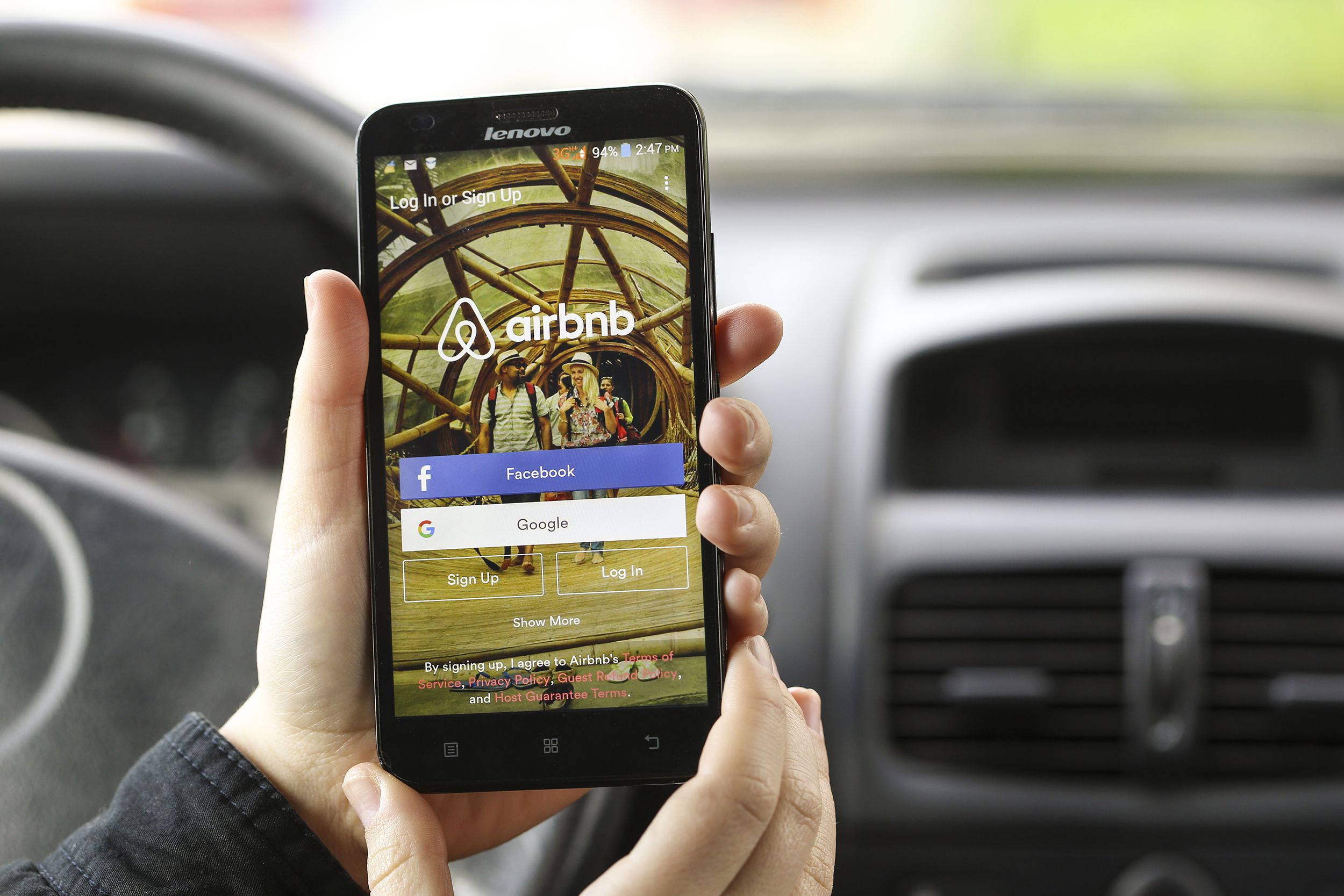
New Airbnb hosts often price their properties aggressively to attract their first guests and build reviews.
These introductory rates can create exceptional bargains, especially when the property itself is high quality. New listings also tend to have better availability. Just make sure to carefully review the photos, amenities, and host information before booking.
Sign up for our newsletter
Split Large Homes With Friends

Airbnb becomes especially cost-effective when traveling with a group.
Large homes often cost less per person than booking multiple hotel rooms. Cleaning fees are divided among more guests, kitchens create additional savings, and shared spaces make group travel easier. Family reunions, friend getaways, and multi-generational trips often benefit the most from this strategy.
Shift Your Check-In Day
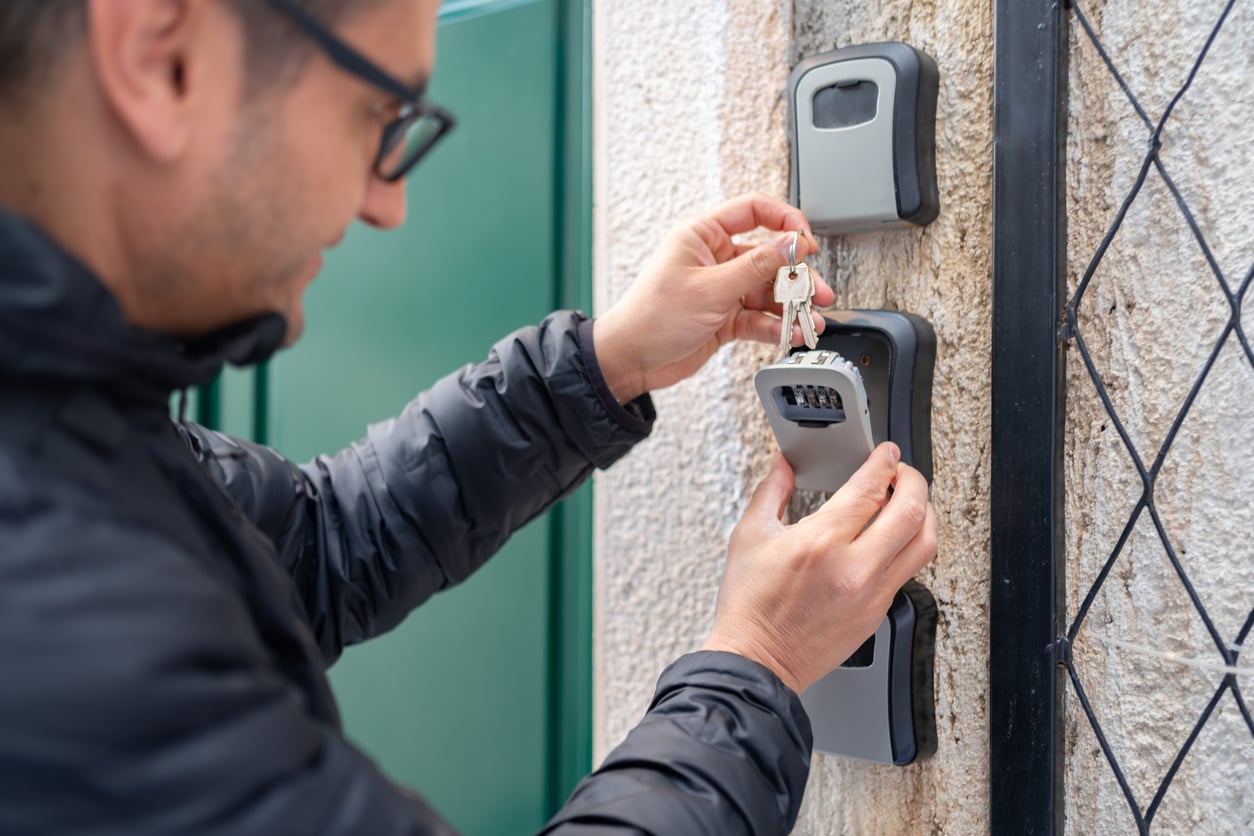
Many travelers begin trips on Fridays or Saturdays, which can increase demand and push prices higher.
Flexible travelers who can arrive midweek often find lower nightly rates and better availability. Remote workers and travelers without rigid schedules can benefit significantly from adjusting their travel dates by just a day or two.
Use the Map Before Booking
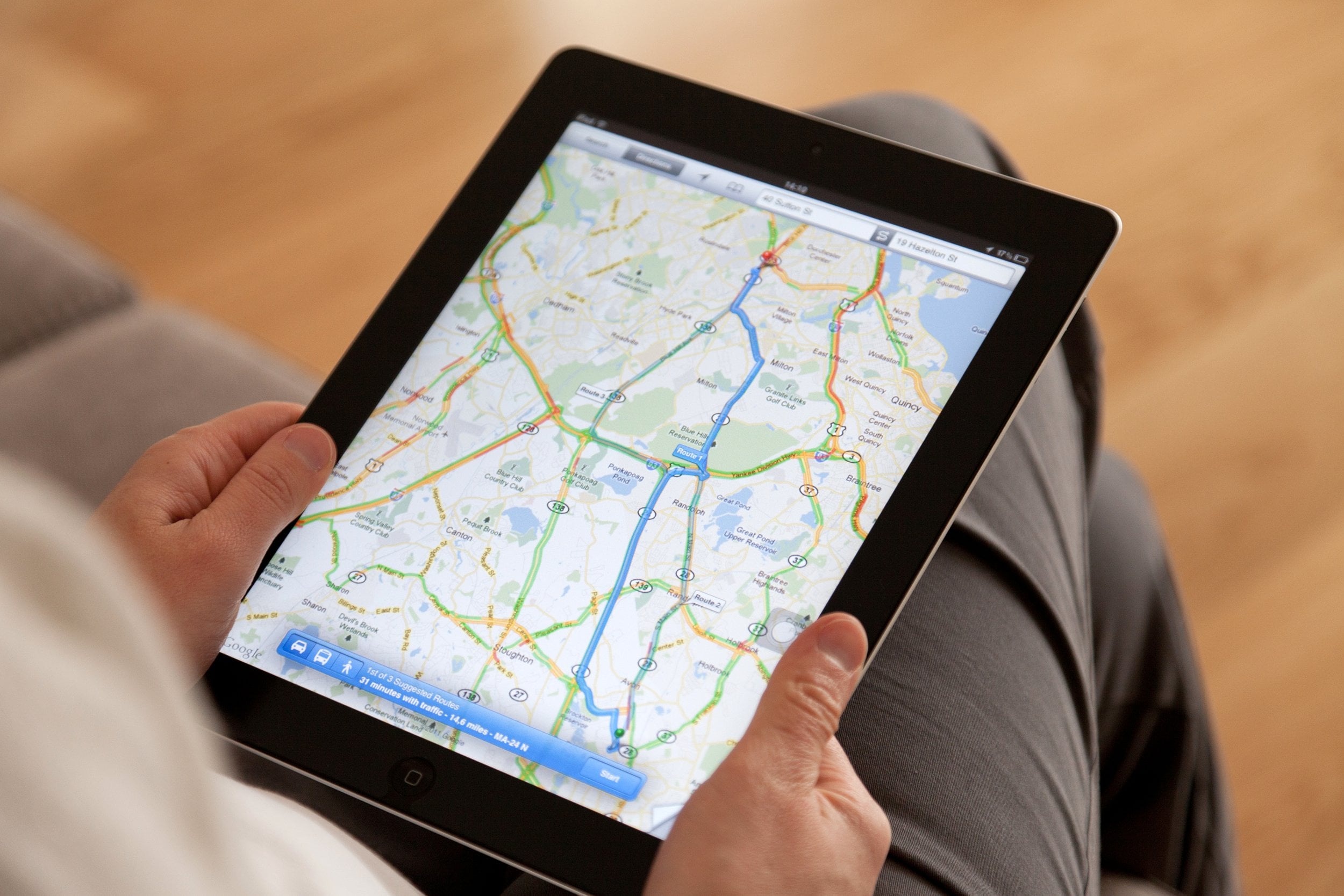
The cheapest listing isn’t always the best value.
A bargain property may end up requiring expensive rideshares, rental cars, parking fees, or lengthy commutes. Airbnb’s map feature helps travelers evaluate transportation access, walkability, and proximity to attractions. Location often determines whether a seemingly cheap listing is actually a good deal.
Compare Nearby Towns
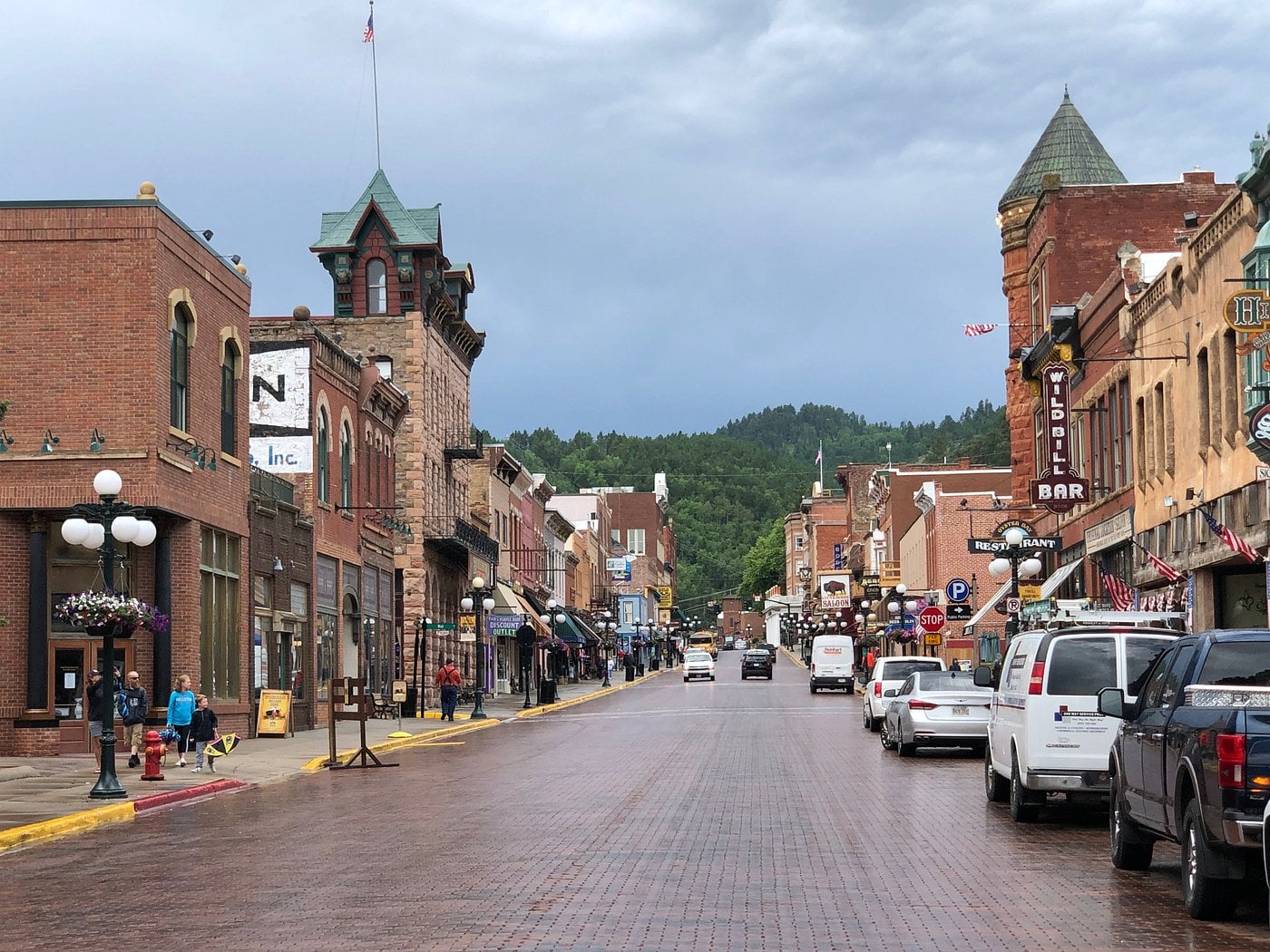
Popular tourist destinations frequently have neighboring communities that offer similar experiences at much lower prices.
Staying in a nearby town can reduce accommodation costs, restaurant spending, and parking expenses while still allowing easy access to major attractions through day trips. Some of the best travel values are found just outside the most heavily visited destinations.
Read Reviews for Hidden Costs

Guest reviews can reveal expenses that aren’t immediately obvious in a listing description.
Reviewers often mention parking fees, transportation challenges, noise issues, or other inconveniences that affect the total cost of a trip. Savvy travelers use reviews as a budgeting tool, looking beyond the star rating to identify potential hidden expenses before booking.
Book Early for Popular Destinations

In high-demand destinations, waiting often means paying more.
Unique properties and highly rated rentals can disappear months in advance, leaving only the most expensive options available. Early booking provides the widest selection and often the best prices, especially for families, larger groups, and travelers visiting during festivals or special events.
Compare Airbnb Against Hotels Every Time

Airbnb isn’t automatically the cheapest option anymore.
Depending on the destination, hotels may offer better value once loyalty-program benefits, included amenities, free breakfast, or waived fees are considered. Smart travelers compare Airbnb and hotel prices every time they plan a trip rather than assuming one option will always be cheaper.
Search for Long-Stay Opportunities

Long stays remain one of the most effective ways to unlock Airbnb savings.
Many hosts strongly prefer extended bookings and offer substantial discounts for guests staying several weeks or even a month. Monthly rates can be dramatically lower than standard nightly pricing because hosts save money on turnover and cleaning. Longer stays may also create opportunities for additional discounts and more flexible arrangements.
Why These Strategies Matter
The biggest Airbnb savings rarely come from promo codes or one-time deals. They come from approaching travel strategically.
Experienced travelers focus on total trip cost rather than nightly rates alone. They stay flexible with dates, take advantage of weekly and monthly discounts, use kitchens to reduce food expenses, and carefully evaluate location before booking.
When lodging, transportation, and food costs are considered together, Airbnb can still provide excellent value—but the travelers who save the most are usually the ones who think beyond the listing price.