

Cruises can feel like an easy vacation to budget for, but the advertised fare is often only the beginning. The U.S. Department of State recommends that cruise passengers prepare for everything from travel documents and insurance to unexpected expenses abroad. A missed flight, roaming charges, pricey add-ons, or one badly timed port day can quickly eat into the vacation budget. These cruise ship mistakes are worth avoiding before they turn an otherwise affordable trip into a surprisingly expensive one.
Flying In the Same Day the Cruise Leaves
Saving one hotel night by flying in on embarkation day can become a spectacularly bad bargain if the flight is delayed. Unlike a hotel, the ship isn’t waiting for a late check-in. Missing departure could mean paying for a hotel, last-minute airfare and transportation to catch the ship at another port, assuming joining it later is even permitted. Arriving at least a day early adds an upfront expense, but it provides a valuable buffer against weather, cancellations and other airline problems.
Forgetting to Budget for Daily Gratuities
The advertised cruise fare isn’t necessarily the amount you’ll ultimately spend onboard. Many lines automatically add daily service gratuities unless they’re prepaid or otherwise included. Royal Caribbean, for example, currently charges $18.50 per person per day for most staterooms and $21 for suites. That means two people in a regular cabin on a seven-night sailing would see $259 in gratuities added. Policies vary by line and itinerary, so check the current amount before booking and treat it as part of the vacation cost rather than an unexpected final charge.
Leaving Cellular Data Running at Sea
A phone can become an expensive travel companion once the ship leaves land-based cell towers behind. At sea, devices may connect to maritime cellular networks, which aren’t necessarily covered by an ordinary international roaming plan. Apps can refresh, photos can upload and email can sync without much help from you. Some carriers now sell cruise-specific coverage, but travelers should verify exactly what their plan includes. Otherwise, switching to airplane mode at sea and turning Wi-Fi back on separately is one of the simplest ways to prevent surprise roaming charges.
Assuming a Drink Package Must Be a Better Deal

Unlimited drinks sound convenient, but unlimited doesn’t automatically mean economical. The important number is how much you’ll realistically drink each day, including port days when you may spend hours away from the ship. Packages can also carry service charges and line-specific rules about who in a cabin must purchase them. Recent cruisers report dramatically different results: some save money with packages, while lighter drinkers find paying individually substantially cheaper. Do the math using the actual package price for your sailing rather than assuming vacation cocktails will somehow make the package pay for itself.
Booking Every Excursion Through the Cruise Line
Cruise-line excursions offer real advantages, particularly for complicated ports or long tours. But automatically booking every excursion through the ship can inflate the vacation budget. In walkable ports, travelers may be able to explore independently or use public transportation, taxis, or reputable local operators for less. There is an important trade-off: cruise-sponsored tours generally provide stronger protection if the excursion runs late. Compare each port individually. Saving money isn’t worthwhile if a tight itinerary leaves you anxiously racing back toward a departing ship.
Trending on Cheapism

Waiting Until You’re Onboard to Buy Everything
Wi-Fi, dining packages, excursions, beverage packages and other extras are often available before departure, and cruise lines may offer better advance pricing or promotions. Waiting until embarkation can also mean finding a popular excursion or restaurant sold out. That doesn’t mean every “sale” deserves an immediate purchase; prices and promotions can fluctuate. If you already know you’ll want an add-on, start watching the cruise planner after booking. Buy when the price looks reasonable, and check the cancellation and repricing rules in case a better offer appears later.
Showing Up Without the Right Travel Documents
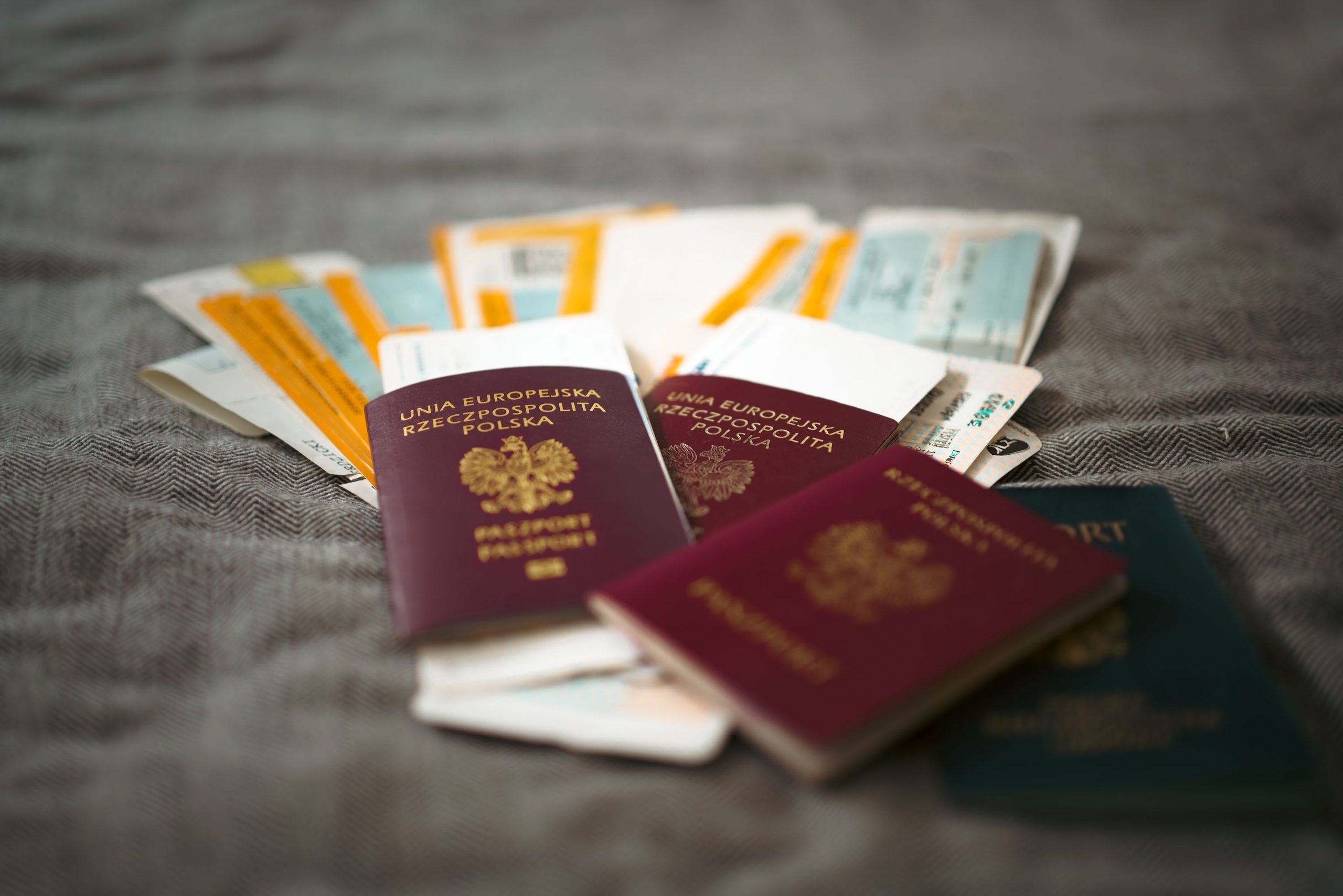
Few cruise mistakes are more expensive than arriving at the terminal and discovering you can’t board. Passport, visa and identification requirements depend on citizenship, itinerary and departure port, and a document that’s acceptable for one sailing may not work for another. Some cruise lines explicitly warn that passengers without the required documents can be denied boarding without a refund. Check government and cruise-line requirements well before departure, including passport validity and visa rules. Losing an entire cruise fare over paperwork makes almost any other vacation mistake look inexpensive.
Forgetting What It Costs to Get to the Port
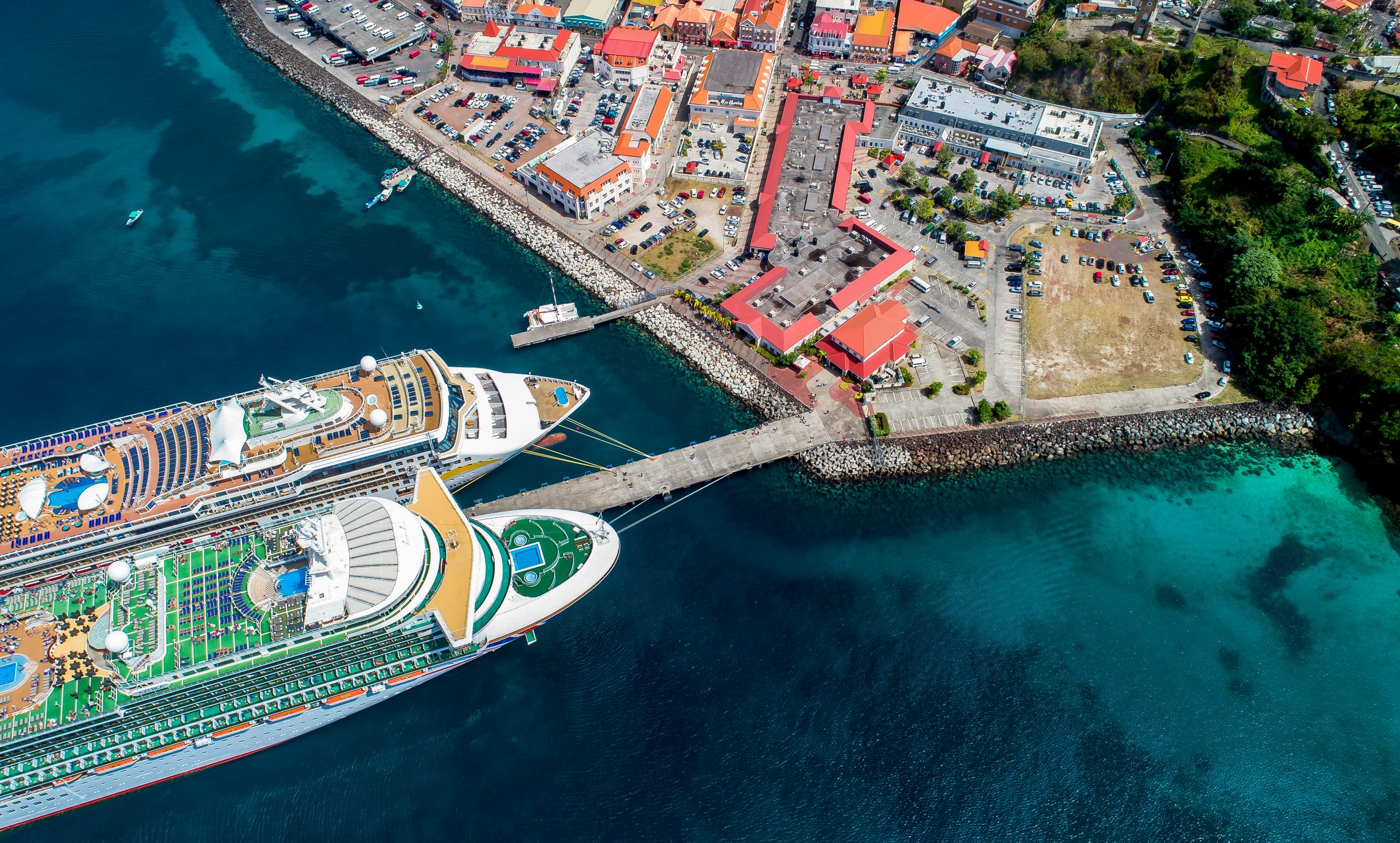
A cruise may leave from Miami, Rome, London or another familiar destination, but that doesn’t mean the airport, hotel and cruise terminal sit conveniently beside one another. Taxis, rideshares, private transfers, parking, tolls and pre-cruise hotel transportation can quietly add hundreds to a family’s trip. Compare those expenses before choosing between seemingly similar sailings. A slightly cheaper cruise departing from an inconvenient port may ultimately cost more than a higher-priced sailing with easier transportation, especially if an overnight hotel stay is necessary.
Sign up for our newsletter
Missing the Ship During a Port Day
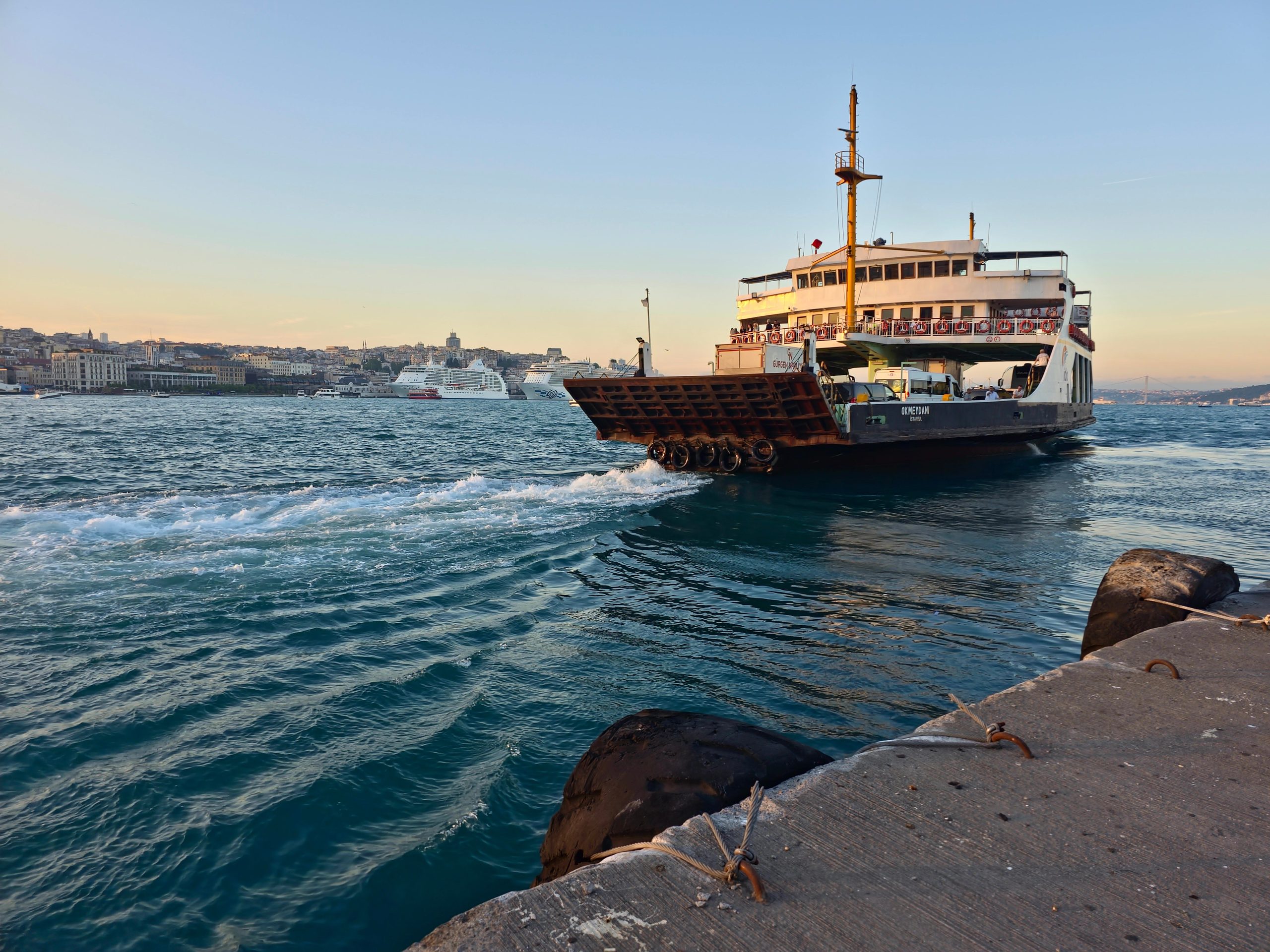
The ship’s departure time isn’t a suggestion. Passengers exploring independently who return after the gangway closes can be left responsible for catching up with the cruise, potentially requiring last-minute transportation, hotels and meals in a foreign country. Cruise-sponsored excursions generally offer greater protection when a tour itself causes the delay, but independent travelers carry more of that risk. Don’t plan around the last possible minute. Confirm the ship’s all-aboard time, make sure your watch matches ship time and leave a generous cushion for traffic or transportation problems.
Buying Travel Insurance Without Reading the Fine Print

Buying travel insurance can be smart; assuming it covers every vacation problem isn’t. Policies differ in their treatment of cancellations, delays, medical expenses, pre-existing conditions and activities, and the cheapest plan isn’t necessarily the one that protects against your biggest financial risk. Medical coverage deserves particular attention on international cruises, especially for older travelers. The U.S. State Department specifically recommends medical and emergency evacuation coverage for cruise passengers. Read the actual policy rather than relying on a reassuring word like “comprehensive” in the marketing.
Paying for Specialty Dining Every Night
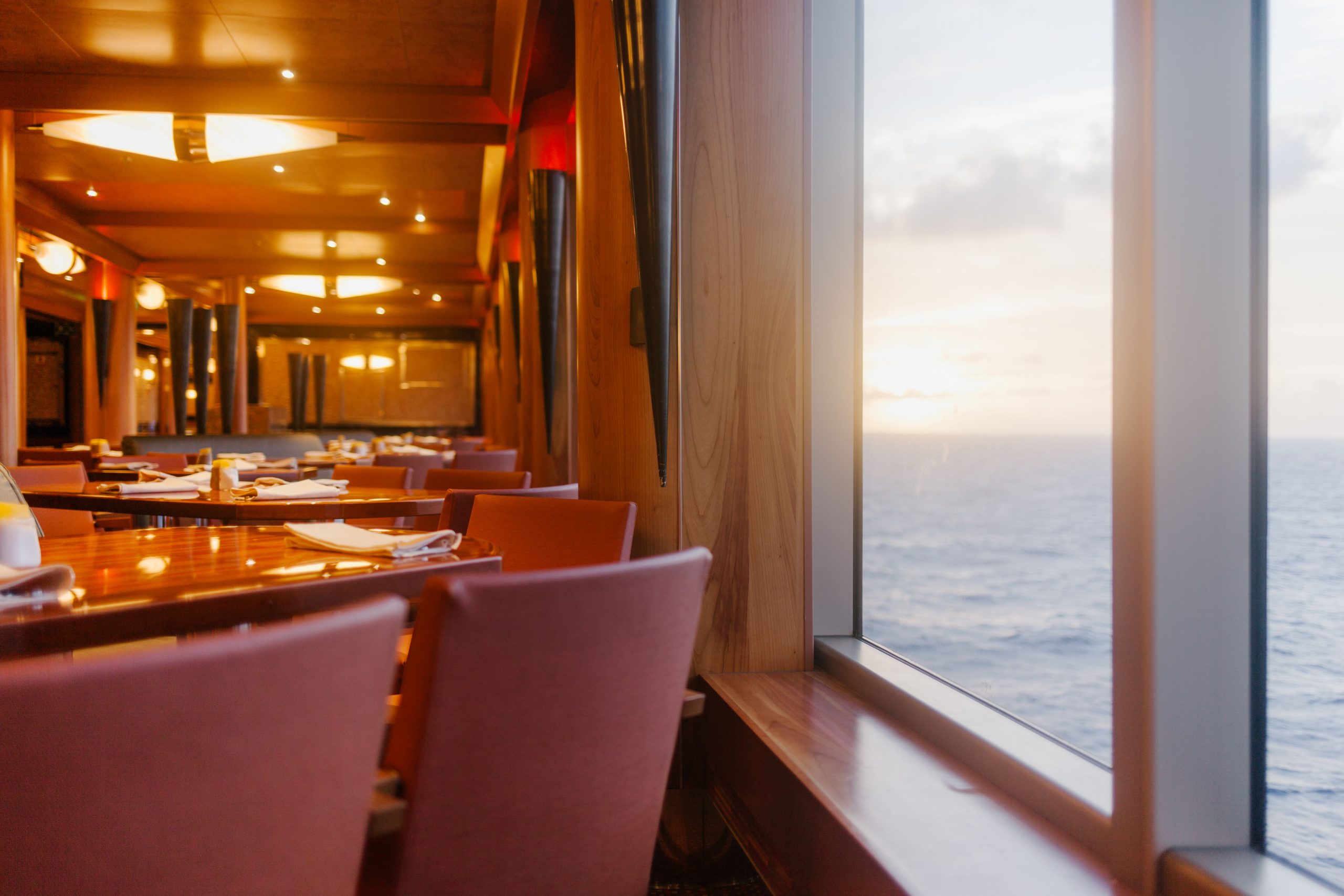
Specialty restaurants can be one of the pleasures of cruising, particularly when there’s a steakhouse, chef-driven concept or cuisine you genuinely want to try. But new cruisers sometimes overlook how much food they’ve already paid for. Main dining rooms, buffets and various casual venues are included on many mainstream cruises, while specialty restaurants may add a cover charge or a la carte bill. Royal Caribbean says its specialty options can range from roughly $30 to $200 per person. Try the included dining first, then spend selectively on meals that actually feel special.
Ignoring Your Onboard Account Until the Last Day
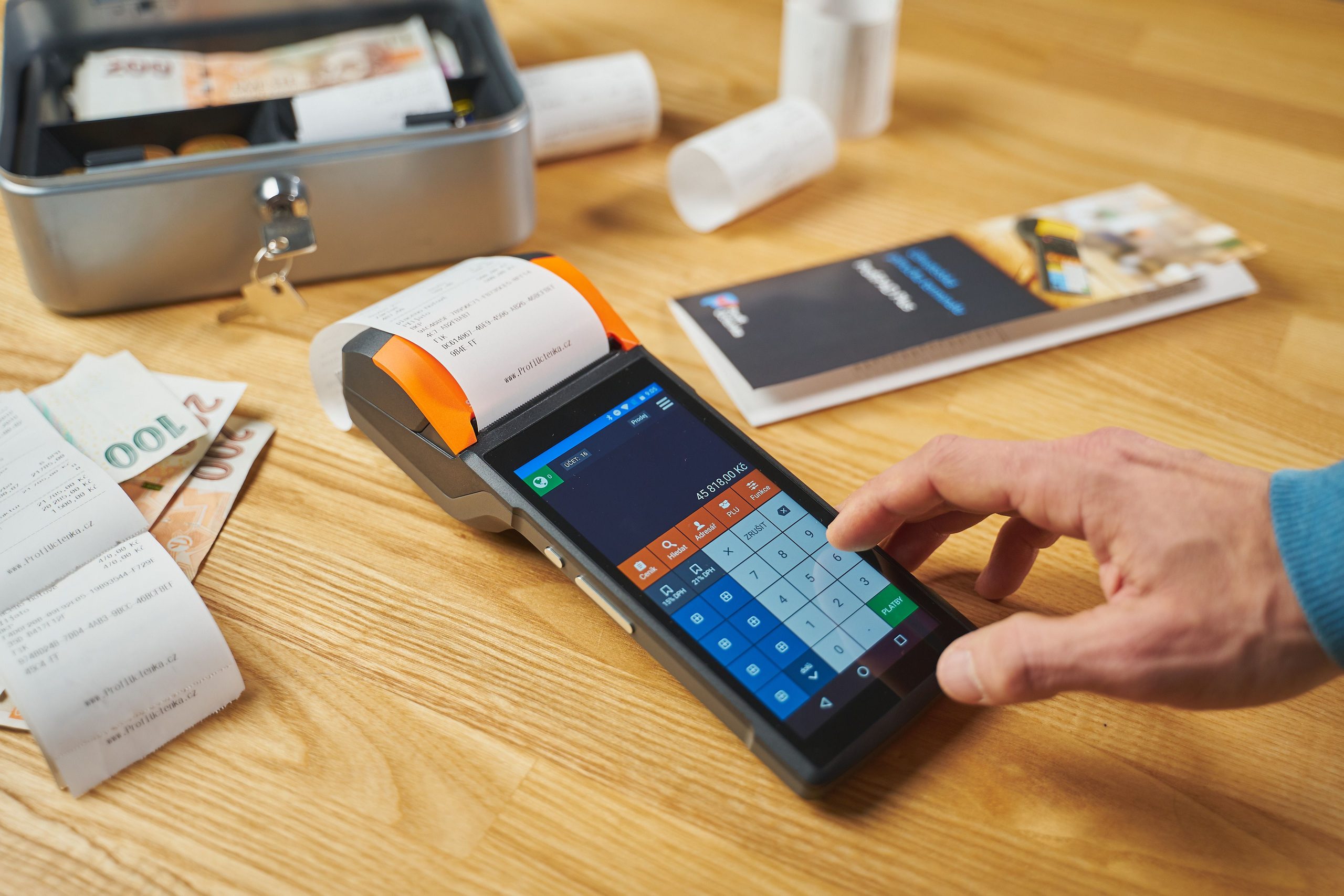
Cruise ships make spending almost frictionless. A swipe or tap can cover cocktails, specialty coffee, photos, shopping, spa treatments, games and excursions, making each purchase feel relatively harmless. The total can tell a different story. Cruise apps increasingly let passengers monitor onboard accounts during the trip, and it’s worth checking every day or two. You’ll spot accidental or unfamiliar charges sooner and see whether small purchases are pushing the vacation beyond budget. Waiting until disembarkation morning turns a manageable spending check into one unpleasant final surprise.