Some American dining traditions might seem a little strange until you learn the stories behind them. Why do people in Wisconsin eat fried fish on Fridays? Why does New Orleans serve red beans and rice on Mondays? And who decided French fries belonged inside a sandwich? Many of these customs grew out of everyday routines, immigrant influences, and local food traditions. As Travel Wisconsin explains, the state’s famous Friday fish fry has roots in religious practices and tavern culture. From Louisiana crawfish boils to Texas kolaches, these 12 American dining traditions make a lot more sense once you visit the places where they began.
Eating Red Beans and Rice Every Monday
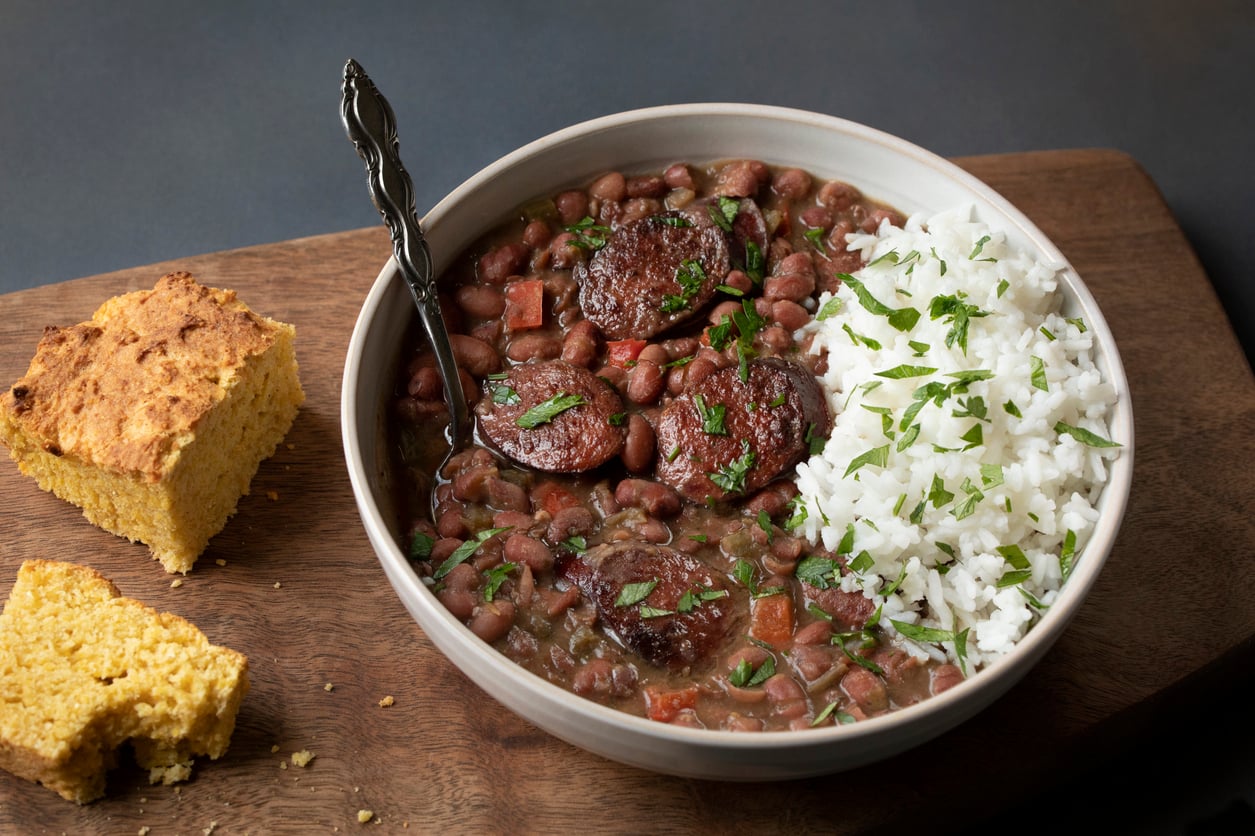
In New Orleans, Monday has long been associated with red beans and rice, a tradition often traced to the days when Monday was laundry day. With washing clothes taking hours, families could leave a pot of beans simmering while they worked, sometimes adding leftover pork from Sunday dinner. The result was an inexpensive, filling meal that required little attention. Today, neighborhood restaurants still serve the dish, often with smoked sausage. Joey K’s on Magazine Street is one place to try it, although red beans aren’t exclusively a Monday offering.
Going Out for Friday Fish Fry
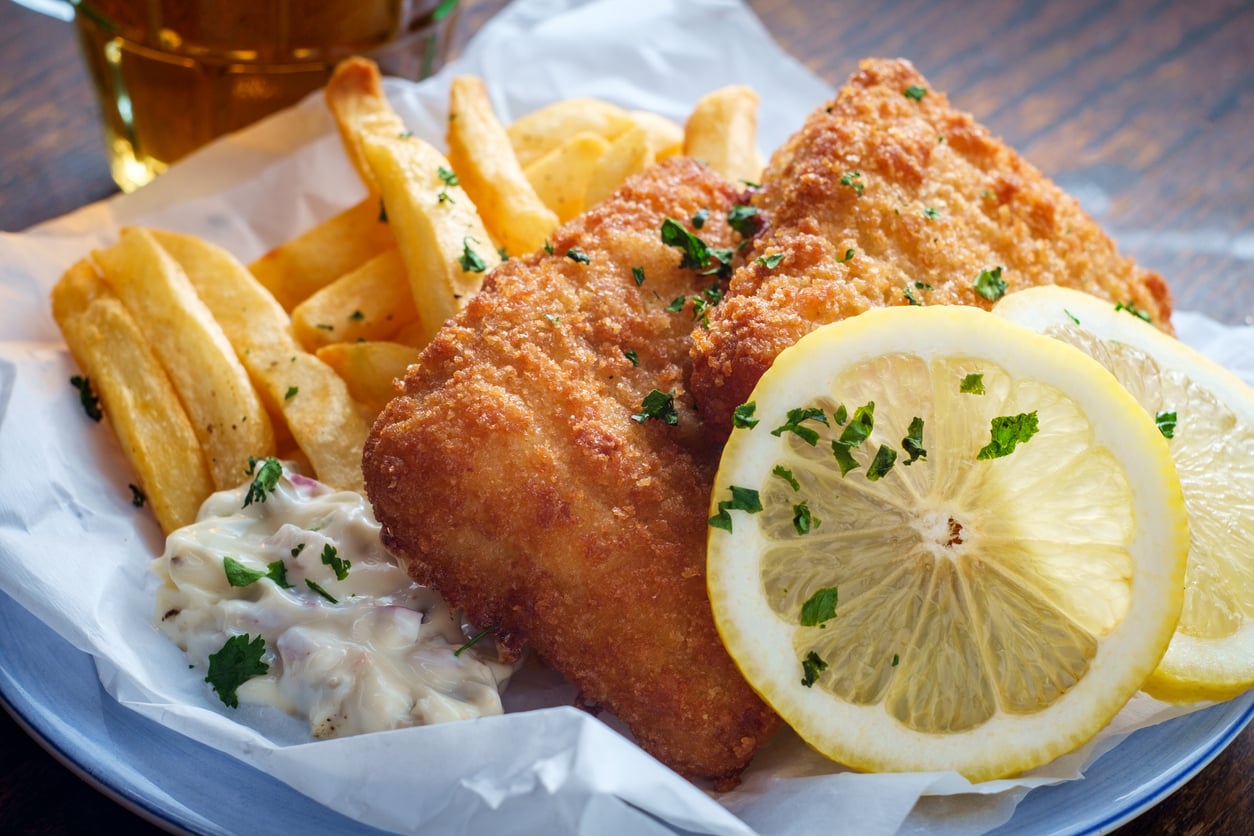
Walk into a Wisconsin supper club on a Friday evening, and there’s a good chance you’ll find people ordering beer-battered fish with coleslaw, potatoes, and rye bread. The tradition grew partly from Catholic immigrants who avoided meat on Fridays, while Wisconsin’s lakes provided plenty of fish. During Prohibition, taverns also relied on fish dinners to attract customers and keep business going. What began as a practical alternative to meat became a weekly social ritual. Arrive early at popular spots, especially during Lent, when demand can be particularly high.
Eating Rice, Macaroni Salad, and Meat on One Plate
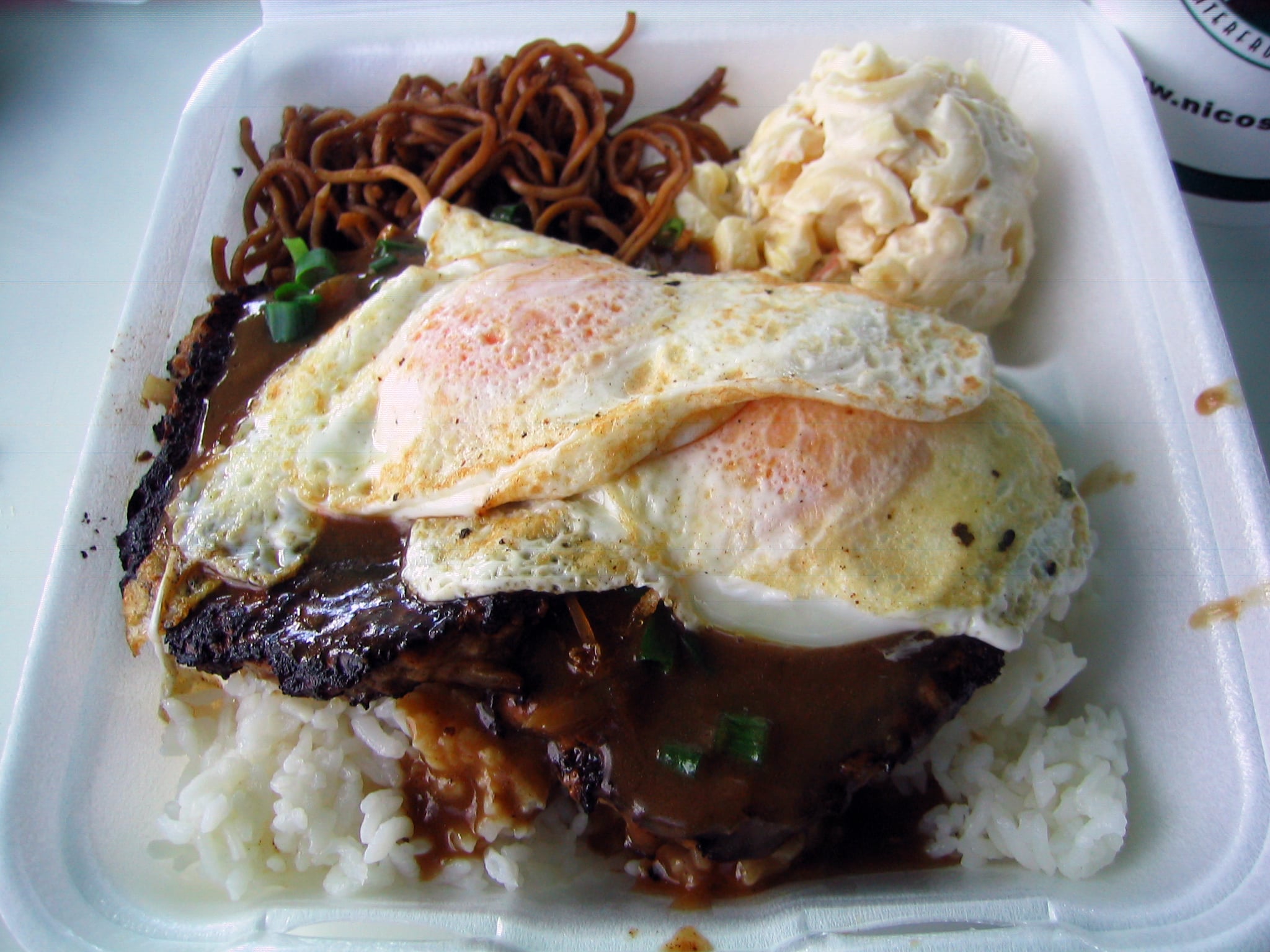
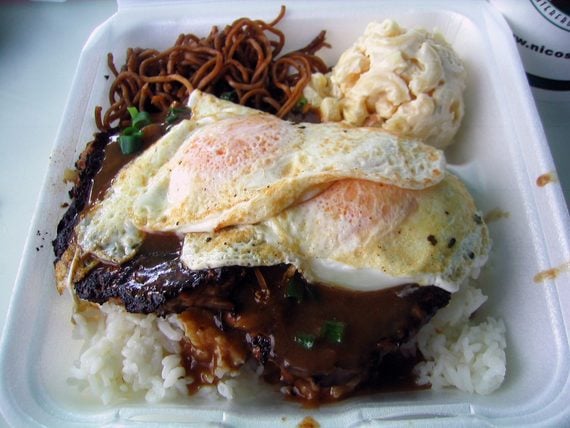
A typical Hawaiian plate lunch might include two scoops of rice, macaroni salad, and a generous portion of teriyaki chicken, kalua pork, or hamburger steak. The combination reflects Hawaii’s plantation history, when workers from Japan, China, the Philippines, Portugal, and other places brought their food traditions to the islands. Portable, filling lunches eventually evolved into the plate meals sold at local drive-ins and lunch counters. Rainbow Drive-In in Honolulu is a longtime place to experience the tradition. Portions can be substantial, making one plate plenty for a hungry traveler.
Gathering Around a Lowcountry Oyster Roast
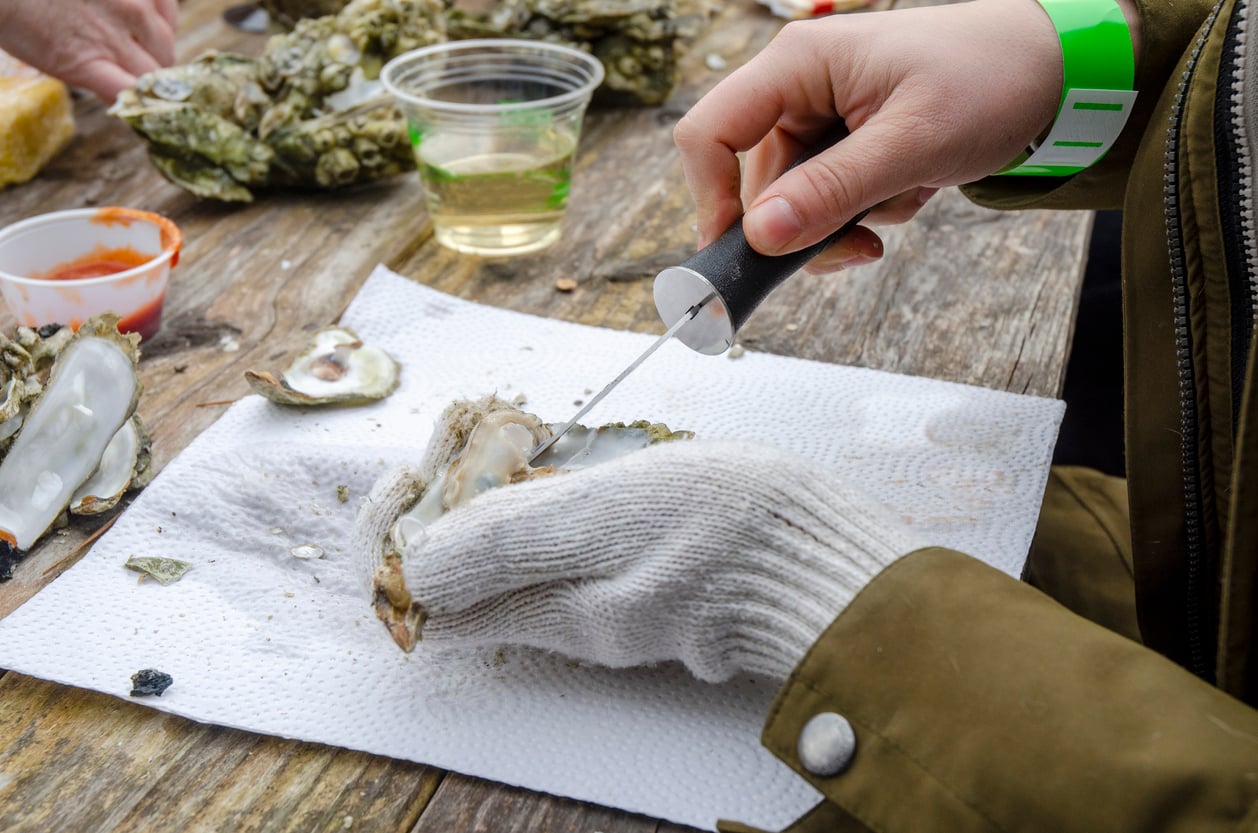
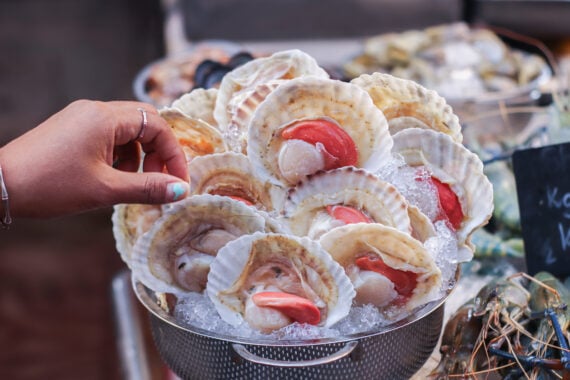
In South Carolina’s Lowcountry, eating oysters is often less about individual plates and more about gathering around a table with friends. At a traditional oyster roast, oysters are cooked in batches, then dumped onto a communal table where guests use knives and gloves to pry open the shells. The custom reflects the region’s tidal creeks, salt marshes, and longstanding oyster-harvesting traditions. Public roasts are especially popular during cooler months, when oysters are in season. Expect a messy, leisurely meal rather than polished restaurant service, and be prepared to do some shucking.
Putting French Fries Inside a Sandwich
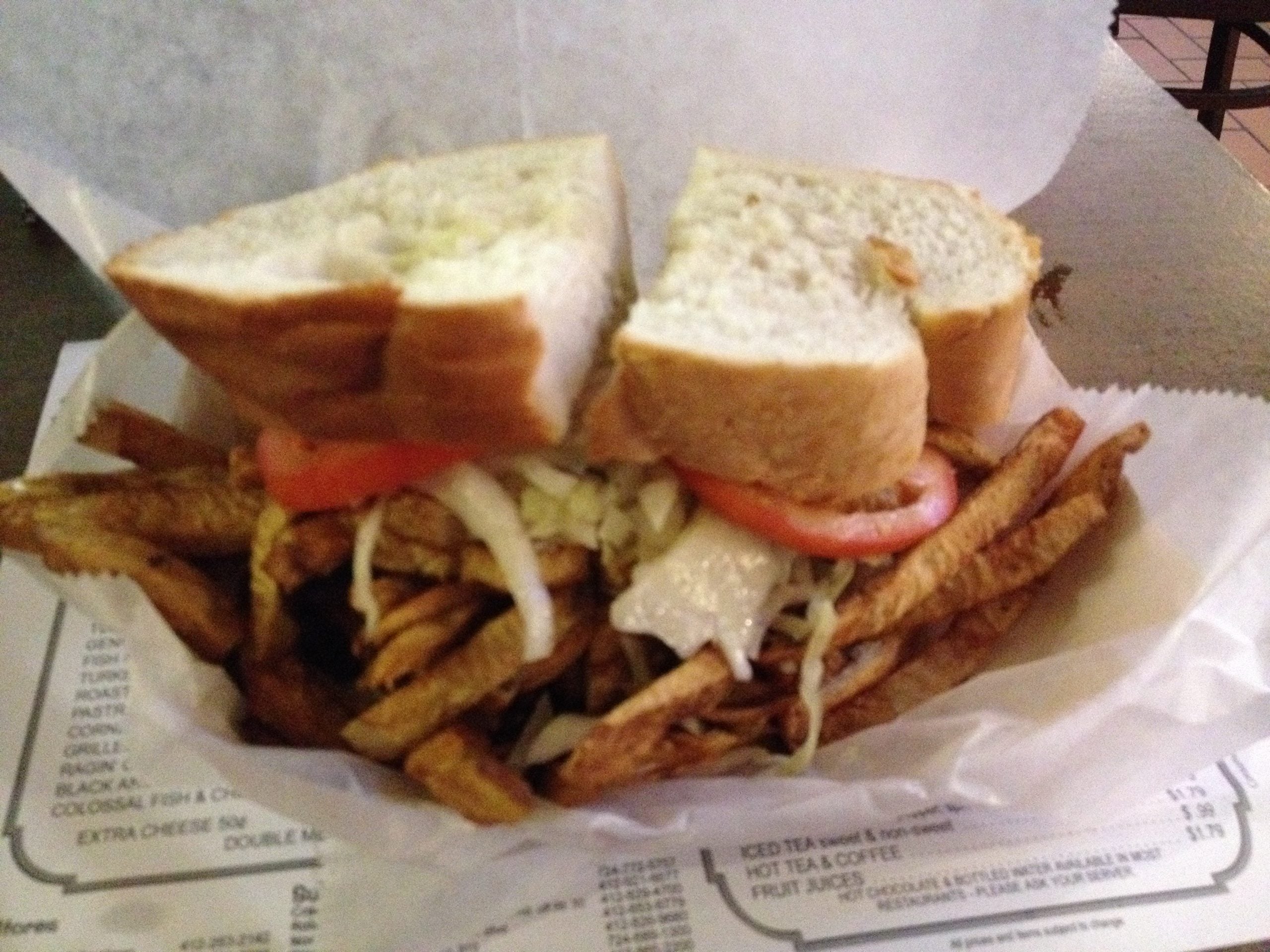
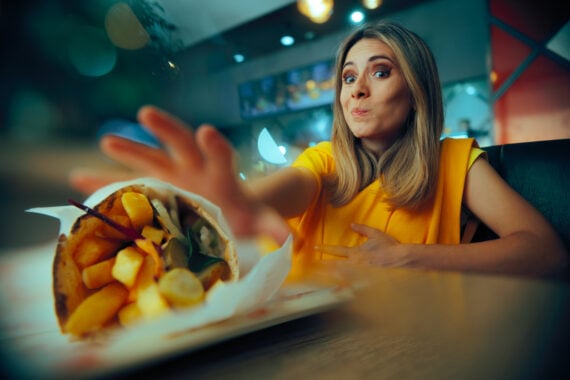
At Primanti Bros. in Pittsburgh, French fries aren’t served beside the sandwich. They’re piled right inside it, along with meat, melted cheese, tomatoes, and coleslaw, all tucked between thick slices of Italian bread. The sandwich emerged in the city’s busy Strip District during the 1930s, when truck drivers and shift workers needed something substantial they could eat quickly. Combining the meal and its sides made practical sense for people on the move. The original Strip District location remains a popular stop, although the oversized sandwiches aren’t exactly light fare.
Trending on Cheapism
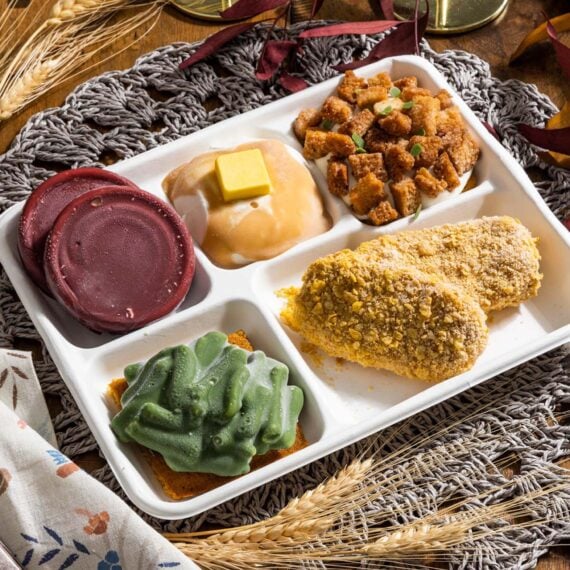

Dumping a Whole Seafood Feast Onto the Table
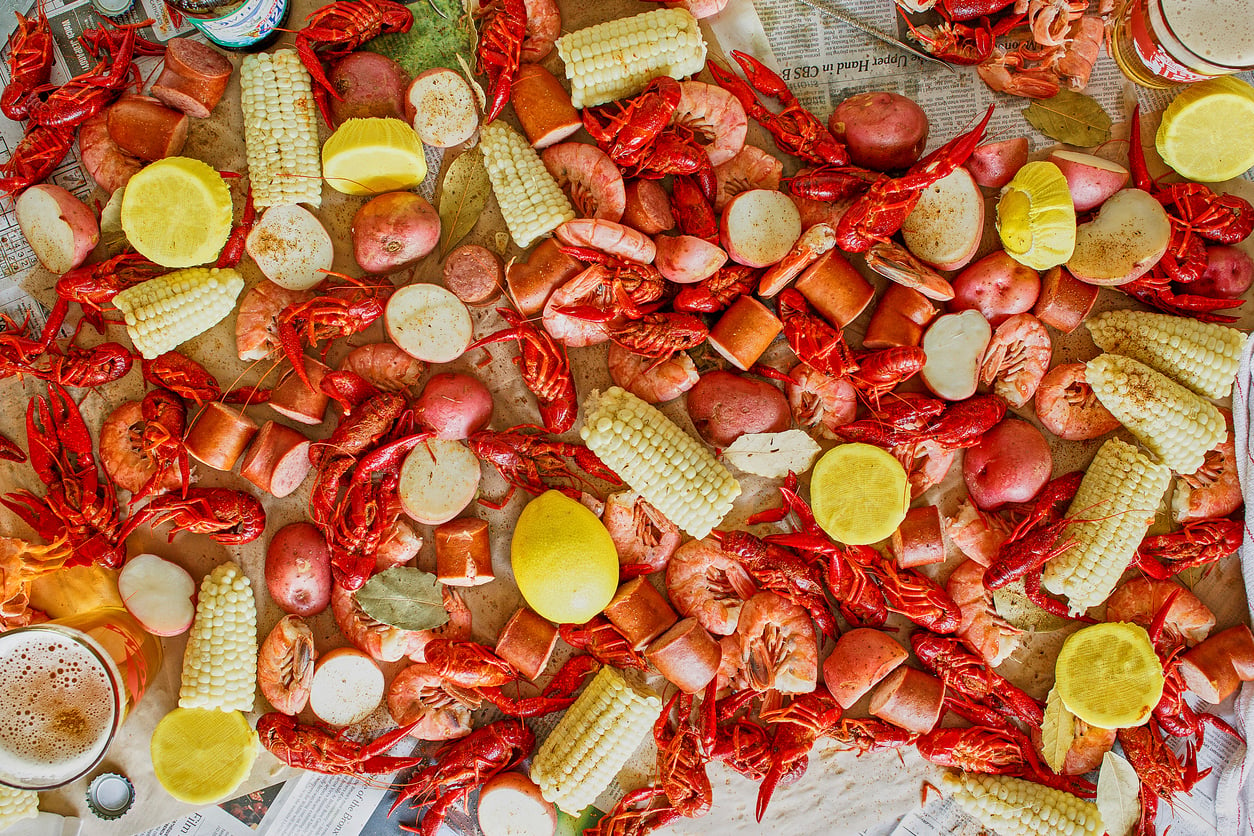
A Louisiana crawfish boil isn’t the kind of meal that calls for fine china. Boiled crawfish, potatoes, corn, and seasonings are commonly spread across a paper-covered table, where everyone digs in with their hands. The tradition is closely tied to South Louisiana’s freshwater crawfish industry and Cajun food culture, where large gatherings often revolve around shared cooking. Crawfish season generally runs from winter into late spring, with availability depending on weather and supply. Newcomers should expect a little work peeling the crawfish, but that’s part of the experience.
Eating Something Called a Garbage Plate
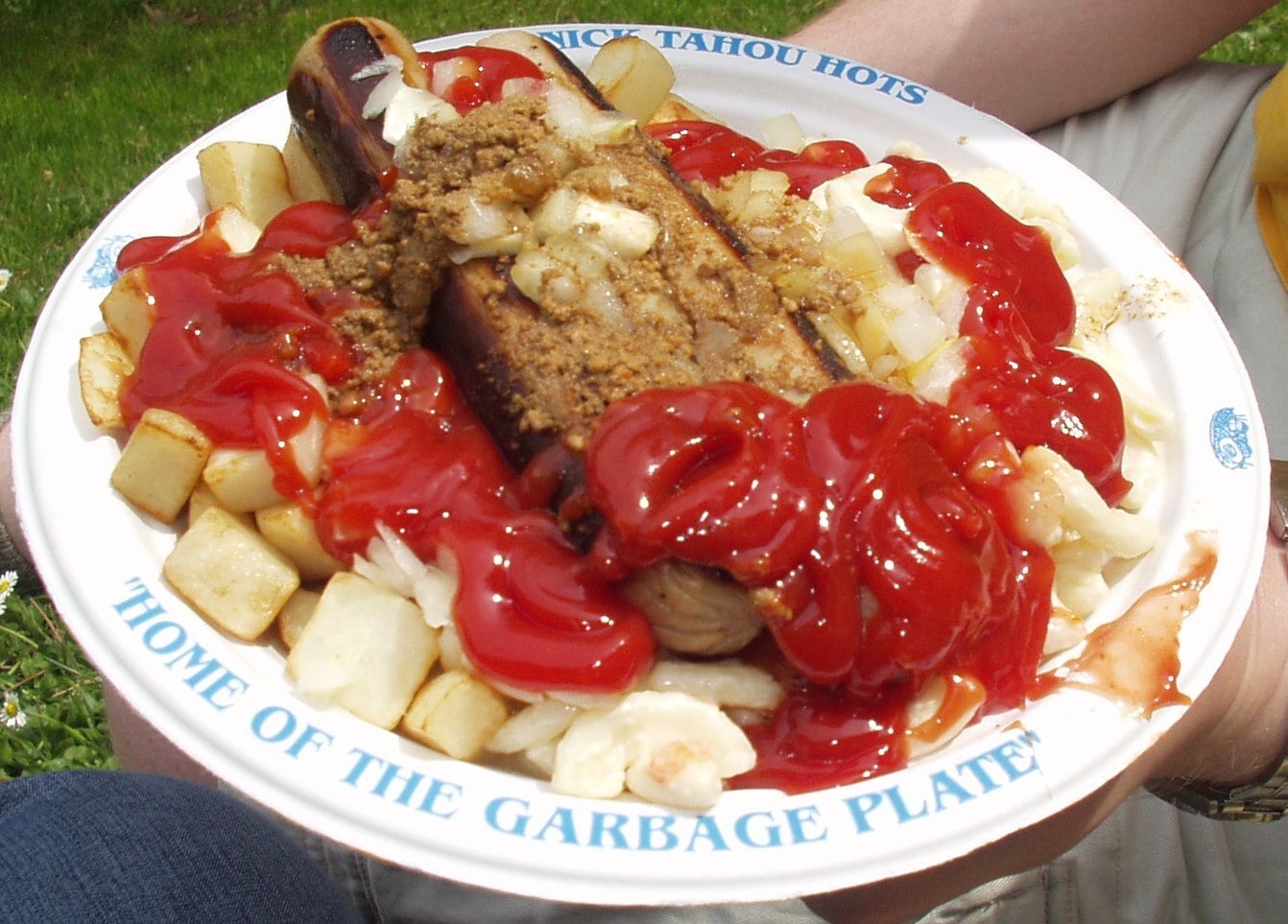
The name might not sound appetizing, but Rochester’s Garbage Plate has been satisfying hungry diners for generations. A typical version combines hamburgers or hot dogs with home fries, macaroni salad, mustard, onions, and a spicy meat sauce, all piled onto one plate. The dish became associated with Nick Tahou Hots, where hearty combination meals developed a loyal following. Its appeal is easy to understand in a working-class city: plenty of food without much fuss. Several Rochester establishments serve their own versions, so visitors have options beyond the original.
Eating an Open-Faced Turkey Sandwich Covered in Cheese Sauce
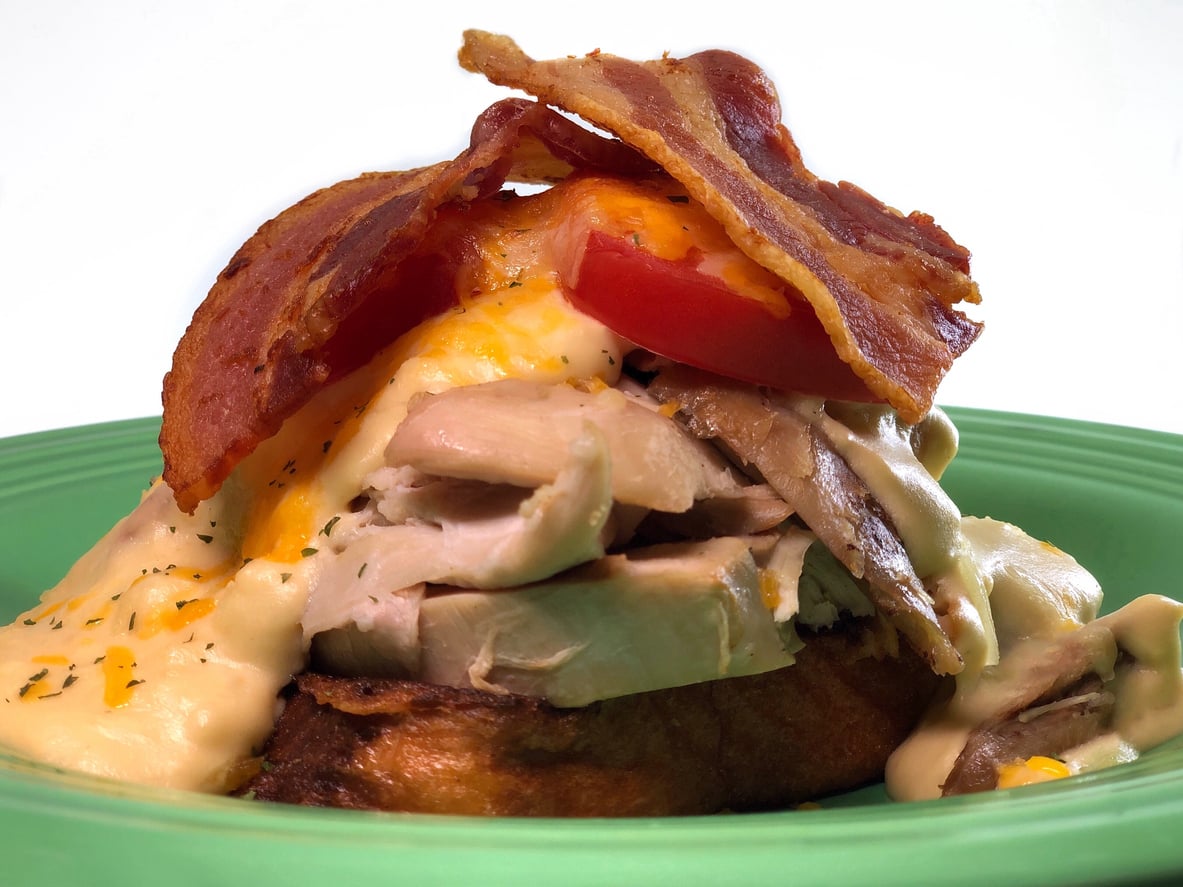
Louisville’s famous Hot Brown looks more like a knife-and-fork dinner than an ordinary sandwich. Created at the Brown Hotel in 1926, it combines turkey, bacon, and tomatoes with a rich Mornay cheese sauce, then gets browned until bubbling. Chef Fred Schmidt developed the dish for guests attending the hotel’s late-night dinner dances who wanted something more substantial than the usual eggs and ham. The Hot Brown celebrates its 100th anniversary in 2026, and the Brown Hotel still serves it. It’s rich enough that some diners may prefer to share.
Sign up for our newsletter
Covering the Table With Paper and Cracking Crabs With Mallets
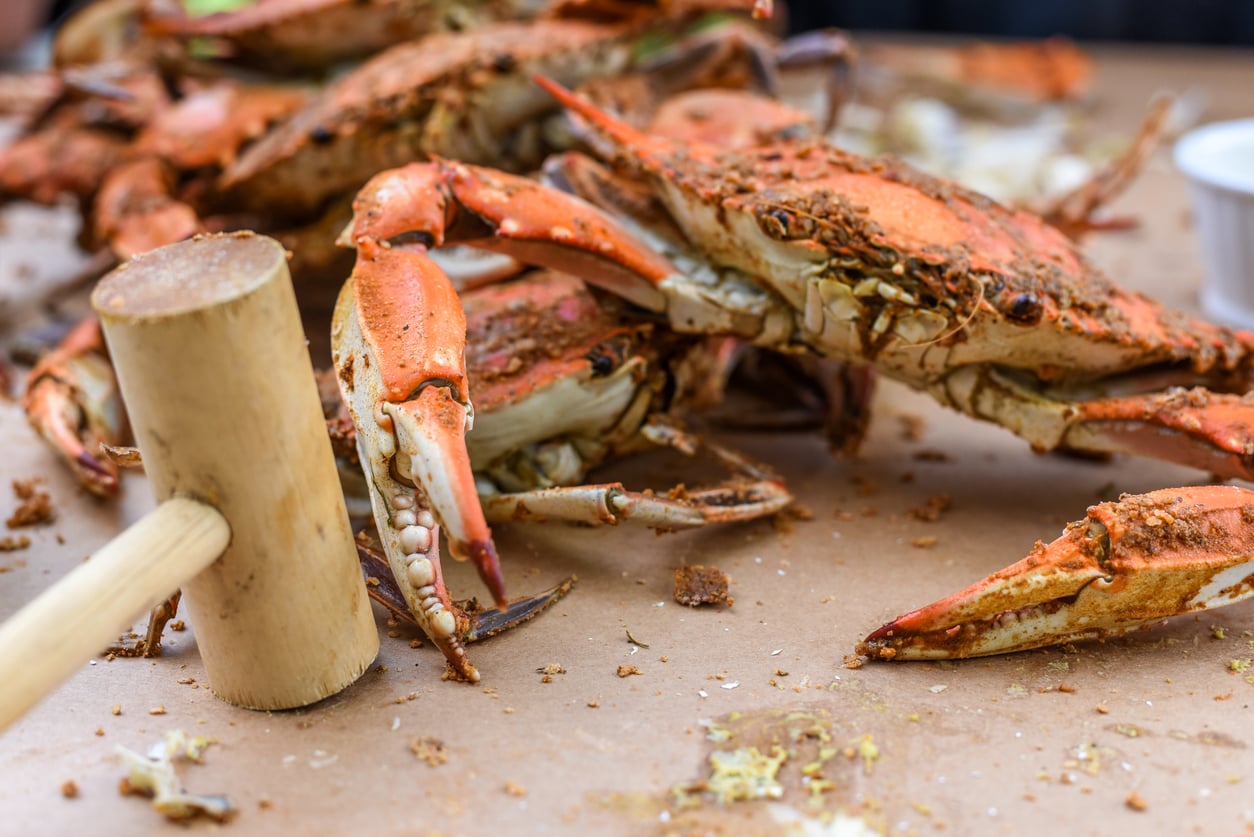
At a traditional Chesapeake Bay crab house, the table might be covered with brown paper rather than a tablecloth. Steamed blue crabs arrive coated in seasoning, and diners use wooden mallets, knives, and plenty of patience to extract the sweet meat. The custom grew around Maryland’s longstanding blue crab fishery, where crab picking became as much a social activity as a meal. Cantler’s Riverside Inn near Annapolis offers a classic crab-house experience. Just remember that whole crabs take time to eat, and prices can vary considerably with the season and catch.
Ordering Your Food “Christmas”
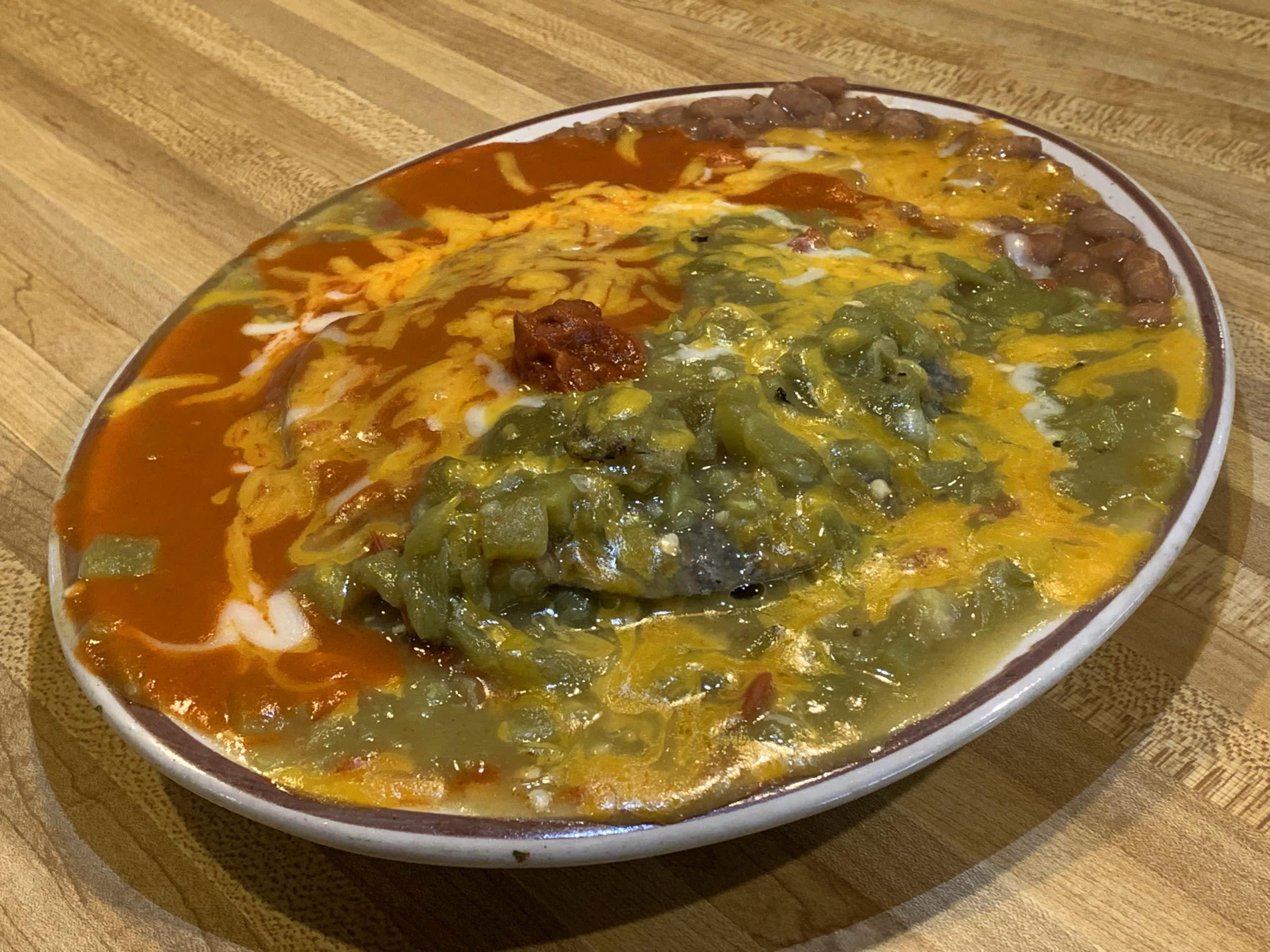
Order enchiladas in New Mexico, and your server may ask a question that sounds more like a holiday greeting: “Red or green?” They’re referring to the chile sauce, made with red or green New Mexico chiles. Ask for “Christmas,” and you’ll get both. The custom reflects the state’s deep connection to chile cultivation and its distinctive blend of Native American, Spanish, and Mexican culinary influences. Stacked enchiladas are a particularly good way to try the combination. Be aware that either sauce can be spicy, depending on the restaurant.
Stopping for Czech Pastries on a Texas Road Trip
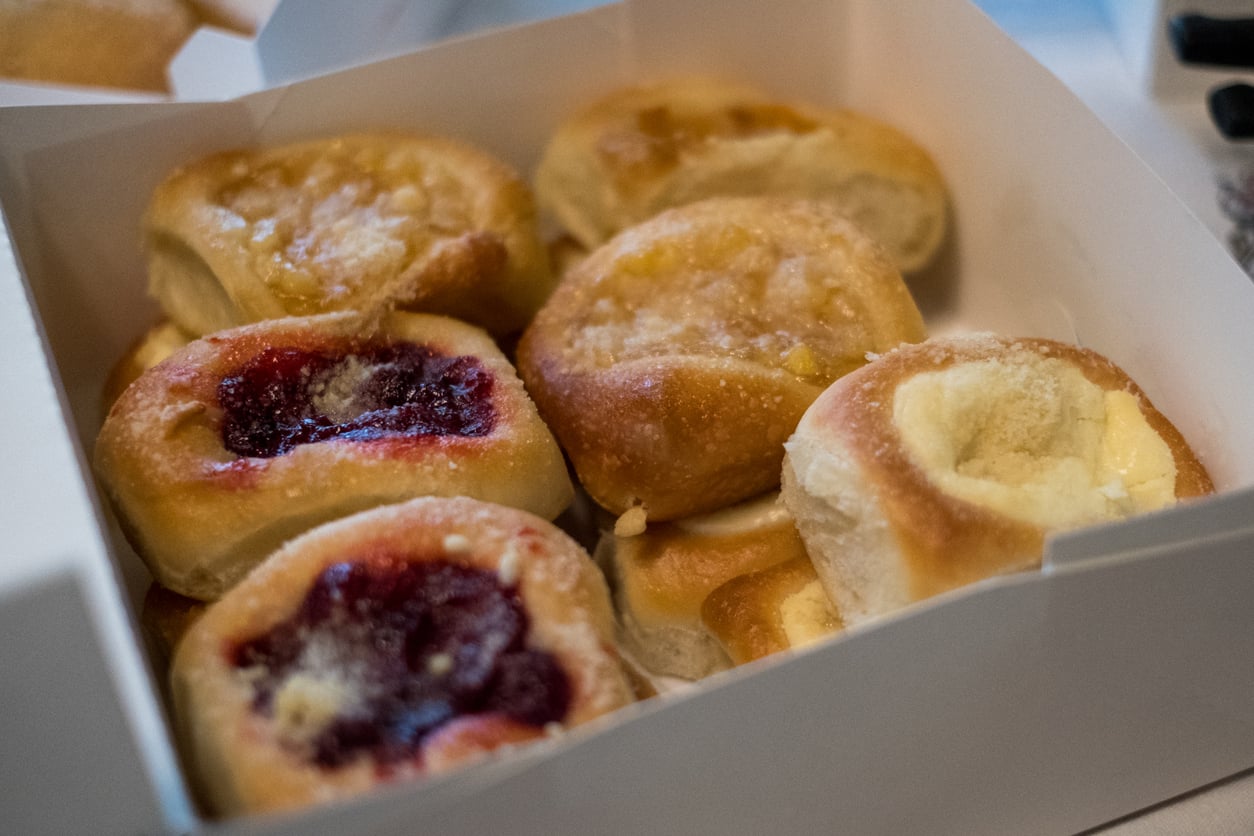
For travelers driving along Interstate 35, the small town of West is famous for an unusually tempting roadside tradition: stopping for kolaches. These soft, sweet pastries, often filled with fruit, poppy seeds, or cheese, reflect the Czech immigrants who settled in Central Texas during the 19th century. Savory sausage-filled pastries called klobasneks are also popular, although they’re frequently labeled kolaches. Czech Stop and other local bakeries keep the tradition alive. It’s a convenient road-trip snack with a history that goes well beyond the highway.
Eating Salmon Cooked Over a Wood Fire Outdoors
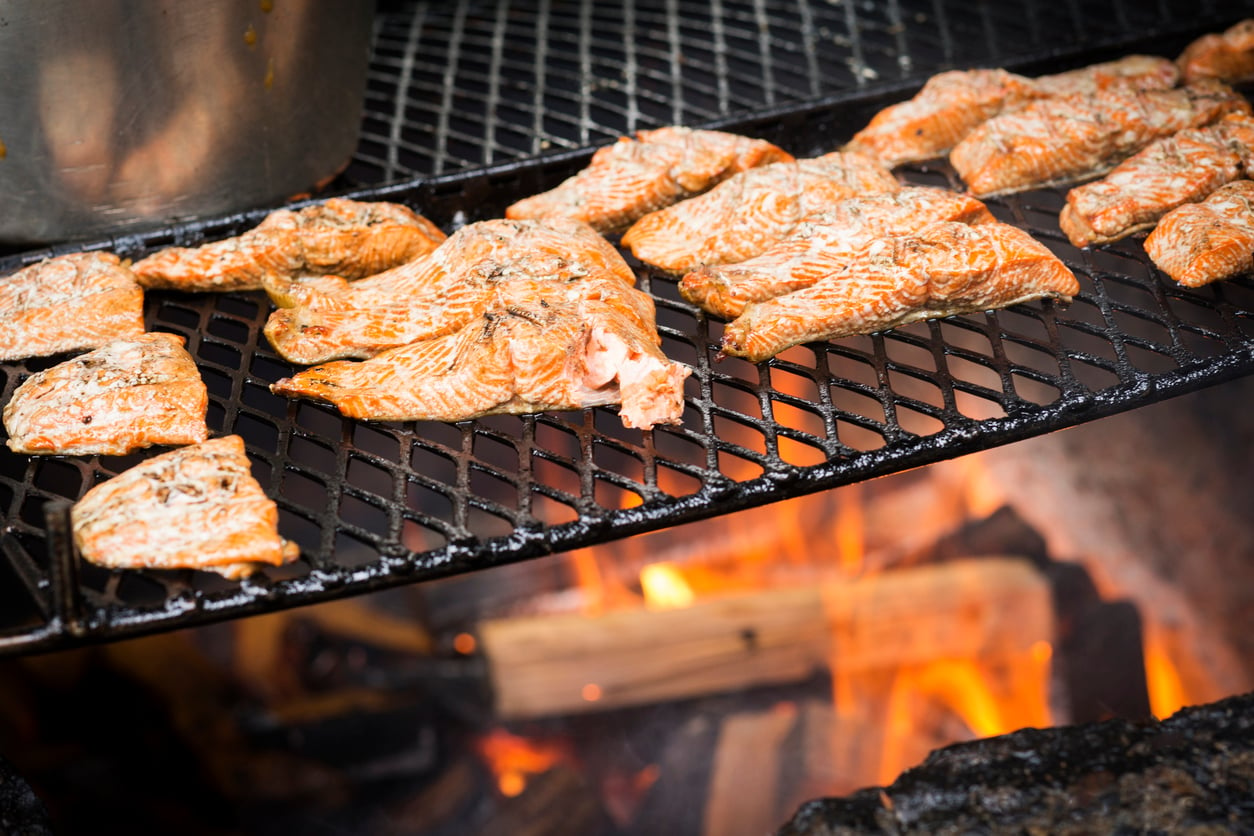
In Alaska, a salmon bake can turn an ordinary fish dinner into an outdoor gathering. At Juneau’s Gold Creek Salmon Bake, wild Alaskan salmon is grilled over an alder-wood fire and served with sides such as baked beans, potatoes, and cornbread. The experience reflects the region’s fishing culture and longstanding connection to salmon, although modern tourist salmon bakes are distinct from traditional Alaska Native food ceremonies. Visitors can eat surrounded by forest scenery, sometimes with live music nearby. These seasonal outings can be expensive, so they’re worth comparing with local seafood restaurants before booking.