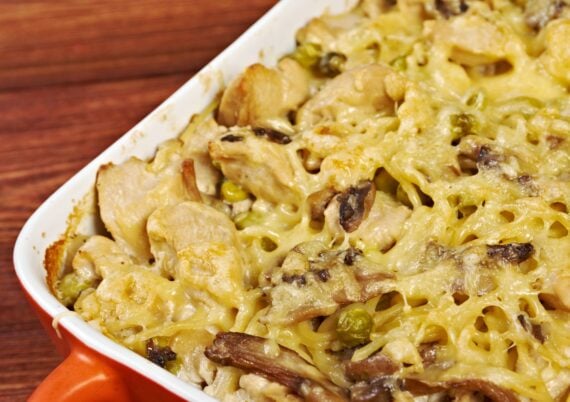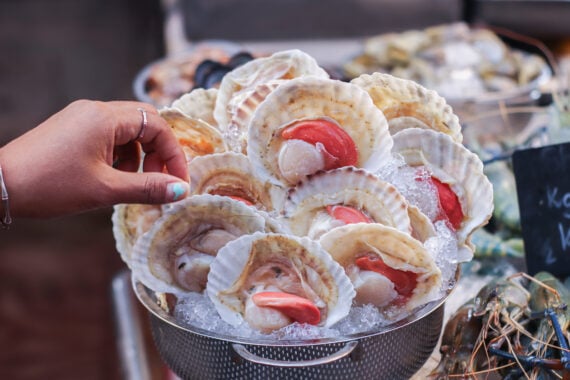
Supermarkets are convenient places to shop because they offer a wide variety of food items that would otherwise require visiting several different locations. However, specialty shops, such as butchers, bakeries, and fishmongers, have the advantage of offering custom cuts, traditional preparation methods, and specialty products and varieties. Drawing on information from the USDA and King Arthur Baking, we’ll highlight some food items that are well worth purchasing from a specialized shop!
Freshly Made Sausages – Butcher Shop
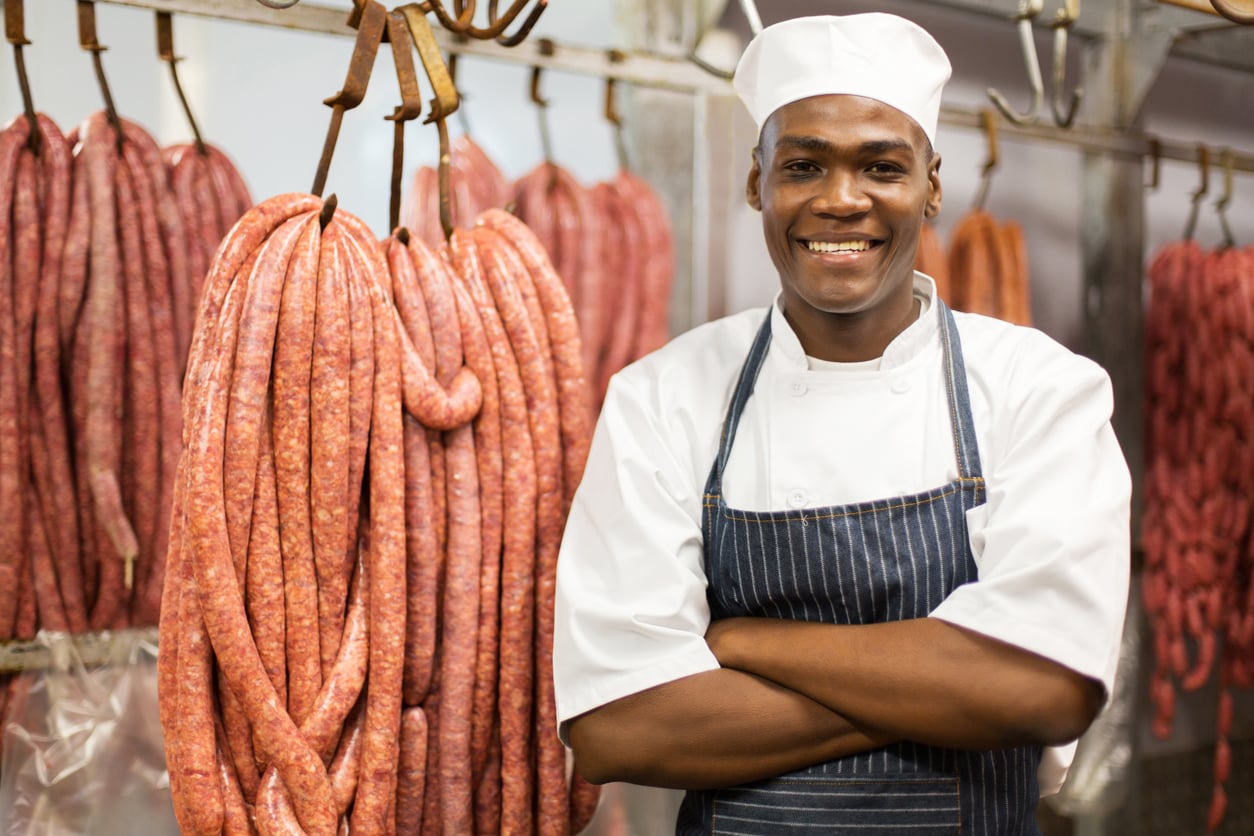
Independent butchers offer house-made sausages in a variety of flavors, meat blends, and regional styles that differ significantly from those found in supermarkets. At specialty shops like these, you can find Italian sausages, bratwurst, breakfast sausages, and other varieties that differ in terms of texture and preparation. The USDA notes that fresh sausages fall into a category distinct from fully cooked or shelf-stable varieties.
Thick-Cut Ribeye Steaks – Butcher Shop
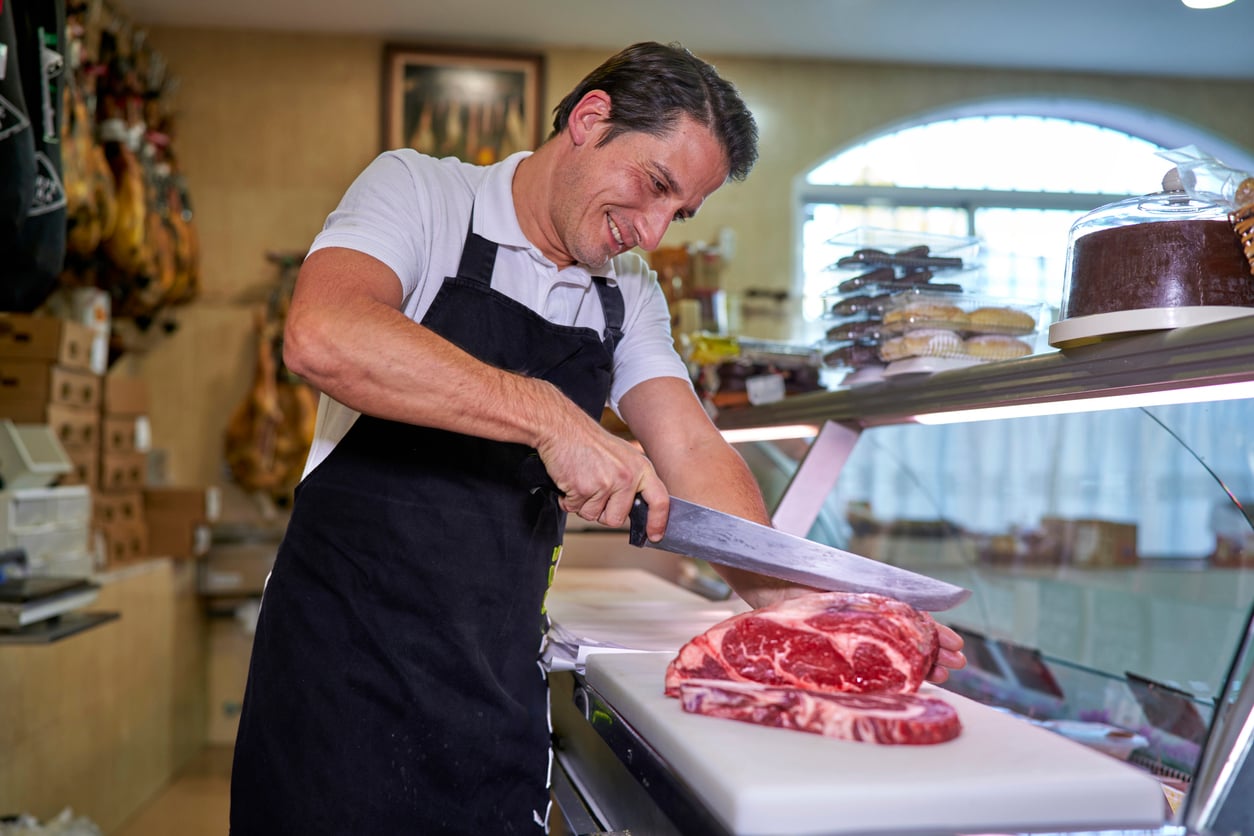
The meat you buy at a supermarket typically comes in predetermined sizes and thicknesses, as it is usually pre-packaged. However, specialty shops such as butcher shops allow you to specify how much meat you want and how you would like it cut. The USDA establishes beef quality grades, while butchers can help customers choose among different cuts.
Custom-Cut Beef Roasts – Butcher Shop
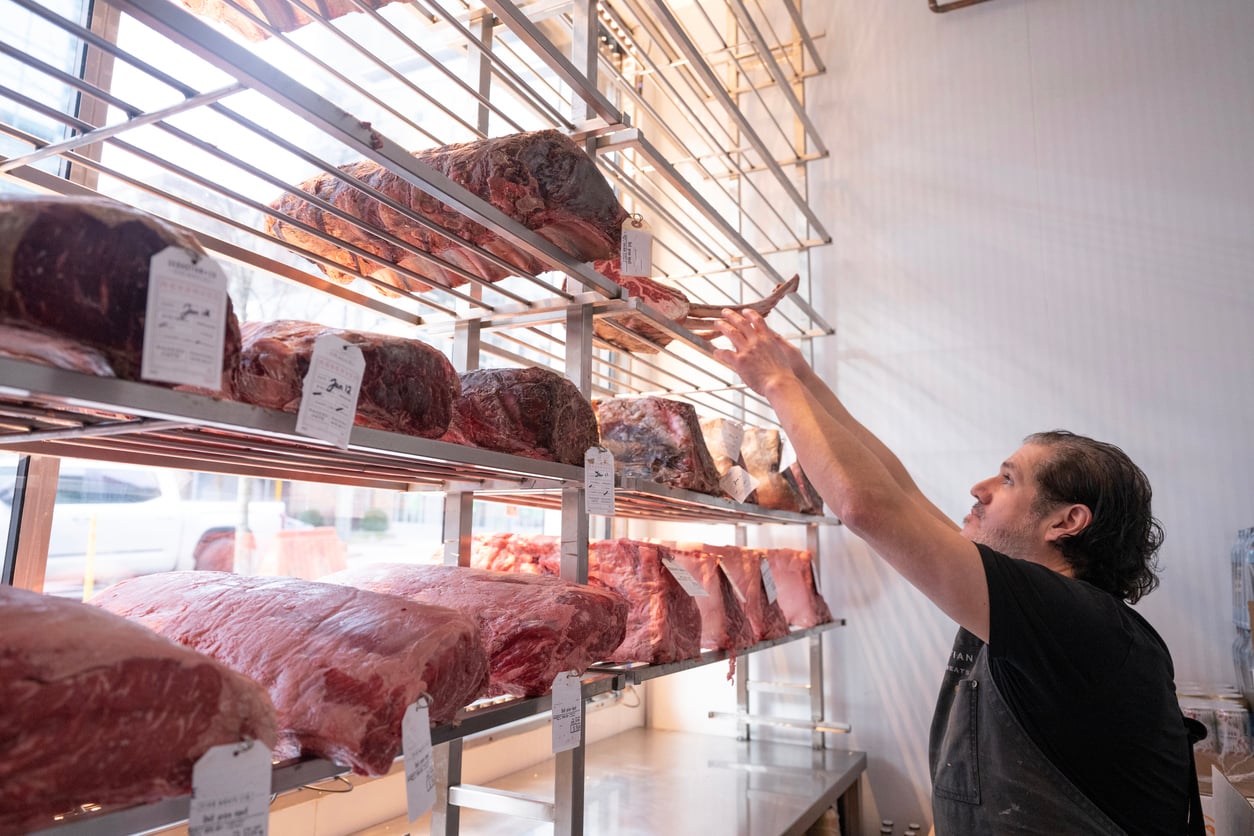
Another advantage of specialty shops, particularly independent butcher shops, becomes apparent when you need a specific cut of meat or a particular trimming method for a recipe, such as a beef roast. A butcher can recommend the right cut and size for the number of people you’re cooking for, and can also handle the specific trimming you need.
Specialty Ground Beef Blends – Butcher Shop
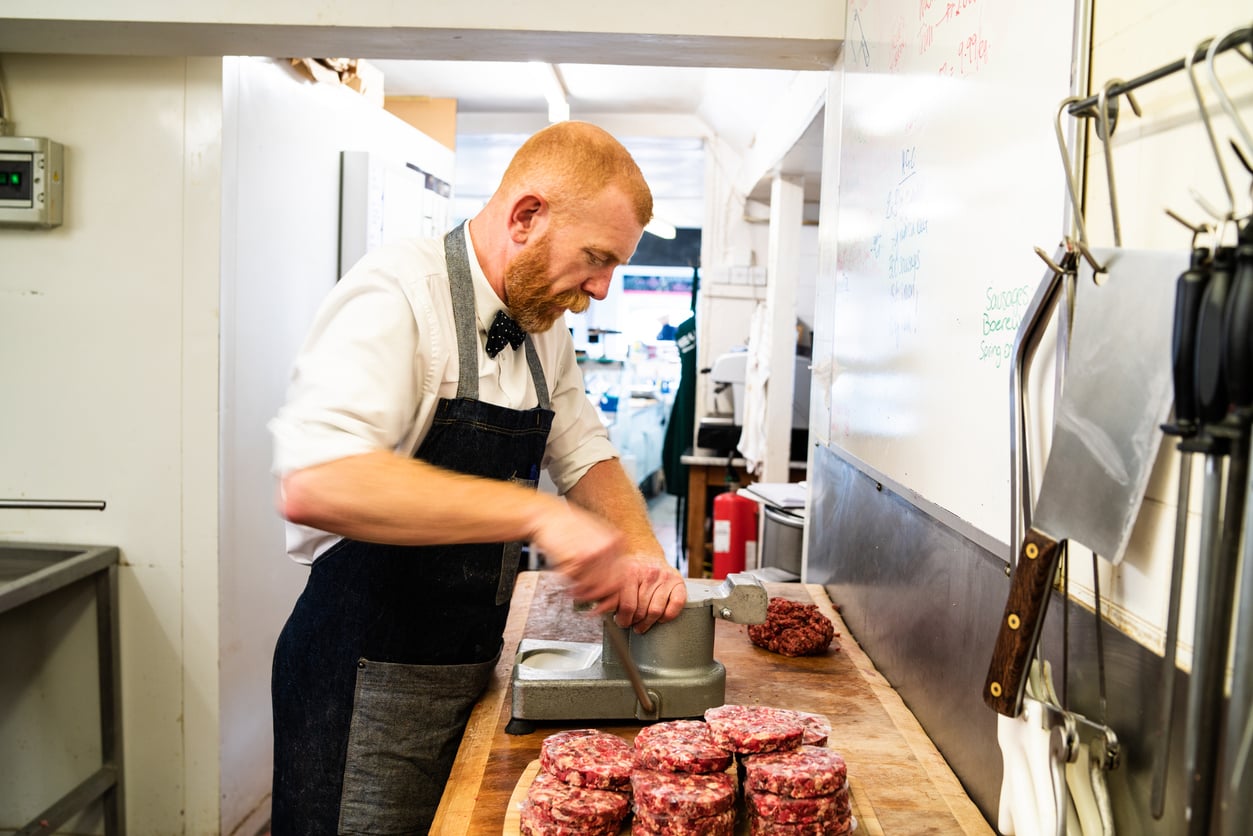
When you visit specialty shops, you may have more control over the composition of your beef blends. Some butchers can prepare fresh beef blends using the specific cuts and fat ratios you request, perfect for making burgers, meatloaf, or meatballs. This allows you to tailor the flavor profile of the blend to the dish you’re preparing rather than settling for pre-packaged ground beef from a supermarket.
Naturally Fermented Sourdough Bread – Bakery
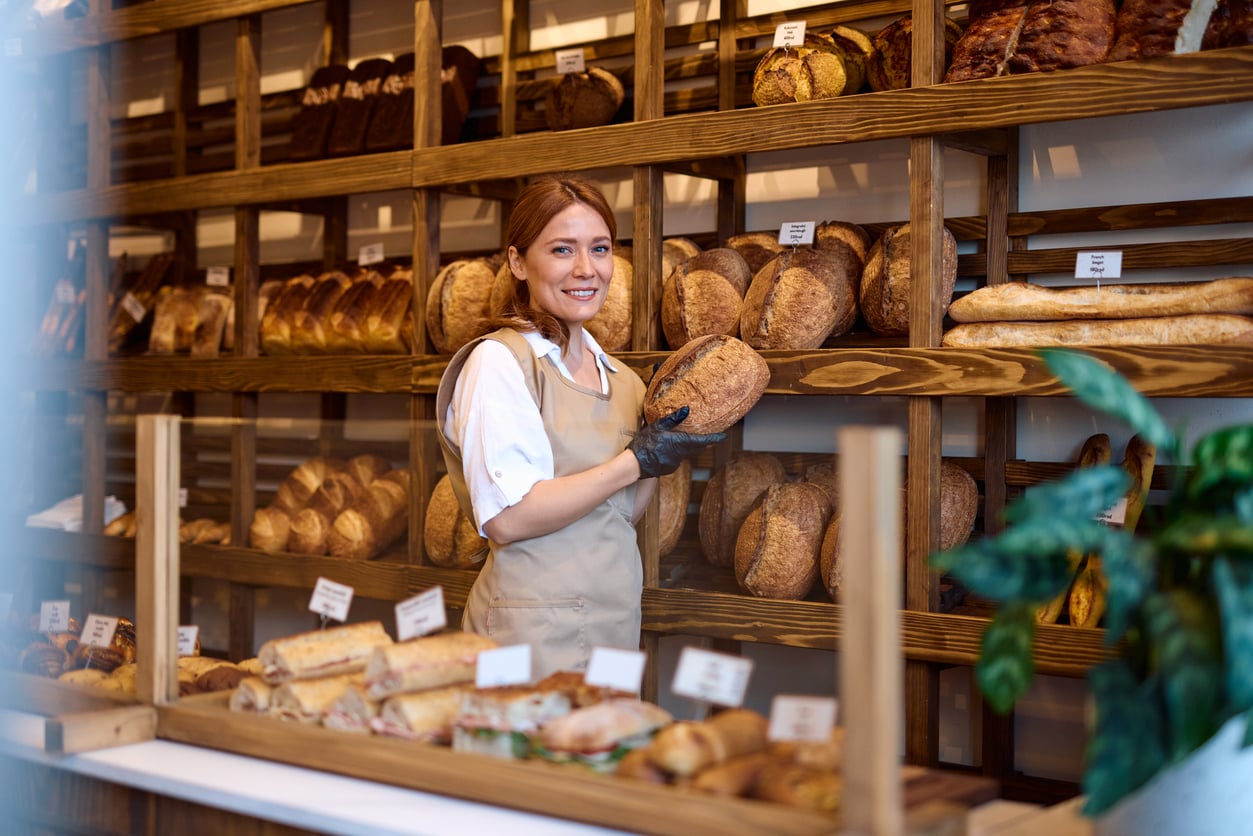
Bakeries are another type of independent establishment that gives specialty shops an advantage over supermarkets. Their bread can vary in flavor, texture, and structure depending on the ingredients and fermentation methods used. A bakery’s fermentation process can influence a loaf’s flavor, texture, and structure, giving an indication of the type of bread and flavor profile they can expect, something you simply won’t find in a supermarket.
Trending on Cheapism


Butter Croissants – Bakery
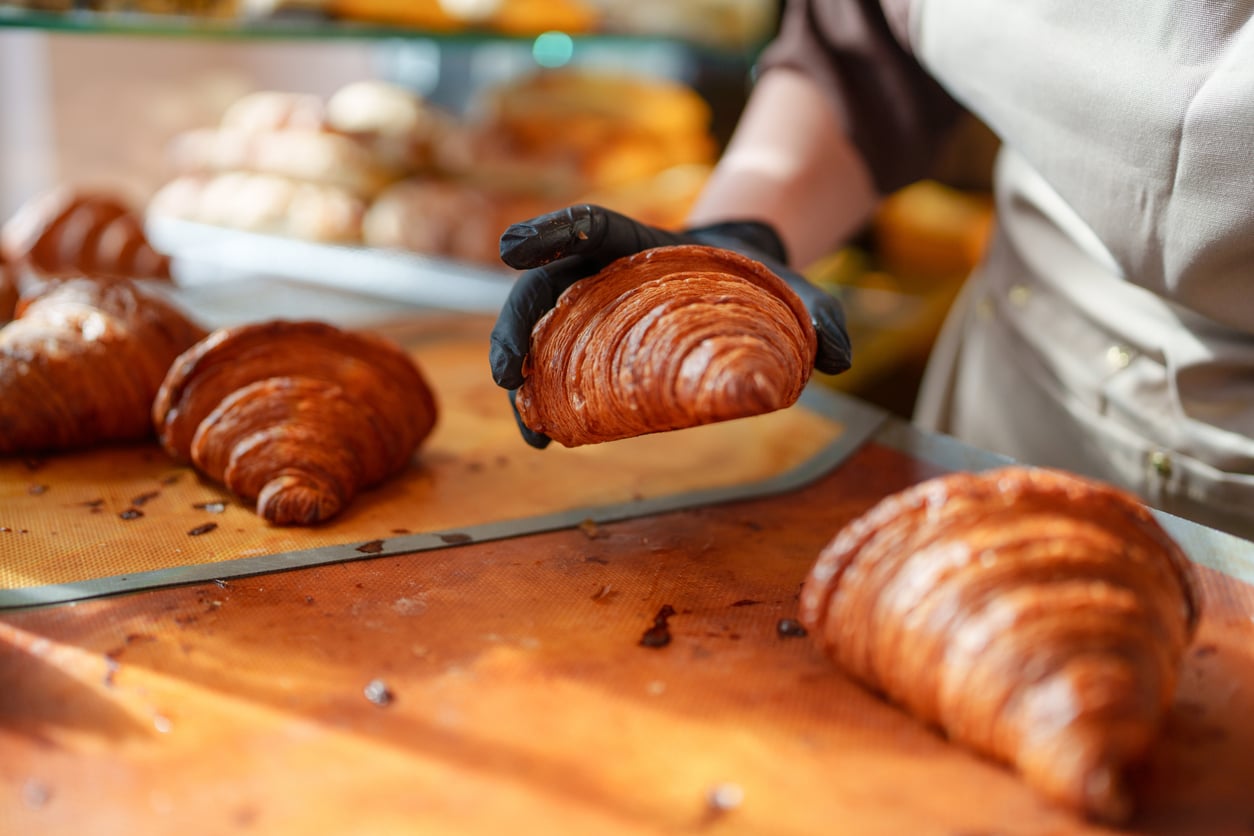
Specialty shops such as independent bakeries might offer you a taste of croissants made using a traditional process, folding butter into the dough, which creates delicate layers and a crisp exterior. In these shops, you can experience the texture of a freshly baked croissant and ask the baker about its ingredients and preparation. Furthermore, you can learn how much longer they will stay fresh before spoiling.
Traditional Boiled Bagels – Bakery
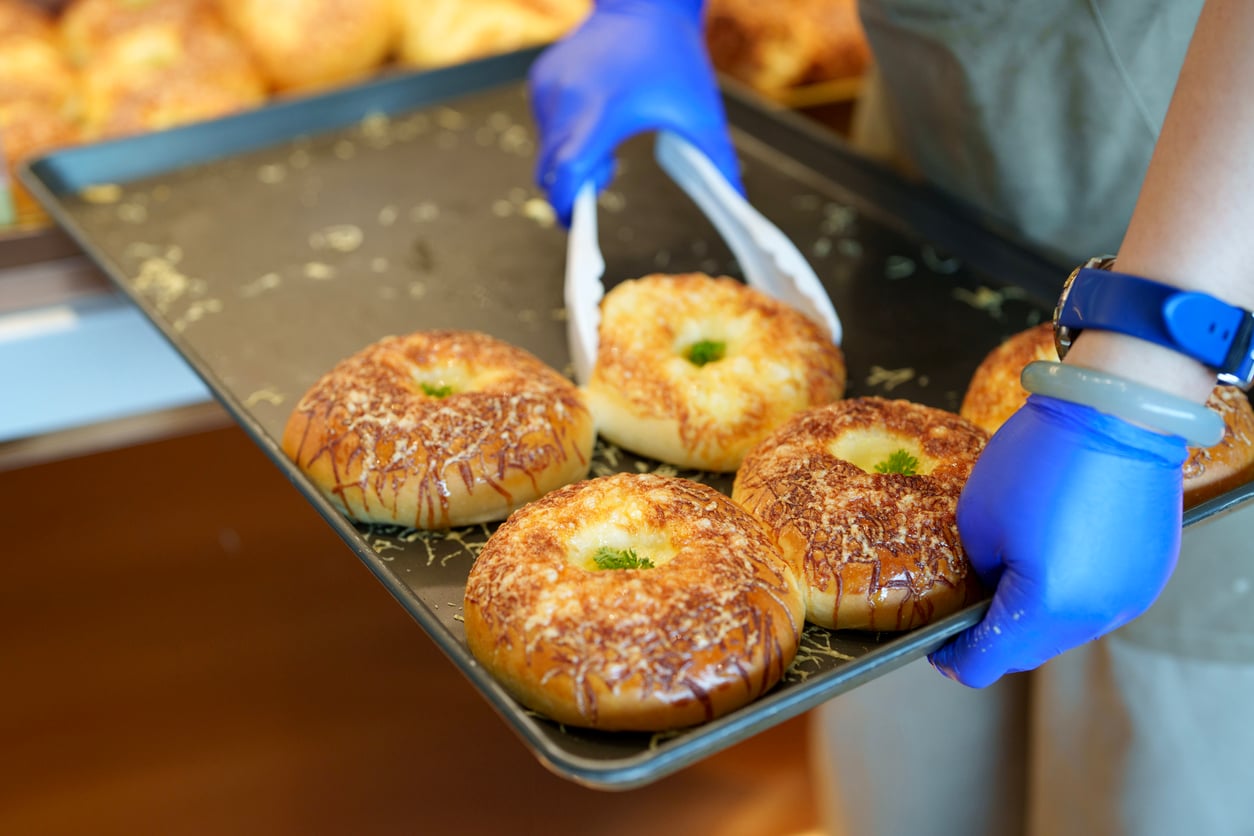
Bagel shops are specialty shops that use various boiling methods that give their products a distinctively chewy interior and a firm, glossy crust. This sets them apart from supermarket bagels, which tend to be soft and more similar to regular bread. King Arthur Baking explains that boiling the dough before baking helps create the dense, chewy texture associated with traditional bagels.
Fruit Pies With All-Butter Crusts – Bakery

Specialty bakeries offer customers the chance to compare the crust texture, fruit content, and sweetness of a fruit pie, and experience something not possible when simply looking at a pre-packaged pie in a supermarket. Furthermore, at a bakery, you can ask whether the crust was made from scratch and whether the filling is fresh or frozen, helping you make an informed choice before you buy.
Sign up for our newsletter
Whole Fresh Fish – Fishmonger
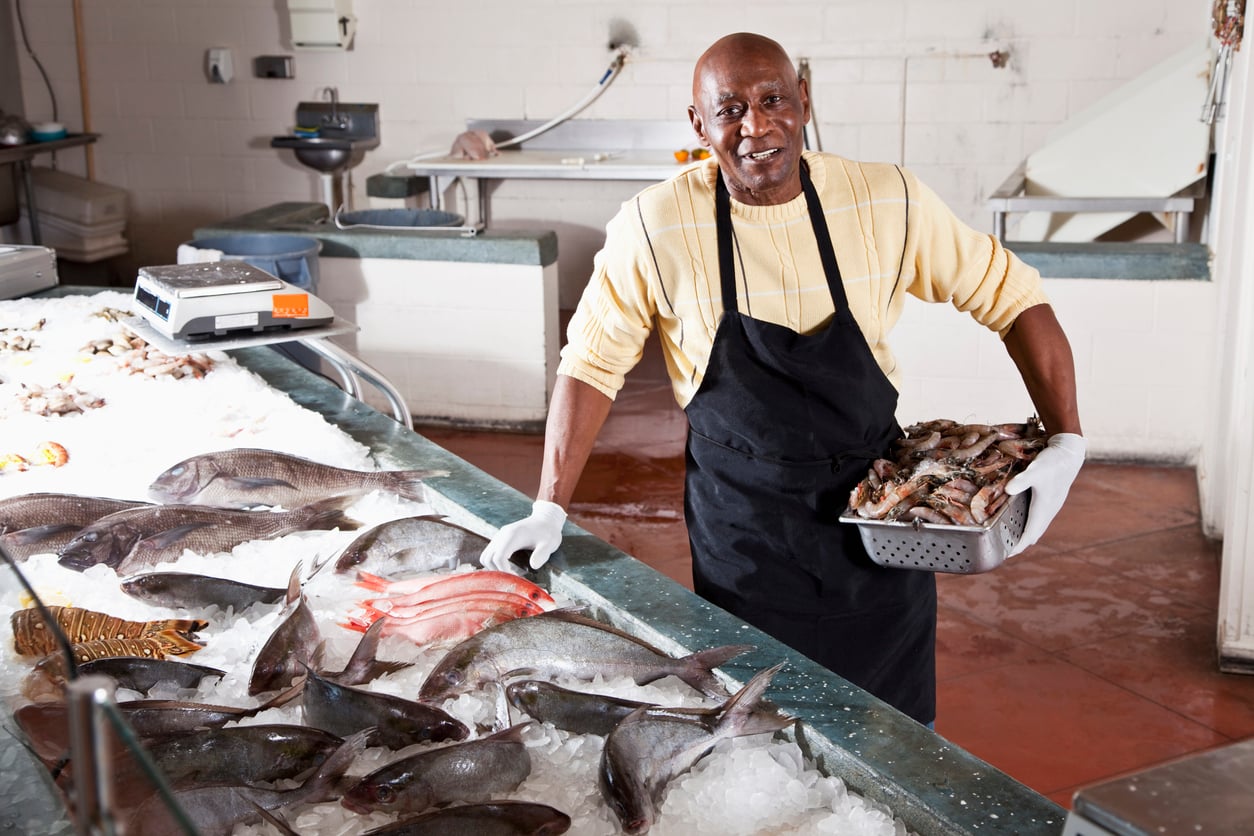
When buying a whole fresh fish, specialty shops such as fishmonger can prepare it by cleaning, scaling, or filleting it according to your needs. This allows you to inspect the fish before preparing and cooking it exactly how you’d like. NOAA recommends looking for clear eyes, reddish gills, and firm flesh when selecting a whole fish, as these are good indicators of a useful fish.
Fresh Sea Scallops – Fishmonger
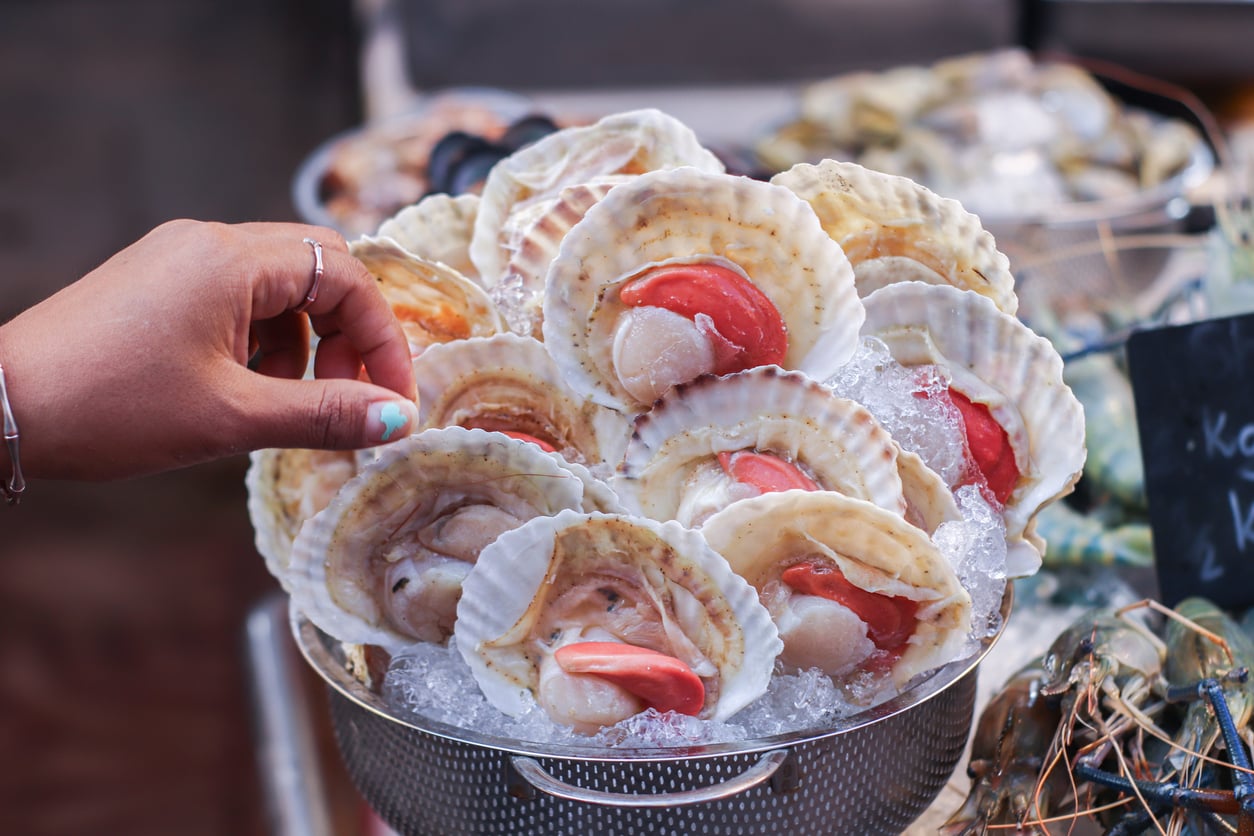
The preparation of scallops can vary depending on their size, how they have been handled, and the ingredients you choose to use when cooking them. At specialty shops such as fishmongers, discussing these details with the fishmonger can be very helpful. You can learn about the different types of scallops available and select the right type of scallop for a golden-brown sear, rather than ending up with a watery result. The FDA recommends choosing scallops that have firm flesh, ranging in color from clear to pearly, and little to no unpleasant odor.
Live Clams and Mussels – Fishmonger
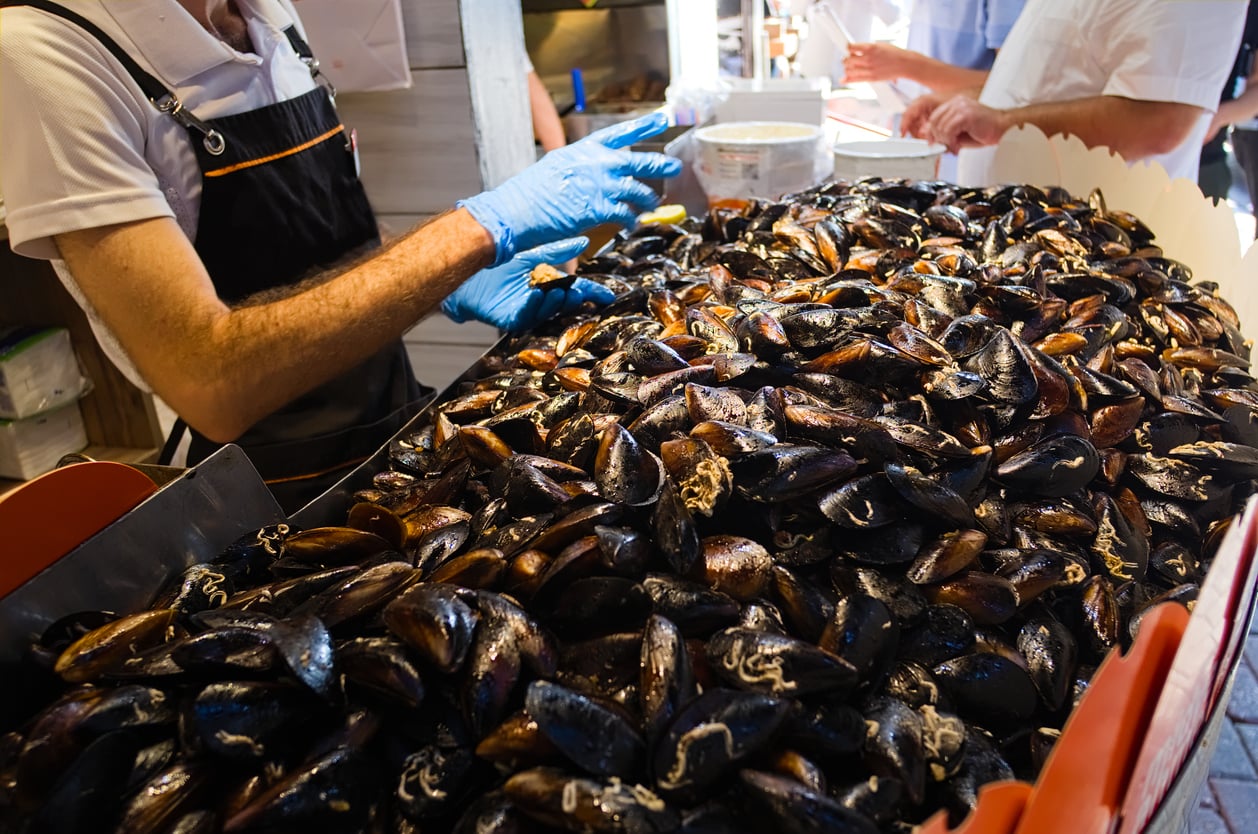
The varieties of shellfish available at specialty shops such as fishmongers may differ from those found in a supermarket. Since live clams and mussels require careful selection, talking to a fishmonger about their origin, storage, and preparation can help you determine the best cooking method.
Skin-On Salmon Fillets Cut to Order – Fishmonger
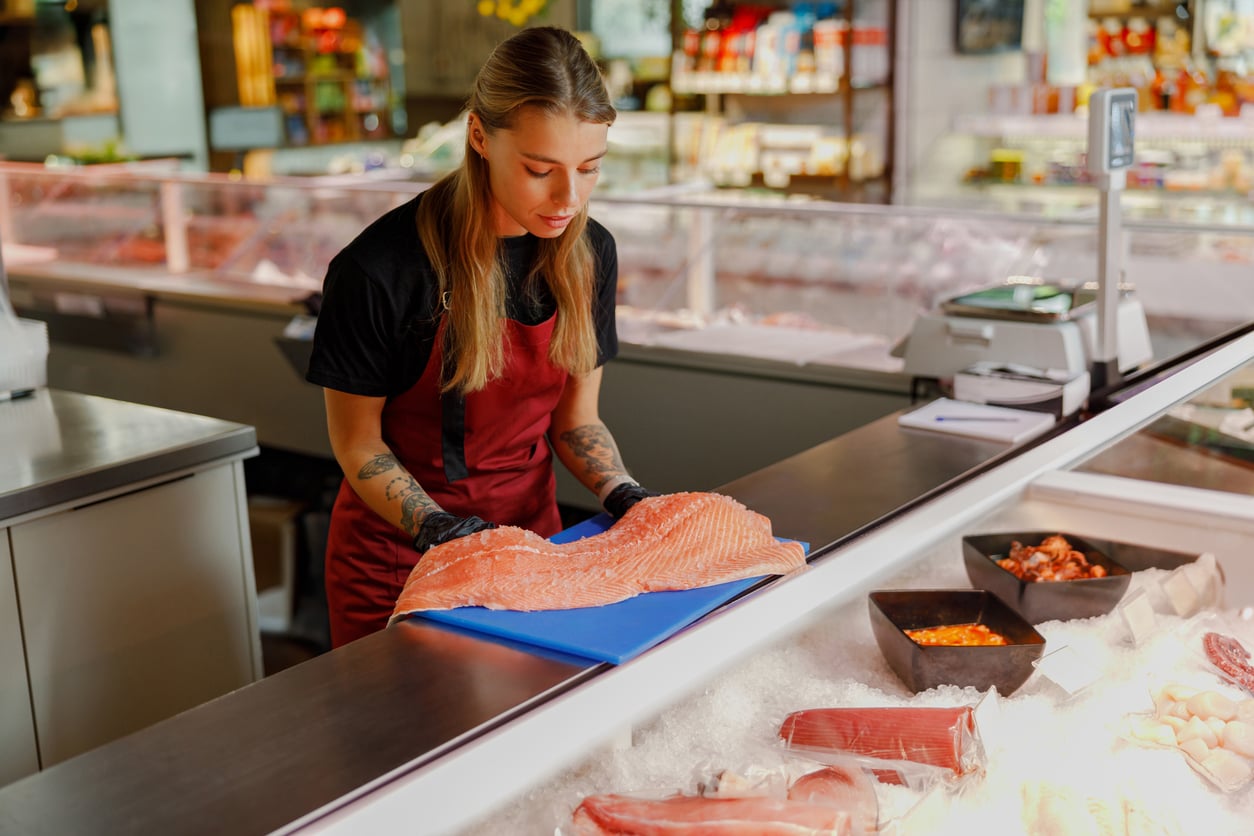
If you are preparing a salmon dish, a fishmonger can cut a fillet exactly to your specifications, a fillet perfectly suited to your chosen cooking method, whether it be grilling, roasting, or pan-searing, rather than forcing you to make do with a pre-cut, pre-packaged piece from a supermarket. Furthermore, as a customer, you can specifically request center-cut pieces or portions with the skin left on.
Conclusion
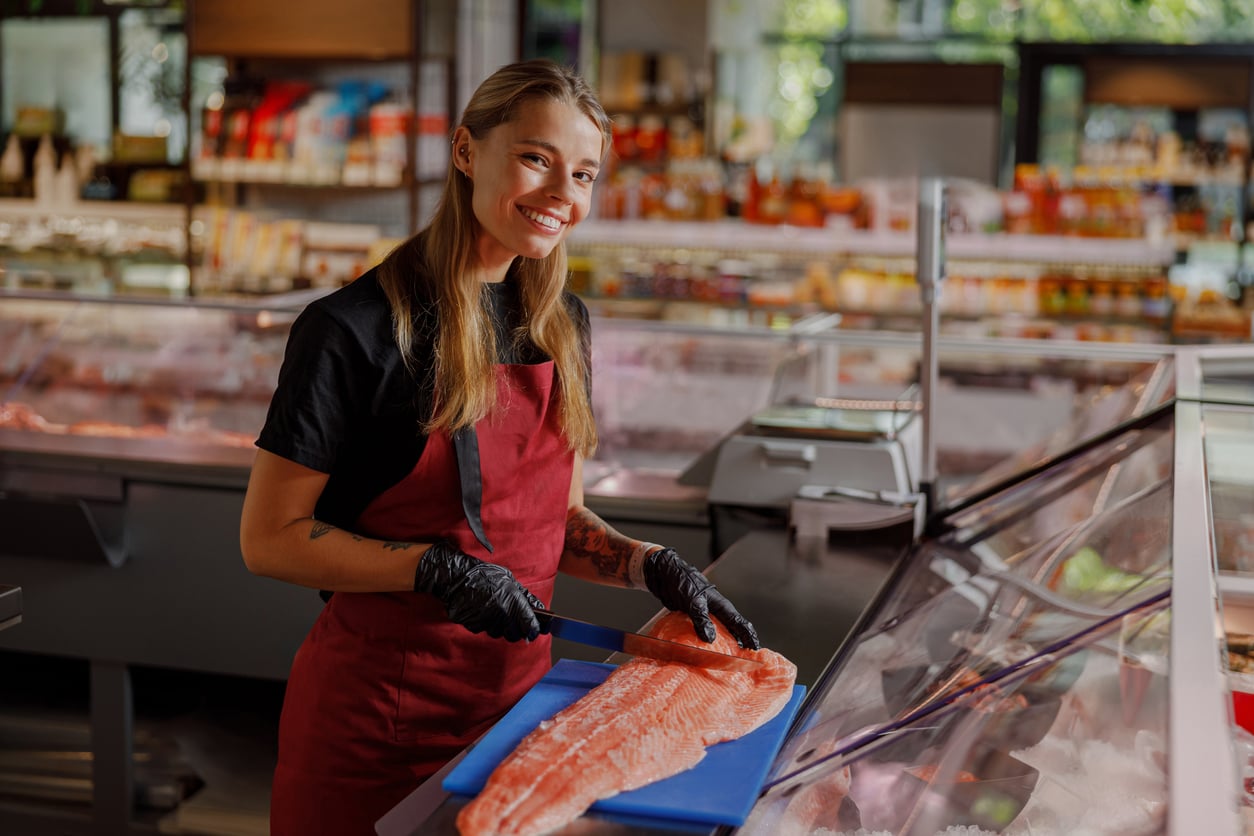
The major difference between independent shops and supermarkets is the staff at the former can offer more personalized guidance, advising on preparation methods, customizing cuts of meat, and pointing you toward products you might not even find in a supermarket. This expertise, combined with the ability to discuss exactly what you intend to cook, can be a great help when it comes to preparing the product.