About 20 years ago, American fast-food menus focused on hamburgers, fries, chicken nuggets, sandwiches, and traditional breakfast items, but that has changed over the years. Today, customers can choose from plant-based dishes, protein-focused bowls, and even elaborate coffee drinks. Drawing on information from Burger King, Taco Bell, and other sources, we’ll explore how fast-food chains have their menus!
Plant-Based Burgers That Look and Taste Like Beef
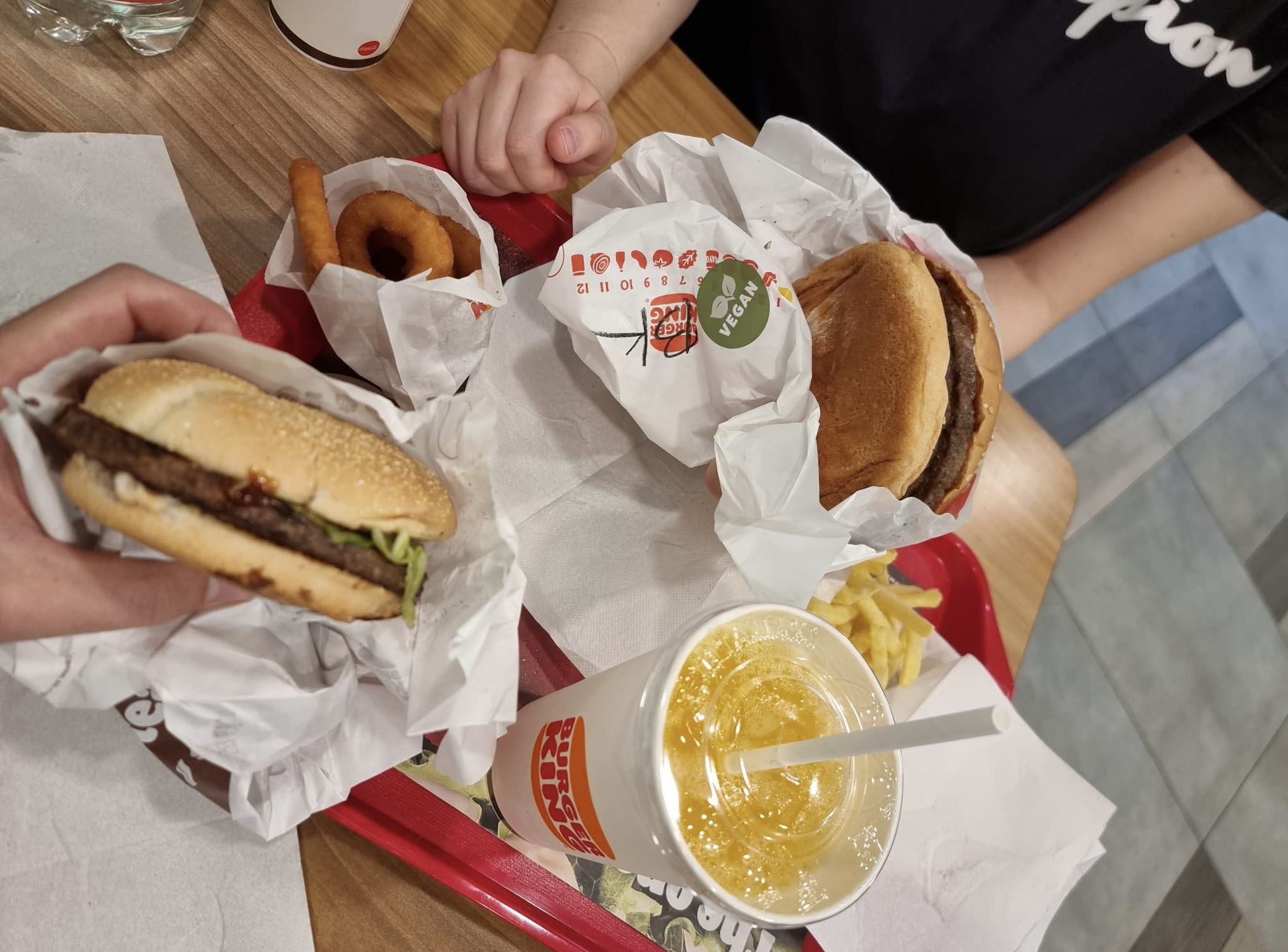
Vegetarian burgers have existed long before 2006, but this new generation of burgers consists of plant-based patties designed to mimic meat. These alternatives became increasingly visible on fast-food menus, including options offered by major burger chains. Burger King introduced its Impossible Whopper nationwide in August 2019, bringing a plant-based patty designed to resemble beef to thousands of American locations.
Protein-Packed Power Bowls
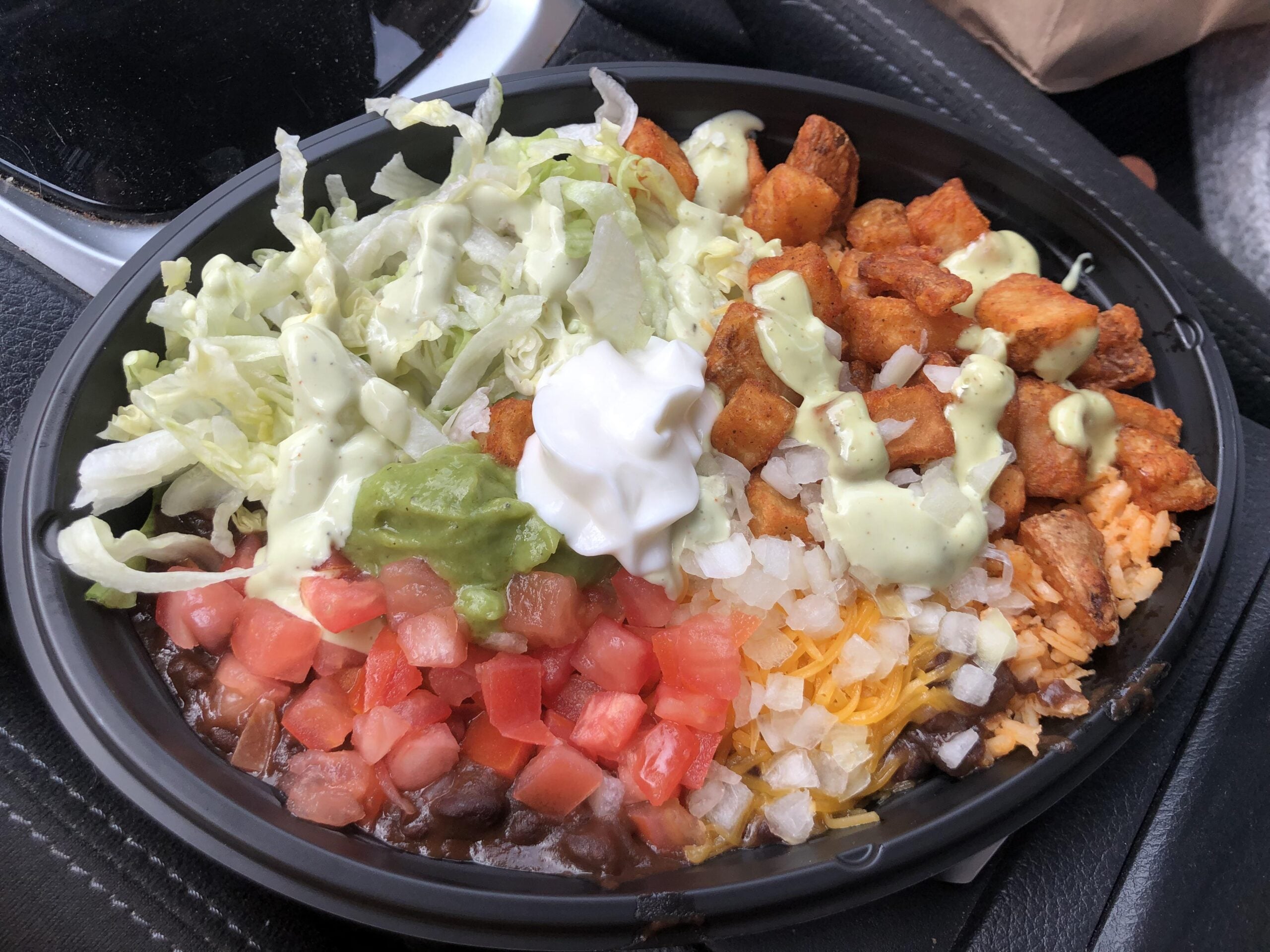
In the past, traditional fast-food menus centered on sandwiches and side dishes. It was not until the 2010s that bowls, designed with a focus on protein content and dietary goals, became a trend. Taco Bell was one of the chains that, in July 2014, announced its “Cantina Power” menu. This menu included a burrito containing with more than 20 grams of protein and no more than 500 calories, and it was subsequently rolled out nationwide.
Espresso Drinks at Burger Chains
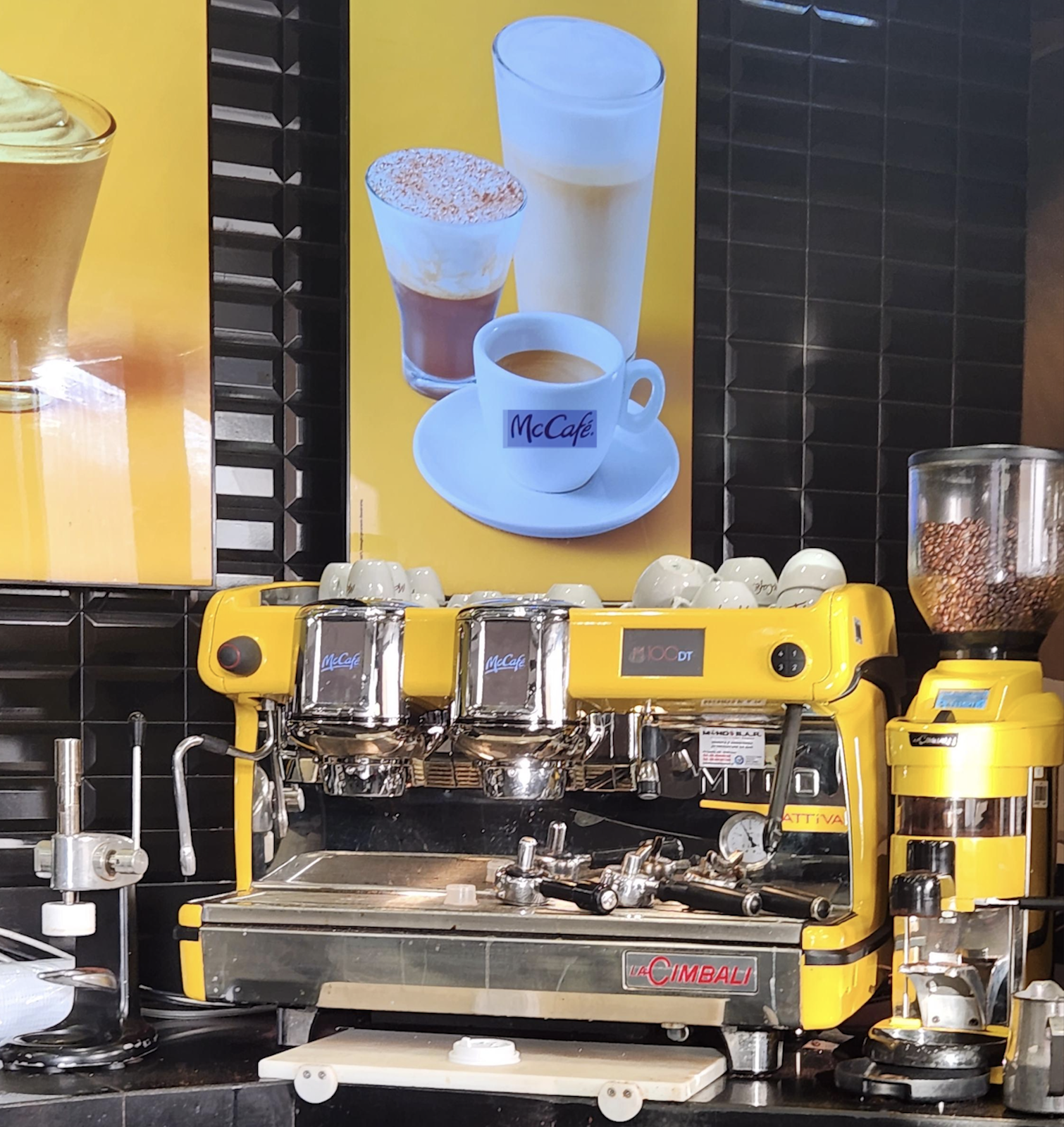
Fast-food restaurants had been serving standard brewed coffee for decades, but more elaborate espresso-based drinks did not appear in mainstream burger chains until much later. McDonald’s expanded its specialty espresso selection in 2017, illustrating how fast-food menus were moving beyond traditional meals. For then on, customers could visit McDonald’s for specialty coffee drinks as well as burgers and fries.
Sous-Vide Egg Bites and Crustless Breakfast Snacks
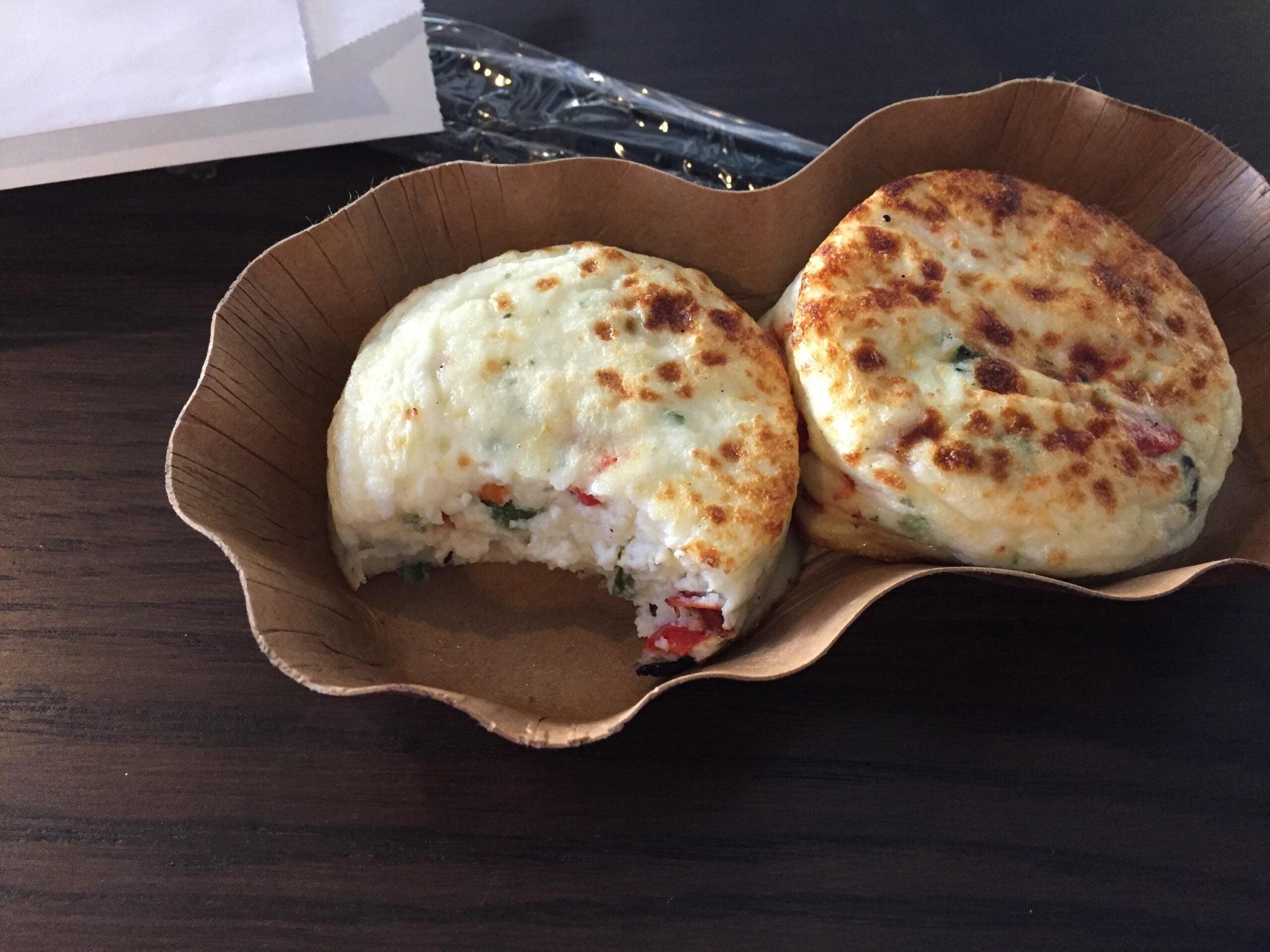
Breakfast offerings at fast-food chains in the United States once revolved around biscuits, muffins, pancakes, and sandwiches. The introduction of sous-vide egg bites helped broaden the range of convenient breakfast options on fast-food menus. This format offered customers a portable alternative to traditional breakfast items, and Starbucks introduced its egg bites in January 2017.
Fruit-Based Refreshers and Coffeehouse Energy Drinks
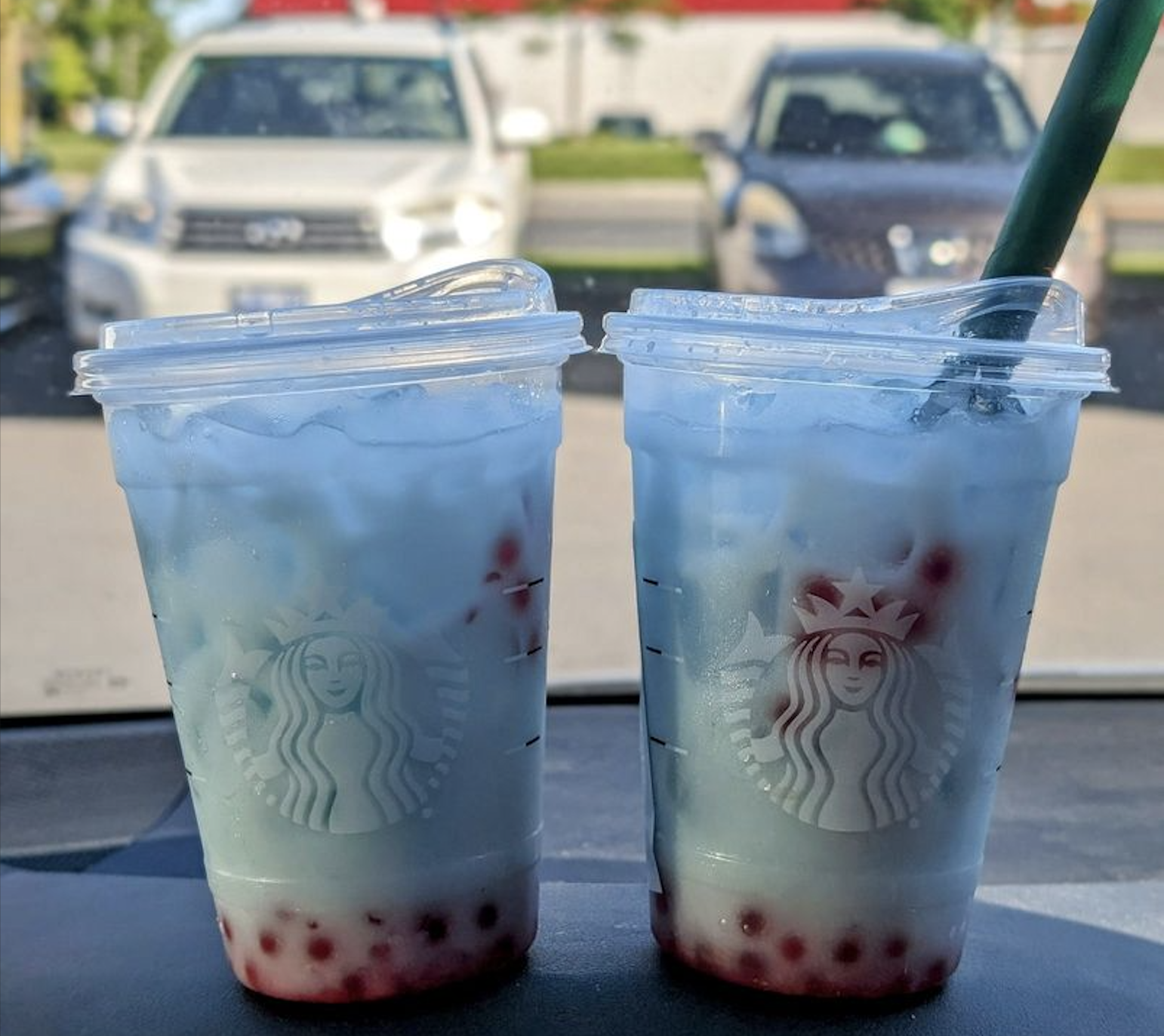
In 2012, Starbucks introduced its Refreshers, fruit-flavored beverages made with green coffee extract, as an alternative to the caffeinated options found in traditional coffee drinks. This innovation demonstrated how fast-food menus and coffeehouse beverage selections were expanding beyond fountain sodas, lemonade, milkshakes, and brewed coffee. Refreshers provided customers with another way to enjoy a caffeinated drink with a fruity flavor.
Trending on Cheapism

Fast-Food Avocado Toast
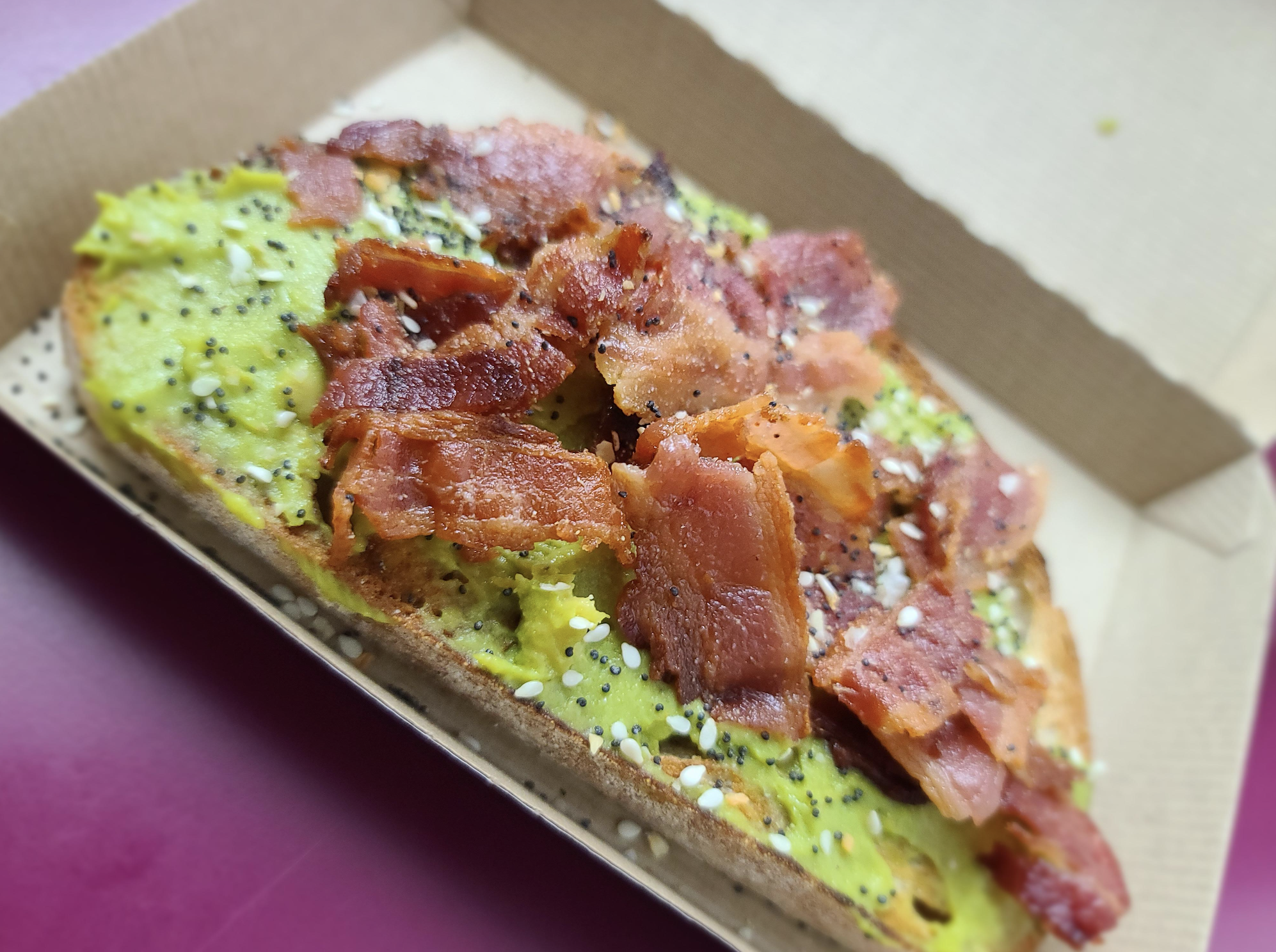
Avocado toast used to be associated with cafés and brunch spots, rather than drive-thru chains that serve coffee and doughnuts. That changed in February 2021, when Dunkin’ added avocado toast to its menu, with the option to top it with everything bagel seasoning. The addition showed how fast-food menus could expand beyond traditional offerings such as doughnuts, coffee, bagels, and breakfast sandwiches.
Keto, Paleo, and Other Diet-Specific Fast-Food Meals
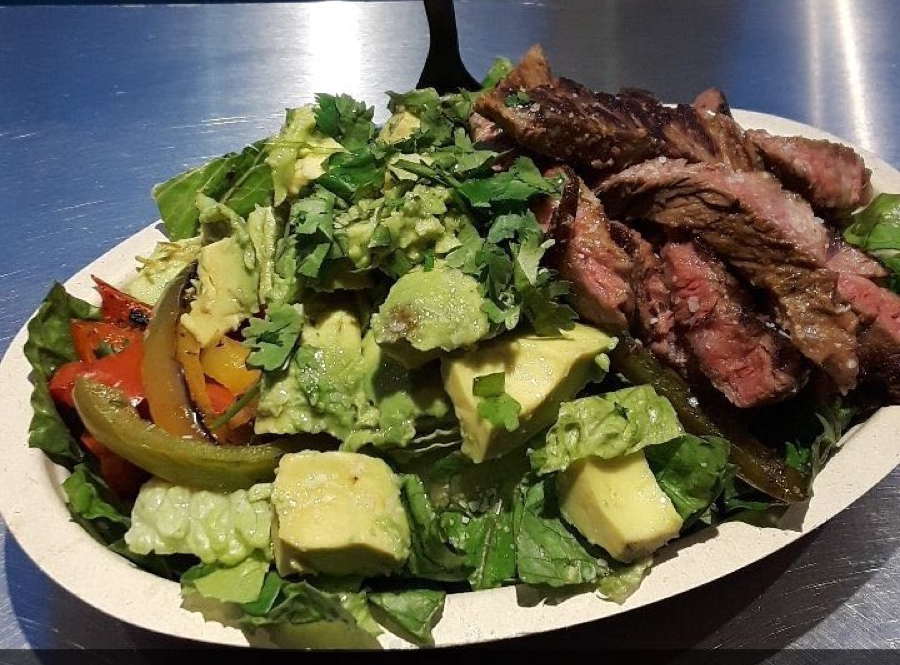
Vegetarian options, such as vegetarian meals and salads, have appeared on menus since before 2006. However, fast-food menus increasingly began accommodating specific eating plans, including keto, paleo, or Whole30, with Chipotle’s January 2019 launch of Lifestyle Bowls. That new menu offered customers a predetermined combination of ingredients, sparing them the need to construct their own diet-specific orders.
Seasoned Fries Served with Specialty Dipping Sauces
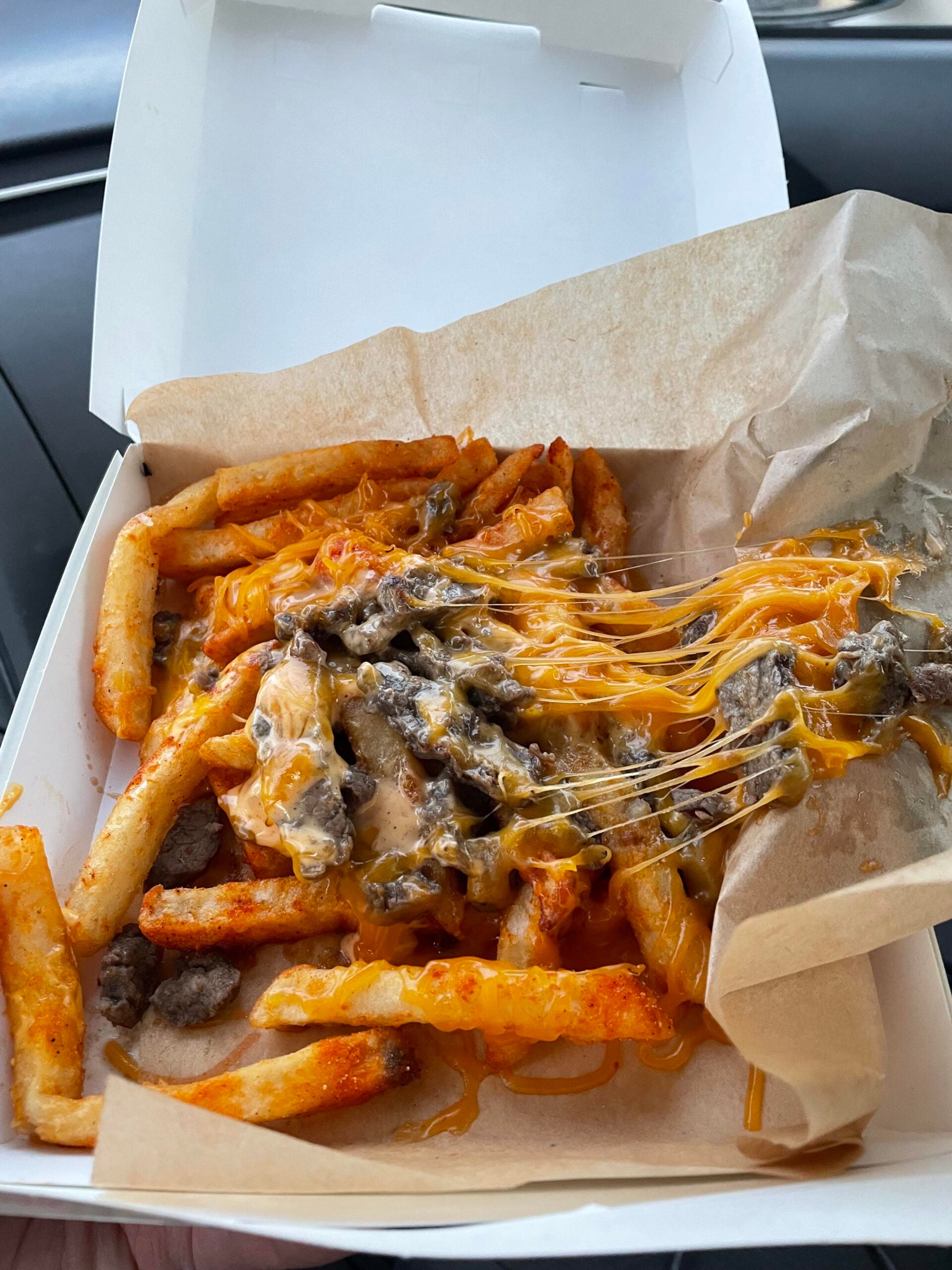
French fries have become a customizable menu item, ranging from being heavily seasoned to simply being served with ketchup or cheddar cheese. In January 2018, Taco Bell added the Nacho Fries to its menu, which consist of Mexican-spiced fries with warm nacho cheese sauce. The chain later developed variations featuring additional meats, sauces, and toppings.
Sign up for our newsletter
Breakfast Crunchwraps and Fast-Food Breakfast Tacos
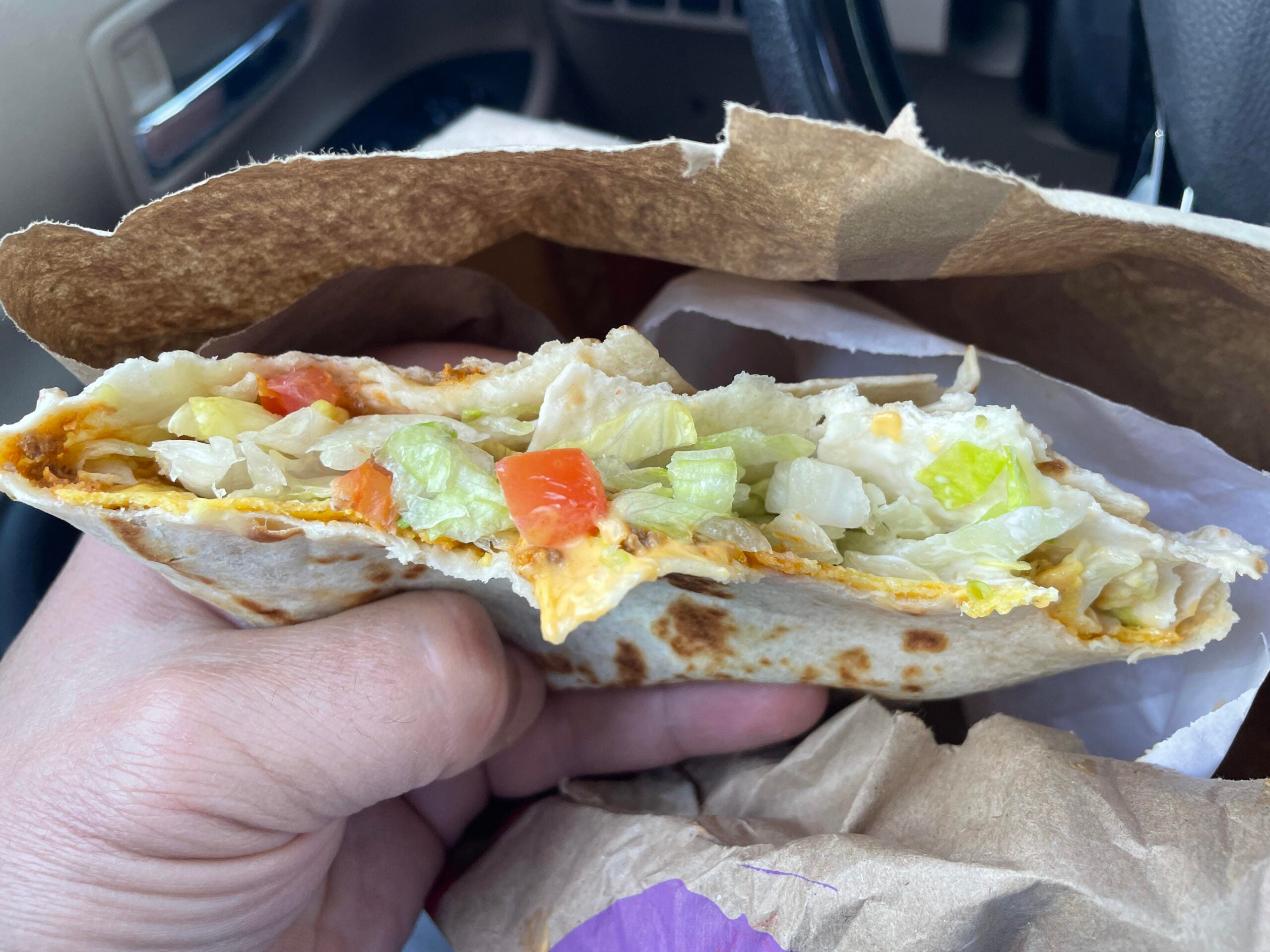
Taco Bell introduced unconventional breakfast items inspired by tacos and other familiar dishes such as burritos typically associated with lunch or diner. In March 2015, Taco Bell launched 13 menu items across the United States, including the Waffle Taco and the A.M. Crunchwrap. These additions helped make fast-food menus more varied throughout the day.
Cold Brew and Nitro-Style Coffee
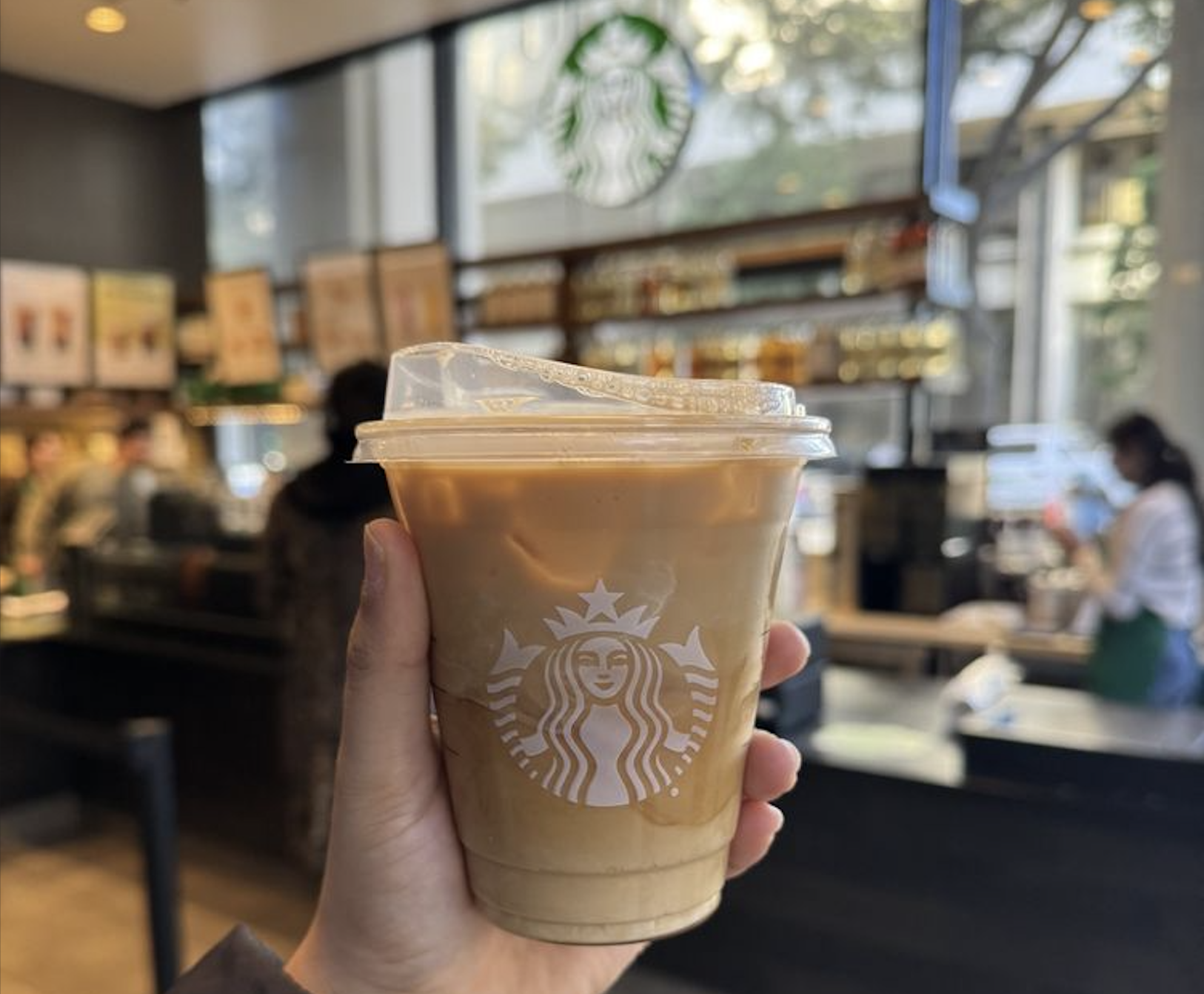
Ordering a standard iced coffee at a local fast-food spot was possible twenty years ago, but asking for a nitrogen-infused coffee would have been a completely different story. Starbucks expanded its cold-brew coffee offerings in 2014 in Seattle, helping bring the drink to a wider audience, and other chains, such as Dunkin’, subsequently adopted it. Cold brew differs from conventional iced coffee because it is made by steeping coffee grounds in cold water over an extended period.
Pub-Style Burgers with Pretzel Buns
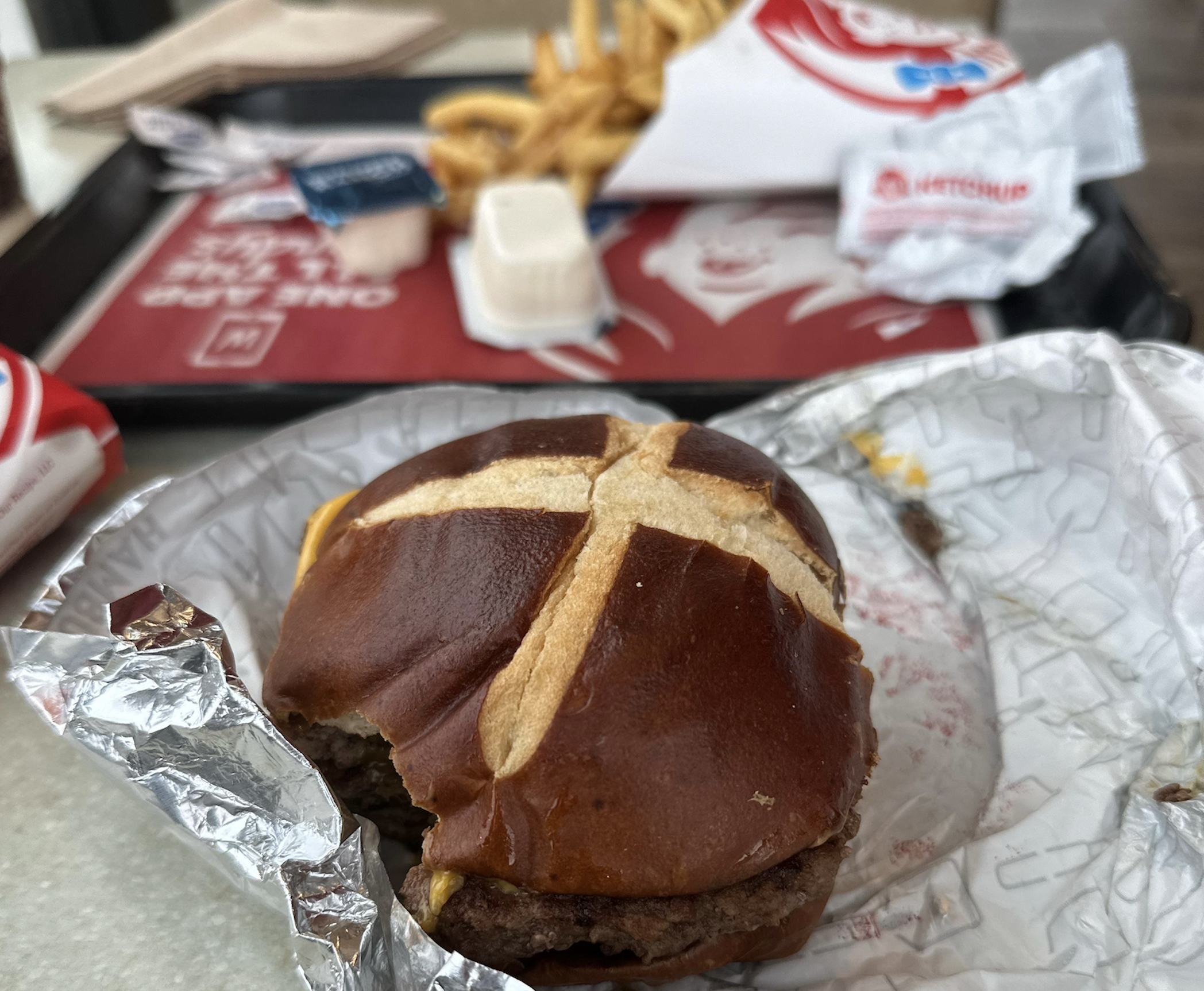
Wendy’s launched the Pretzel Bacon Cheeseburger in July 2013, a burger that featured a pretzel bun, bacon, and cheese, which became such a successful limited-time offering that the company brought it back years later. Prior to this, traditional fast-food burgers typically featured either plain buns or buns topped with sesame seeds.
App-Exclusive Meals and Digital-Only Menu Items
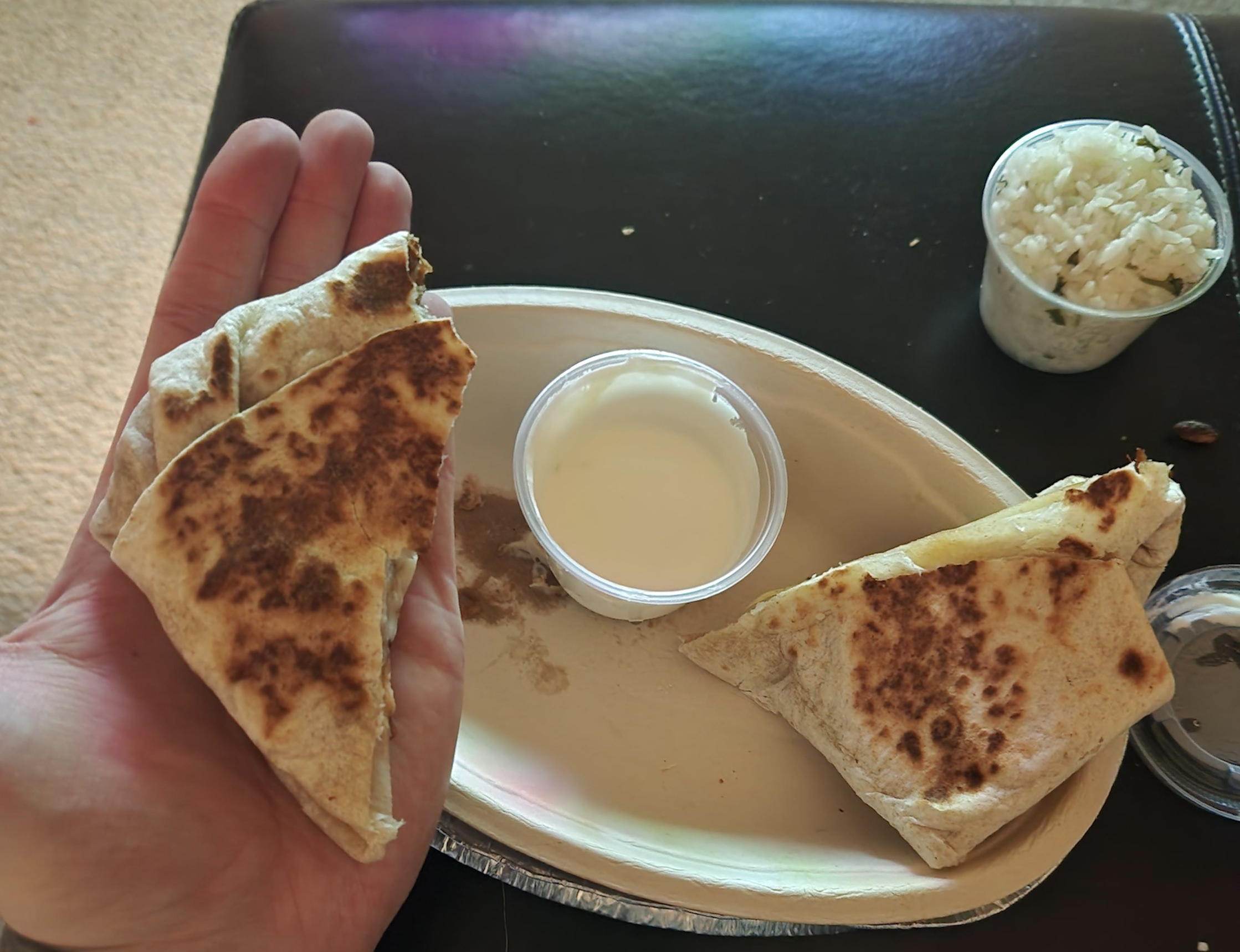
Technology has also made it possible for new food items to appear on menus by simplifying the display of digital menus within the apps of fast-food chains. Chipotle was one of the brands to expand its business through digital offerings. The quesadilla was available exclusively through Chipotle’s digital ordering channels when it launched in March 2021 as its first customizable, digital-only entrée.
Conclusion
New beverage categories, specialized breakfast offerings, plant-based alternatives, and other meal options have substantially expanded American fast-food menus since 2006. Coffeehouse culture, health-conscious consumer trends, and online ordering have reshaped how Americans choose, customize, and order fast food.