It’s easy to spend more than necessary when you’re visiting somewhere unfamiliar. From expensive sightseeing buses to overpriced souvenirs, some of the things tourists pay extra for have cheaper alternatives hiding in plain sight. Locals often know which public services, neighborhood businesses, and free attractions are worth using, while visitors may stick to whatever is most convenient. As New York City’s transportation department demonstrates with its free Staten Island Ferry, a memorable experience doesn’t always need an expensive ticket. Here are 12 travel expenses worth reconsidering.
Sightseeing Cruises When Public Ferries Offer the Same Views
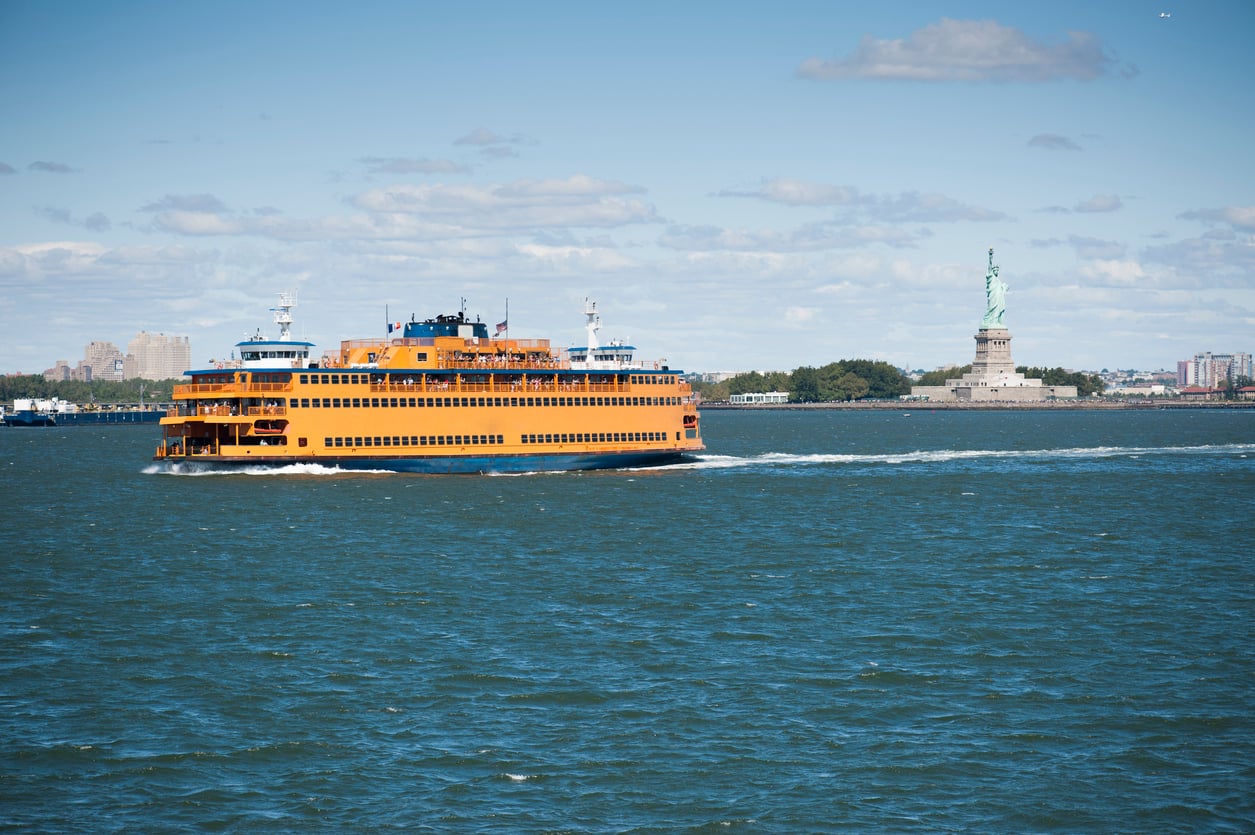
Plenty of visitors pay for boat tours around New York Harbor without realizing that the Staten Island Ferry offers impressive views completely free. The 25-minute crossing between Lower Manhattan and Staten Island passes through the harbor, with views of the Statue of Liberty and Manhattan skyline. Locals use the ferry for everyday transportation, but visitors can enjoy the scenery just as easily. You’ll miss the guided commentary and closer approaches offered by some paid cruises, but the savings are hard to argue with.
Bottled Water When Tap Water Is Free
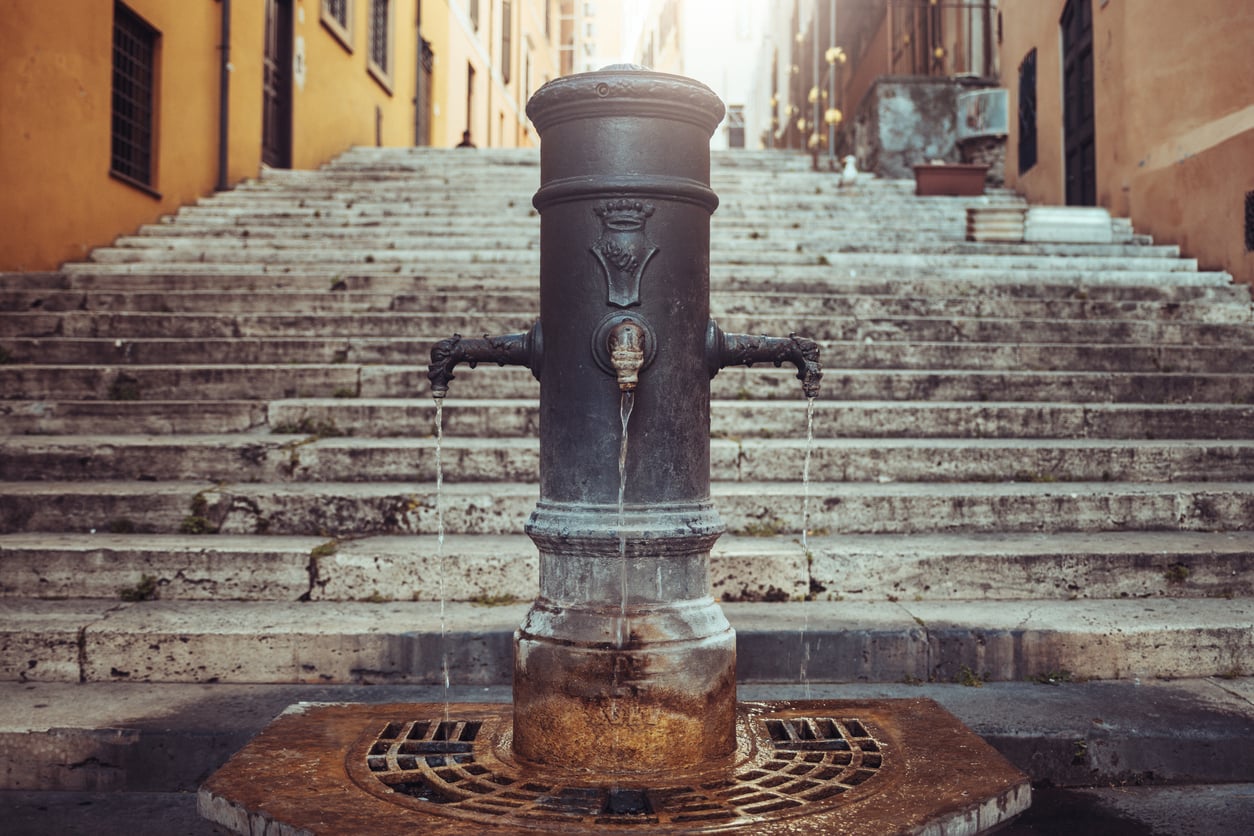
Ordering bottled water at every restaurant can become an expensive habit, especially when traveling through Europe. In France, restaurants are required to provide free drinking water to customers who request it. Simply ask for “une carafe d’eau” instead of ordering bottled mineral water. Rome offers another opportunity to save, with public drinking fountains called nasoni scattered throughout the city. Carrying a refillable bottle can eliminate several small purchases each day. Just remember that tap water isn’t safe everywhere, so check local guidance before drinking.
Hop-On, Hop-Off Buses Instead of Public Transportation
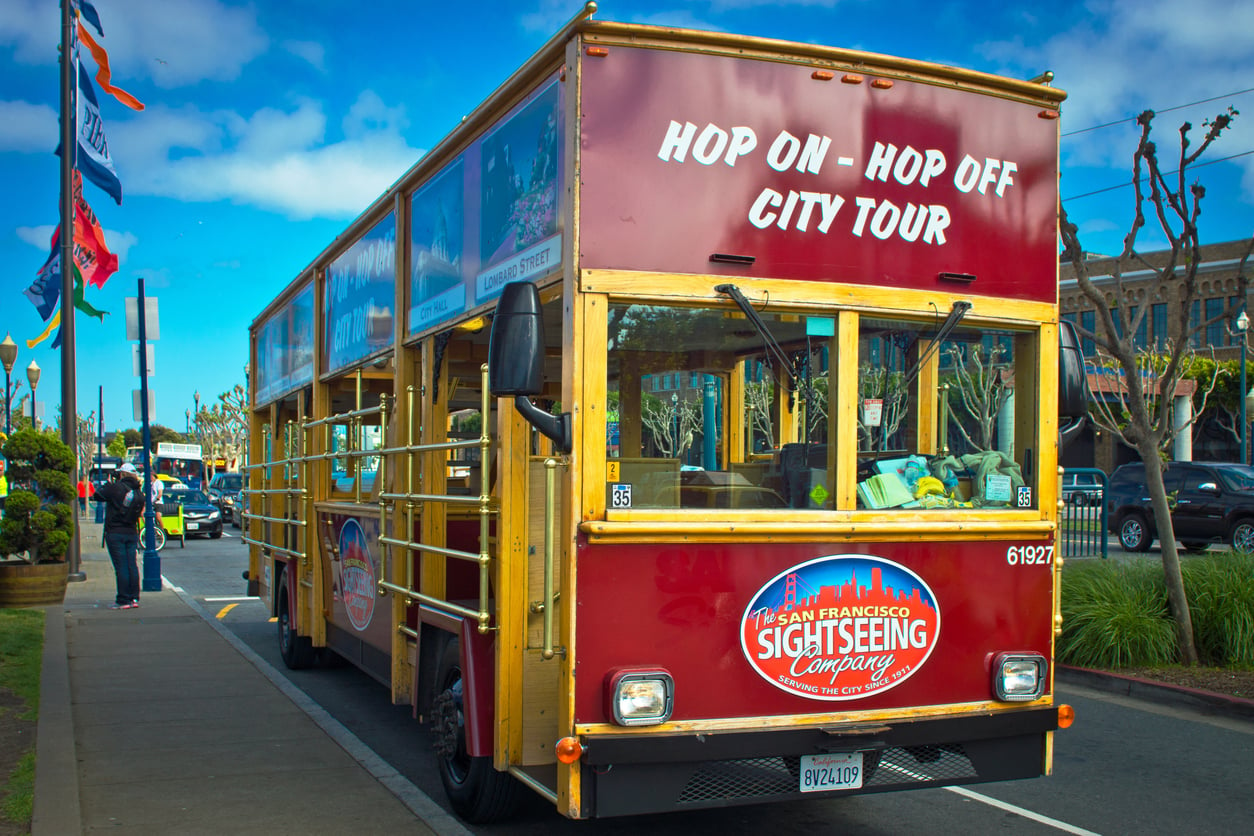
Those bright sightseeing buses are convenient, but they aren’t always necessary for getting around. In Rome, an ordinary public transportation ticket costs €1.50 and covers 100 minutes of travel, while a 24-hour pass costs €8.50. Buses, trams, and metro lines connect many popular attractions without the premium charged for tourist-focused services. Of course, regular transit doesn’t provide recorded commentary, and navigating unfamiliar routes takes some effort. If you’re comfortable reading a map, however, the savings can leave more money for something memorable.
Paid Museum Visits When Major Collections Are Free
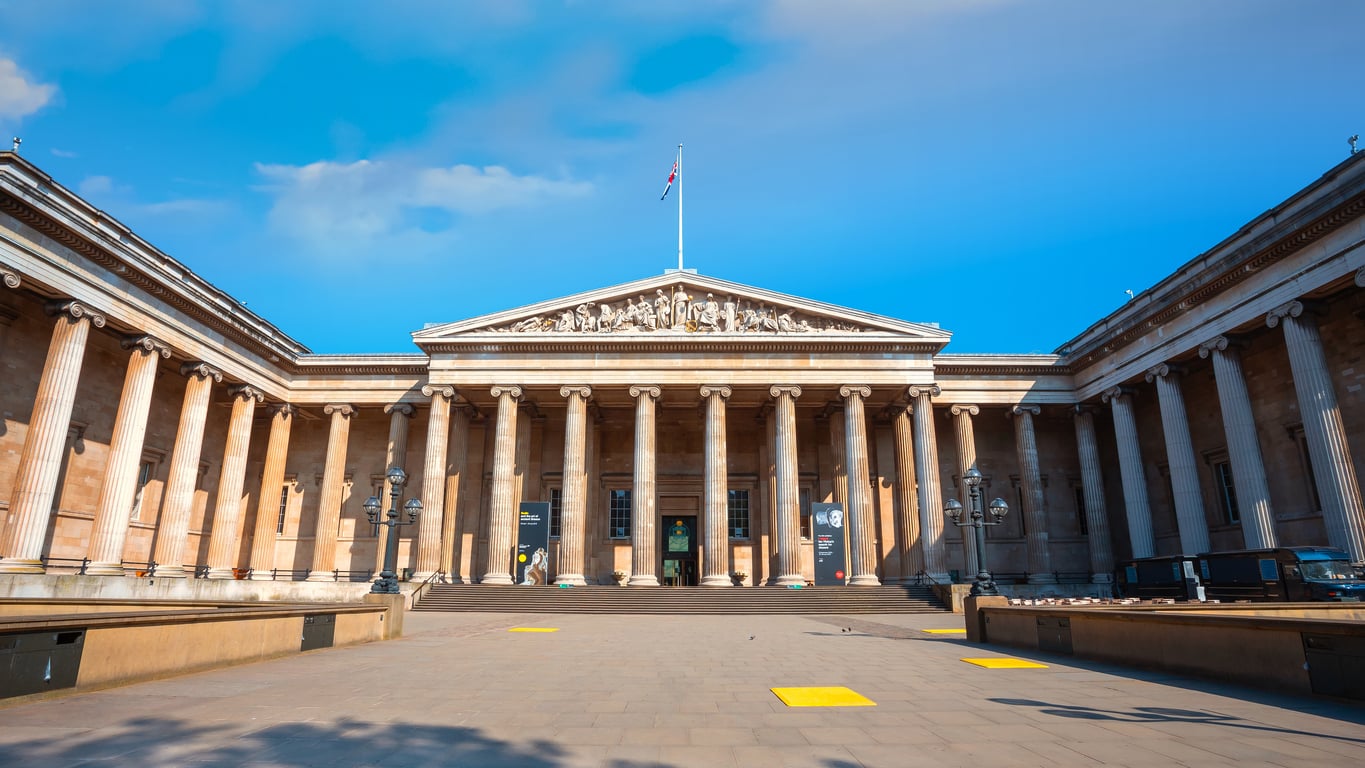
Some travelers assume that famous museums always require expensive tickets. London proves otherwise. The British Museum, National Gallery, Tate Modern, and Natural History Museum offer free access to their main collections, making it possible to spend several days exploring art, history, and science without paying admission. Special exhibitions may cost extra, and some museums recommend reserving a free entry slot during busy periods. Before buying multiple attraction tickets, check which permanent collections are already open to everyone. You might discover that your favorite afternoon costs nothing.
Airport Taxis When Public Transportation Is Available

After a long flight, the taxi stand can look awfully tempting. But a private airport transfer isn’t always the smartest use of your vacation budget. At New York’s JFK Airport, the AirTrain connects terminals with subway and Long Island Rail Road stations, giving travelers alternatives to an expensive car ride into the city. Public transportation can be particularly economical when traveling alone or as a couple. Still, heavy luggage, mobility concerns, late arrivals, and hotel locations matter. Compare the complete journey before automatically choosing the taxi.
Trending on Cheapism


Observation Deck Tickets When Free Viewpoints Exist
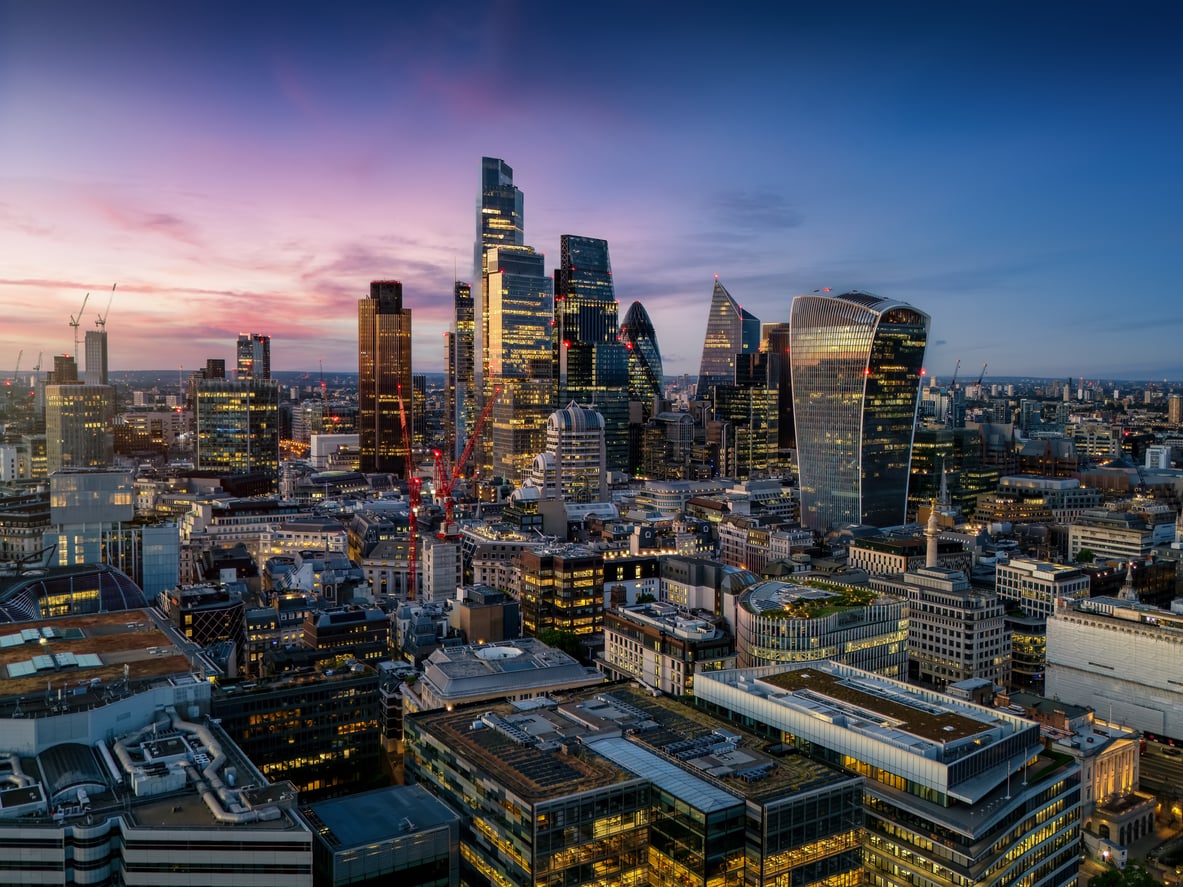
Paying to see a city from above can be worthwhile, but sometimes the scenery is just as enjoyable from a free public viewpoint. London’s parks, bridges, and waterfront walkways offer impressive skyline views without an admission fee. Visitors can also look for free viewing areas at cultural attractions, although access and opening hours sometimes change. A paid observation deck may offer a higher vantage point, elevators, or an uninterrupted panorama. Before spending money on tickets, check whether a nearby public space delivers the view you’re hoping for.
Restaurants Right Beside Major Tourist Attractions
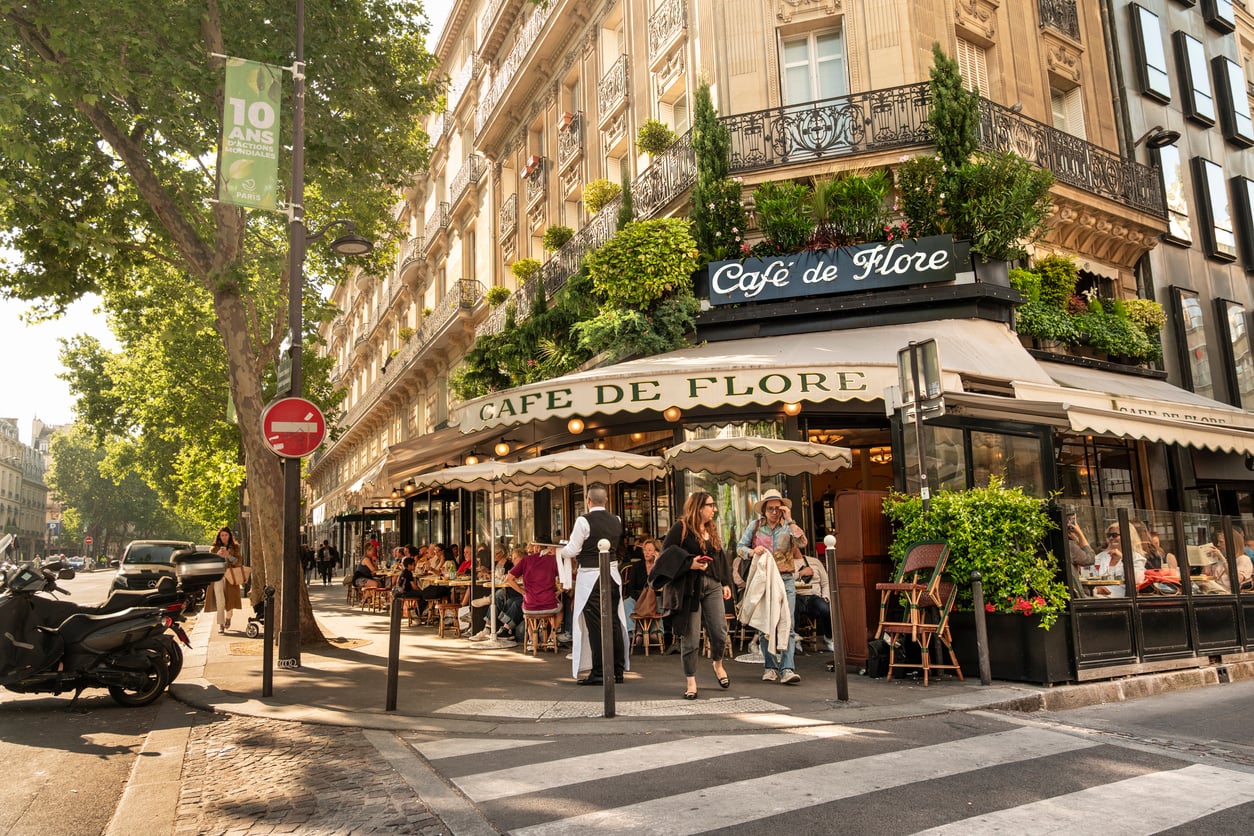
That restaurant overlooking a famous landmark might have a wonderful view, but you’re often paying for the location as much as the meal. Restaurants along heavily visited squares and streets can cater to travelers looking for convenience rather than repeat customers. Walking a few blocks away may reveal neighborhood cafés, bakeries, or lunch spots with more appealing prices. That doesn’t mean every tourist-area restaurant is overpriced or every local favorite is inexpensive. Check posted menus, recent reviews, and portion sizes before deciding where to eat.
Guided Tours When Free Audio Guides Are Available

A knowledgeable guide can bring history to life, but not every attraction requires paying someone to show you around. The Smithsonian American Art Museum in Washington, D.C., offers free audio guides and self-guided experiences that visitors can explore at their own pace. Some museums also provide complimentary docent-led tours, depending on availability. Before booking an outside tour, check the attraction’s website for included resources. You might get the background information you wanted without another ticket, although specialist guides can still provide a more personal experience.
Sign up for our newsletter
Paying in Dollars Instead of the Local Currency

When a card terminal overseas asks whether you’d rather pay in dollars or the local currency, the familiar option can feel safer. Unfortunately, that convenience may cost extra. The practice, known as dynamic currency conversion, allows a merchant or ATM provider to apply its own exchange rate and possible markup. Visa explains that customers should be shown the conversion details before agreeing. Choosing the local currency often works out better, although your bank may still charge foreign transaction fees. Check your card’s terms before traveling.
Attraction Passes That Include Too Many Stops
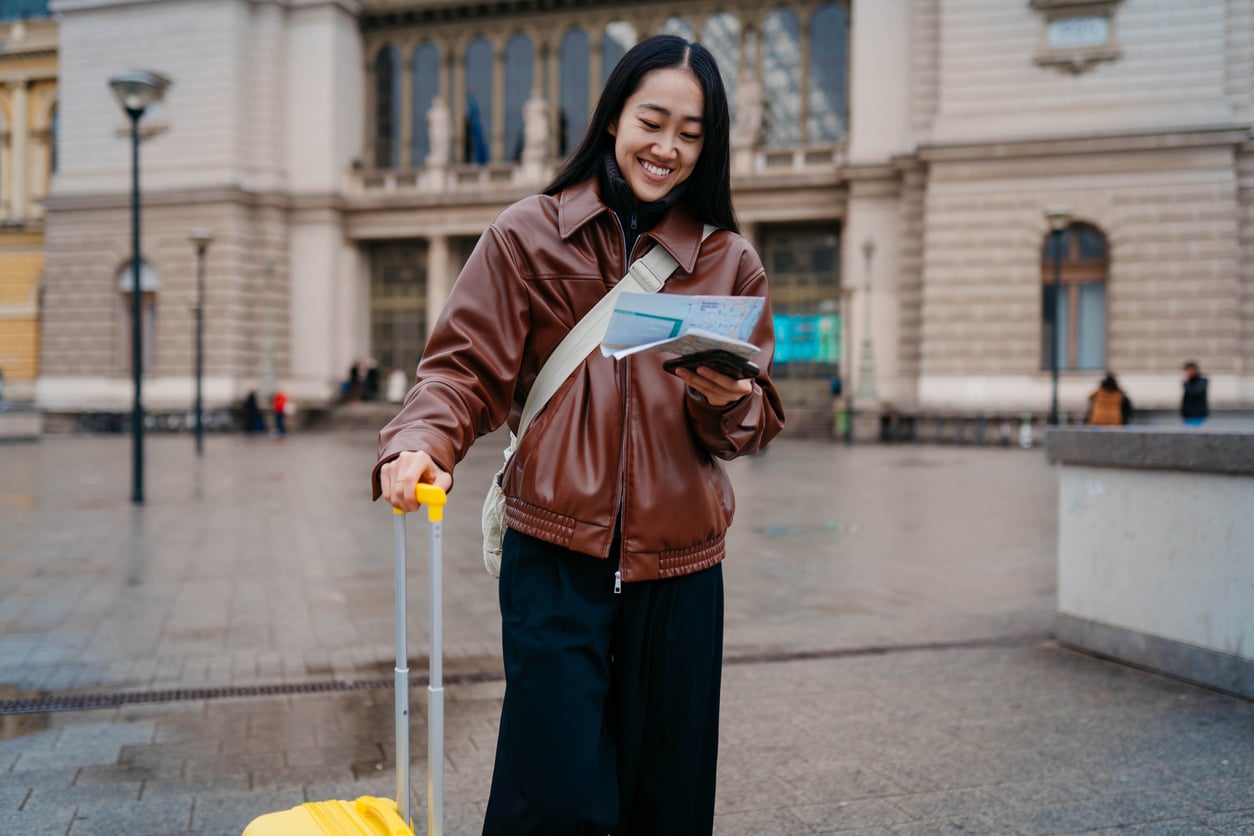
A sightseeing pass promising admission to dozens of attractions can look like a bargain until you realize how little time you actually have. Visitors sometimes pay upfront for more museums, tours, and activities than they can comfortably fit into a vacation. Residents, meanwhile, can spread their outings over months rather than squeezing everything into a weekend. Before purchasing a pass, list the attractions you genuinely want to visit and add up their individual admission prices. Also check reservation requirements, expiration dates, and whether the pass includes transportation.
Souvenirs From Shops Beside Famous Landmarks
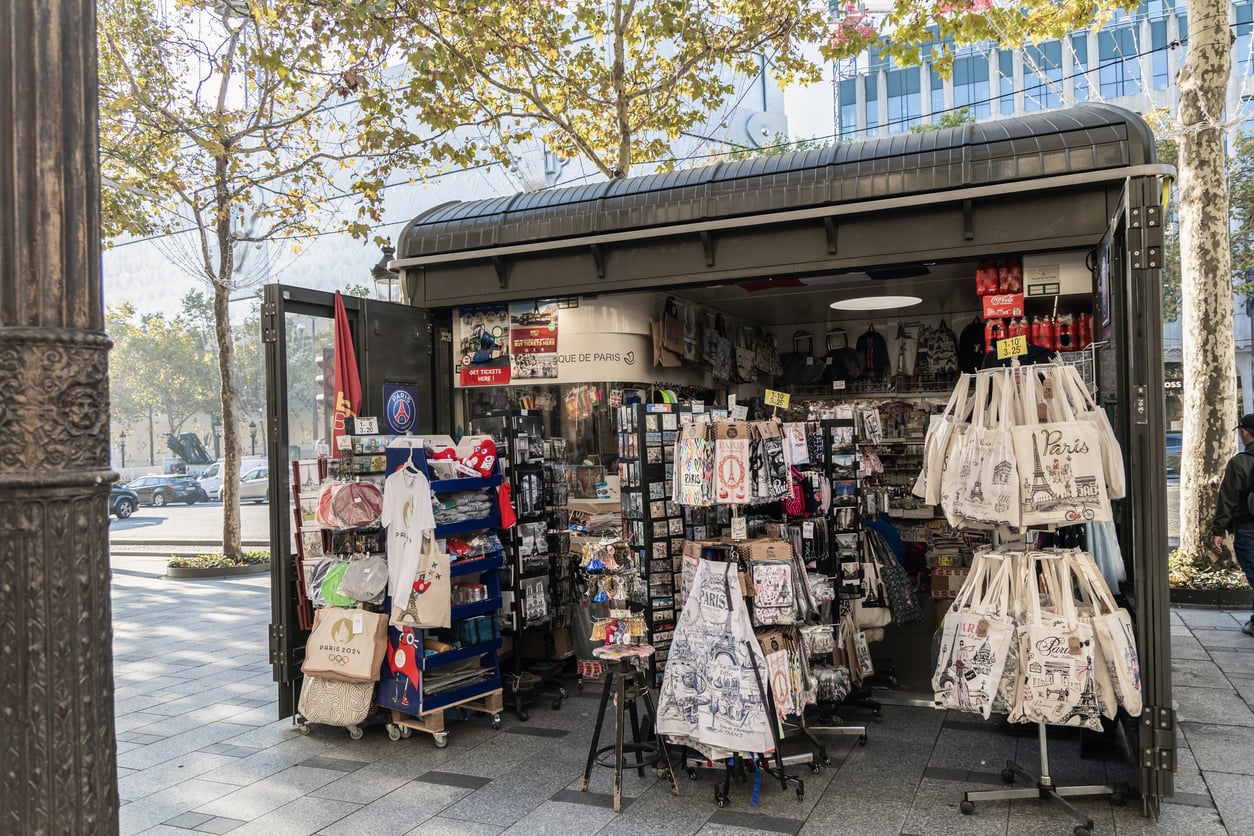
It’s tempting to grab a miniature Eiffel Tower, a Statue of Liberty keychain, or a refrigerator magnet from the first souvenir shop you see. Unfortunately, convenience can come with a markup, particularly around heavily visited attractions. Similar items may be available elsewhere, although quality and authenticity can vary considerably. Neighborhood markets and independent shops can also offer more distinctive gifts than mass-produced trinkets. Compare prices before buying, and consider locally made products if your budget allows. Sometimes a small, useful purchase makes a better keepsake.
Private Excursions Through Parks You Can Explore Yourself
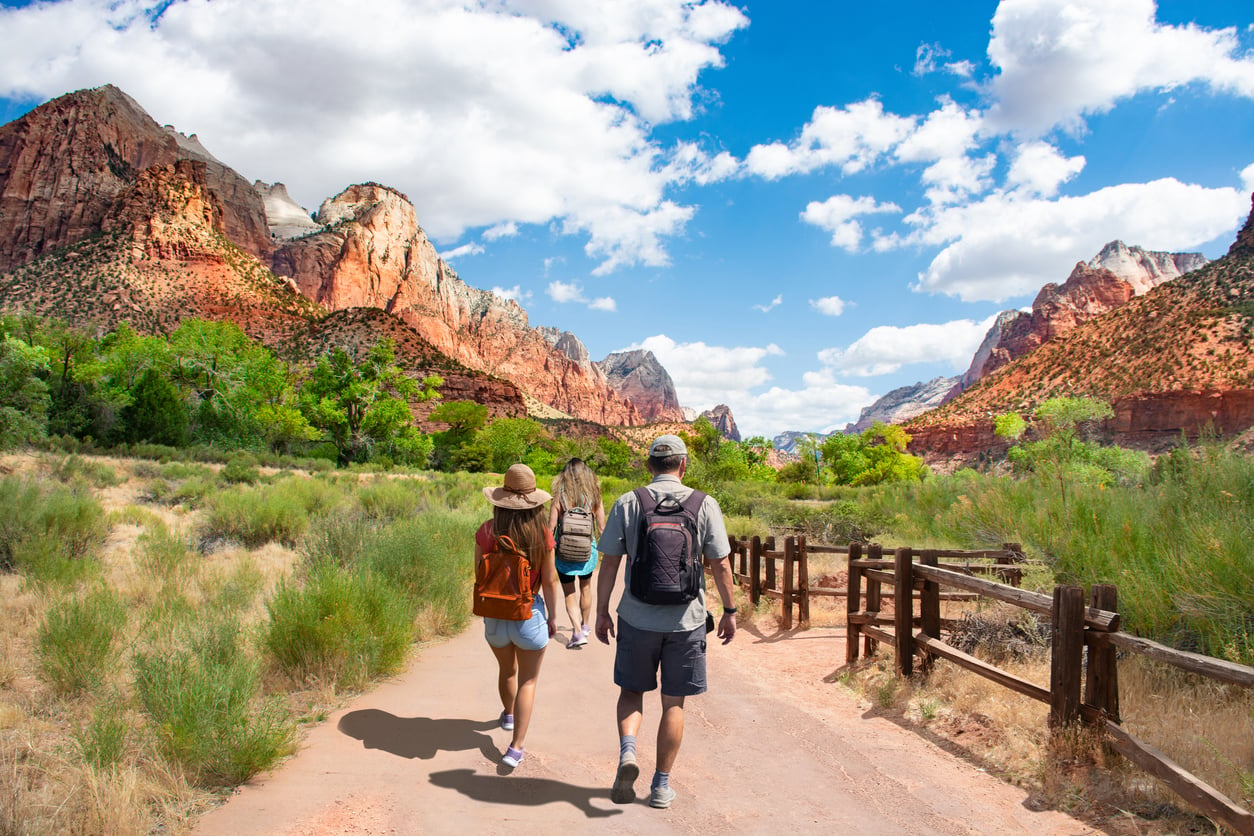
Booking a private excursion through a national park can be convenient, but many scenic routes and marked trails are accessible without a guide. Parks Canada, for example, provides free digital resources that help visitors explore participating parks and historic sites independently. Travelers can often enjoy viewpoints, short walks, and interpretive stops at their own pace, although regular park admission or parking fees may still apply. Guided outings remain worthwhile for specialized activities, challenging terrain, or travelers who prefer assistance. Check official park resources before paying for a tour you could comfortably do yourself.