Cruising has come a long way from the days of assigned dinner tables, formal evenings, and elaborate midnight buffets. Today’s ships offer everything from water parks to smartphone apps, but more choices don’t always mean a better vacation. As longtime passengers have shared with Cruise Critic, some changes are welcome while others leave travelers missing the old days. Here are six ways cruises have improved and six ways the experience has become less appealing.
Better: Cruise Ships Offer More Entertainment Than Ever
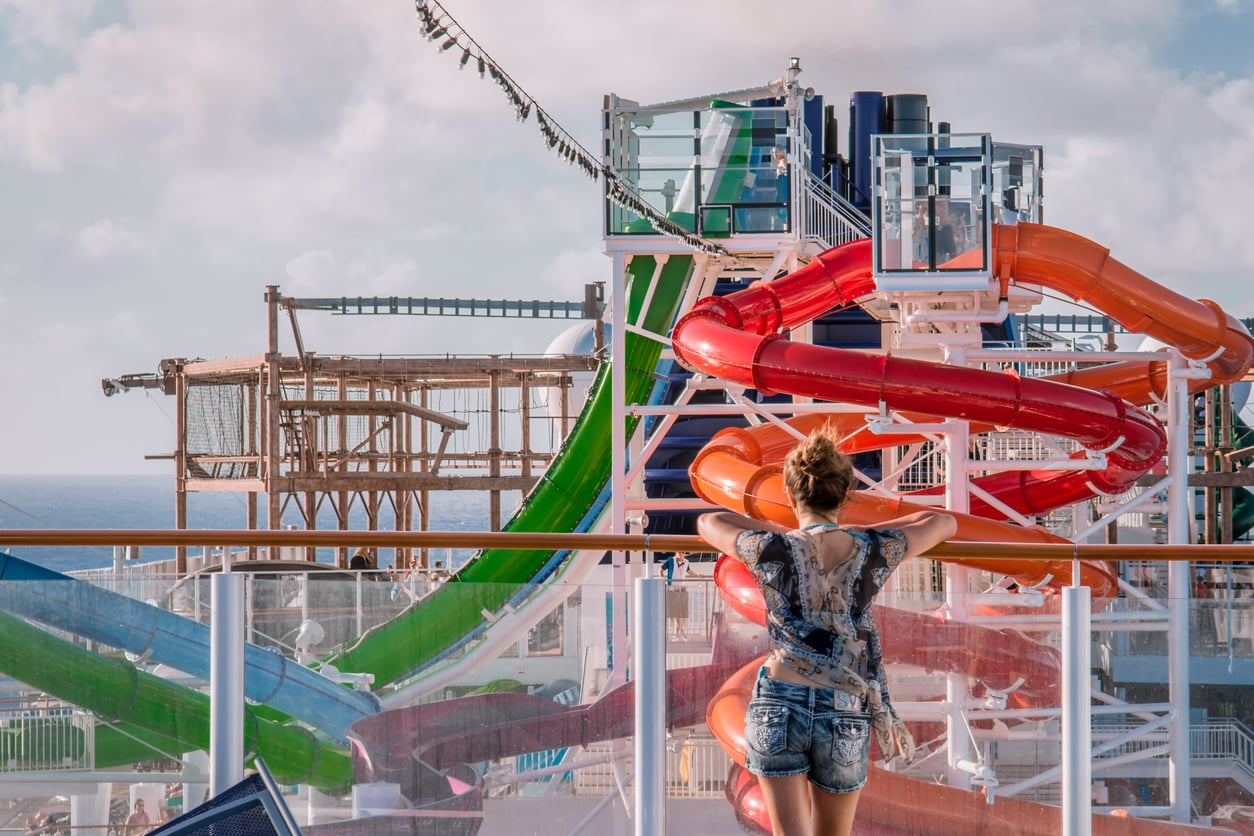
Remember when a cruise ship’s evening entertainment meant a lounge singer, a live band, or a variety show? Those options still exist, but modern ships have added water parks, Broadway-style productions, ice-skating performances, and even surf simulators. Royal Caribbean offers professional ice shows and elaborate diving performances on select vessels, giving families plenty to do between ports. Many shows are included in the fare, although popular performances may require reservations. The tradeoff is that larger ships can feel more like busy amusement parks than peaceful ocean getaways.
Better: Cruise Cabins Come With More Comforts and Choices
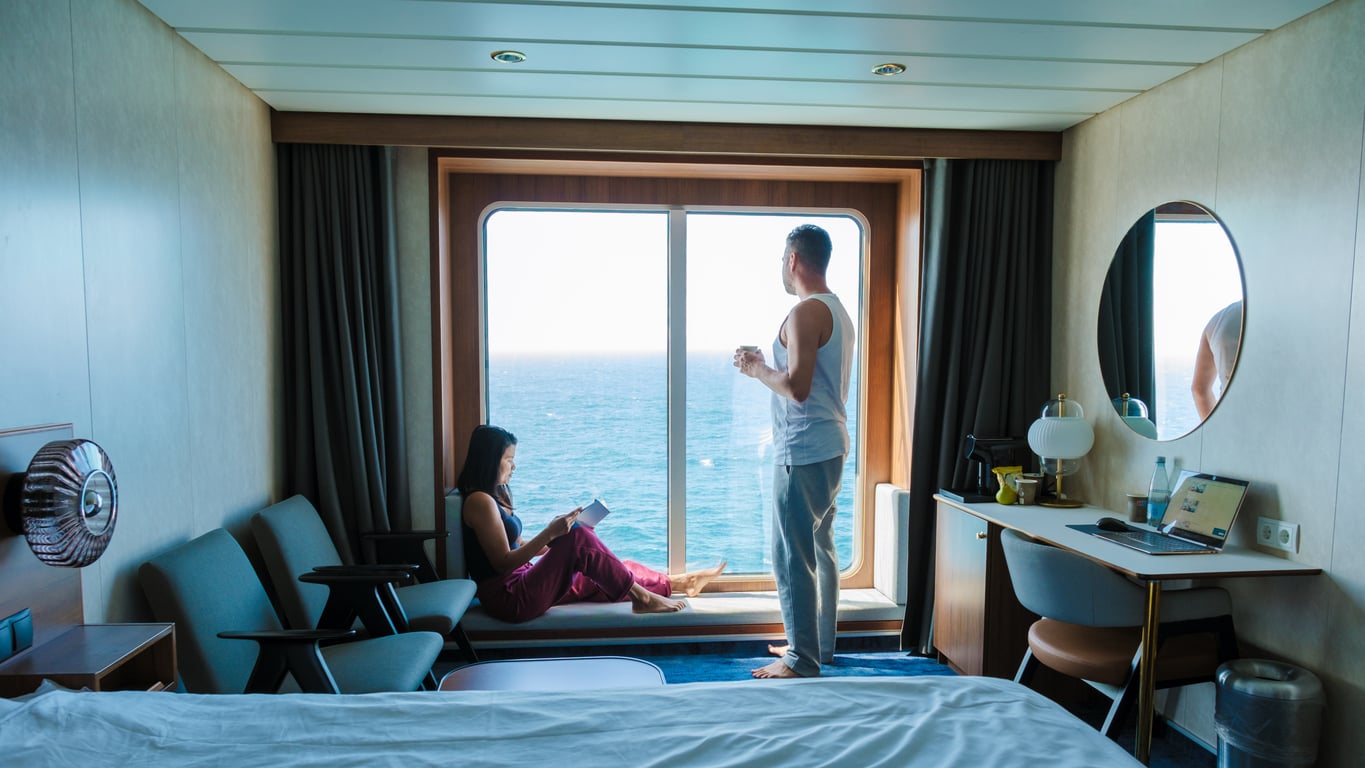
Cruise cabins used to be fairly basic, and private balconies were uncommon outside expensive accommodations. Today, travelers can choose from interior rooms, ocean-view cabins, balconies, and elaborate suites. Modern staterooms may also feature flat-screen televisions, USB charging ports, improved bathrooms, and adjustable climate controls. Having more options makes it easier to match a cabin to your budget and preferences. Still, newer doesn’t always mean spacious, and older ships may lack some of the conveniences passengers have come to expect.
Better: Flexible Dining Makes Mealtimes Less Complicated
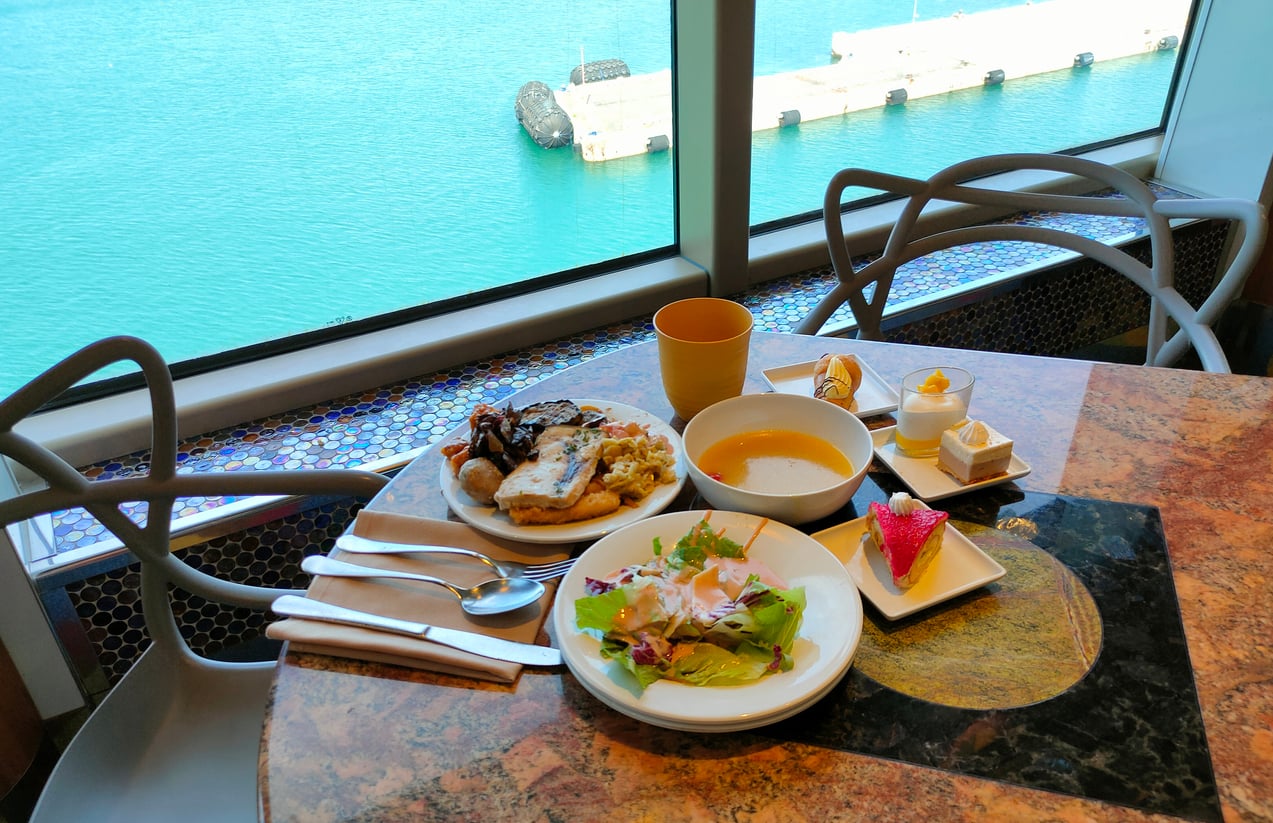
For years, cruise passengers were expected to show up for dinner at an assigned time and sit at the same table every evening. Today, many cruise lines let guests choose when and where to eat, whether that means a traditional dining room, a casual buffet, or a quick bite between activities. Royal Caribbean’s My Time Dining is one example of this flexibility. It’s especially convenient for families and travelers returning late from excursions. However, popular dining times can fill up, so making reservations is still worthwhile.
Better: Cruise Apps Make Planning Easier

Remember carrying a printed daily schedule around the ship to keep track of activities? Today’s cruise apps can put restaurant reservations, entertainment schedules, shore excursions, and onboard account information in one place. Royal Caribbean’s app even allows passengers to book certain activities before boarding. That can save time and reduce trips to guest services, especially on enormous ships. The downside is that some travelers don’t want to spend their vacation staring at a phone, and internet access for browsing or streaming may still cost extra.
Better: There Are More Destinations and Cruise Styles to Choose From

Cruising once centered heavily on familiar routes through the Caribbean, Alaska, and the Mediterranean. Those destinations remain popular, but travelers can now choose expedition voyages to Antarctica, wildlife-focused cruises around the Galapagos Islands, and specialized trips through remote regions of Asia. There are also more options for shorter getaways and themed sailings. This variety makes cruising appealing to travelers with very different interests. Just remember that expedition cruises can be considerably more expensive, and some excursions require greater mobility or physical effort.
Trending on Cheapism
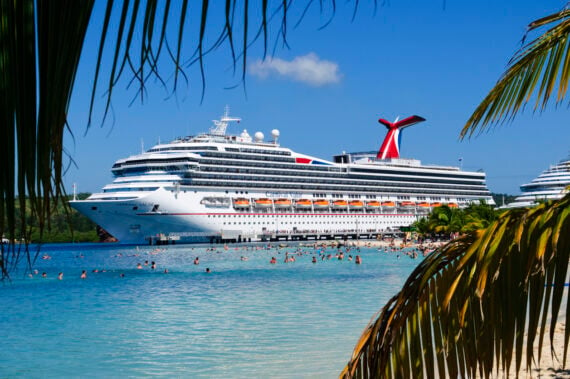

Better: Modern Cruises Have More Advanced Safety Systems
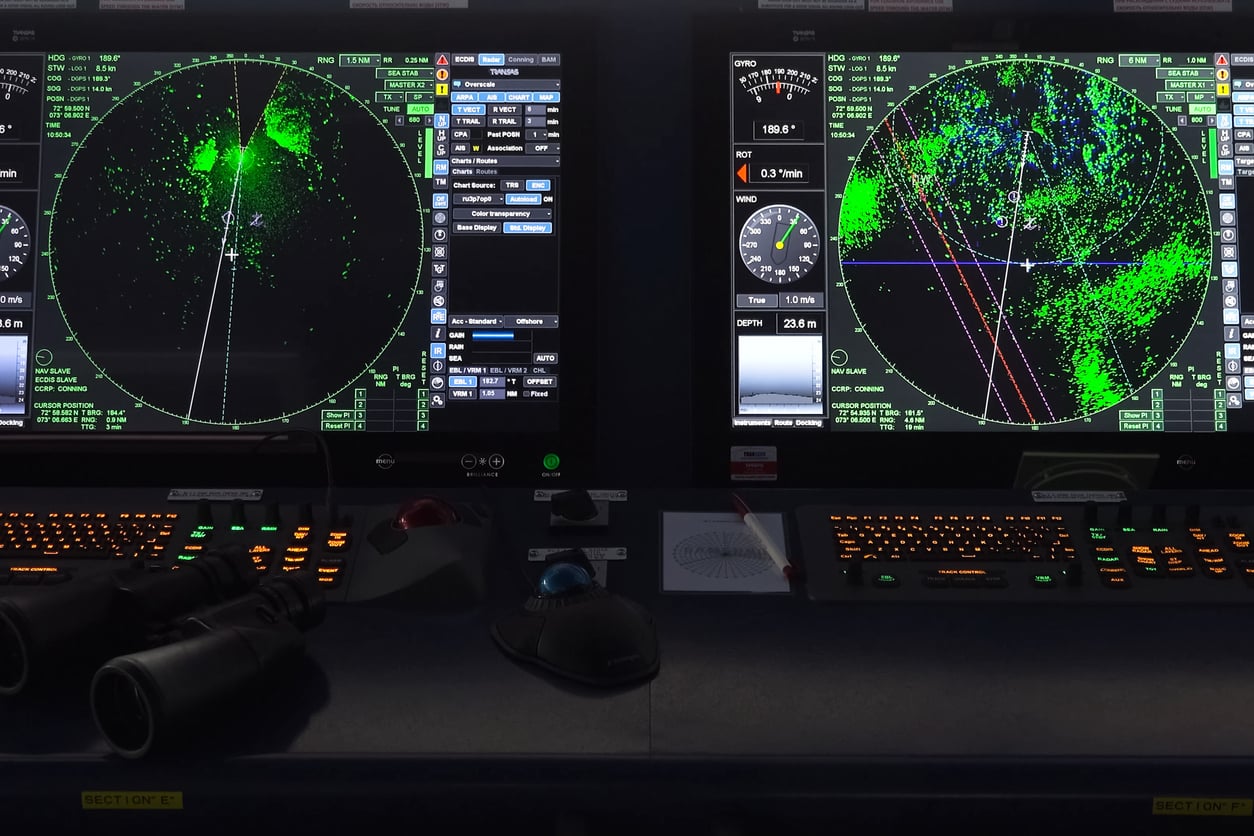
Cruise ships have made significant technological progress in navigation, emergency procedures, and onboard safety equipment. Modern passenger vessels operate under international safety requirements that have evolved over decades, including rules covering fire protection, evacuation, and emergency operations. Many ships also have medical facilities and sophisticated wastewater treatment systems. These improvements offer passengers additional reassurance, particularly on longer voyages. However, no ship is completely risk-free, and onboard medical centers aren’t substitutes for full-service hospitals. Travelers with significant medical needs should check available facilities and insurance coverage before sailing.
Worse: More Cruise Experiences Come With Extra Charges
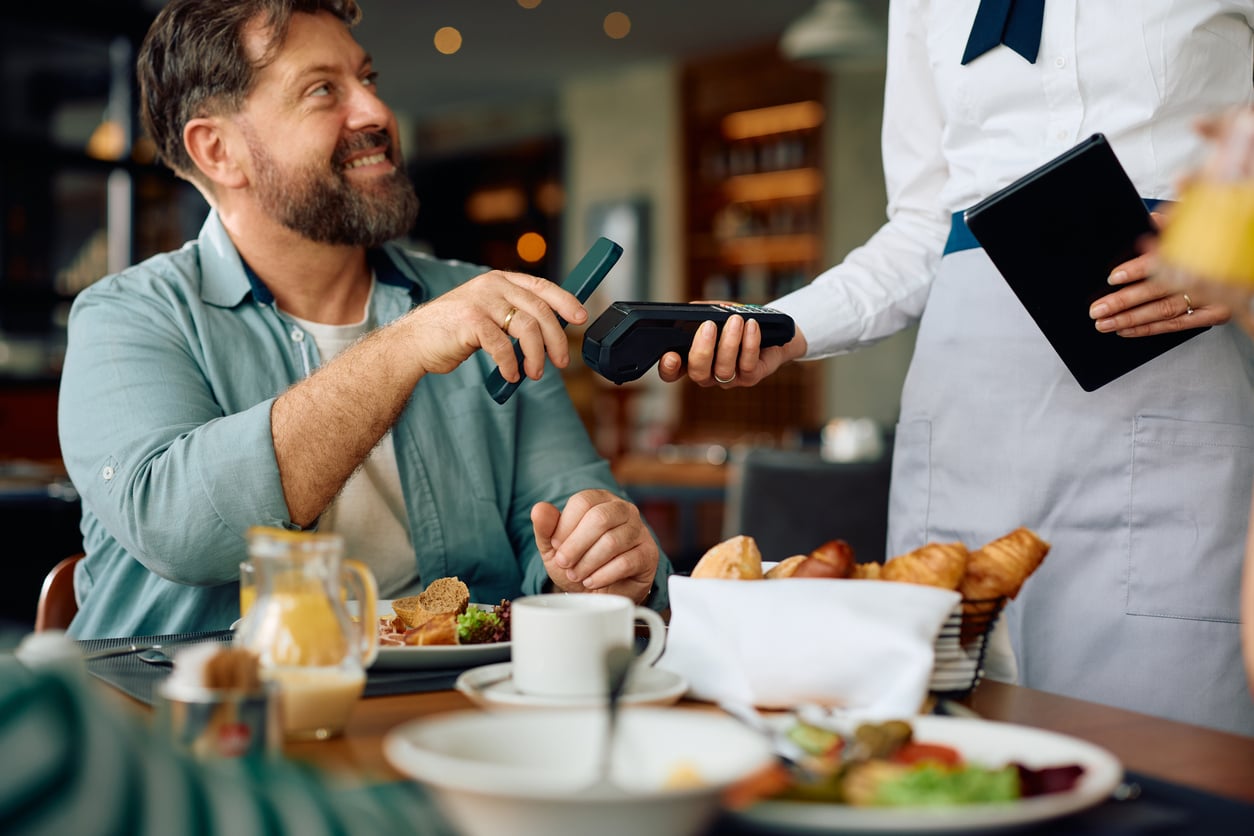
A cruise fare can look attractive until the additional purchases start adding up. Specialty restaurants, beverage packages, Wi-Fi, spa treatments, and certain activities may all cost extra, depending on the cruise line. These charges aren’t entirely new, but modern ships offer more ways to spend beyond the advertised fare. Some longtime cruisers miss when meals and entertainment felt more straightforward. Before booking, compare the total price of the vacation, including gratuities, transportation, and any extras you actually want, rather than focusing on the lowest advertised cabin rate.
Worse: Bigger Ships Can Mean Bigger Crowds
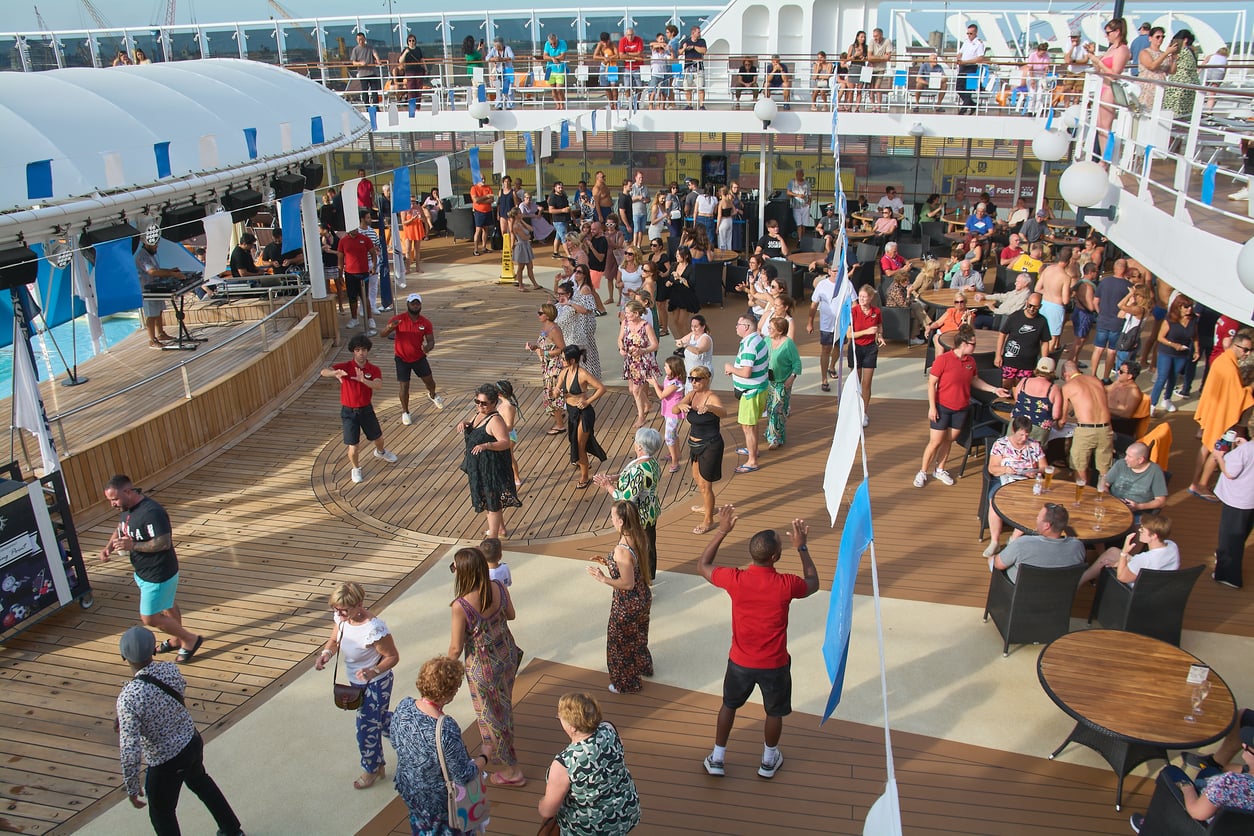
Modern megaships offer impressive facilities, but sharing them with thousands of passengers isn’t everyone’s idea of relaxation. Pool decks, elevators, buffets, and popular attractions can become crowded, particularly during school holidays or busy sea days. Some travelers enjoy the lively atmosphere, while others miss the quieter feeling of smaller ships. Bigger vessels also have more public spaces, so passenger capacity alone doesn’t tell the whole story. If peaceful mornings and uncrowded lounges matter to you, consider a smaller ship or an itinerary outside peak travel periods.
Sign up for our newsletter
Worse: Personalized Service Can Feel Less Consistent
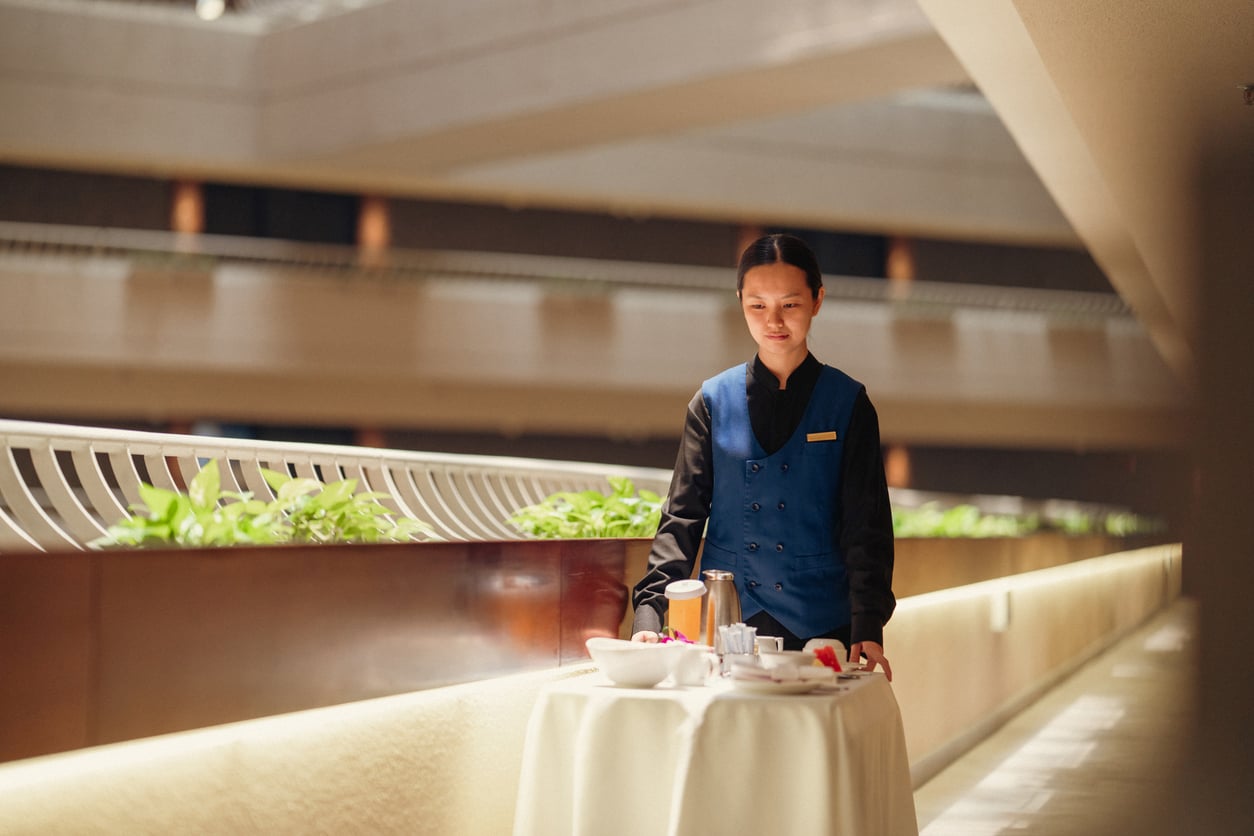
Longtime cruisers often remember dining room waiters who knew their favorite drinks and cabin stewards who quickly learned their routines. That personal attention hasn’t disappeared, but flexible dining schedules and larger passenger numbers can make it harder to develop the same relationships. Some passengers appreciate the freedom to dine wherever they like, while others miss seeing familiar staff every evening. Service quality still varies widely between ships and cruise lines. Choosing traditional dining or a smaller vessel may help recreate some of that old-fashioned hospitality.
Worse: The Grand Midnight Buffet Has Largely Disappeared
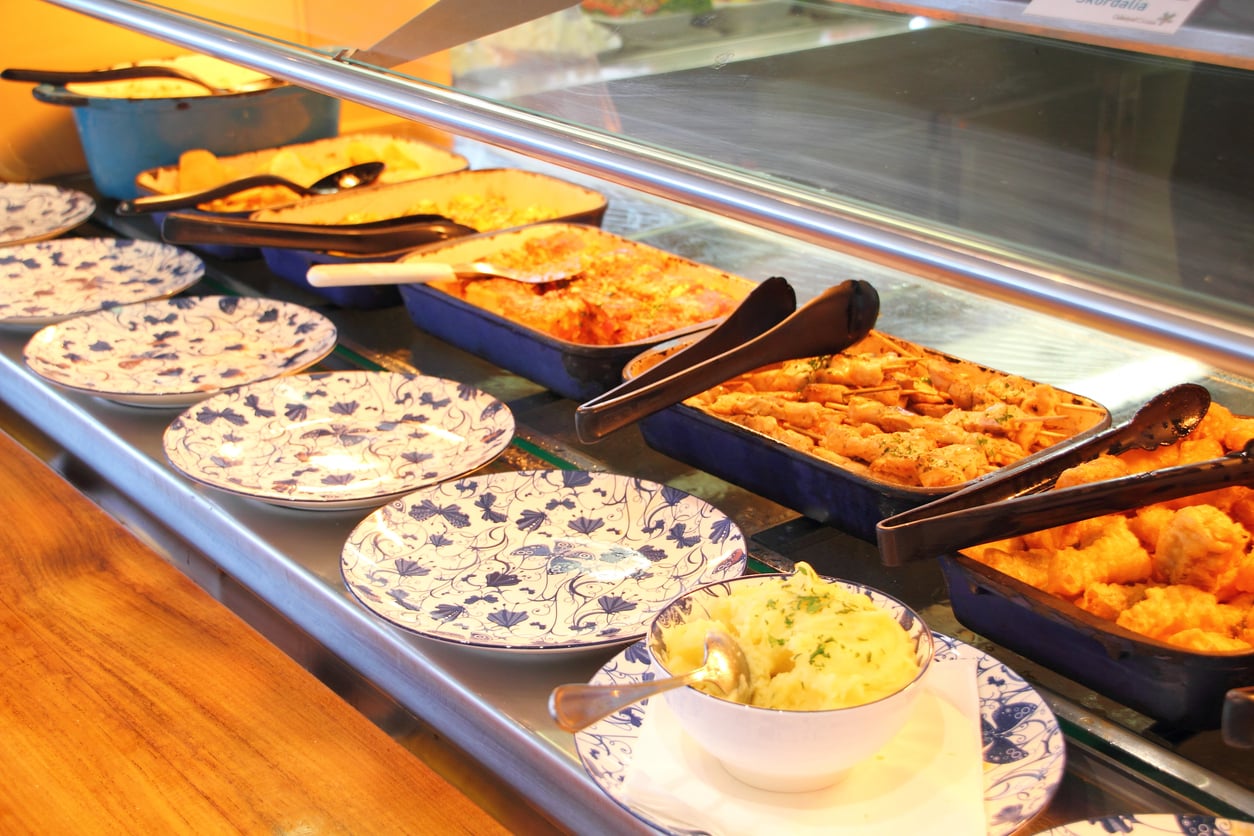
There was a time when the midnight buffet was practically an event of its own. Cruise passengers gathered to admire towering desserts, carved fruit, ice sculptures, and elaborate seafood displays before helping themselves to a late-night feast. Those extravagant spreads have mostly disappeared from mainstream cruising, replaced by pizza counters, snack venues, and longer dining hours. The newer approach is convenient and may avoid preparing food that goes uneaten. Still, longtime passengers who remember photographing those elaborate displays may feel that something special has been lost.
Worse: Popular Cruise Ports Can Feel Overrun
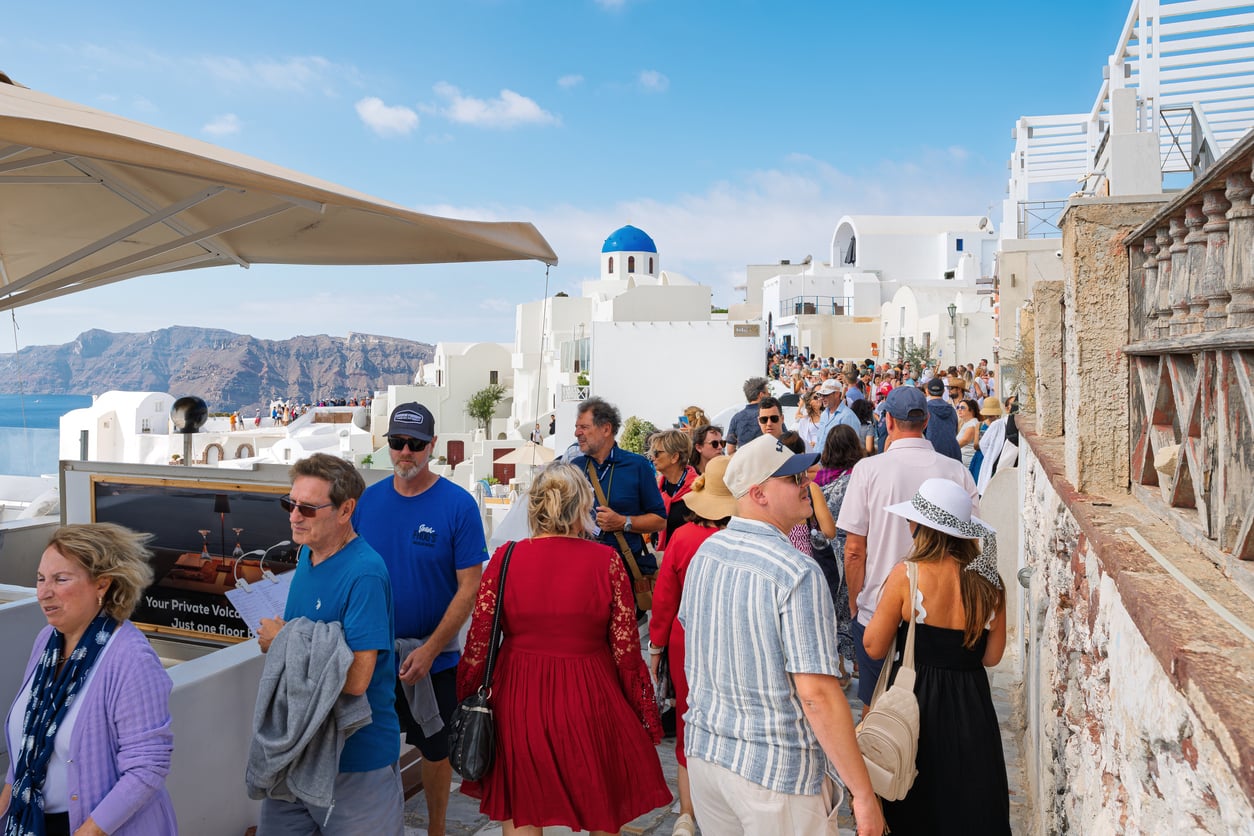
Stepping off a ship into a charming coastal town sounds relaxing until thousands of other visitors arrive at roughly the same time. Popular destinations can experience crowded streets, long lines, and packed sightseeing attractions when multiple cruise ships are in port. Santorini, Greece, has introduced a daily cruise passenger limit of 8,000 for 2026, reflecting concerns about visitor pressure. Travelers can sometimes avoid the worst congestion by exploring beyond the busiest landmarks or booking smaller excursions. Checking the port schedule before sailing can also help set expectations.
Worse: Onboard Sales Pitches Can Interrupt the Vacation

Modern cruise ships make it remarkably easy to spend money without ever leaving the vessel. Passengers may encounter promotions for spa treatments, specialty dining, beverage packages, professional photographs, and other upgrades. None of these purchases is necessarily a bad deal, but repeated offers can make a relaxing vacation feel a little too commercial. Some longtime cruisers miss a simpler atmosphere with fewer decisions about extras. Setting a spending budget before boarding and skipping upgrades you don’t genuinely want can help keep the focus on enjoying the trip.