Some cities have a signature dish that tourists seek out at one famous restaurant. Others seem determined to put theirs on menus all over town. Food traditions can become closely tied to local identity, something the Library of Congress explores through its extensive collections on American foodways. In these American food towns, specialties such as Buffalo wings, Cincinnati chili, hot chicken, and lobster rolls are easy to encounter again and again, making a taste test almost inevitable.
Louisville, Kentucky: The Hot Brown
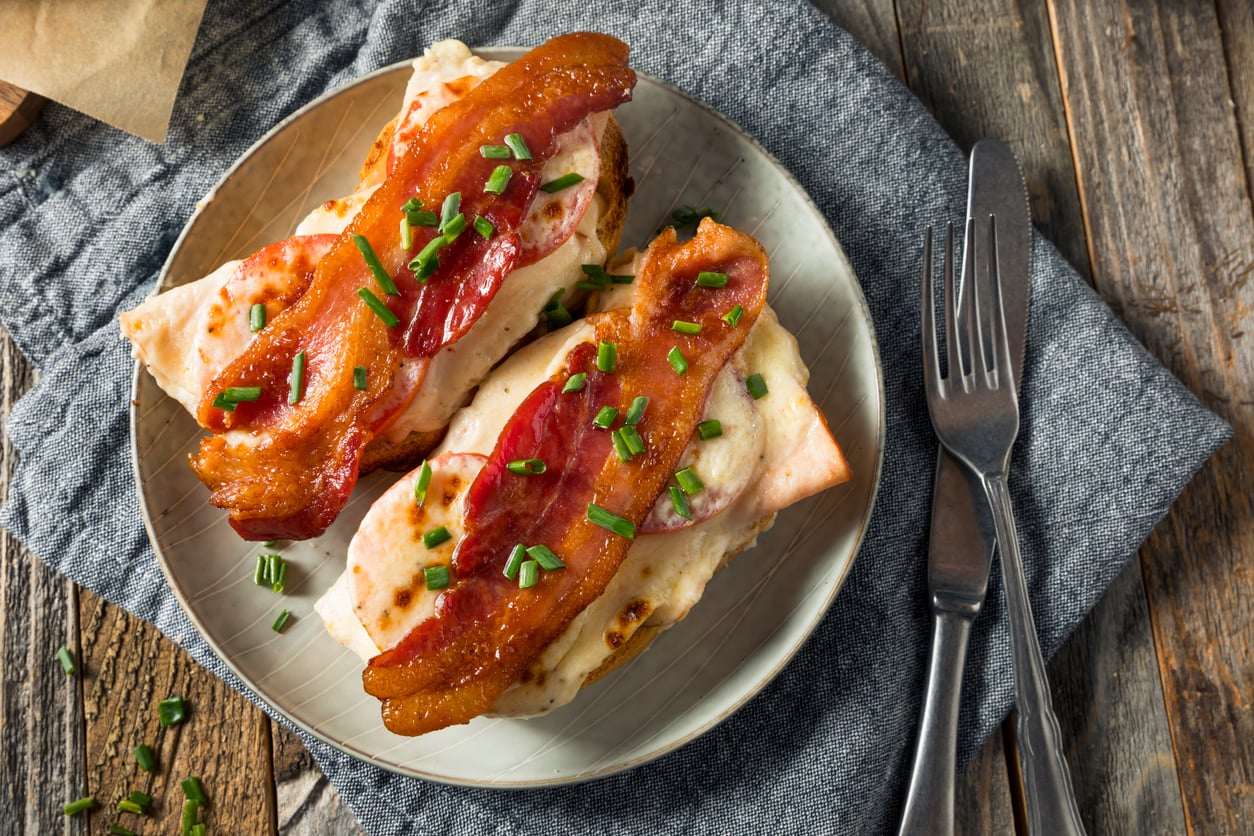
Louisville’s Hot Brown turns 100 in 2026, and the city isn’t letting the anniversary pass quietly. Created at the Brown Hotel in 1926, the open-faced sandwich layers turkey and toast with Mornay sauce and bacon before heading under the broiler. The original remains on the Brown Hotel menu, but Louisville restaurants have spent decades riffing on it, producing everything from traditional Hot Browns to pizzas and Benedicts. It’s rich enough that sampling several in one afternoon might be more ambition than good judgment.
Rochester, New York: The Garbage Plate
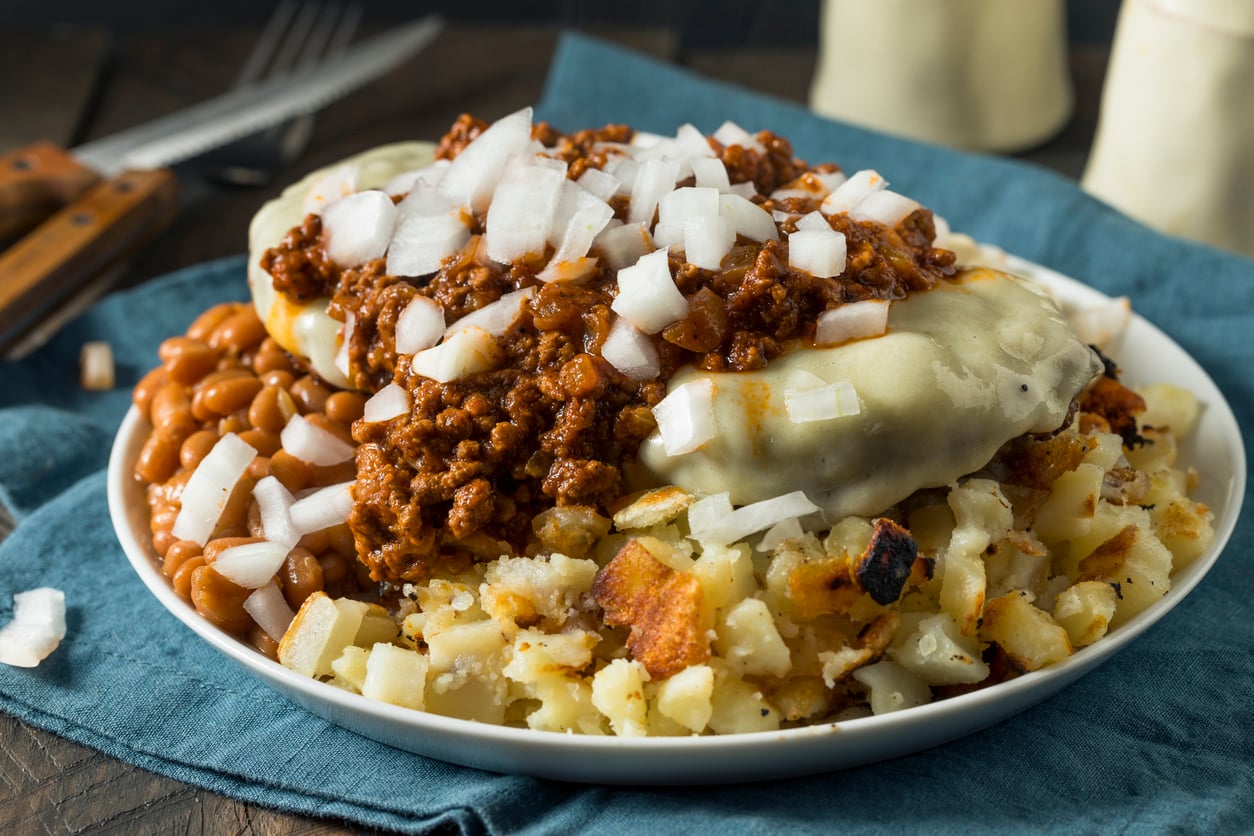
A Rochester plate is less a composed meal than an enthusiastic pileup. Burgers, hot dogs, sausage, or another protein land over some combination of home fries, French fries, macaroni salad, or beans before meat hot sauce and condiments join the party. “Garbage Plate” is actually a trademark belonging to Nick Tahou Hots, so competitors use names such as Rochester Plate or simply Plate. That hasn’t slowed the idea down. Versions appear around the region, including vegetarian, upscale, and other decidedly nontraditional interpretations.
Cincinnati, Ohio: Cincinnati Chili
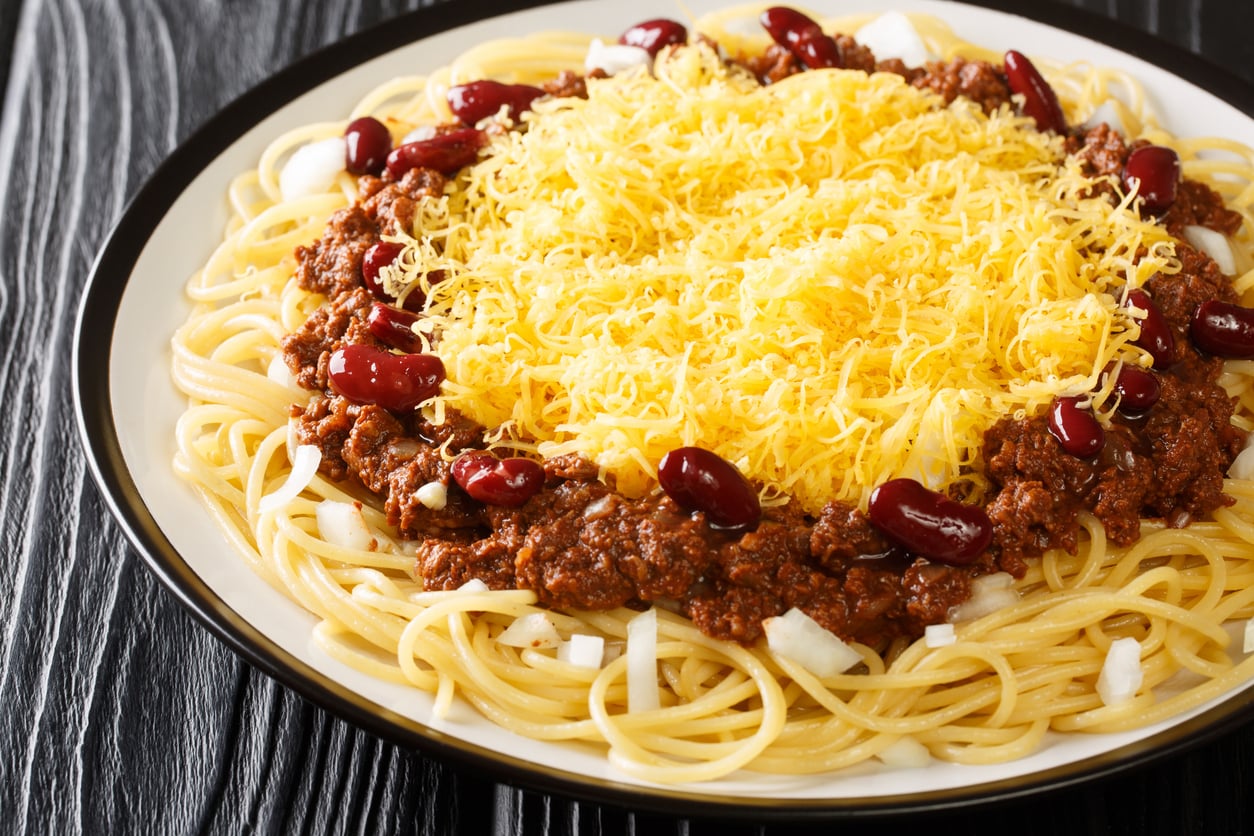
Don’t arrive expecting a conventional bowl of chili. Cincinnati’s version is a thin, heavily spiced meat sauce most famously spooned over spaghetti or hot dogs and buried under finely shredded cheese. Ordering comes with its own vocabulary: a three-way means spaghetti, chili, and cheese; onions or beans make it a four-way, while adding both creates a five-way. Chili parlors are scattered throughout the Cincinnati region, and even restaurants outside the traditional chains join in during events such as Cincinnati Chili Week.
Tucson, Arizona: Sonoran Hot Dogs
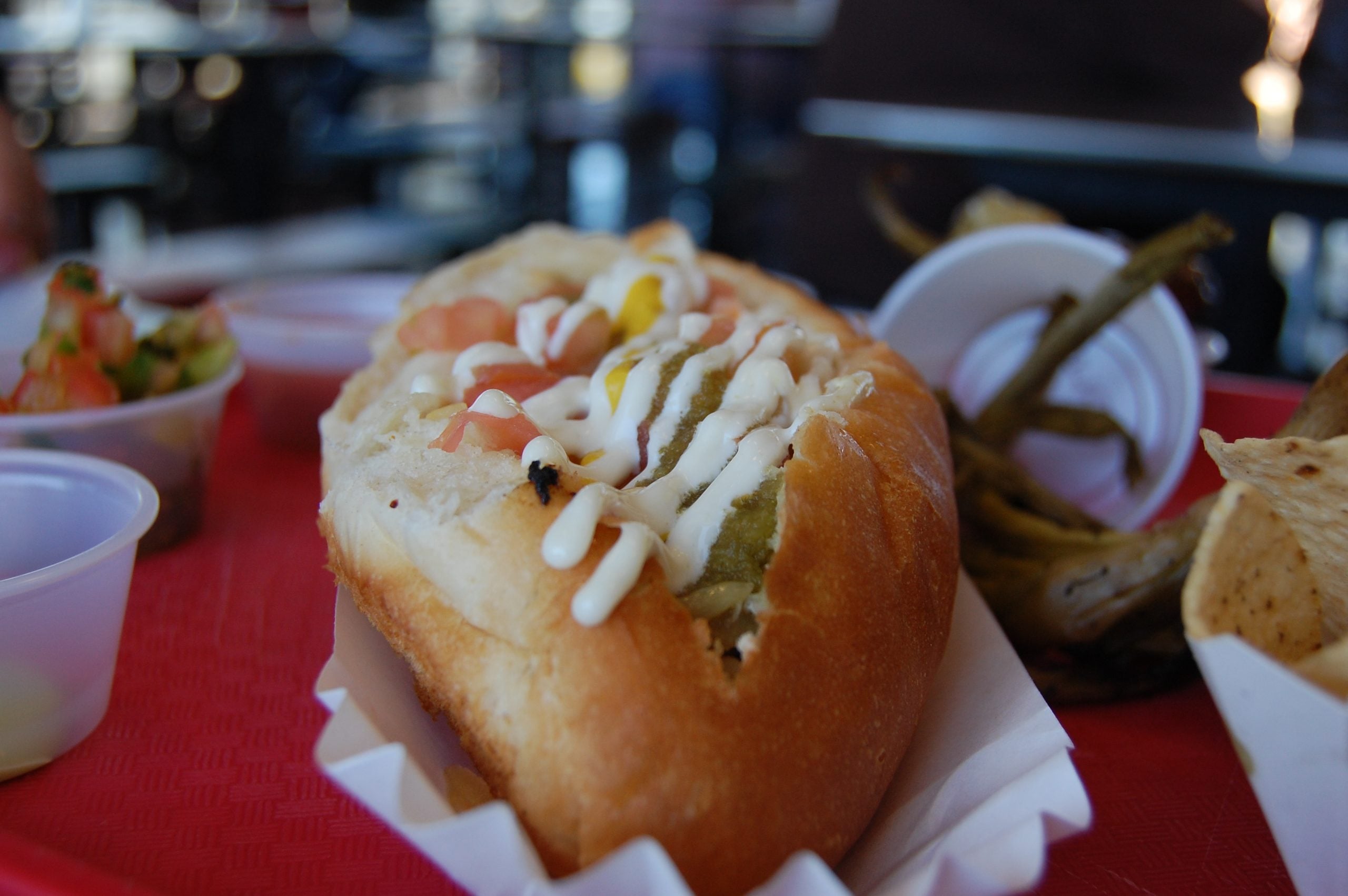
The Sonoran hot dog originated across the border in Sonora, Mexico, but Tucson has enthusiastically made it part of its own food identity. A typical version wraps the hot dog in bacon, stuffs it into a soft bolillo-style bun, and adds pinto beans, tomatoes, onions, mustard, mayonnaise, and salsa or jalapeno sauce. There are enough competing versions that Visit Tucson launched an official Sonoran Dog Trail in 2026, connecting neighborhood stands and restaurants across the city. Trying several is practically sightseeing with lunch included.
Springfield, Illinois: The Horseshoe Sandwich
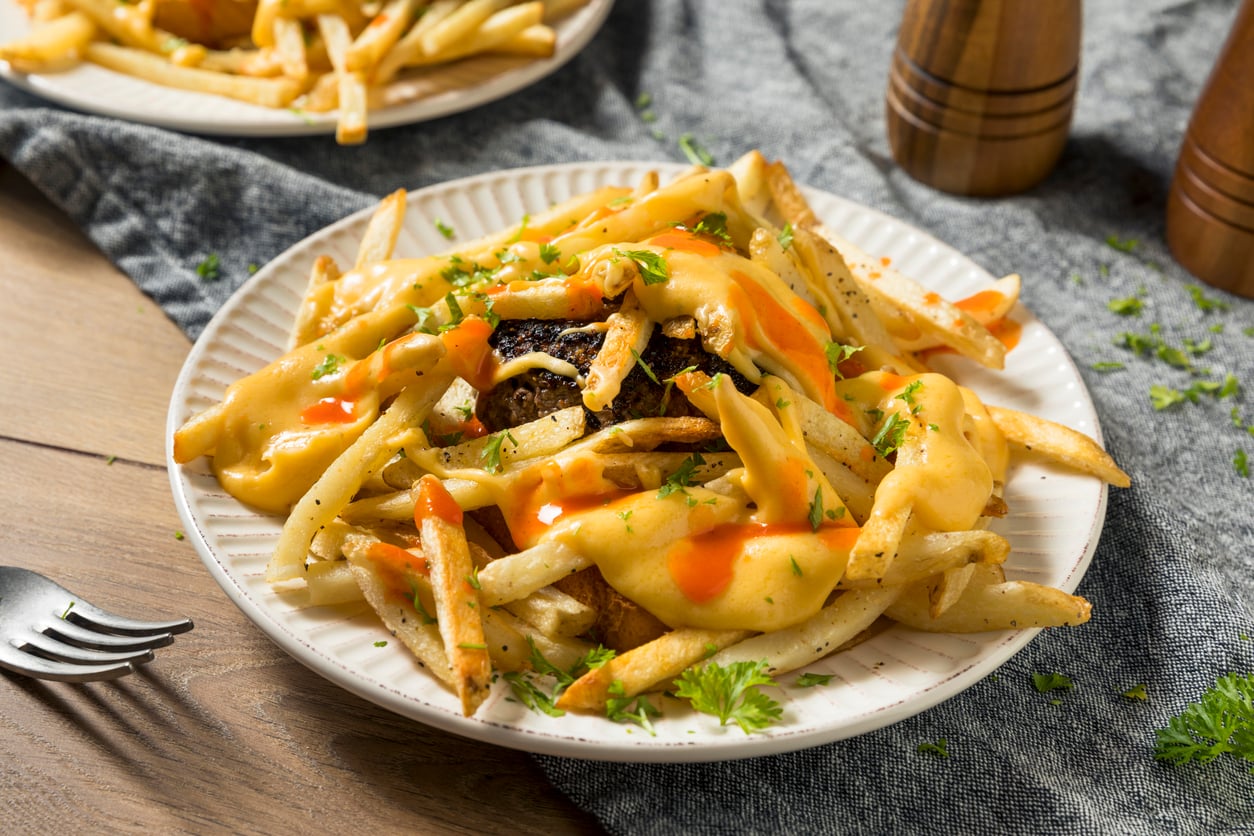
Springfield’s contribution to American sandwich culture requires a fork and perhaps a nap afterward. The horseshoe starts with thick toast and meat, then piles on French fries before covering everything in cheese sauce. It was created at Springfield’s Leland Hotel in 1928, and nearly a century later the city’s tourism office says it’s served at most local restaurants specializing in pub or American food. There’s even a Horseshoe Trail. Smaller appetites can look for a “ponyshoe,” the scaled-down version that delivers the idea without quite as much excess.
Trending on Cheapism
Kansas City, Missouri: Burnt Ends
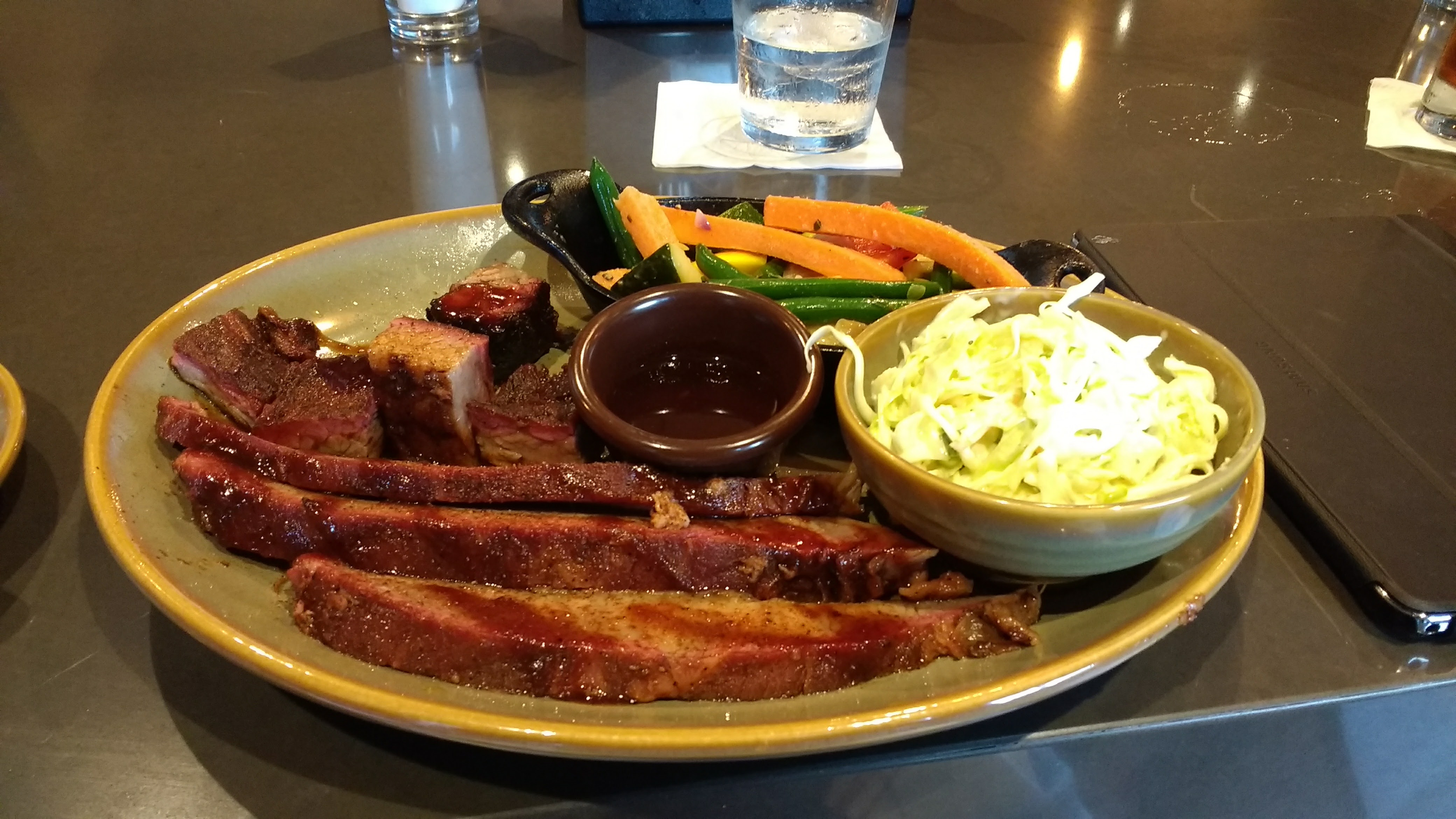
Kansas City has far too many barbecue specialties to reduce the entire scene to one meat, but burnt ends have become particularly hard to miss. Traditionally cut from the richly flavored end of smoked brisket, the cubes develop dark, smoky edges while remaining tender inside. Today they appear at barbecue institutions across the metro and occasionally wander into sandwiches, bowls, beans, and more creative dishes. The downside to comparison eating is price: brisket isn’t cheap, and ordering burnt ends at several famous barbecue joints can turn into a surprisingly expensive afternoon.
Buffalo, New York: Buffalo Wings
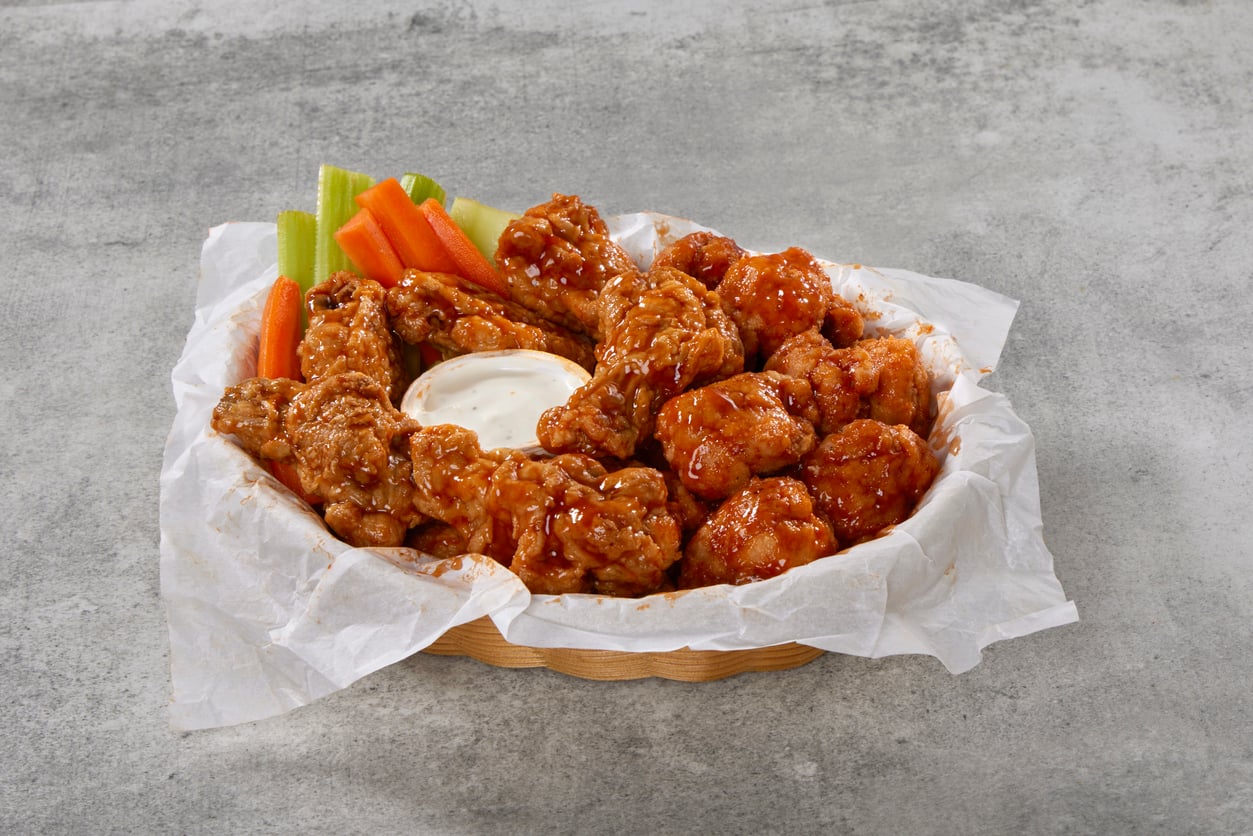
Buffalo wings escaped their hometown decades ago, but eating them in Buffalo is different from ordering a basket at a national sports bar. The city’s accepted origin story points to Anchor Bar in 1964, and wings remain deeply tied to neighborhood tavern culture. Buffalo’s official Wing Trail currently links 14 stops, each with its own sauces, cooking techniques, and fiercely loyal regulars. Don’t assume hotter automatically means more authentic, either. The fun is comparing the small differences – and ordering blue cheese rather than ranch if you want to avoid starting an argument.
Nashville, Tennessee: Hot Chicken
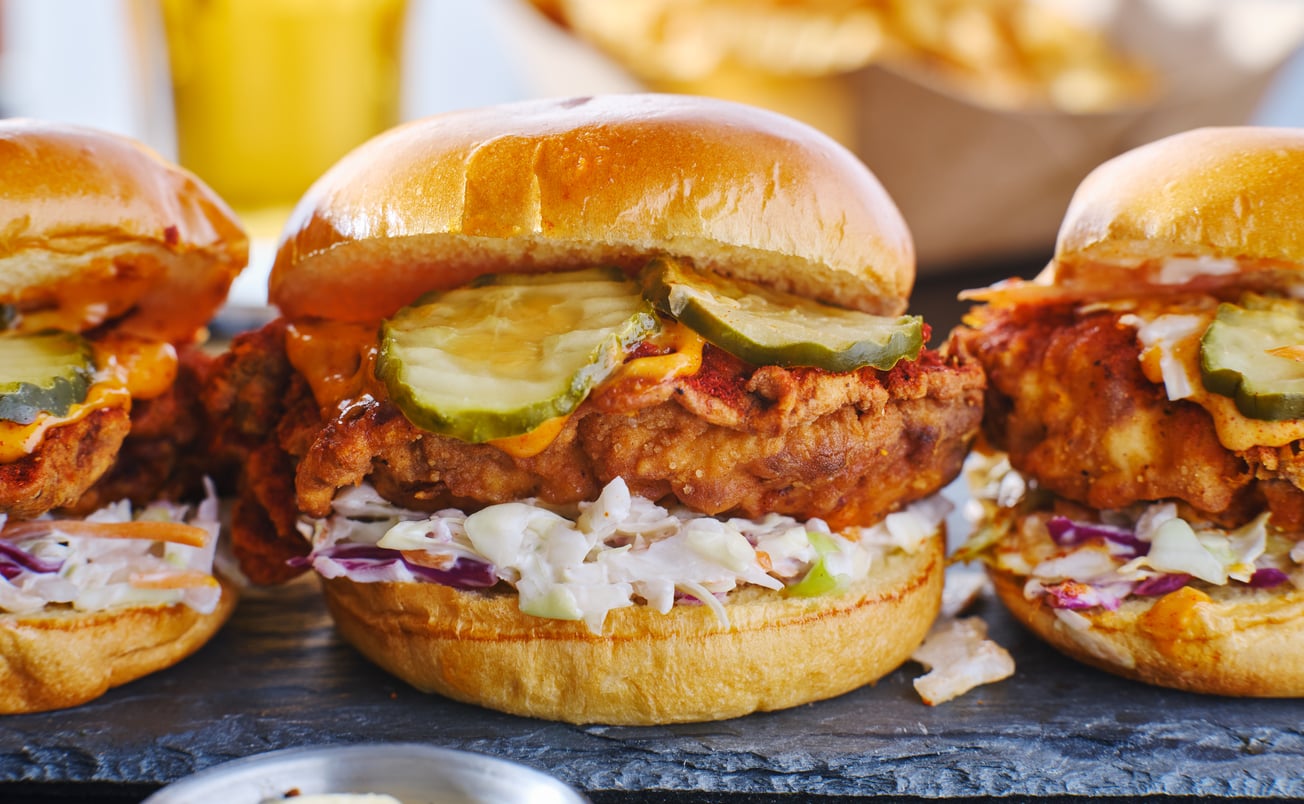
Nashville hot chicken has spread across the country, but Nashville remains the place where you can easily spend an entire trip comparing heat levels. Prince’s gets credit for the original: fried chicken coated in a fiery cayenne-heavy seasoning and traditionally served on white bread with pickles. Bolton’s, Hattie B’s, and numerous newer restaurants have helped turn the style into one of the city’s defining foods. First-timers should resist treating the heat scale as a challenge. At serious hot-chicken shops, the upper levels can overwhelm everything else about the meal.
Sign up for our newsletter
New Orleans, Louisiana: Po-Boys
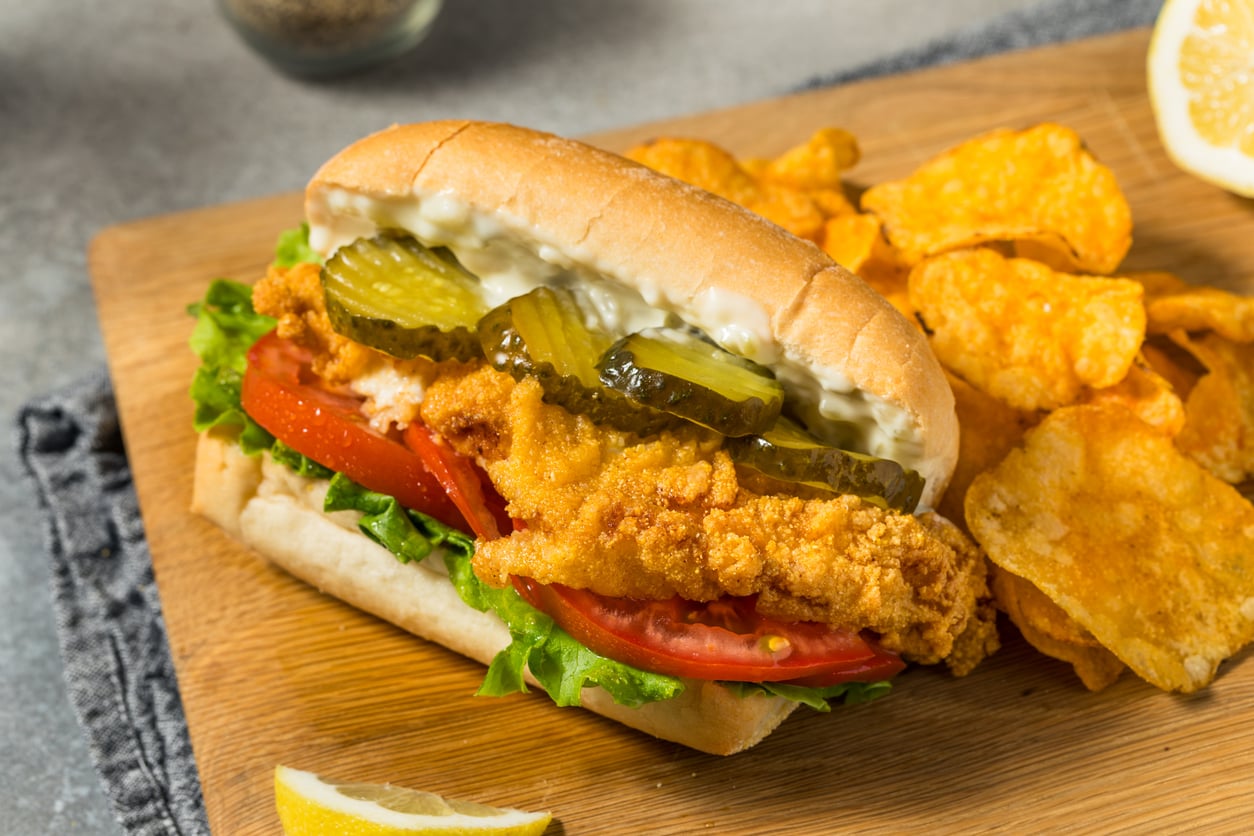
Po-boys are so woven into everyday New Orleans eating that choosing one restaurant is harder than finding the sandwich. Fried shrimp, oysters, catfish, hot sausage, and gravy-soaked roast beef are packed into locally made French bread, often ordered “dressed” with lettuce, tomato, pickles, and mayonnaise. The traditional origin story connects the name to the 1929 streetcar strike and restaurateurs Benny and Clovis Martin, though food historians have questioned parts of that account. Whatever its precise beginnings, the sandwich is now common across casual restaurants throughout the city.
Philadelphia, Pennsylvania: Cheesesteaks
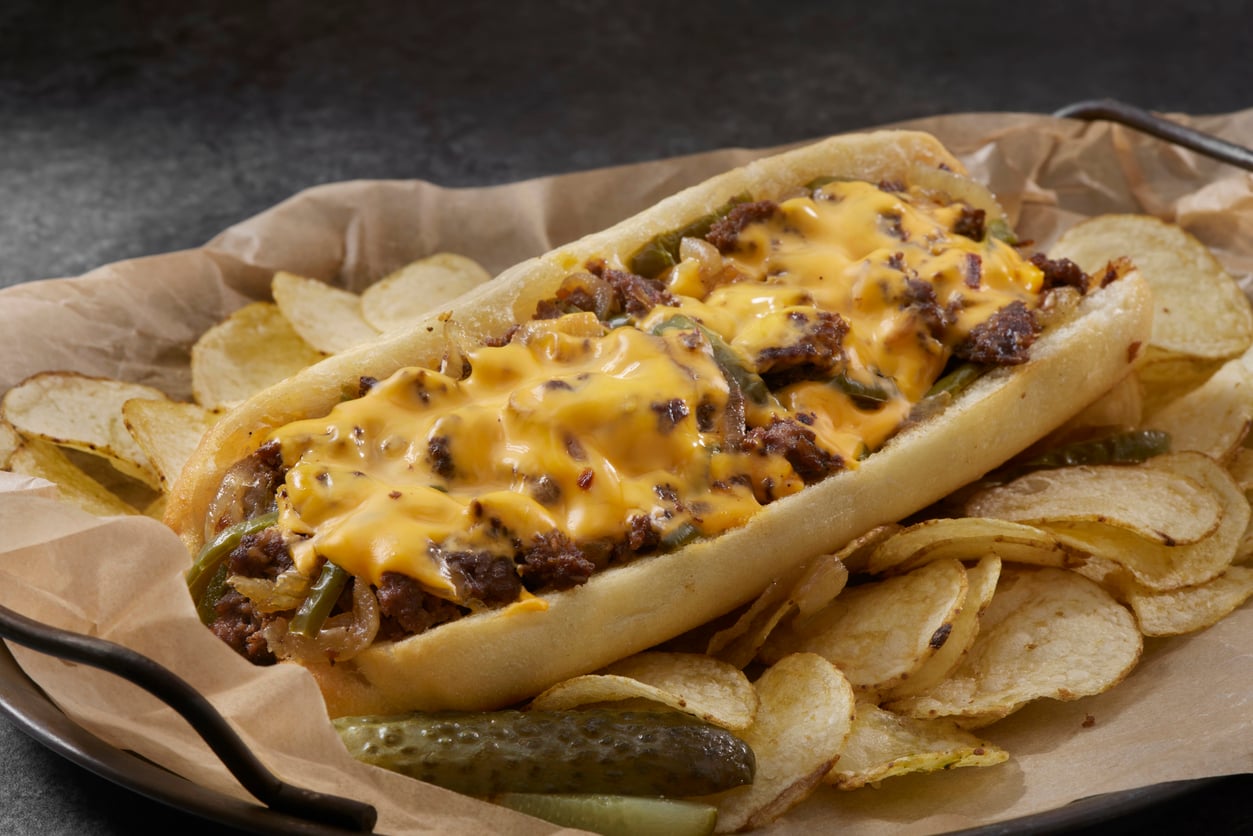
You don’t have to stand in the famous Pat’s-versus-Geno’s lines to find a cheesesteak in Philadelphia. Corner shops, delis, markets, neighborhood restaurants, and late-night counters serve combinations of thinly sliced beef, melted cheese, onions, and long rolls all over town. Philadelphia’s familiar origin story traces the steak sandwich to hot dog vendor Pat Olivieri around 1930, with cheese arriving later. Provolone, American, and Cheez Whiz all have their supporters, which means comparing several shops quickly becomes less about finding the “correct” cheesesteak and more about discovering your preference.
Portland, Maine: Lobster Rolls
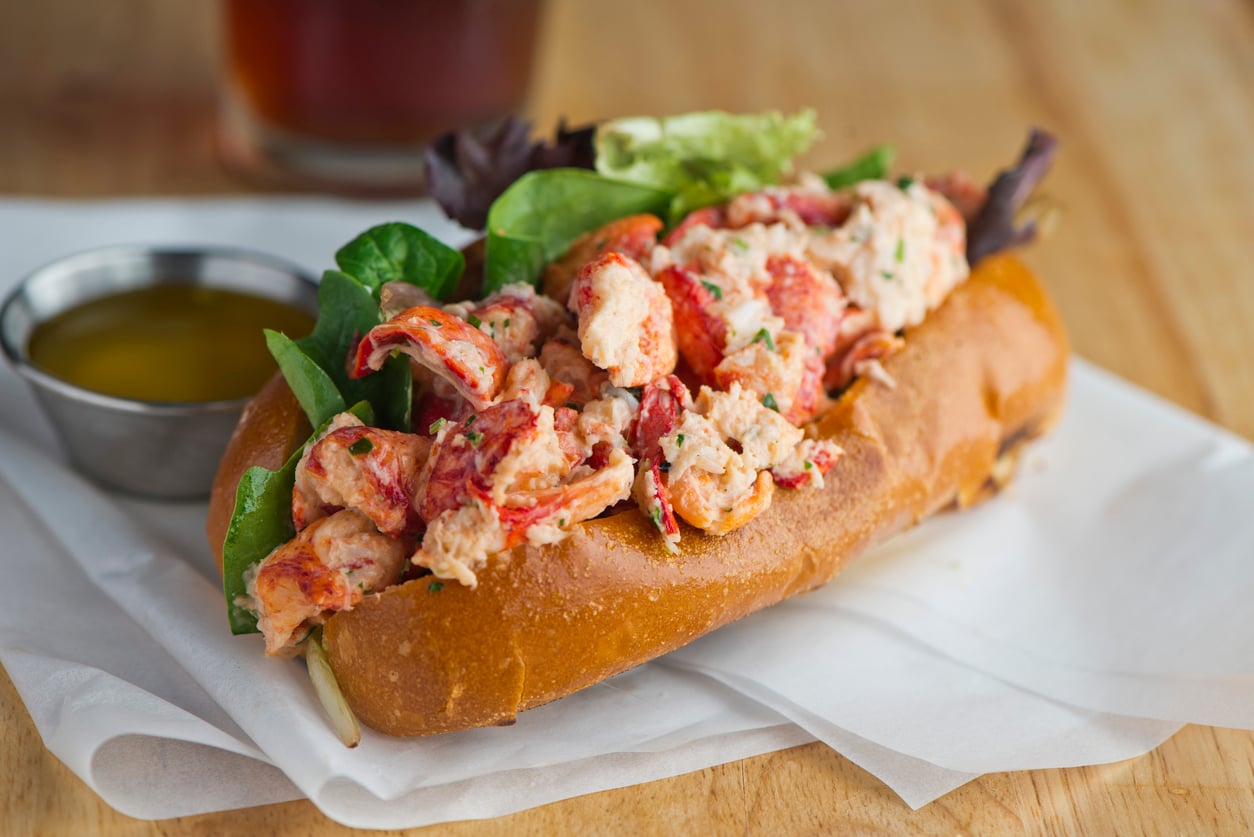
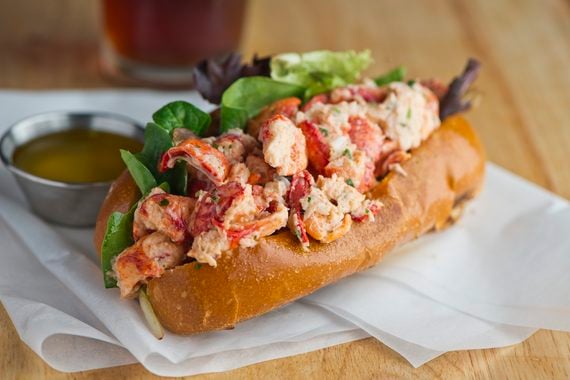
In Portland, lobster doesn’t stay confined to the white-tablecloth seafood dinner. Lobster rolls appear along the waterfront, at seafood counters, restaurants, and modern spots willing to play with the formula. Maine-style rolls traditionally lean toward chilled lobster with a light amount of mayonnaise or dressing in a toasted split-top bun, though Portland restaurants increasingly offer buttered and less conventional versions too. Visit Maine actually suggests spending an afternoon doing a lobster-roll taste test. Just don’t expect it to be a bargain food crawl: lobster prices can make comparisons add up quickly.
Hatch, New Mexico: Green Chile Cheeseburgers
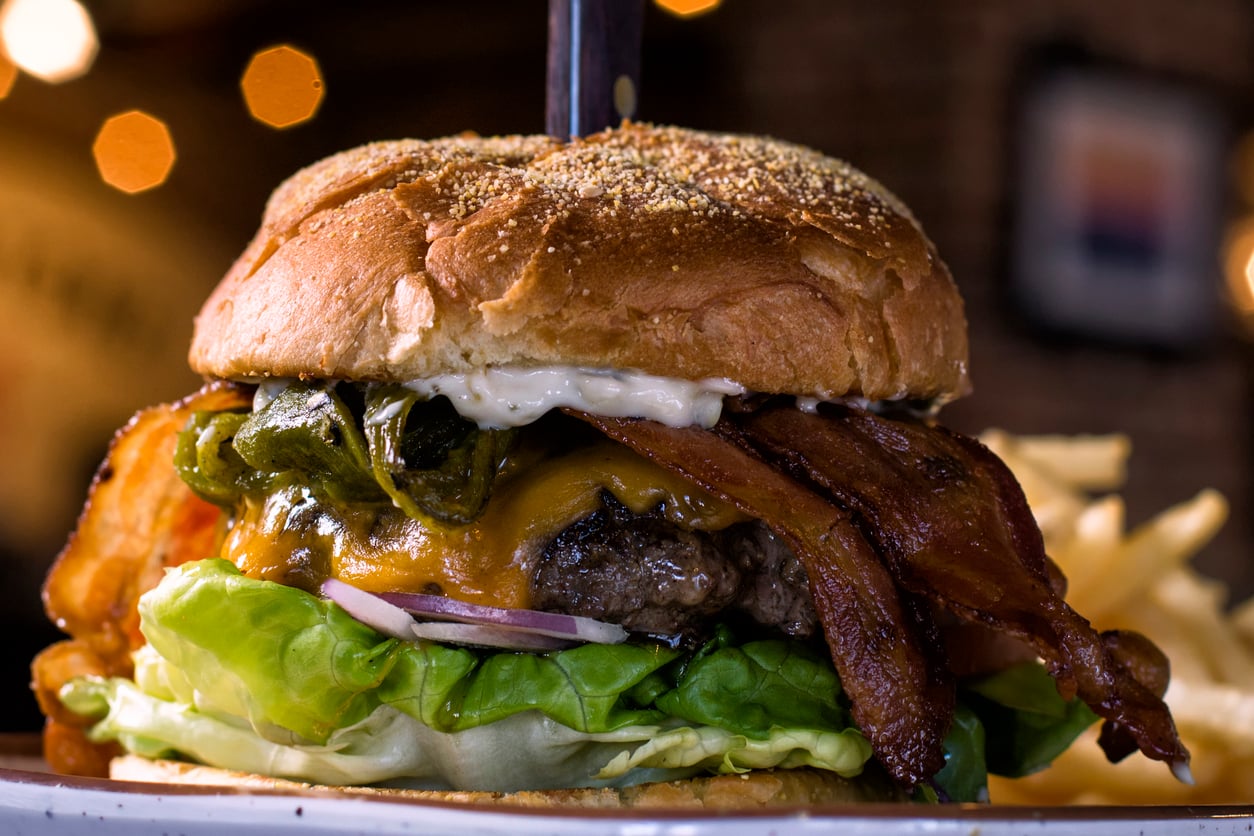
Hatch is tiny, so “everywhere” works a little differently here. The village doesn’t have dozens of restaurants, but green chile permeates the ones it does have. Breakfasts, burritos, enchiladas, sandwiches, and burgers all become excuses to use the crop grown throughout the surrounding Hatch Valley. For visitors, the green chile cheeseburger is the most obvious introduction, particularly at roadside favorite Sparky’s. Go during late-summer harvest and the obsession moves beyond restaurant menus entirely, with chile stands and roasters filling town and the smell of roasting peppers hanging in the air.