Eating out in America comes with a few unwritten rules that locals barely think about. You might get a glass of ice water before ordering, receive a soda refill without asking, or discover that your restaurant bill costs more than the menu suggested. Some American restaurant traditions are convenient, while others take a little getting used to. As Pew Research Center found, even Americans disagree about certain dining expectations. Here are 12 familiar customs that might leave international visitors scratching their heads.
Customers Are Expected to Leave a Substantial Tip
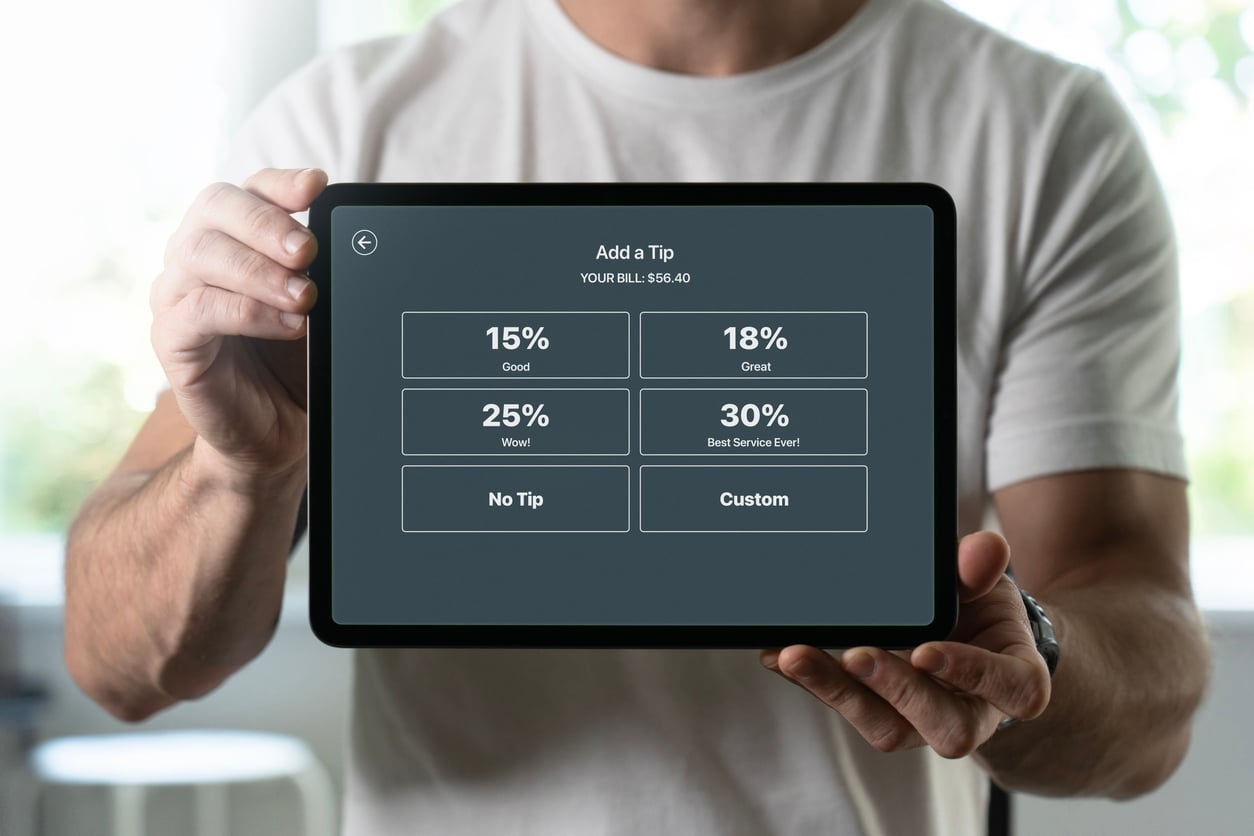
In many countries, leaving a little extra money after a meal is appreciated but not necessarily expected. At American sit-down restaurants, tipping is practically part of the dining routine. Customers commonly leave around 15% to 20% of the bill, although the amount varies with service and personal preference. That can surprise visitors who are accustomed to service being included in the price. And with digital payment screens now requesting tips at coffee shops and takeout counters, even Americans sometimes find themselves wondering when they’re actually supposed to tip.
The Menu Price Isn’t Necessarily What You Pay
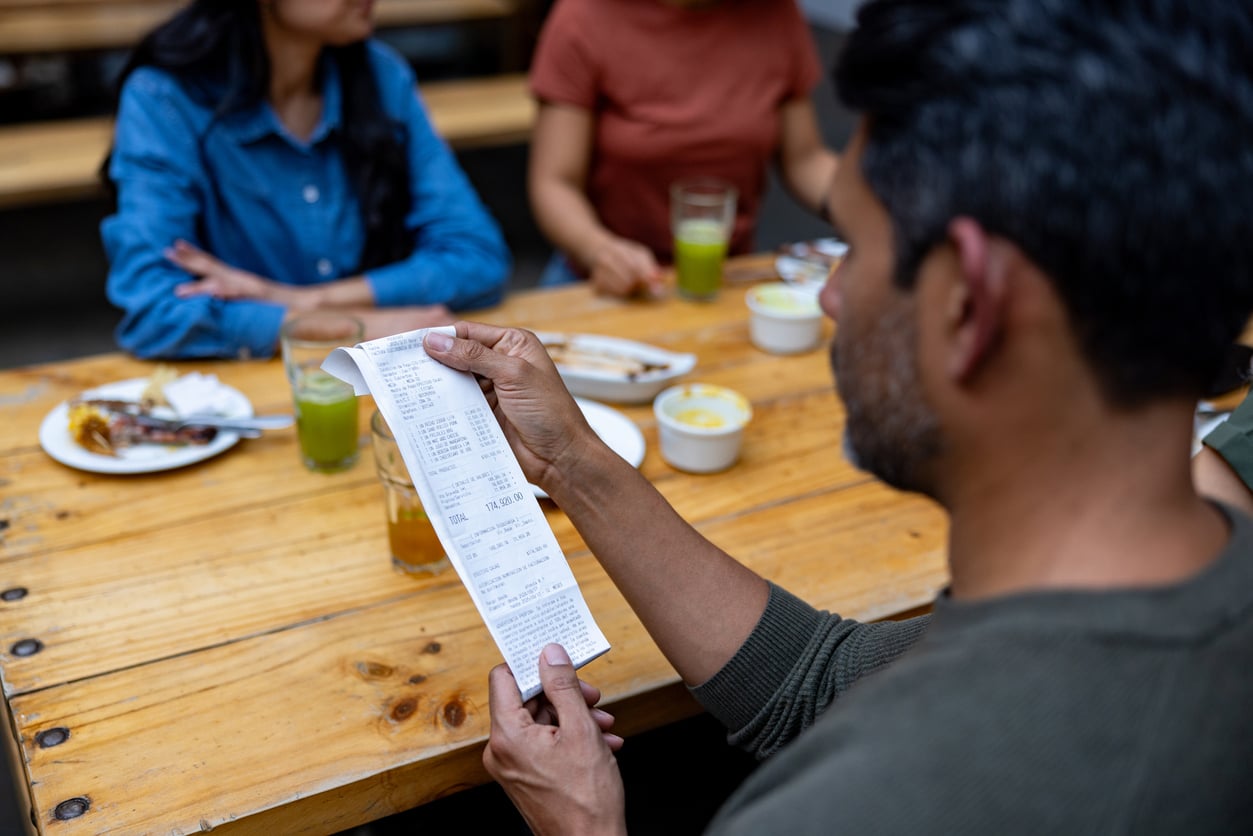
Imagine ordering a $20 dinner, only to discover that your final bill is closer to $26 after tax and tip. That’s a familiar experience in many American restaurants, where menu prices generally don’t include sales tax. The tax rate depends on where you’re eating, and a tip can add another substantial amount. Some restaurants also impose service charges, which aren’t necessarily the same as gratuities. For visitors accustomed to tax-inclusive prices, the extra calculations can be frustrating. Checking the menu for additional fees can help avoid surprises.
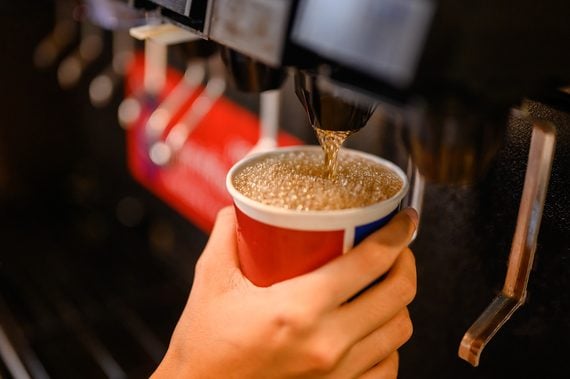
Soft Drinks Often Come With Free Refills
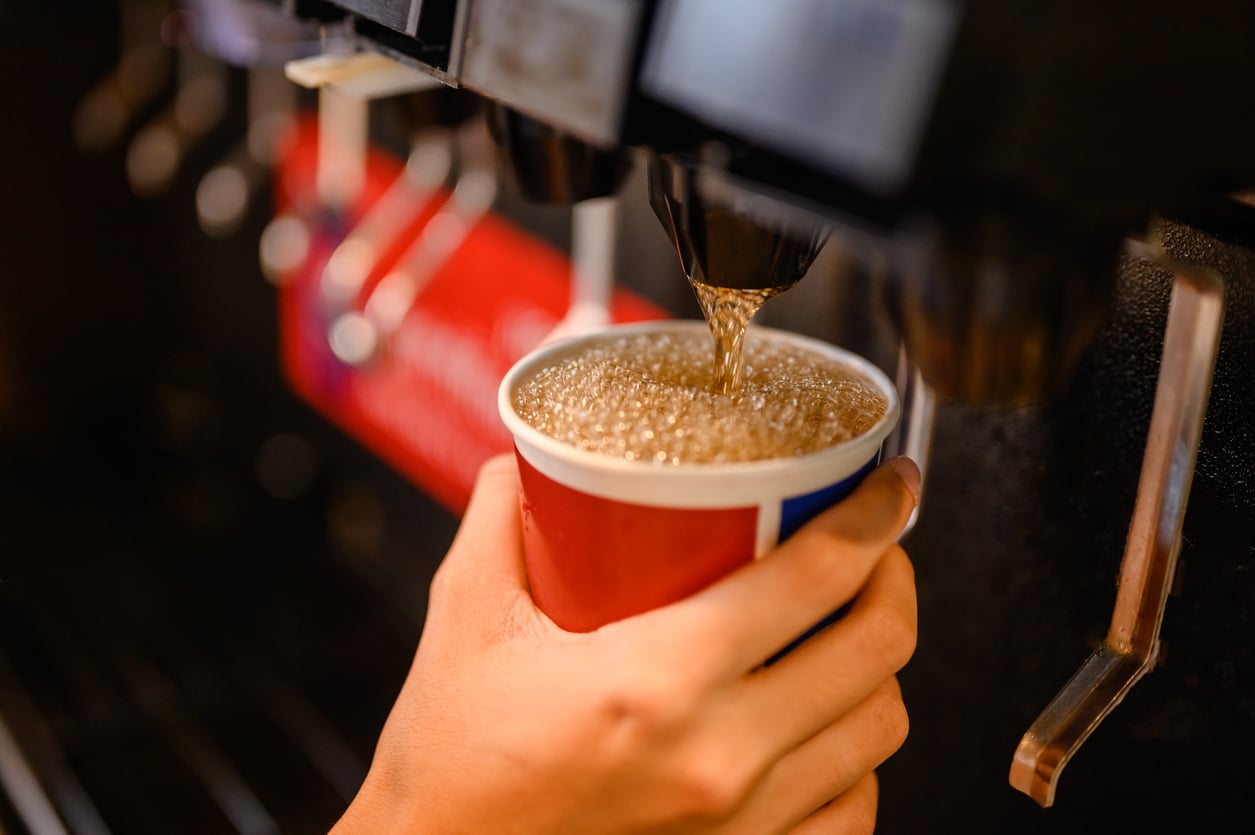
Order a soda at an American diner, and you might find that one glass is all you need to pay for, no matter how many times it’s refilled. Many casual restaurants offer complimentary fountain drink refills, sometimes without customers even asking. For visitors accustomed to paying for every bottle or glass, the practice can seem unusually generous. Of course, it isn’t universal. Bottled beverages, specialty drinks, and certain restaurants have different policies. Still, a server arriving with another Coke before you’ve finished the first is a familiar American dining experience.
Ice Water Frequently Arrives Without Being Ordered
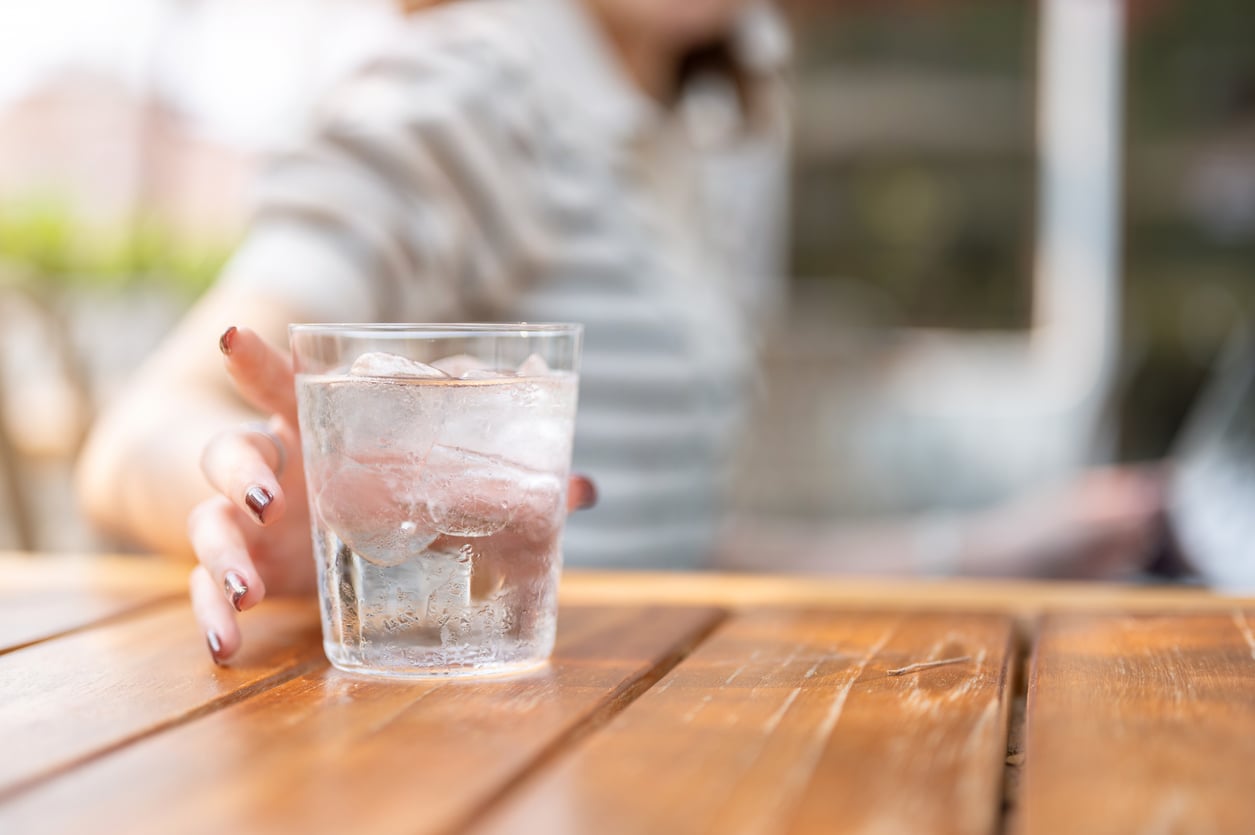
Before you’ve even opened the menu, an American server might place a tall glass of ice water in front of you. In many sit-down restaurants, complimentary tap water is simply part of the service, and the generous amount of ice can be surprising to visitors accustomed to room-temperature water or bottled mineral water. Some restaurants even refill glasses throughout the meal without being asked. It’s convenient, especially on a hot day, although not every establishment provides water automatically. If you prefer yours without ice, just ask.
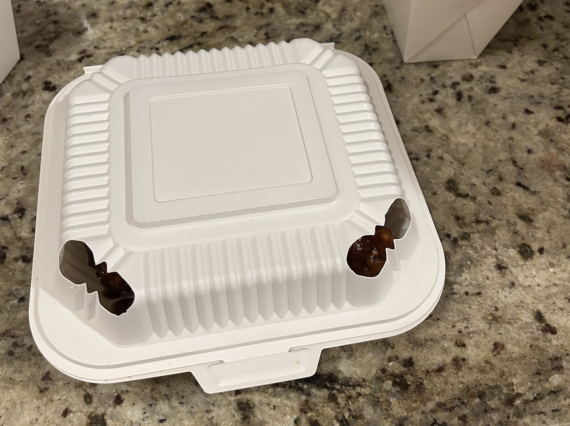
Taking Half Your Dinner Home Is Completely Normal
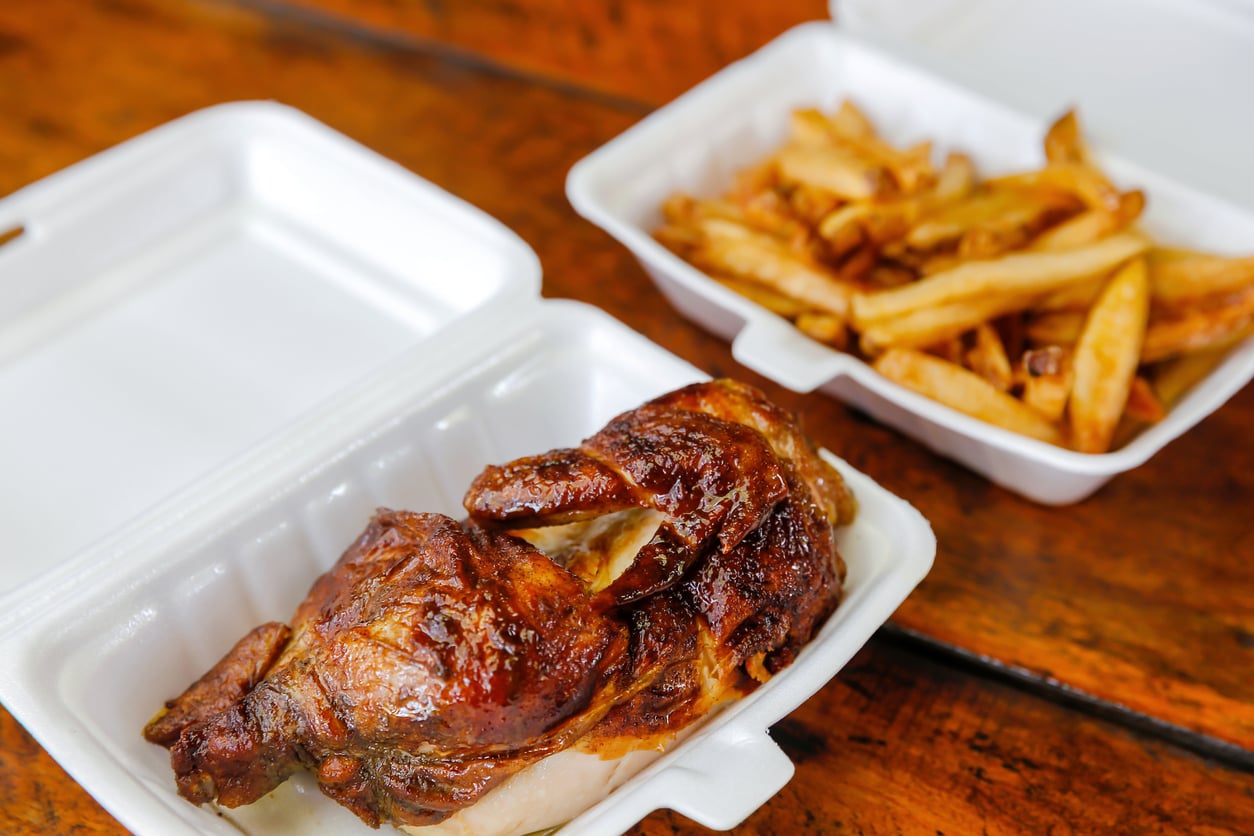
There’s nothing particularly embarrassing about asking for a box after dinner in the United States. Whether you’ve eaten half a burger or barely touched your pasta, many restaurants will happily package the leftovers for another meal. Americans have been calling these containers “doggie bags” for decades, even when the food was never intended for a pet. The custom wasn’t always universally accepted, especially at upscale establishments, but it became increasingly mainstream during the 20th century. For budget-conscious diners, turning one restaurant order into tomorrow’s lunch is a welcome bonus.
Trending on Cheapism


Servers May Check on Your Table Several Times
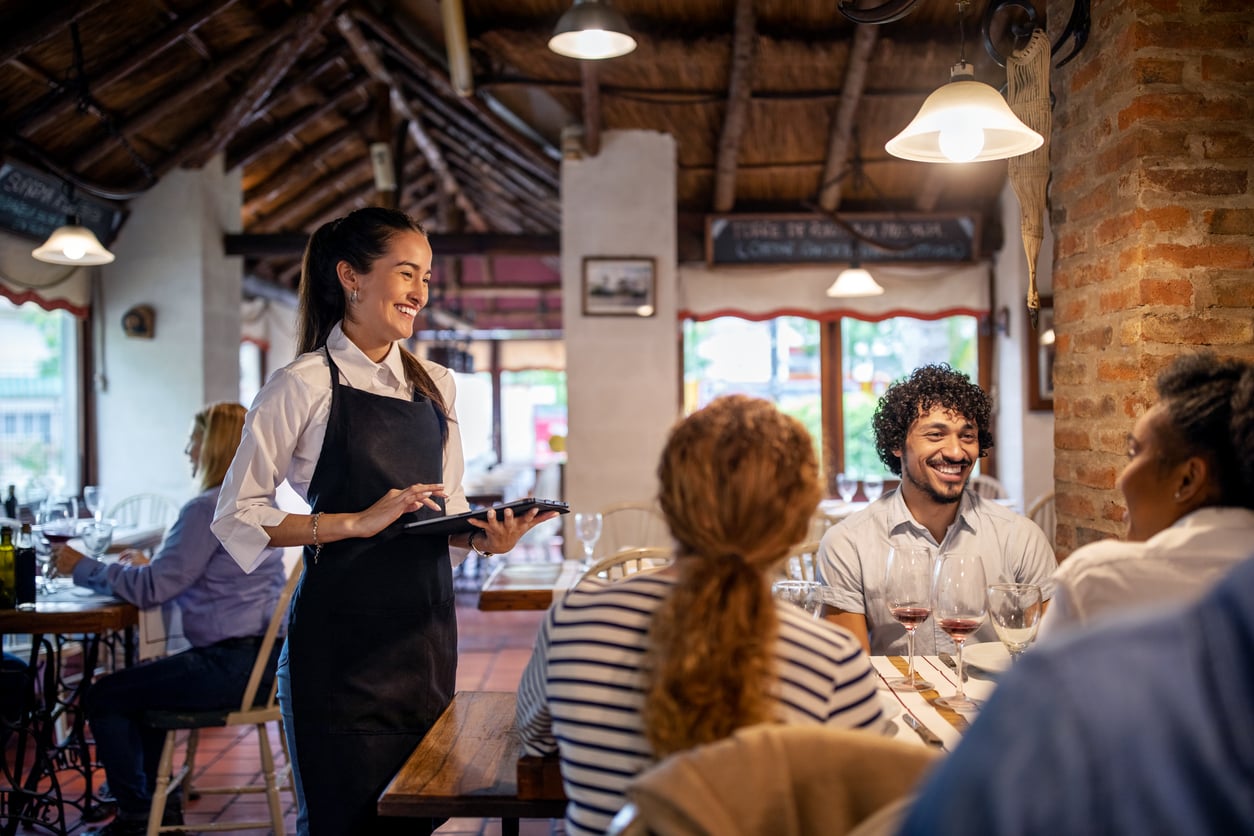
You’ve just taken your first bite when your server appears to ask, “How is everything tasting?” A few minutes later, they’re back to refill your drink or see whether you need anything else. This attentive style of service is familiar in American restaurants, where servers often check on customers throughout the meal. Visitors accustomed to being left alone until they request assistance might find the attention excessive. Others appreciate not having to flag anyone down. Either way, those repeated visits are generally intended as hospitality rather than a hint to hurry up.
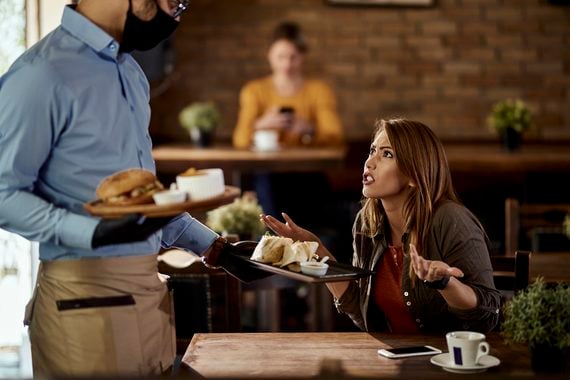
Diners Regularly Ask to Change Their Orders
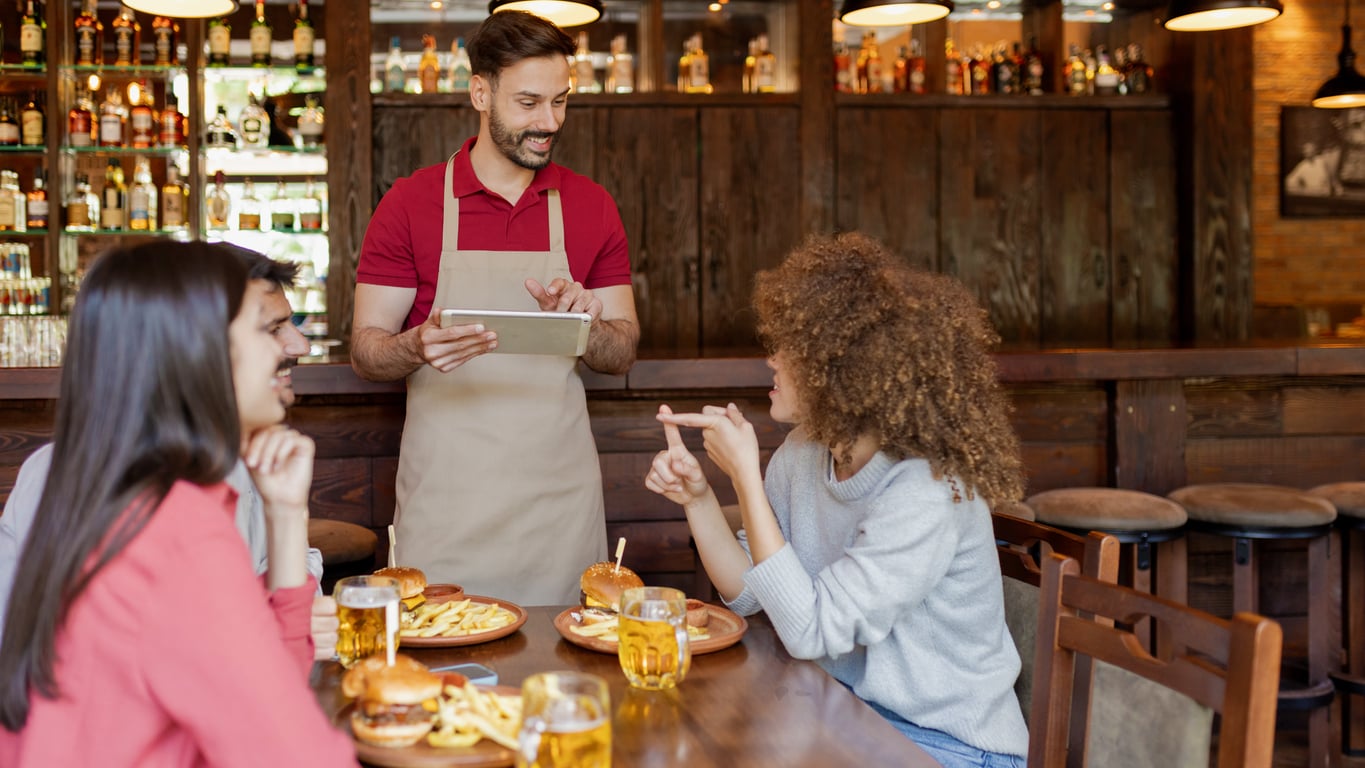
No onions, extra pickles, dressing on the side, and could you swap the fries for a salad? In many American casual restaurants, requests like these barely raise an eyebrow. Customers are often encouraged to customize meals according to their preferences, especially at diners and chain restaurants. Visitors accustomed to ordering dishes exactly as listed might find the flexibility surprising. However, not every kitchen welcomes extensive changes, and substitutions can come with additional charges. A complicated request may also be difficult during a busy service, so it’s worth asking politely.
Restaurant Portions Can Be Large Enough for Two Meals
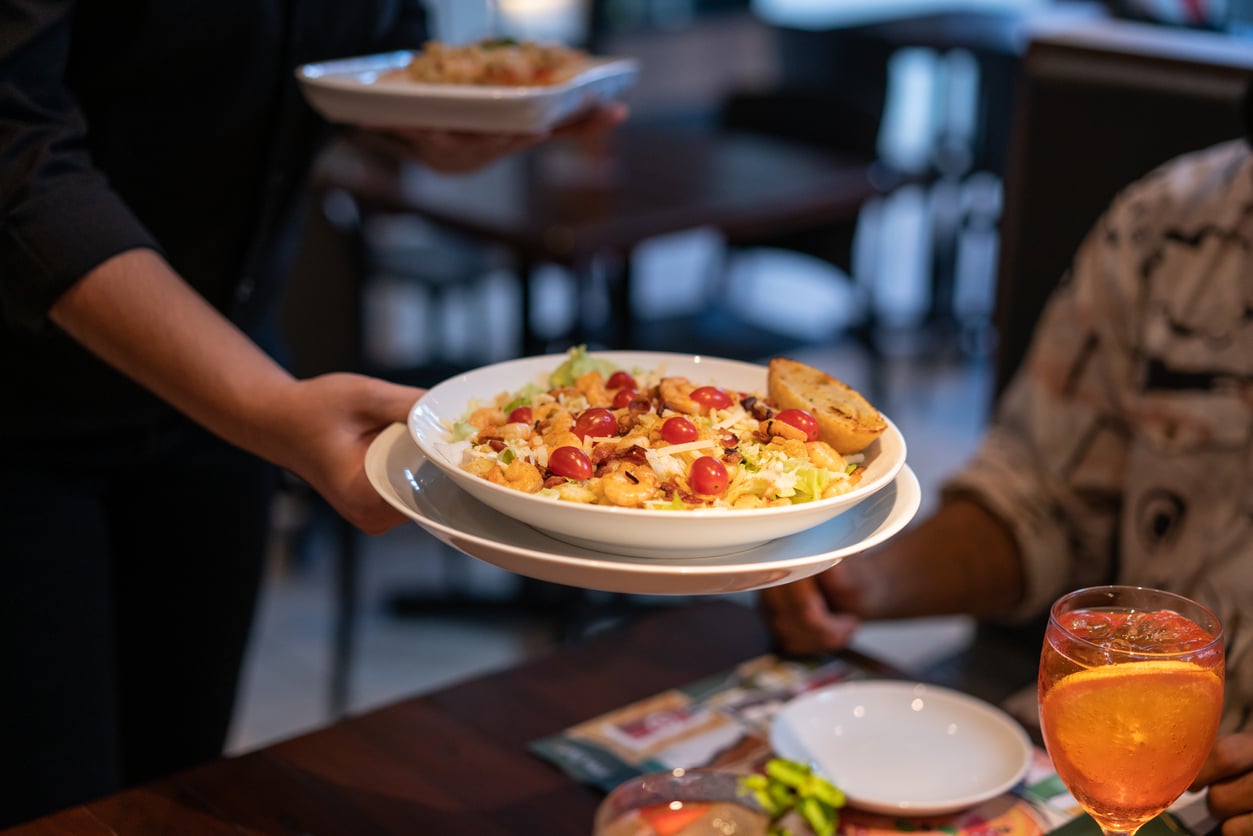
An international visitor ordering an appetizer, entree, and dessert at an American casual restaurant might discover that the main course alone is enough for two meals. Some establishments serve generous plates accompanied by fries, bread, salad, or other sides, making it easy to underestimate how much food is coming. Large portions aren’t universal, and plenty of restaurants serve modest meals. Still, it’s worth checking portion descriptions before ordering several courses. Sharing an entree or saving leftovers can be an easy way to stretch your dining budget.
Sign up for our newsletter
Some Restaurants Bring Free Bread or Chips Before the Meal
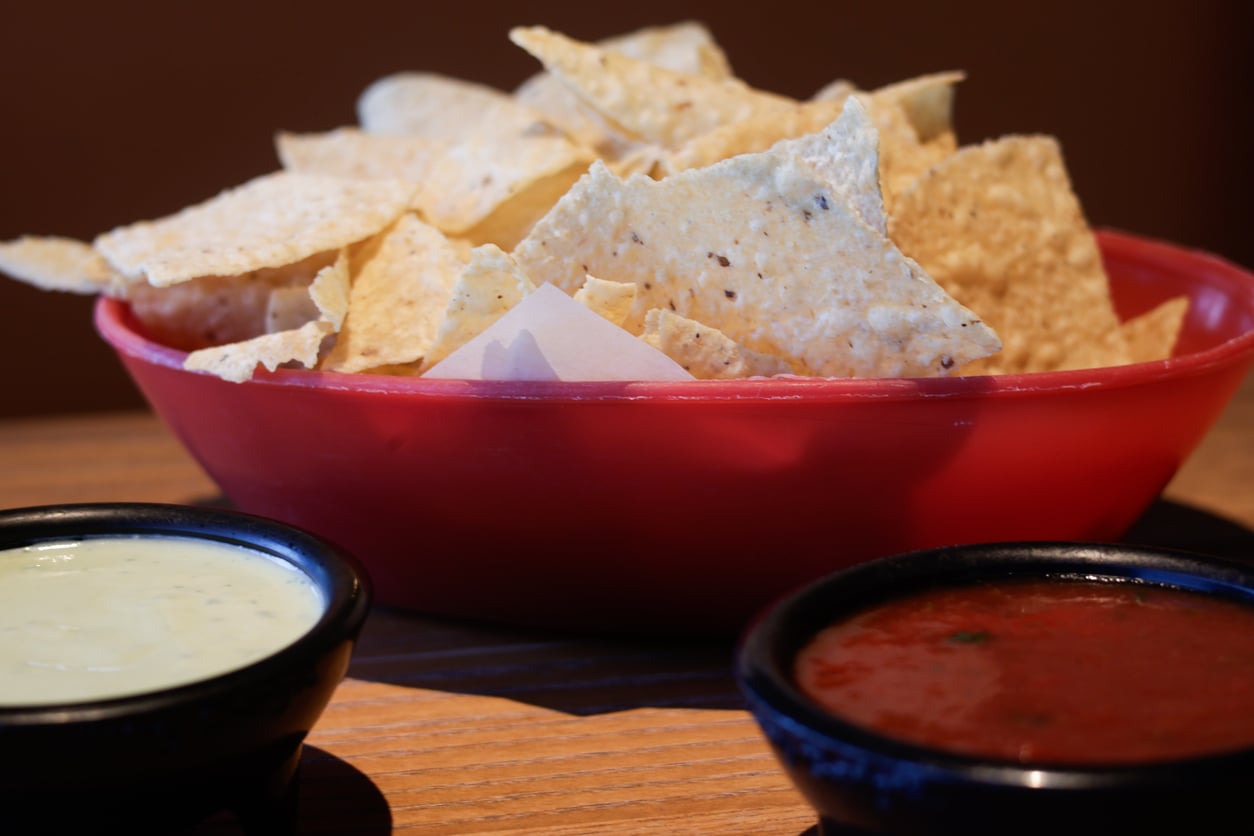
You haven’t ordered an appetizer, but suddenly there’s a basket of warm bread or a bowl of tortilla chips and salsa on the table. At certain American restaurants, complimentary starters are simply part of the experience. Some Italian-American chains serve breadsticks, while many Mexican-American restaurants bring chips and salsa before the meal. A few places even replenish them when the basket runs low. The confusing part for visitors is figuring out whether they’re actually free. Policies vary, and some restaurants charge for bread or additional servings, so asking never hurts.
It’s Normal to Ask for Separate Checks
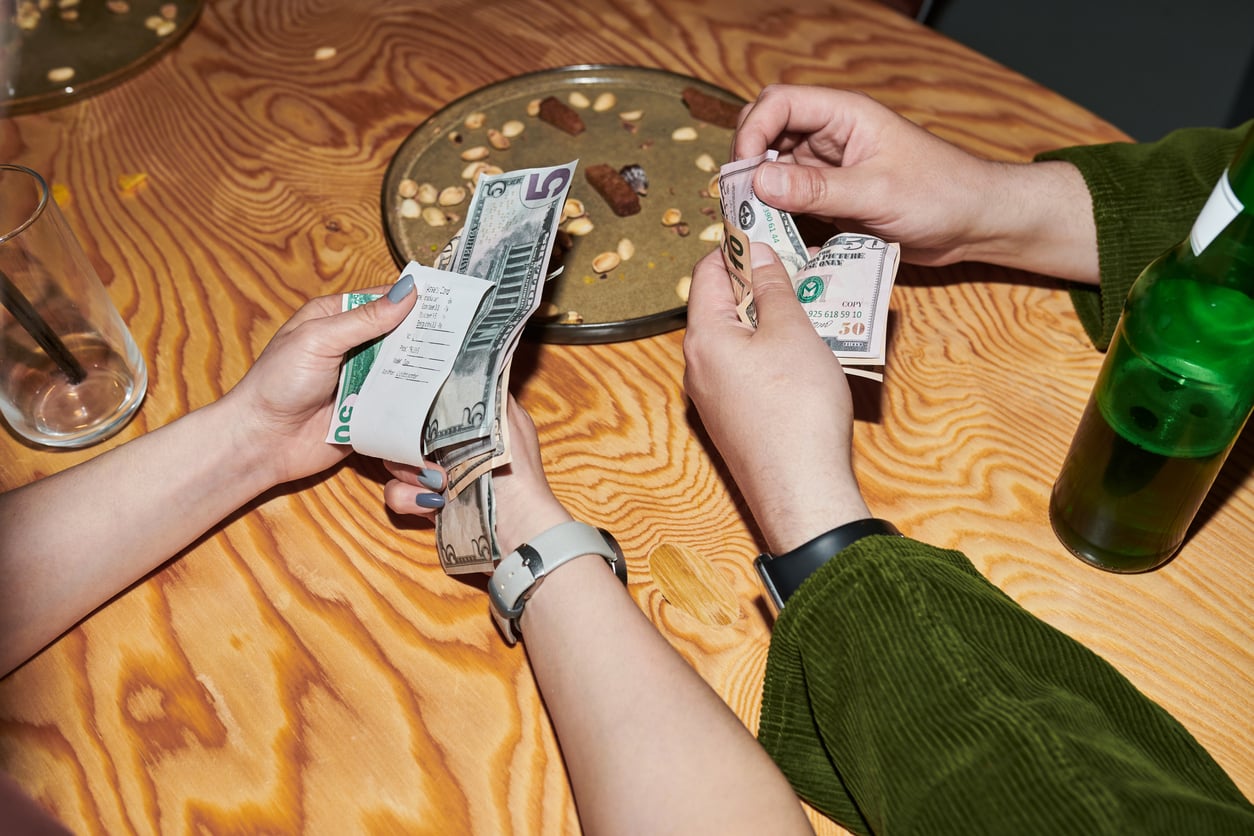
A group of six friends finishes dinner, and instead of one person paying for everyone, they ask the server for six separate checks. In many American restaurants, splitting the bill by person or couple is a routine request, particularly among coworkers and groups of friends. Some restaurants can even divide individual dishes or drinks between customers. Visitors accustomed to one person handling the entire bill might find the process surprisingly elaborate. Not every establishment accommodates separate checks, especially for large groups, so mentioning it before ordering makes everyone’s life easier.
Diners May Serve Breakfast All Day
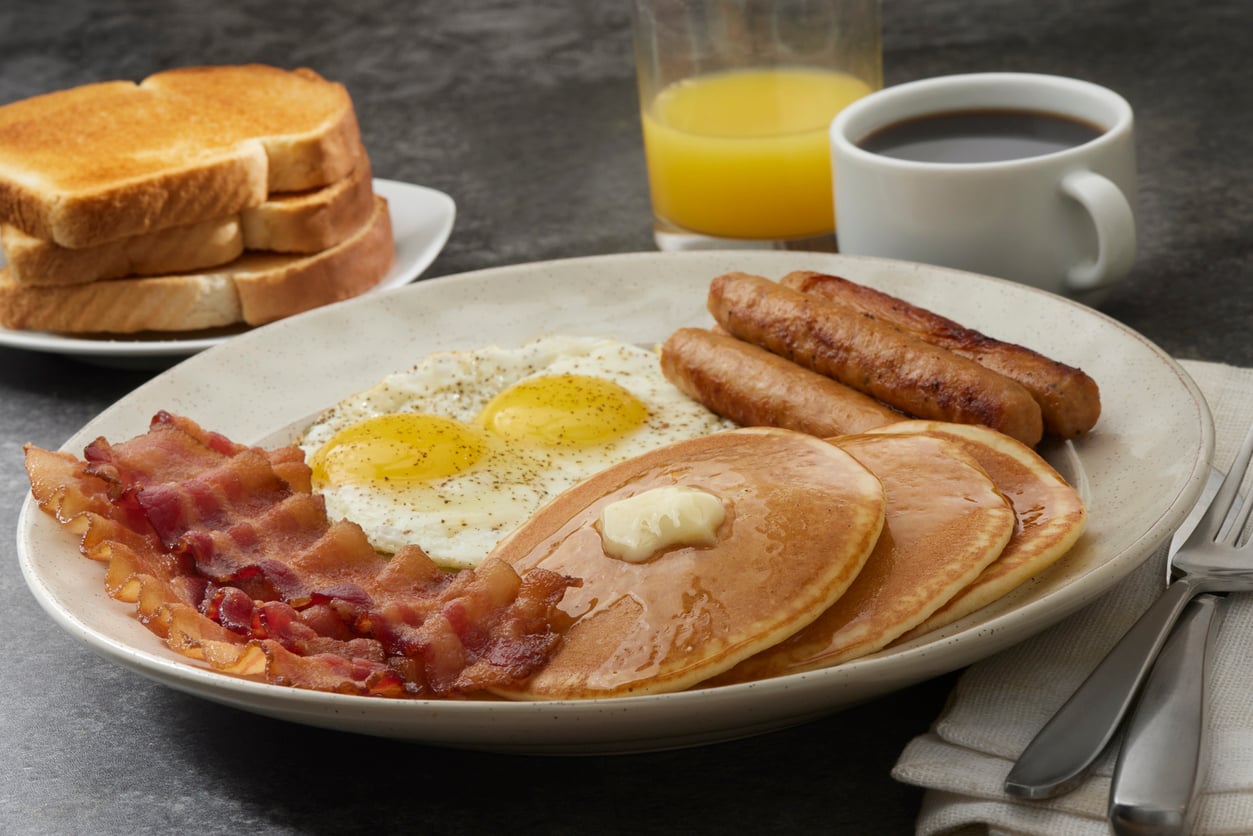
Pancakes for dinner? Bacon and eggs at 4 p.m.? At a traditional American diner, neither request is particularly unusual. Many diners serve breakfast favorites well beyond the morning hours, allowing customers to order waffles, omelets, or French toast whenever the kitchen is open. The tradition has long appealed to travelers, late risers, and people working unconventional schedules. It’s also a nostalgic part of American roadside dining. Not every restaurant offers all-day breakfast, but finding a stack of pancakes on the dinner menu isn’t especially surprising here.
Some Restaurants Never Really Close
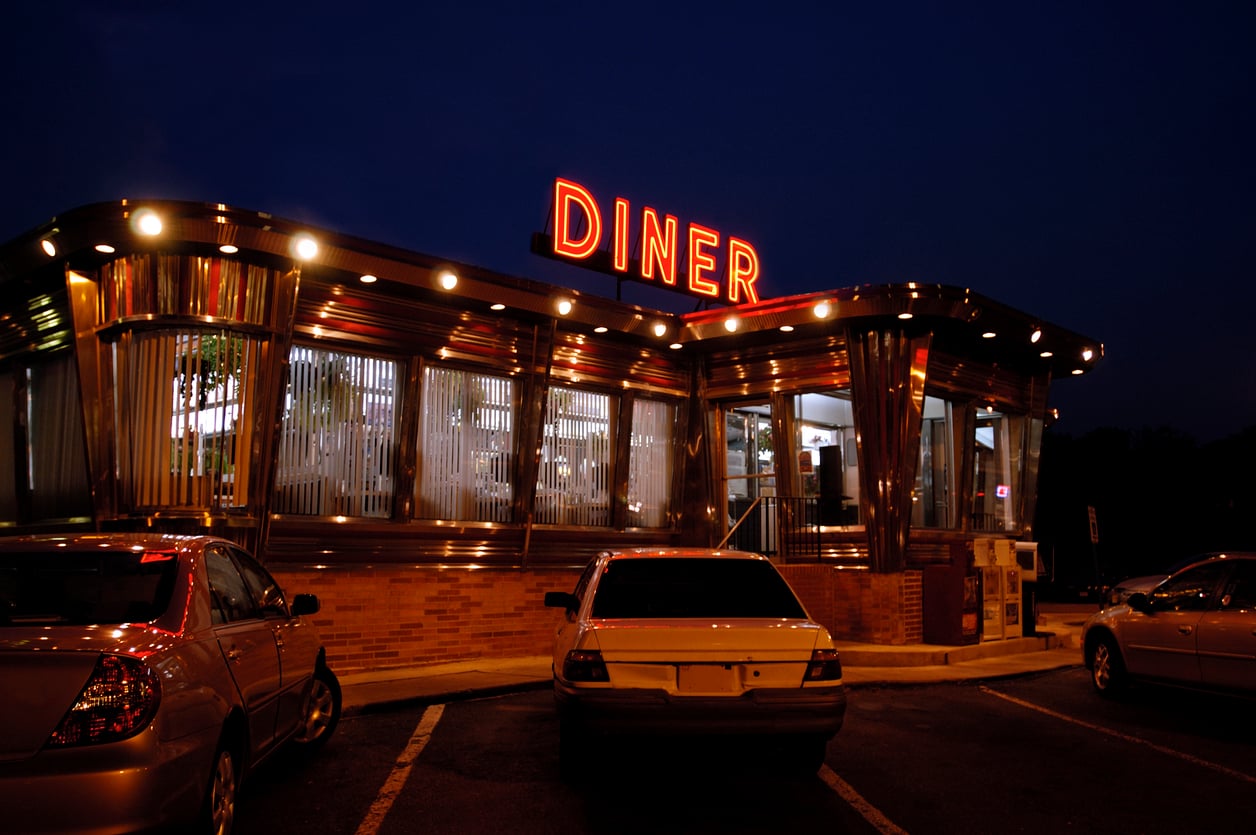
There’s something distinctly American about pulling into a roadside diner in the middle of the night and ordering coffee, eggs, and hash browns. Twenty-four-hour restaurants have long served truck drivers, hospital workers, travelers, and anyone craving a meal at an unusual hour. For visitors from places where restaurant kitchens typically close by late evening, sitting down for breakfast at 3 a.m. can feel almost surreal. However, overnight dining isn’t as dependable everywhere as it once was. Many locations now operate shorter hours, so checking before making a late-night trip is essential.