People use appliances because they make life easier, but if used incorrectly, they can actually make things more complicated. Issues such as improper placement, damaged cords, or poor maintenance, among other factors, can create serious risks. Drawing on information from the U.S. Fire Administration, the NFPA, and other sources, we’ll reveal common appliance fire hazards and how to prevent them!
Clothes Dryers With Lint-Clogged Vents
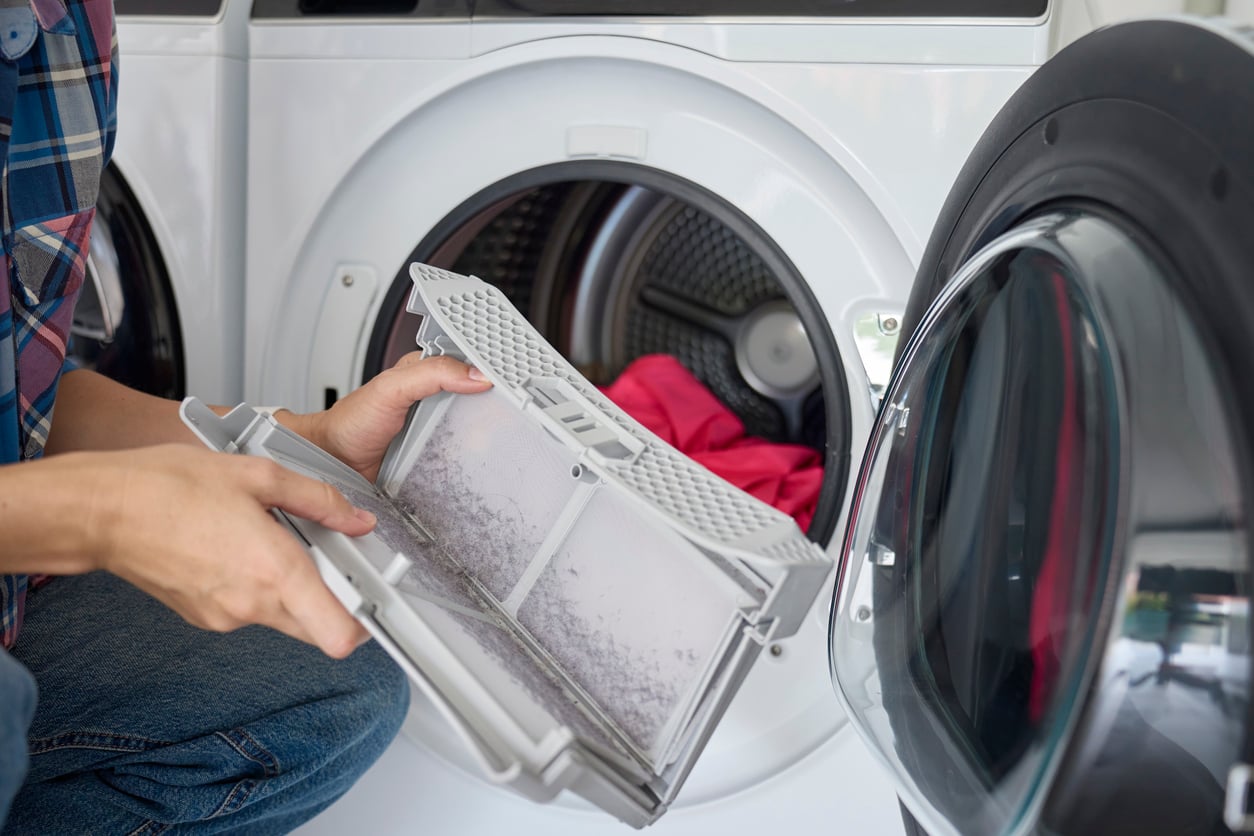
Clothes dryers can pose a fire hazard if their vents become clogged with lint. Lint can accumulate in dryer filters, ducts, and exhaust vents, which restricts airflow and increases the risk of overheating. The U.S. Fire Administration identifies a failure to clean these appliances as a leading factor in dryer fires, accounting for 31% of such incidents. This makes clogged dryer vents one of the most common appliance fire hazards to watch out for.
Portable Space Heaters Placed Near Furniture
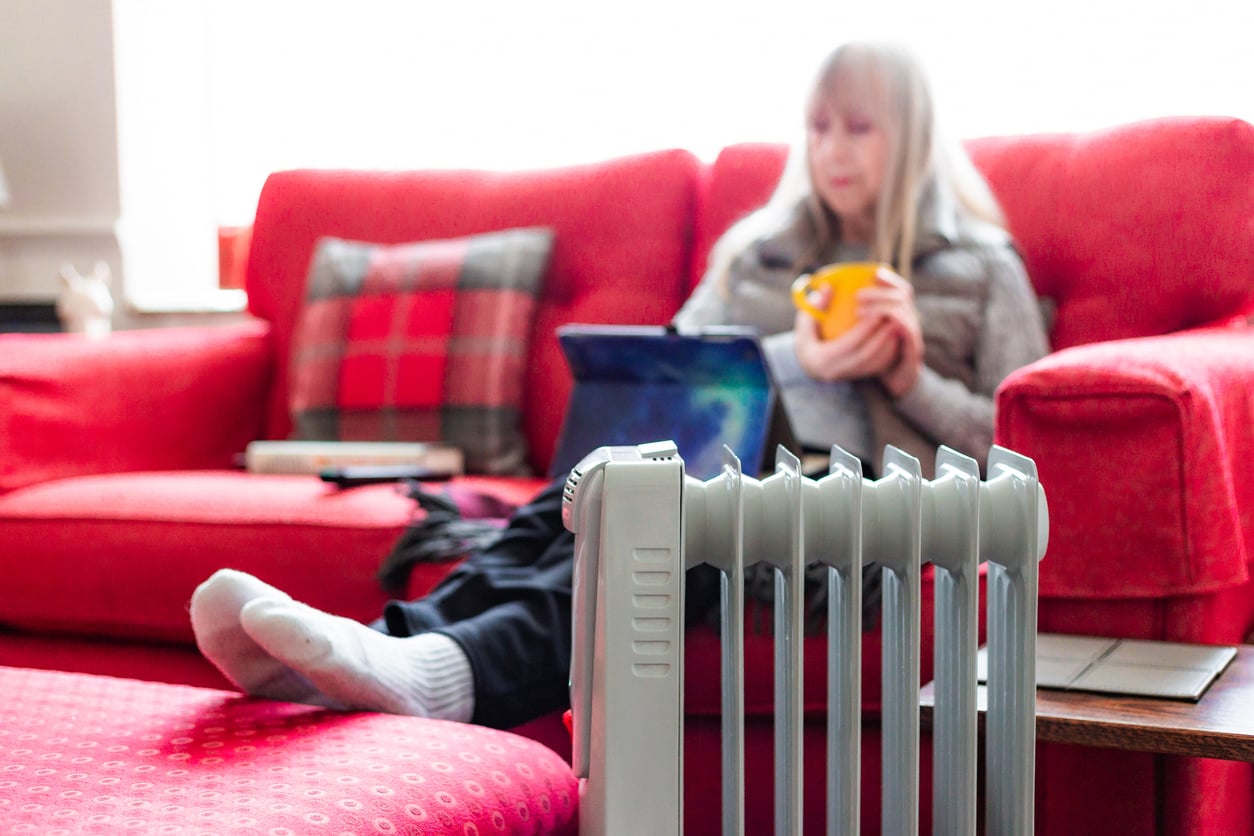
Space heaters produce concentrated heat, which can ignite nearby bedding, curtains, clothing, or other combustible materials. The U.S. Fire Administration recommends keeping any items in the room at least three feet away from the heater. Also, placing a heater beside a sofa or underneath a desk full of paper could be very risky.
Toasters That Accumulate Crumbs
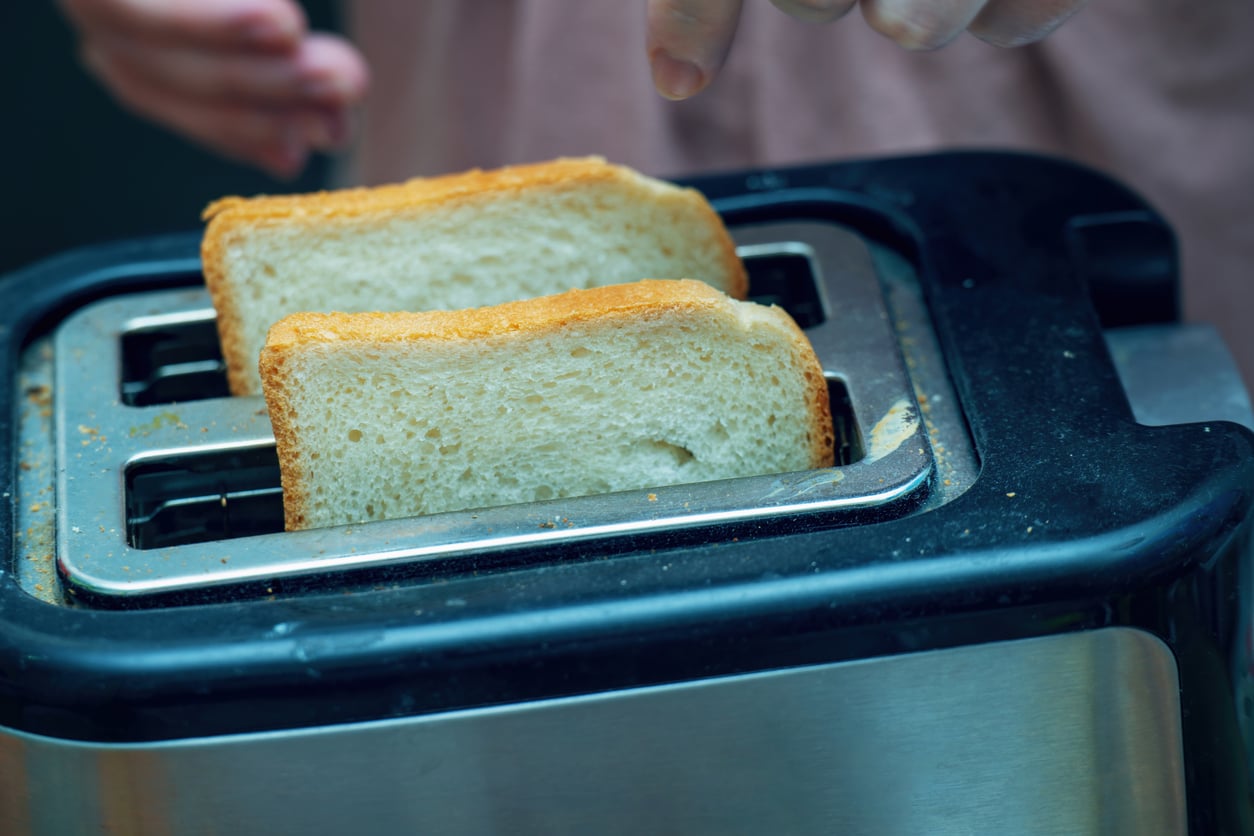
Toasters can accumulate crumbs, which may ignite when the appliance generates heat. Along with crumbs, items such as paper towels, packing materials, or curtains can also pose a hazard. Always clear any buildup from the crumb tray and remove any food stuck inside the toaster before plugging it into a power outlet. These seemingly minor issues are common appliance fire hazards in everyday kitchens.
Air Fryers Without Enough Ventilation

Air fryers require sufficient ventilation because they use heating elements and circulating hot air, which could pose a fire hazard. Placing an air fryer near cabinets, towels, or other items can create a confined space where these materials might ignite from the heat produced by the appliance. Be sure to follow the manufacturer’s clearance requirements and clean away any cooking residue regularly. Improper placement and maintenance are appliance fire hazards that shouldn’t be overlooked.
Electric Stoves Left Unattended
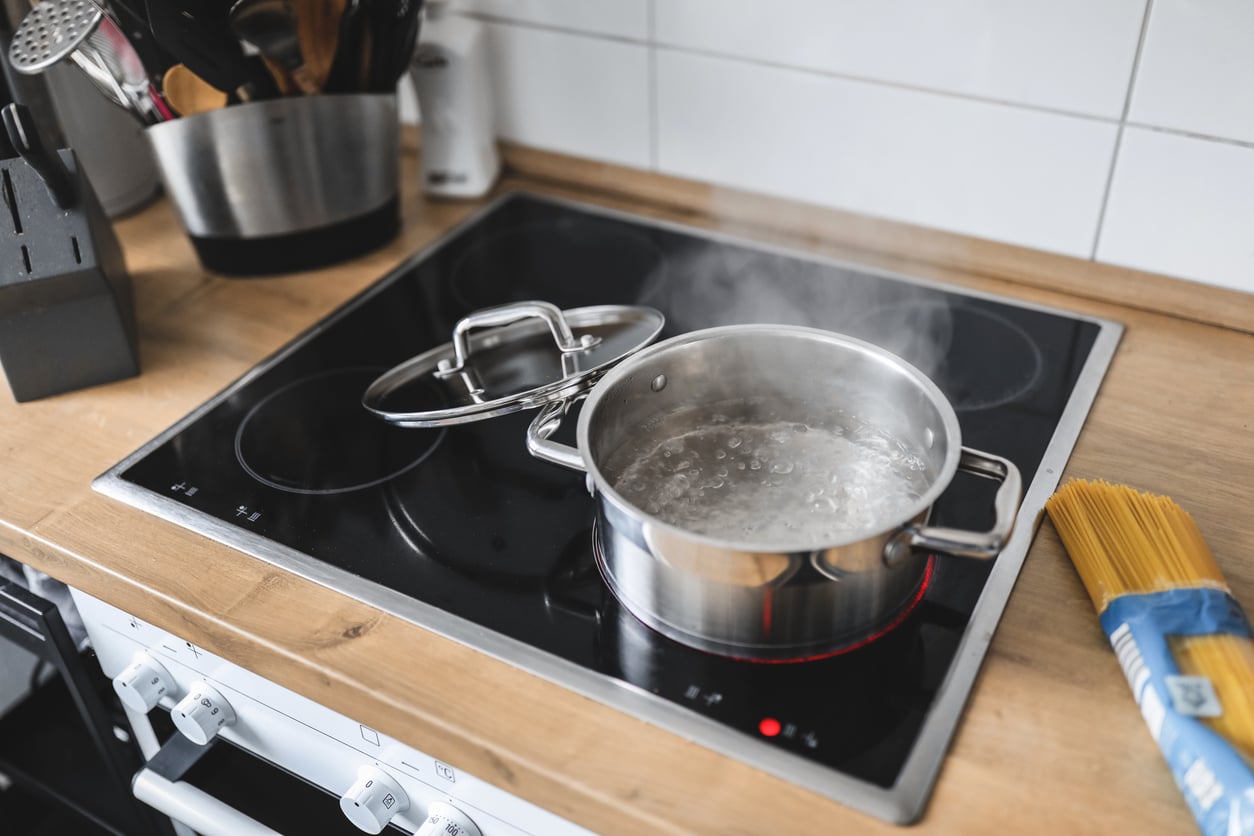
The NFPA identifies unattended cooking equipment as a significant factor in residential cooking fires, a category that includes electric stoves but not exclusively. Those situations make for more than 25% of reported home cooking fires according to the NFPA. When pans are left on the heat without supervision, the oil can become hot enough to splatter and ignite nearby items. This makes leaving a stove unattended one of the most serious appliance fire hazards in the kitchen.
Trending on Cheapism


Microwaves Used With the Wrong Containers
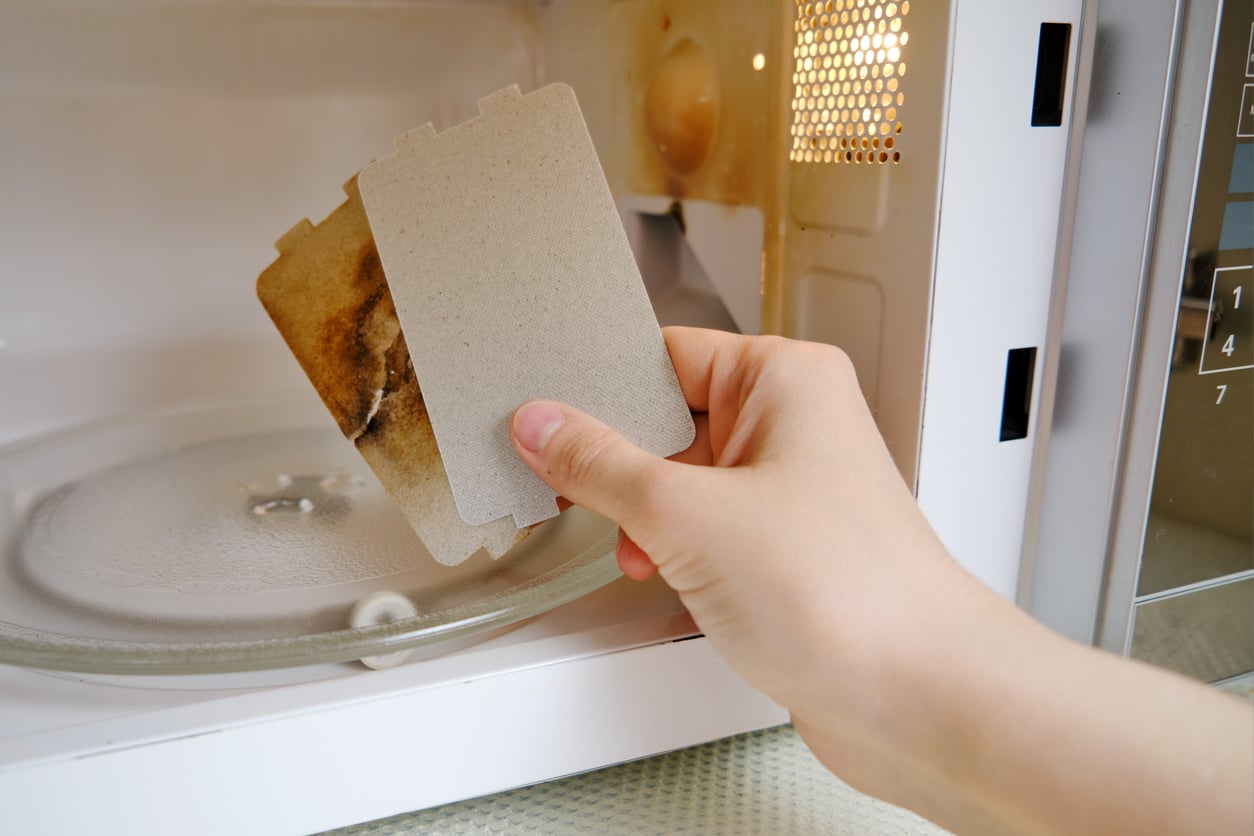
Certain metal objects, damaged containers, or specific materials should not be placed in a microwave. Microwave radiation can cause arcing, overheating, or other hazards when they come into contact with these unsuitable materials. Therefore, be sure to read the manufacturer’s warnings before placing any tray inside. Ignoring these precautions can create unnecessary appliance fire hazards.
Coffee Makers Plugged Into Overloaded Outlets
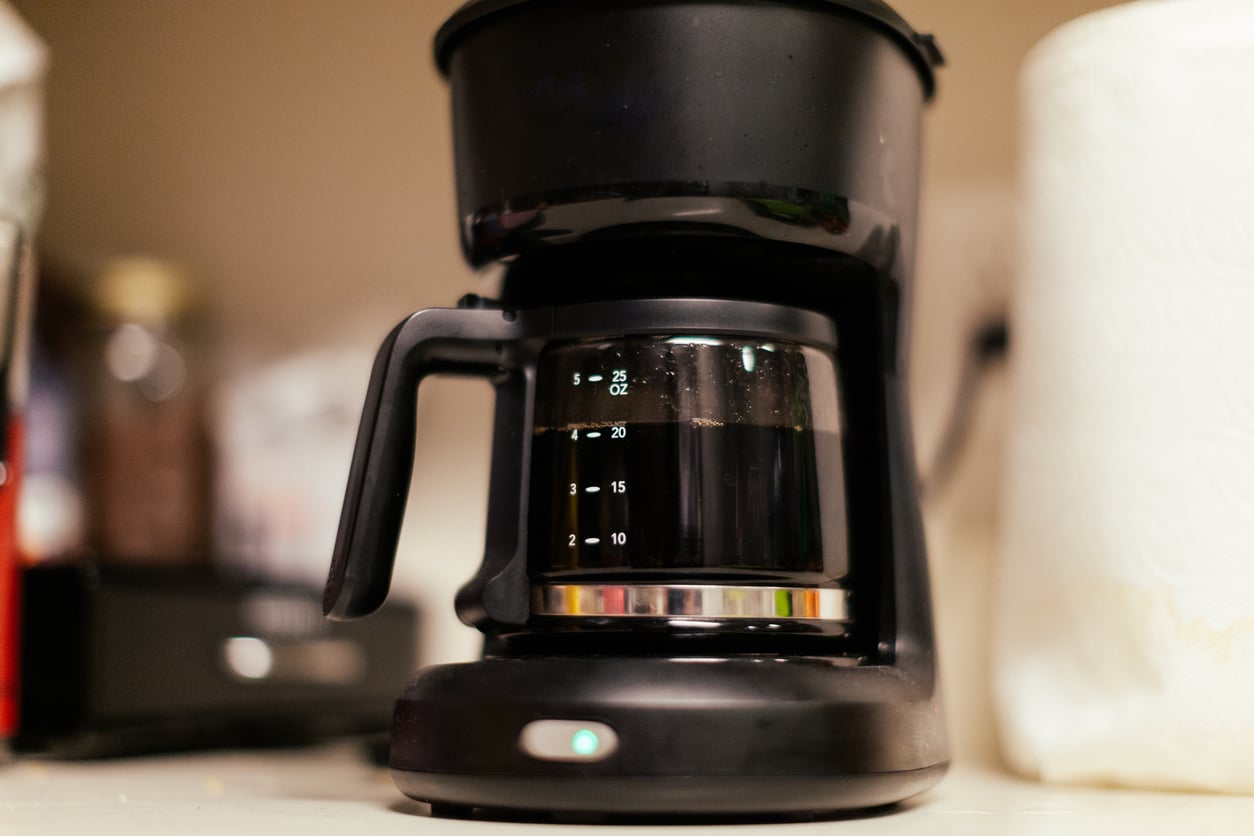
Overloaded outlets can pose a risk to a household. Plugging a coffee maker into the same outlet as other electrical devices can contribute to an overloaded circuit, particularly when several high-wattage appliances share the same circuit. The NFPA recommends plugging heat-producing appliances into their own dedicated outlets to reduce the risk of overloading. These electrical precautions can help prevent appliance fire hazards caused by excessive power demands.
Refrigerators Connected Through Extensions Cords
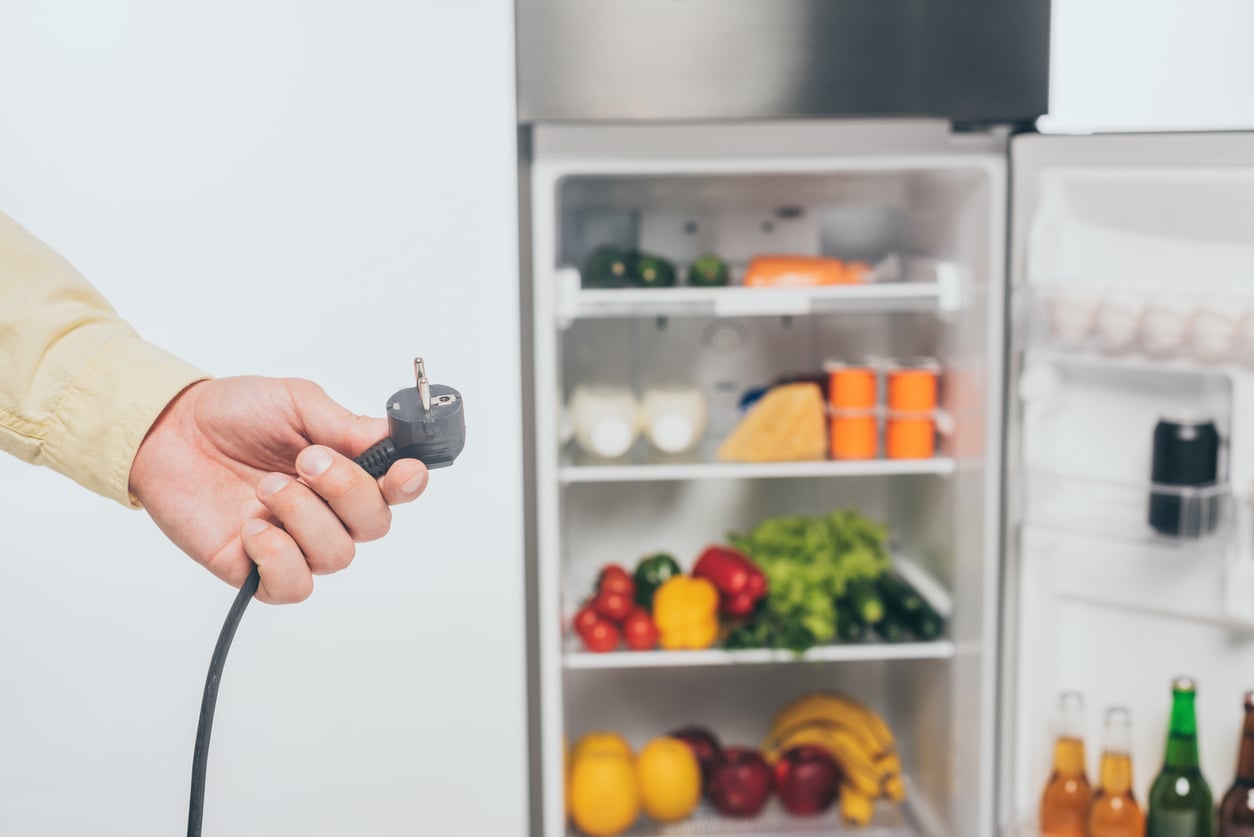
Refrigerators require a constant supply of electricity and are designed to run continuously. For this reason, the U.S. Fire Administration recommends plugging major appliances directly into wall outlets rather than using extension cords, as the latter can overheat. An overloaded or damaged extension cord can overheat and ignite nearby combustible materials.
Sign up for our newsletter
Portable Electric Griddles Used Near Flammable Materials

Electric griddles are similar to other countertop cooking appliances, as they generate enough heat to ignite nearby packaging, towels, or other combustible materials. Grease buildup on such an appliance can create additional hazards. Therefore, always place a portable electric griddle on a heat-resistant surface. Keeping combustible materials away from these appliances is essential to preventing appliance fire hazards.
Portable Electric Fans with Damaged Cords
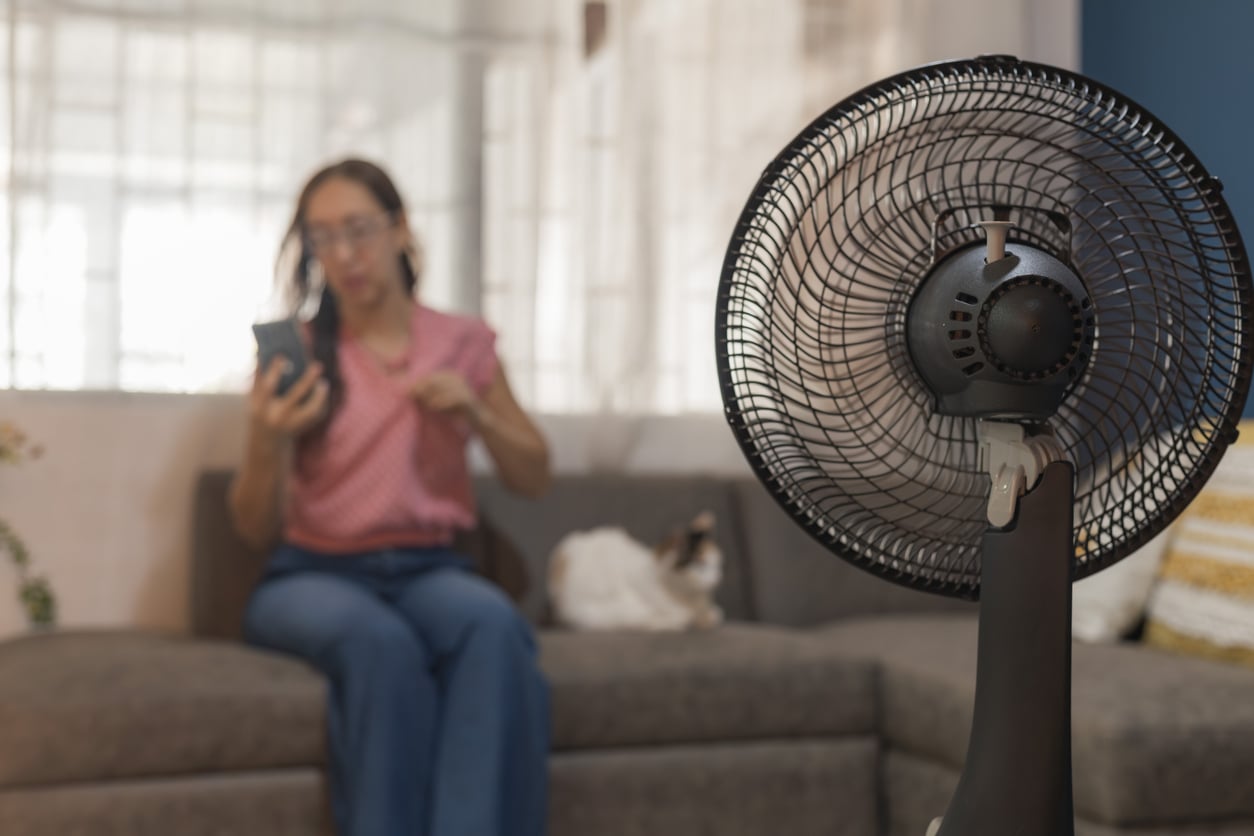
Fans do not generate the same level of heat as cooking appliances, but worn electrical wiring, as well as loose connections and damaged cords, can create fire hazards. Using a fan with a frayed cord is dangerous because it could produce a spark and ignite items located nearby. Checking electrical connections regularly can help prevent these appliance fire hazards.
Washing Machines Connected to Extension Cords
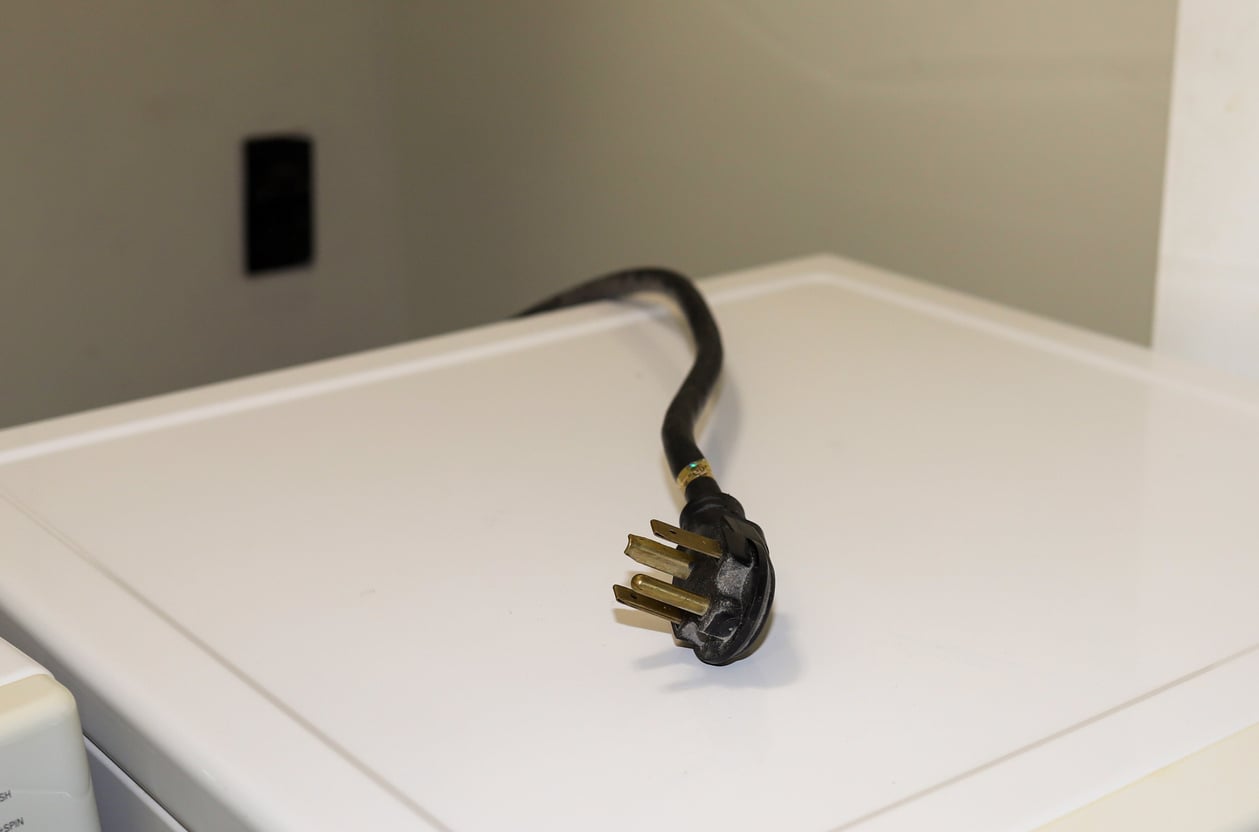
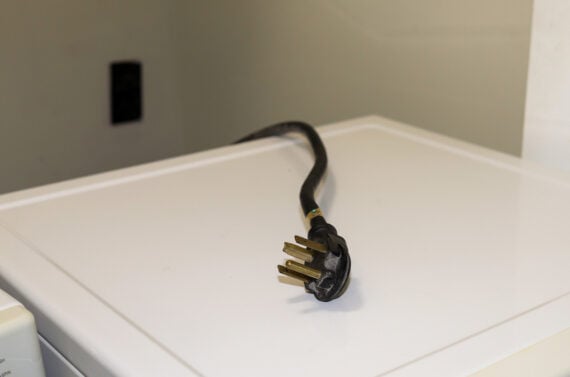
Just like refrigerators, washing machines require a permanent, proper electrical connection rather than the use of temporary extension cords. Improper electrical connections or damaged power cords can cause short circuits and increase the risk of fire. Instead, plug the washing machine directly into an appropriate wall outlet. Also, the USFA advises against using extension cords with washing machines. These electrical precautions can help eliminate unnecessary appliance fire hazards in laundry rooms.
Electric Ovens Used as Extra Storage Space
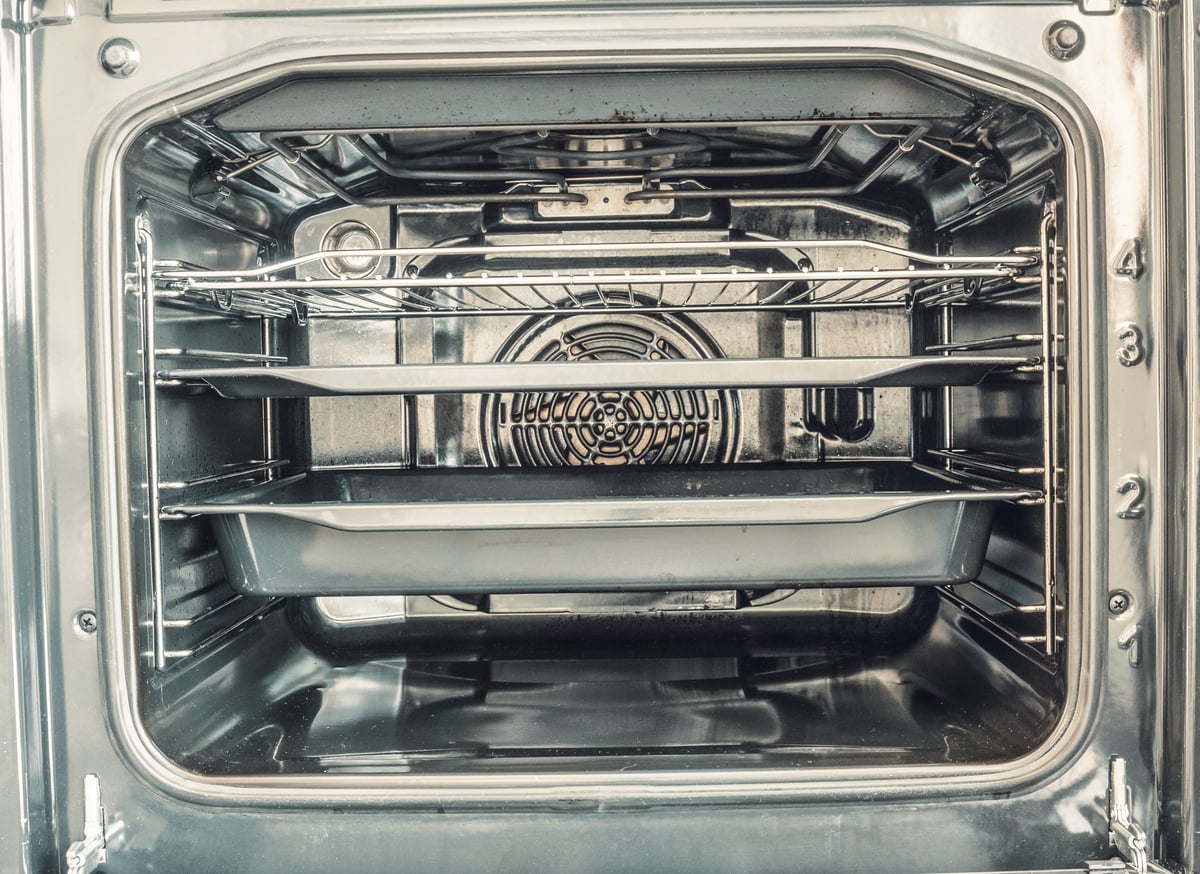
Ovens should not be used as extra storage space for pans, baking sheets, kitchen items, or other objects. This practice can be dangerous if the appliance is preheated without checking whether any combustible items are inside. It is best to keep the cooking cavity clear of stored items to avoid these preventable appliance fire hazards.
Conclusion
Many household appliance fires result from preventable situations, such as improper electrical connections, inadequate cleaning, and unattended operation, yet these fires still occur. The precautions you should take are simple. Ensure proper maintenance of your equipment, provide adequate ventilation, and follow the manufacturer’s instructions, as they vary from one appliance to another. Furthermore, preventing a fire is far easier and less costly than dealing with the consequences afterward.