
Modern vehicles offer many advantages while driving, such as driver-assistance and convenience features that help in parking situations, heavy traffic, and bad weather. However, based on information from sources like Consumer Reports and AAA, not all these new car features were initially considered particularly helpful. Some were even dismissed as mere gimmicks in the past. Let’s took a look at which ones eventually proved their worth!
Adaptive Cruise Control That Adjusts to Traffic
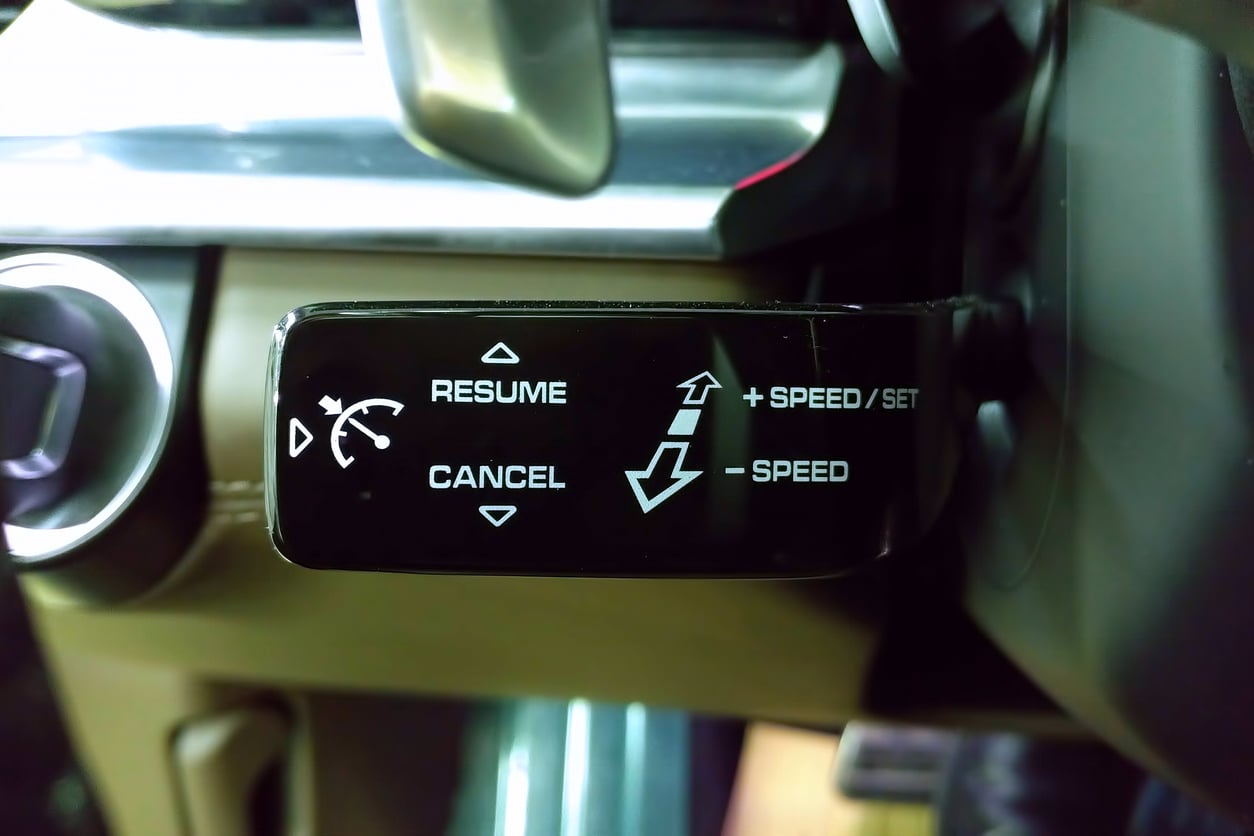
Drivers might consider traffic-adaptive cruise control unnecessary, unless they are on a long highway trip where traffic flow changes frequently. Standard cruise control maintains a set speed, whereas adaptive cruise control automatically adjusts the speed and maintains a safe distance from the vehicle ahead. Even so, the driver has the responsibility for steering, monitoring traffic, and braking when necessary. These car features can make long journeys more comfortable without replacing attentive driving.
Blind-Spot Monitoring Lights on the Side Mirrors
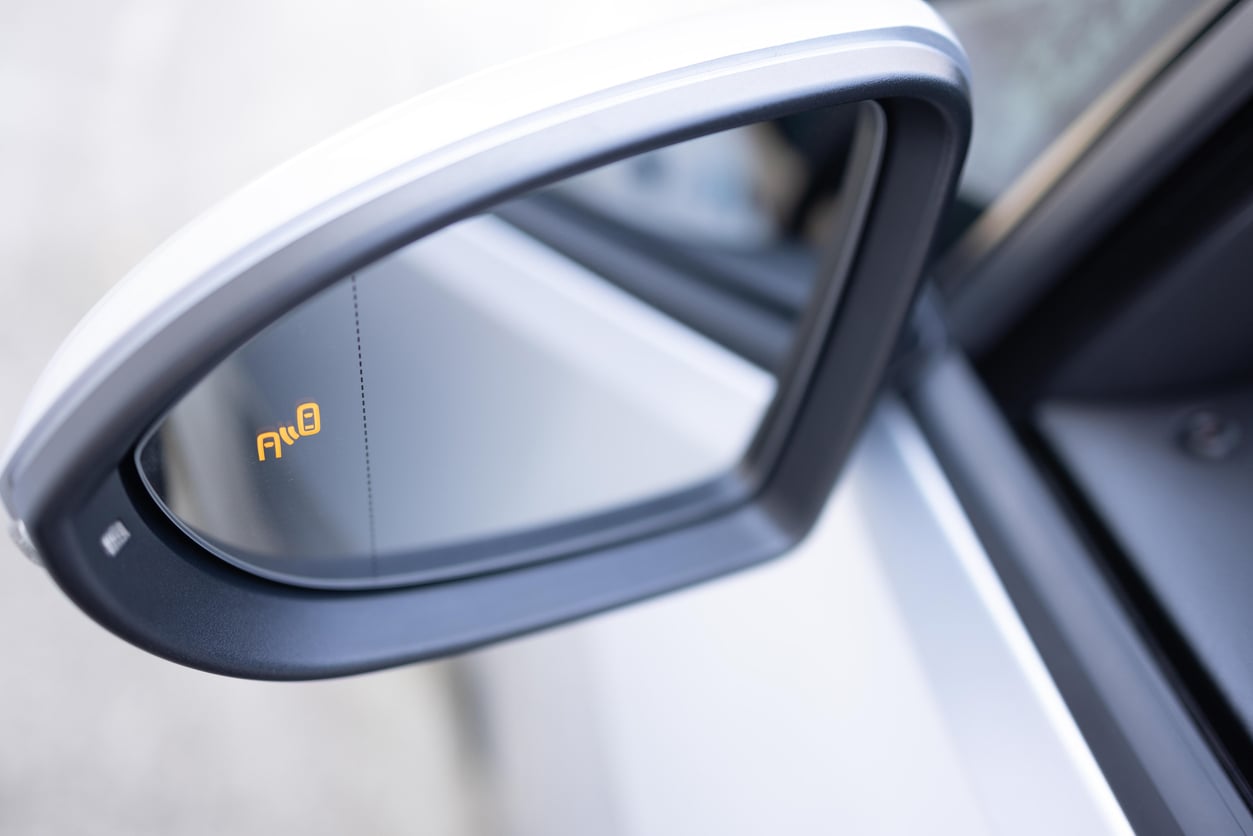
Cars typically have blind spots, which are influenced by the vehicle’s height, the design of the passenger compartment, and the positioning of the mirrors. Blind-spot monitoring systems are designed to alert the driver when another vehicle is in an area that might be difficult to see. For some drivers, a small warning light might seem redundant if an unexpected motorcyclist or other car is already right alongside them. Nevertheless, these car features can provide an additional warning when visibility is limited.
Rear Cross-Traffic Alerts in Busy Parking Lots
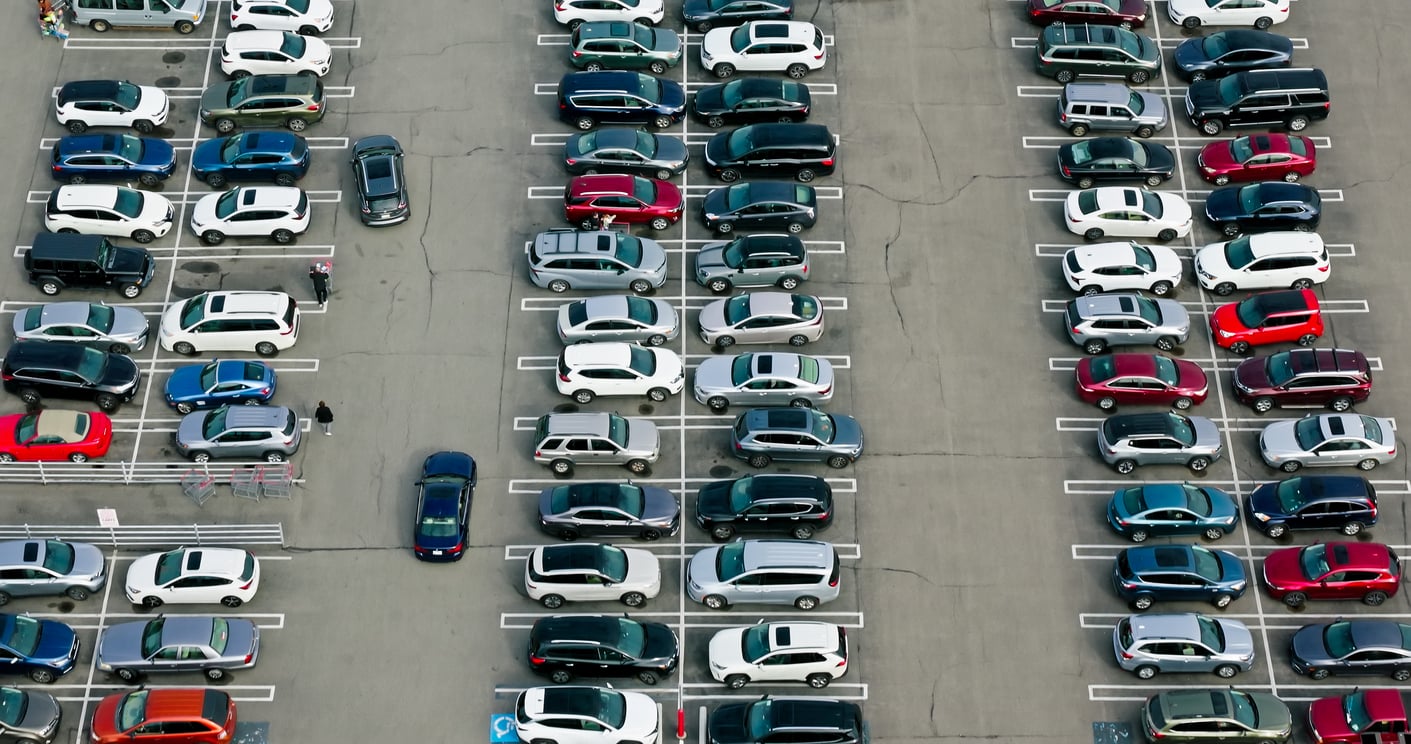
Rear cross-traffic alerts are the warning signals a vehicle emits when other vehicles are approaching from the sides. They also activate when you are reversing in a busy parking lot. Although some drivers might consider these car features unnecessary when simply moving past parked cars, they still need to pay close attention when reversing between other vehicles.
A 360-Degree Camera That Makes Parking Easier
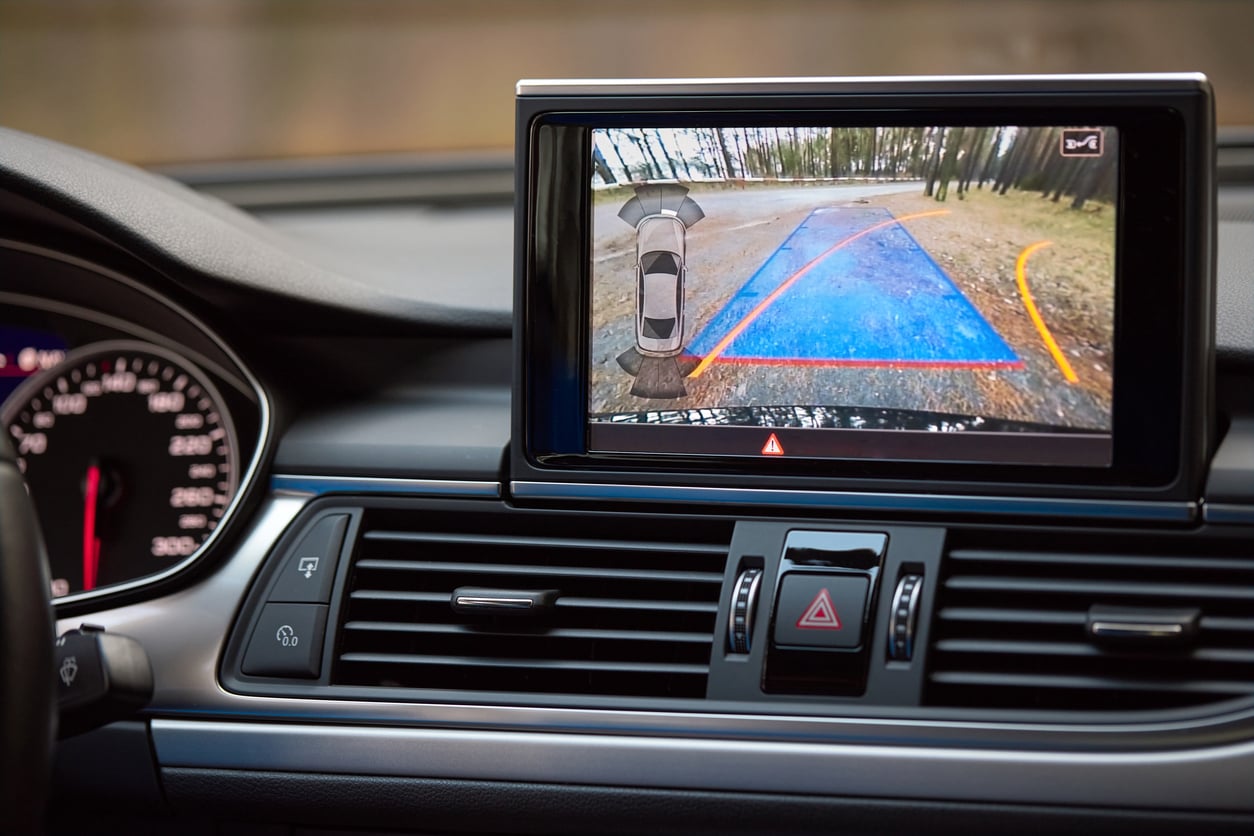
Initially, many drivers felt that a 360-degree camera, designed to make parking easier, was a system that made the process feel like a game by simulating a view of the vehicle. Nevertheless, according to Consumer Reports, this technology proved to be one of the more useful car features when parking near curbs, navigating narrow garages, or positioning a larger vehicle.
Rear Automatic Braking

When a car detects an imminent backing collision while reversing, rear automatic braking, if equipped, can automatically apply the breaks to prevent or reduce the impact. While these car features might have seemed unnecessary before becoming more widely available, they can save drivers from hitting a garage post, another car, or an unexpected obstacle.
Trending on Cheapism
Heated Steering Wheels

Heated steering wheels were once considered a luxury gimmick, until many drivers had to face a journey in freezing, wintry conditions, according to Consumer Reports. Unlike a heated cabin, this feature warms the steering wheel directly, applying heat straight to the driver’s hands. Among modern car features, it is one that can significantly enhance comfort during cold-weather drives.
Automatic High Beams
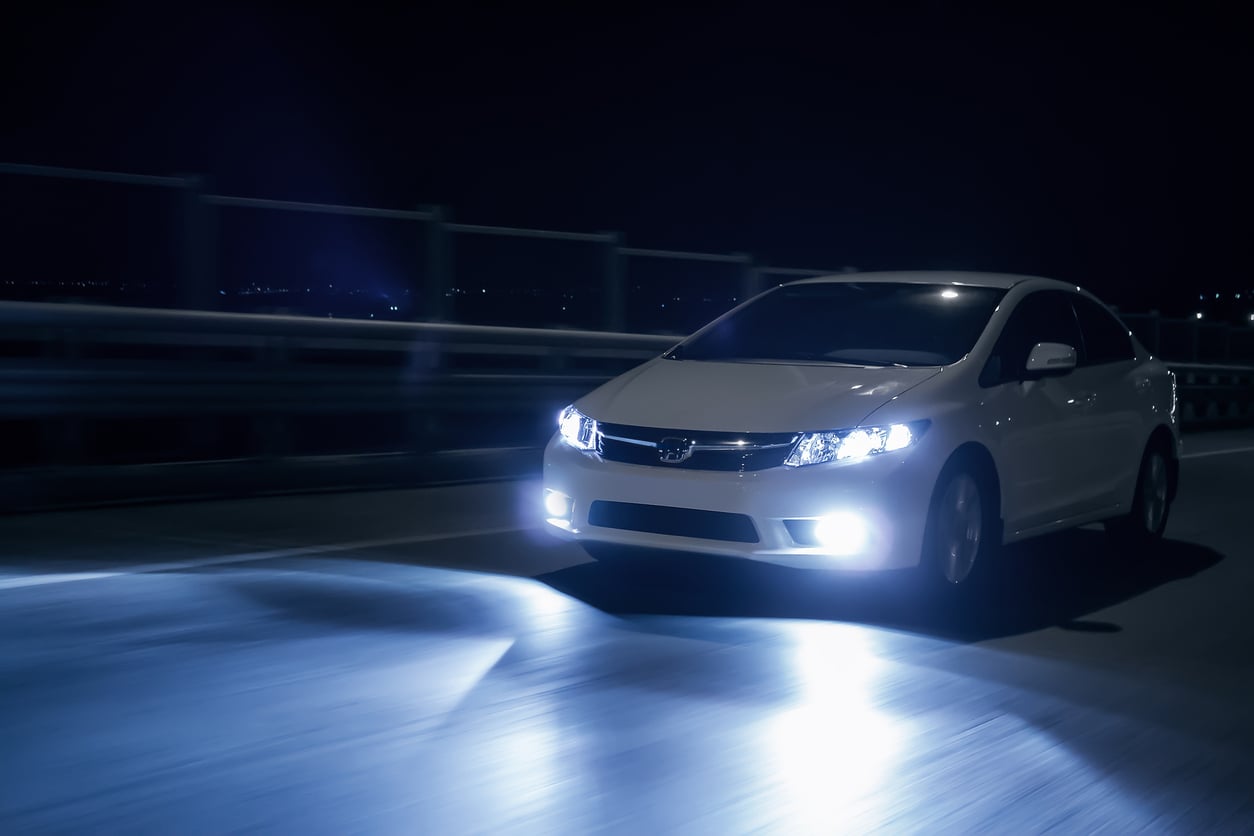
The automatic high-beam systems feature is technology that determines when to switch between high and low beams by detecting surrounding lighting and traffic conditions. Some drivers mentioned that is a feature not worth having because they rarely use their high beams. However, once they experience the extra illumination provided on rural roads, they come to appreciate it. This technology improves nighttime visibility and offers the convenience of eliminating the need for constant manual switching.
Rain-Sensing Windshield Wipers
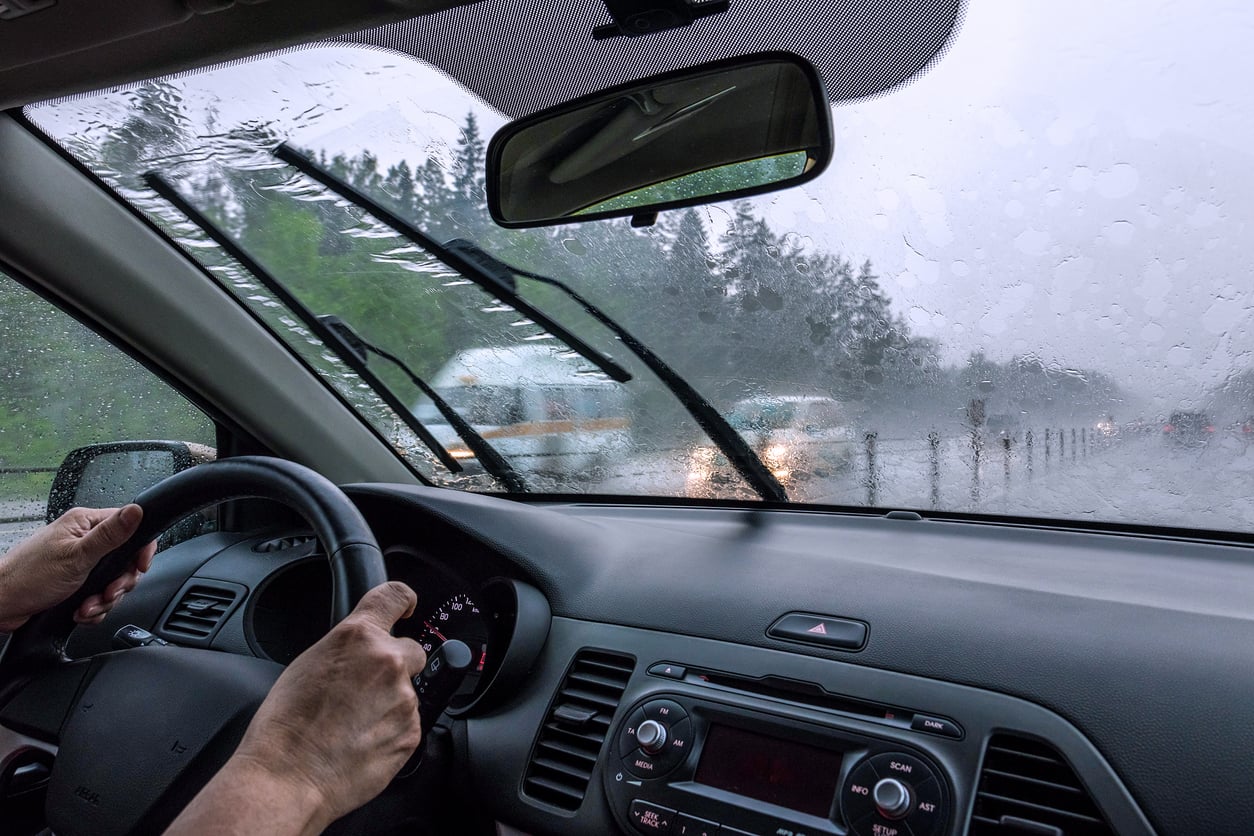
The rain-sensing windshield wiper feature seemed unnecessary to many drivers. But when they realized what a nuisance it to have to repeatedly adjust the windshield wiping settings while driving, as conditions shifted between a light drizzle and sudden, heavy rain, they convinced themselves. These sensors detect moisture and automatically adjust the wiping frequency as the precipitation changes. Such car features make driving in unpredictable weather more convenient.
Sign up for our newsletter
Heated Side Mirrors
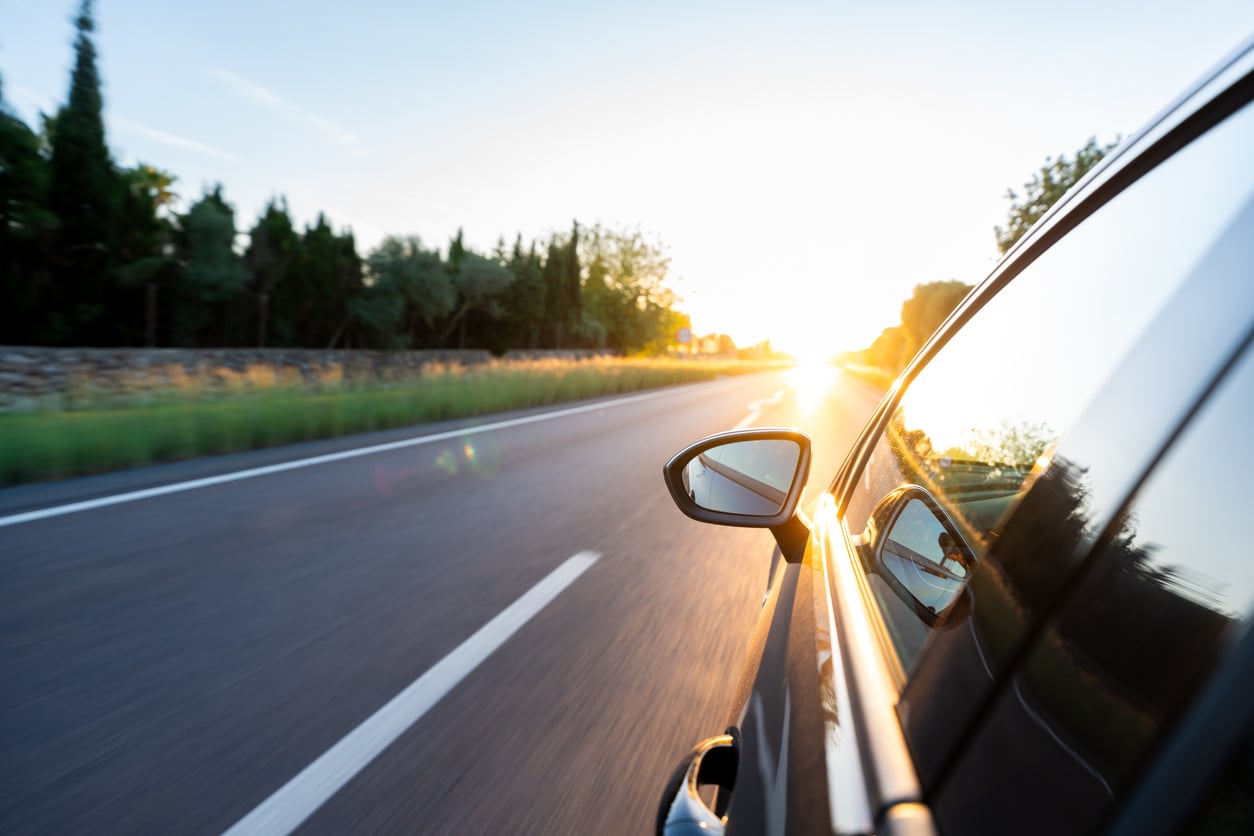
Heated side mirrors can be used to remove frost, ice, and condensation from a surface that drivers need to rely on when changing lanes. Initially, this car features were considered unnecessary by some motorists. However, because it significantly improves visibility and eliminates the need for manual scraping, it’s one of the most needed car features, according to Consumer Reports.
Apple CarPlay and Android Auto
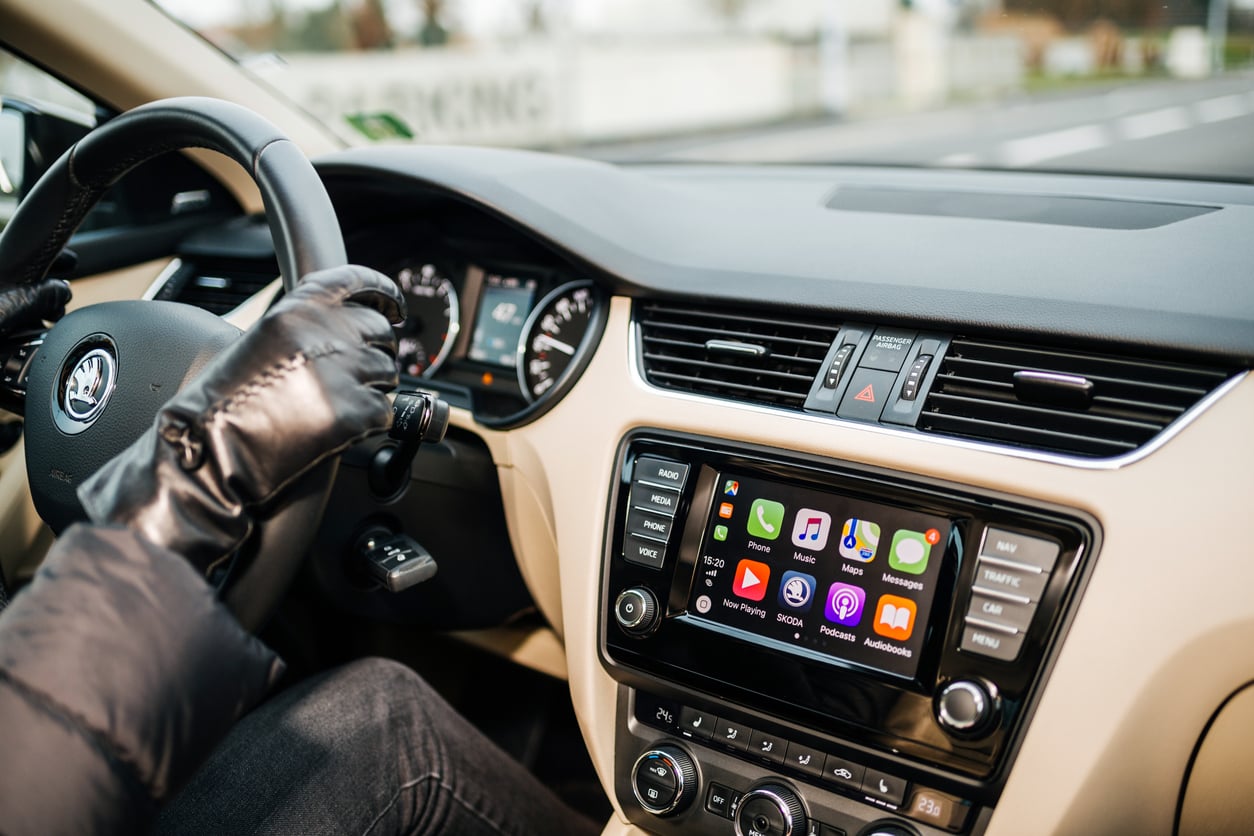
The integration of smartphones into vehicles has allowed people to access familiar navigation, audio, and communication features while on the road. Initially, systems like Apple CarPlay and Android Auto were viewed as little more than an extra screen. However, they ceased to be seen as a mere gimmick once drivers realized that the menus from their phones, complete with familiar voice controls, were now available right in their cars.
Lane-Keeping Assistance on Long Highway Drives
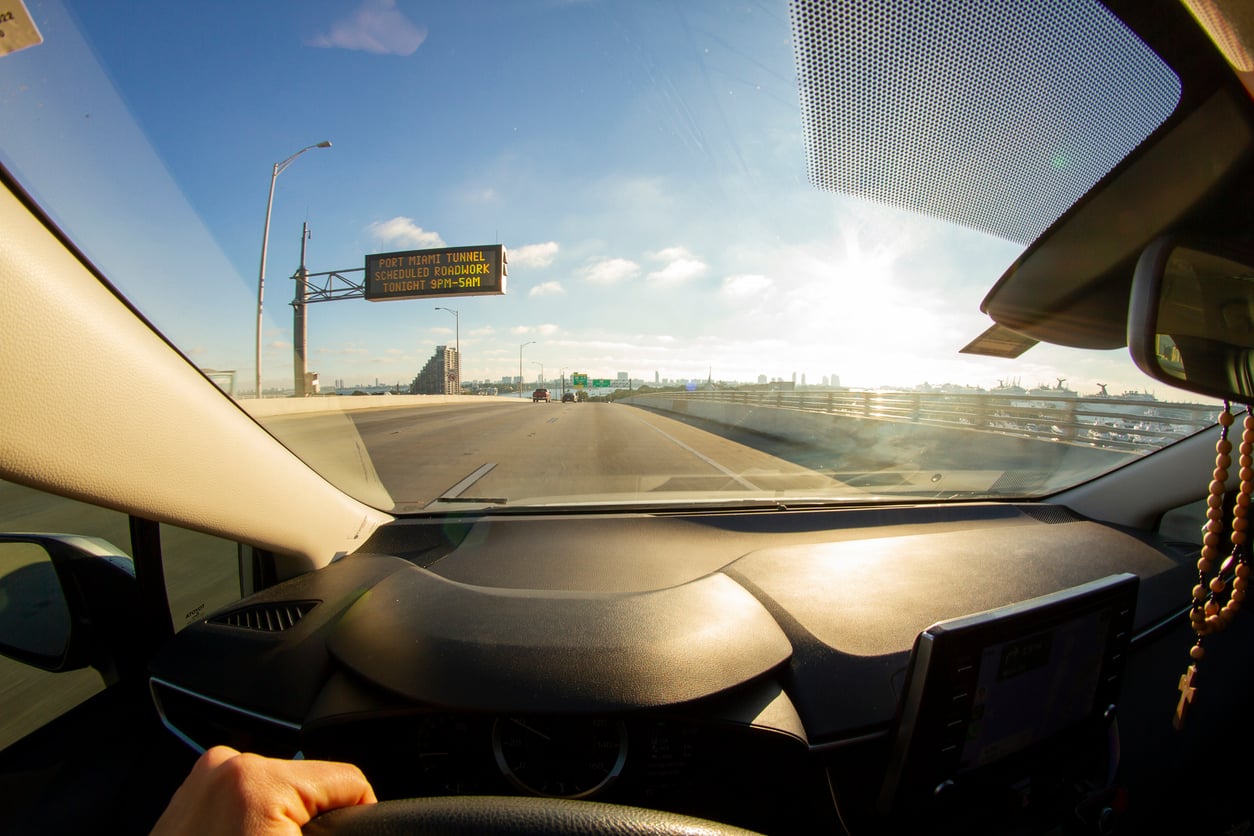
The gentle steering corrections provided by a lane-keeping assistance system, occurring while driving and when the driver has no intention of changing lanes, were initially not well-received, as drivers found the intervention surprising. However, since these systems are not fully self-driving and can provide assistance although their effectiveness depends on the vehicle’s technology and its ability to detect lane markings.
Windshield Wiper De-Icers

Some drivers miss out on the opportunity to use windshield-wiper de-icers, viewing them merely as a minor luxury feature. Nevertheless, when the region where they drive is hit by freezing conditions, and their washer jets stop working properly, they suddenly appreciate this function. The system can help reduce the frustration caused by winter-related visibility issues, sparing you from having to make frequent stops to get out of your car and clear away ice.
Conclusion

These technologies that have been added to cars help with everyday frustrations, from navigating parking lots and challenging weather conditions to dealing with traffic. Furthermore, car features designed to assist drivers can contribute to safer journeys, although they never eliminate the driver’s responsibility to remain attentive.