With the first truly cold days of the year, certain problems with a person’s car may come to light. From batteries that struggle to deliver enough power to rubber components that become less flexible, these winter car problems become more apparent under harsh temperature conditions. Using information from the American Automobile Association and CAA, we’ll reveal the parts of a car that tend to wear out when it’s cold!
The Battery That Started Fine All Summer Suddenly Struggles
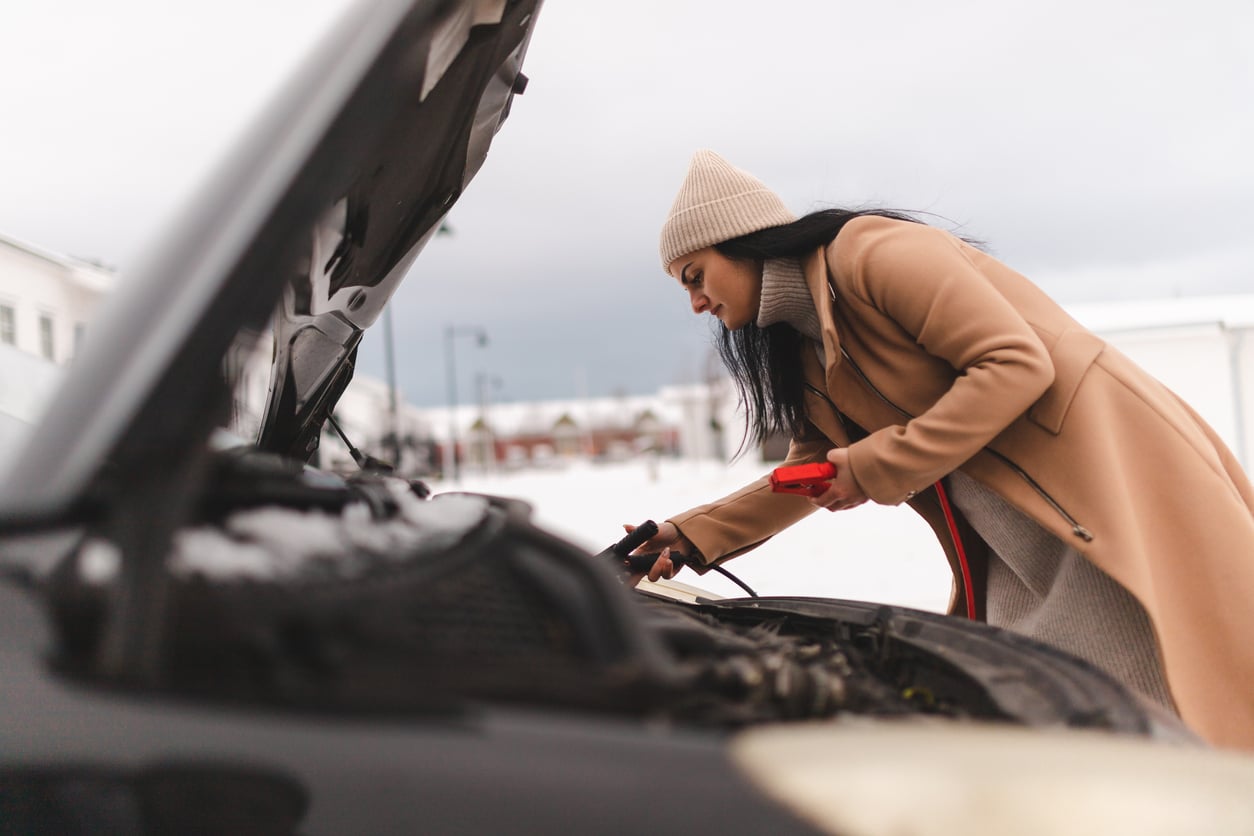
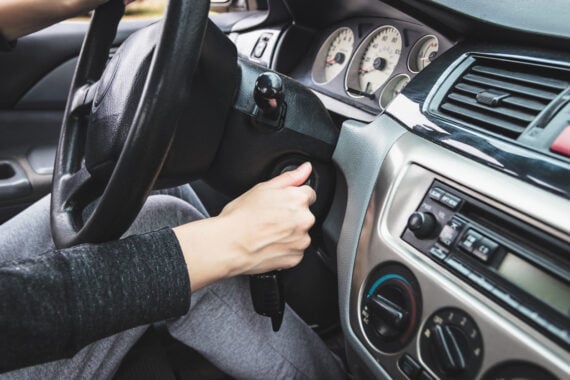
Cold temperatures reduce a battery’s ability to deliver power to the engine, which in turn requires more power for starting. This is why a battery that functions well during warmer periods may exhibit issues, such as slow cranking or repeated clicking, during the winter. Battery-related winter car problems are particularly common when a battery is already aging.
Tires That Had Enough Grip in Summer Start Sliding
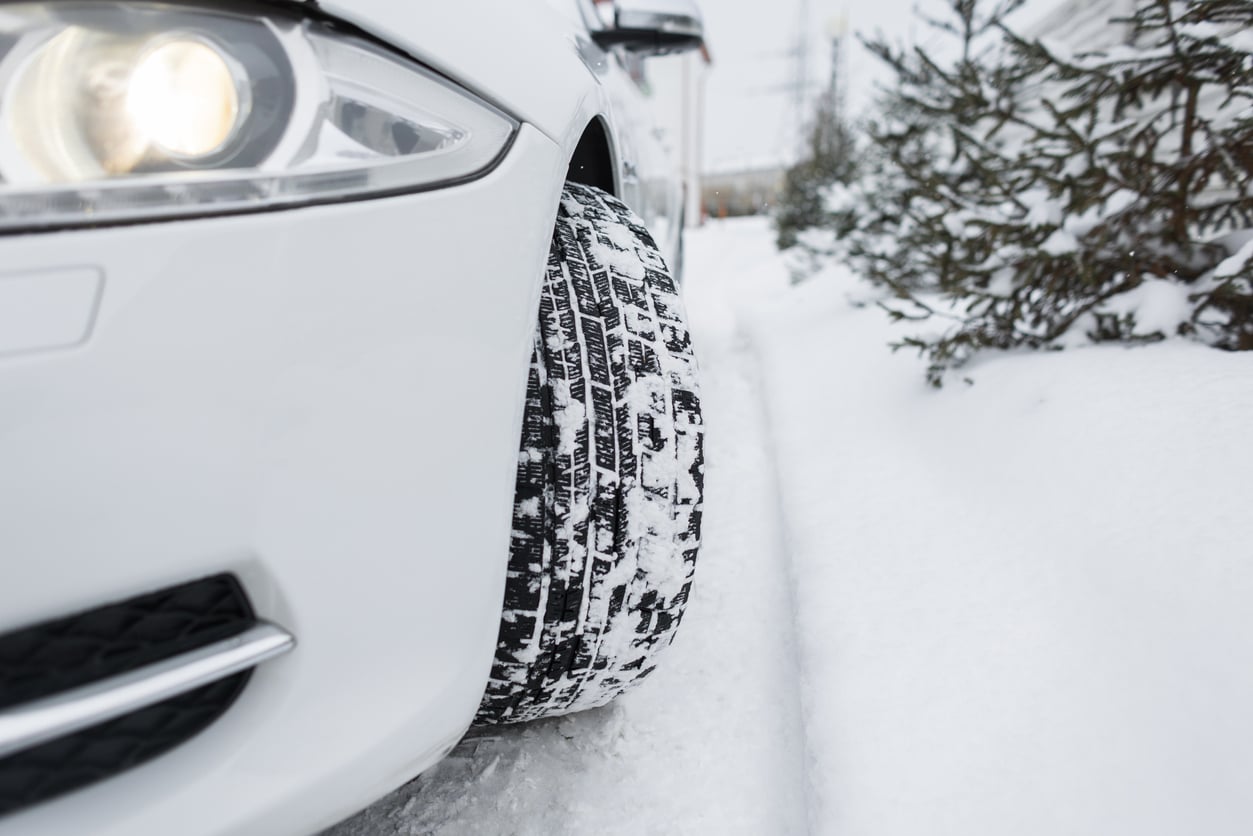
Worn tires may provide less traction on snowy, slushy, or icy roads, and lower temperatures can cause tire pressure to drop. These conditions can affect a vehicle’s handling and fuel economy. These winter car problems can be minimized by checking the tread depth and verifying cold tire pressure according to the manufacturer’s recommendations.
Windshield Wipers That Suddenly Leave Huge Streaks
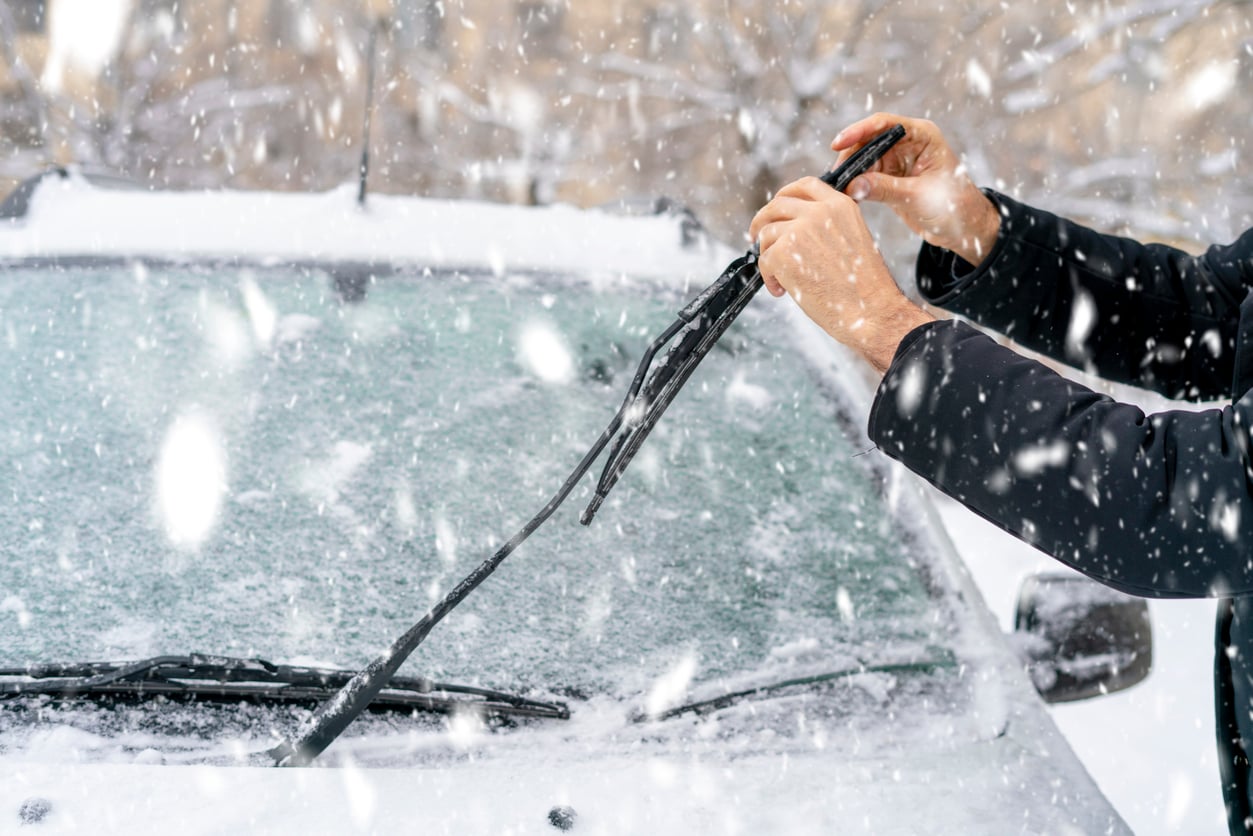
Wiper blades may work perfectly fine during occasional summer rain, but when winter arrives, bringing salt, sleet, and freezing precipitation, the rubber can crack or harden, leaving streaks on your car’s windshield. These winter car problems can be particularly dangerous during winter driving, as damaged blades may impair visibility and potentially scratch the glass if exposed components come into contact with it.
The Heater That Never Seems to Get Warm Enough
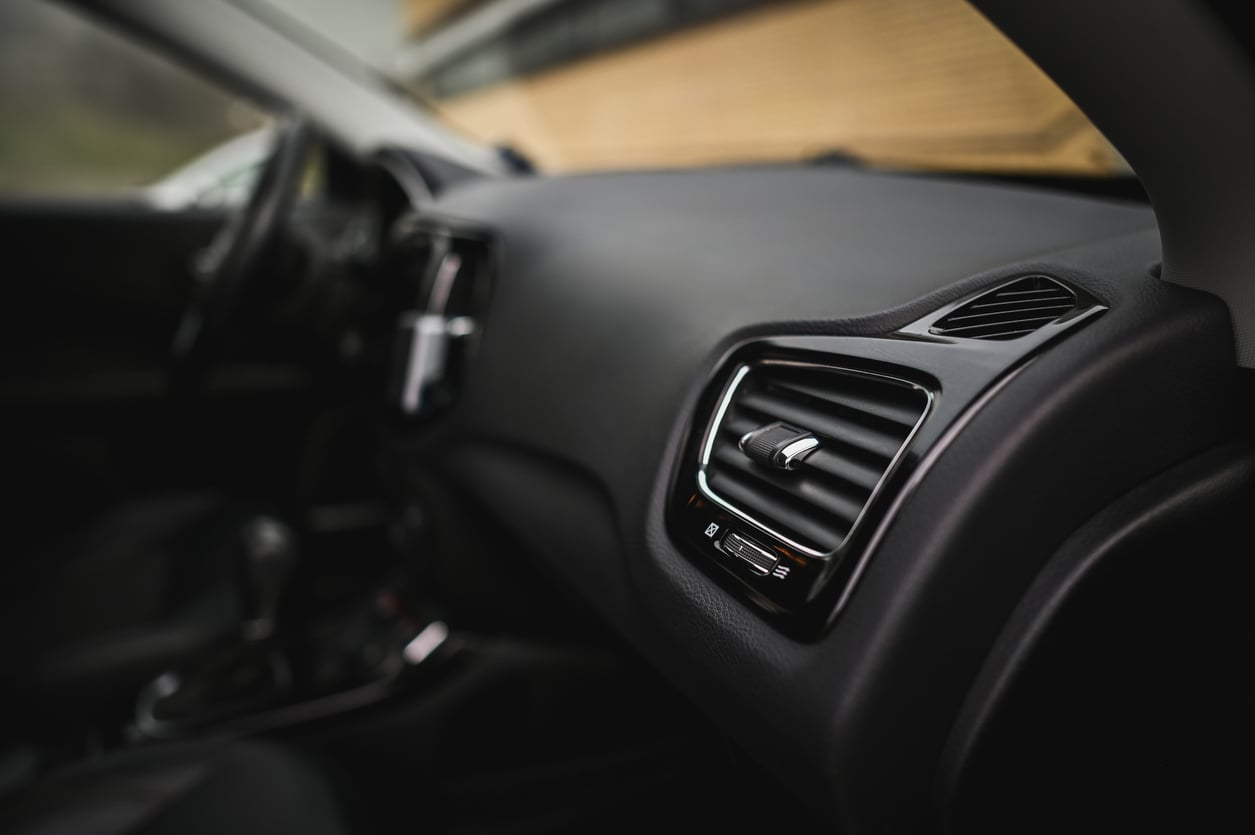
During the summer, you might not notice that the heater isn’t warming the vehicle enough, but in winter, you’ll notice it immediately, as temperatures will be below freezing. Whether the issue stems from low coolant, a faulty thermostat, or restricted flow through the heater core, the CAA recommends having the cooling system inspected before the winter season arrives.
The Defroster That Cannot Keep the Windshield Clear
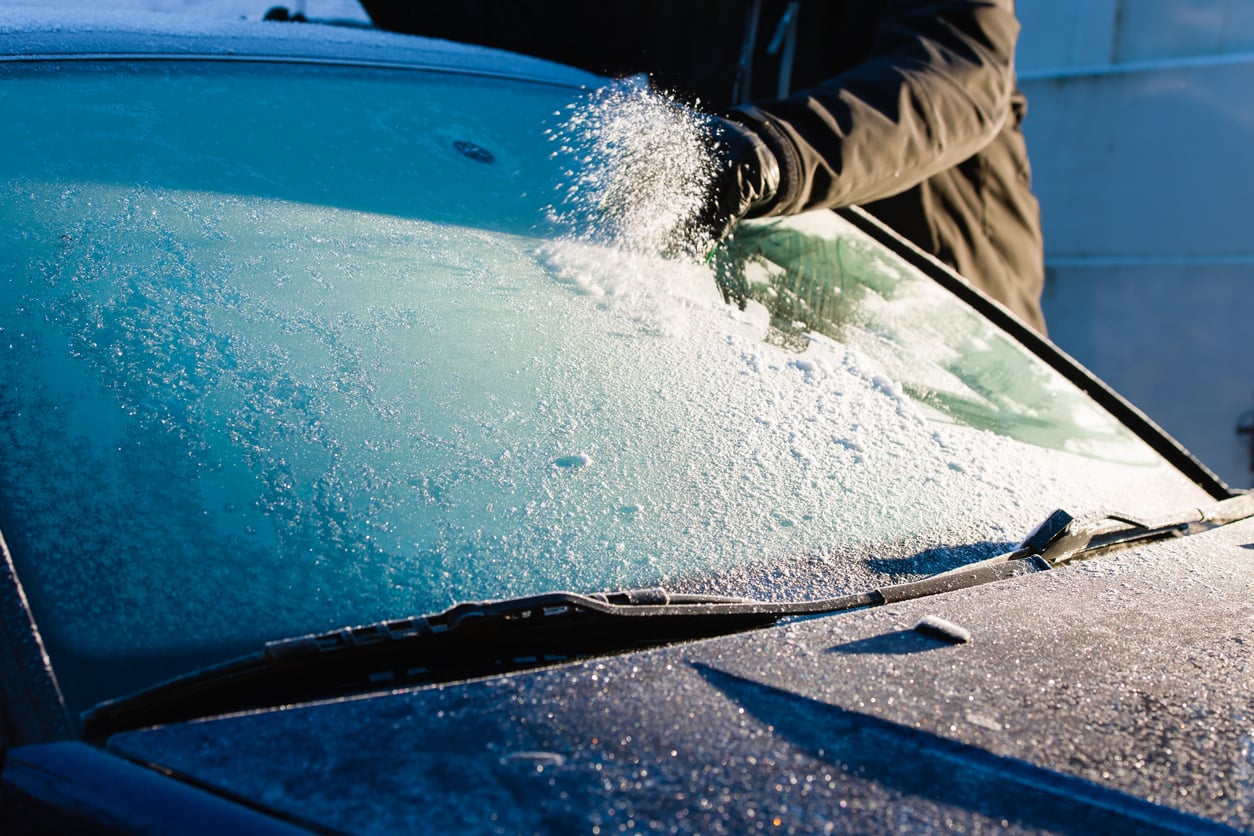
Winter highlights the importance of the defrosting function, as drivers rely on proper airflow, heating, and moisture removal for safer driving. If the cabin air filter is clogged, the blower performance is poor, or the heating system is malfunctioning, this is the time of the year when you will notice it most. These winter car problems can affect visibility, so you should check the vehicle’s airflow and defogging settings during routine inspections.
Trending on Cheapism


The Washer Fluid That Freezes Right When You Need It
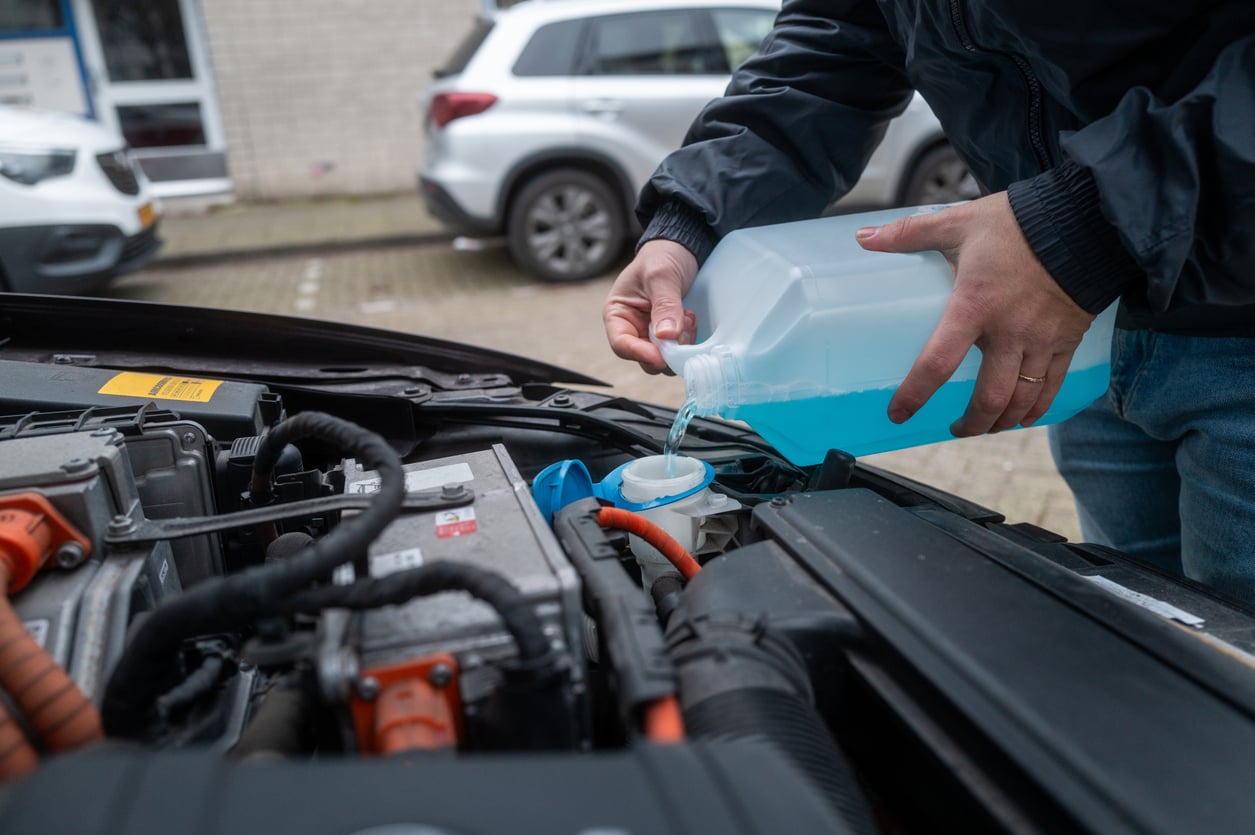
You should ensure that your windshield washer fluid is suitable for winter conditions, just as it is for summer, so that it can effectively combat road salt and grime. Cold weather can expose issues such as clogged nozzles, damaged hoses, and weak washer pumps, problems that might go unnoticed during the summer. According to the AAA, one way to prevent these winter car problems is to use a washer fluid designed to withstand freezing temperatures before such conditions arrive.
The Starter That Sounds Much Weaker on Freezing Mornings
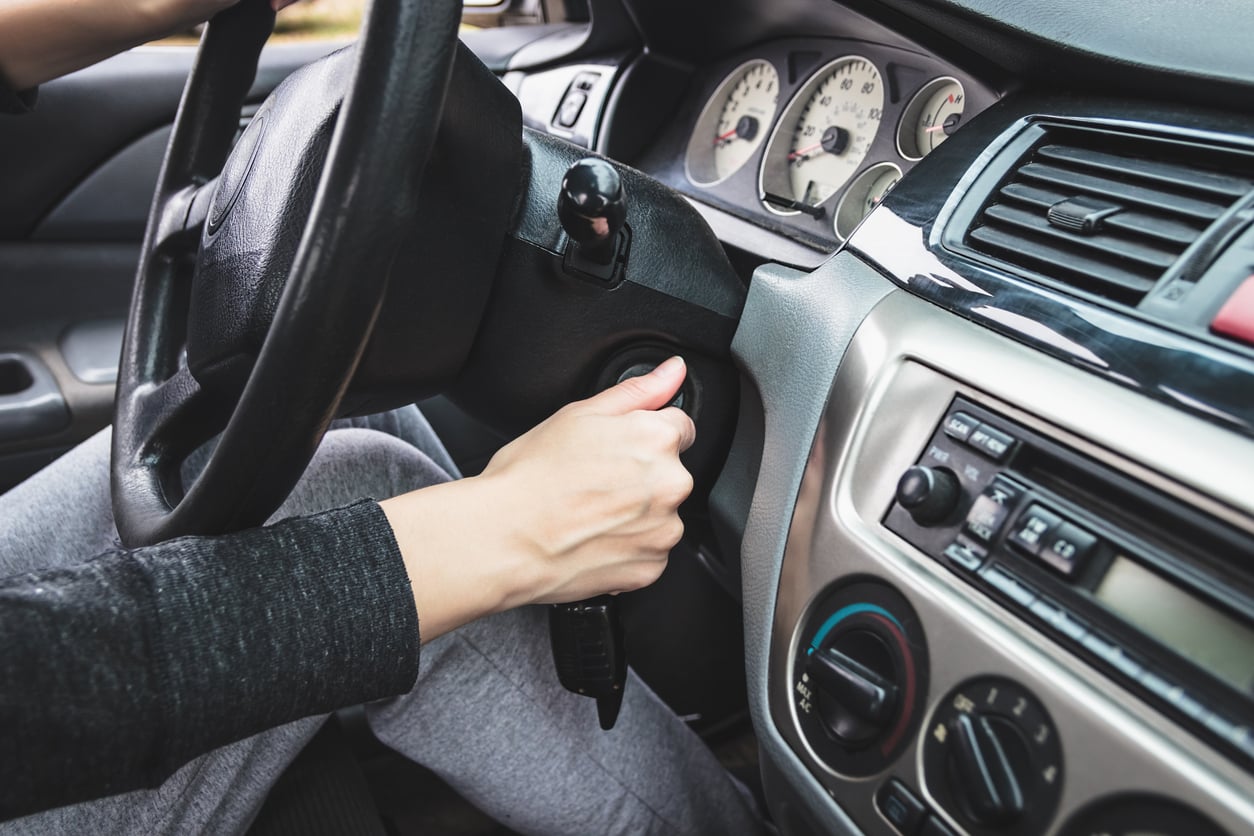
The engine requires more effort to crank during cold weather, which can potentially strain the starter motor if it is nearing the end of its service life. Symptoms such as clicking, intermittent starting, and abnormal cranking are indicative of starter issues, although problems with the battery or electrical connections can also cause these same symptoms. These are common winter car problems that deserve attention before the starter fails completely.
The Engine Oil That Makes Cold Starts Harder
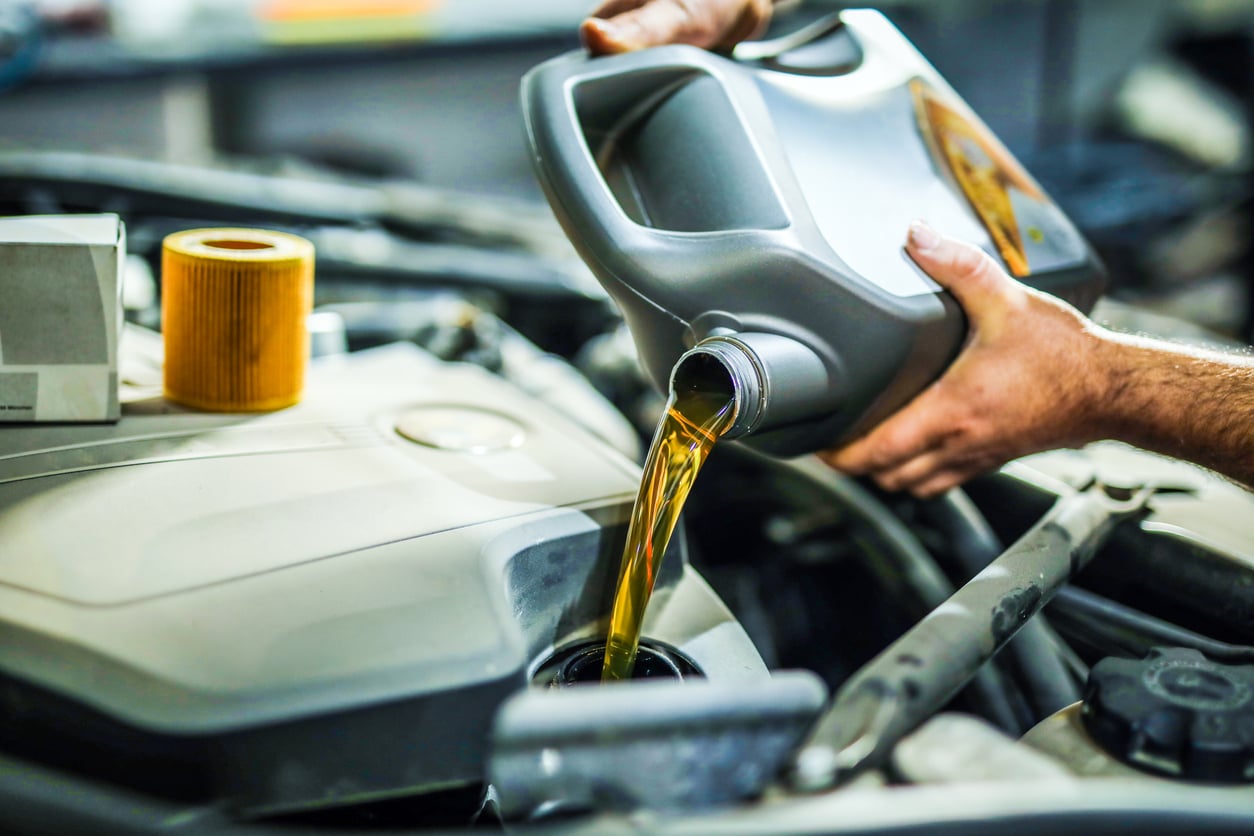
The oil that people put in their cars becomes more resistant to flowing as temperatures drop. Consequently, an unsuitable viscosity or oil that is severely overdue for a change can complicate the lubrication process. These winter car problems can be avoided by following the manufacturer’s recommendations, as modern engines require specific oil grades and thicker oil does not necessarily offer better protection.
Sign up for our newsletter
The Coolant That Is No Longer Providing Proper Freeze Protection
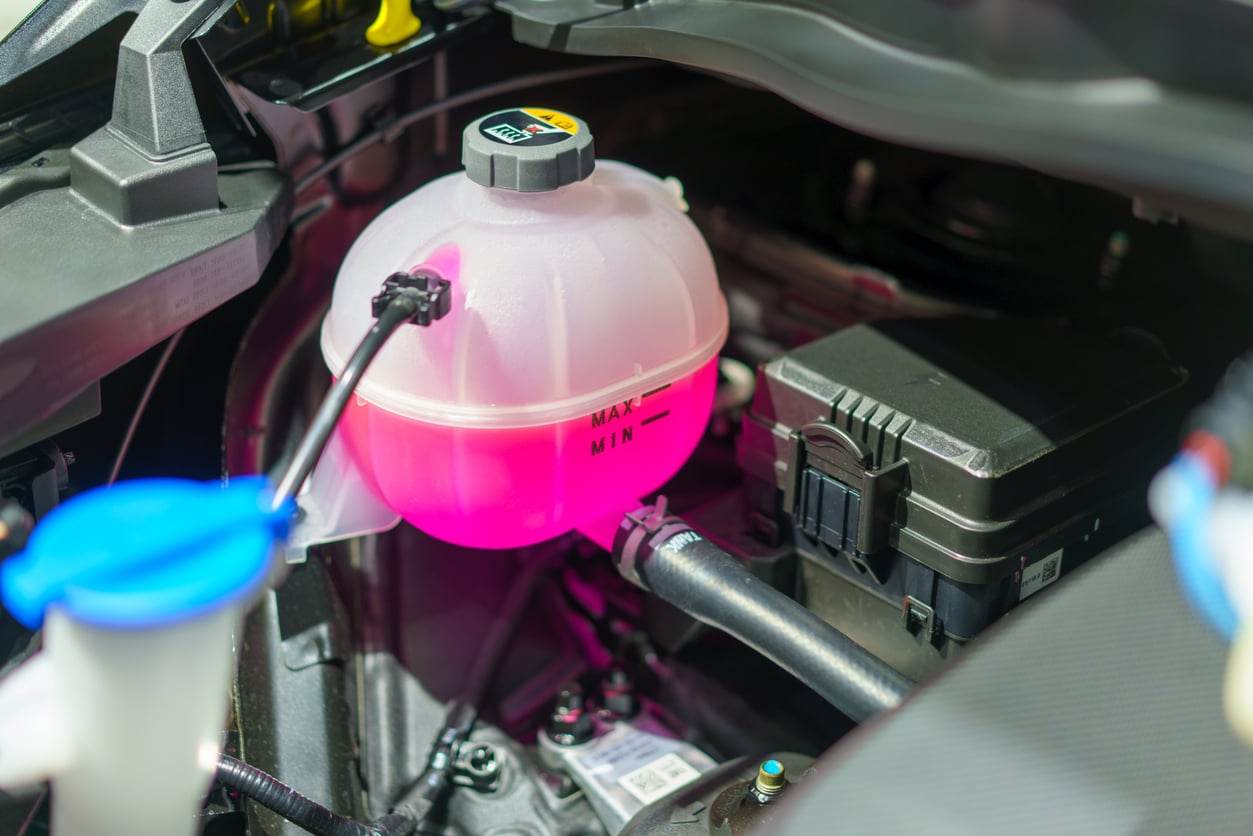
A vehicle’s coolant might not provide adequate freeze protection, because it could be old and being diluted. In freezing temperatures, these winter car problems can become costly, as coolant protects the vehicle from corrosion, prevents freezing, and helps regulate engine operating temperatures.
Headlights That Seem Much Dimmer on Dark Winter Roads

Because winter days are colder and have less daylight, headlight systems may develop problems, such as weak bulbs, damaged lenses, or electrical failures. These winter car problems can significantly reduce visibility for a driver, especially when combined with wet, snow-covered roads and glare reflected from other vehicles.
Brakes That Feel Less Reliable on Slippery Roads
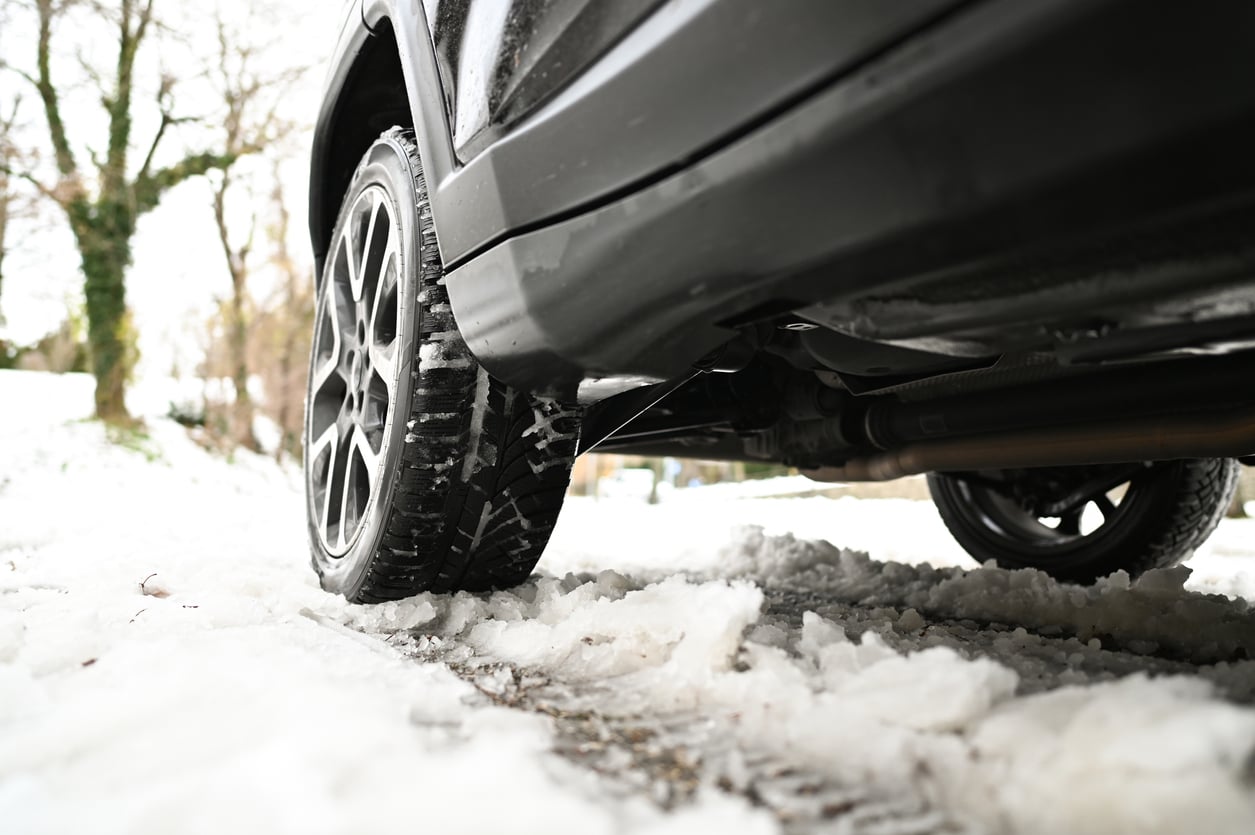
Winter can also reveal that a car’s brake pads have a reduced traction, making them less reliable on slippery roads. Issues can arise with the rotors or the broader braking system, compounded by the fact that snow and ice inherently reduce a vehicle’s traction. According to the AAA, if you notice a grinding sensation, the vehicle pulling to one side, or vibrations in the brake pedal, you should have the car serviced.
Old Weatherstripping That Starts Letting Cold Air and Moisture Inside
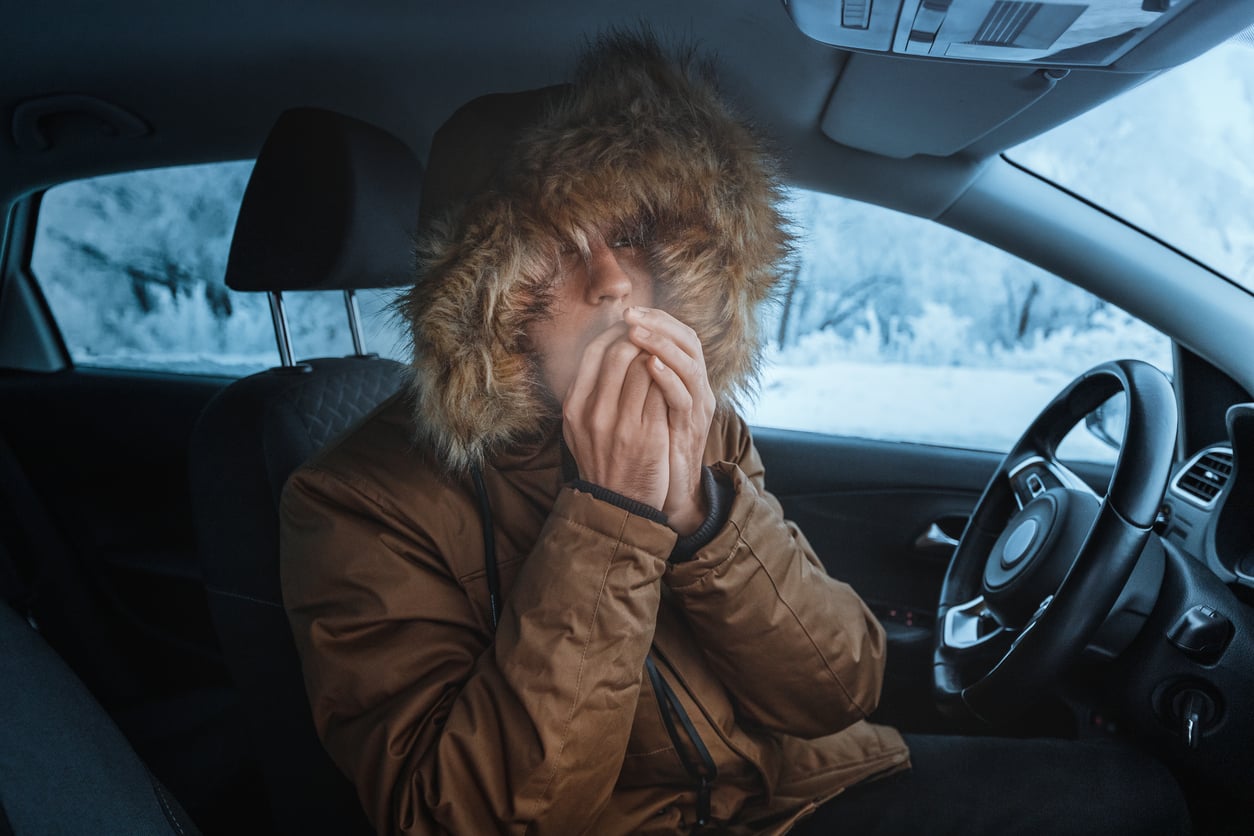
Aging doors and window seals can become more noticeable during the cold winter months. Much like in a home, cars can develop drafts, experience water intrusion, or have openings that freeze shut. Damaged seals can also contribute to moisture inside the vehicle and create an uncomfortable cabin environment.
Conclusion

The issues a car might experience are often already present. The freezing temperatures of winter simply make them more apparent and can even lead to new mechanical problems. Components such as the battery, tires, and windshield wipers, as well as various vehicle systems, require special attention before issues become more complex and costly to resolve. Simple inspections and preventive maintenance can help reduce the risk of major problems during the winter.