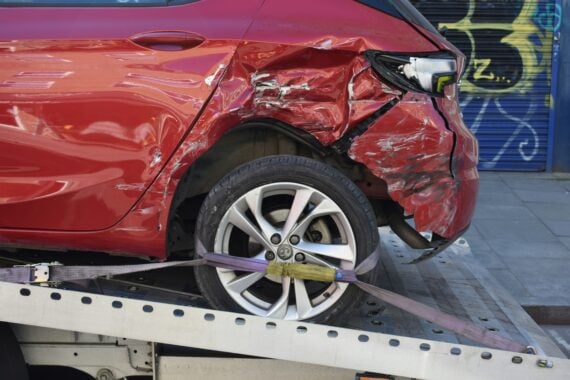

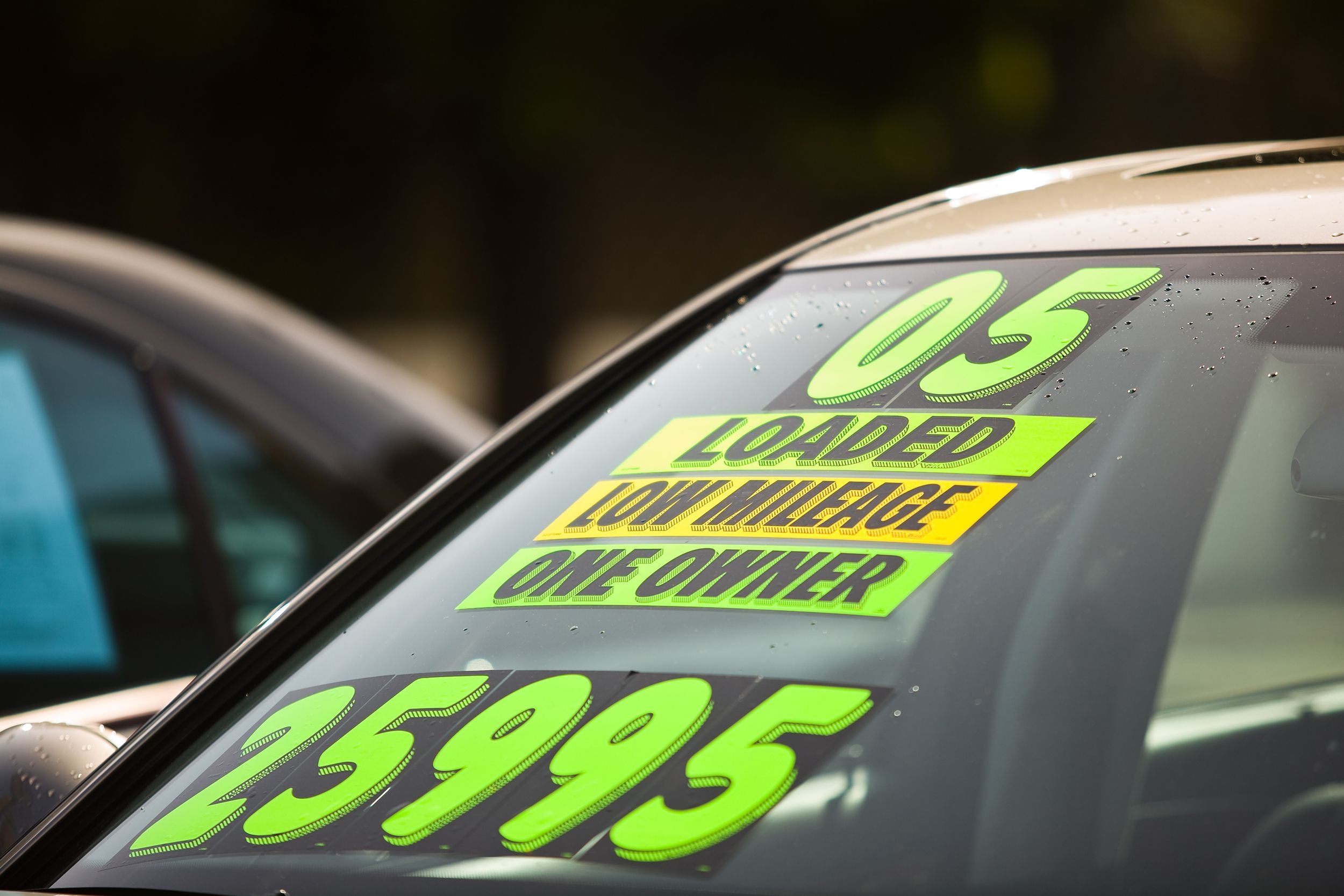
A low price tag on a car can feel like a win — especially if you’re trying to stick to a tight budget or avoid taking on a large loan. It’s easy to look at a few-thousand-dollar vehicle and think you’ve found a smart, no-frills solution to getting around.
But when it comes to “cheap” cars, the sticker price rarely tells the whole story. What looks like a bargain upfront can quickly turn into a series of unexpected expenses, from repairs to higher operating costs. Before you commit, it’s worth taking a closer look at what that lower price really means, and what you might end up paying in the long run.
Here’s what to know before buying a cheap car.
The Purchase Price Is Just the Starting Point
That initial price you see online or on the lot is only one piece of the puzzle. Once you factor in taxes, registration fees, insurance, and potential repairs, the total cost of ownership can climb quickly. In many cases, buyers who focus only on the upfront price end up spending far more than they expected within the first year. It’s important to look beyond the sticker and consider the full financial picture before deciding if a car is truly “cheap.”
Immediate Repairs Are Common
Lower-priced cars are often sold that way because they need work. Even if the vehicle runs, it may come with worn brake pads, aging tires, a weak battery, or small mechanical issues that haven’t been addressed. These aren’t always deal-breakers, but they can require immediate attention to make the car safe and reliable. Budgeting for repairs right after purchase isn’t just smart — it’s often necessary.
Maintenance Costs Can Add Up Fast
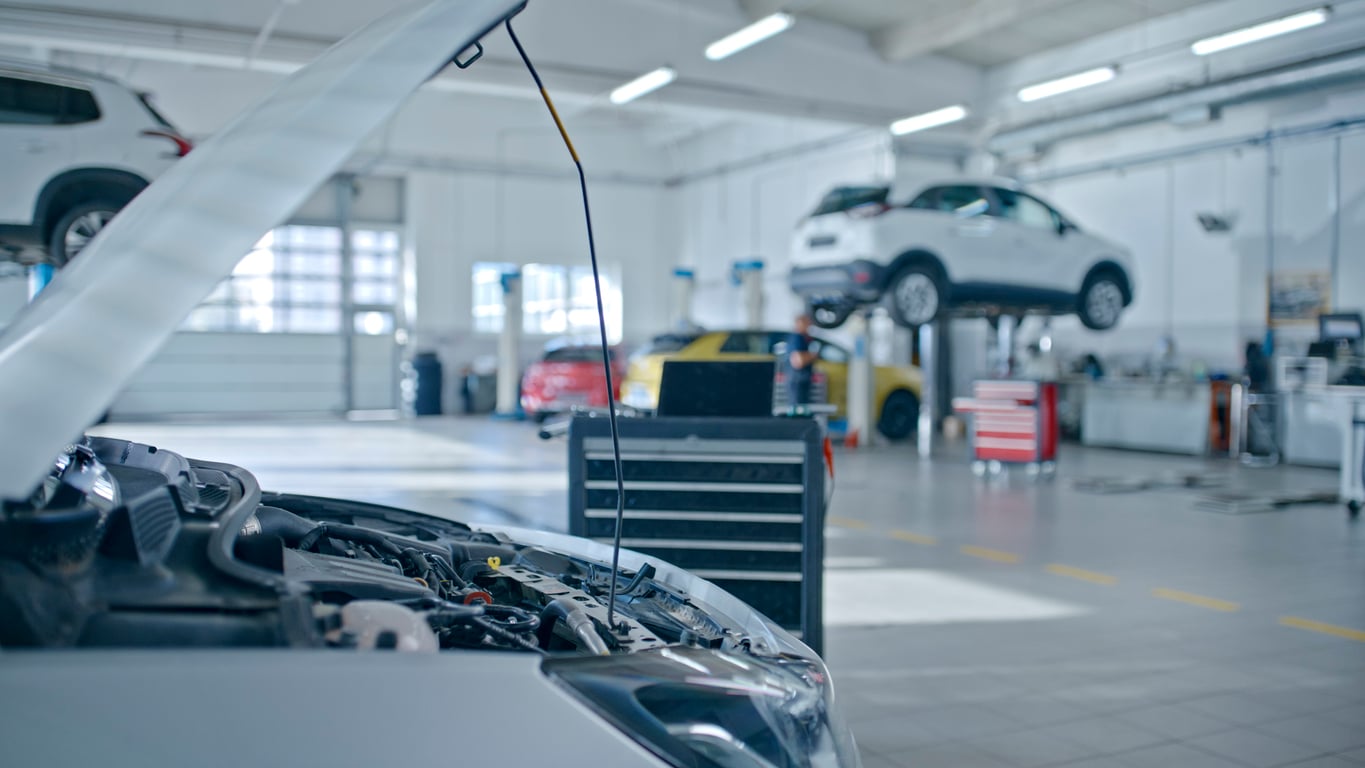
As cars age, parts wear down more frequently, and routine maintenance becomes more important—and sometimes more frequent. Oil changes, fluid flushes, timing belts, and suspension components can all need attention sooner rather than later. While each individual service might not seem expensive, the costs can stack up over time, especially if the previous owner didn’t keep up with regular maintenance.
Parts May Be Harder (or More Expensive) to Find
Not all cheap cars are easy to fix. If you’re buying an older model, a discontinued brand, or a less common vehicle, finding replacement parts can be a challenge. In some cases, parts may need to be special-ordered or sourced from limited suppliers, which can drive up both cost and wait time. That inconvenience can turn even minor repairs into bigger headaches.
Insurance Isn’t Always Cheap
It might seem logical that a cheaper car would cost less to insure, but that’s not always the case. Insurance premiums are based on several factors, including safety features, theft rates, and repair costs. Older vehicles often lack modern safety technology like backup cameras, automatic braking, or advanced airbags, which can affect your rates. It’s worth getting an insurance quote before buying so there are no surprises.
Trending on Cheapism

Fuel Efficiency May Be Worse
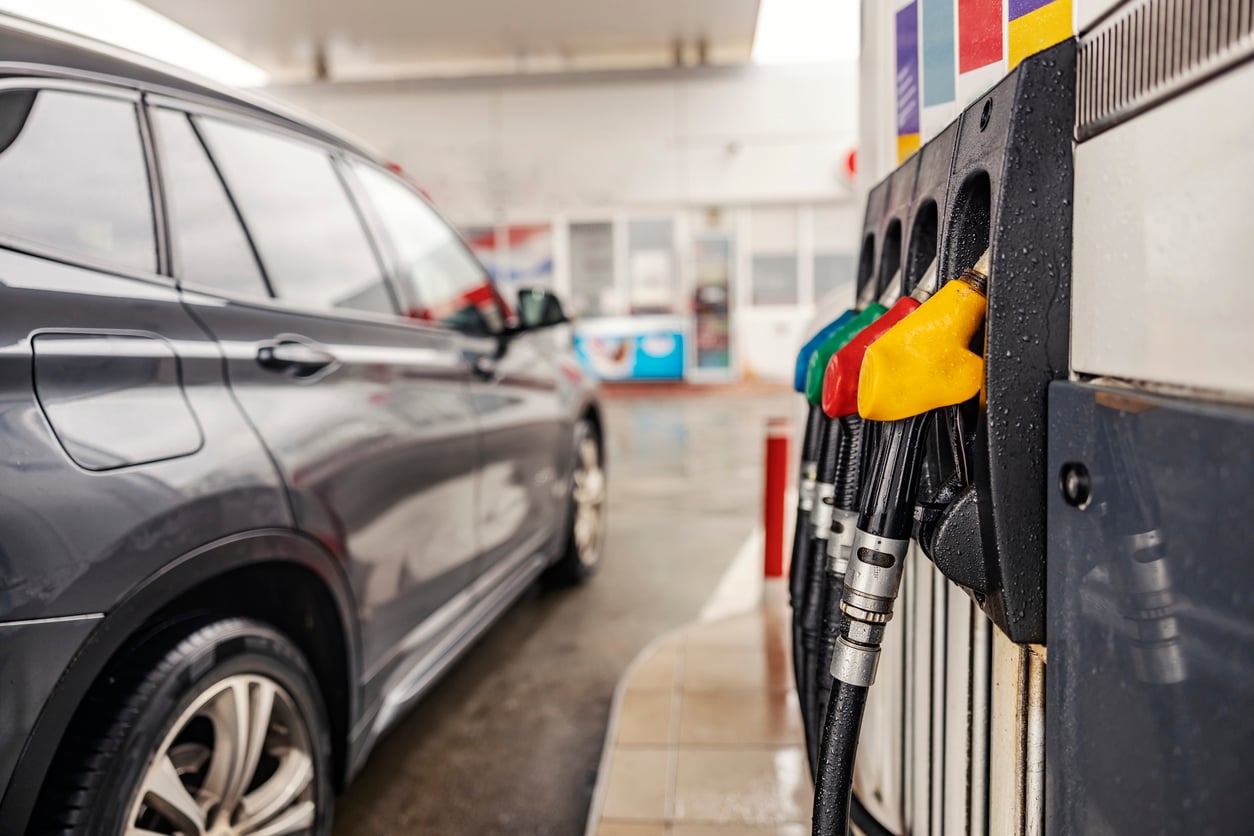
Older and lower-cost vehicles are often less fuel-efficient than newer models. Over time, that difference at the pump can add up—especially if you have a long commute or drive frequently. What you save on the purchase price could slowly be offset by higher gas expenses, making the car more costly to own than you originally planned.
Reliability Can Be Unpredictable
One of the biggest trade-offs with a cheap car is reliability. While some older vehicles are known for lasting a long time, others can be prone to breakdowns—especially if they haven’t been well maintained. Unexpected issues can lead to towing costs, emergency repairs, or even missed work. That unpredictability is something every buyer should factor into their decision.
A Pre-Purchase Inspection Is Essential
Skipping a pre-purchase inspection to save money can end up costing you much more. A trusted mechanic can identify hidden issues that aren’t obvious during a test drive, such as engine trouble, transmission wear, or structural damage. Spending a little upfront on an inspection can help you avoid buying a car that turns into a financial burden.
Sign up for our newsletter
Resale Value May Be Limited
Cheap cars don’t always hold their value well, especially if they’re already near the end of their lifespan. If you plan to sell or trade in the vehicle later, you may not get much of your money back. That’s not necessarily a deal-breaker, but it’s something to keep in mind if you’re thinking about your long-term financial picture.
‘Too Good to Be True’ Deals Usually Are
If a car is priced significantly below market value, there’s often a reason. It could be hidden mechanical issues, accident history, title problems, or even scams. Taking the time to check the vehicle history report, verify ownership, and ask the right questions can help you avoid costly mistakes. When it comes to cheap cars, a little skepticism can go a long way.
More From Cheapism
- There Are Now Only 4 New Cars in the U.S. for $25K or Less — As car prices climb higher than ever, finding a brand-new vehicle under $25,000 is becoming increasingly rare—but a few budget-friendly options still exist.
- 15 Gas Station Mistakes That Are Costing You Money — From choosing the wrong pump to skipping simple habits, these common fueling mistakes could be quietly draining your wallet every time you fill up.
- Massive Ford Recall Impacts More Than 1.4 Million Popular Pickup Trucks — A major recall highlights transmission problems that could impact performance and safety, affecting one of America’s most popular pickup trucks.