For decades, the “econobox” was the unpretentious hero of the American driveway. We’re talking about cheap new cars: the $2,100 Honda Civic of 1973 or the stripped-down Ford Falcon of the ’60s — cars that cost about four months of median income and gave the working class a ticket to mobility.
That era hasn’t just ended, it’s been buried. As of 2026, the average new car transaction has ballooned to $50,000, leaving a trail of discontinued nameplates in its wake. Now, there are only four new cars left in the U.S. that sell for $25,000 or less off the lot.
The Final Four Affordable Cars
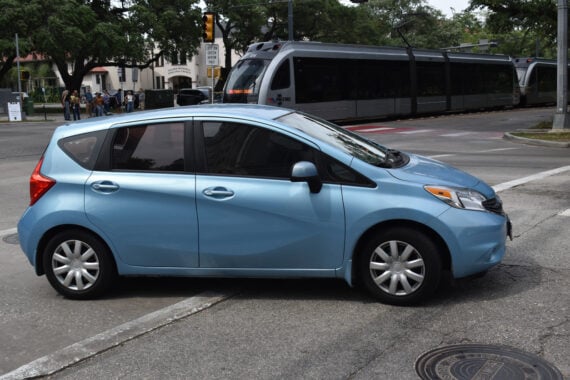
Just 14 years ago, you could choose from a dozen different models if you had a $25,000 budget. Today, after the industry-wide purge of subcompacts like the Chevy Sonic, Honda Fit, and, most recently, the Nissan Versa and Kia Soul, the list has shrunk to a staggering four options:
- Nissan Sentra
- Hyundai Venue
- Nissan Versa (Remaining 2025 stock)
- Kia Soul (Remaining 2025 stock)
The death of the affordable car wasn’t an accident, either. It was a pivot. Automakers realized they could make a much higher profit margin selling a $90,000 F-150 with massaging seats than a basic sedan.
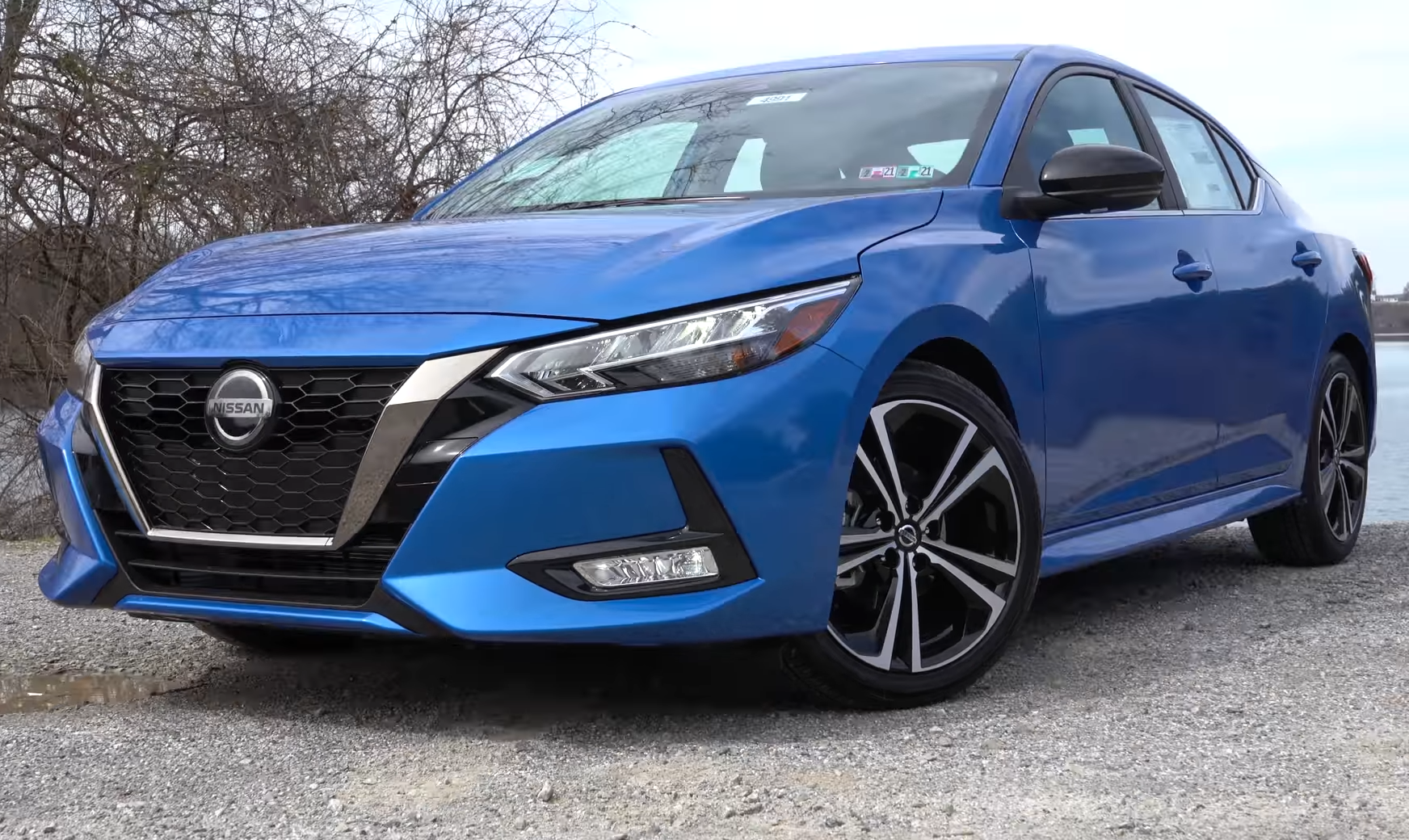
We’ve traded simplicity for tech bloat. The modern Civic is 3.5 feet longer and three times more powerful than the original. While it’s “better” on paper, it costs twice as much in real terms as its ancestors. Detroit has effectively stopped building cars for the bottom 40% of earners, choosing instead to sell affluent households their second or third luxury SUV.
The Repo Crisis
For millions, this isn’t just about missing out on a new car smell; it’s about financial survival. Because new cars are out of reach, people are holding onto aging vehicles. But with modern sensors and labor shortages, repair costs jumped 15% this year alone. The average mechanic visit now costs $840. Since 40% of Americans lack the cash to cover that, one check engine light often forces a choice: fix the car or pay the loan. This dilemma is fueling a crisis. Repossessions are projected to surpass 3 million by the end of 2026, matching the peak of the Great Recession.
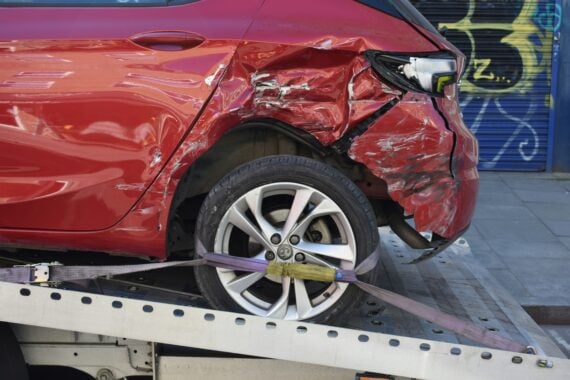
The kicker is that affordable cars do exist … just not here. Globally, makers like BYD and MG are churning out advanced EVs and hybrids for roughly $20,000 less than a Tesla Model 3. However, a shield of 25% tariffs keeps these out of the U.S. market to protect domestic jobs. If that tariff wall were lowered, the number of cars under $25,000 in the U.S. could jump from 4 to 11 almost overnight. (We aren’t holding our breath.)
Drivers Have a Different Idea
Luckily, there’s this little thing called common sense that seems to be trumping the need to have the latest and greatest car in your driveway. On a viral Reddit thread discussing how expensive American cars have become, several users admitted that they’re exclusively purchasing used vehicles (welcome to my favorite party, friends!).
One user commented, “My current car is the last car I’m financing. Cash cars from this point till the casket drops. If I can’t purchase it outright, I don’t want it,” while another agreed, “Solid advice. I started doing the same, and while I drive more boring cars as a result, the freedom of not having a car payment and expensive insurance is wonderful.” We concur.
More From Cheapism
- Hit the Brakes: 10 Vehicles That Lose the Most Value After 5 Years — If you’re someone who likes to sell your vehicles a few years after driving them, these are the models that lose their value the fastest.
- You Can Now Buy a Used Ford Vehicle on Amazon — Looking to buy used? Amazon has options. Yes, really.
- 15 Gas Station Mistakes That Are Costing You Money — Driving these days is expensive. We can’t afford to make these costly mistakes at the gas station, folks.