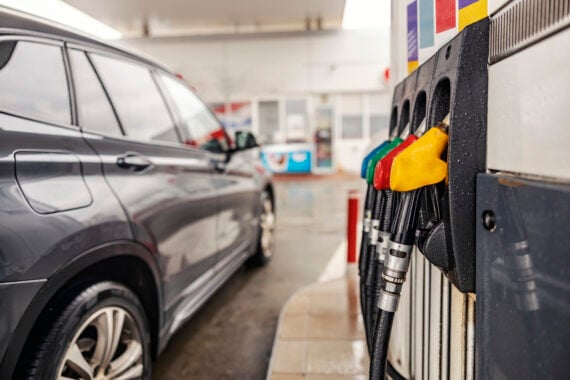
Gas prices have been climbing again, with AAA reporting the national average for regular gas recently above $4 a gallon for the first time since 2022. And while no driver can control crude oil prices, refinery issues, or seasonal fuel blends, many of us make small gas station mistakes that quietly make every fill-up more expensive.
Here are 15 mistakes that may be costing you money at the pump.
Not Comparing Nearby Gas Prices
One of the easiest ways to overspend on gas is simply pulling into the first station you see. Prices can vary significantly even within a few blocks, especially between major intersections and quieter side streets.
Using apps like GasBuddy or even Google Maps can help you quickly compare prices in your area. Spending 30 seconds checking could save you several dollars per fill-up — and hundreds over the course of a year if you drive regularly.
Ignoring Loyalty Programs
Fuel rewards programs are more valuable than many drivers realize. Grocery stores, warehouse clubs, and gas station chains often offer discounts ranging from a few cents to as much as $1 per gallon depending on promotions.
If you regularly shop at the same places, stacking rewards with your fuel purchases can lead to meaningful savings over time. Skipping these programs is essentially leaving free money at the pump.
Buying Premium Gas When Your Car Doesn’t Need It
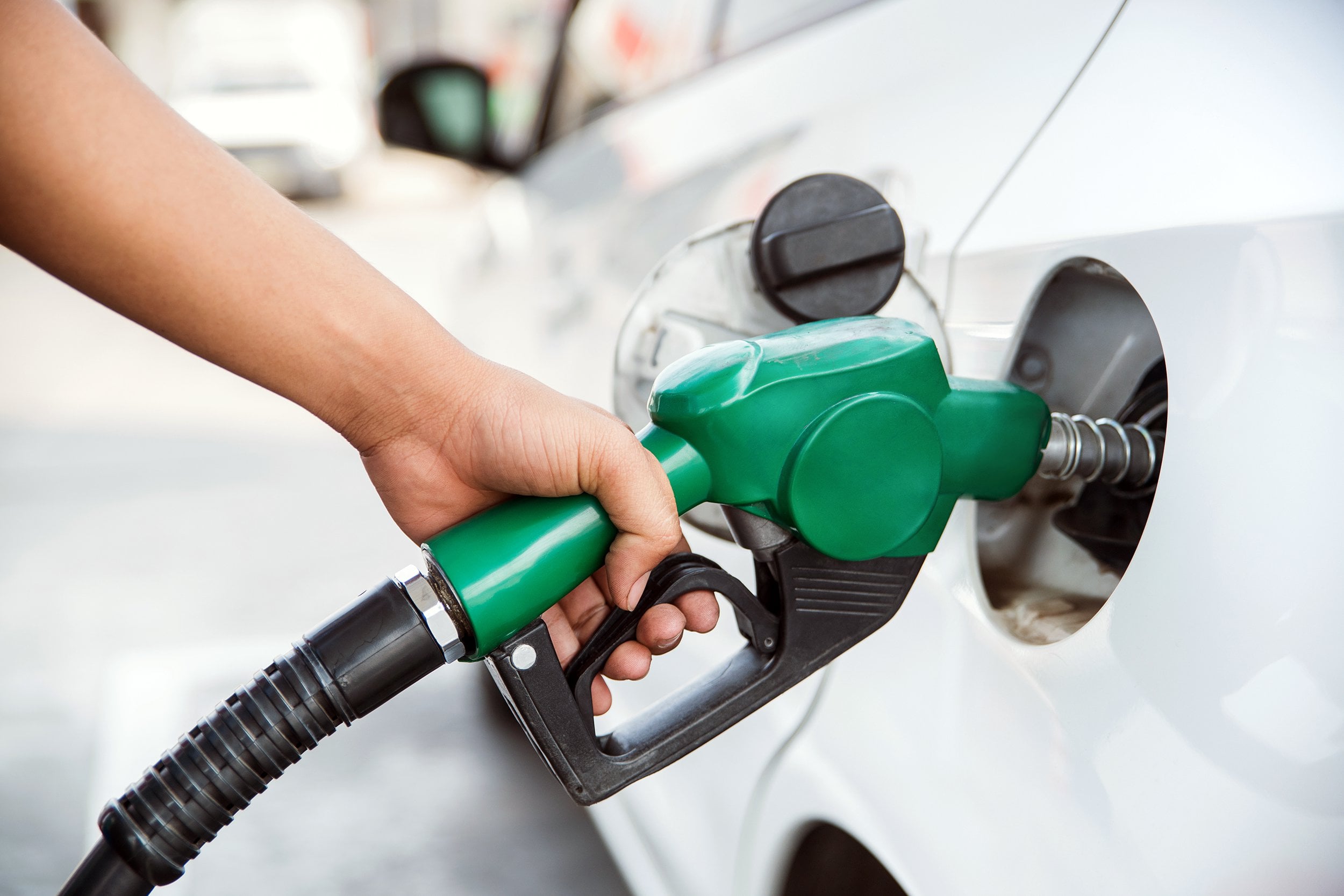
There’s a persistent myth that premium gas is “better” for your car. In reality, most vehicles are designed to run perfectly fine on regular fuel.
The Federal Trade Commission notes that unless your car specifically requires premium fuel, using higher-octane gas won’t improve performance or fuel economy in a noticeable way. In other words, you’re paying more per gallon for no real benefit.
Filling Up at Highway Exits
Gas stations right off highways are designed for convenience — and priced accordingly. Travelers in a hurry are less likely to shop around, which allows these stations to charge more.
Driving even a mile or two off the main exit can often reveal significantly lower prices. It’s a small detour that can lead to consistent savings, especially on long road trips.
Paying for Unnecessary Car Washes
Gas station pumps often advertise bundled deals: “Save 10¢ per gallon with a car wash.” While that sounds appealing, it only makes sense if you actually needed a car wash in the first place.
Otherwise, it’s just an upsell disguised as a discount. Over time, these impulse add-ons can quietly inflate your spending.
Trending on Cheapism
Driving Aggressively After Filling Up
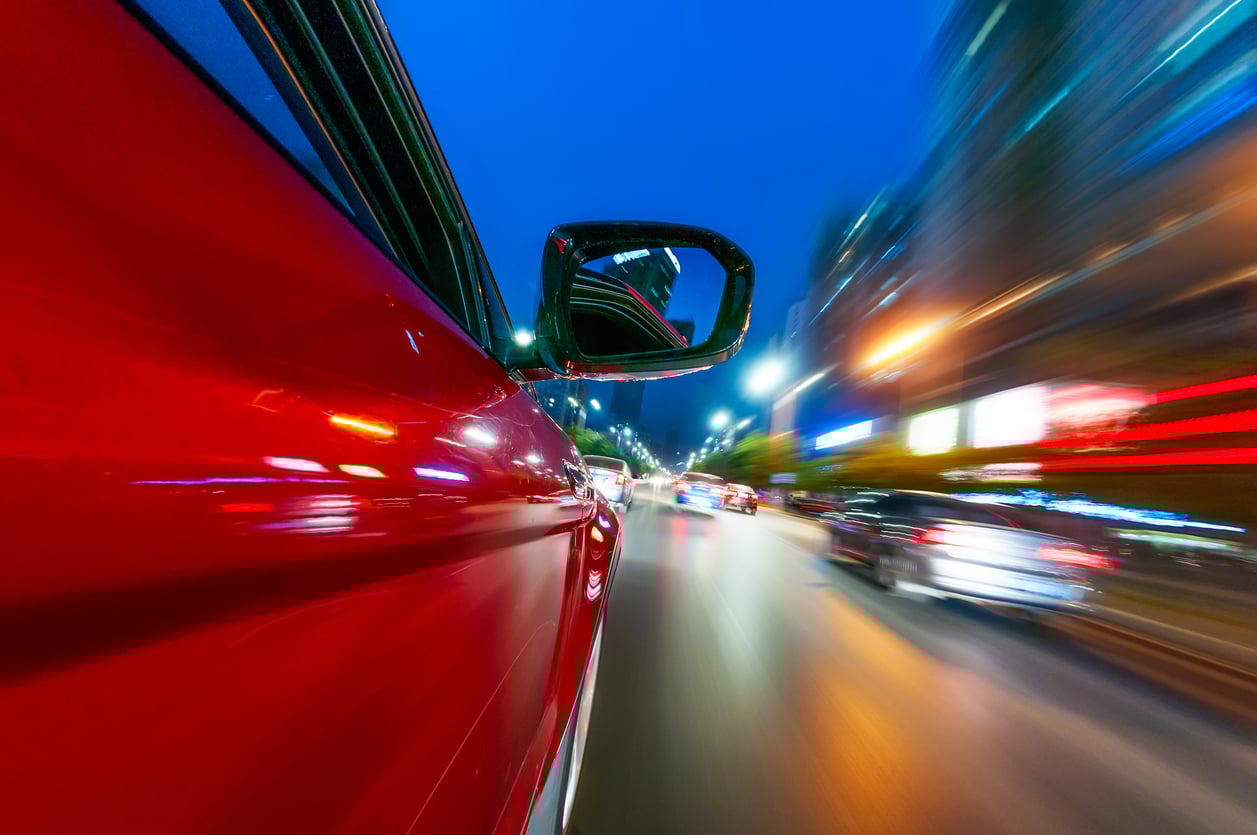
What you do after leaving the pump matters just as much as where you filled up. Rapid acceleration, speeding, and hard braking all burn more fuel than smooth driving.
The U.S. Department of Energy estimates that aggressive driving can lower gas mileage by up to 30% on highways and even more in stop-and-go traffic. That means you’re effectively paying more per mile — even if gas prices stay the same.
Not Tracking Your Gas Spending
Fuel is one of the most consistent recurring expenses for drivers, yet many people don’t track it at all. Without a clear picture of how much you’re spending monthly, it’s hard to identify waste or opportunities to cut back.
Tools from FuelEconomy.gov can help estimate and track fuel costs so you can better understand your spending
Speeding on the Highway
It’s easy to think that going 75 or 80 mph just gets you there faster without much downside. But fuel efficiency drops sharply at higher speeds.
According to the Department of Energy, every 5 mph over 50 mph is like paying an additional $0.20+ per gallon. Over long distances, that adds up quickly.
Sign up for our newsletter
Letting Your Car Idle too Long
Whether you’re waiting in a parking lot or sitting in a drive-thru, idling wastes gas without getting you anywhere. Modern engines don’t need long warm-up periods, especially in moderate climates.
Cutting your engine when you expect to be stopped for more than a minute can reduce unnecessary fuel consumption over time.
Ignoring Routine Maintenance
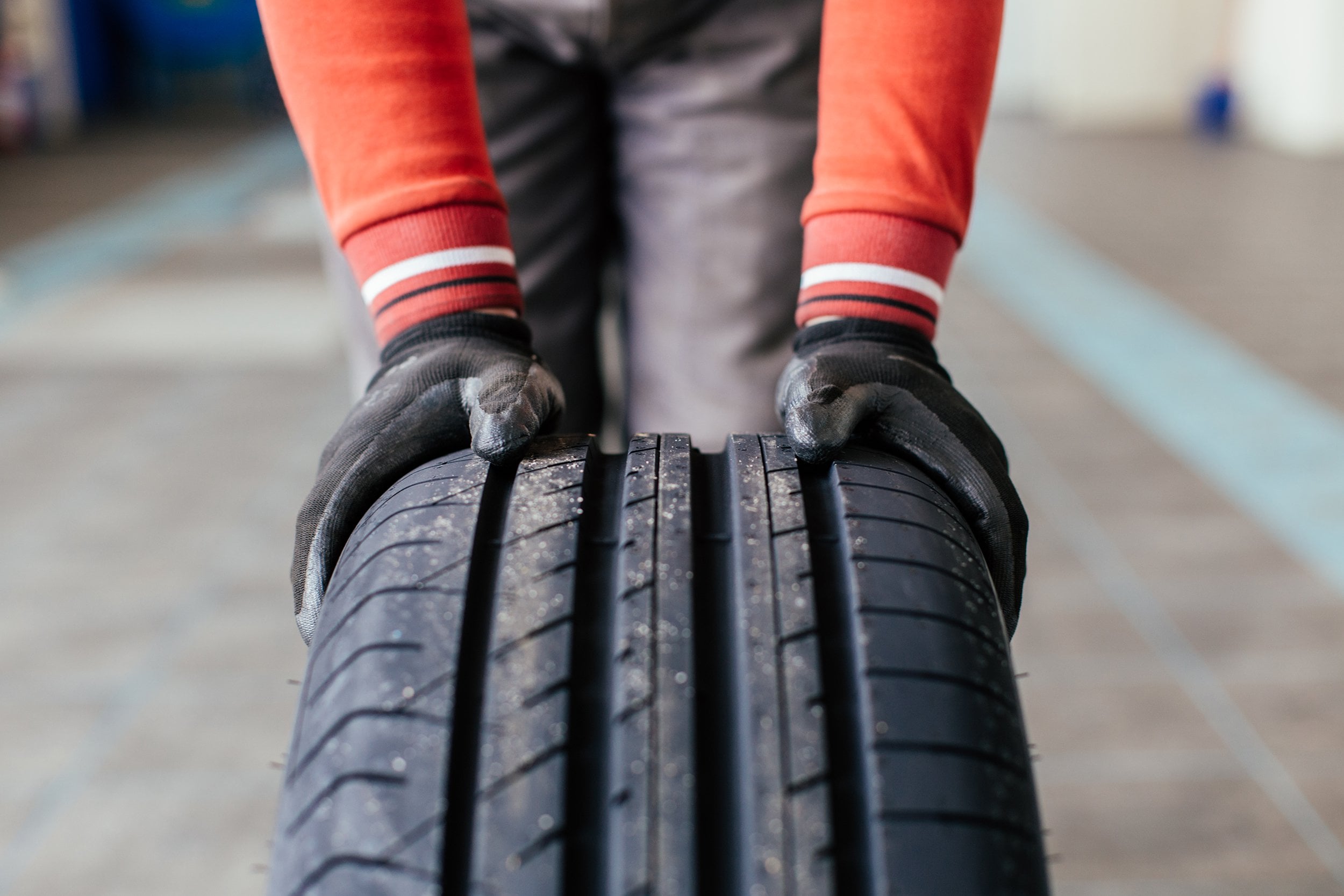
Skipping oil changes, air filter replacements, or engine checkups can hurt your fuel economy more than you might expect.
A well-maintained car runs more efficiently, meaning you get more miles out of every gallon. Neglecting maintenance may save money in the short term, but it often leads to higher fuel costs — and potentially expensive repairs — down the line.
Driving With Underinflated Tires
Tire pressure might seem like a small detail, but it has a measurable impact on fuel efficiency. Underinflated tires create more rolling resistance, forcing your engine to work harder.
FuelEconomy.gov estimates that proper tire inflation can improve gas mileage by up to 3%. It’s a simple maintenance habit that pays off every time you drive.
Carrying Unnecessary Weight
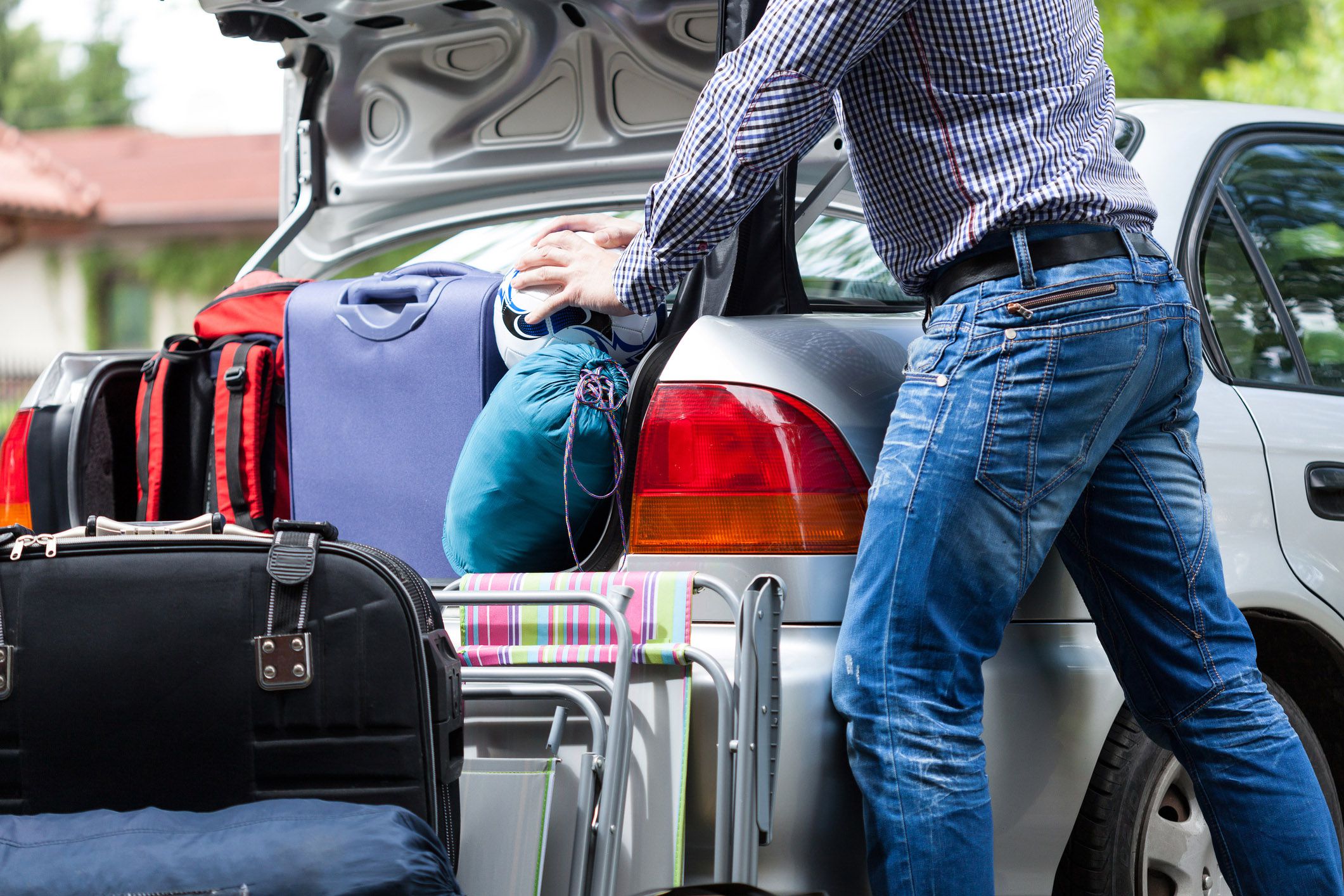
Your car isn’t a storage unit, but many drivers treat it like one. Extra weight — especially heavy items left in the trunk — reduces fuel efficiency.
While the impact may seem small on a single trip, it adds up over time. Keeping your vehicle as light as possible helps maximize every gallon.
Leaving Roof Racks or Cargo Boxes On
Roof racks and cargo carriers are convenient, but they also create aerodynamic drag. This becomes especially costly at highway speeds, where air resistance plays a bigger role in fuel consumption.
If you’re not actively using them, removing these accessories can improve efficiency and save money over long drives.
Not Planning Your Trips Efficiently
Running multiple short errands throughout the day can burn more gas than combining them into one route. Cold engines use more fuel, and repeated short trips prevent your car from operating at peak efficiency.
Planning your errands ahead of time reduces both mileage and fuel waste.
Driving Out of Your Way for Cheaper Gas
Chasing the absolute lowest price can backfire if it requires a long detour. Driving several extra miles to save a few cents per gallon often cancels out the savings entirely.
The key is balance — look for cheaper gas along your existing route rather than going significantly out of your way.
More From Cheapism
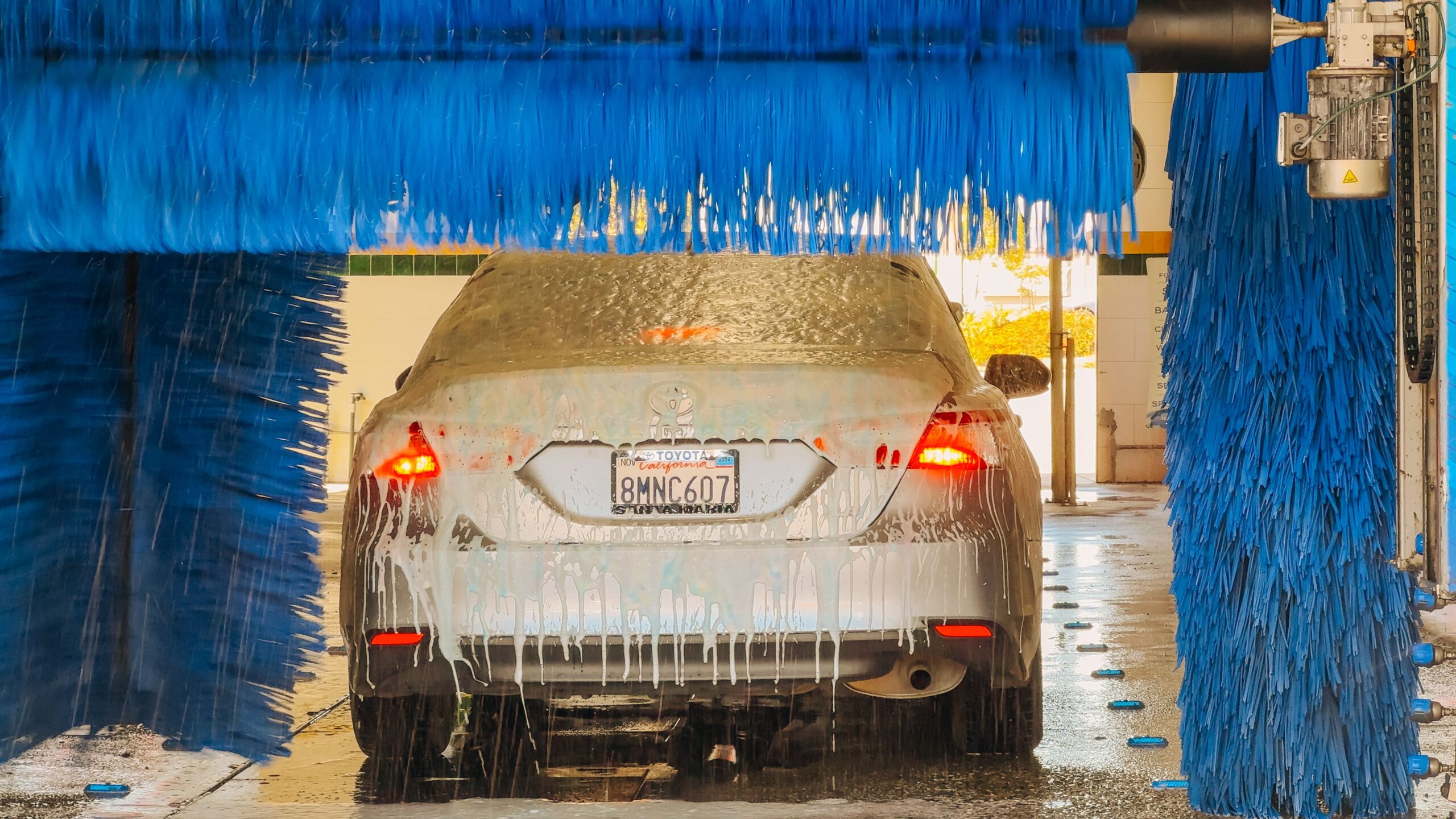
- 7 Car Wash Mistakes That Could Cost You Money — Before your next wash, avoid small slip-ups like leaving mirrors out, misaligning your car, or skipping a damage check that could turn a quick clean into an expensive problem.
- 9 Helpful AAA Member Perks You’re Probably Not Using — AAA does more than roadside assistance, with lesser-known benefits like ID theft monitoring, lockout help, career tools, and travel planning that members may be missing.
- Hit the Brakes: 10 Vehicles That Lose the Most Value After 5 Years — Some EVs and luxury vehicles lose more than half their value in just five years, making depreciation one of the biggest hidden costs of ownership.