
Keeping a car longer is one of the simplest ways to save money, especially as vehicle prices, insurance costs, and repair bills remain high. The good news is that to make your car last longer, it isn’t about one big secret — it’s about small habits done consistently. A well-maintained vehicle can often stay reliable long after the warranty expires, and Consumer Reports notes that many modern cars can reach 200,000 miles or more with proper care.
Follow the Maintenance Schedule in your Owner’s Manual
Your owner’s manual tells you when to replace fluids, filters, belts, spark plugs, and other wear items. Following that schedule helps catch small problems before they become breakdowns. AAA says factory-scheduled maintenance can uncover issues before they become serious enough to leave you stranded.
Keep Your Tires Properly Inflated
Underinflated tires wear out faster, hurt fuel economy, and can create safety risks. FuelEconomy.gov says proper tire pressure can improve gas mileage by up to 3%, and underinflated tires can reduce fuel economy by about 0.2% for every 1 psi drop in average tire pressure. Properly inflated tires are also safer and last longer.
Rotate, Balance, and Align Your Tires
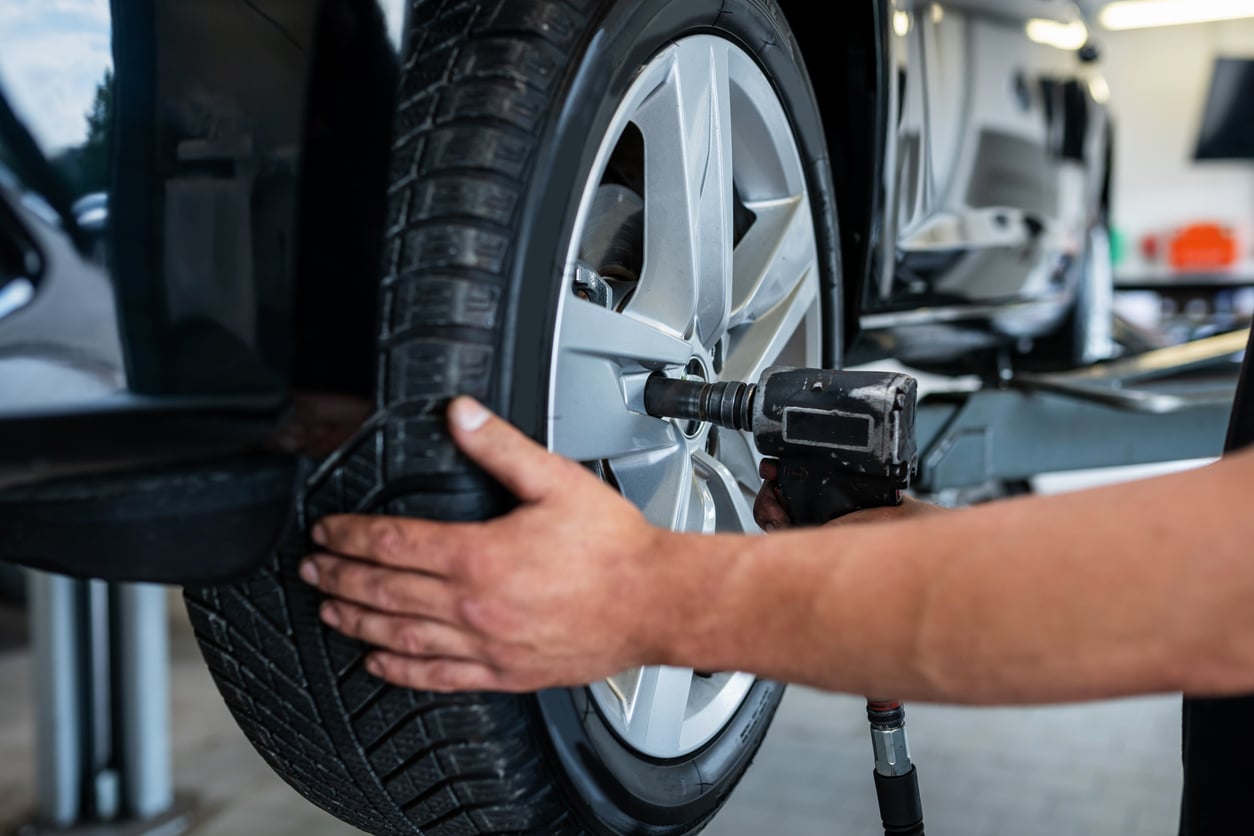
Tires don’t wear evenly on their own. Rotating them helps spread wear across all four tires, extending tire life and improving ride quality. The Tire Industry Association recommends rotating tires every 5,000 to 7,000 miles, depending on the vehicle.
Change the Oil on Time
Oil lubricates the engine, reduces friction, and helps control heat. Skipping oil changes allows sludge and contaminants to build up, which can shorten engine life. Consumer Reports says staying on top of basic upkeep is one of the most important things drivers can do to make a car last longer.
Don’t Ignore Warning Lights
A check-engine light, oil-pressure warning, battery light, or temperature warning is your car’s way of asking for help. AAA warns that ignoring dashboard warning lights can lead to worse mileage and more severe trouble later.
Trending on Cheapism

Use the Right Fuel and Fluids
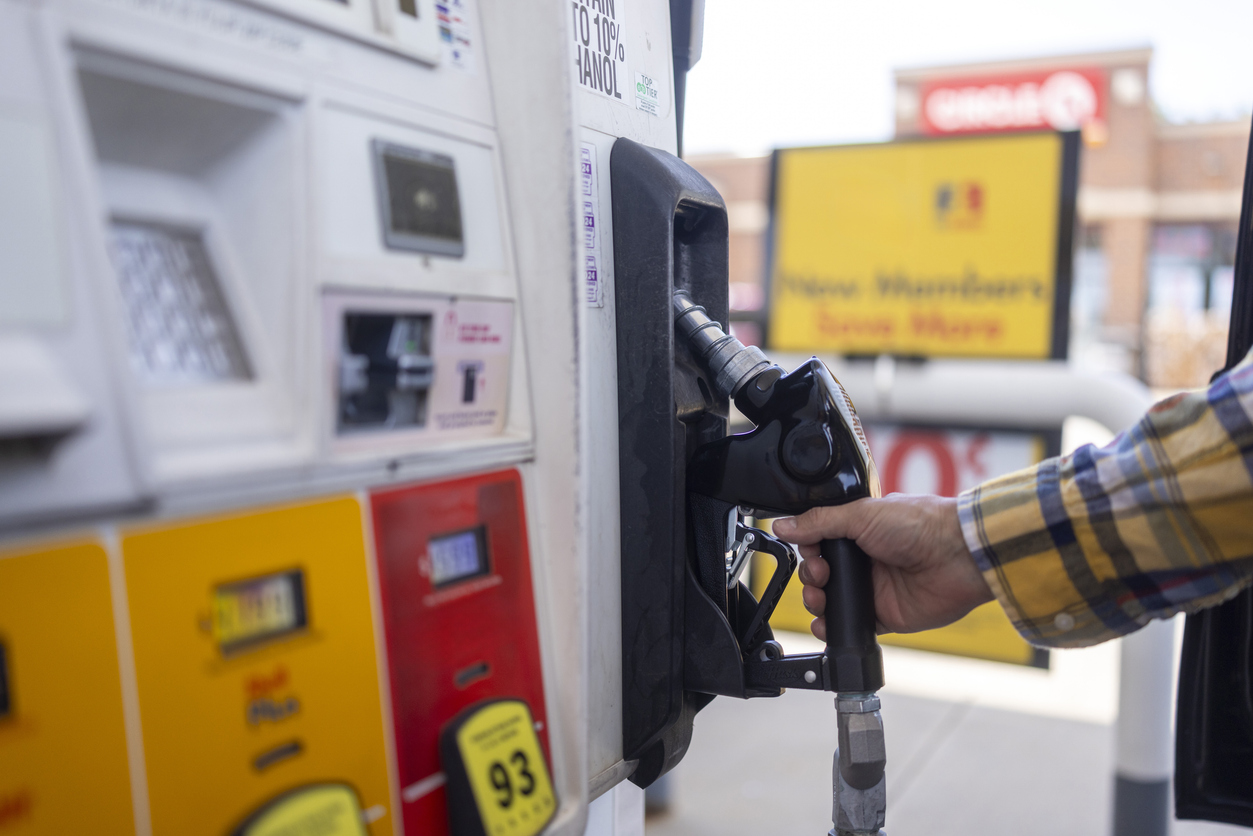
More expensive fuel is not always better. AAA says drivers should use the octane recommended in the owner’s manual, since premium fuel usually won’t improve performance or fuel economy unless the vehicle requires it. The same rule applies to engine oil, coolant, transmission fluid, and brake fluid: Use the type your manufacturer recommends.
Address Recalls Immediately
Recalls are not optional maintenance — they often involve safety defects. NHTSA recommends checking for recalls twice a year and says open recalls should be repaired immediately, for free, at a local dealership. You can check your vehicle by VIN through NHTSA’s recall lookup tool.
Keep Records of Every Repair and Service
Save receipts for oil changes, tire rotations, brake work, battery replacements, and major repairs. Good records help you stay on schedule, prove warranty-related maintenance, and make it easier for a mechanic to diagnose recurring issues. Navy Federal notes that maintenance records can also help with budgeting, warranty claims, and resale value.
Sign up for our newsletter
Drive Gently

Hard acceleration, sudden braking, and speeding put extra stress on the engine, transmission, brakes, tires, and suspension. FuelEconomy.gov says aggressive driving can lower gas mileage by 15% to 30% at highway speeds and 10% to 40% in stop-and-go traffic. Less aggressive driving also reduces wear on expensive components.
Wash Your Car, Especially After Winter Driving
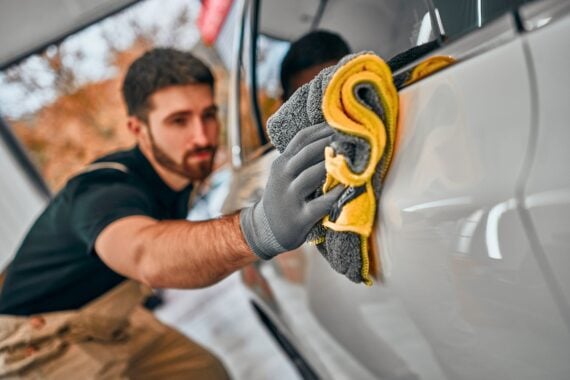
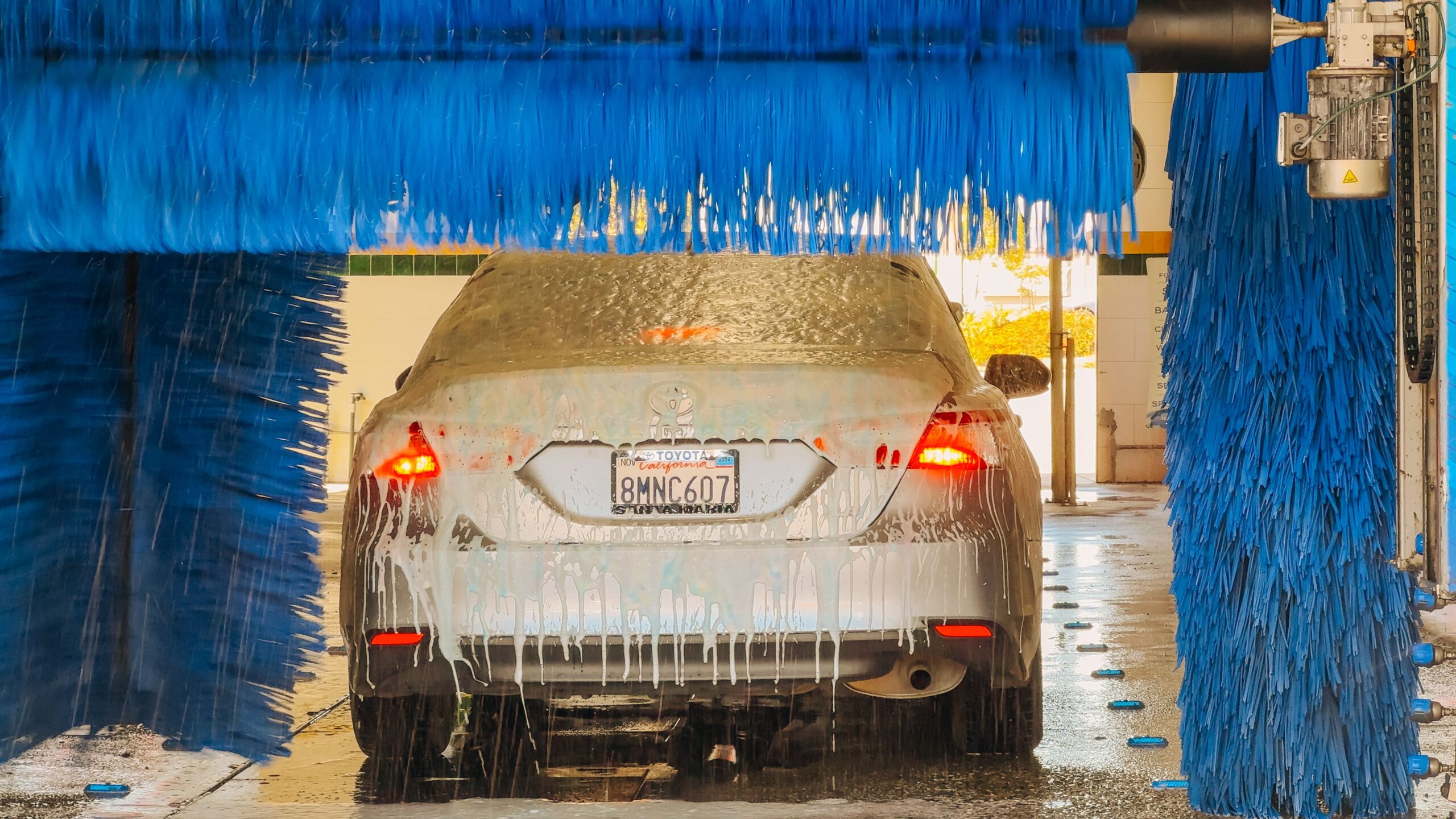
Dirt, road salt, and grime can speed up rust, especially underneath the vehicle. Regular washing helps protect the body, undercarriage, brake lines, and suspension parts. This is especially important if you live somewhere with snow, coastal air, or salted roads.
More From Cheapism
- 7 Car Wash Mistakes That Could Cost You Money — A quick car wash can backfire if you skip simple precautions, from folding in your mirrors to checking for damage before and after the wash.
- 9 Helpful AAA Member Perks You’re Probably Not Using — AAA membership goes beyond roadside assistance, with lesser-known perks like ID theft monitoring, car lockout help, career tools, and travel planning.
- Hit the Brakes: 10 Vehicles That Lose the Most Value After 5 Years — EVs and luxury vehicles dominate this list of cars with the steepest five-year depreciation, with several losing more than 60% of their value.