Costco has built its reputation on offering shoppers good deals, especially when it comes to groceries, household essentials, electronics, and those enormous packages of paper towels. But if you’ve ever wandered through the warehouse wondering why some prices end in .97 while others have a tiny asterisk in the corner, you might have suspected there’s more to Costco’s pricing system than meets the eye.
And you’d be right. While some of Costco’s pricing quirks have become something of an open secret among experienced shoppers, others are official policies that can help members save money without hunting for mysterious codes. From special markdowns and price adjustments to differences between online and warehouse prices, knowing what to look for can make a surprisingly big difference at checkout.
Of course, not every unusual price tag guarantees a bargain, and some of the supposed Costco secrets circulating online are more complicated than they sound. Here are 12 Costco pricing tricks every member should understand before their next warehouse run.
Prices Ending in .97 Often Mean Something Has Been Marked Down
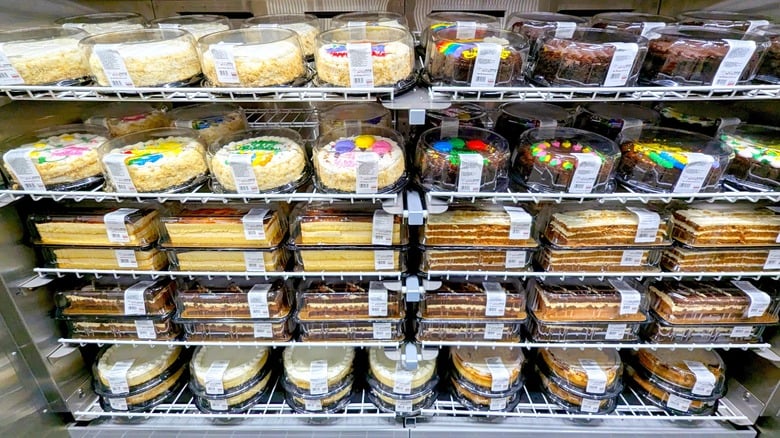
If you’ve ever spotted a Costco price tag ending in .97 instead of the more familiar .99, you may have stumbled upon a markdown. Experienced Costco shoppers have long associated these unusual price endings with products that have been reduced from their regular selling prices, particularly seasonal merchandise, clothing, home goods, and other items the warehouse may be trying to clear out. For example, a product priced at $14.97 might have previously sold for considerably more. But there’s an important catch: Costco hasn’t published an official universal guide explaining what every price ending means, so these interpretations aren’t guaranteed rules. And just because something has been marked down doesn’t necessarily mean it’s cheaper than what you’d find at another retailer. Think of .97 as a reason to take a closer look, not an automatic invitation to throw something into your cart.
Prices Ending in .00 or .88 May Signal a Manager’s Special
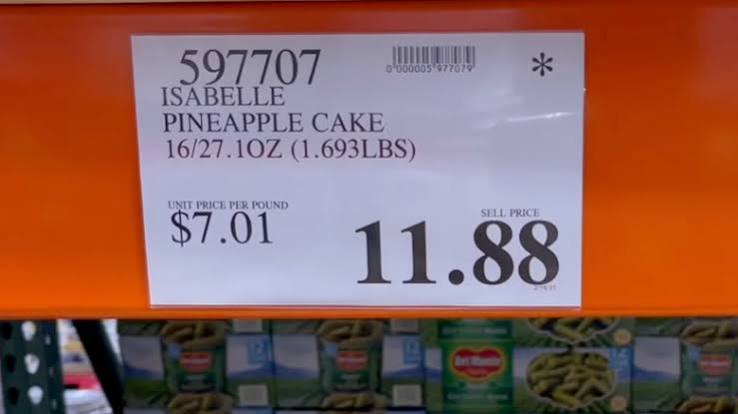
Some of the most interesting Costco markdowns aren’t necessarily available at every location. According to consumer reporting on the warehouse chain’s pricing practices, prices ending in .00 or .88 are often associated with special reductions made at the warehouse level. These might involve products that need to be cleared out, display models, or merchandise that a particular location has decided to discount. That means an item selling for $50.00 at one Costco could still be listed at a higher price somewhere else. Of course, these endings are shopper-observed conventions rather than officially published Costco rules, so there’s no guarantee that every .00 or .88 price represents a special deal. If you’re considering an expensive purchase, especially an appliance or electronic device, take a moment to inspect the packaging and ask whether the product is new, a display model, or being sold under special conditions.
A Tiny Asterisk Could Mean the Product Isn’t Coming Back
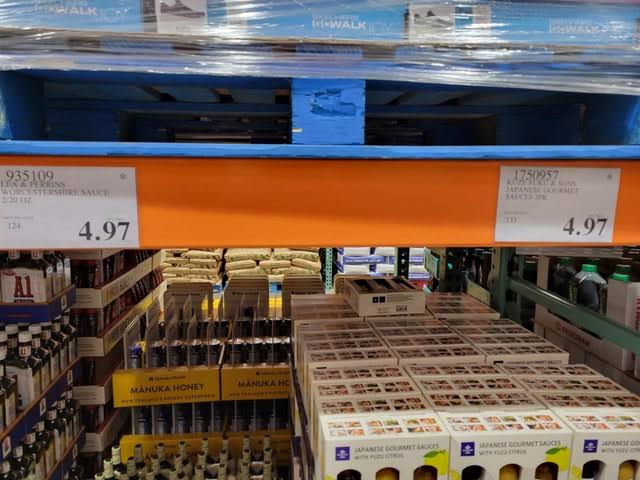
That little asterisk in the upper corner of a Costco price sign might be easy to overlook, but experienced members know it’s worth paying attention to. Often nicknamed the “death star” by Costco shoppers, the symbol is widely understood to mean that a particular warehouse isn’t planning to reorder the item once its current inventory sells out. This can be especially useful when you’re shopping for seasonal decorations, limited-time snacks, or a grocery product you’ve grown particularly attached to. However, an asterisk doesn’t necessarily mean the item has been discontinued nationwide, and it certainly doesn’t guarantee that the price has been reduced. A product could be disappearing from your local warehouse while still selling at its regular price. If it’s something you genuinely use and don’t want to miss, the symbol may be a helpful warning. Just don’t confuse limited availability with an actual bargain.
Unusual Price Endings Can Point to Special Promotions
The familiar .99 isn’t the only price ending you’ll encounter while shopping at Costco. Some experienced members also pay attention to prices ending in .49 or .79, which have been associated in consumer reporting with certain promotional or manufacturer-supported pricing arrangements. Meanwhile, prices ending in .99 are generally considered part of Costco’s ordinary pricing system. But before you start treating every shelf tag like a secret code, there’s something worth remembering: Published explanations of these endings don’t always agree, and Costco hasn’t confirmed a comprehensive public system covering every variation. A product priced at $19.49 isn’t automatically a better deal than one selling for $19.99. The useful habit here is paying attention to unusual prices while still checking whether the product is actually discounted. Sometimes the best savings strategy is considerably less mysterious than the internet makes it sound.
Instant Savings Don’t Require Clipping Coupons

One of the more convenient things about Costco’s promotional pricing is that you generally don’t have to remember to clip a coupon or activate an offer before heading to checkout. The warehouse regularly advertises member-only Instant Savings on everything from laundry detergent and coffee to vitamins and electronics, with qualifying discounts automatically applied during the promotional period. You’ll often see these reductions highlighted on warehouse signs or in Costco’s savings materials, making it easier to identify which products are temporarily cheaper. However, these promotions usually come with expiration dates and sometimes purchase limits, so it’s worth checking the details before filling your cart. And while buying several discounted packages of something you use regularly can make sense, purchasing more than you need just because the sign advertises a discount is a pretty reliable way to spend money you weren’t planning to spend.
Trending on Cheapism


Costco May Refund the Difference if a Price Drops Within 30 Days
Few shopping experiences are more frustrating than buying an expensive item only to discover that it went on sale a week later. Fortunately, Costco has a price-adjustment policy that can help eligible members avoid that situation. Generally, if a qualifying product drops in price within 30 days of purchase, members may be able to request a refund of the difference rather than returning the item and buying it again. This can be particularly valuable for larger purchases such as televisions, appliances, and furniture, where even a relatively small percentage reduction could mean meaningful savings. For purchases made through Costco.com, members can use the company’s online price-adjustment request process. Warehouse purchases should be handled through the returns counter at the original location. Certain exclusions and promotional restrictions apply, but it’s still worth checking prices during the month after making a major purchase.
Costco Doesn’t Match Competitors’ Lower Prices

Just because you found the same television or kitchen appliance for less at Walmart, Target, or another retailer doesn’t mean Costco will lower its price to match. Unlike stores that advertise competitor price-matching guarantees, Costco explicitly states that it doesn’t match prices offered by other retailers. That’s an important distinction because Costco’s own price-adjustment policy can sometimes be confused with traditional price matching. The former may help when Costco reduces its own price shortly after your purchase, but it doesn’t mean the warehouse will honor a competitor’s sale. For expensive purchases, it’s still worth comparing prices across multiple retailers before making a decision. Just remember to check the exact model number, included accessories, warranty coverage, shipping costs, and return policies. Sometimes Costco’s offer may provide better overall value, but there’s no reason to assume it always has the lowest sticker price.
Costco.com Prices Can Be Higher Than Warehouse Prices

Shopping on Costco’s website is certainly convenient, especially when you’d rather have an enormous box of household supplies delivered to your door than squeeze it into your car. But that convenience can come with a higher price. Costco acknowledges that prices on Costco.com aren’t always identical to those inside its warehouses, partly because some online prices include shipping and handling expenses. As a result, an item that looks like a perfectly reasonable deal online might actually cost less if you purchase it in person. This is particularly worth checking when buying expensive products or ordering several items at once. And don’t assume you can request a price adjustment afterward: Costco generally doesn’t adjust an online purchase to match a lower warehouse price. If you live near a Costco and don’t mind making the trip, comparing both prices before checking out could help you avoid paying extra for convenience you don’t actually need.
Sign up for our newsletter
Same-Day Grocery Delivery Comes With Higher Item Prices

Costco’s same-day grocery delivery service can be a lifesaver when you’re too busy to visit the warehouse or simply don’t feel like dealing with crowded aisles. But there’s a pricing detail worth understanding before you place an order: Products purchased through Costco’s Same-Day Delivery service, powered by Instacart, generally cost more than the same items purchased inside the warehouse. Costco explains that these higher item prices help cover the cost of providing delivery. That means even if a promotion reduces a visible delivery fee, you could still end up paying considerably more for your groceries because the markup is already built into individual product prices. The service also has a $35 minimum order requirement. Delivery can absolutely be worth the added expense when convenience matters, but if your main goal is saving money, shopping in person will often be the less expensive option.
The Same Product Can Have Different Prices at Different Warehouses

You might assume that a product selling for $24.99 at one Costco would have exactly the same price at another location across town. Surprisingly, that’s not always the case. Costco acknowledges that prices can vary between warehouses, meaning identical products may cost different amounts depending on where you shop. Local competition, inventory conditions, and supplier-related factors can all play a role in pricing differences. This is especially relevant when it comes to clearance merchandise, since one location might be trying to get rid of a product that another warehouse is still selling at its regular price. Of course, driving across town to save a couple of dollars probably isn’t worth the gas or your time. But if you’re planning a larger purchase or regularly visit multiple locations, checking warehouse-specific prices and availability through Costco’s app or inventory tools can help you make a more informed decision.
The Biggest Package Isn’t Automatically the Best Deal
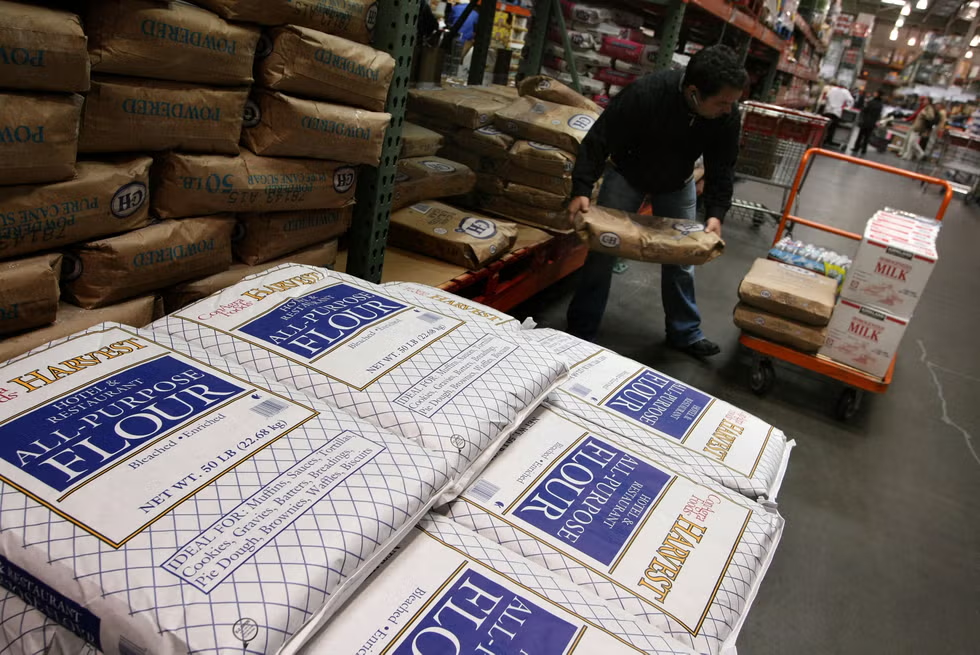
Costco’s enormous packages are part of the warehouse’s appeal, but bigger doesn’t always mean cheaper. A giant container of peanut butter, a bulk package of chicken, or a 48-roll bundle of toilet paper might look like an incredible bargain until you compare the actual unit price with smaller packages sold elsewhere. Sometimes a supermarket promotion or store-brand alternative can offer a lower price per ounce, pound, or individual item. And even when Costco wins on unit price, that doesn’t necessarily mean buying in bulk makes financial sense for your household. If half the produce spoils before you can eat it or you don’t have enough storage space for the extra supplies, those supposed savings can disappear pretty quickly. Before buying, check the price per unit and consider how much you’ll realistically use. The best deal isn’t always the biggest package; it’s the one that saves you money without creating unnecessary waste.
The Executive Membership’s 2% Reward Doesn’t Apply to Everything
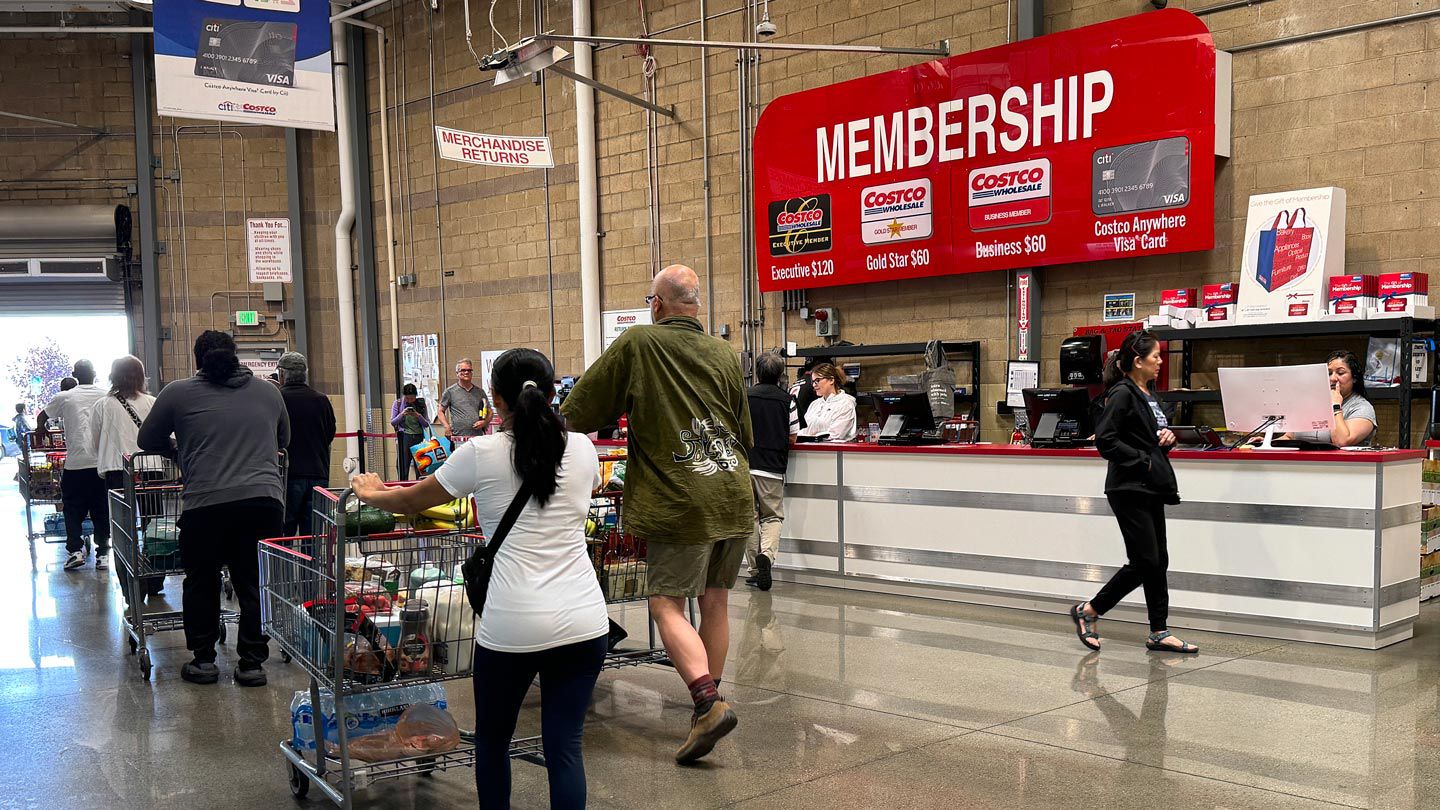
Costco’s Executive Membership comes with an appealing perk: an annual 2% reward on qualifying purchases. But there’s an important word in that sentence that shoppers sometimes overlook: qualifying. Not every dollar you spend at Costco counts toward that reward. In the United States, categories such as gasoline, food court purchases, membership fees, and certain services are excluded, while returns can also reduce your eligible spending. That means someone who spends thousands of dollars at Costco every year might earn less in rewards than expected if a significant portion of those purchases falls into excluded categories. The Executive Membership also costs more than the basic Gold Star option, so it’s worth doing the math before upgrading. With the current $65 annual difference between the two membership tiers, you’d generally need about $3,250 in qualifying annual spending to earn enough in 2% rewards to cover the additional cost. If your eligible purchases don’t reach that level, the upgrade may not be as valuable as it initially sounds.
Knowing Costco’s Pricing System Can Help You Shop Smarter

Costco’s pricing system might seem full of mysterious numbers and symbols, but understanding a few of its quirks can make your next warehouse trip a little more strategic. Price endings and asterisks can offer useful clues about markdowns and disappearing products, while official policies like 30-day price adjustments can help you save money even after you’ve made a purchase.
Still, the most important Costco shopping trick isn’t hidden on a shelf tag. It’s knowing when something is genuinely a good deal and when you’re simply being tempted by a low-looking price. Comparing unit costs, checking promotional restrictions, and understanding what your membership actually includes can help you get more value out of every trip without bringing home a cart full of things you never intended to buy.