Growing up in the 1950s and ’60s meant finding ways to have fun without smartphones, video games, or toys that needed charging every few hours. Instead, kids spent their afternoons racing miniature cars across the living room floor, trying to keep plastic hoops spinning around their waists, or creating elaborate imaginary worlds with dolls and action figures. Some of the most beloved toys were surprisingly simple, but that didn’t stop them from keeping children entertained for hours.
Of course, not every toy was an instant success, and plenty of childhood favorites came with their own frustrations. Slinkys got tangled, Play-Doh colors inevitably turned into a muddy brown mess, and those tiny plastic accessories seemed to disappear the moment you opened the box. But that was part of the experience. For many Baby Boomers, these toys weren’t just things to play with; they were birthday presents, Christmas morning surprises, and treasured possessions that sometimes lasted long enough to be passed down to younger siblings.
From the original Barbie doll to the endlessly entertaining Etch A Sketch, here are 12 classic toys Boomers loved growing up that helped define an entire generation’s childhood.
Slinky
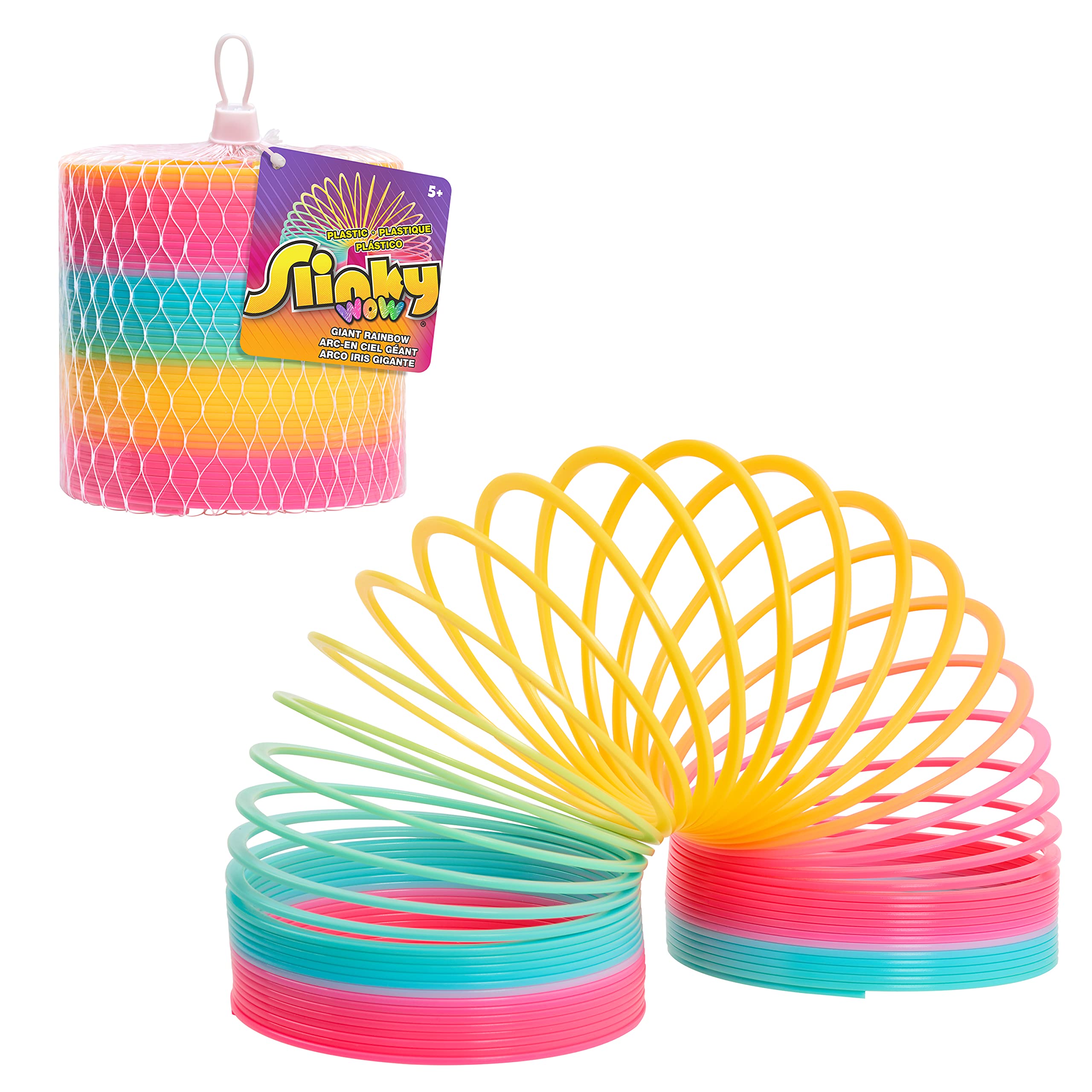
There was something almost magical about watching a Slinky make its way down a flight of stairs. The simple metal spring could stretch, bounce, wobble, and seemingly walk all on its own, providing hours of entertainment without requiring batteries or complicated instructions. Kids quickly discovered that transferring it between their hands was almost as satisfying as watching it tumble down the steps.
The Slinky was developed by engineer Richard James in the 1940s after he noticed the unusual movement of a spring while working on equipment designed to stabilize ships. It became a childhood staple, although it had one particularly frustrating weakness: Stretching the spring too far could permanently ruin its famous stair-walking ability. And anyone who ever tried untangling a badly twisted Slinky probably remembers how quickly the fun could turn into frustration.
Hula Hoop
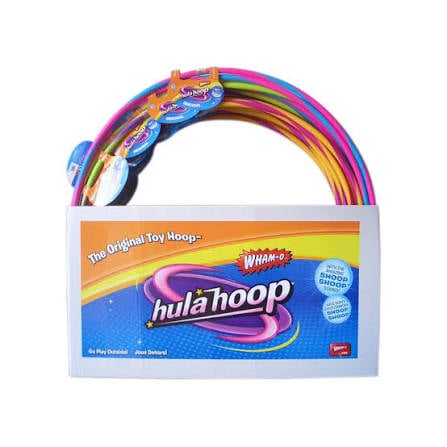
If you were a kid in the late 1950s, chances are you remember the Hula Hoop craze. Playgrounds, sidewalks, and backyards were suddenly filled with children trying to keep brightly colored plastic hoops spinning around their waists for as long as possible. Some kids could barely manage a few seconds, while others became surprisingly skilled at spinning multiple hoops or performing tricks with their arms and necks.
The Hula Hoop became one of the biggest toy sensations of the decade after Wham-O introduced its version in 1958. The company reportedly sold around 25 million hoops in just two months, turning a simple plastic circle into a nationwide phenomenon. Best of all, there wasn’t much to learn beyond finding the right rhythm. Of course, that didn’t mean everyone could do it, and plenty of kids spent more time picking their hoops off the ground than actually keeping them spinning.
Etch A Sketch
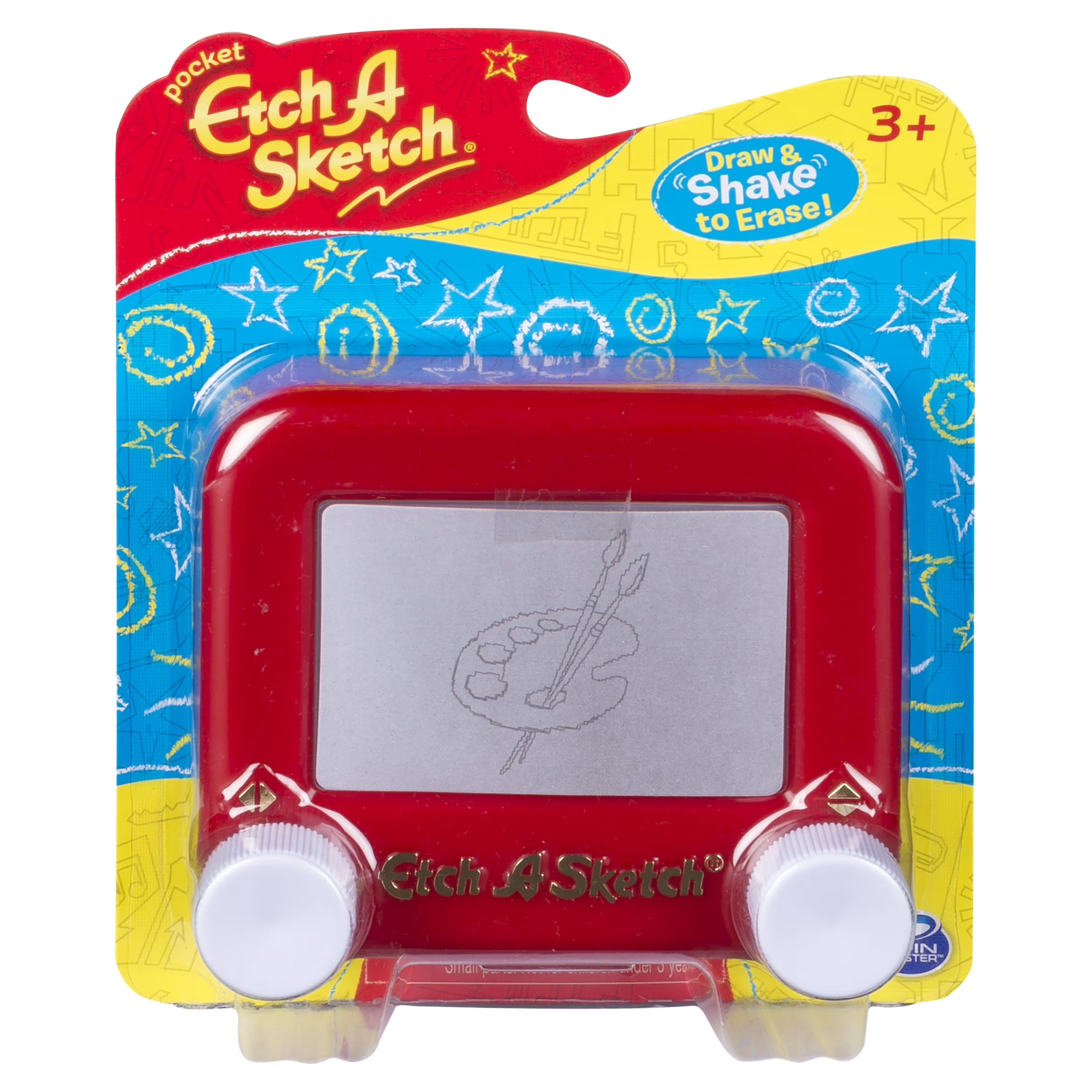
Long before children had tablets and digital drawing apps, there was the Etch A Sketch. With its bright red frame, gray screen, and two little white knobs, the drawing toy offered endless possibilities for kids willing to master its unusual controls. Turning one knob moved the line horizontally, while the other controlled vertical movement. Making a simple square was easy enough, but drawing a recognizable person or animal required considerably more patience.
Created by French inventor André Cassagnes, the Etch A Sketch became a major Christmas hit in the United States in 1960. One of its most satisfying features was the ability to erase an entire drawing simply by turning the toy upside down and shaking it. Of course, that also meant one accidental shake could destroy a masterpiece you’d spent the entire afternoon creating. And if you ever tried drawing a perfect circle, you probably discovered just how difficult those two little knobs could be.
Easy-Bake Oven
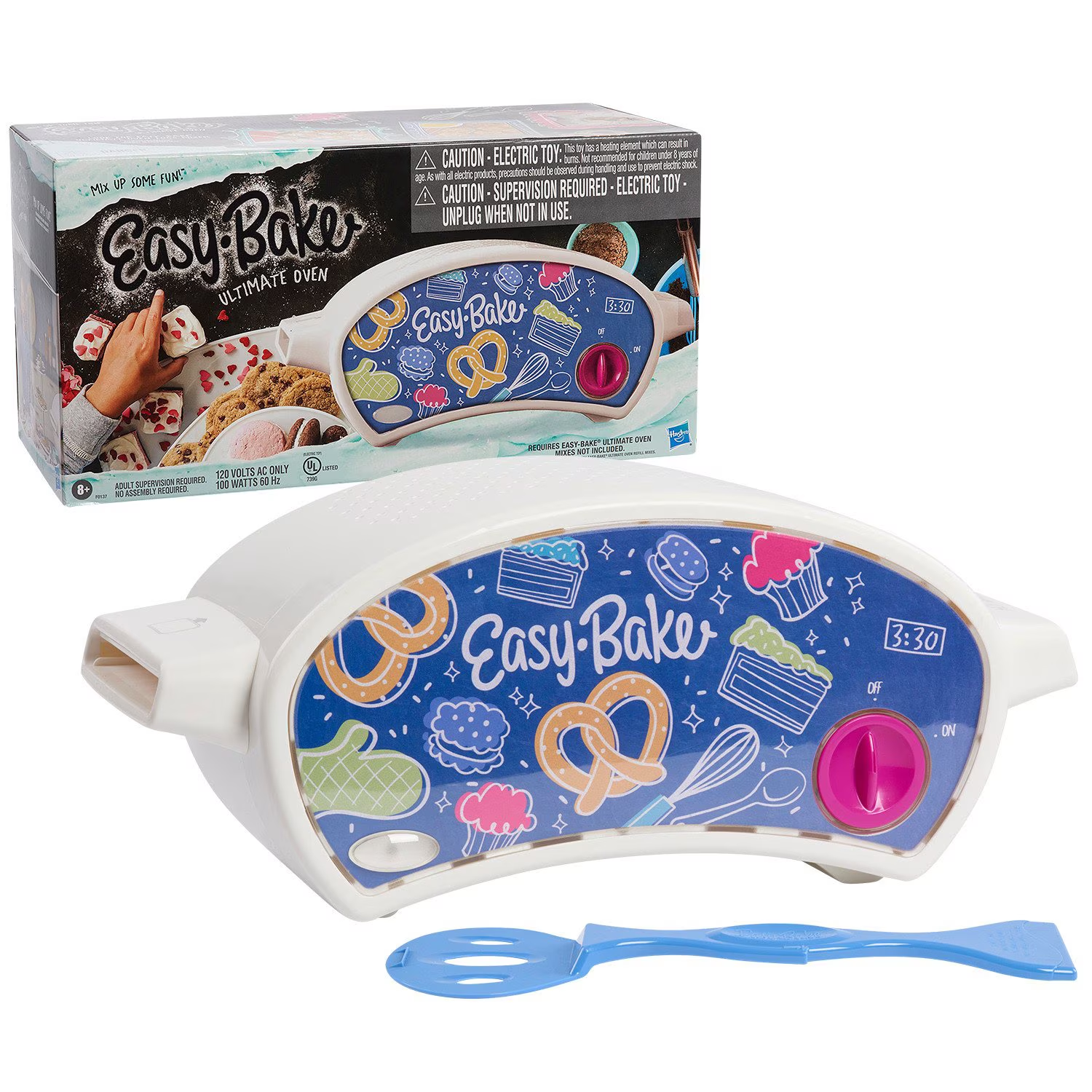
For kids who dreamed of making their own cakes and cookies, the Easy-Bake Oven was practically a miniature kitchen come to life. Introduced by Kenner in 1963, the toy allowed children to mix tiny portions of batter, slide little pans into the oven, and wait impatiently for their desserts to finish baking. Early models even used an ordinary incandescent light bulb as the heat source.
The finished cakes were usually small enough to disappear in a few bites, but that hardly mattered. The real excitement came from being able to prepare something that looked and tasted like actual baked goods without using the family’s full-size oven. Of course, patience wasn’t always easy when you were waiting for a tiny chocolate cake to cook. And while the results weren’t necessarily bakery quality, plenty of kids proudly served their miniature creations to parents, siblings, and anyone else willing to try them.
Mr. Potato Head
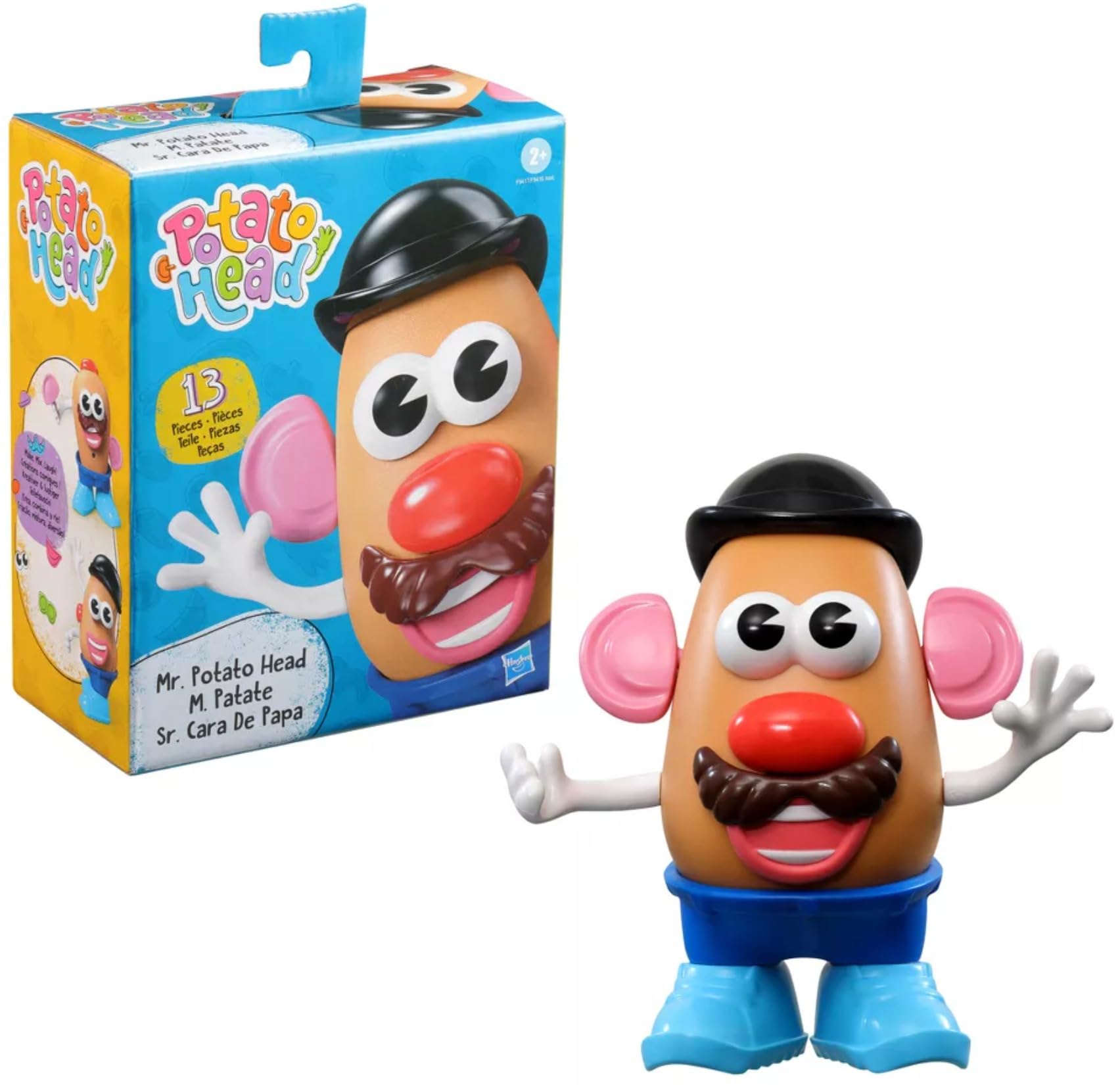
Few toys encouraged quite as much silliness as Mr. Potato Head. With a collection of interchangeable eyes, noses, mouths, ears, and other accessories, children could create an endless variety of ridiculous faces. A mismatched pair of eyes or an upside-down mouth could turn an ordinary potato into something hilariously strange.
But the original version looked quite different from the plastic toy many people recognize today. When Mr. Potato Head debuted in 1952, the set included facial features and accessories but no potato-shaped body. Instead, children were expected to use an actual potato or another vegetable from the kitchen. The familiar plastic body came later, making the toy considerably less messy. Still, the basic appeal remained the same: Rearranging a handful of plastic pieces to create increasingly absurd characters. Naturally, losing a nose or an ear was practically inevitable.
Trending on Cheapism
Barbie
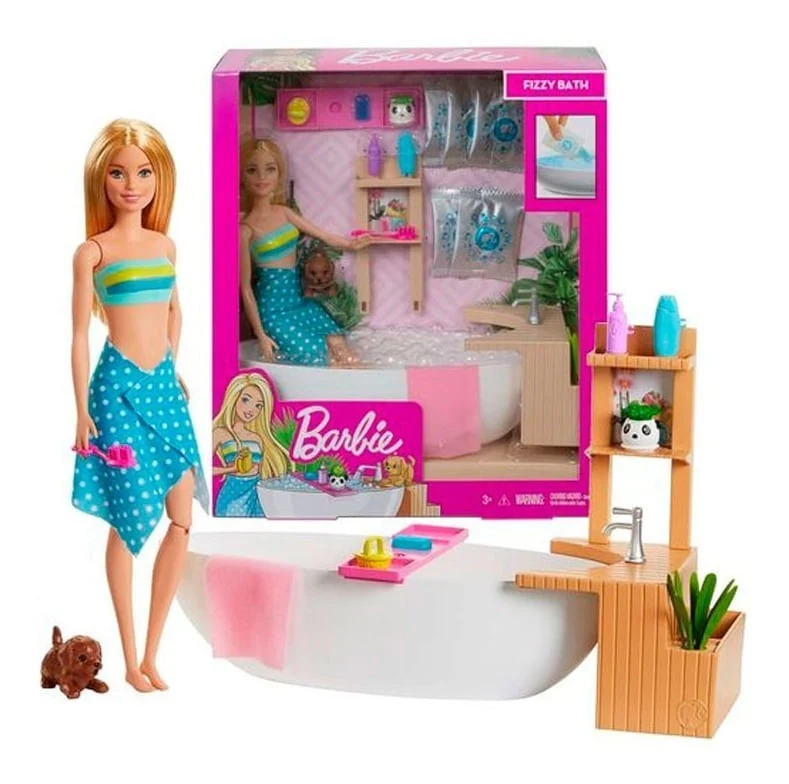
When Barbie arrived in 1959, she offered something different from the baby dolls that had dominated many children’s toy collections. Instead of pretending to care for an infant, kids could dress Barbie in fashionable outfits, arrange miniature accessories, and invent elaborate stories about her adventures. Suddenly, playing with dolls could involve imagining careers, glamorous vacations, and an entire grown-up world.
Mattel introduced Barbie at the American International Toy Fair in New York, and she quickly became one of the most recognizable toys of the era. For many girls growing up in the 1960s, collecting Barbie’s clothes and accessories was almost as exciting as owning the doll herself. Tiny shoes, miniature purses, and carefully designed dresses could become treasured possessions, although keeping track of everything was another matter. And if you had a friend with an especially impressive Barbie wardrobe, chances are you remember feeling a little jealous.
Play-Doh
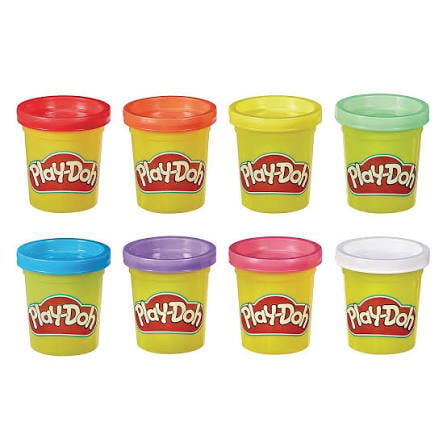
Few childhood memories are as instantly recognizable as opening a fresh container of Play-Doh. There was the distinctive smell, the soft texture, and the endless possibilities of turning a colorful lump into pretend food, animals, houses, or whatever else your imagination could produce. Unlike many toys with specific instructions, Play-Doh let children make up their own rules.
Interestingly, the modeling compound wasn’t originally invented as a toy. It began as a wallpaper-cleaning product before being repurposed and marketed to children in the 1950s. Once it became a household favorite, kids quickly discovered that mixing colors was both entertaining and a terrible idea. No matter how carefully you started, those bright reds, yellows, and blues eventually seemed to merge into one enormous grayish-brown lump. And if someone forgot to put the lid back on, there was a good chance the next play session would involve a rock-hard disappointment.
G.I. Joe
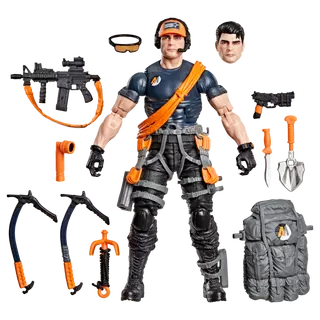
For children who loved imaginary adventures, G.I. Joe offered an entirely new kind of play. Introduced by Hasbro in 1964, the original 12-inch action figure came with articulated limbs, military uniforms, and a growing collection of accessories that allowed kids to create elaborate missions. Whether they were exploring the backyard or setting up imaginary battles in the living room, G.I. Joe figures could become the stars of countless adventures.
Hasbro originally introduced figures representing different branches of the U.S. military, and the line eventually expanded with additional outfits, equipment, and vehicles. The accessories were often just as exciting as the figures themselves, although their small size made them remarkably easy to lose. A tiny helmet or piece of equipment could disappear into the grass and never be seen again. Still, for many Boomer kids, G.I. Joe was one of those toys that could keep an entire afternoon occupied.
Sign up for our newsletter
Hot Wheels
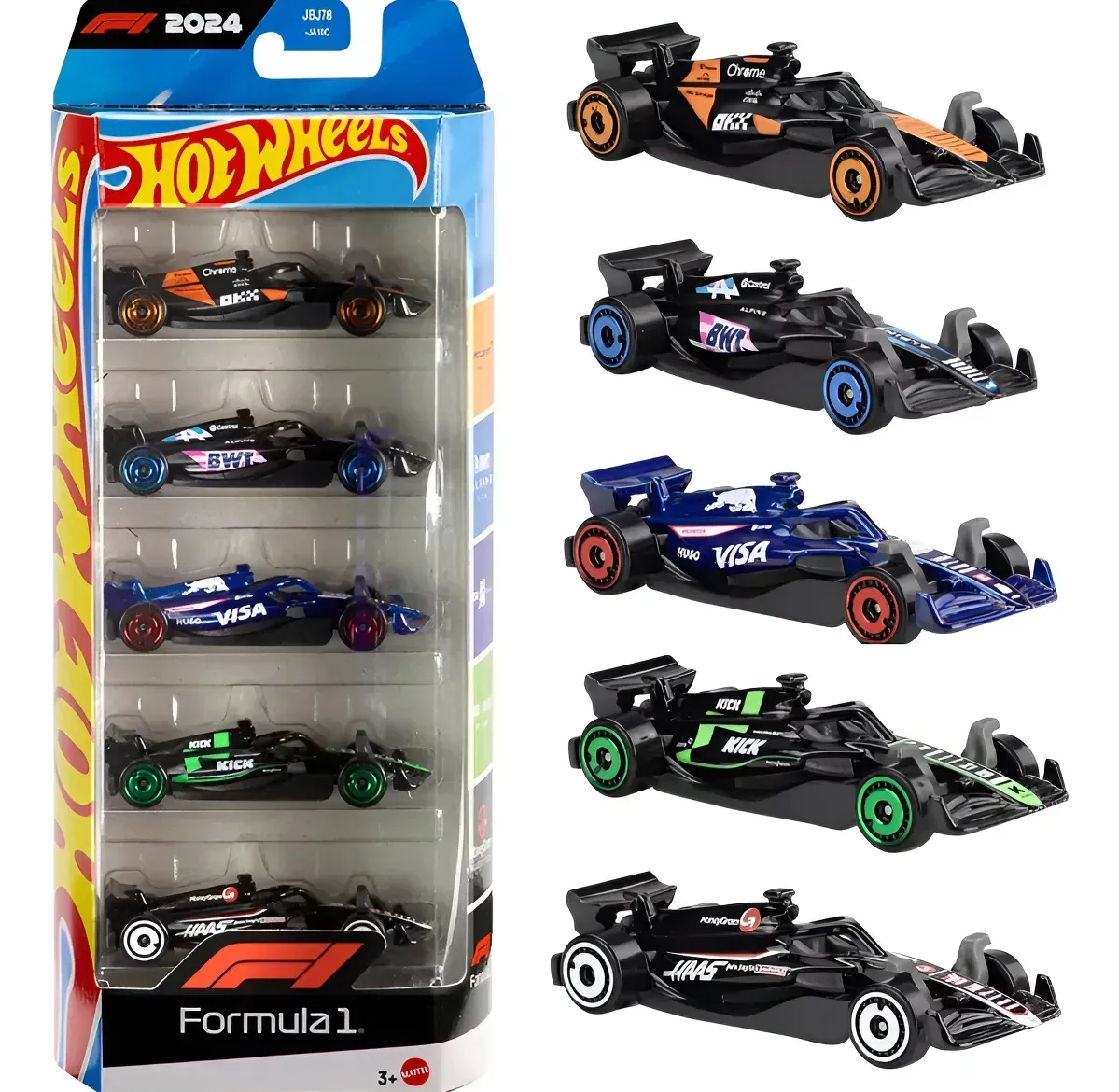
If you grew up racing miniature cars across the living room floor, there’s a good chance Hot Wheels were among your most prized possessions. Introduced by Mattel in 1968, the colorful die-cast cars were designed with speed in mind, making them especially exciting when paired with the brand’s bright orange plastic tracks. Kids could build elaborate racing courses, experiment with loops, and send cars flying across the room.
The original Hot Wheels collection included 16 vehicles, now commonly known as the “Sweet 16,” and the toys quickly became a major hit. Part of the appeal was collecting different models, each with its own distinctive design and color. Of course, building the perfect track didn’t guarantee that every race would go according to plan. Cars flew off corners, disappeared beneath furniture, and occasionally collided with unsuspecting family members. But when everything worked, watching a favorite car speed through a loop was hard to beat.
Lite-Brite
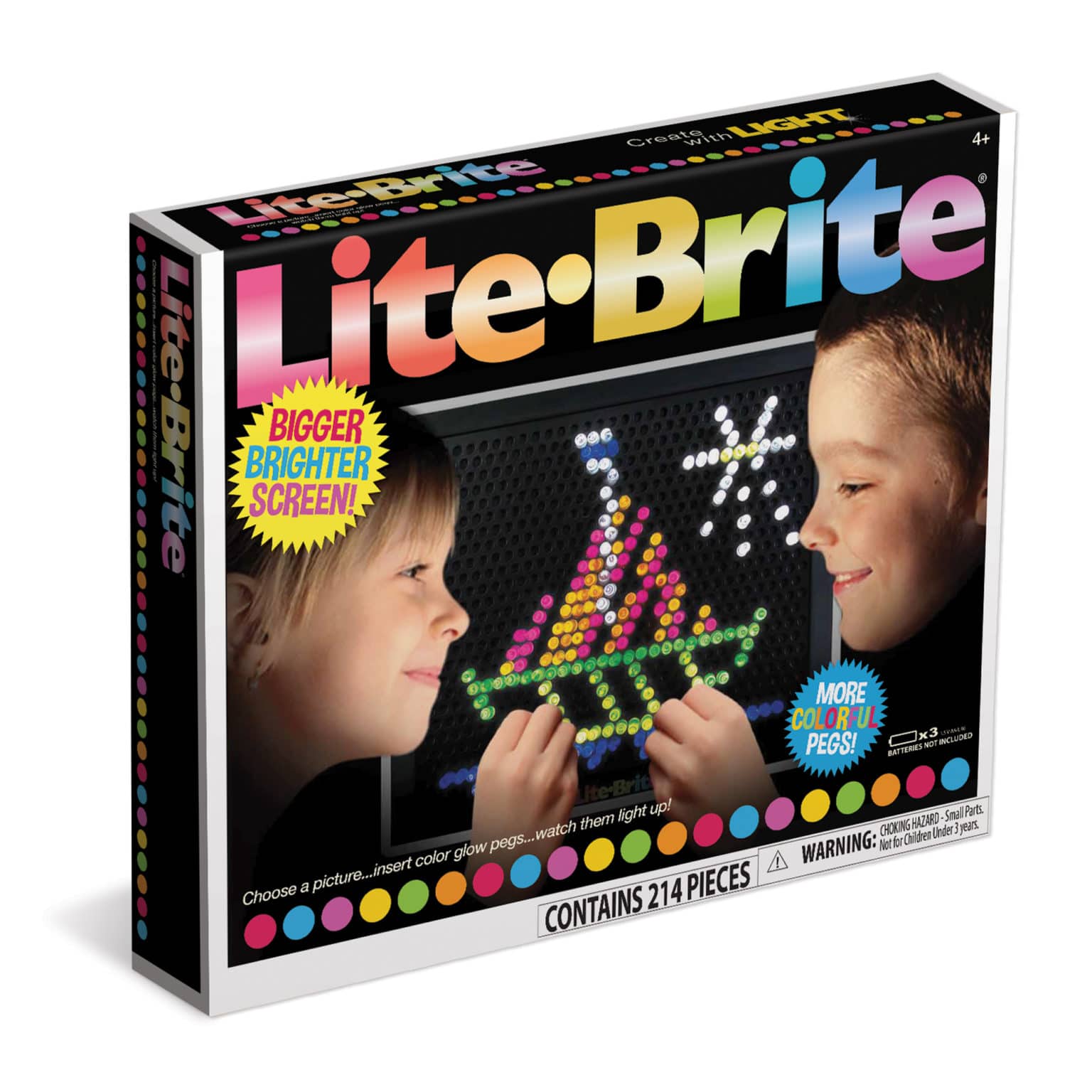
There was something particularly satisfying about turning off the lights and watching your latest Lite-Brite creation glow. Introduced in 1967, the toy allowed children to push small, colorful plastic pegs through black paper and into an illuminated screen, creating pictures that looked almost magical when the light came on.
Some kids followed the included picture templates, while others preferred making their own designs. Either way, the process required patience, especially when working with complicated patterns or trying to keep track of dozens of tiny pegs. And those pegs had an unfortunate habit of disappearing into carpets, under furniture, or between couch cushions. Still, few things were more rewarding than finishing a design, switching on the light, and seeing all those little colored dots come together into a glowing picture.
Tonka Trucks
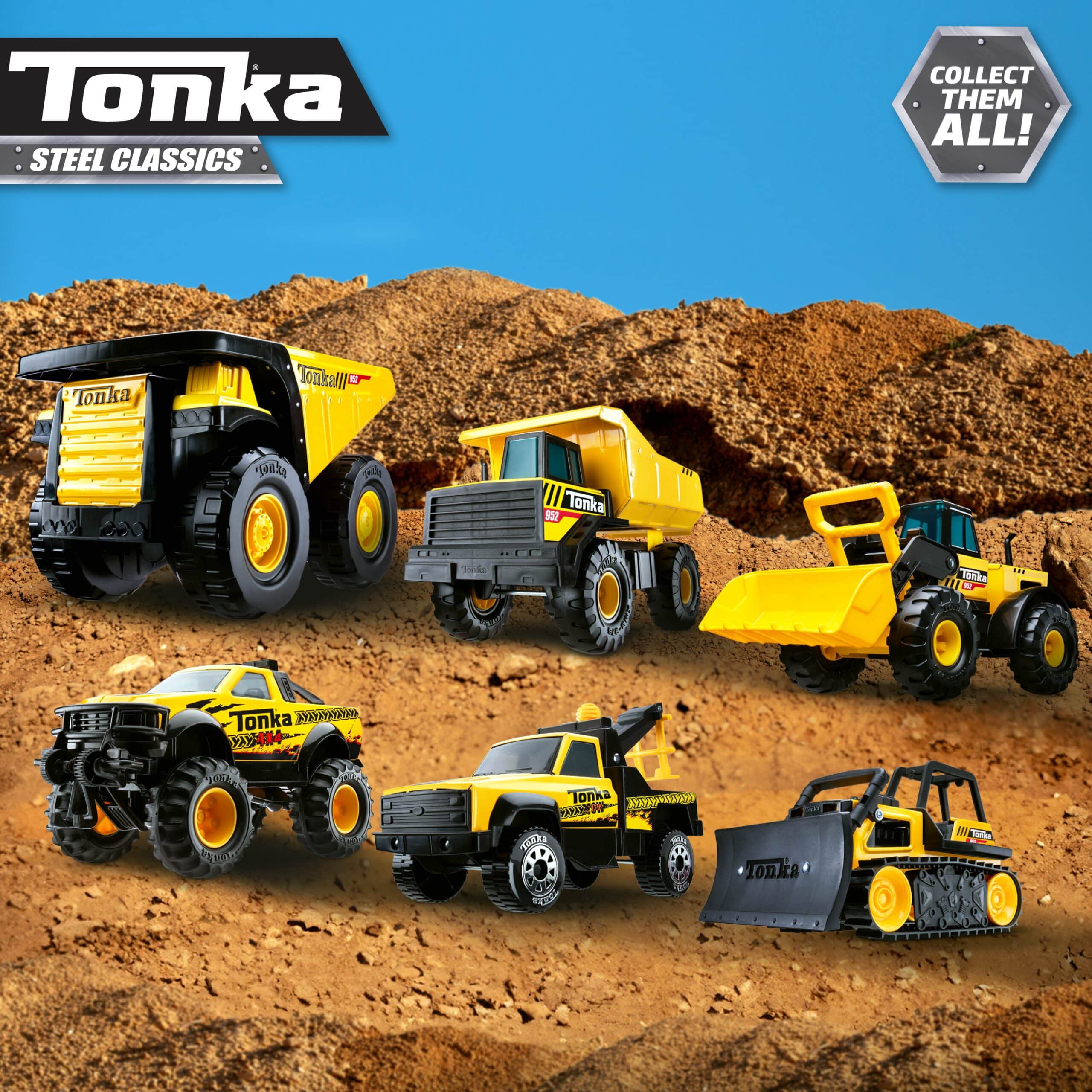
For kids who preferred playing outside, Tonka trucks were practically indestructible companions. The heavy-duty metal dump trucks, bulldozers, and construction vehicles were perfect for hauling dirt, sand, rocks, and just about anything else that could fit inside them. Backyards became construction sites, driveways turned into highways, and ordinary piles of dirt suddenly required an entire fleet of miniature equipment.
Tonka began producing metal toy trucks in the late 1940s, drawing inspiration from real construction vehicles. Their sturdy design helped them earn a reputation for durability, and many survived years of rough play before being handed down to younger siblings. Of course, that didn’t mean they stayed looking new. Scratched paint, dented metal, and wheels covered in dirt were practically badges of honor. For many Boomers, a well-worn Tonka truck was proof of countless afternoons spent building imaginary roads and digging enormous holes in the backyard.
View-Master
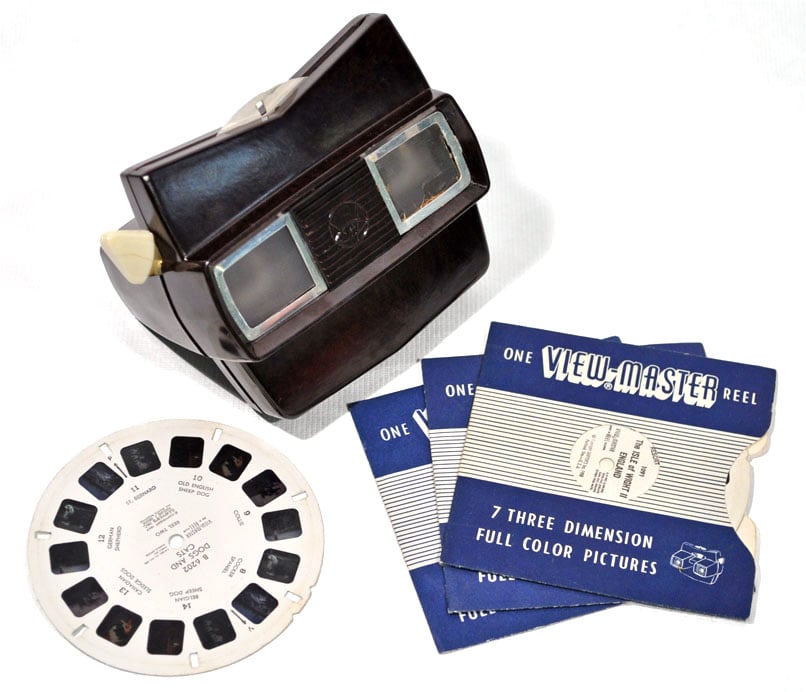
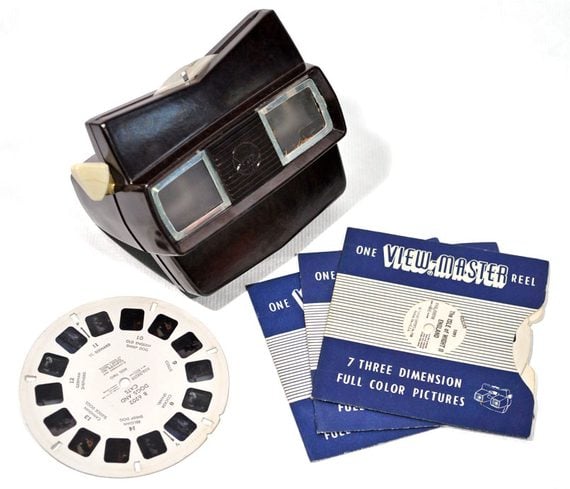
Long before children could watch videos of faraway destinations on a smartphone, the View-Master offered a surprisingly immersive way to explore the world. The handheld viewer used circular cardboard reels containing stereoscopic images, allowing kids to look through the eyepieces and see pictures with a remarkable sense of depth. With a simple click of the lever, the next image appeared.
The View-Master originally debuted in 1939 as an alternative to scenic postcards, but it eventually became a beloved children’s toy. By the 1950s and ’60s, kids could explore everything from famous landmarks and wildlife to cartoons and popular television characters through its colorful reels. And while the pictures didn’t move, that hardly mattered when you were discovering a new scene with every click. For many children, the satisfying sound of advancing the reel was almost as memorable as the images themselves.
Looking back, it’s remarkable how much entertainment these relatively simple toys provided. They didn’t require internet connections, software updates, or complicated electronics, yet they inspired creativity, competition, and hours of imaginative play. And while plenty of modern toys offer experiences that would have seemed impossible decades ago, there’s a reason classics like the Slinky, Barbie, and Etch A Sketch are still recognizable today. Some childhood favorites simply never go out of style.