Apple pie and cheesecake might get most of the attention, but some of America’s most interesting sweets are still closely tied to their home states. From Maryland’s towering layer cakes to Arkansas’s oddly named possum pie, these regional desserts have been passed down through generations of family recipes and local baking traditions. As Smithsonian Magazine explores through its coverage of American food history, the country’s culinary traditions reflect a mix of cultures, ingredients, and local customs. Here are 12 regional favorites that deserve a little more recognition beyond their hometowns.
Smith Island Cake – Maryland
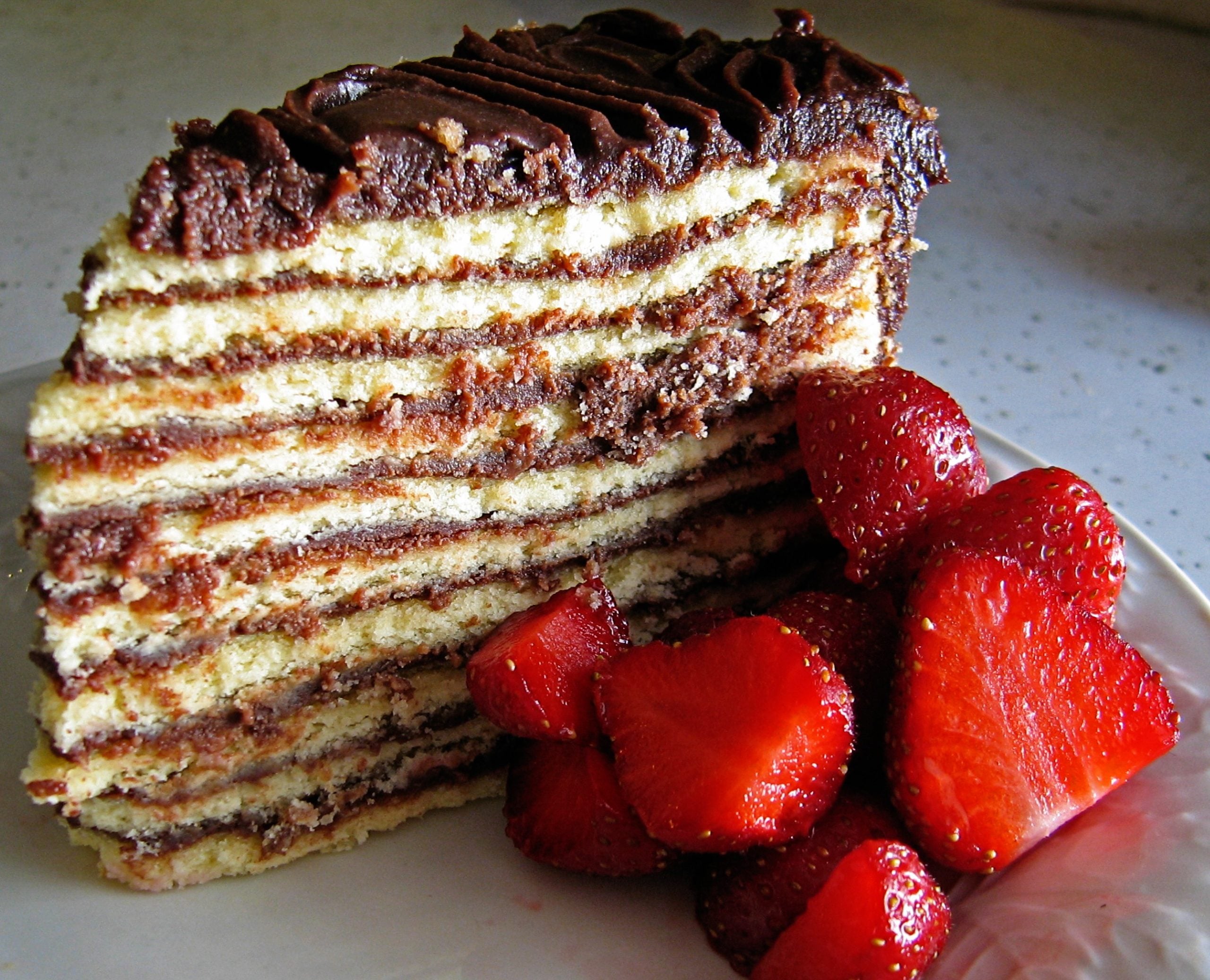
Imagine slicing into a cake and finding 10 thin layers of yellow cake, each separated by rich chocolate frosting. That’s the appeal of Smith Island cake, a Chesapeake Bay tradition that became Maryland’s official state dessert in 2008. The layers are much thinner than those in an ordinary birthday cake, giving every bite a generous amount of frosting. It’s a labor-intensive dessert to make from scratch, but the striped appearance makes it worth considering for special occasions. Traditional yellow cake with chocolate frosting is the version to try first.
Gooey Butter Cake – Missouri
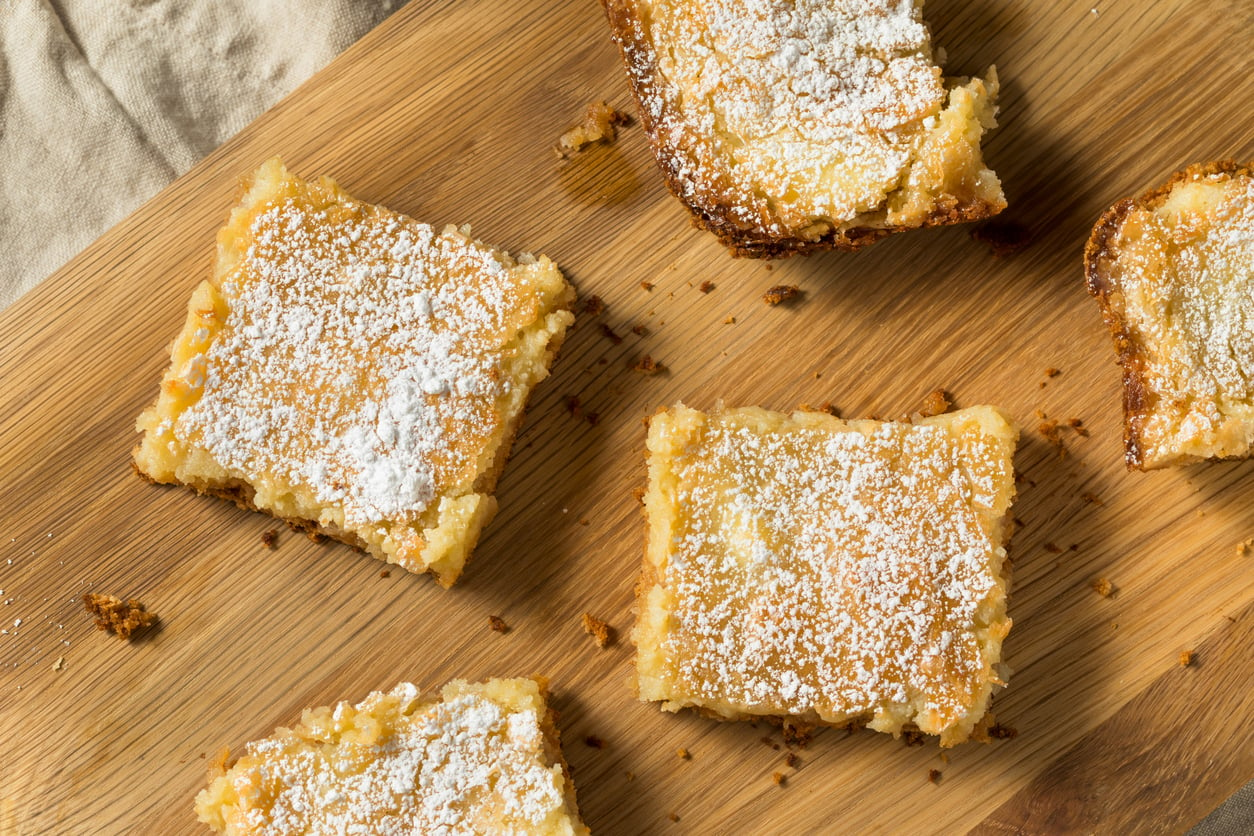
St. Louis has a dessert that looks like a baking mistake but tastes like something worth repeating. Gooey butter cake has a firm, buttery base and a soft, almost custard-like topping, often finished with powdered sugar. Local bakeries have been selling it by the square for generations. Legend says a baker accidentally mixed up the ingredients, although nobody has conclusively established who invented it. Traditional recipes use a yeasted base, while easier home versions rely on cake mix and cream cheese. Either way, a small square goes a long way.
Possum Pie – Arkansas
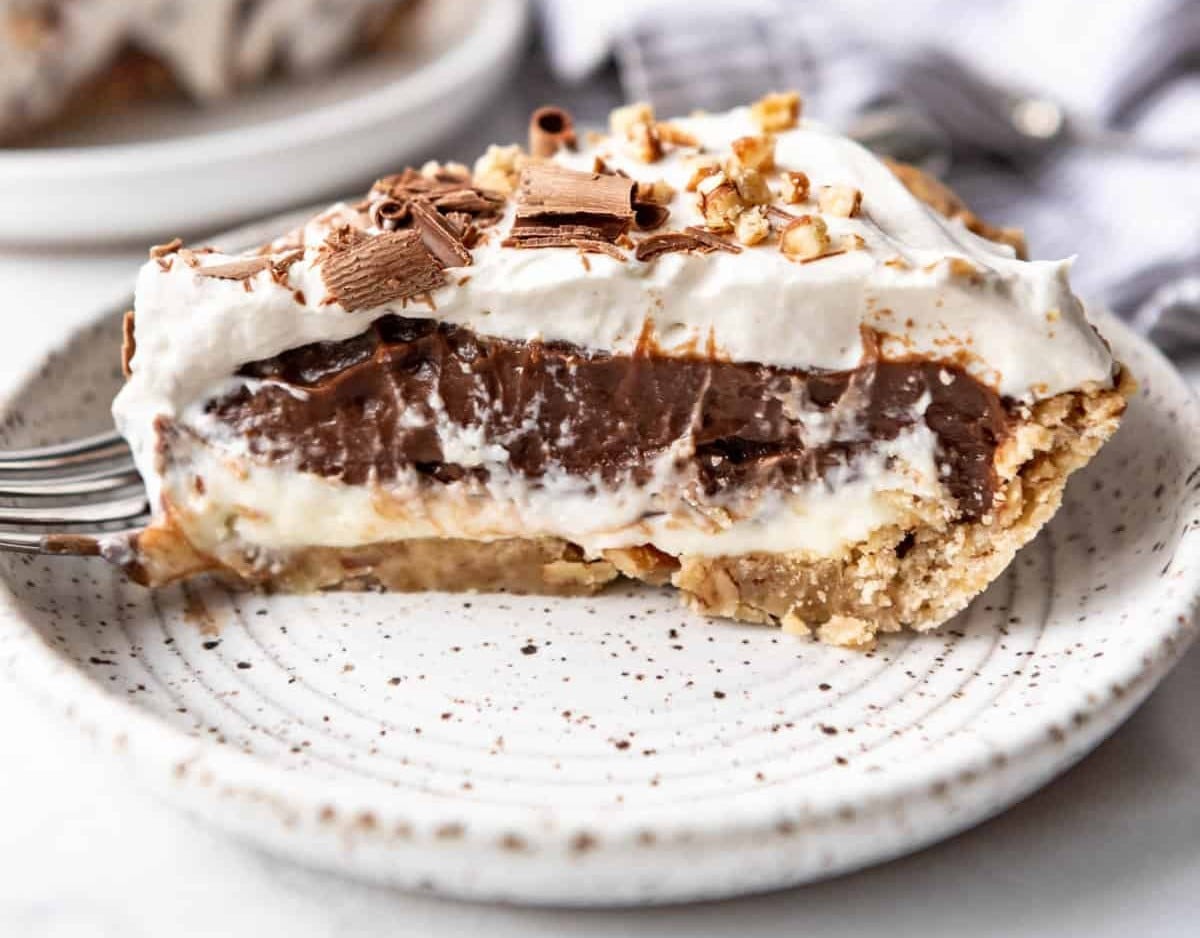
Despite its rather alarming name, Arkansas possum pie doesn’t contain any meat. Instead, it’s a chilled dessert layered with sweetened cream cheese, chocolate pudding, and whipped cream, usually over a pecan or crumb crust. The name is often explained as a joke about the chocolate filling hiding beneath the topping, although its exact origins are uncertain. Think of it as a cross between chocolate cream pie and cheesecake, with a little crunch from the crust. It’s especially appealing for home cooks because many versions don’t require much baking.
Sugar Cream Pie – Indiana
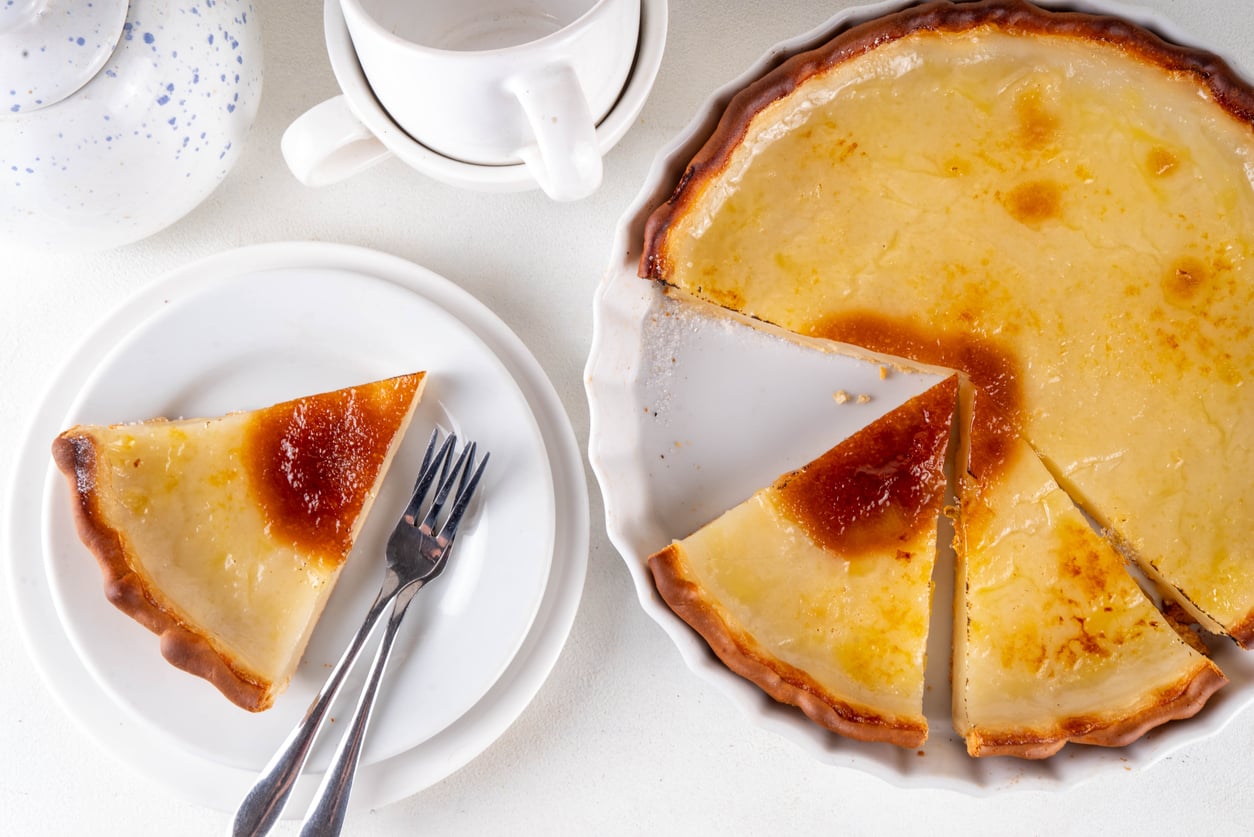
Sometimes the simplest desserts turn out to be the most memorable. Indiana’s sugar cream pie, often called Hoosier pie, uses sugar, cream, and a little flour or another thickener to create a smooth, rich filling. A dusting of cinnamon or nutmeg adds warmth without overpowering the sweetness. Its roots are commonly linked to Amish and Shaker baking traditions, when cooks relied on ingredients already in the pantry. Unlike many custard pies, traditional versions don’t need eggs. It’s wonderfully old-fashioned, although anyone who dislikes very sweet desserts might find it a little rich.
Whoopie Pies – Maine
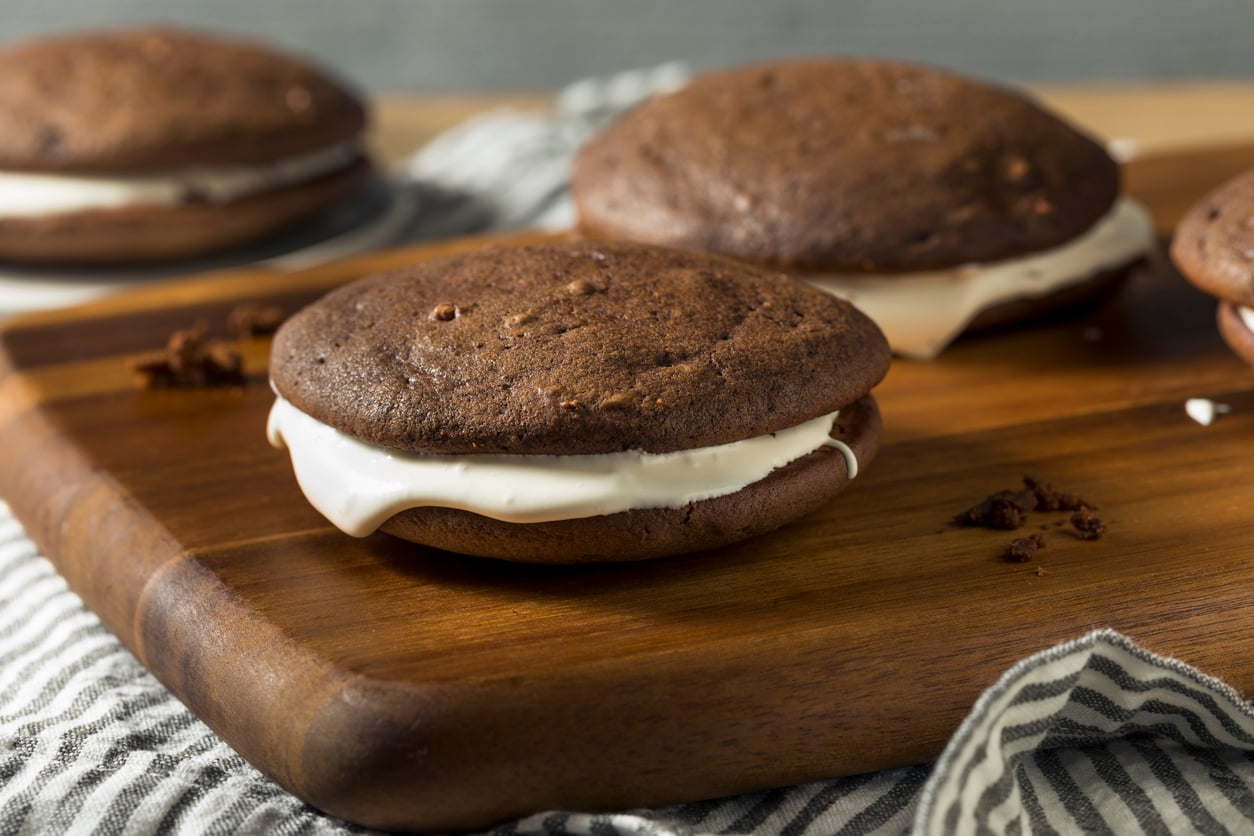
Part cookie, part cake, and part cream-filled sandwich, the whoopie pie doesn’t fit neatly into any dessert category. The classic version consists of two soft chocolate cake rounds with a thick layer of vanilla cream between them. Maine named it the official state treat in 2011, although Pennsylvania also has a longstanding claim to its history. You’ll find versions with pumpkin, peanut butter, and other flavors, but chocolate remains the familiar favorite. They’re easy to eat by hand, though the filling can make them rather messy on a warm day.
Trending on Cheapism


Kuchen – North Dakota
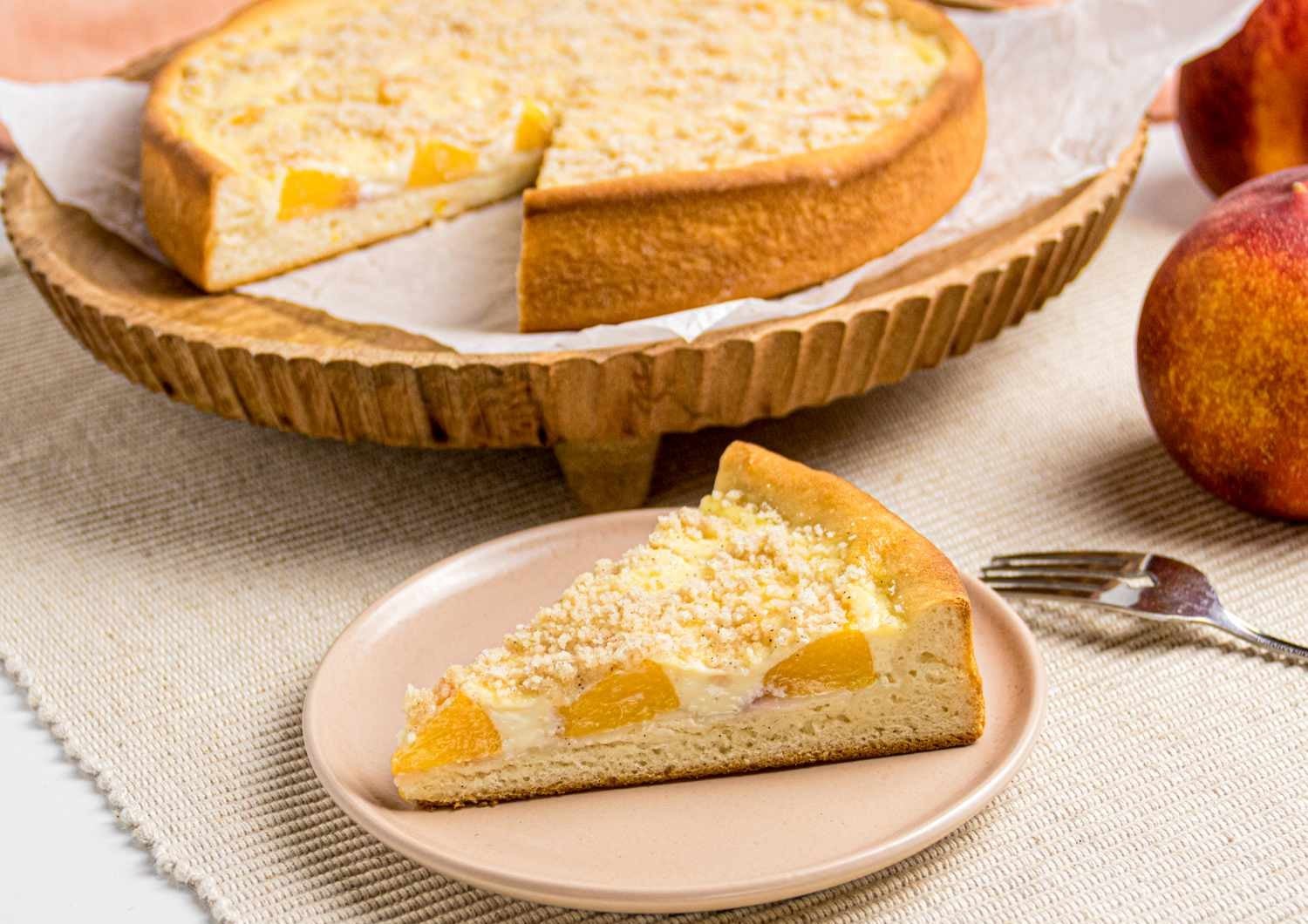
North Dakota’s German-Russian heritage lives on in kuchen, a pastry that’s especially popular at community gatherings and family celebrations. The version associated with the state often features a sweet dough crust filled with creamy custard and fruit, such as peaches, apples, or prunes. It’s somewhere between a fruit tart and a coffee cake, with a soft filling that makes it equally tempting at breakfast or after dinner. North Dakota designated kuchen its official state dessert in 2007. Homemade versions take some patience, but the ingredients are reassuringly familiar.
Buckeyes – Ohio
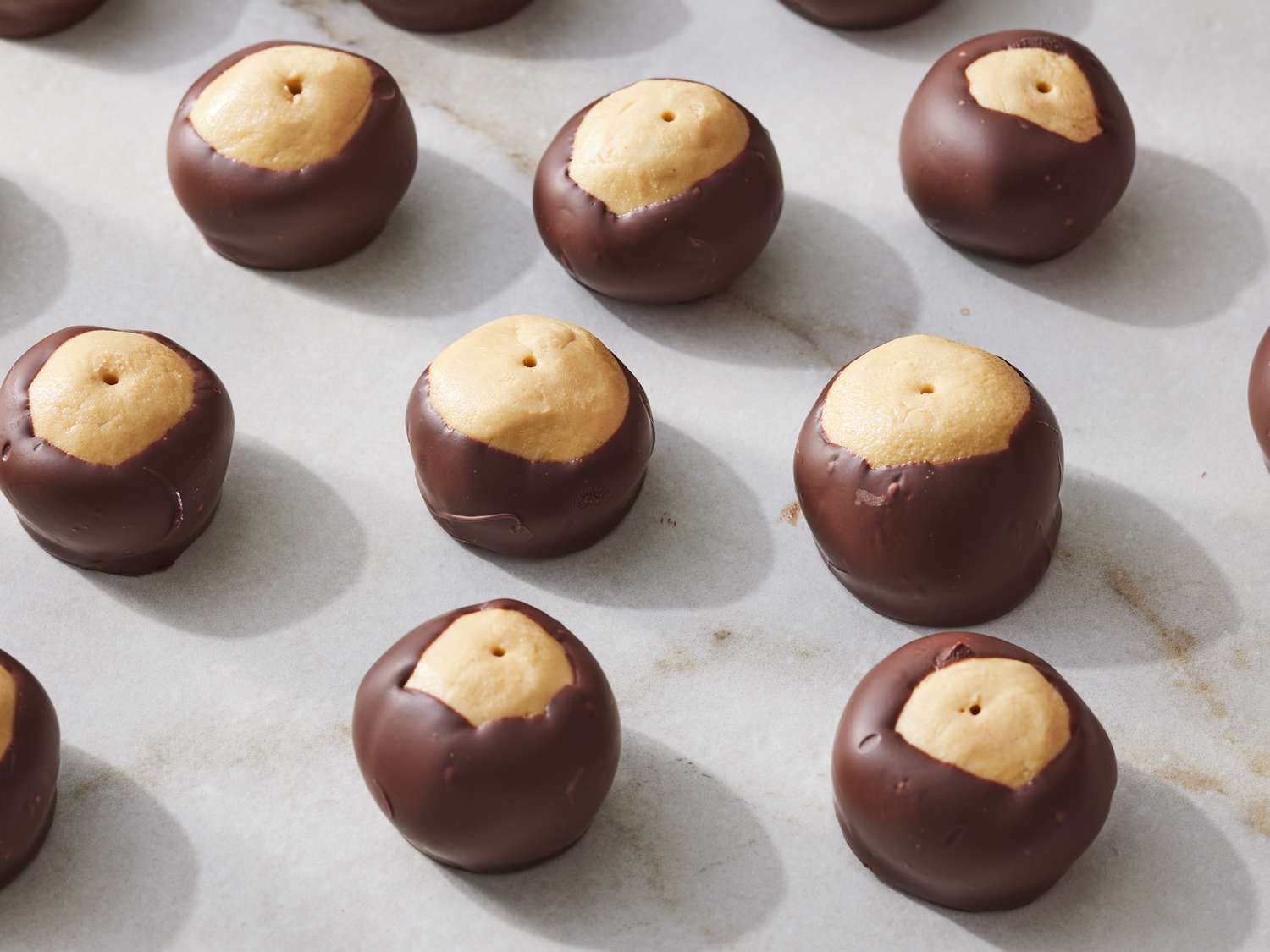
Ohio’s favorite homemade candy gets its name from the state’s buckeye tree. Each little treat combines a sweet peanut butter center with a coating of chocolate, leaving a small circle of peanut butter exposed so it resembles the real nut. They’re especially common around Christmas, family gatherings, and Ohio State football celebrations. Unlike actual buckeye nuts, which are poisonous, the candy version is meant to be eaten. You don’t need an oven to make them, just a little patience for rolling and dipping. They’re rich enough that one or two usually satisfy.
Lane Cake – Alabama
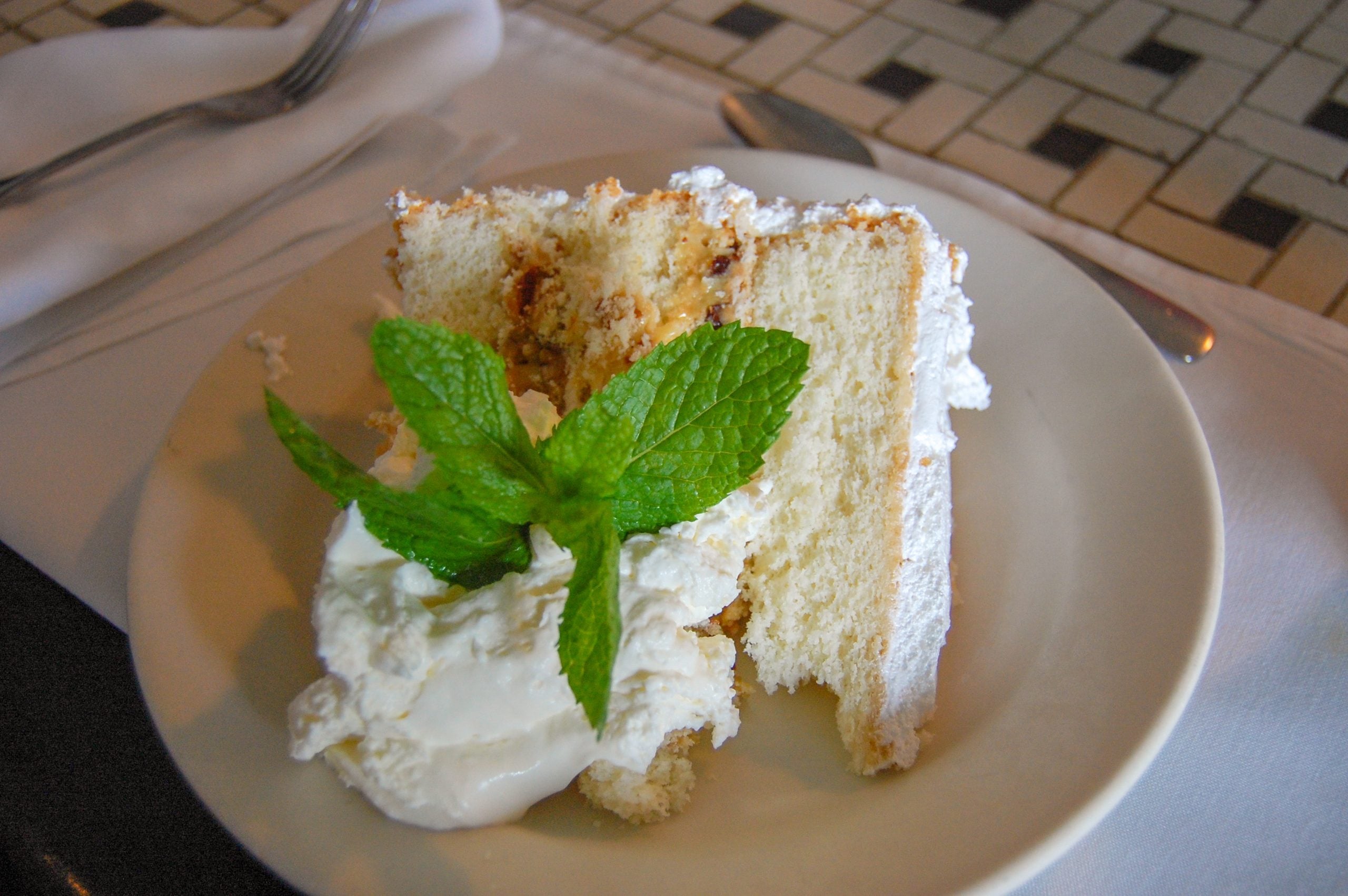
Lane cake is the kind of dessert that once signaled a special occasion in Southern households. Created by Alabama baker Emma Rylander Lane in the late 1800s, it traditionally features layers of white sponge cake with a filling of raisins, egg yolks, butter, sugar, and whiskey. Some modern recipes add coconut or pecans. The result is much more complex than an ordinary frosted cake, with a rich filling and a noticeable kick from the liquor. Alabama made it the official state cake in 2016, but its elaborate preparation means it’s often saved for celebrations.
Sign up for our newsletter
Huckleberry Pie – Montana
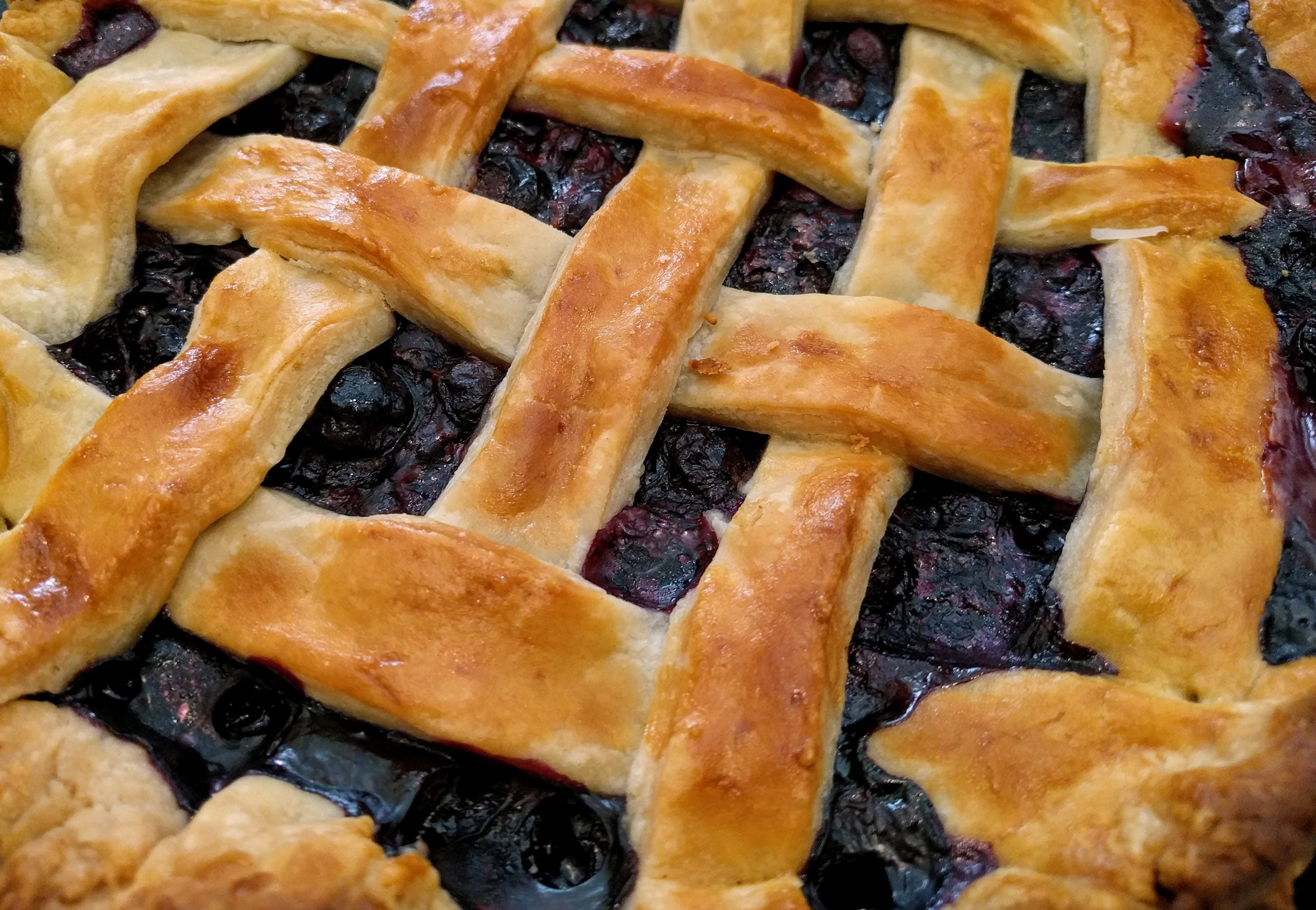
If you’ve only had blueberry pie, Montana’s huckleberry version is worth seeking out. Wild huckleberries have a tart, concentrated flavor that makes a lively filling beneath a flaky pie crust. They’re associated with the Northern Rockies, where picking them is a summer tradition. Because the berries are difficult to cultivate commercially and gathering them takes time, fresh huckleberry desserts can be relatively expensive. Some shops use frozen berries or blends, so it’s worth asking what’s in the filling. A warm slice with vanilla ice cream is hard to argue with.
Kringle – Wisconsin
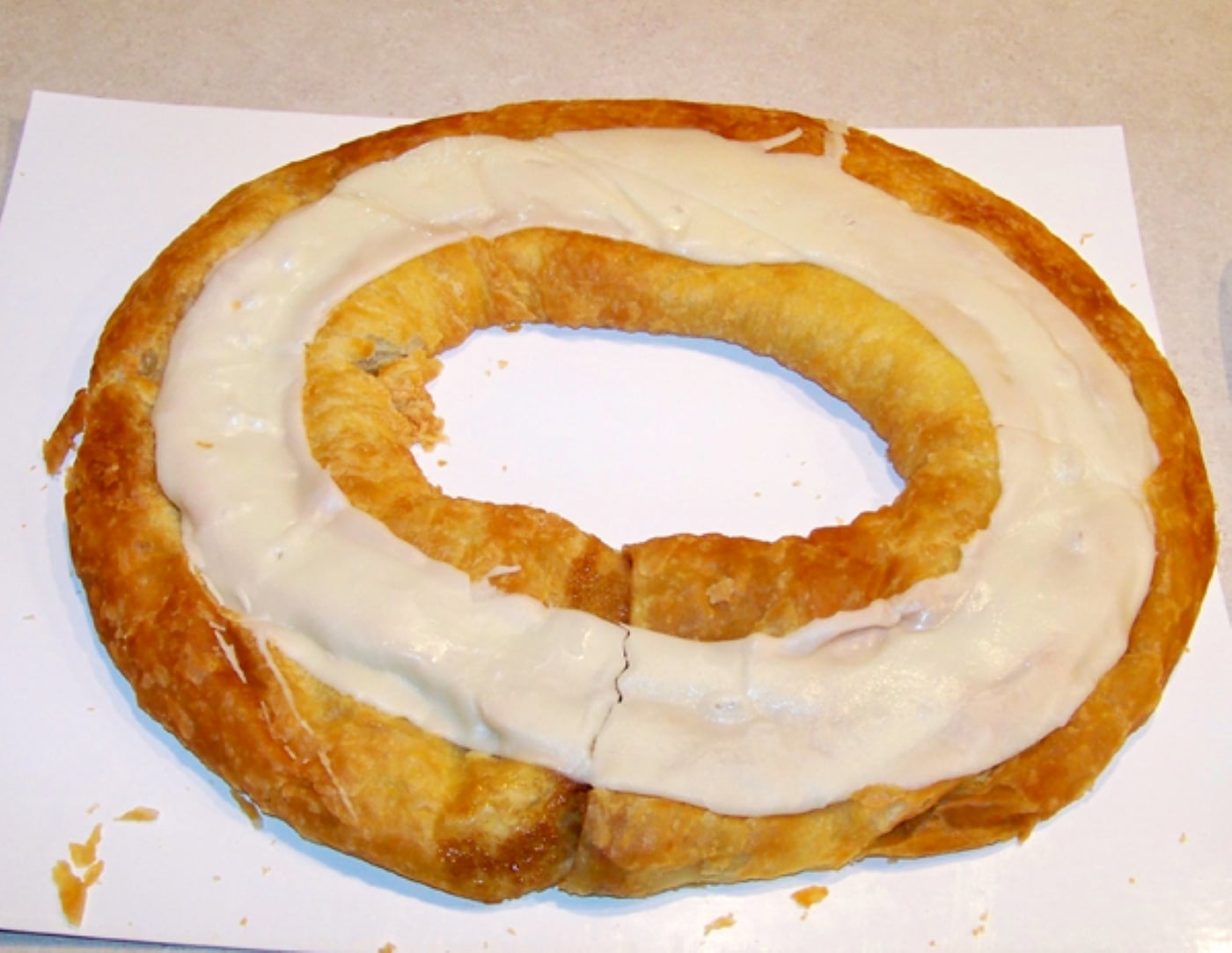
In Racine, Wisconsin, Danish immigrants helped establish a pastry tradition that’s still going strong. Kringle is a flaky, buttery pastry shaped into a large oval and filled with ingredients such as pecans, almonds, fruit, or cream cheese. A thin layer of icing usually finishes it off. Wisconsin made kringle its official state pastry in 2013, and Racine bakeries continue producing versions that can be shipped around the country. It’s easy to slice and share with a crowd, making it a practical alternative to an elaborate dessert for holidays or family visits.
Indian Pudding – New England
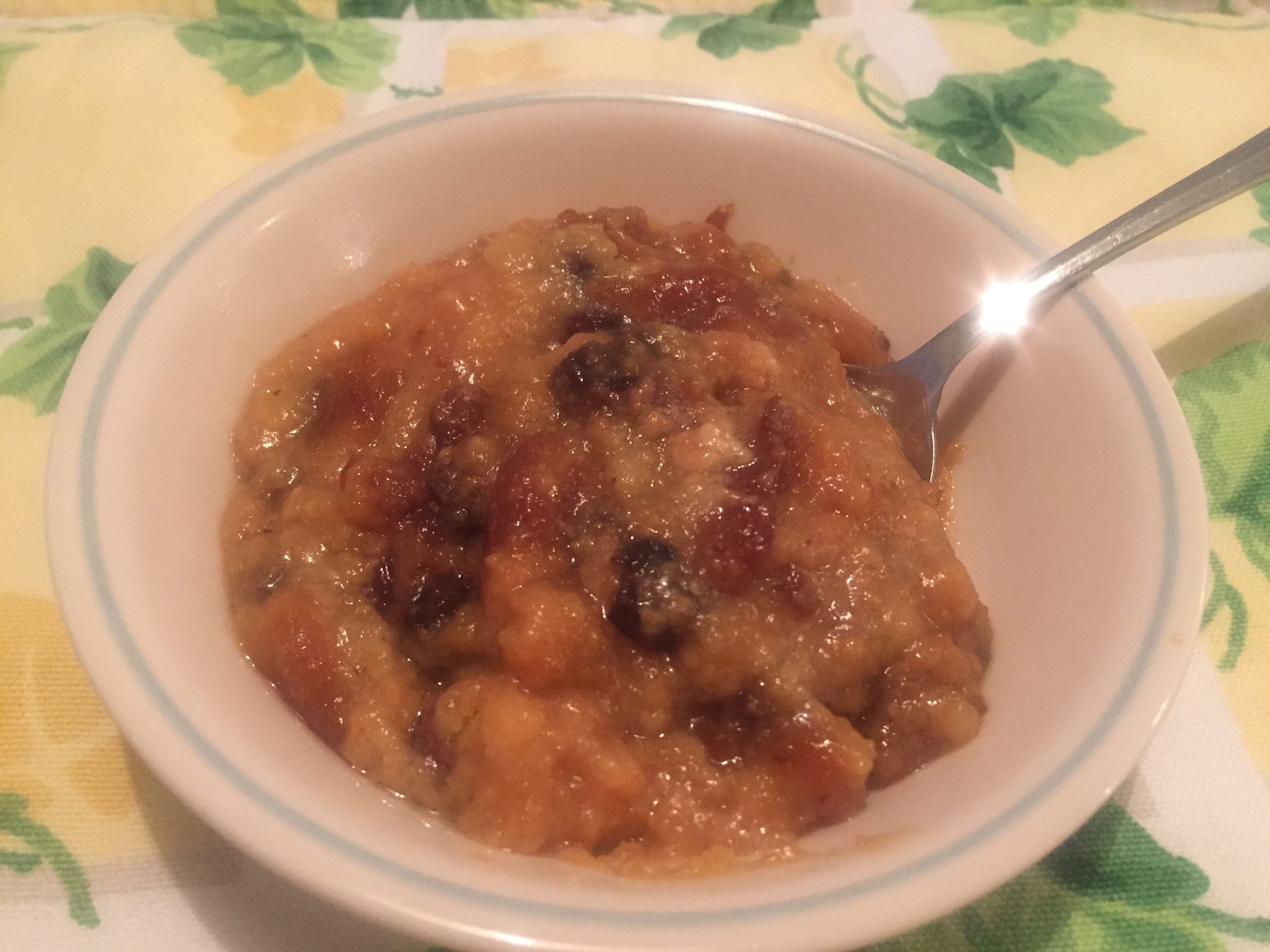
This old-fashioned New England dessert doesn’t look particularly impressive, but its flavor is pure comfort food. Indian pudding is a slow-baked mixture of cornmeal, milk, molasses, and warm spices, often served with vanilla ice cream or whipped cream. The name comes from an old colonial term for cornmeal, which European settlers used in place of familiar grains. Its soft, dense texture falls somewhere between porridge and custard. It isn’t especially pretty on the plate, and the strong molasses flavor can be an acquired taste, but it remains a distinctive part of New England’s food history.
Shaker Lemon Pie – Ohio and Kentucky
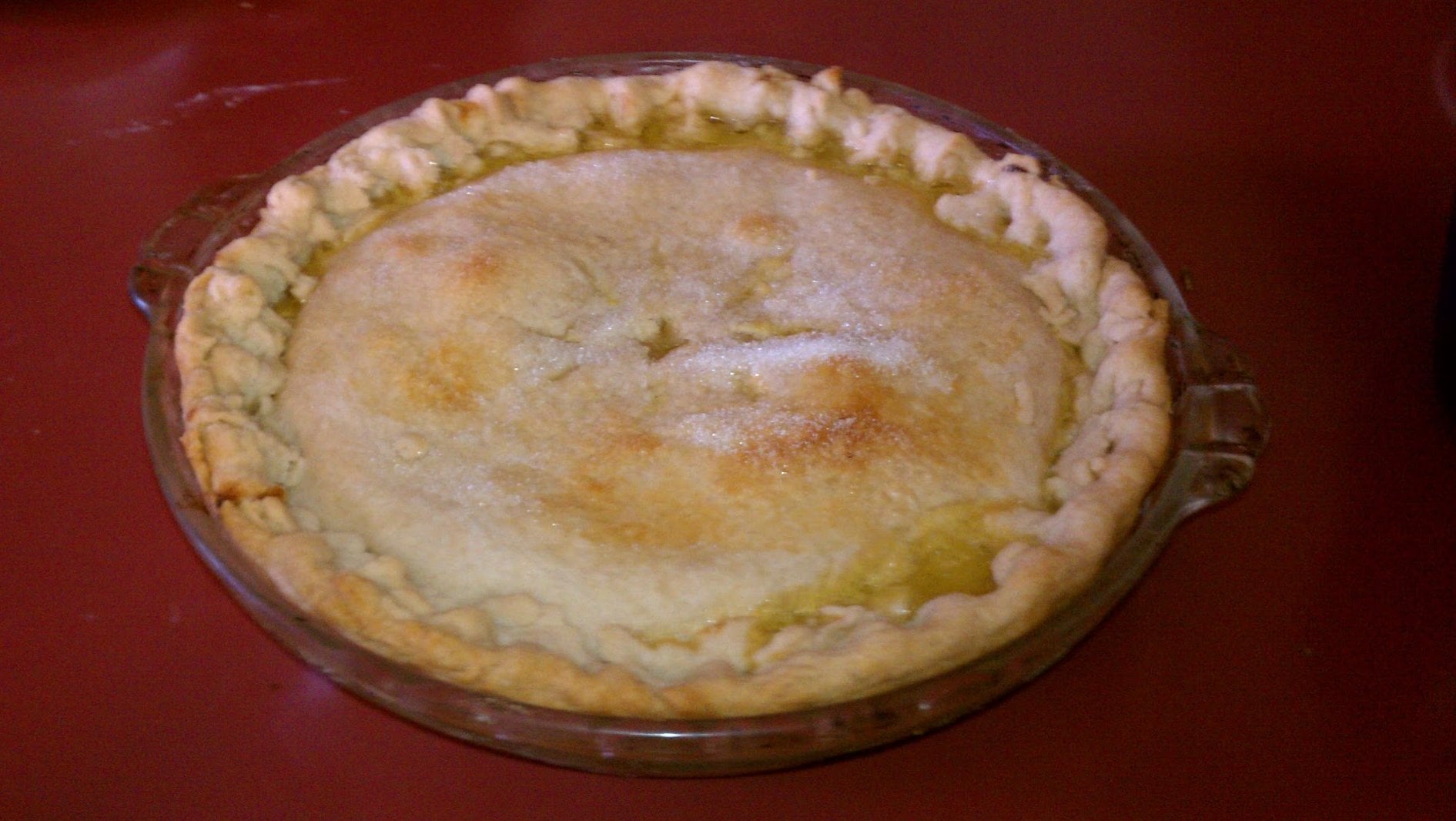
Most lemon pies rely on juice and zest, but Shaker lemon pie uses the entire fruit, peel and all. Thin lemon slices are soaked in sugar, mixed with eggs, and baked inside a double crust, creating a filling that’s sweet, tart, and slightly bitter. The recipe is associated with Shaker communities and their practical approach to using ingredients without waste. The trick is slicing the lemons extremely thin and allowing enough time for the sugar to soften the peel. It’s a bold alternative to ordinary lemon meringue pie, especially for people who enjoy strong citrus flavors.