For kids growing up in the 1980s, Halloween didn’t end when the last porch light went out. In fact, some of the best parts of the night happened after everyone got home, when the costumes came off, the candy bags were emptied, and the living room floor disappeared beneath a mountain of chocolate bars, lollipops, and mysterious little treats nobody particularly wanted.
Of course, there were a few obstacles standing between kids and their hard-earned candy. Parents insisted on inspecting every wrapper, siblings immediately started negotiating trades, and someone inevitably complained that their favorite chocolate bar had gone missing. And if you were lucky, there might still be a Halloween special on television before bedtime.
Long before smartphones and social media, the hours after trick-or-treating were an event all their own. From sorting candy into carefully organized piles to hiding the best pieces from your brothers and sisters, here are 12 things kids remember doing after a night of Halloween in the 1980s.
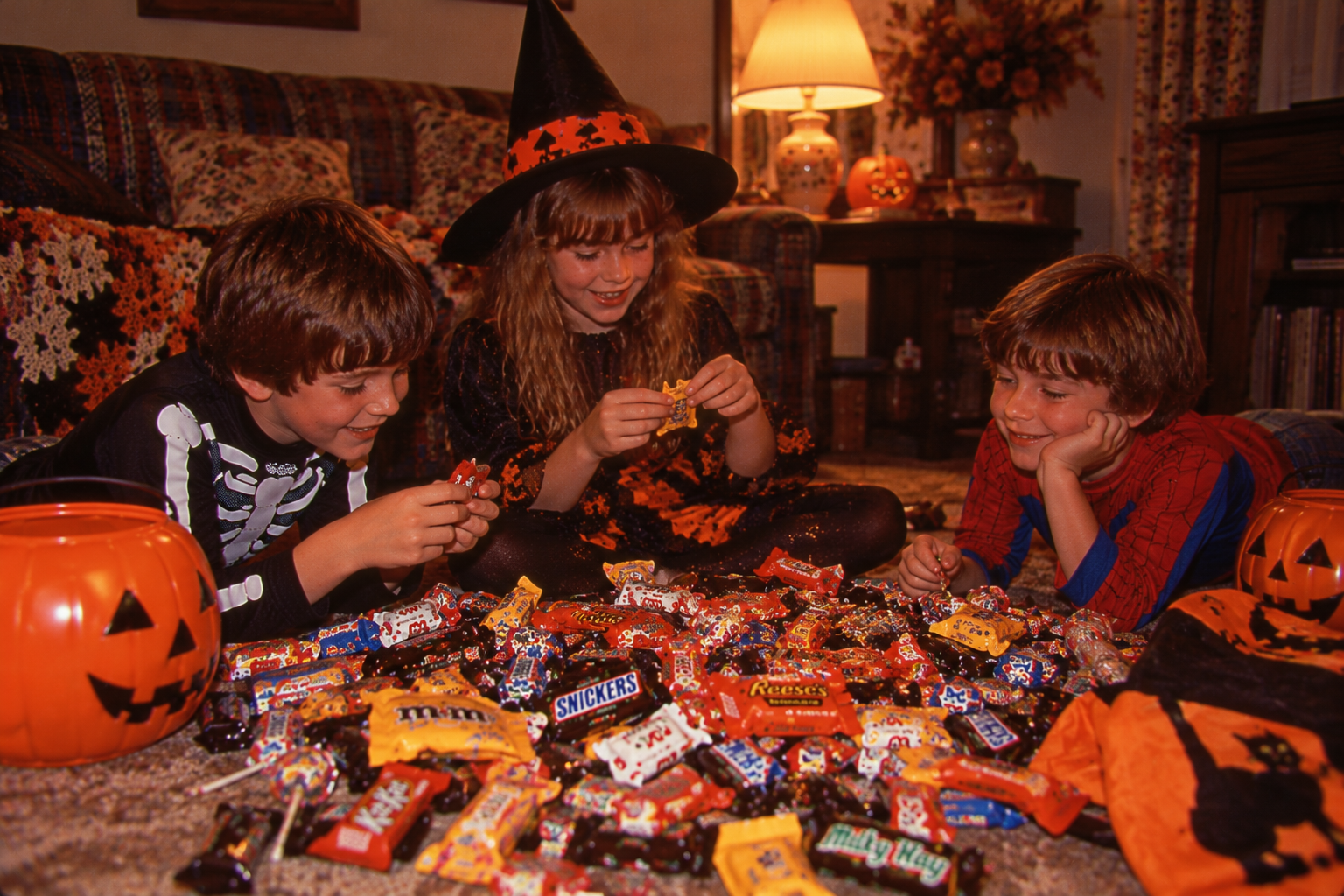
Dumping the Entire Candy Haul on the Living Room Floor
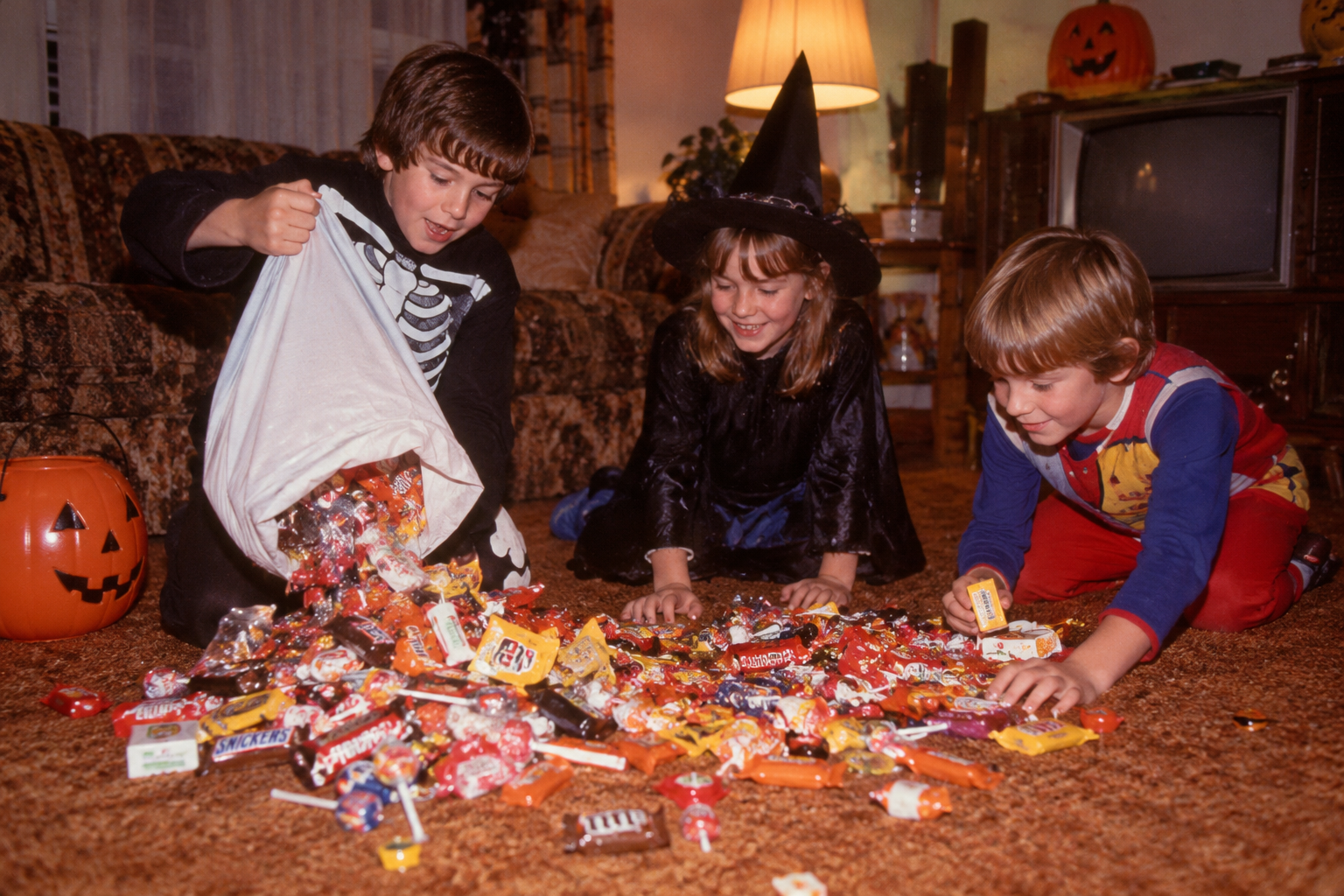
There was something incredibly satisfying about getting home, turning a pillowcase upside down, and watching an entire night’s worth of candy spill across the carpet. Miniature Snickers bars, Tootsie Rolls, Smarties, lollipops, and little boxes of raisins scattered in every direction, occasionally disappearing beneath the furniture. For kids who had spent hours going from house to house, seeing everything spread out was the moment they could finally appreciate just how much they’d collected. And if you’d brought an old pillowcase instead of one of those small plastic pumpkin buckets, there was a good chance your pile looked especially impressive.
Waiting While Mom or Dad Inspected Every Piece of Candy
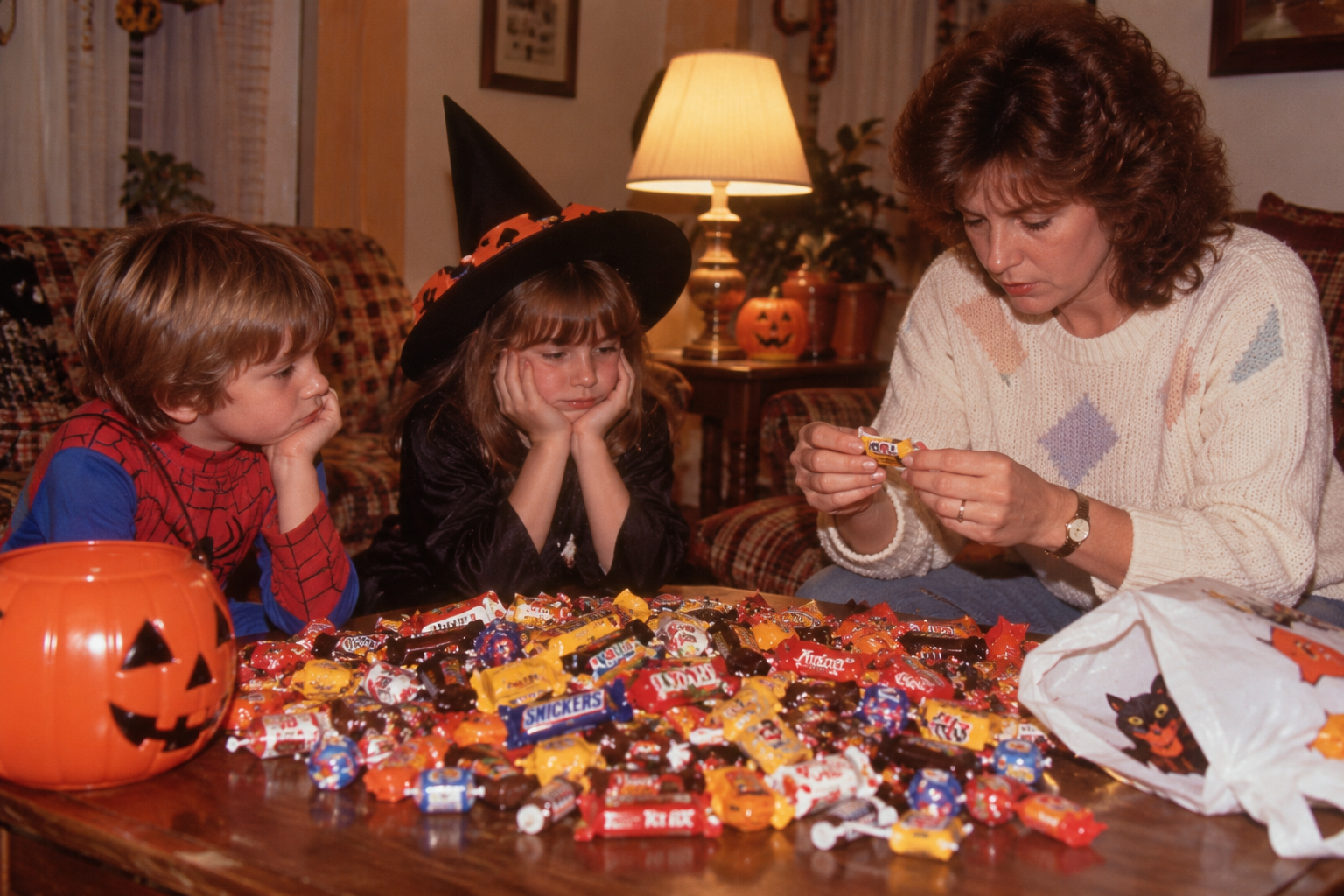
Before anyone could start eating, there was often one important rule: The candy had to be inspected. Parents examined wrappers, looked for anything that seemed suspicious, and occasionally threw away treats that weren’t properly sealed. During the 1980s, stories about razor blades hidden in apples and dangerous substances slipped into Halloween candy had become so widespread that some hospitals even offered free X-rays of trick-or-treaters’ hauls. A 1985 Los Angeles Times report documented the practice, although research has since shown that fears about widespread deliberate candy tampering were largely exaggerated. Of course, none of that made waiting any easier for a kid staring at a pile of Reese’s Peanut Butter Cups.
Sorting Candy Into Very Serious Little Piles
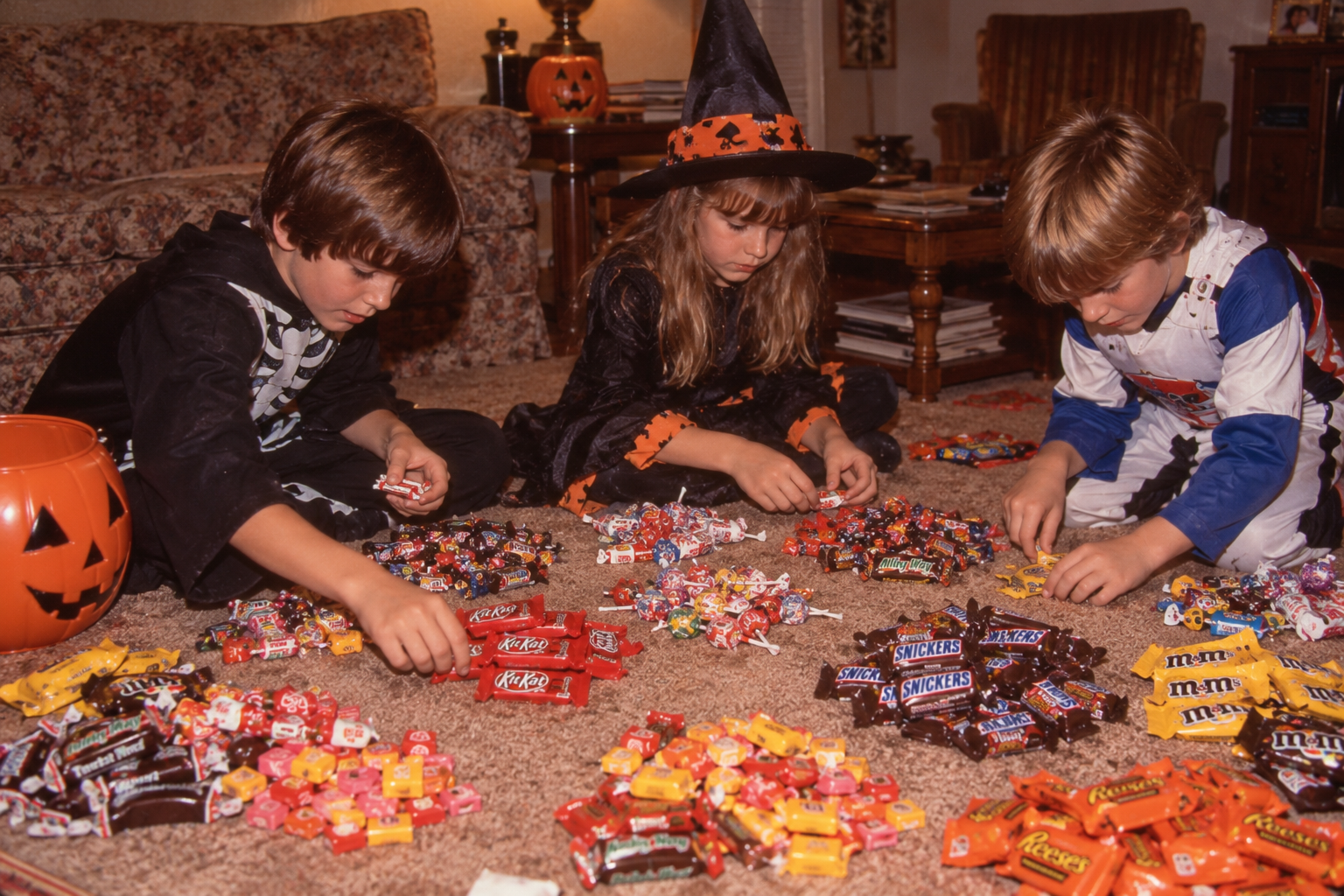
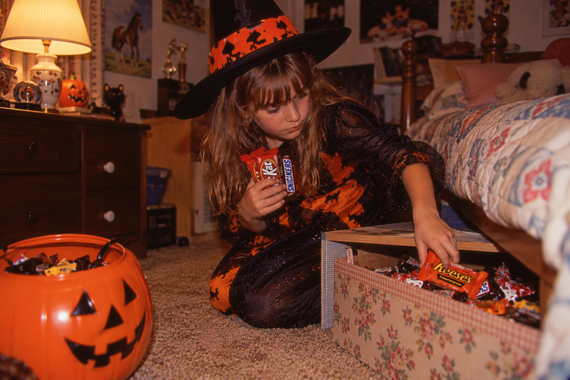
Once the candy inspection was over, it was time to get organized. Chocolate bars went into one pile, chewy candies into another, and anything involving raisins or questionable flavors usually ended up somewhere off to the side. Some kids arranged everything by brand, while others created elaborate rankings based on which treats they liked best. Reese’s Peanut Butter Cups and miniature Milky Ways might receive special treatment, while candy corn and hard candies were relegated to the less desirable section. And for particularly competitive children, counting every single piece was practically mandatory. After all, how else were you supposed to prove that you’d collected more candy than your older brother?
Negotiating Candy Trades With Your Siblings
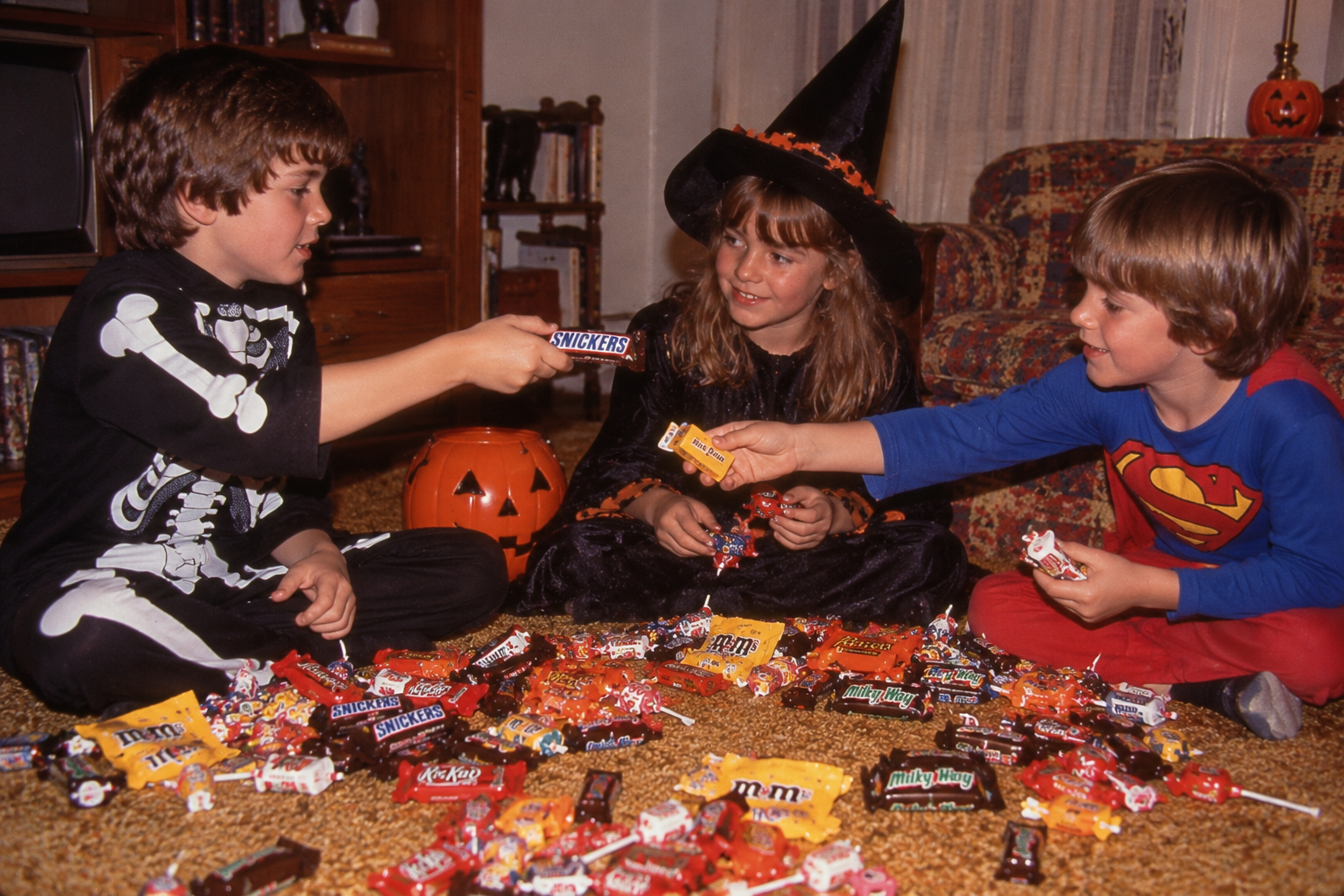
Halloween candy wasn’t just something to eat. It was a surprisingly sophisticated form of currency, and siblings quickly became ruthless negotiators. Maybe your sister hated peanut butter cups but loved Skittles, or your little brother was willing to give up a perfectly good Snickers bar in exchange for three lollipops. Every trade involved careful consideration, and the most desirable chocolate bars could command an impressive number of lesser candies. Naturally, negotiations sometimes ended in arguments, especially when someone realized they’d gotten the worse end of a deal. And if you couldn’t find a willing trading partner at home, there was always the possibility of bringing your leftovers to school the next day.
Watching Your Parents Steal the Best Chocolate
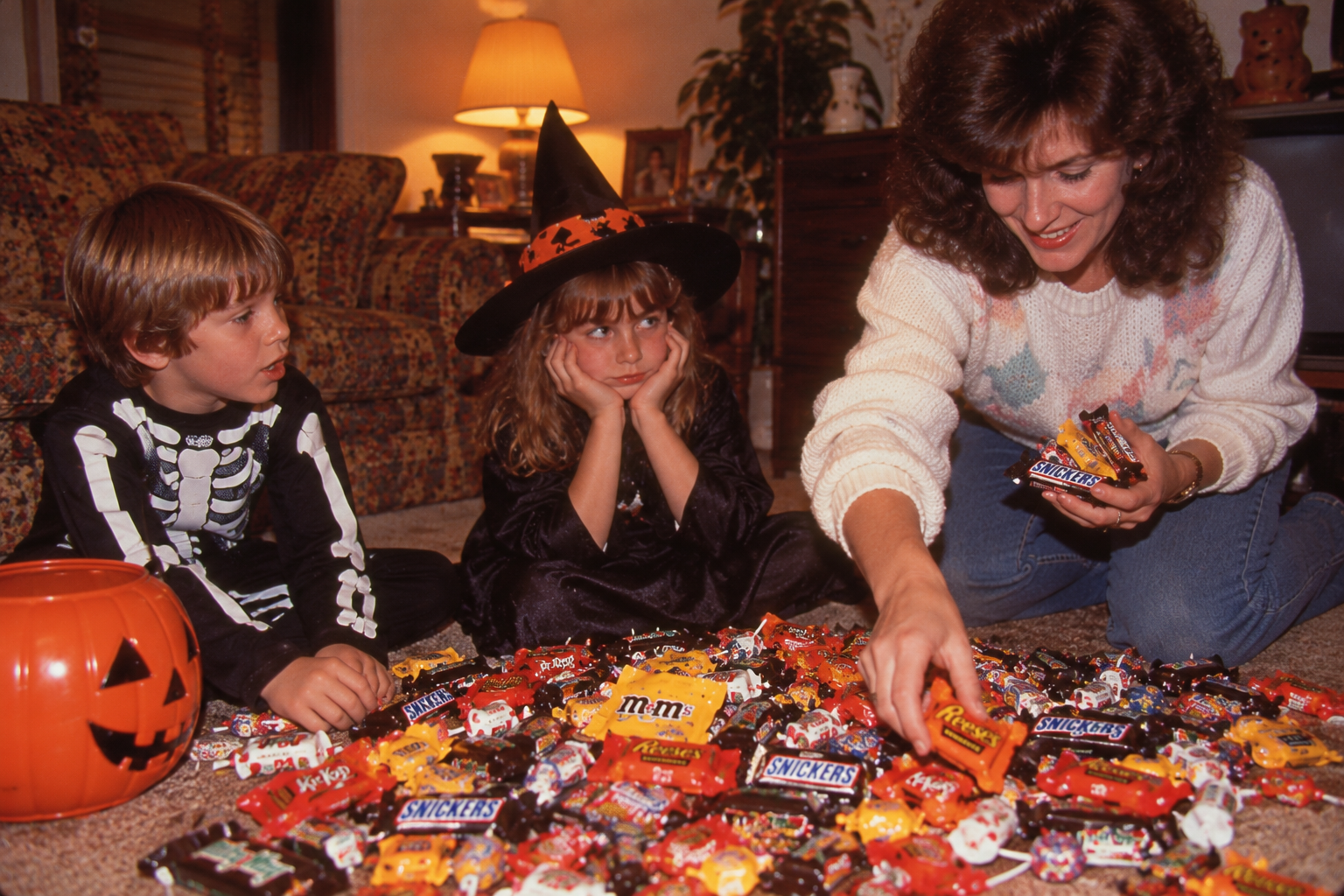
After spending the evening collecting candy, nothing felt quite as unfair as watching a parent casually reach into your pile and help themselves to a miniature chocolate bar. Some moms and dads jokingly insisted that inspecting the candy entitled them to a small reward, while others simply announced that they were taking a Reese’s or two. The real injustice, of course, was that adults rarely seemed interested in the less desirable treats. They went straight for the good stuff, leaving behind the hard candies and little boxes of raisins. And if your favorite chocolate mysteriously disappeared overnight, there was usually at least one obvious suspect.
Trending on Cheapism


Finally Taking Off Those Uncomfortable Plastic Halloween Masks
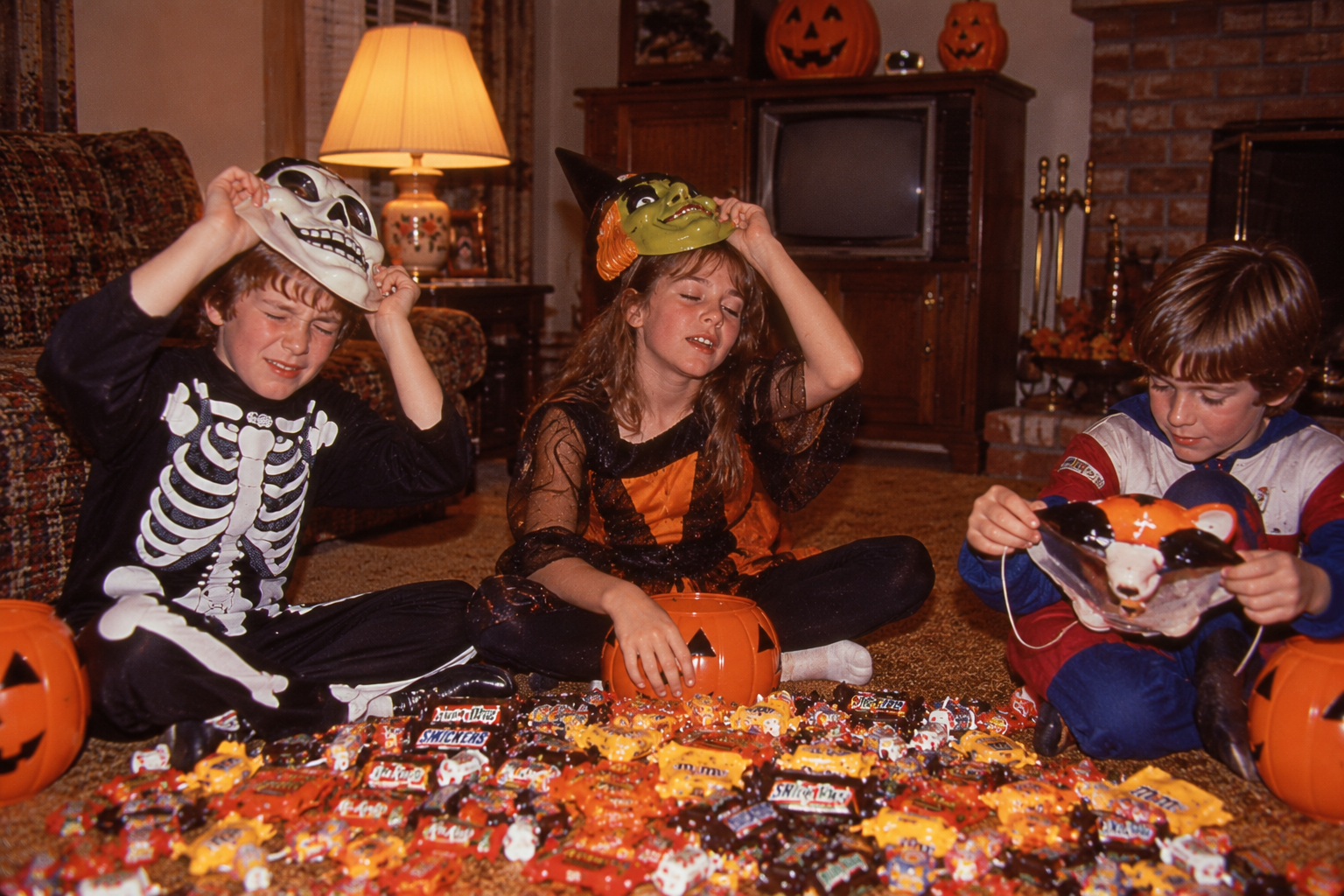
By the time trick-or-treating was over, plenty of kids were more than ready to get out of their costumes. Those inexpensive boxed Halloween outfits from companies like Ben Cooper and Collegeville might have looked fantastic in the store, but the thin plastic masks weren’t always particularly comfortable. The tiny breathing holes made it difficult to get enough air, the elastic strings dug into the backs of your ears, and the sharp plastic edges could leave your face feeling irritated. After hours of walking around the neighborhood, peeling off that sweaty mask was a tremendous relief. Some kids changed directly into their pajamas before returning to the much more important business of examining their candy.
Remembering Which House Gave Out Full-Size Candy Bars
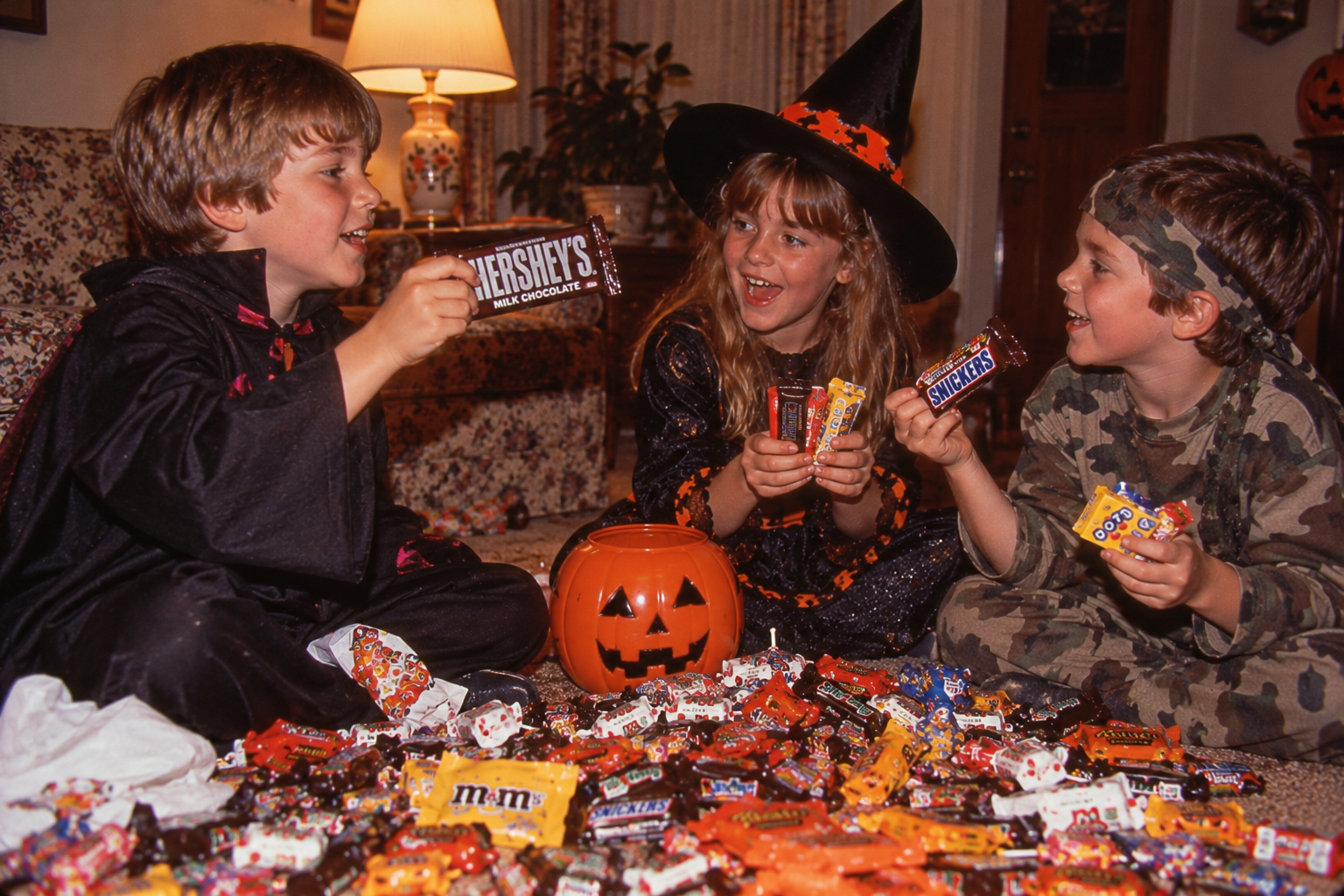
Every neighborhood seemed to have at least one legendary house that handed out something considerably better than the usual miniature candy bars. Maybe it was a full-size Hershey’s chocolate bar, a regular Snickers, or an unusually generous handful of treats. Whatever it was, kids remembered. Once everyone got home and started comparing their hauls, the conversation inevitably turned to which neighbors had given out the best candy. Someone would proudly display their enormous chocolate bar, while another kid complained that they’d somehow missed the house entirely. And alongside the familiar chocolates, there were plenty of distinctly ’80s favorites to discover, including Pixy Stix, Bottle Caps, Now and Later candies, and tiny boxes of Nerds, which first appeared in 1983.
Separating the Homemade Treats and Apples From the Rest
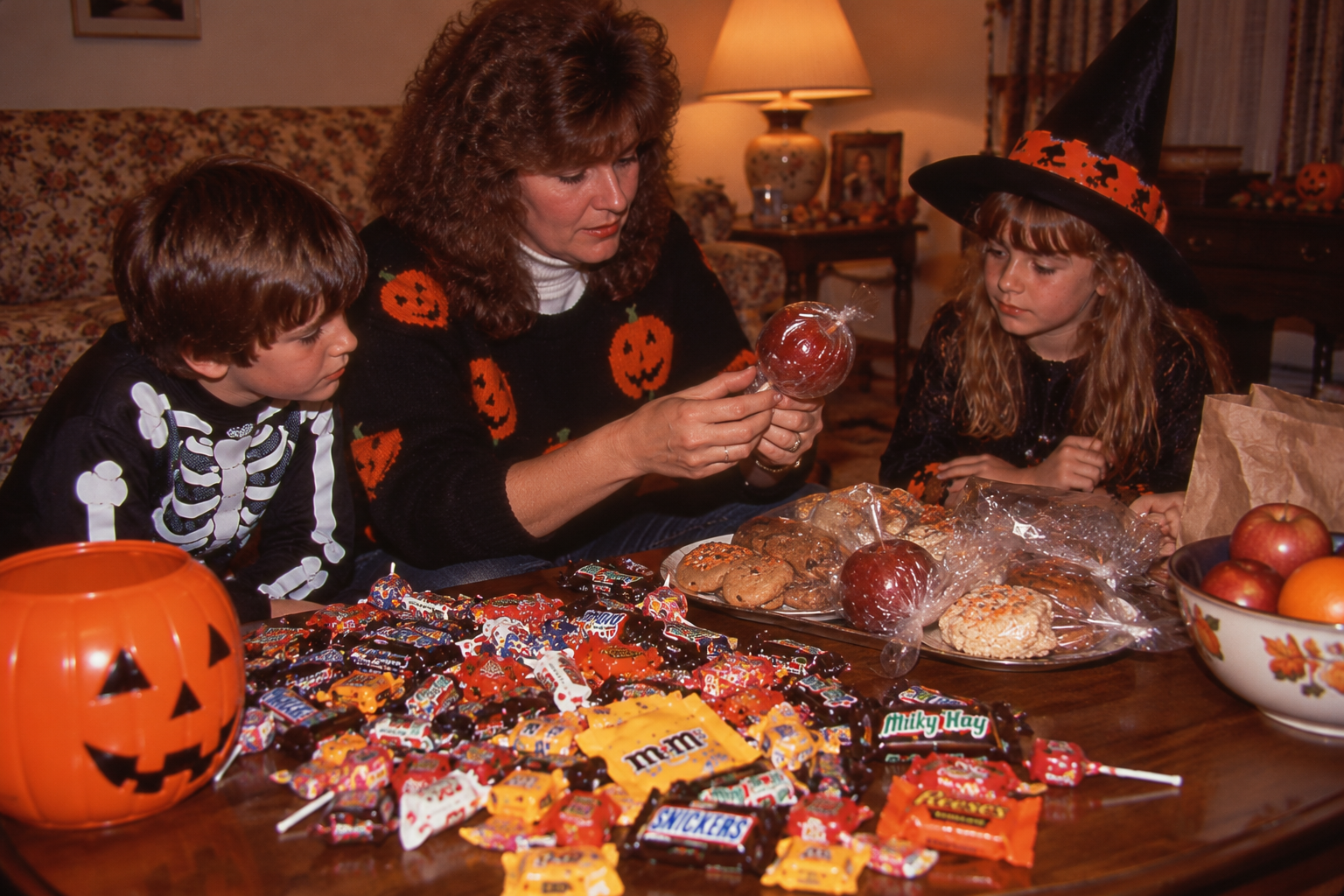
Not everything that landed in a Halloween bag came wrapped in colorful factory packaging. Depending on the neighborhood, kids might come home with homemade popcorn balls, cookies, caramel apples, or even ordinary pieces of fruit. While these treats had once been a familiar part of Halloween, growing concerns about candy tampering during the 1970s and ’80s made some parents increasingly suspicious of anything that wasn’t commercially sealed. Homemade goodies from a trusted neighbor might still be acceptable, but treats from unfamiliar houses could end up in the trash. For kids who had spent the evening collecting everything they could get their hands on, watching perfectly good candy or cookies get thrown away was another small Halloween disappointment.
Sign up for our newsletter
Trying to Catch One Last Halloween Special on TV
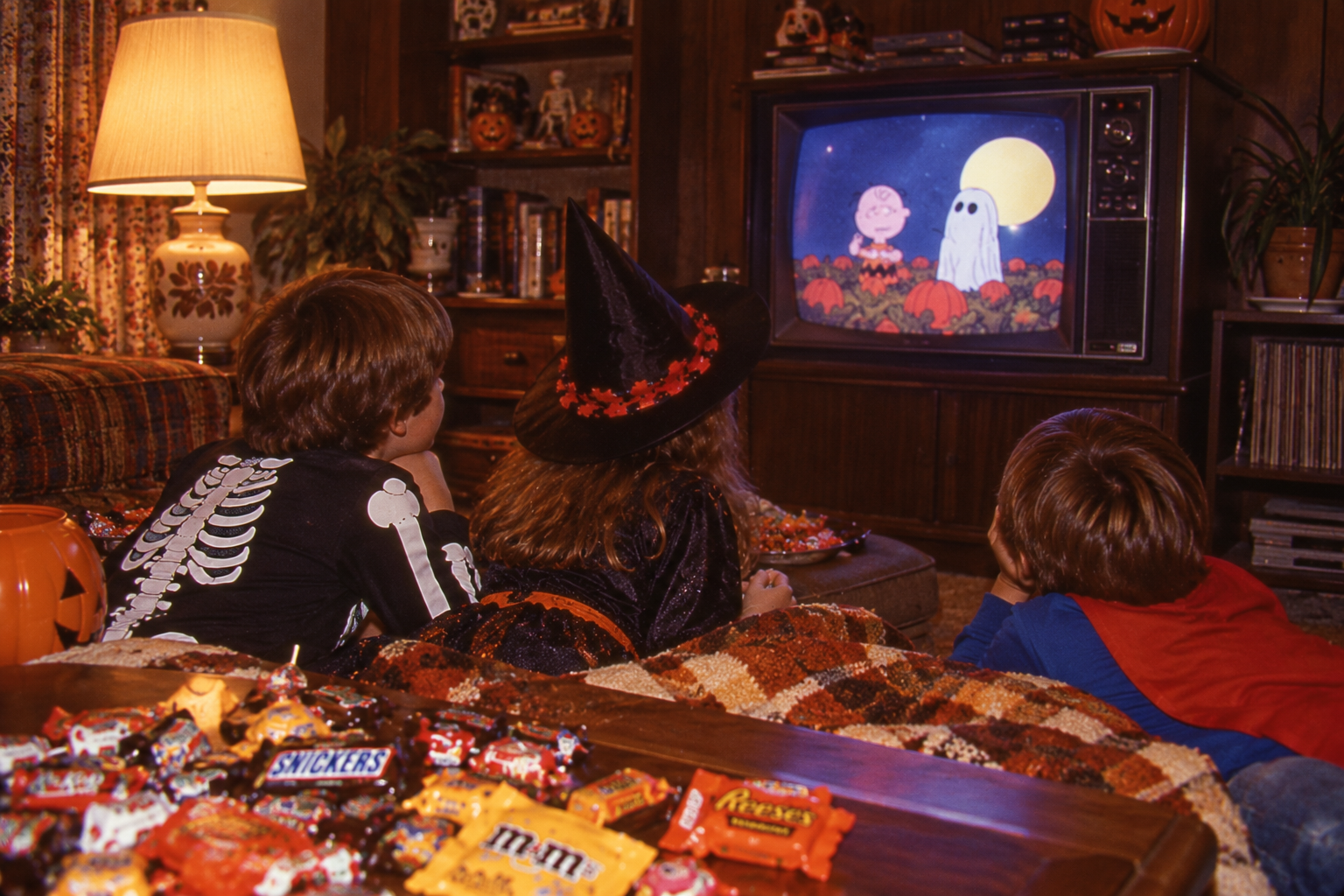
After the excitement of trick-or-treating, some kids settled onto the couch in their pajamas with a few carefully selected pieces of candy and whatever Halloween programming happened to be on television. Unlike today, when you can stream a favorite holiday special whenever you want, watching something spooky in the 1980s meant paying attention to the television schedule. It’s the Great Pumpkin, Charlie Brown was already a beloved seasonal tradition, and Garfield’s Halloween Adventure, which premiered on CBS in 1985, became another memorable addition. Of course, there was no guarantee that your favorite special would be airing after you got home. Sometimes you simply had to settle for whatever was on, preferably while enjoying a chocolate bar your parents hadn’t confiscated.
Hiding Your Favorite Candy Where Nobody Could Find It
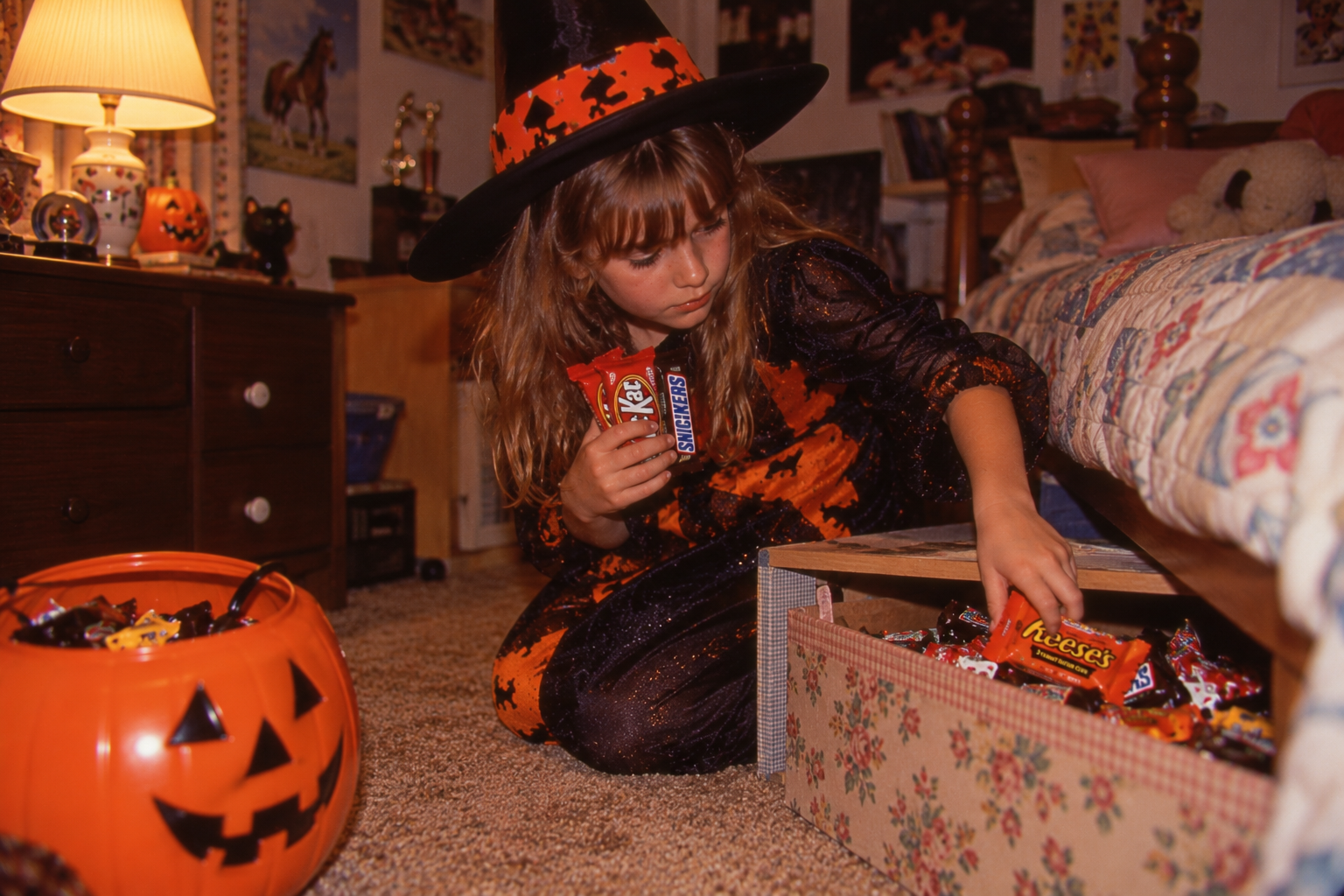
In a household with several children, leaving your Halloween candy unattended could be a dangerous decision. Once the trading was finished, some kids quietly separated their favorite treats and tucked them away in a bedroom drawer, closet, or other supposedly secret hiding place. A particularly valuable stash might contain the last few Reese’s Peanut Butter Cups, a full-size chocolate bar, or anything else too good to risk losing. Naturally, hiding candy came with its own problems. Siblings had a remarkable talent for discovering secret stashes, and forgetting where you’d hidden something could be just as frustrating. Some families eventually resorted to labeling individual bags or assigning separate containers to keep the peace.
Being Told You Could Only Eat a Few Pieces Before Bed
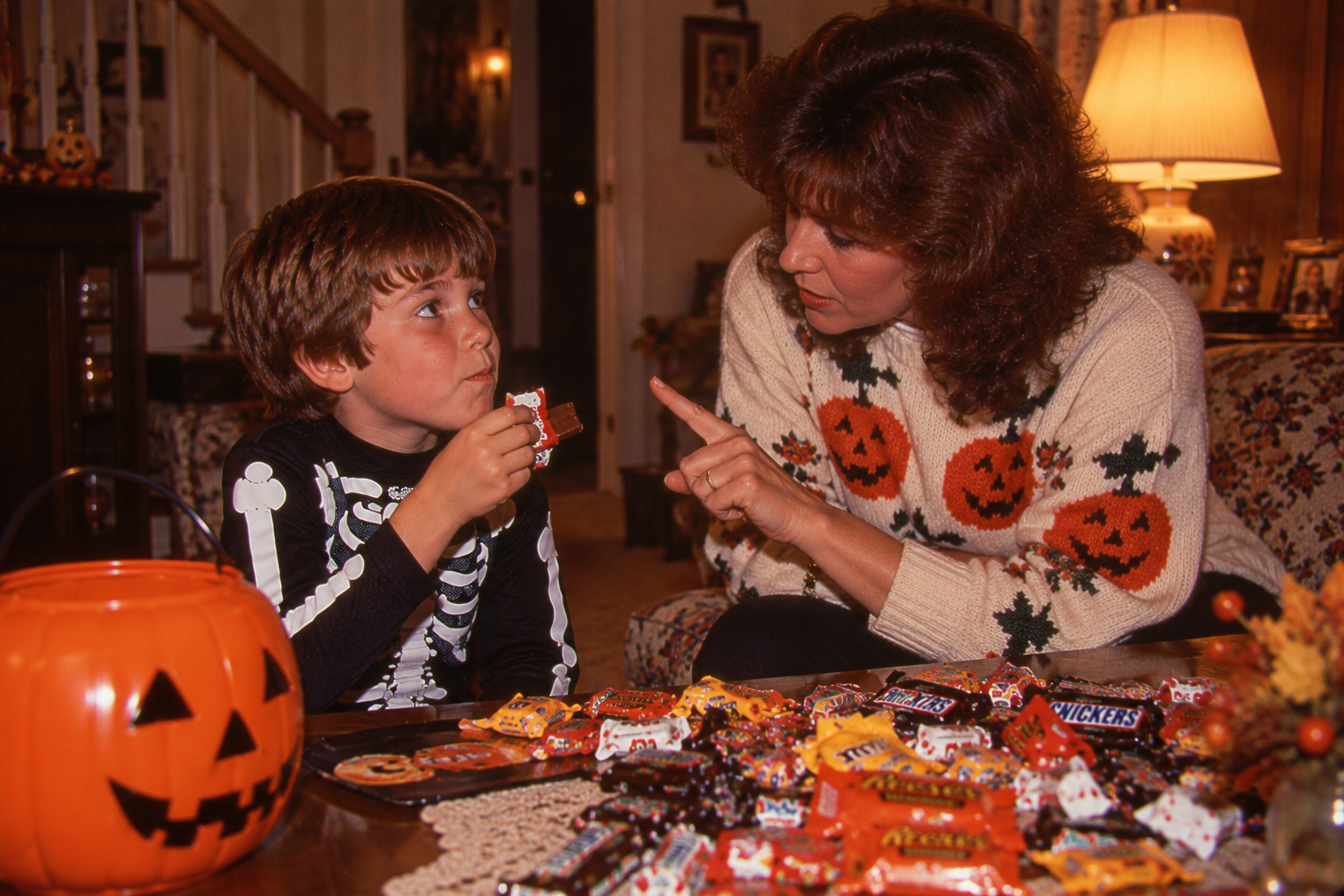
After spending hours collecting candy, the last thing any kid wanted to hear was that they could only eat two or three pieces before bedtime. Unfortunately, parents had other ideas. Once the candy had been inspected, sorted, and traded, someone inevitably announced that it was time to put everything away. This usually prompted a final round of negotiations, with children insisting that one more miniature chocolate bar couldn’t possibly hurt. Some kids tried to make their limited allowance count by choosing the biggest treats available, while others attempted to sneak an extra piece when nobody was looking. In many households, the rest of the candy was rationed over the following days, occasionally appearing as a little surprise in a school lunch.
Putting Away the Costume and Candy Bag Until Next Year
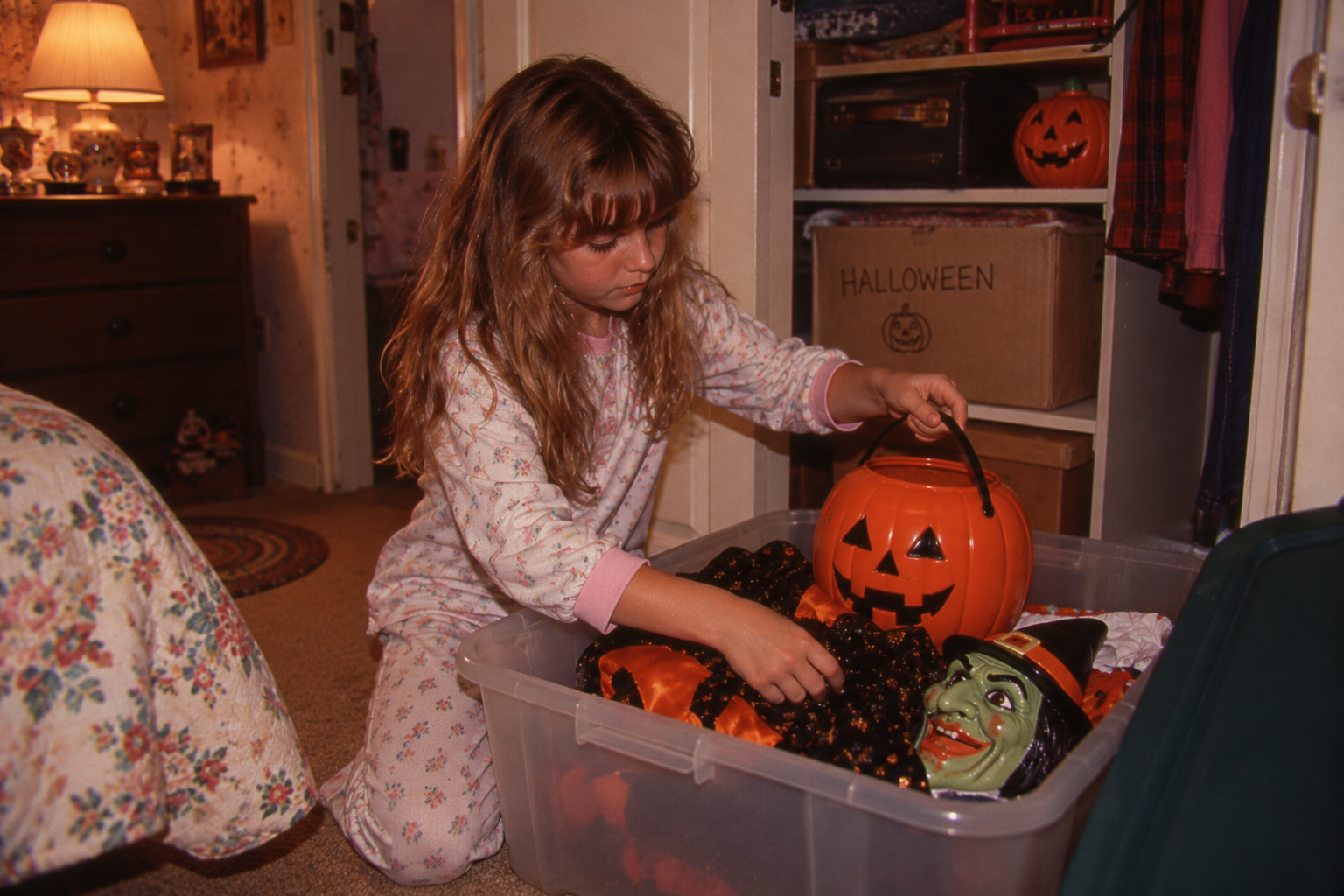
Eventually, even the most exciting Halloween night had to come to an end. The makeup was washed off, the plastic masks were tossed aside, and costumes were folded, hung up, or abandoned in a heap on the bedroom floor. Leftover candy found its way into kitchen containers, dresser drawers, or the same pillowcase that had carried it around the neighborhood. If Halloween fell on a school night, there was also the unpleasant realization that the alarm clock would still be ringing the next morning. But at least the candy would last a little longer. And somewhere in a closet or storage box, that plastic pumpkin bucket or homemade costume might be waiting for another Halloween, possibly to be handed down to a younger sibling.
When the Best Part of Halloween Happened After Trick-or-Treating
For plenty of kids growing up in the 1980s, coming home from trick-or-treating was almost as exciting as going door to door. There were mountains of candy to organize, trades to negotiate, favorite chocolates to protect, and parents to convince that just one more piece wouldn’t hurt. The traditions varied from family to family, but the feeling was familiar: Halloween might have been over for the neighborhood, but inside the house, the excitement was still going strong. And even after the costumes were put away, there was always that glorious stash of leftover candy to look forward to the next day.