Halloween looked a little different when baby boomers were growing up in the 1950s, ’60s, and ’70s. There weren’t giant inflatable decorations taking over every front lawn, elaborate costumes that cost a small fortune, or entire stores dedicated to Halloween merchandise. Instead, families carved pumpkins at the kitchen table, put together costumes using whatever they could find around the house, and sent kids out trick-or-treating with pillowcases that seemed impossible to fill.
Of course, plenty has changed since then. Halloween has become a much bigger production, complete with elaborate yard displays, themed attractions, and enough seasonal merchandise to fill a department store. But some of the best parts of the holiday haven’t changed much at all. In fact, many baby boomers are still keeping the traditions they grew up with alive, often sharing them with their children and grandchildren.
From carving jack-o’-lanterns and making homemade treats to watching Charlie Brown wait for the Great Pumpkin, here are 12 Halloween traditions boomers remember and are still helping keep alive today.
Carving Real Jack-o’-Lanterns With the Grandkids
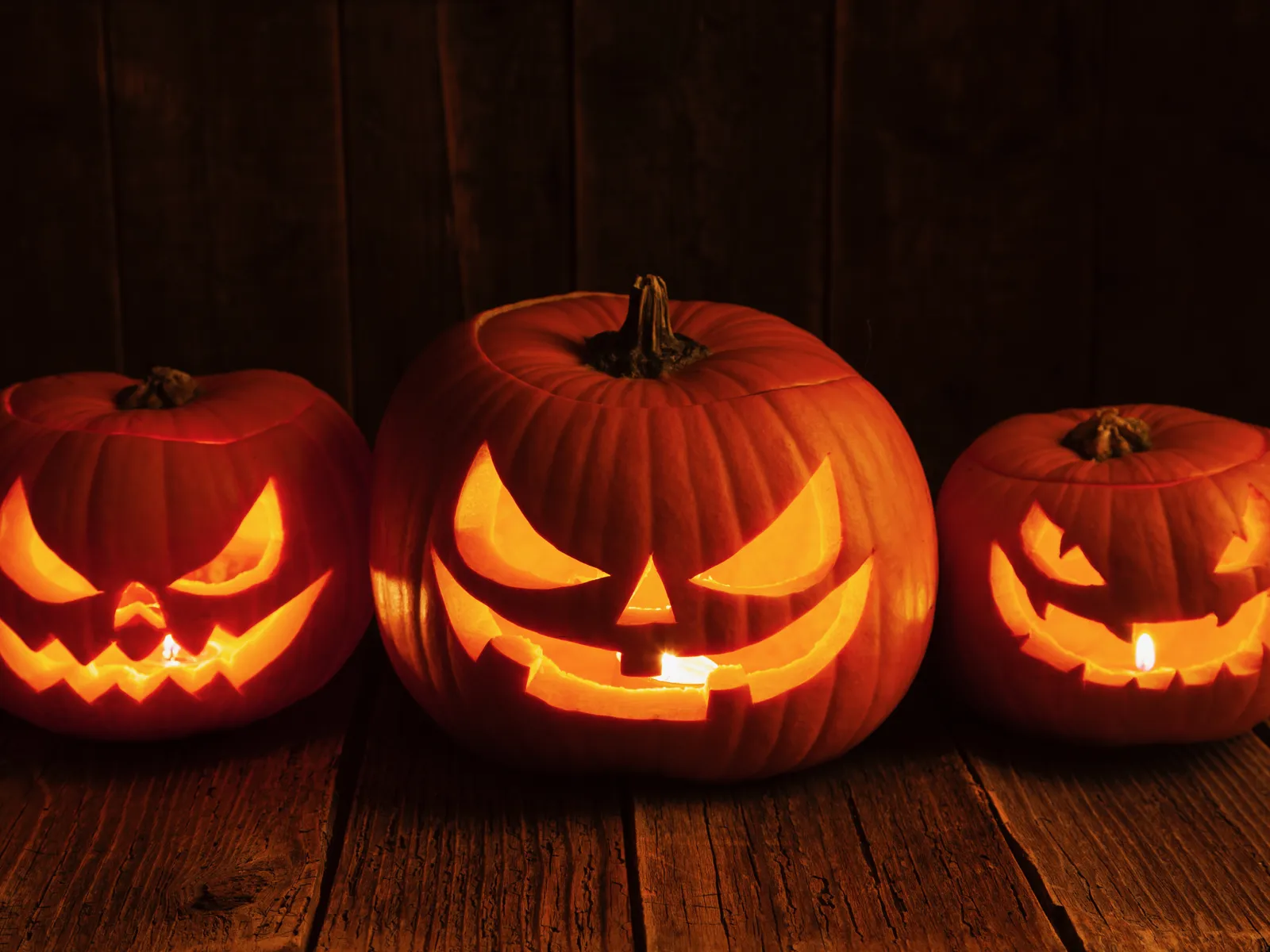
Long before pumpkin-carving kits came with specialized tools and complicated stencils, making a jack-o’-lantern usually involved a kitchen knife, a big spoon, and a pile of newspapers spread across the table. Someone had to scoop out the slimy insides, someone else drew the face, and an adult handled the actual carving. Most pumpkins ended up with the same crooked triangle eyes and toothy grins, but that was part of their charm. The tradition has much older roots, with Irish immigrants helping popularize jack-o’-lantern carving in America. Today, plenty of boomers still enjoy passing along the messy ritual to their grandchildren, complete with roasting the leftover pumpkin seeds and proudly displaying the finished creation on the front porch.
Making Halloween Costumes Instead of Buying Them
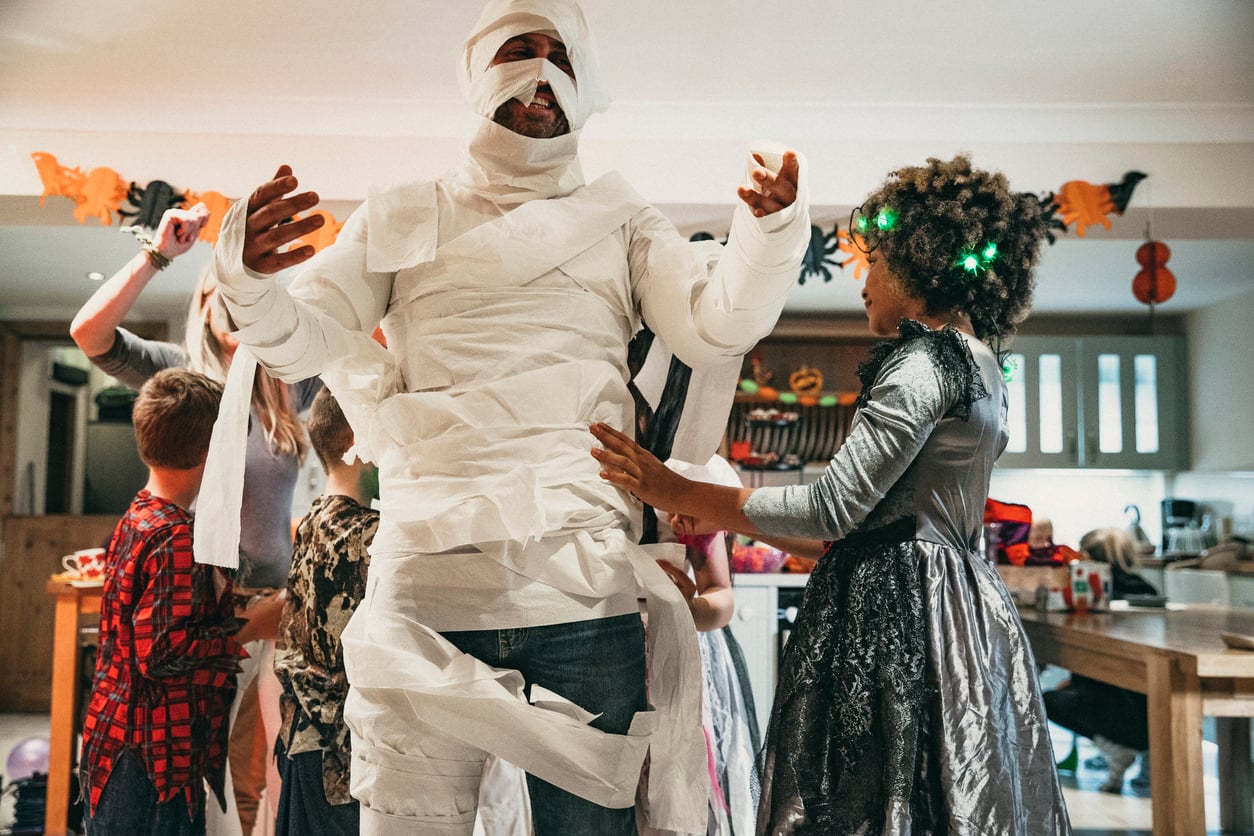
For many boomer kids, Halloween costumes weren’t something you ordered weeks in advance. They were something your parents threw together using whatever happened to be in the closet. An old bedsheet became a ghost, cardboard boxes turned into robots, and a little face paint could transform an ordinary kid into a witch, clown, or scarecrow. Sometimes the costume didn’t come together until Halloween afternoon, and last-minute repairs with safety pins were practically guaranteed. Although inexpensive store-bought costumes certainly existed, homemade outfits were a big part of the holiday for many families. Some boomers still prefer helping their grandchildren create something original rather than spending money on an elaborate costume they’ll probably only wear once.
Handing Out Full-Size Candy Bars
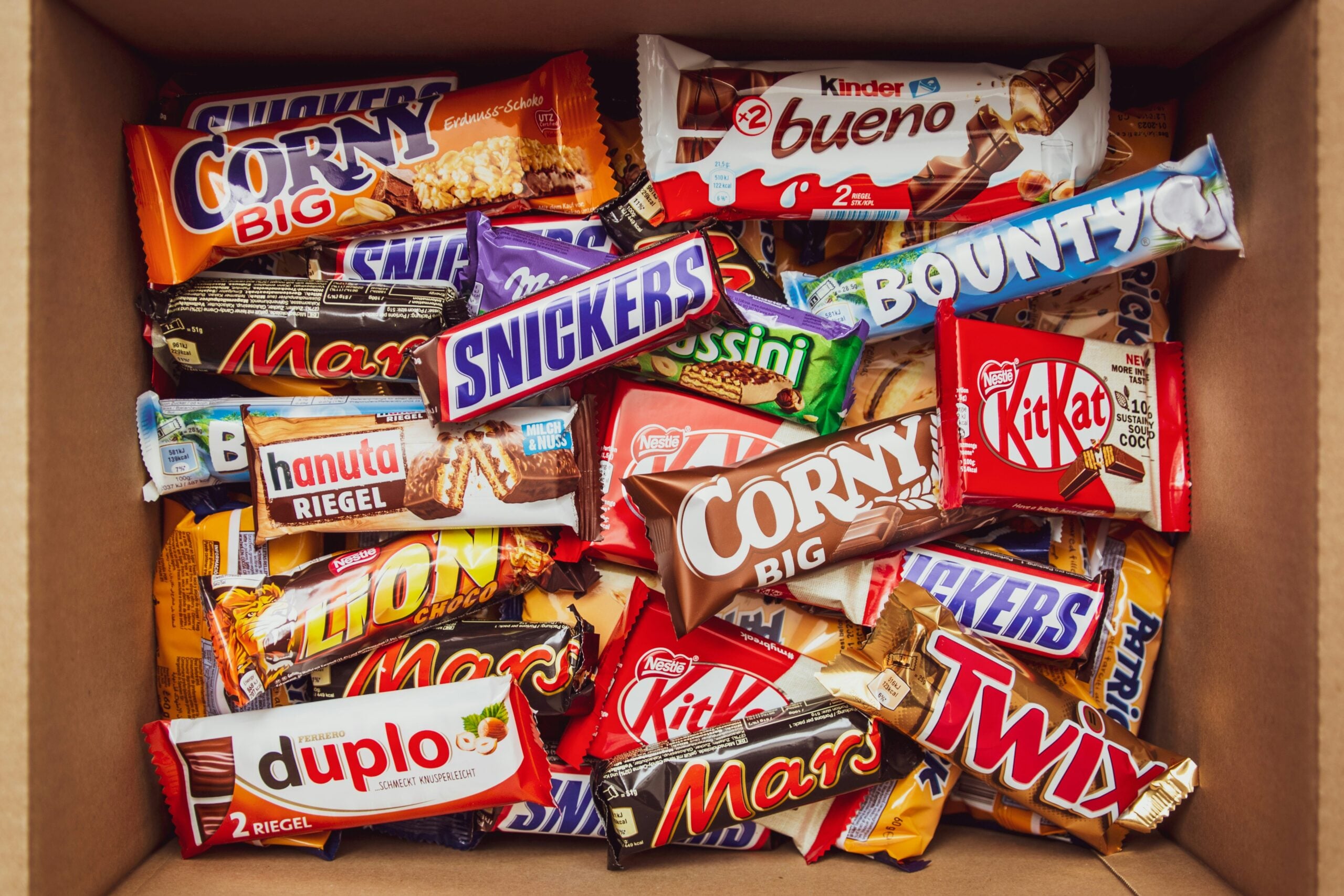
Every neighborhood had that one house kids talked about long after Halloween was over. While most neighbors handed out smaller treats, the legendary house gave away full-size candy bars, and word spread quickly among trick-or-treaters. According to Smithsonian Magazine, Halloween candy portions were often more generous before today’s individually wrapped miniature treats became the norm. In the 1960s, for example, small five-cent packages of Brach’s candy corn could contain dozens of pieces. For boomers who remember the excitement of receiving an unexpectedly large treat, handing out full-size chocolate bars today is a way to recreate that same thrill for another generation of neighborhood kids.
Making Popcorn Balls and Caramel Apples

Before individually wrapped candy became the undisputed king of Halloween, homemade treats were a familiar part of the holiday. Families made sticky popcorn balls, dipped apples in caramel, baked cookies, and wrapped their creations in wax paper to hand out or share at neighborhood parties. As the Smithsonian’s National Museum of American History explains, homemade Halloween treats gradually lost ground to commercially packaged candy, particularly during the 1970s. These days, handing homemade food to unfamiliar trick-or-treaters isn’t particularly practical, but plenty of boomers still enjoy making these old-fashioned favorites for family gatherings. There’s something wonderfully nostalgic about a kitchen filled with the smell of caramel and freshly popped popcorn on a chilly October afternoon.
Decorating the Front Porch by Hand
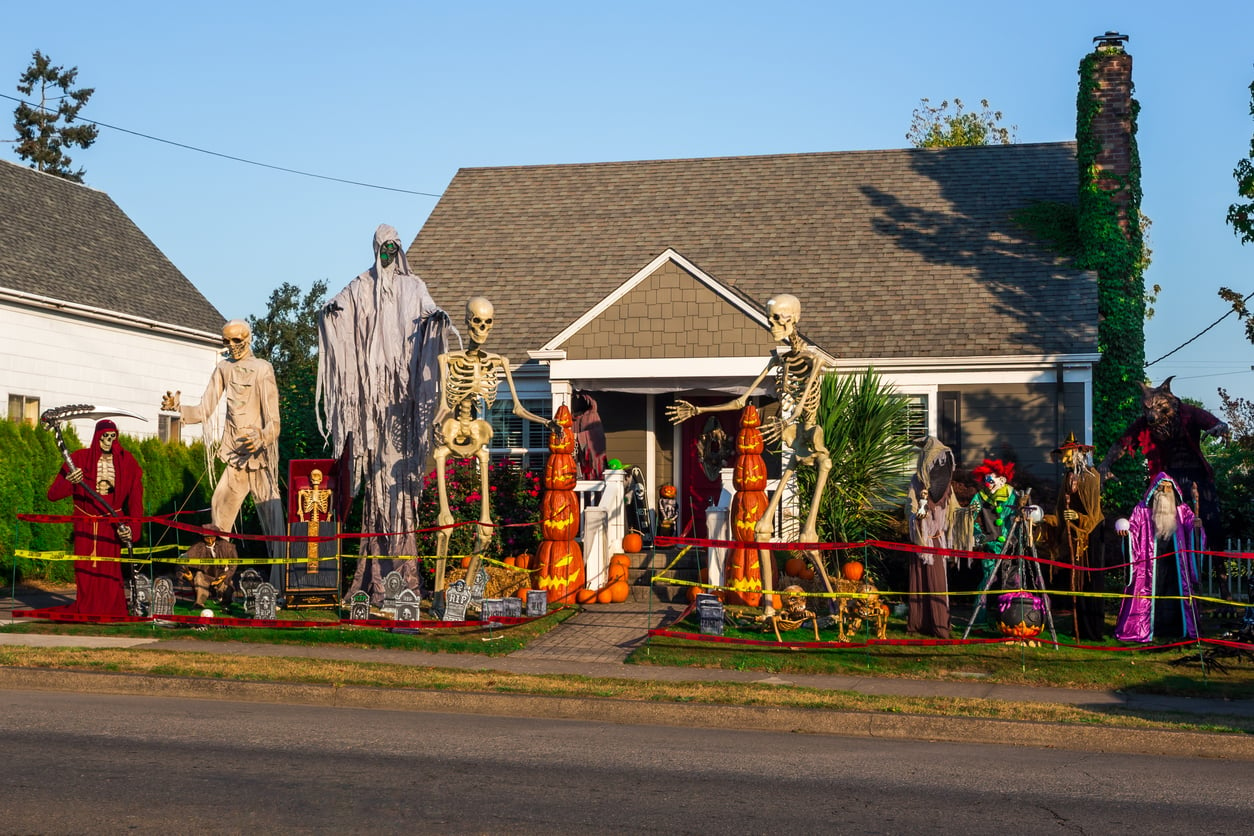
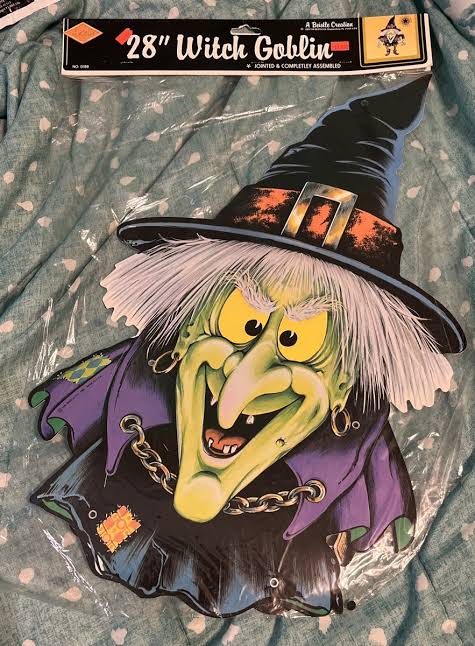
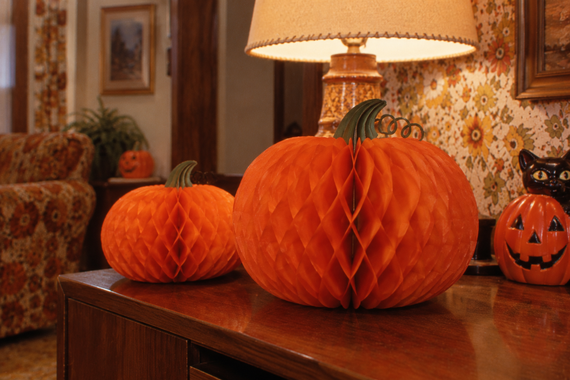
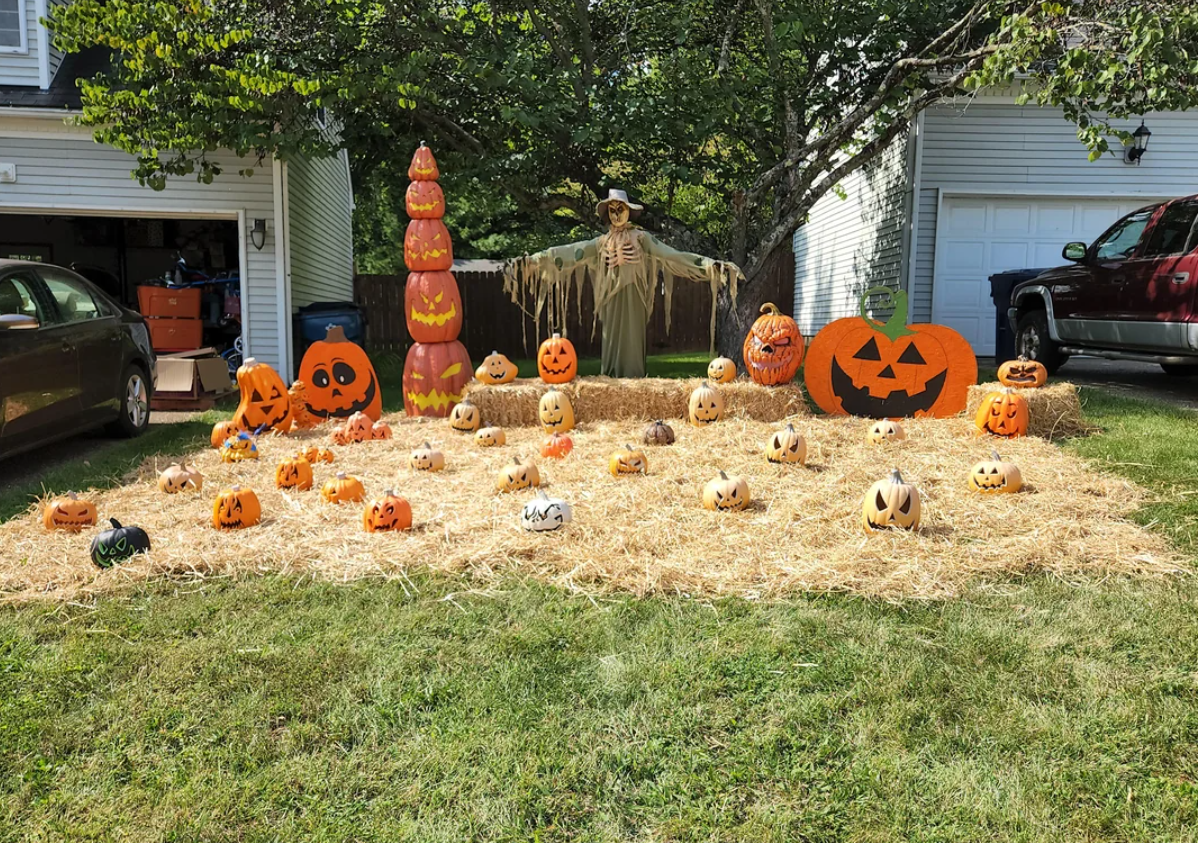
Halloween decorations didn’t always involve twelve-foot skeletons, motion-activated monsters, and inflatable ghosts that needed their own extension cords. When boomers were growing up, a spooky front porch might have consisted of a carved pumpkin, a homemade ghost hanging from the ceiling, and a few cardboard black cats taped to the windows. Some families cut decorations out of construction paper, while others stuffed old clothes to make a scarecrow sitting in a lawn chair. The whole display could be assembled with supplies already lying around the house. Although modern Halloween decorations have become increasingly elaborate, many boomers still enjoy making their own, especially when grandchildren are around to help cut, glue, and hang everything up.
Trending on Cheapism


Welcoming Neighborhood Trick-or-Treaters at the Door

There was a time when answering the door on Halloween meant more than dropping candy into a bag. Neighbors recognized the children behind their costumes, asked who they were supposed to be, and sometimes chatted with their parents before sending everyone off to the next house. Door-to-door trick-or-treating became increasingly popular during the 1940s and ’50s, as Halloween evolved into a more child-centered neighborhood celebration. According to Smithsonian Magazine, this shift helped establish many of the traditions Americans still associate with the holiday. For boomers who grew up knowing nearly everyone on their street, sitting by the front door with a bowl of candy and greeting each group of trick-or-treaters can be just as enjoyable as the holiday itself.
Watching It’s the Great Pumpkin, Charlie Brown
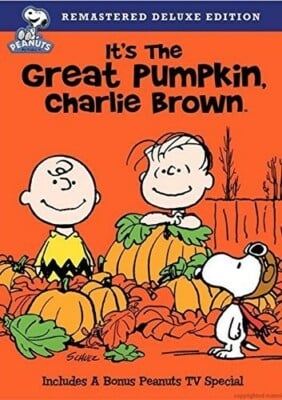
For generations of Americans, Halloween wouldn’t feel quite right without watching Linus spend the night waiting in a pumpkin patch for a mysterious visitor who never arrives. It’s the Great Pumpkin, Charlie Brown first aired in 1966 and became a familiar seasonal television tradition throughout the 1970s. Boomer kids watched Charlie Brown collect rocks instead of candy, Snoopy imagine himself as a World War I flying ace, and Linus stubbornly refuse to abandon his belief in the Great Pumpkin. Back then, families had to check the television listings and make sure they were home when the special aired. Today, boomers can introduce their grandchildren to the same familiar characters, proving that some Halloween entertainment never really gets old.
Bobbing for Apples at Halloween Parties
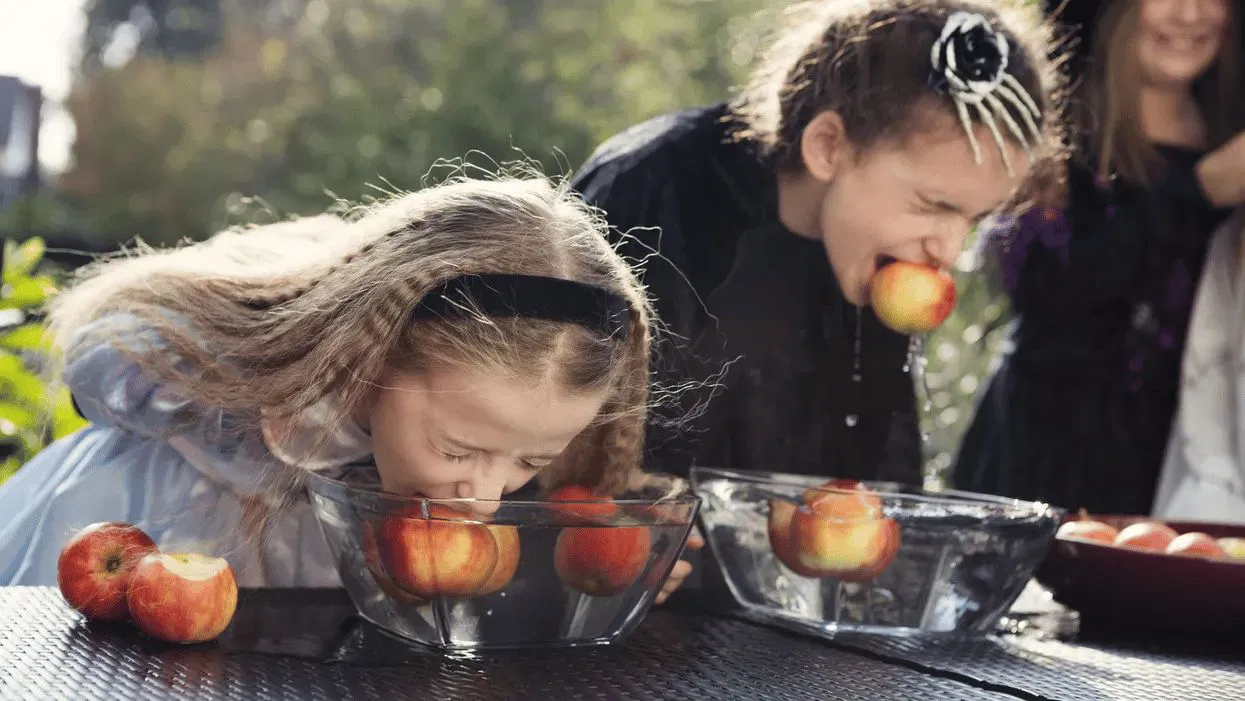
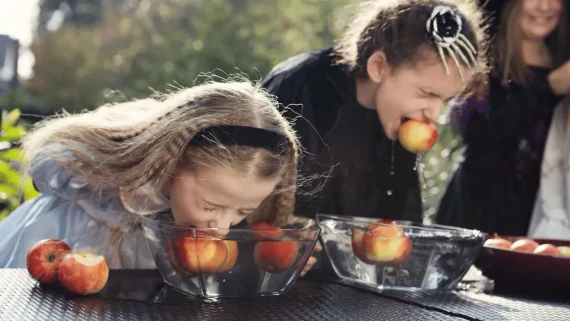
Before Halloween parties featured elaborate games and expensive attractions, a large tub of water and a few apples could keep a room full of children entertained. Bobbing for apples was simple in theory: Keep your hands behind your back and try to grab a floating apple using only your teeth. In practice, it usually meant getting your face soaked while everyone else laughed. The tradition actually predates the baby boomer generation by centuries, with apples playing a role in autumn celebrations long before modern Halloween took shape. Although sharing a communal tub of water isn’t especially appealing from a hygiene standpoint today, families can recreate the experience using individual containers or apples suspended from strings. The resulting laughter is pretty much the same.
Sign up for our newsletter
Turning the Basement or Garage Into a Homemade Haunted House

You didn’t need a professional haunted attraction to scare the neighborhood kids when a dark basement, a few bedsheets, and some creative thinking could do the trick. Families and community groups transformed garages, basements, and spare rooms into makeshift haunted houses using cardboard tombstones, homemade cobwebs, and whatever creepy decorations they could find. Someone might hide behind a curtain waiting to jump out, while bowls of peeled grapes became monster eyeballs and cold spaghetti passed for worms. According to HISTORY, organized haunted houses gained popularity during the Great Depression as communities looked for ways to channel Halloween mischief into supervised activities. For boomers who remember these homemade scares, helping grandchildren create their own miniature haunted house can be more entertaining than buying tickets to an elaborate attraction.
Organizing Neighborhood Halloween Parties and Costume Contests

Halloween wasn’t always just about collecting candy. For many boomer kids, the holiday also meant attending a neighborhood party, school celebration, or community costume contest. There might have been homemade cupcakes, apple bobbing, simple party games, and a parade of children proudly showing off costumes their parents had spent hours putting together. Prizes weren’t necessarily expensive, either. A ribbon, a small bag of candy, or the bragging rights that came with having the funniest costume could be enough. Community Halloween celebrations were already well established by the 1950s, and many boomers still enjoy organizing similar gatherings today. Whether it’s a party at the local community center or a costume contest in the backyard, the appeal of getting everyone together hasn’t changed much.
Supporting Trick-or-Treat for UNICEF
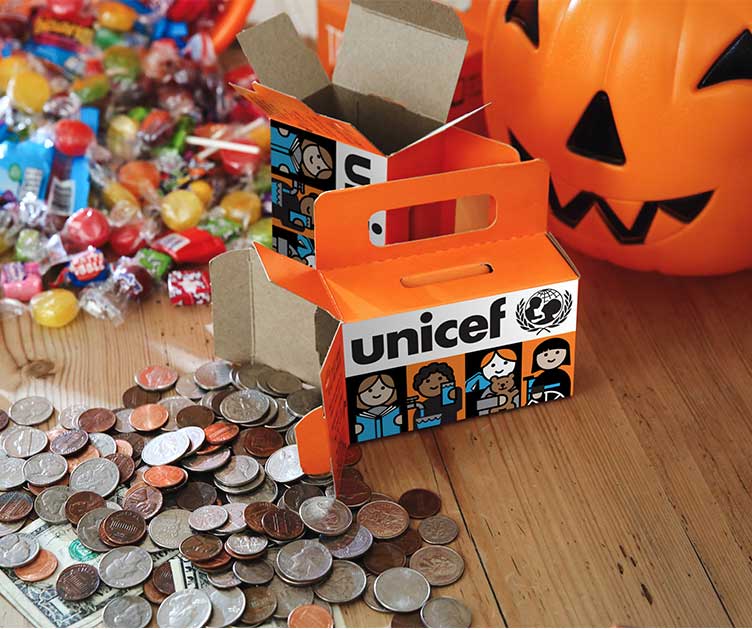
For many boomer kids, Halloween involved collecting more than just candy. Alongside their trick-or-treat bags, some carried small orange cardboard boxes for UNICEF, asking neighbors to contribute spare change to help children in need. The Trick-or-Treat for UNICEF campaign began in 1950 and quickly became a familiar part of Halloween in communities across the country. Children would return home with candy in one hand and a box rattling with pennies, nickels, and dimes in the other. The tradition has continued for decades, raising close to $200 million since its founding, according to UNICEF USA. The organization even brought back a vintage-style orange collection box in 2024, giving grandparents a chance to introduce younger generations to a Halloween tradition that combines fun with helping others.
Dumping Out the Candy and Letting Everyone Trade
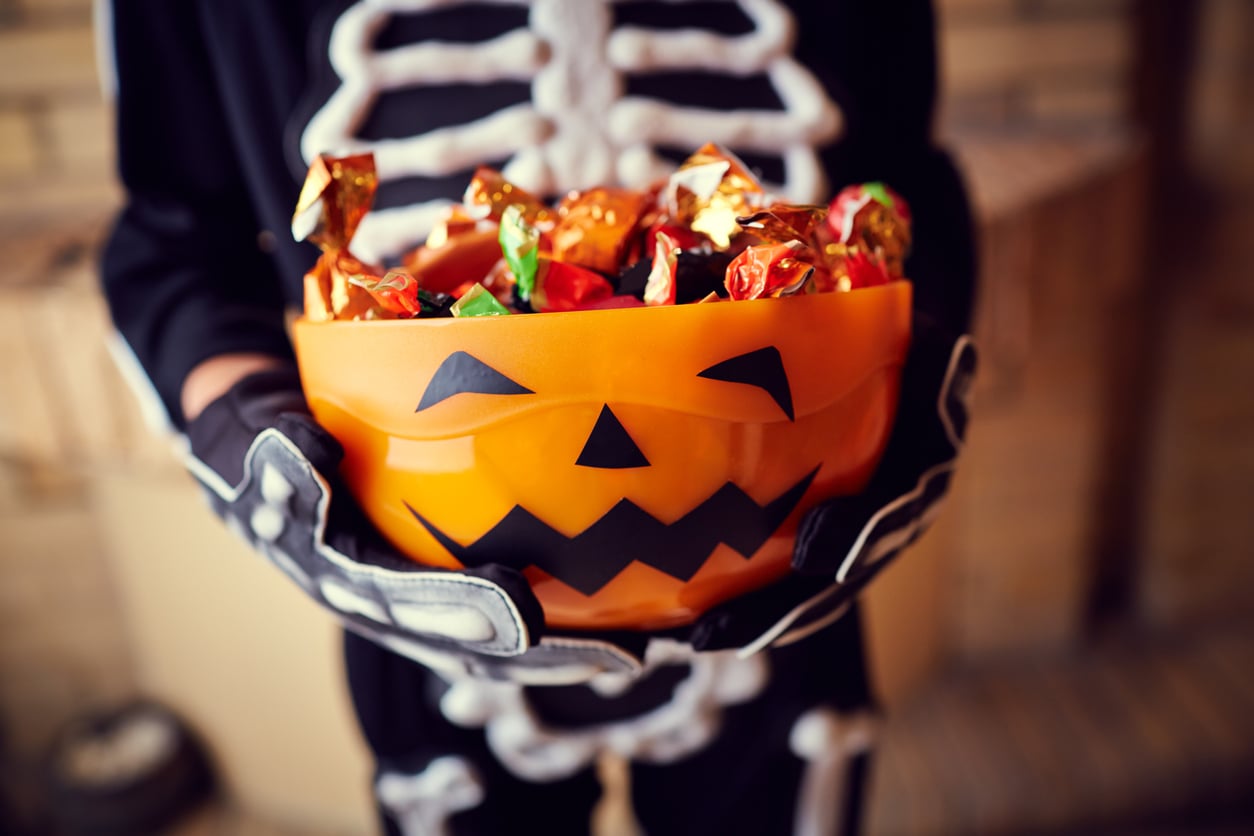
For boomer kids, one of the best parts of Halloween happened after the trick-or-treating was finished. Once everyone got home, pillowcases and paper bags were emptied onto the living room floor or kitchen table, creating enormous piles of candy that needed to be sorted, counted, and carefully examined. Then came the serious negotiations. Someone might offer three pieces of hard candy for a chocolate bar, while a sibling with a surplus of candy corn tried desperately to find someone willing to trade. Certain treats were practically priceless, and everyone had their own ideas about what constituted a fair deal. It’s a tradition that requires absolutely nothing beyond a successful night of trick-or-treating, which is probably why so many families still do it today.
When Halloween Was About the Little Traditions
Halloween may look a lot different today than it did when boomers were growing up, but some of the most memorable parts of the holiday haven’t changed much at all. Carving pumpkins, putting together homemade costumes, welcoming neighborhood children, and sharing candy with family are simple traditions that don’t require elaborate decorations or expensive purchases. For many boomers, keeping these customs alive is about more than nostalgia. It’s a chance to share a little piece of their own childhood with the next generation and create the kind of Halloween memories their grandchildren might still be talking about decades from now.