Before cellphones, losing track of someone at the mall, an amusement park, or a crowded county fair could turn into a real adventure. The things people used to do to find each other required patience, planning, and sometimes a pocketful of quarters. From agreeing to meet by the mall fountain to asking store employees for help, staying connected looked very different back then. As the Smithsonian’s history of payphones reminds us, public telephones were once an essential part of everyday life. Here are 12 ways people found each other before cellphones made everything easier.
Picking a Meeting Spot and Time Before Splitting Up
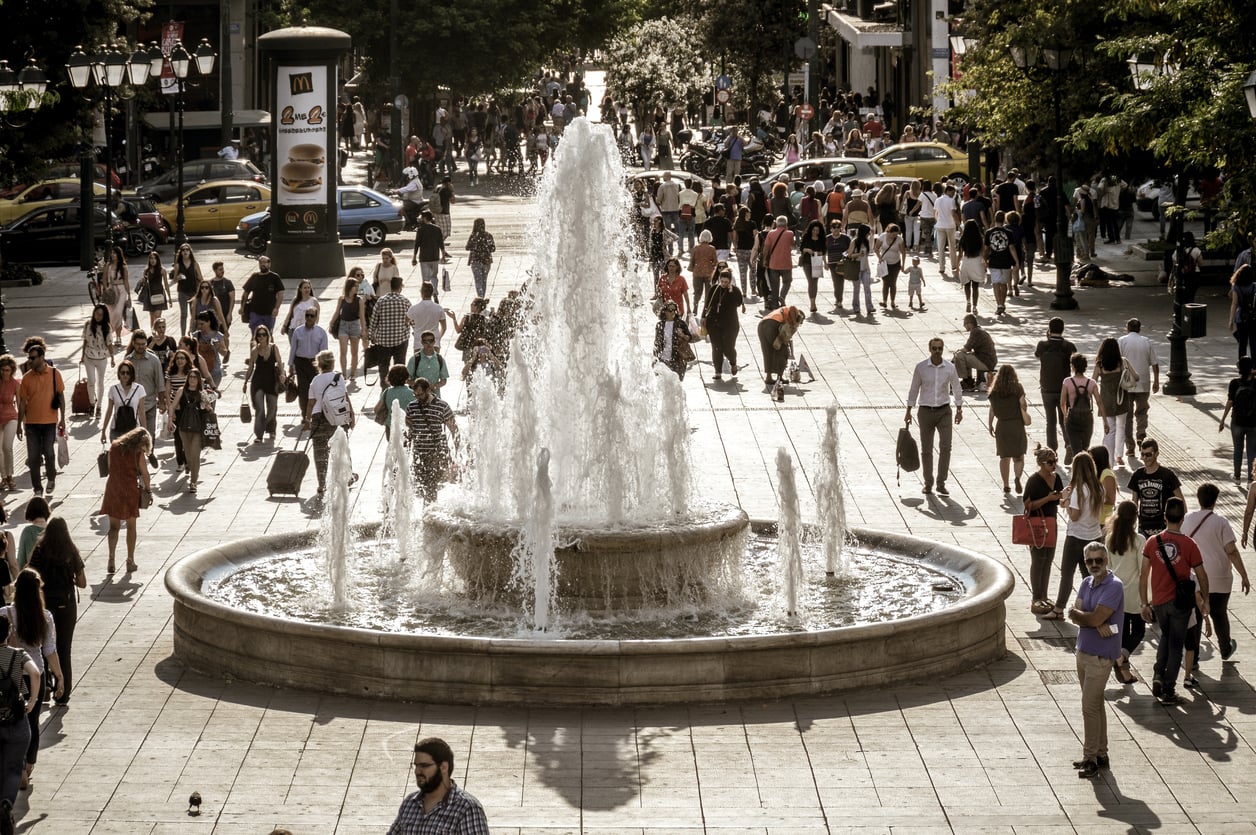
Before heading off in different directions, families often agreed to meet at a particular spot at a particular time. Maybe it was the fountain in the middle of the mall, the entrance to Sears, or a statue at an amusement park. Everyone had to remember both details because there was no easy way to announce a change of plans. If someone was late, the others had to decide whether to keep waiting or start looking. Even a simple shopping trip required a little organization.
Asking a Store Employee to Page Someone Over the Loudspeaker

There was nothing quite like hearing your name announced over a department store’s loudspeaker. If someone wandered off, a family member might ask an employee to make an announcement requesting that they come to customer service. It was practical, although teenagers probably weren’t thrilled about having their names broadcast to every shopper in the building. Not every store allowed personal announcements, and mall-wide paging could be restricted. Still, when it worked, a few words over the speaker could save everyone a lengthy search.
Using a Payphone to Call Home
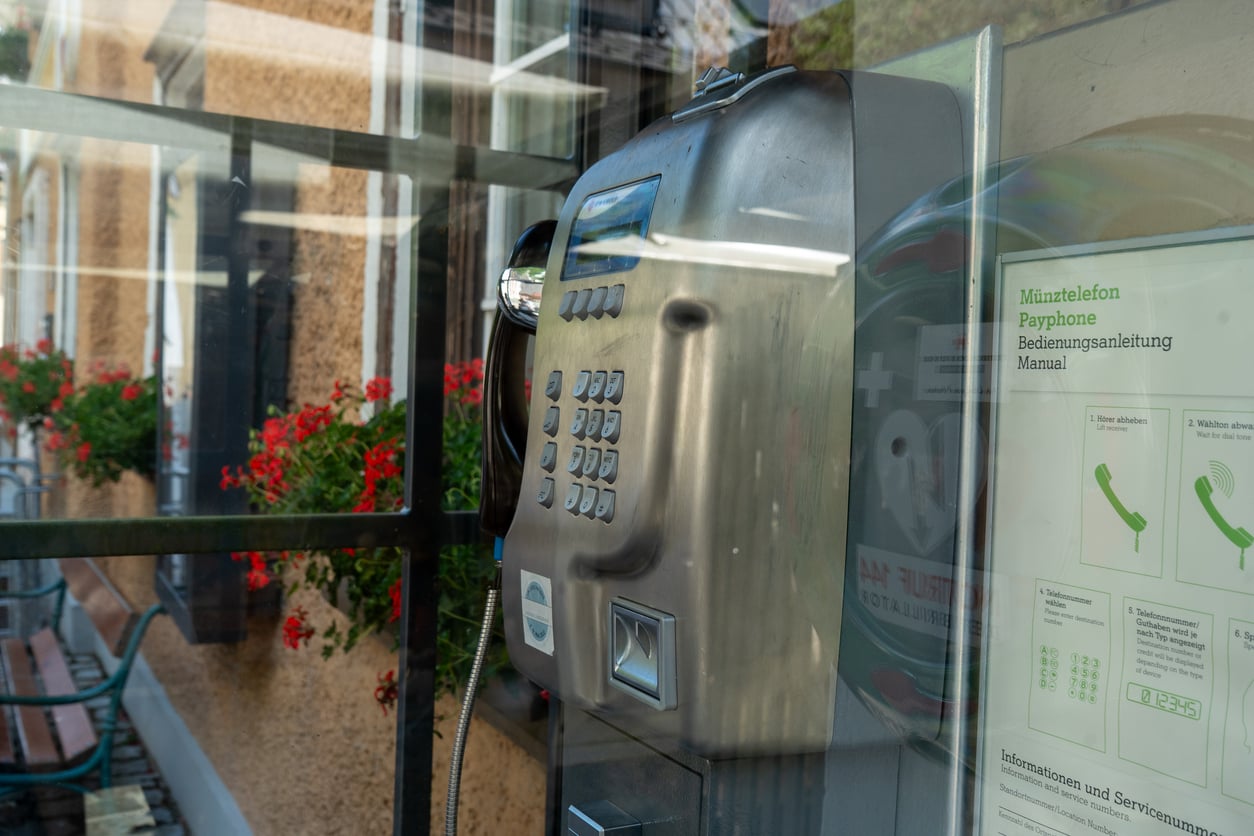
Finding a payphone was once a normal part of figuring out where everyone had gone. If Dad was late picking you up or someone disappeared during a shopping trip, you could call the house to see whether they’d returned or left a message. Of course, this only helped if someone was home to answer. You also needed the right change and a phone that actually worked. By the mid-1990s, more than 2 million payphones were scattered across the United States, making them a familiar sight at malls, airports, and gas stations.
Going to the Lost-Children Desk at an Amusement Park
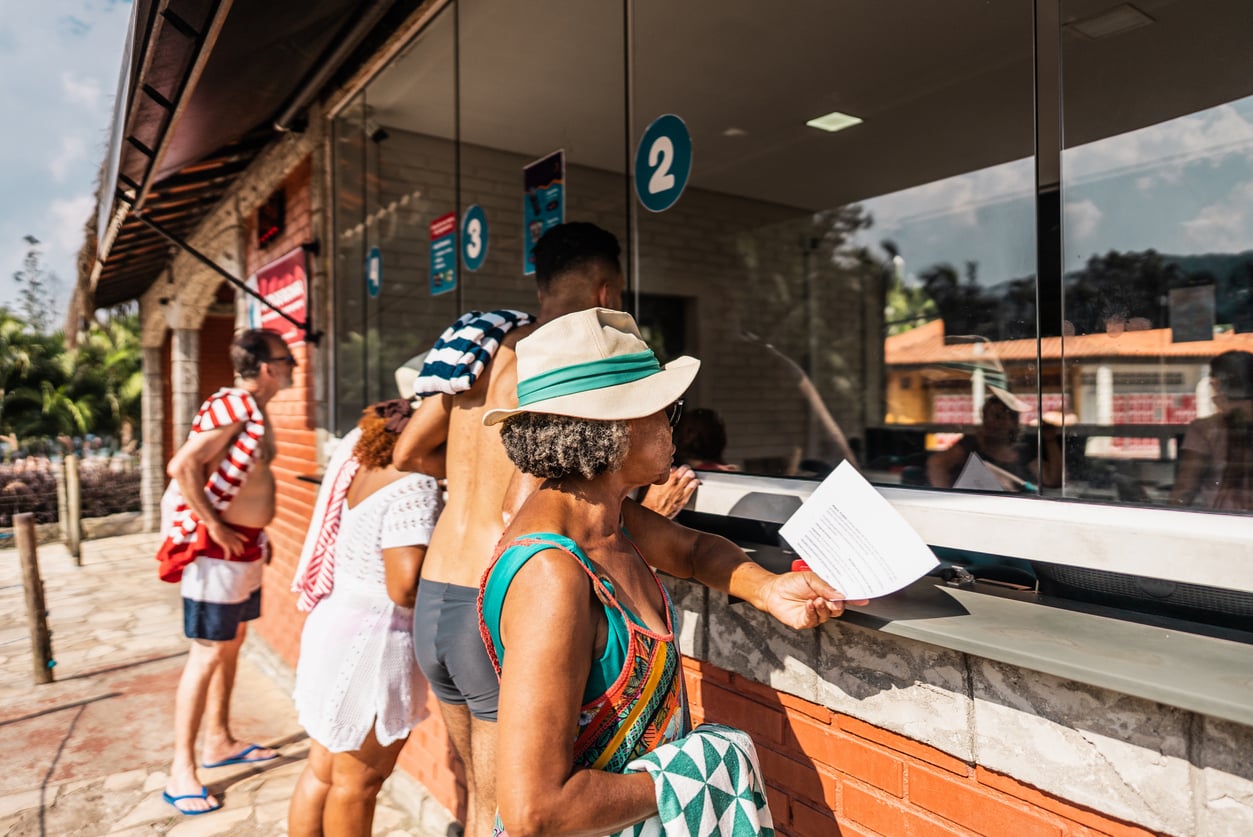
Getting separated at an amusement park was especially frightening when thousands of people were moving between rides and attractions. Fortunately, major parks had procedures for helping reunite families. Disneyland, for example, operated a dedicated lost-children facility where younger visitors could wait with employees until their guardians were located. Parents could also ask park workers for assistance instead of searching every ride themselves. The system wasn’t always instantaneous, but having a designated place to turn made a stressful situation more manageable.
Agreeing to Meet Back at the Car
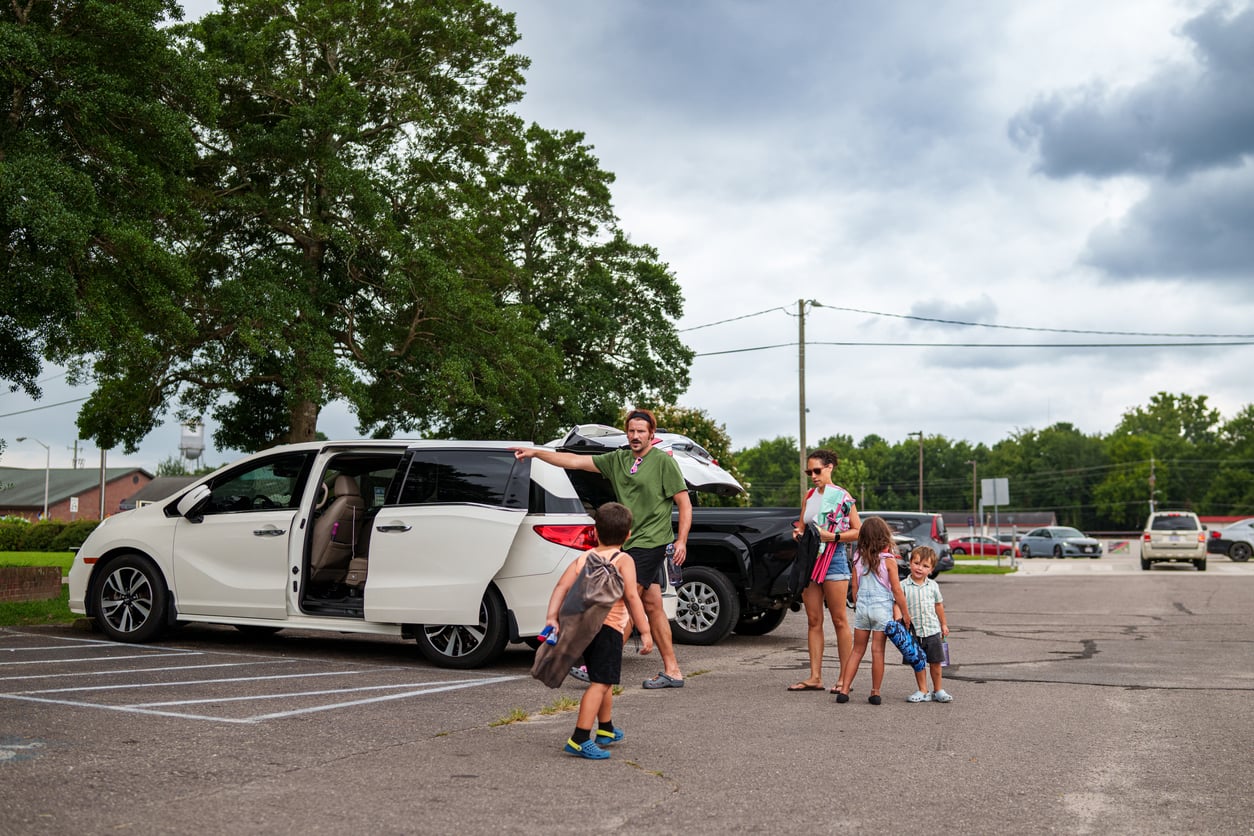
At county fairs, shopping centers, and sporting events, the family car sometimes doubled as a meeting point. If everyone knew where it was parked, returning there seemed easier than searching through crowds. The trouble was remembering whether the car was near the north entrance, the third light pole, or the row marked with a giant letter B. A huge parking lot could make the arrangement surprisingly difficult. And if someone arrived first, they might have a long wait with no way to explain where everyone else had gone.
Trending on Cheapism


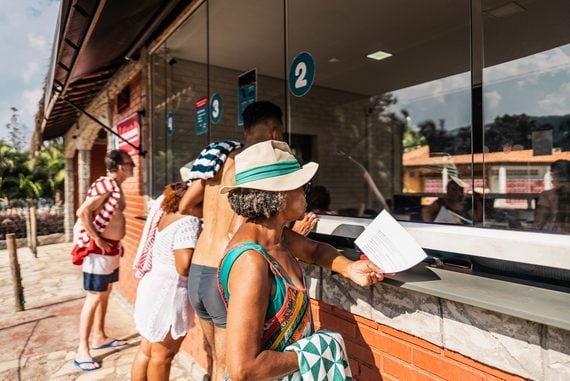
Leaving a Message at the Information Desk

Mall information booths and reception desks weren’t just places to ask where the restrooms were. They could also be a starting point when someone missed a pickup or couldn’t find the rest of their group. Depending on the location, employees might help direct visitors to security, point out the nearest public phone, or explain whether announcements were possible. Some people hoped to leave a message for a missing companion, although not every desk offered that service. It wasn’t exactly instant messaging, but it was worth trying.
Meeting Under the Big Clock at the Train Station
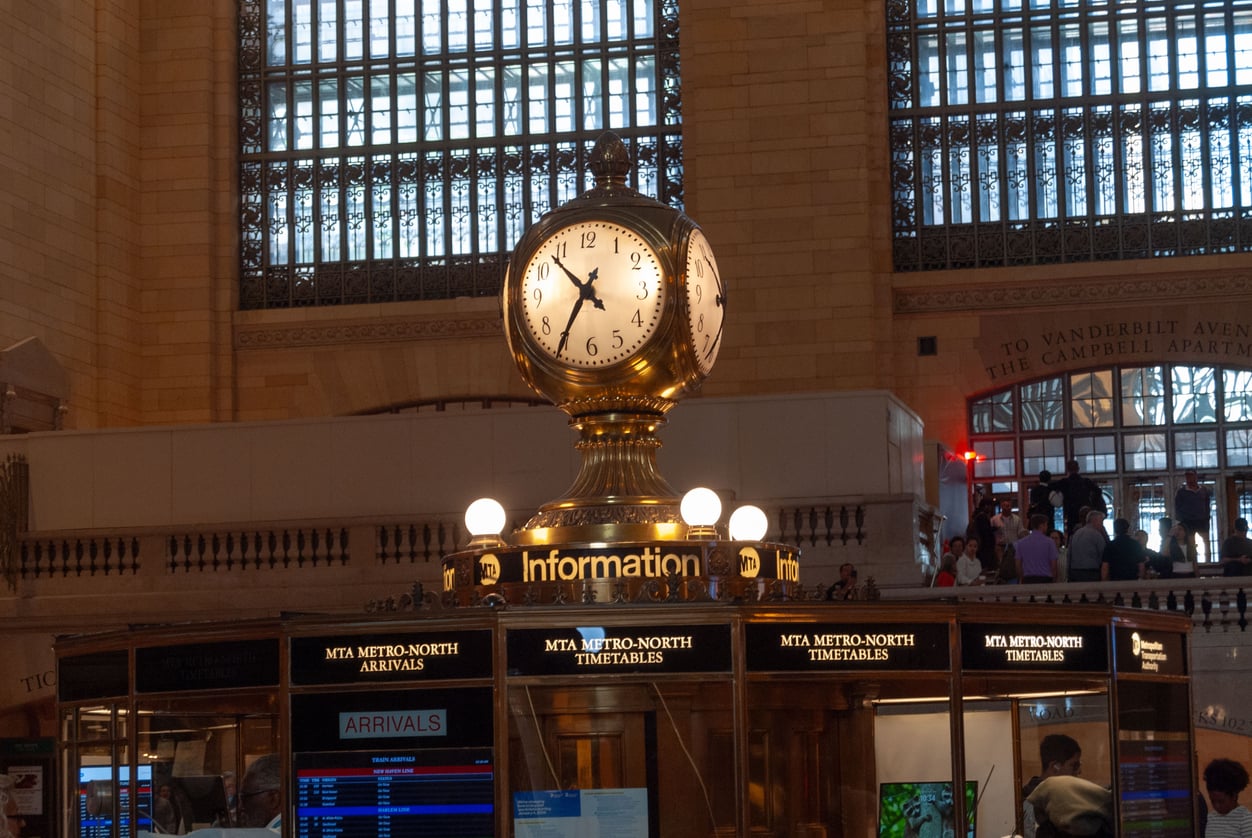
Long before location-sharing apps, a large public clock could be the easiest place to find someone in a crowded train station. New York City’s Grand Central Terminal became particularly famous for its four-faced clock above the information booth. Travelers arriving on different trains could simply agree to meet beneath it rather than searching through platforms and waiting areas. Of course, the arrangement depended on everyone knowing which clock was meant. Once the meeting spot was settled, all that remained was watching the minutes tick by.
Waiting at the Airport Gate for Arriving Relatives
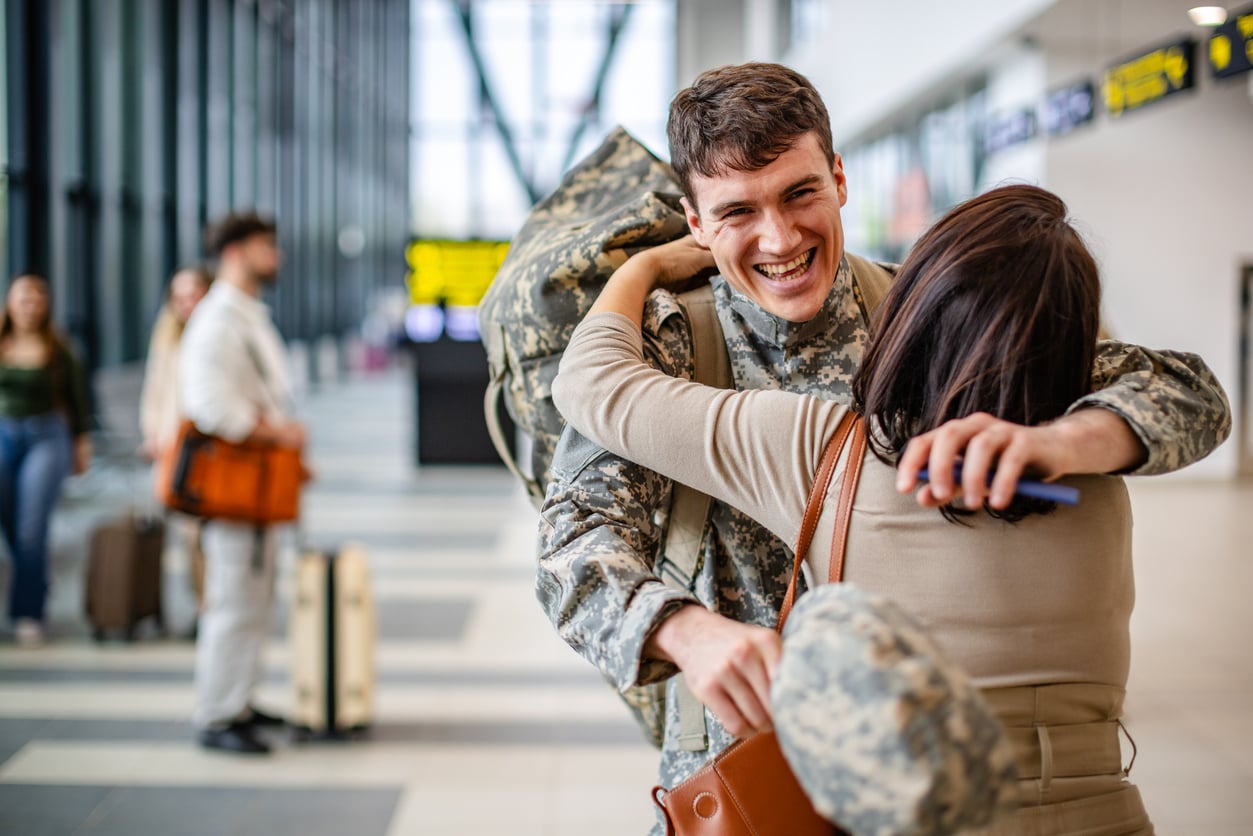
Picking someone up at the airport used to be a much more personal experience. Before the security changes following September 11, 2001, friends and relatives could generally pass through airport screening without an airline ticket and wait at the arrival gate. Families watched passengers emerge from the jet bridge, hoping to spot a familiar face among the crowd. Knowing the flight number and gate was often enough to arrange a reunion. Delays and gate changes could still complicate things, but the first hug frequently happened before anyone reached baggage claim.
Sign up for our newsletter
Leaving a Handwritten Note When Plans Changed

When someone couldn’t wait any longer, a handwritten note sometimes became the next best thing to a text message. A person might leave a message with a receptionist, a trusted employee, or someone at the agreed meeting place explaining where they’d gone. The challenge was making sure the intended recipient actually received it. A note left in the wrong place was practically useless, and leaving one in public could expose personal information. Still, a few scribbled words could occasionally prevent two people from spending the afternoon looking for each other.
Asking Security Guards or Police Officers for Help
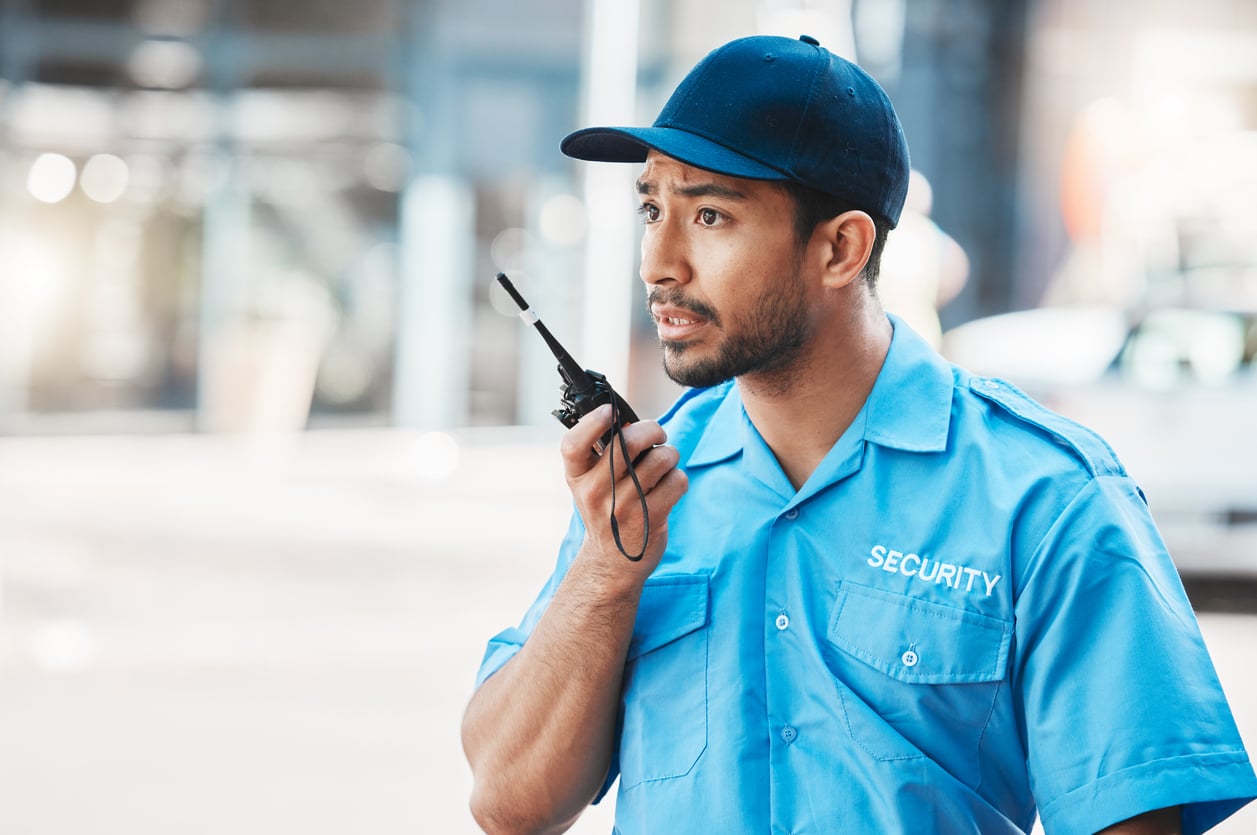
When wandering around didn’t work, people sometimes turned to mall security, park employees, or police officers for assistance. Unlike ordinary visitors, staff members could contact colleagues by radio and knew where to direct someone who needed help. This was particularly important when a child went missing in a crowded attraction. Of course, assistance wasn’t always as helpful as families hoped. A 1988 newspaper account described two girls at a Virginia mall who struggled to get help after missing their ride, showing that even official channels had limitations.
Making a Collect Call When You Had No Change
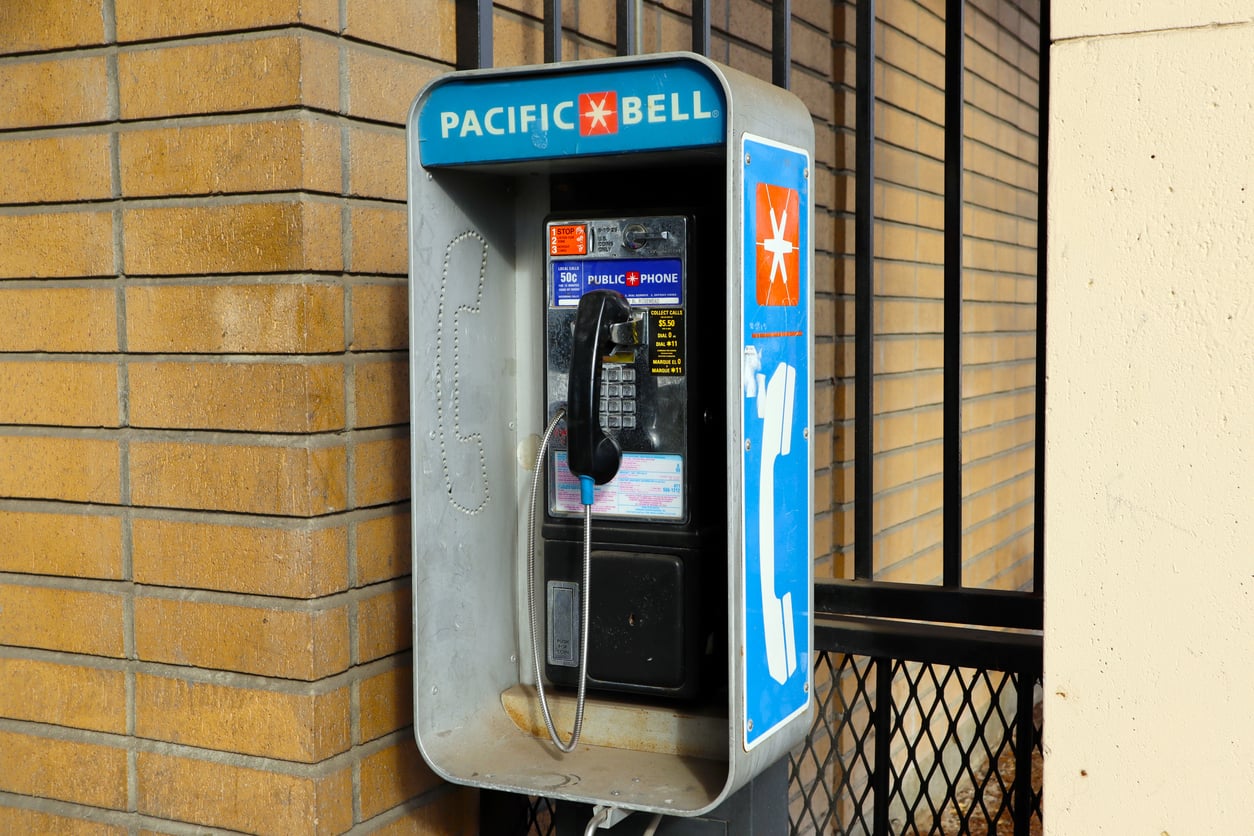
Running out of quarters didn’t always mean you were completely out of options. From a payphone, someone could place a collect call and ask the person answering to accept the charges. It was especially useful for teenagers who needed a ride home but had spent their last coins at the arcade. Some families also remember callers squeezing a quick message into the recorded name announcement before the recipient declined the charges. That trick wasn’t guaranteed to work, and legitimate collect calls could be expensive, but it became a memorable part of pre-cellphone life.
Retracing Every Store and Place You Had Just Visited

Sometimes the only strategy was to turn around and start looking. Families retraced their steps through department stores, food courts, restrooms, and amusement park attractions, hoping to spot the missing person somewhere along the route. One parent might check the last shop while another looked near the snack stand. The problem was that both parties could keep moving and repeatedly miss each other. What might take a single text today could become an exhausting search, especially when nobody knew whether the other person had stayed put or wandered elsewhere.